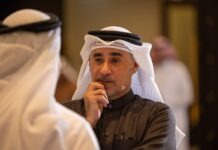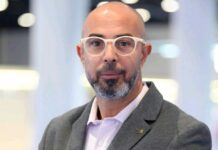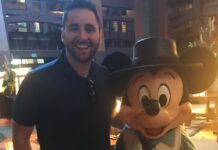

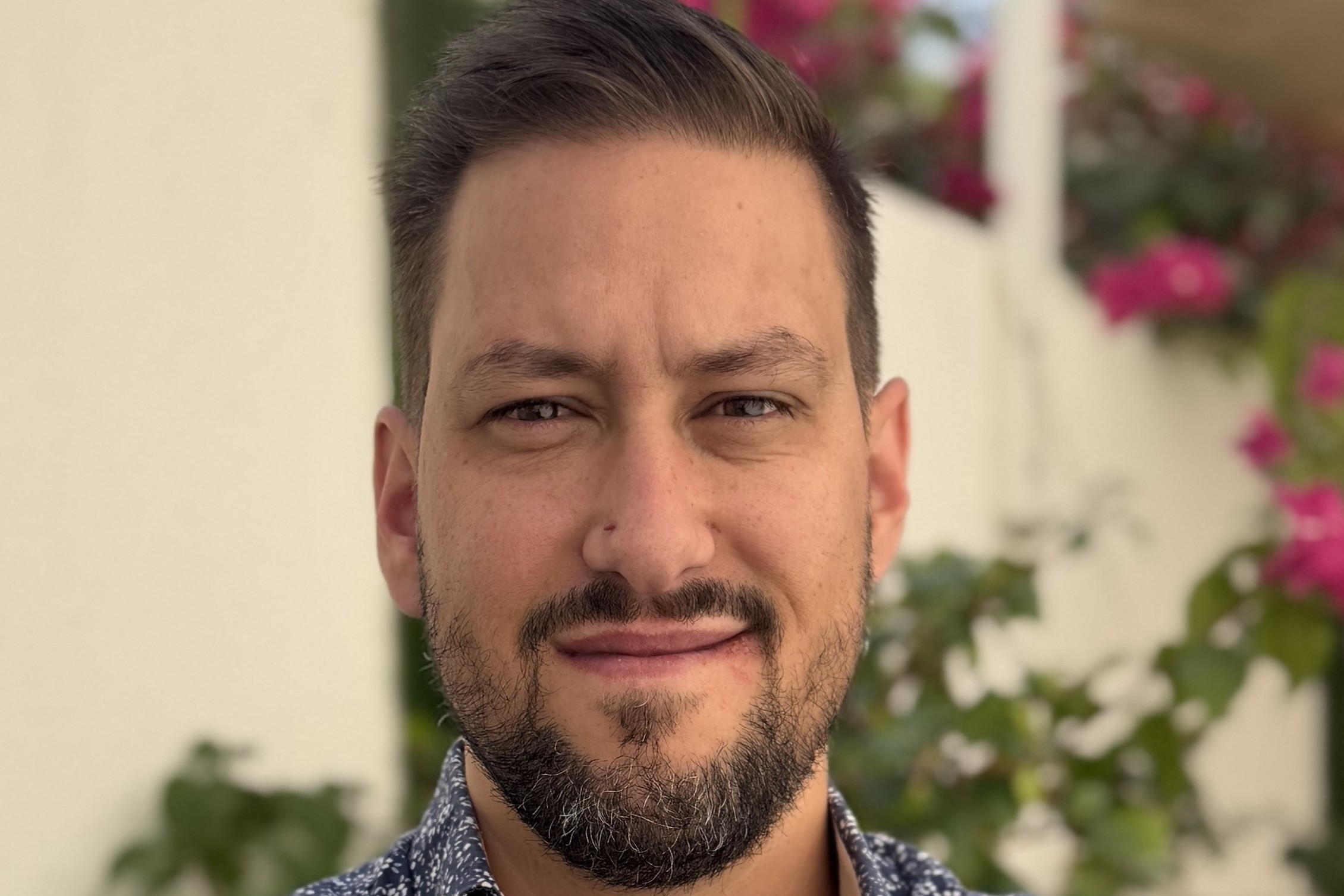
A Portuguese director who grew up in front of the television shares how family legacy, global projects, and life in the Middle East shaped his career — and why storytelling still defines great live sports. Interview with Diogo Açafrão, Sports TV Director and EVS Operator at Abu Dhabi Media (ADM), UAE.
He grew up inside control rooms, where editing software replaced playgrounds.
Television was never just around him — it was part of his family’s DNA.He even tried to leave it, enrolling in law school before realizing he couldn’t walk away. Years later, that same path led him to the Champions League and major international productions across more than 20 countries.
 Growing Up Inside Television
—What is your first memory connected to television?
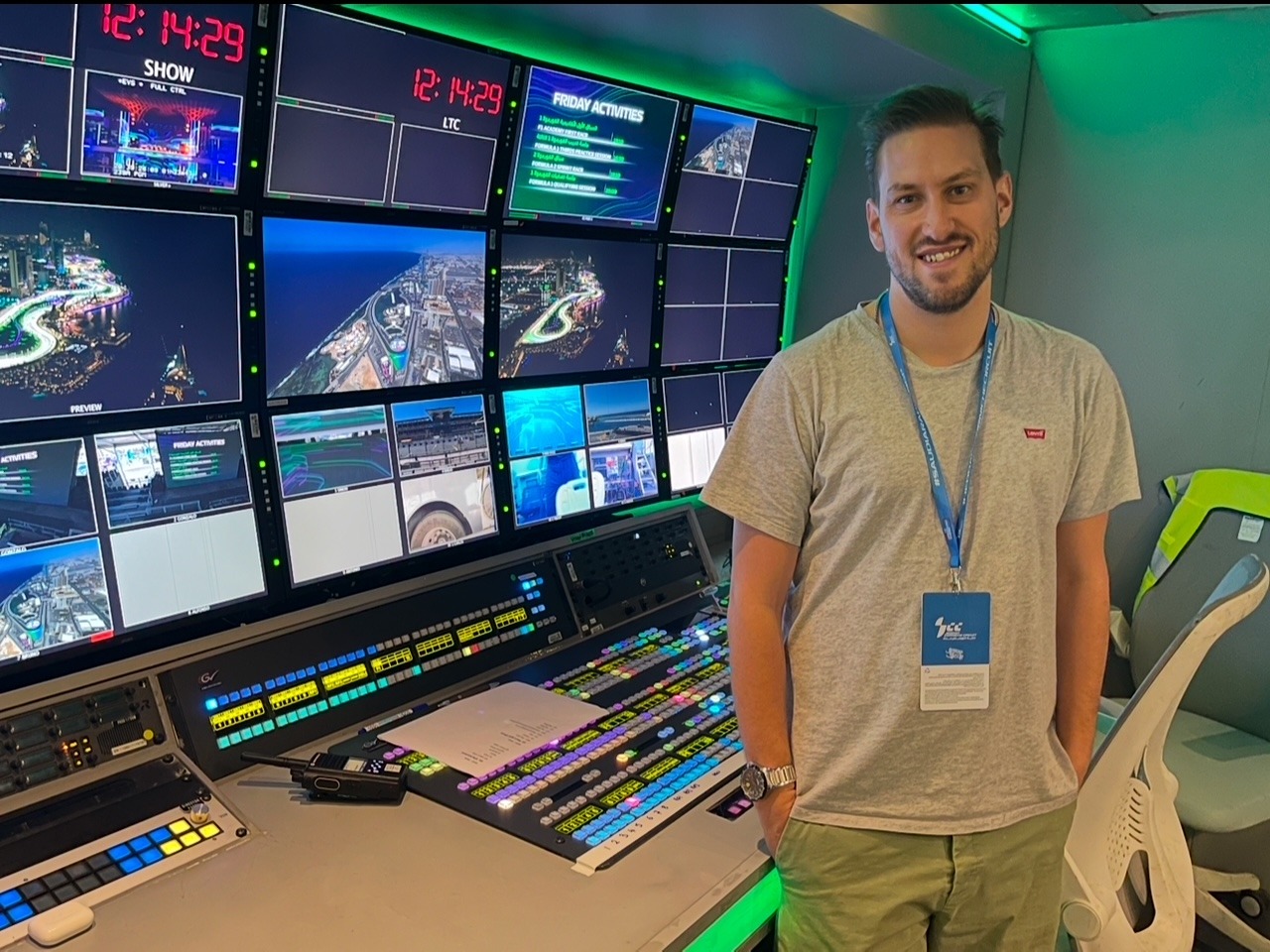
I was basically born and raised inside television. That’s the simplest way to explain it. From a very early age, I was already editing video just for fun. My father was working at RTP (Rádio e Televisão de Portugal), the Portuguese public broadcaster, and at the same time, he also had his own production company. After school, instead of going home, I would go straight to the production company.
 — Television was literally your playground?
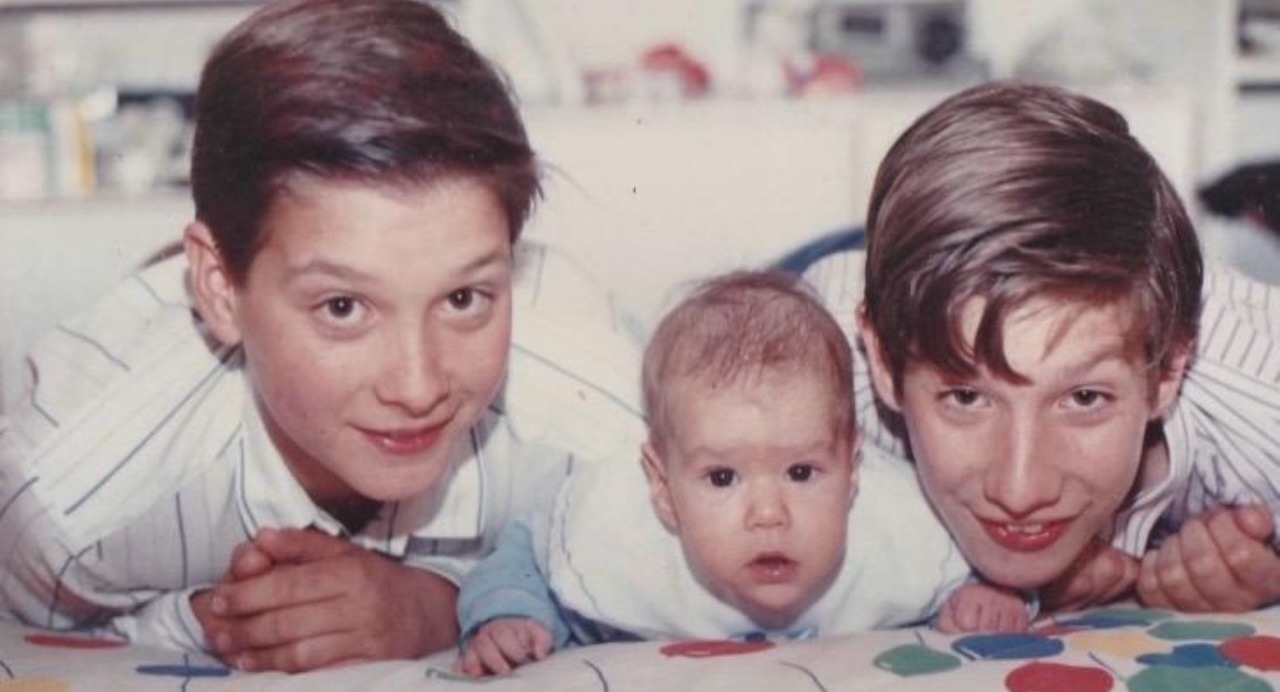
Exactly. My toys were computers, editing software, and control rooms. My brothers were already working as cameramen at that time, so I grew up watching everything that happened in the scenes.
“My toys were computers, editing software, and control rooms”.
— What attracted you the most?
Most people fall in love with what’s in front of the camera. I was always fascinated by what happens behind it. The technical side, the coordination, the decisions, the teamwork. That environment shaped me from a very young age.
 — Did your family encourage you to follow this path?
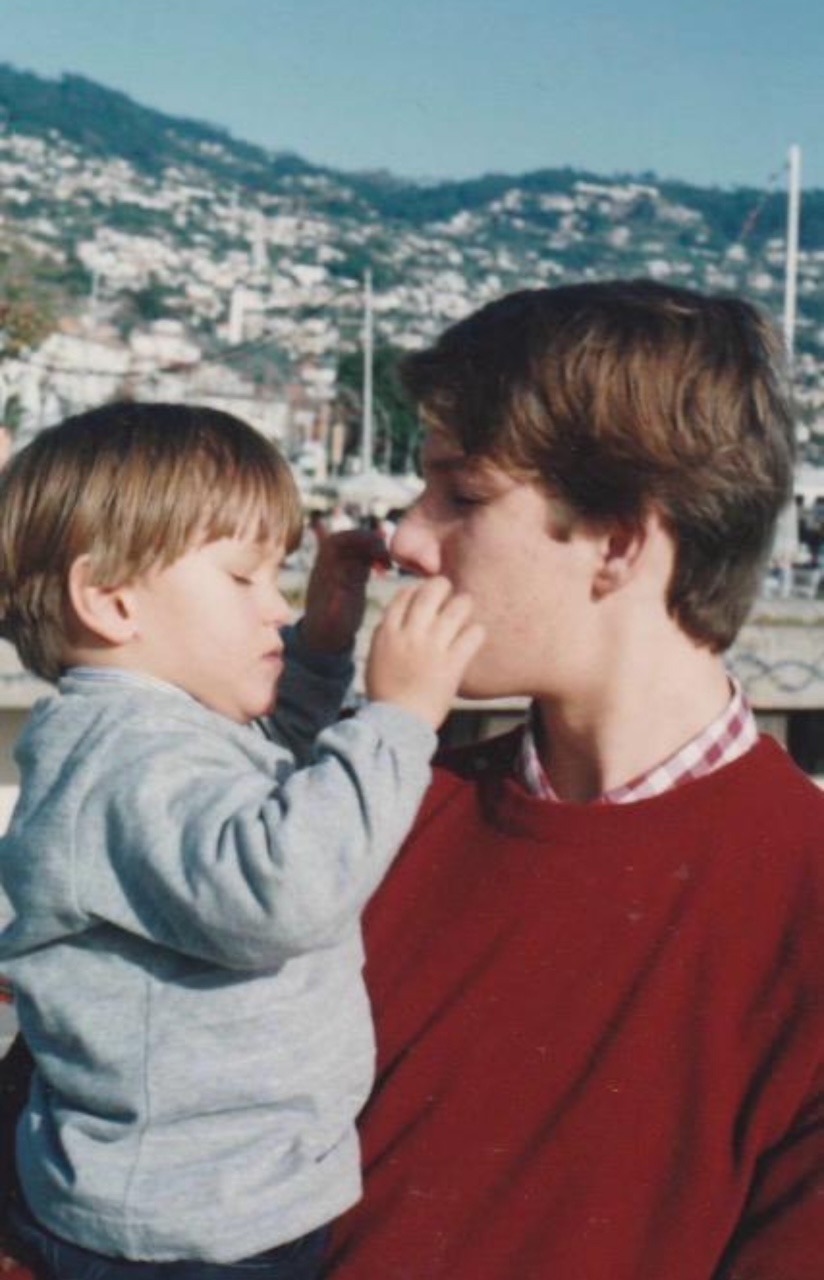
Not really. My father actually tried to protect me from it. He told me many times to try to choose another career, because television can be very tough. And I did try.
— But eventually you came back. Why?
At a certain point in my life, I understood that you really have to do what you love. Life is too short to spend it doing something that doesn’t fulfill you. That realization changed everything for me. I decided to leave law school and go to film school. I told myself, it doesn’t matter if it’s a lot of money or a little money, I want to do what I truly love. Growing up surrounded by cameras, editing systems, and control rooms had already shaped who I was.
— And before that?
As an EVS professional, I was part of projects I never imagined I would be involved in. Champions League finals, Super Cup finals — absolutely incredible experiences.
“Life is too short to spend it doing something that doesn’t fulfill you.”
 Early Life and Family Background in Broadcasting
— You were born in Lisbon. Was television already part of your environment growing up?
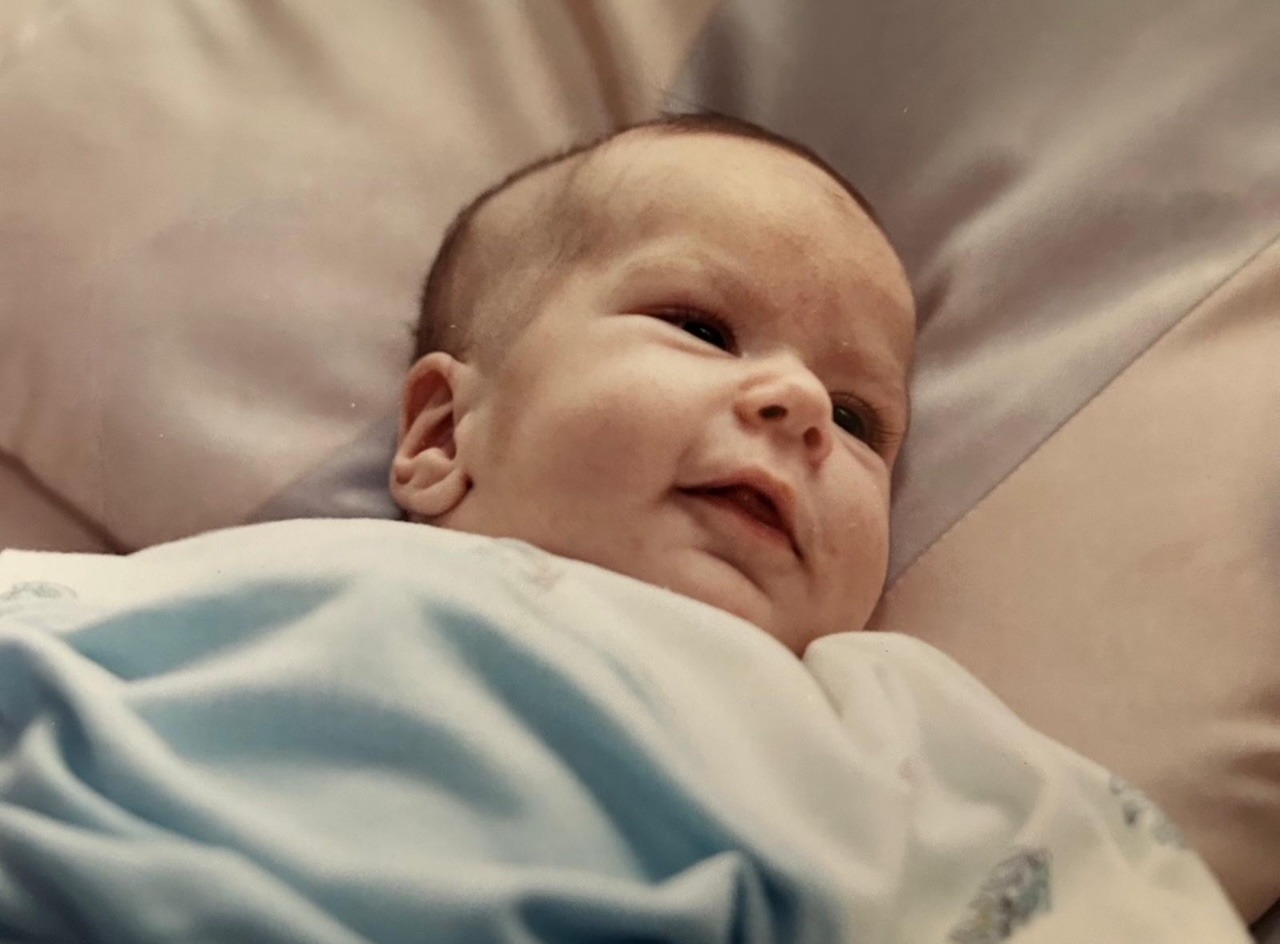
Yes. I was born in Lisbon on January 6, 1990. Television was always present in my life. My father worked at Portuguese public television from the very beginning of its existence. He started as a camera operator and finished his career as an operations director. My mother was a public servant.
— Was your family closely connected to the television industry?
Very much so. I had two brothers, and both of them worked in television. Unfortunately, one of them passed away. He worked as a cameraman in a private Portuguese TV company. My other brother currently works as a director in Saudi Arabia on Saudi Pro League projects. In many ways, we were a television family.
 Education and First Steps into Television
— Did you choose television from the start?
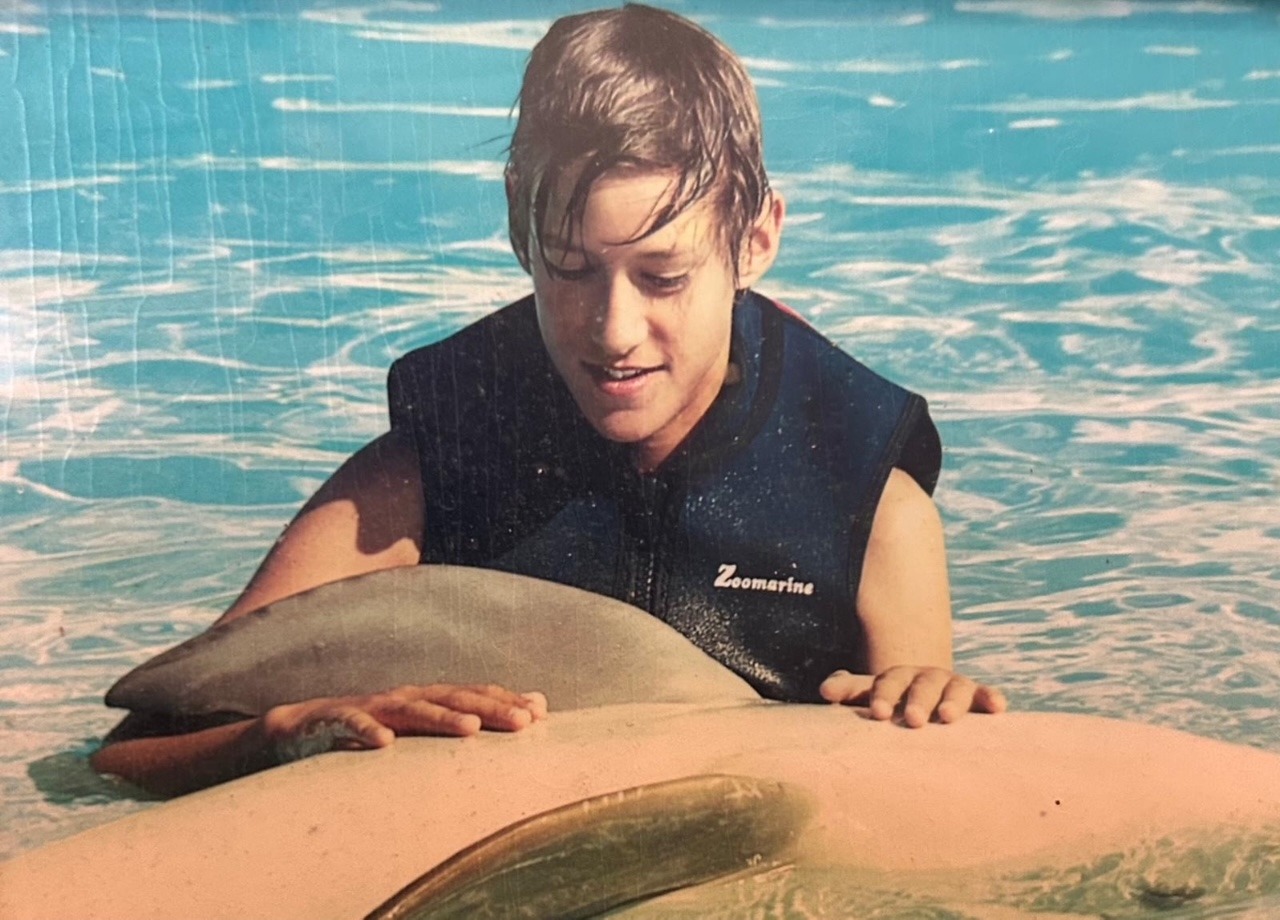
No. I actually tried to avoid it. I started by studying law at university, but I quickly realized it was not for me. After that, I went to film school, and that is where my professional path clearly shifted toward television.
 — What was your first professional role?
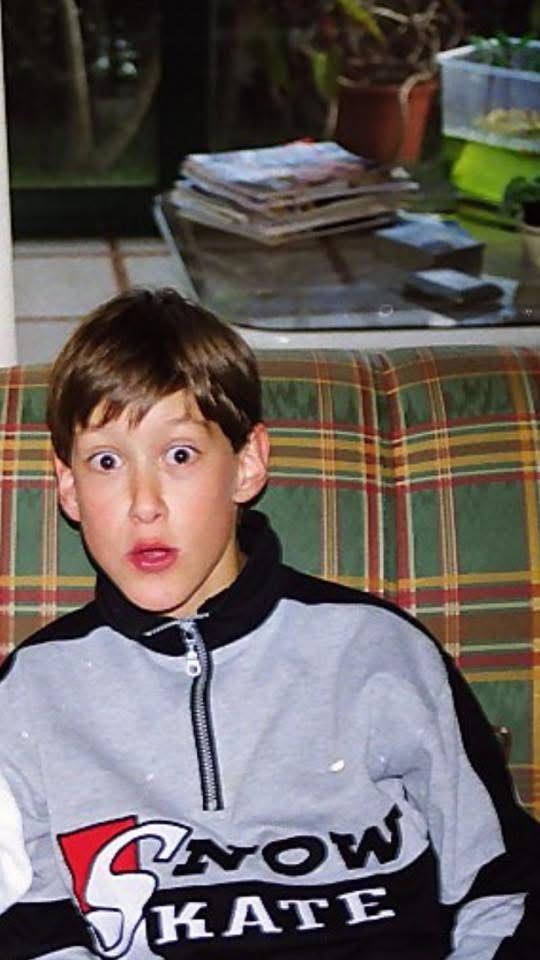
I started as an EVS operator. That stage was extremely important because it gave me a deep understanding of live production workflows. Later, I transitioned into directing.
International Experience with Mediapro and Media Luso
— Where did you gain your first international experience?
In Portugal, at Media Luso, which is part of the Mediapro group. From a very early stage, I was involved in international sports productions as an EVS operator.
— Who were some of the directors you worked with during that period?
I worked with well-known European directors, including Juan Figueroa and Oscar Carlago. It was a very strong professional learning environment.
 First Projects in the Middle East
— When did the Middle East enter your career path?
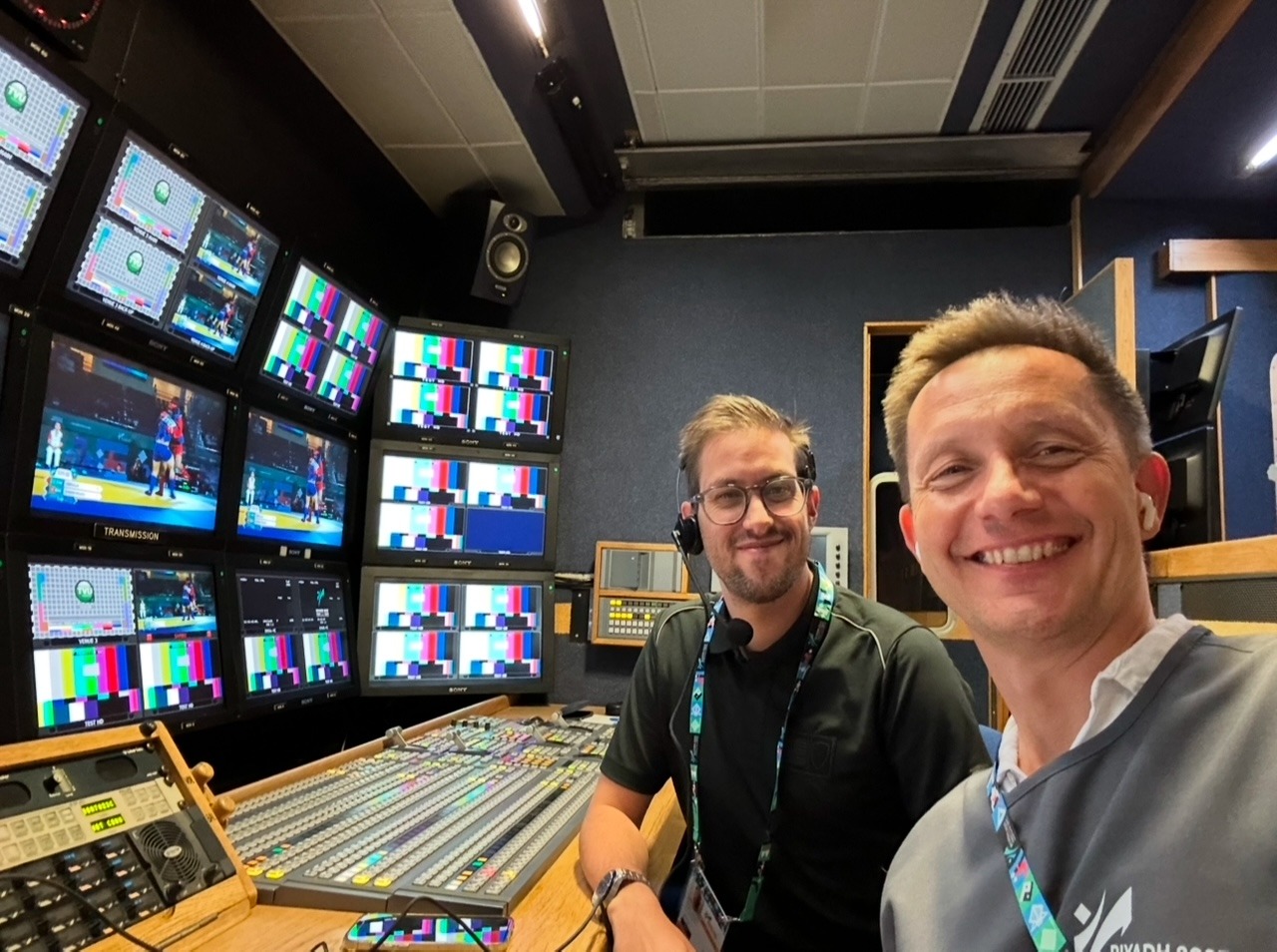
About four years after I started working professionally. I came to the UAE for the first time and spent one season working as an EVS operator for Abu Dhabi Media.
— Why did you decide to return to Portugal afterward?
I received an offer from a Portuguese news channel to start directing news. Even though my long-term goal was always sports, I saw this as an opportunity to grow as a director.
 Directing News as a Professional Foundation
— What did working in news broadcasting give you professionally?
It gave me a solid foundation in directing. I gained hands-on experience with vision mixers, live decision-making, and managing the pace and structure of live broadcasts.
— How long did you stay in news broadcasting?
I spent four years at a private news channel in Portugal.
Return to Sports Broadcasting
— When did you return to sports production?
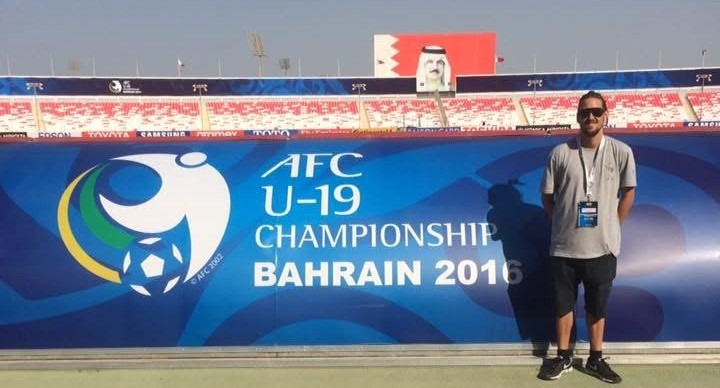
After working in news, I joined the Portuguese Football Federation’s channel and began directing football matches.
Major Sports Events in Saudi Arabia
— How did your work in Saudi Arabia begin?
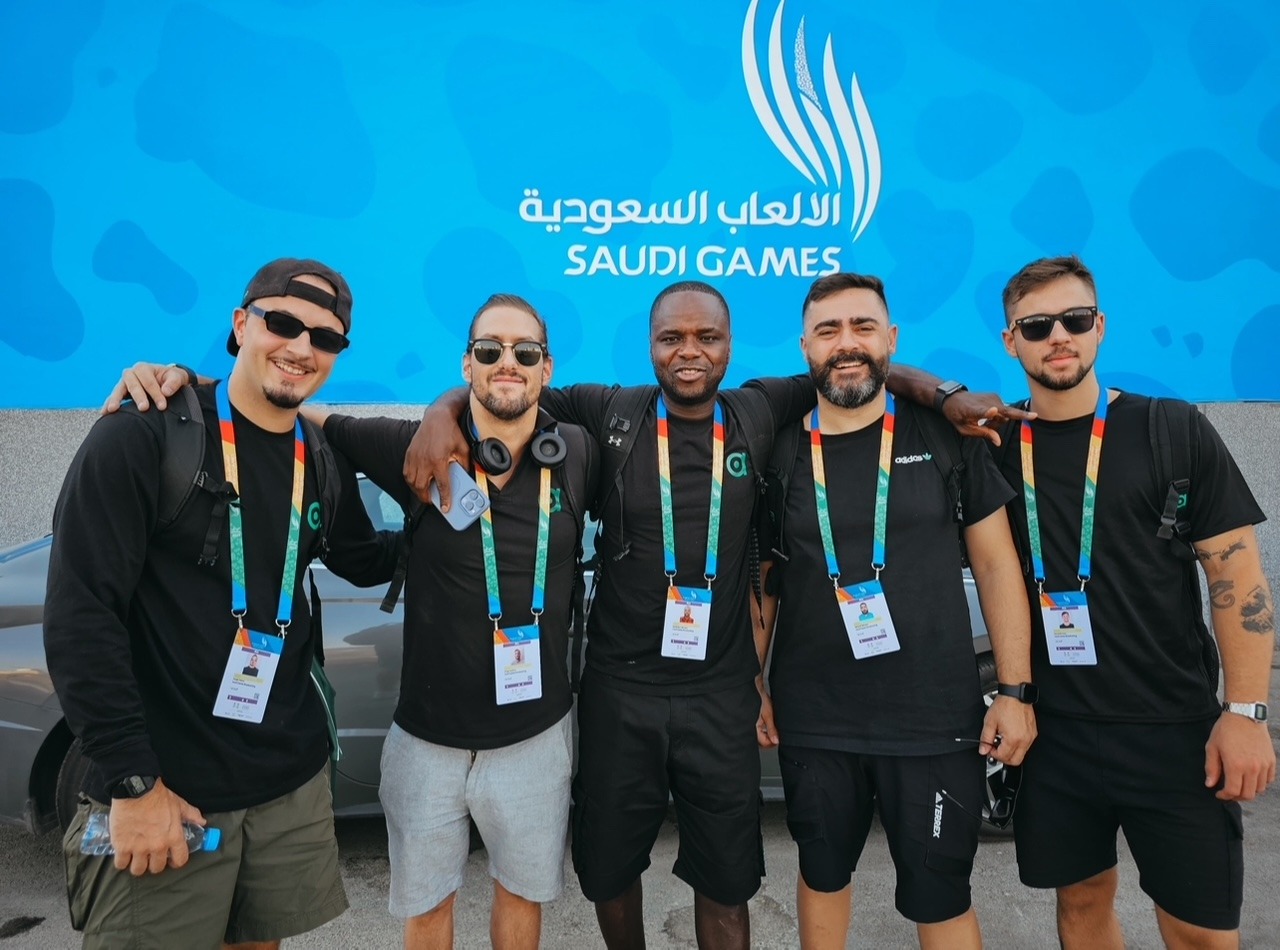
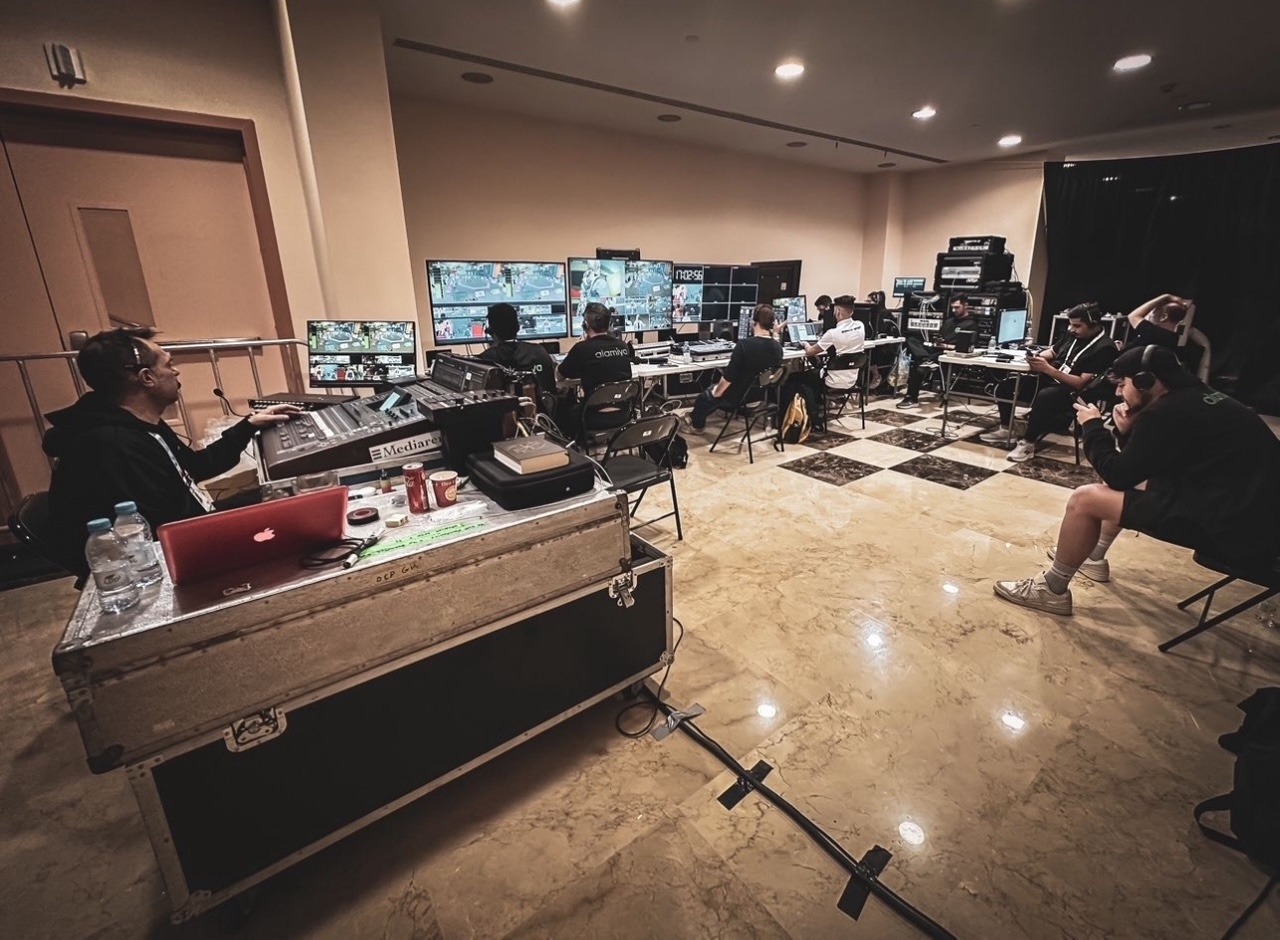
I was invited to direct the World Combat Games. After that, I worked on the Saudi Games and later received an offer to stay with Alameya.
— What was your role at Alameya?
I worked as a VT coordinator and EVS supervisor. In addition, I directed all sports productions except football.
— How long did this stage last?
Approximately two years.
 Professional Transitions and Looking Ahead
— Why did this stage come to an end?
Alameya is a complex company. I prefer not to go into details, but at a certain point, it became clear that this chapter of my professional journey had come to an end.
— Looking back, did television eventually catch up with you?
Yes. We all tried to move away from it, but in the end, we all found ourselves inside the industry. If you grow up around television, it has a way of finding you again.
 Return to Abu Dhabi Media and Relocation to Dubai
— After Saudi Arabia, you decided to return to the UAE. How did that happen?
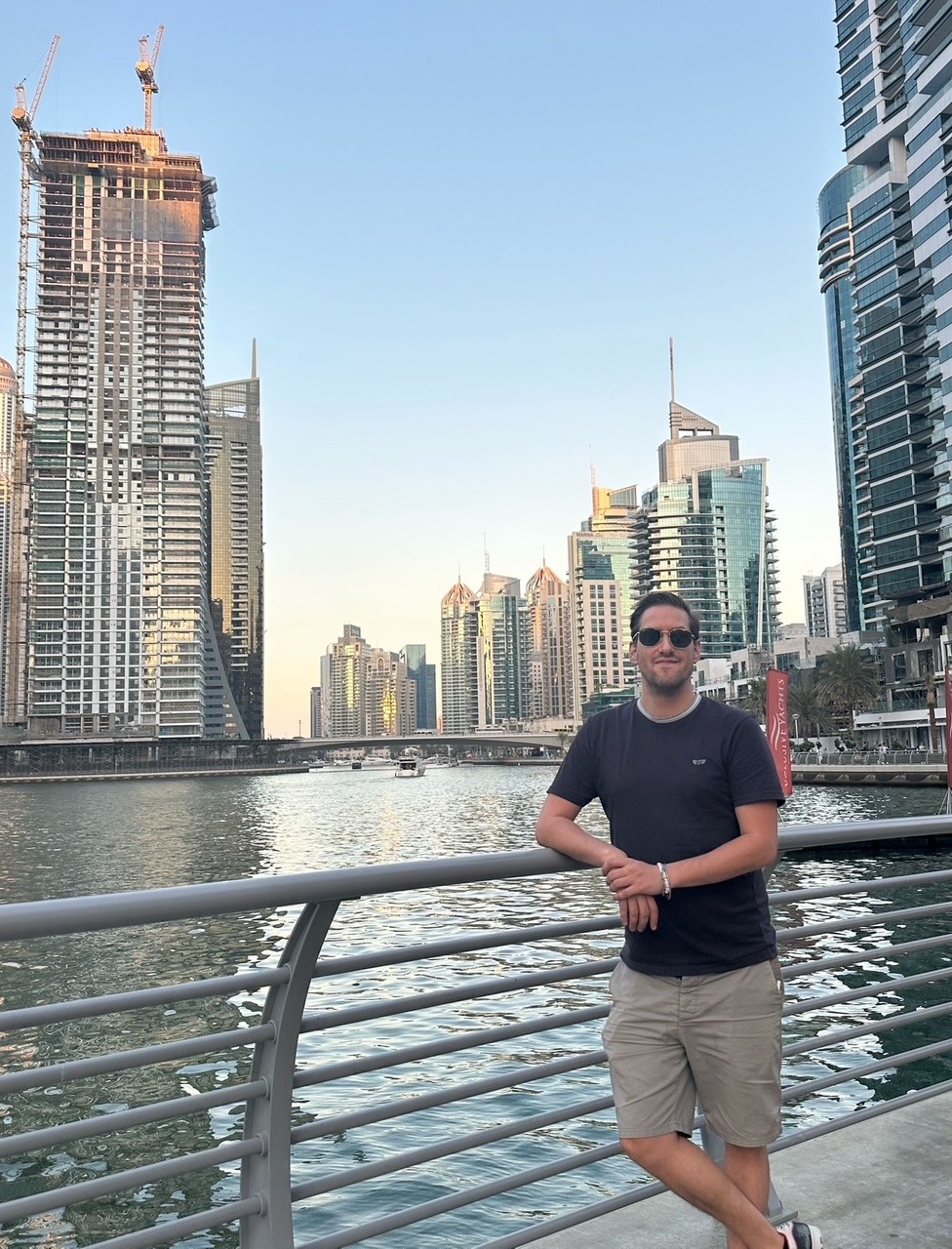
At a certain point, I didn’t want to continue on that path anymore. So, I called my former colleagues at Abu Dhabi Media. I told them, this is my current position, this is what I know how to do. I asked if they had a place for me. Fortunately, they were very open, and I was able to come back immediately.
— What is your current role at Abu Dhabi Media?
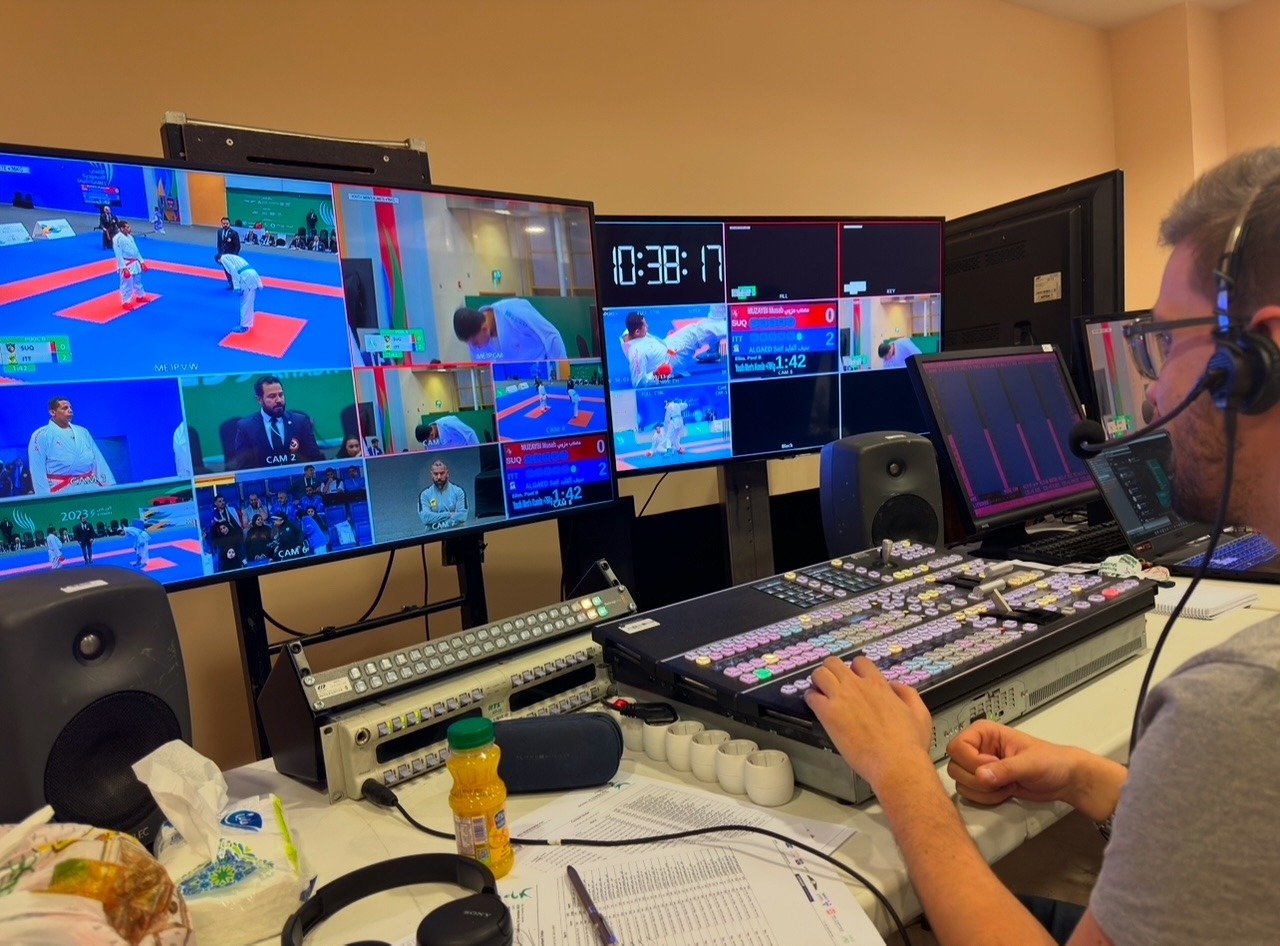
I am now living full-time in Dubai and working for Abu Dhabi Media primarily as a TV director for sports. At the same time, I still work as an EVS operator when needed.
— It’s a hybrid role?
Yes, exactly. It’s a mixed position. Officially, I was hired as a junior TV director, combined with an EVS operator for the first one to two years. The idea is that, if everything goes well, the position will be upgraded.
 — How is that progression going so far?
Very well, I believe. Right now, we are directing WTA events, and I am one of the directors on those productions. Things are moving in the right direction, and I’m very motivated to continue.
— Do you see your future in the UAE?
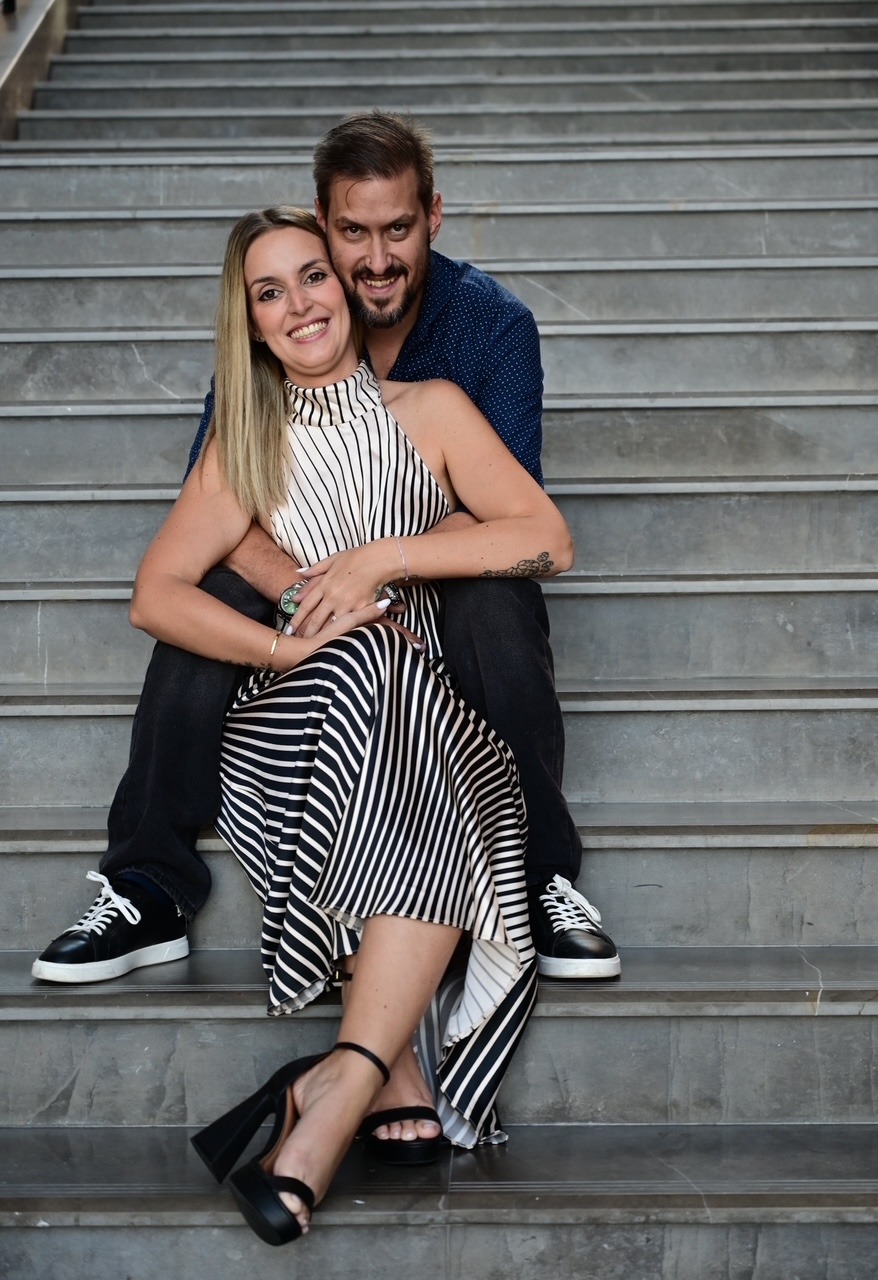
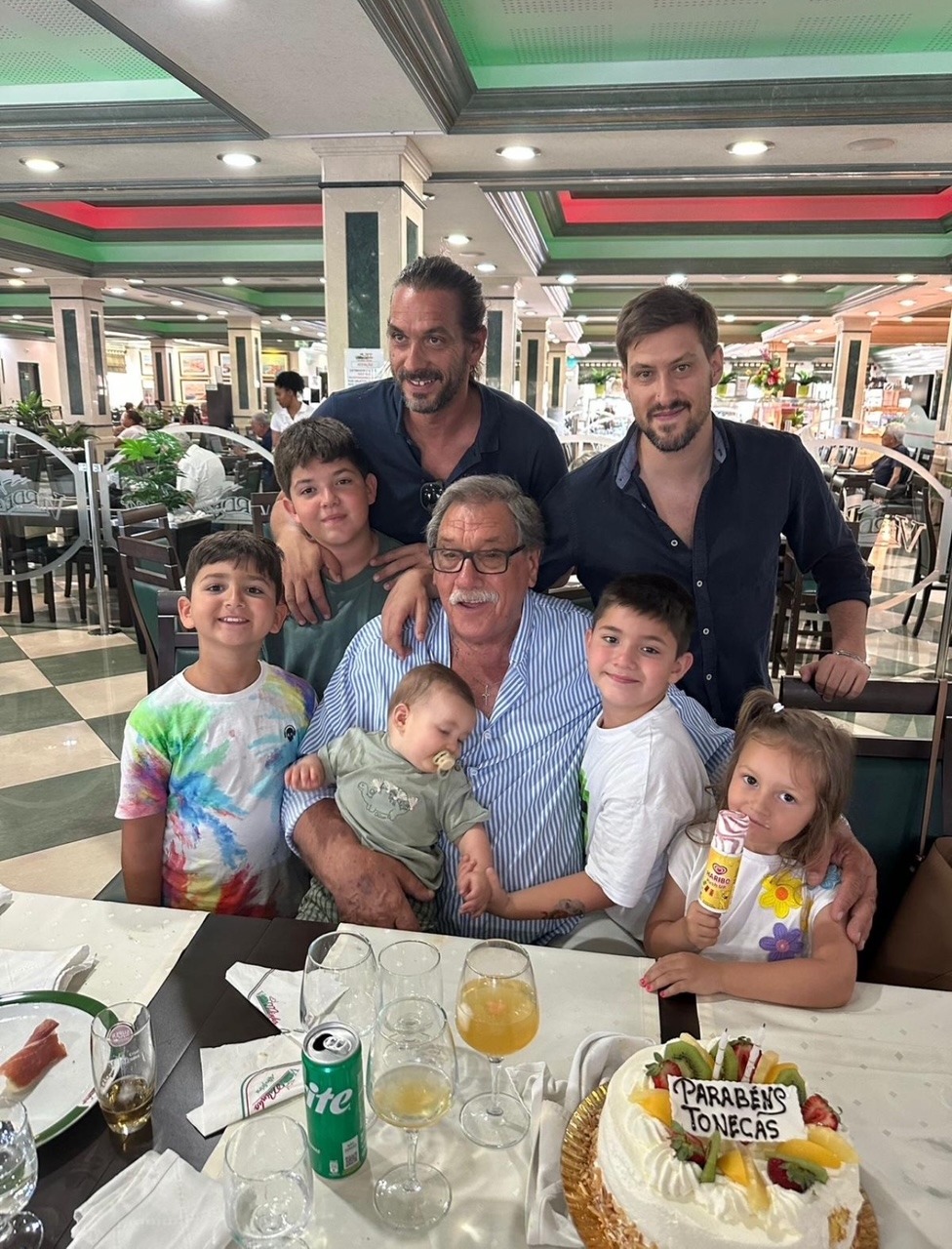
Absolutely. I want to stay in the UAE. I’ve now brought my family here, my wife and my kids, so we are fully settling in Dubai. I feel this is a long-term chapter for us.
 Family Life and Settling in the UAE
— Your family is now living with you in Dubai?
Yes. They came this year. This time, when I relocated, I brought them with me.
— Let’s talk a bit about your personal life. Where did you meet your wife?
In Portugal. We met many years ago.
— How did that happen?
When I was younger, I was involved in politics for a short period. I was part of a political youth organization, and that’s where we met. So, we’ve known each other for a long time.
— You’ve been together for many years?
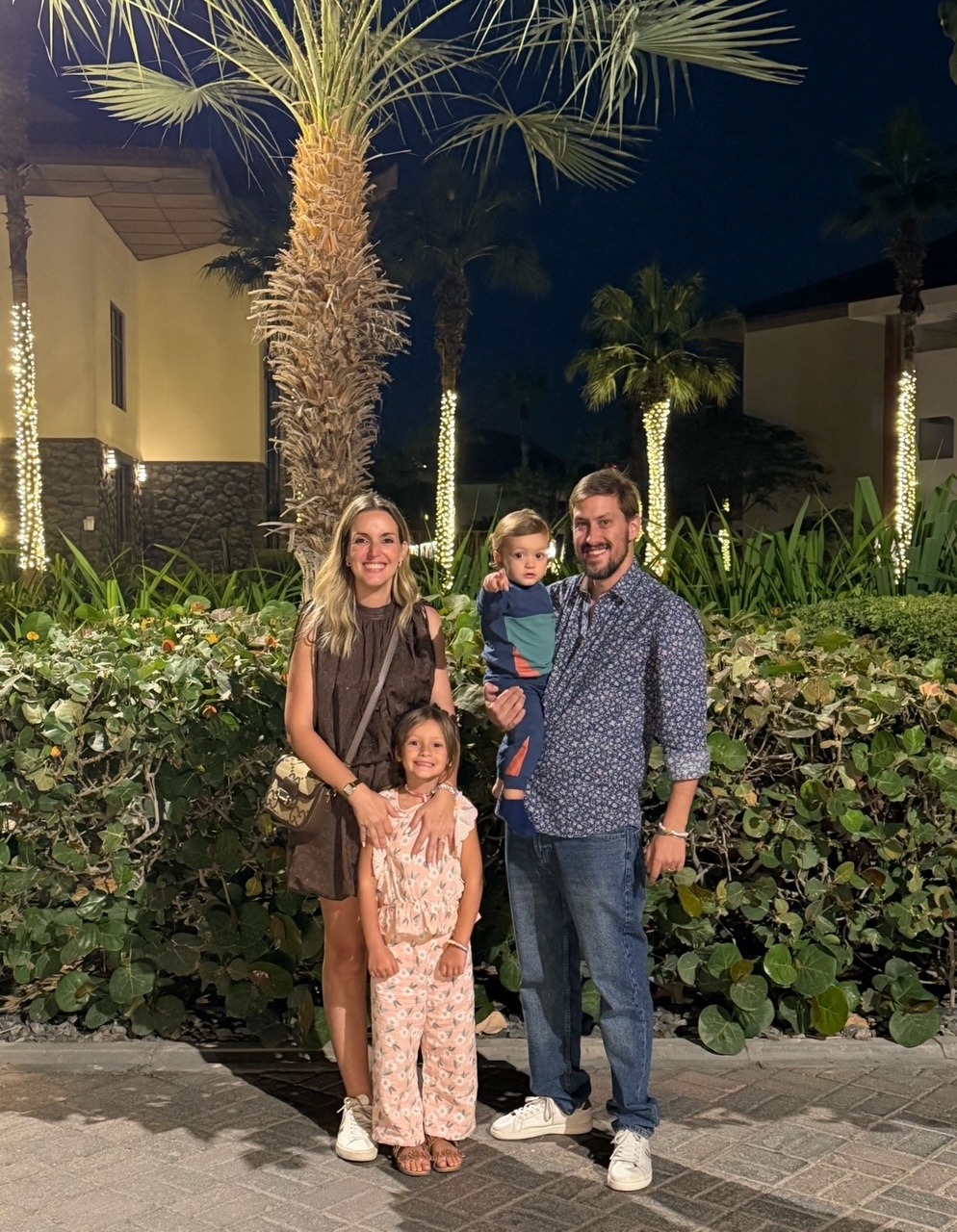
Yes. We’ve been in a long-term relationship, and we have two small children.
 — How are they adapting to life in the UAE?
Very well. Life here is very stable and very safe. For kids, it’s an amazing place. The education system is very strong, and the overall quality of life is excellent.
— Is this where you want your children to grow up?
Yes. This is the country where I want to be, and where I want my children to grow. Europe is becoming increasingly unstable, and I think you understand what I mean.
— A future TV director already?
Exactly. And I think I’ve officially closed the shop.
 — No more travel?
Enough. I’ve traveled a lot already. Now it’s time to enjoy life.
“Now it’s time to enjoy life.”
— Does your wife agree with that decision?
Yes, completely. We have an agreement. This is the moment to focus on family and stability.
— What is your wife’s professional background?
She is an HR director.
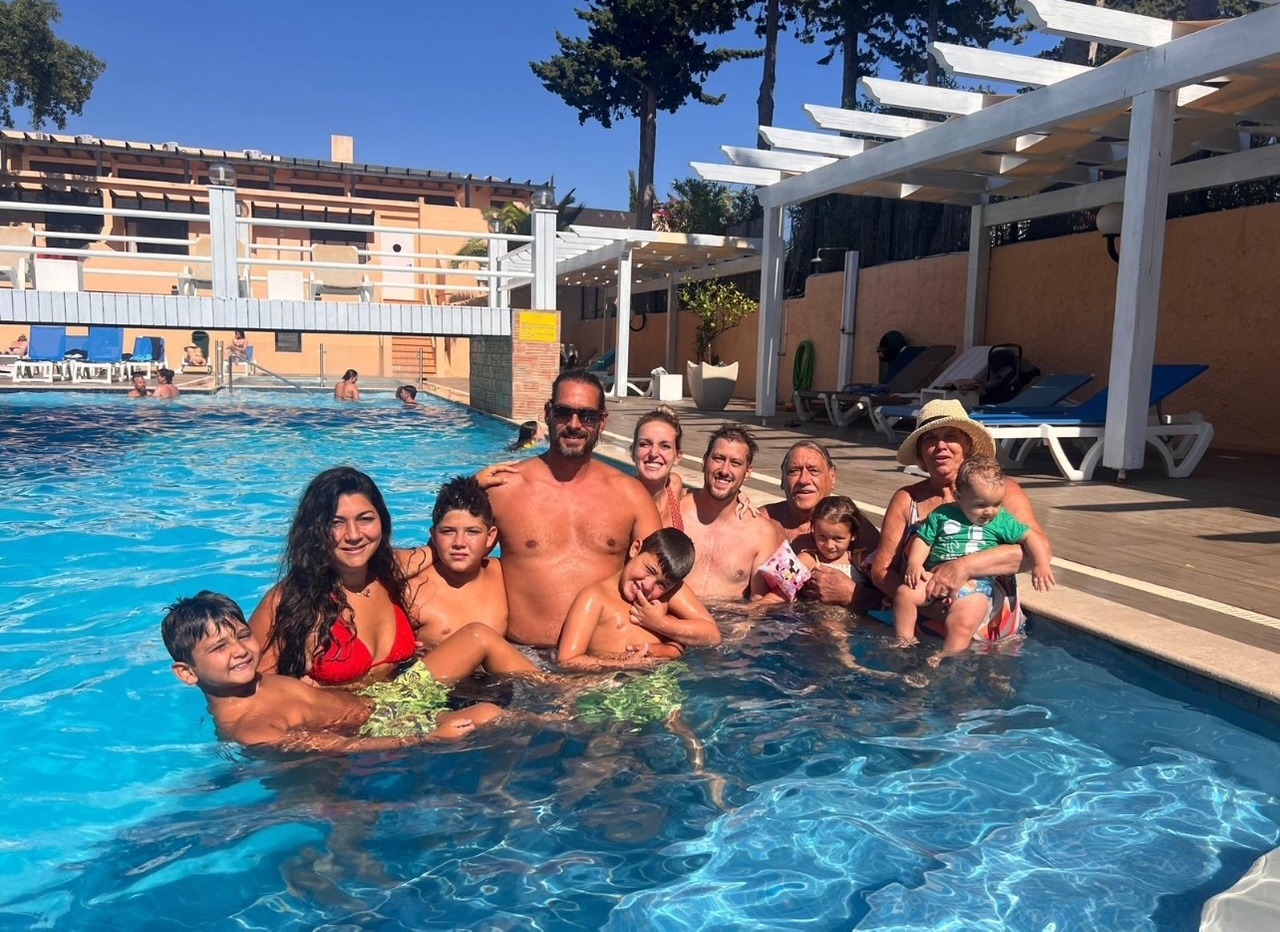 — Is she working at the moment?
At the moment, she is at home with the baby, but she has started looking for work here in Dubai. She worked in Portugal before and is now exploring opportunities in the UAE.
Professional Achievements and Career Milestones
— Looking at your career today, what would you describe as your main professional achievements?
That’s a big question. Right now, one of the most important milestones for me is directing the WTA for the first time. I’m currently working on WTA 500 events, which is a major step in my directing career.
— How important was your time working on Saudi Pro League projects?
Very important. For the last two years, I worked on the Saudi Pro League as a VT coordinator. It’s a project that keeps growing every year, with massive investment and increasing production standards. That experience was crucial for me.
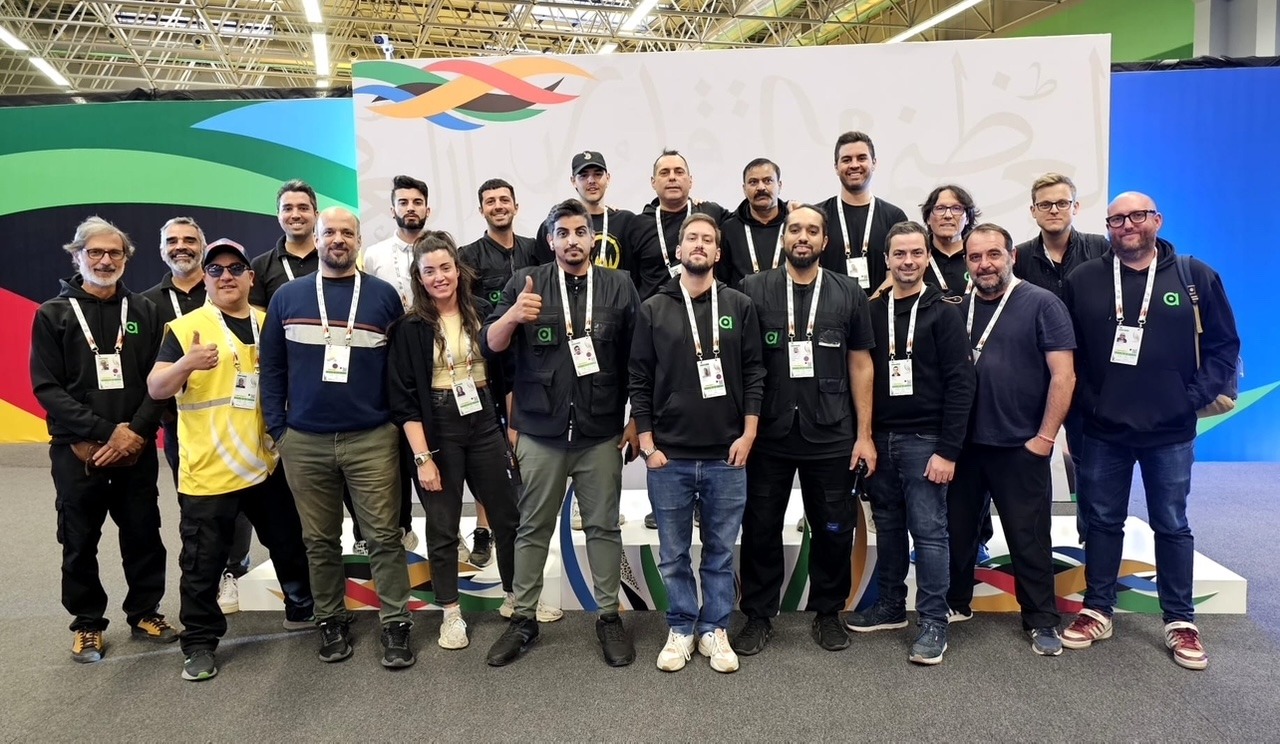 — Why was that stage so decisive?
Because I was working side by side with some of the best in the industry — Grant Phillips, Jamie Oakford, Òscar Lago Domínguez, and François Lano. Being surrounded by people at that level teaches you how to think, how to react, and how to prepare yourself to direct at the highest level. That’s when I really understood that I could be ready to take on bigger directing responsibilities.
— What are you working on today?
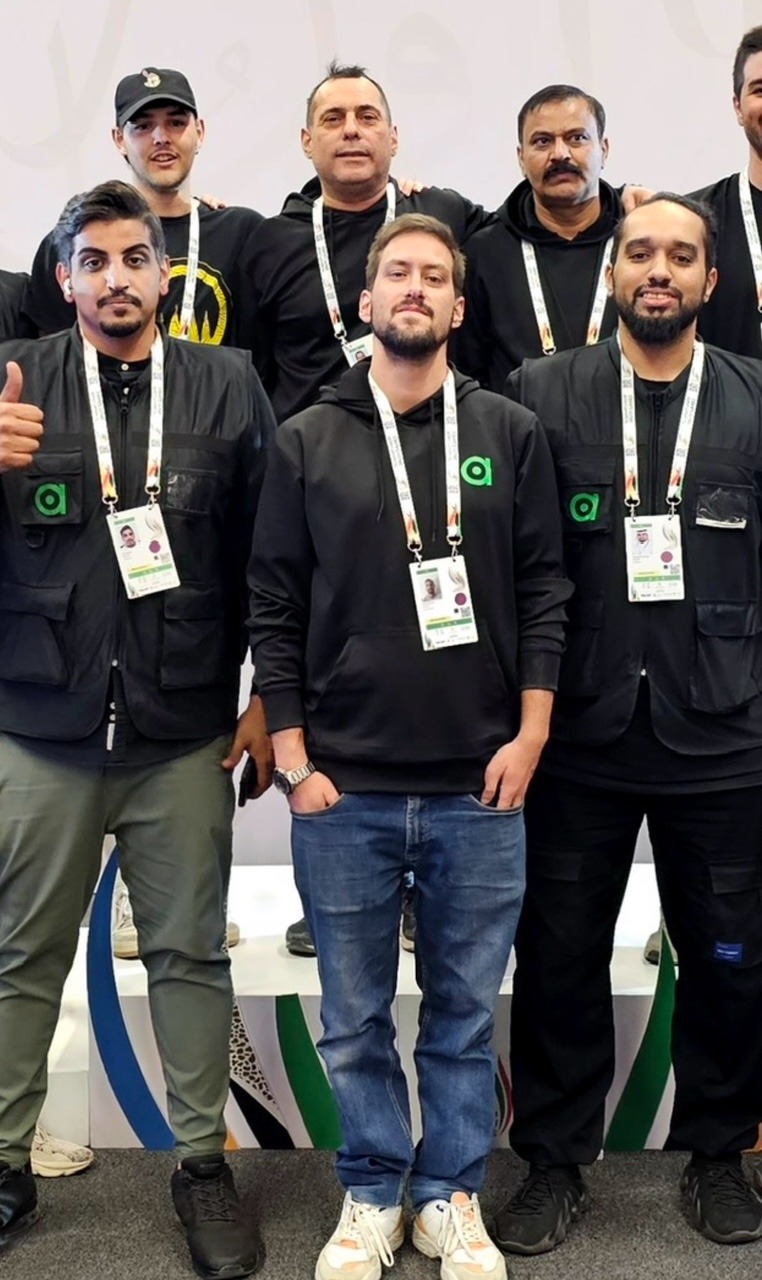
At the moment, I’m directing WTA 500 events and working on the UAE Pro League. These are serious productions, and I want to keep pushing further.
 Experience, Growth, and Long-Term Perspective
— How do you see yourself as a professional today?
I’m 36 years old, and I know I still have a long way to go. I want to become better and better, not just technically, but also creatively. This job is also an art form.
— What do you consider your biggest achievement overall?
Honestly, it’s not a single project. My biggest achievement is the person I’ve become professionally. I’ve worked in 21 countries, with people from completely different cultures, backgrounds, and ways of thinking.
“My biggest achievement is the person I’ve become professionally.”
All of that shaped me. I learned from so many great professionals, and that’s why I’m getting the opportunities I have today.
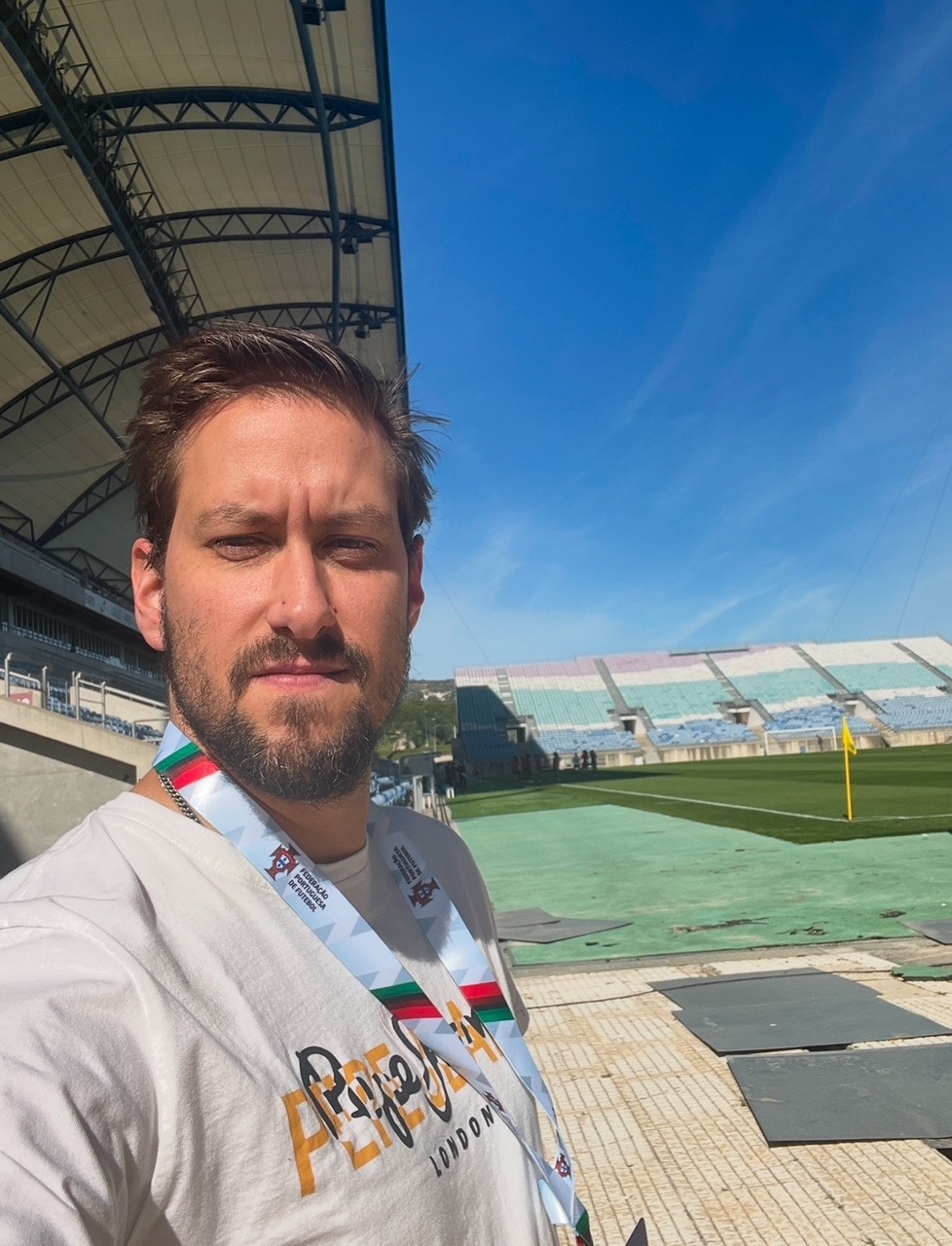 — What do you value most about this profession?
The ability to learn from everyone. In this industry, you are constantly learning from directors, operators, engineers, and producers. That’s the beauty of it.
— Looking ahead, what is your dream now?
My dream is to keep growing. To keep directing bigger and more complex productions, and to keep improving as a professional and as an artist. Hopefully, in ten years, people will look at my work the same way I look at the people who inspired me. And if that happens, I’ll know I did something right.
 Portuguese and Spanish Influence in Middle East Sports Broadcasting
— You mentioned the Middle East specifically. Why did Portuguese professionals arrive here so early?
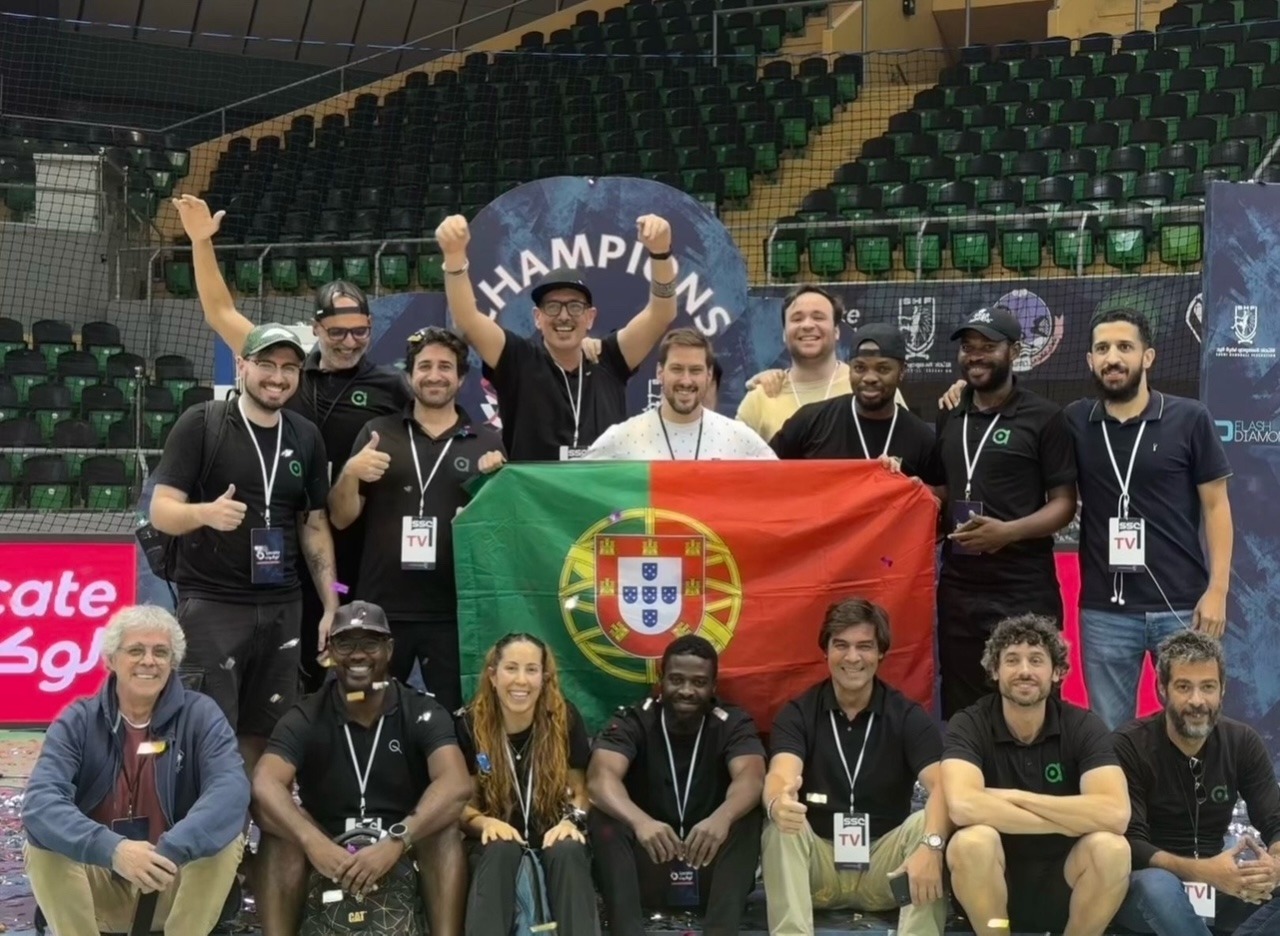
We came very early, starting in Qatar. Then Saudi Arabia. Almost every major project that started here in the early years involved Mediapro. So naturally, you had Portuguese and Spanish crews working side by side.
— And over time, that changed the structure?
Yes. At some point, local broadcasters realized they could work directly with us instead of always going through an external company. That’s when people started spreading across the region and integrating directly into local broadcasters.
 — How visible is that presence today?
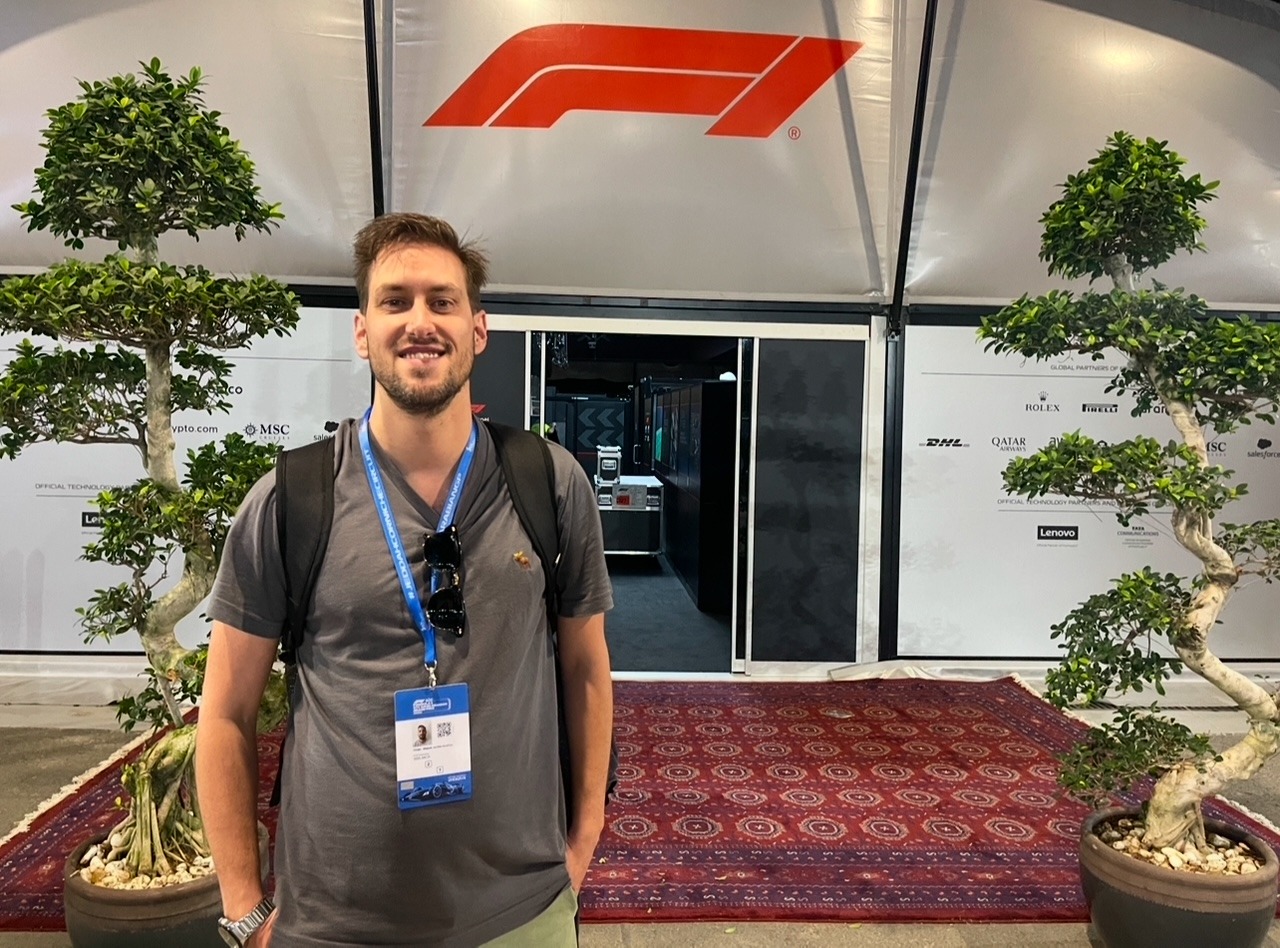
Very visible. At Abu Dhabi Media, we are around 64 people in my area, and at least 40 of them are Portuguese. In Saudi Arabia, my team was about 108 people, and around 60 to 70 were Portuguese.
— That’s a significant number.
It is. We are a nation of explorers. Historically, sailors — today, television explorers. And honestly, I love that.
 A Life of Projects, Countries, and Experience
— You’ve lived a very mobile professional life. Do you still enjoy that rhythm?
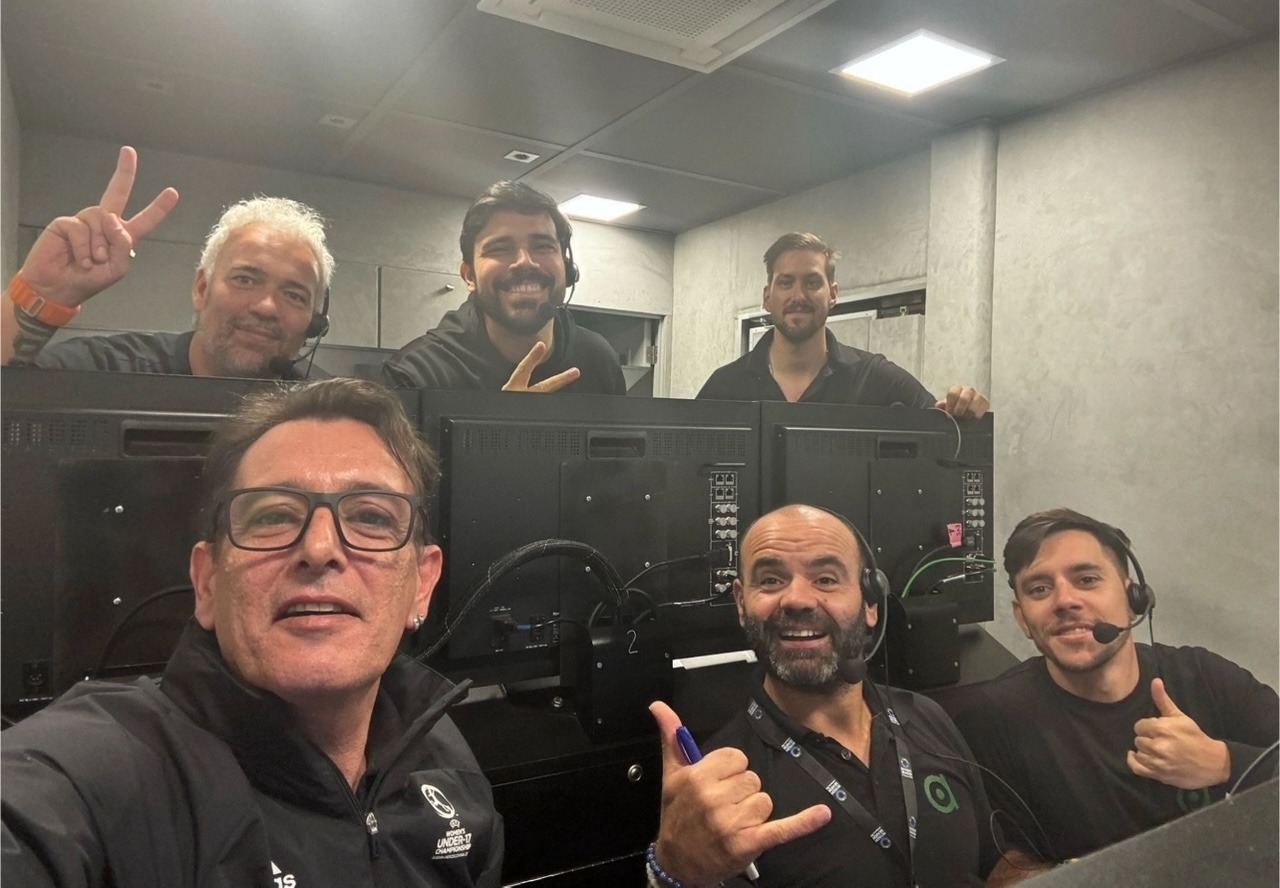
I do. Even though now I want to settle, I truly loved that lifestyle. One month in one country, the next month in another. A new project every time. That’s an amazing way to grow.
— What did that constant movement give you professionally?
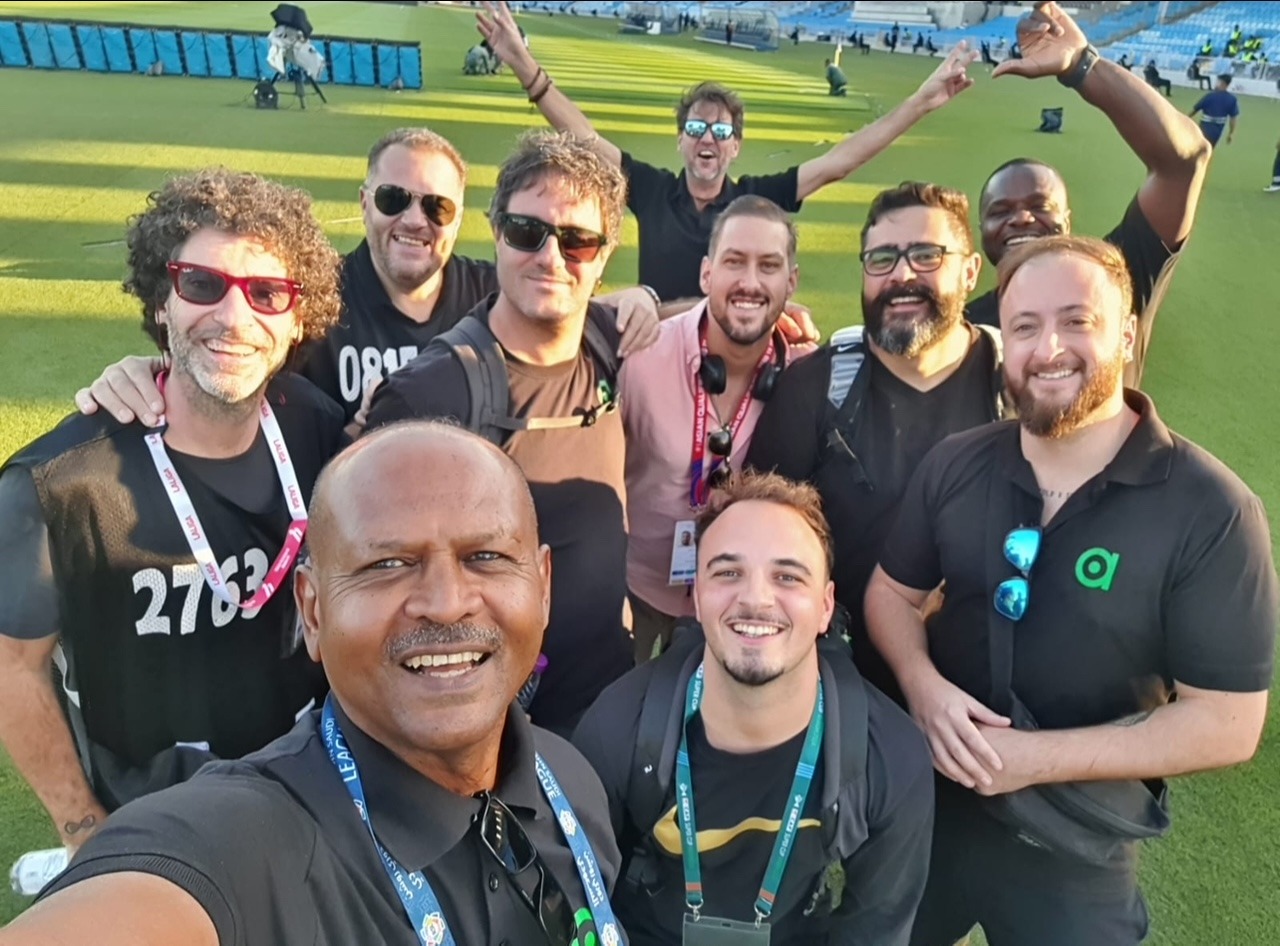
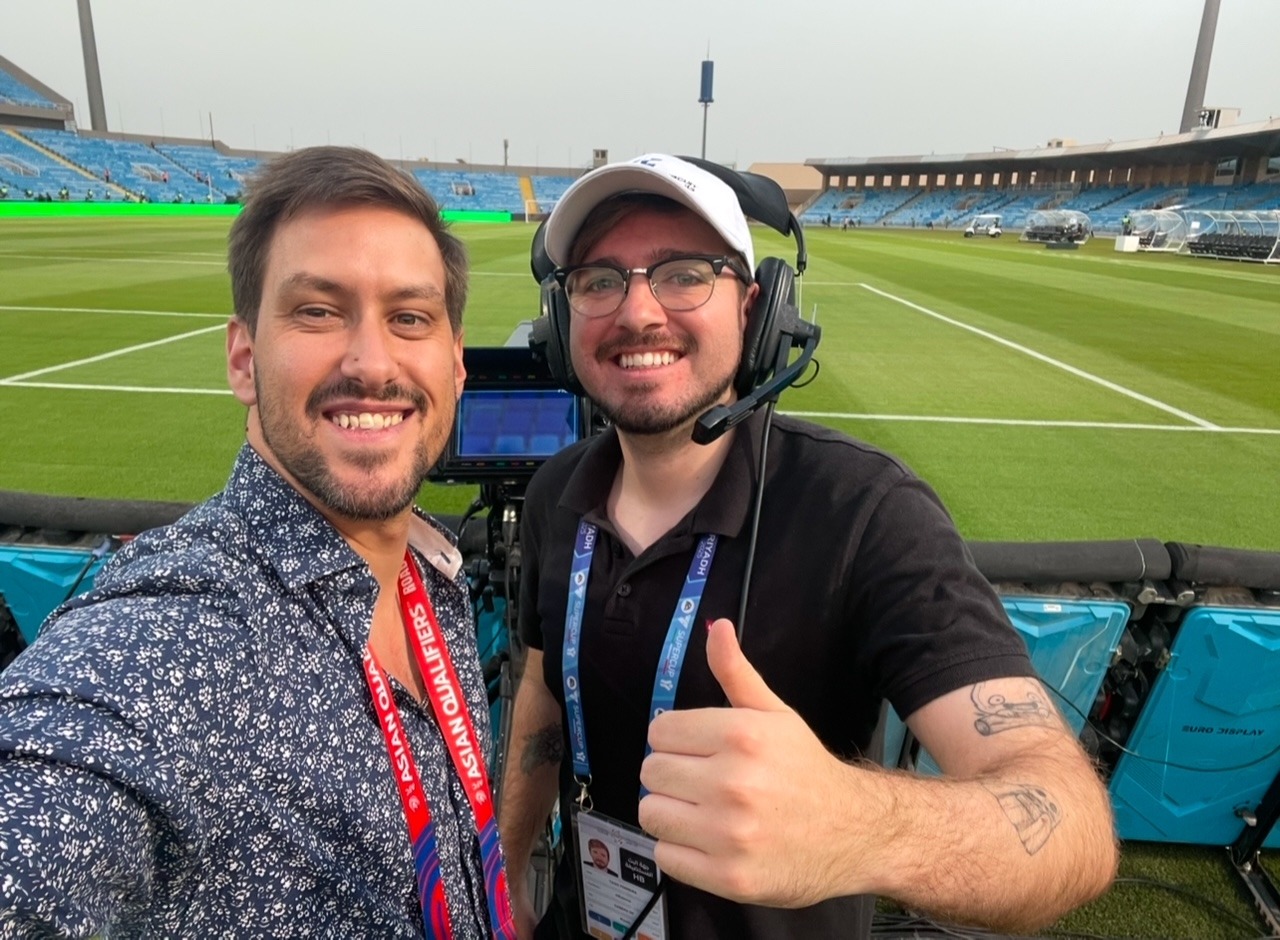
Experience. A huge amount of it. I went to countries I honestly didn’t even know existed. For example, I worked on the Asian Indoor Games in Turkmenistan.
 — That wasn’t on your original map?
Not at all. I never imagined I would go to Turkmenistan in my life. And yet, I was there, working on a major international event. That’s the kind of life this profession gives you.
— How would you describe that journey overall?
It’s a life full of experiences. An amazing life. Especially when you work mainly as a freelancer. Of course, there are good times and difficult times. Everyone in this industry knows that reality.
 Gratitude, Culture, and the Middle East Today
— Looking back, how do you feel about everything you’ve experienced?
I feel extremely grateful. I’ve worked with so many cultures, so many ways of thinking. That exposure shapes you not only as a professional, but also as a person.
— You’ve spoken very positively about the Middle East.
Yes. Honestly, I love the Middle East. From the moment I started coming here, my main goal was to be here as much as possible.
— Why here, specifically?
Opportunity-wise, I feel there is a level of respect for our work here that we are slowly losing in Europe. In the Middle East, that respect is still very strong. People value expertise, commitment, and results. And for someone who wants to grow, learn, and be challenged, this region offers incredible possibilities.
 — And now, this is home?
Yes. Now it’s different. Now I want to settle, build stability, and continue growing from here.
For him, television was never just a career. It was a choice he made twice — and this time, he’s not walking away.
In the next conversation, he speaks about the future of broadcasting — and where the industry is heading next.