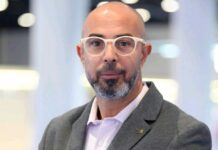


This Harry Kapros interview explores his journey from the Olympic broadcast ecosystem to leading live production strategy across EMEA at Riedel Communications.
His surname traces back to Thespiae — the village whose 700 warriors stood alongside the 300 Spartans at the Battle of Thermopylae. Two millennia later, Harry Kapros built his own “A-Team” across five continents, delivering some of the most complex live productions in the world — from the Olympic Games to major international sporting events.
After more than twenty years inside the Olympic broadcast ecosystem, he now leads Live Production strategy across EMEA at Riedel Communications, at a time when AI-driven workflows, remote production models, and software-defined infrastructures are reshaping the economics and technical framework of worldwide sports media.
From early HD trials in the mid-2000s to today’s intelligent, distributed production environments, his career reflects the technological evolution of large-scale live content creation — a story of discipline, execution under pressure, and leadership in an industry transformed by automation and data-powered innovation.
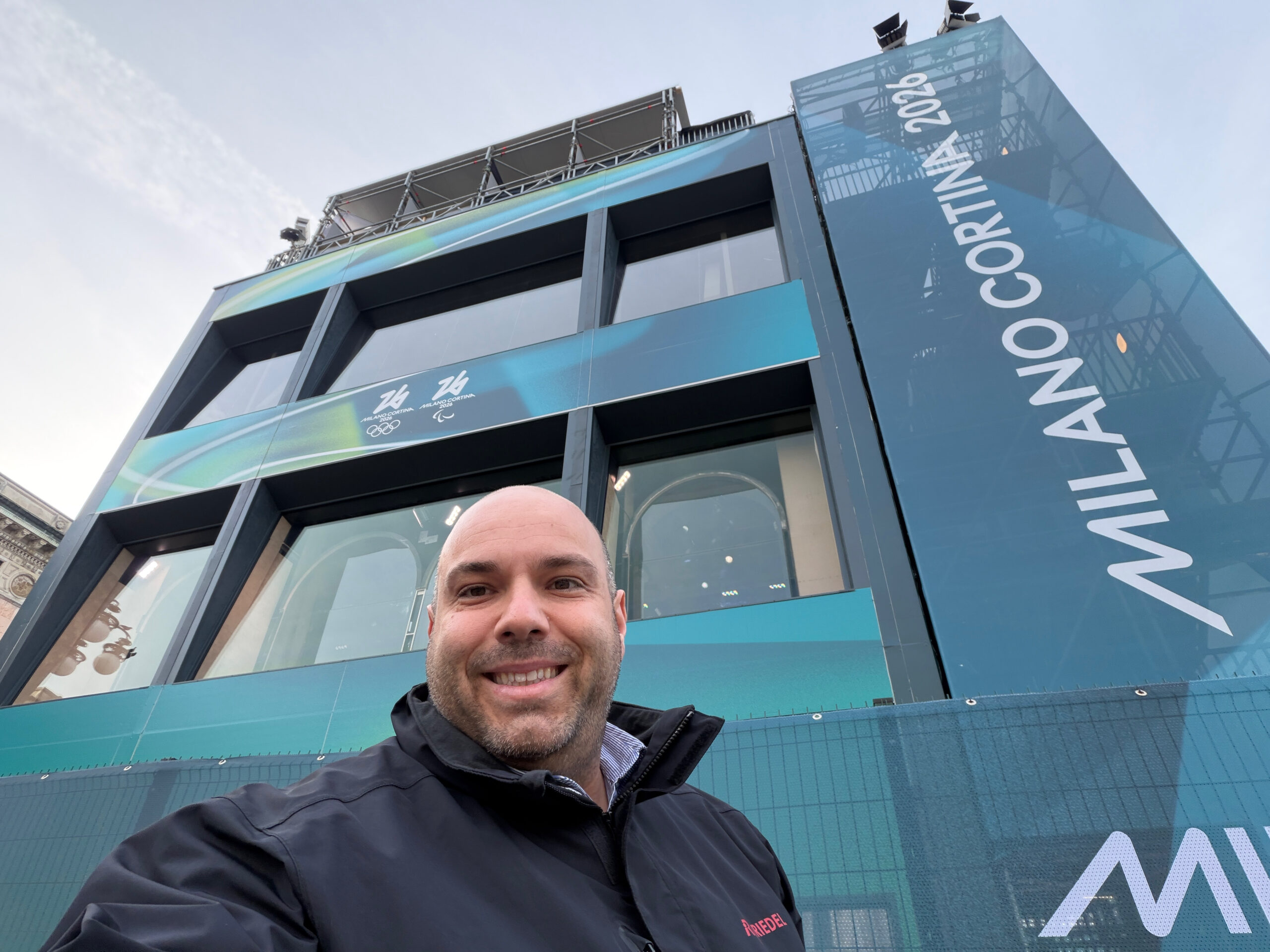
Interview with Harry Kapros, Sales Director EMEA, Live Production, at Riedel Communications.
A Name with History
— Your surname “Kapros” traces back to Thespiae, whose warriors fought alongside the 300 Spartans at Thermopylae. Does that history influence how you see leadership and responsibility?
“Kapros” is indeed rare and carries a legacy. It is found only in one Greek village — the village where my father was born. According to local history, that village traces its roots back to the ancient Thespiae. Whose 700 men demonstrated unparalleled bravery and self-sacrifice, fighting and dying alongside the 300 Spartans at the Battle of Thermopylae. This heritage is a strong source of pride for my father. Certainly, carrying it forward to the next generations, it is a strong reminder that legacy is not inherited by name alone, but earned through actions.
“In live production, pressure doesn’t break teams — it reveals them.”
— Harry, your name is also not very typical for Greece. Why is that?
In Greece, it’s traditional to name children after their grandparents. My full name is “Charalampos”, which I received from my grandfather on my father’s side. “Harry” is simply the shorter, international version. Since I was eight or nine years old, I started writing in the American way, and it stayed with me. Officially, on documents, it’s “Charalampos” — but professionally and personally, everyone knows me as “Harry”.
Leadership is about standing your ground — just like those 700 who chose not to retreat.
Philosophy of Achievement
— What do you consider your main achievements?
If I may answer a bit philosophically, my main achievement is not a single project or title. It is the ability to build teams that pursue excellence and consistently deliver. I want to be remembered as someone who set clear targets, inspired people to work with him, and performed at the level expected — or higher. For me, achievement is measured by reliability and execution.
“Technology can be learned. Trust cannot.”
— What defines your leadership approach?
I look for people who share the same enthusiasm and a strong “can-do” mindset. Passion, alignment, and shared responsibility are essential. When a team is united by purpose and commitment, results follow naturally. That collective drive toward excellence is what I value most and what I continuously strive to cultivate in every organization I am part of.
“Excellence is not about innovation alone. It is about delivering under pressure.”
— How did your career develop after your last formal education?
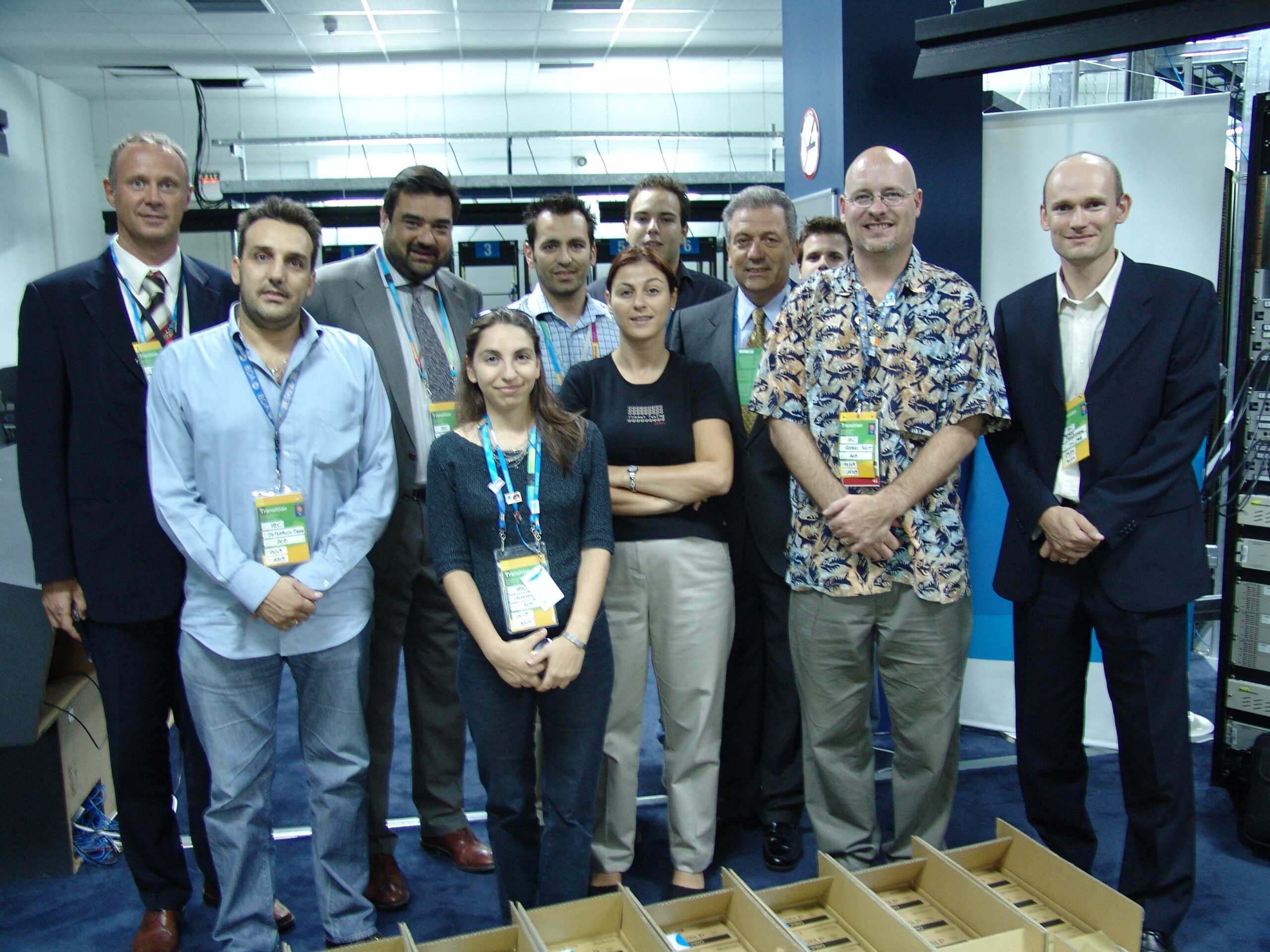
Before the Athens 2004 Olympic Games, my professional background was exclusively in IT, with no involvement in the broadcast industry. One day back in 2002, I was in downtown Athens, shopping for electronic equipment, while my wife — then a media student — was attending a presentation by Athens Olympic Broadcasting, the host broadcaster for the Games. She convinced me to join her.

I still remember sitting there and thinking: this is where IT and something much bigger — sports and storytelling — come together. I applied for the Broadcast Training Program, completed the necessary training, and was assigned to work as a Logger for the Athens Olympic Games. That was the turning point.
“This is where IT and something bigger — sports and storytelling — came together.”
— What happened after Athens 2004?
It became a steadily accelerating professional journey. I progressed from logger to coordinator, supervisor, team leader, division manager, and later consultant. Between 2002 and 2020, more than two-thirds of my career was dedicated to major international events — World Cups, UEFA Euros, Winter and Summer Olympics, Asian Games, Grand Slams — across all five continents. Over time, I transitioned from technical and operational roles into commercial leadership, serving as Head of Broadcast, and later took up business development positions.
 Technology as a Calling
— Technology seems to be your destiny in life.
Yes, absolutely. I remember sitting next to my father for hours while he was repairing electronic boards or building something with his own hands. I was very young, but I wanted to be involved. Sometimes I would ask if I could help, and he would give me something small to do just so I could participate. At some point, I told him, “Dad, I can fix it myself,” and I still remember his surprise. That was the moment he realized I had been watching and learning all along.
“I was learning before I even realized I was learning.”
— When did technology become more than just a childhood interest?
From a very early age, I was into electronics and computers. By 16, I was already working every summer in the IT sector. I wanted to build skills, apply what I knew, and also earn my own money. At school, I was naturally drawn to physics, mathematics, and the exact sciences. I preferred logic and structure over literature or ancient texts. This focus on the sciences shaped both my academic path and, later, my professional path.
From Physics to Engineering
— Where did you go after school?
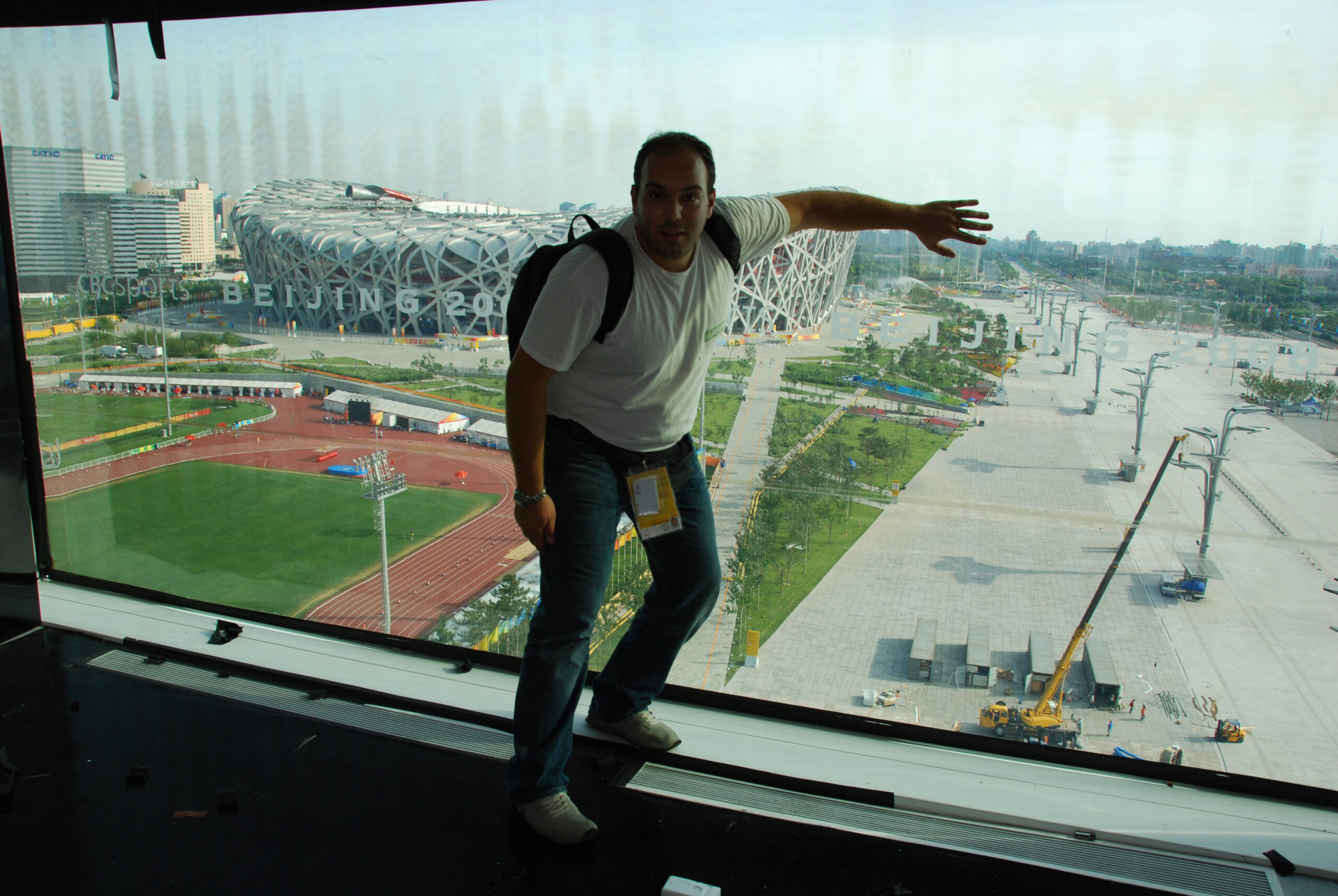
First, I enrolled in the Physics Department but attended for only a year, since I realized early that it wasn’t exactly what I was looking for. I then transferred to the Computer Engineering and Informatics Department — one of the top technical schools in Greece. I stayed there through to my Master’s in Engineering. In parallel, I completed the compulsory one-year military service in Greece, using the period after the Beijing Olympics to close that chapter before moving fully into my professional career.



— Did you serve in the army?
Yes. In Greece, military service is compulsory for all males for a year. I served after finishing my university studies and shortly after the Beijing Olympics. I used that period as a transition, before fully committing, uninterrupted, to the next stage of my professional life.
— When did broadcasting enter the picture?
During my university years, IT and broadcast converged because of my involvement in the Olympic Games. While studying, I was simultaneously gaining hands-on experience in large-scale international projects. That parallel track — academic engineering and real-world broadcast operations — became a defining element in my career, since I could easily put the theory into practice, a unique opportunity at such a young age.

Early Years and Family Background
– When and where were you born?
I was born on December 24th, 1981, in Athens, Greece, where I was also raised. Funny thing, despite all this travelling, I still live very close to my parents’ house — only 2km away!

– What were the occupations of your parents?
My mother was a kindergarten teacher, and from her I learned patience, love for children, and emotional balance. My father was an electronics engineer and worked for NCR for more than 40 years, at a time when IT was still unknown in Greece. He was my first mentor — everything related to engineering, hands-on learning, innovation, and passion for technology came from him. Both of my parents came from poor village families and moved to Athens to study and build their lives — it was the classic post-war Greek dream.
First Professional Steps
— What was your first temporary job?
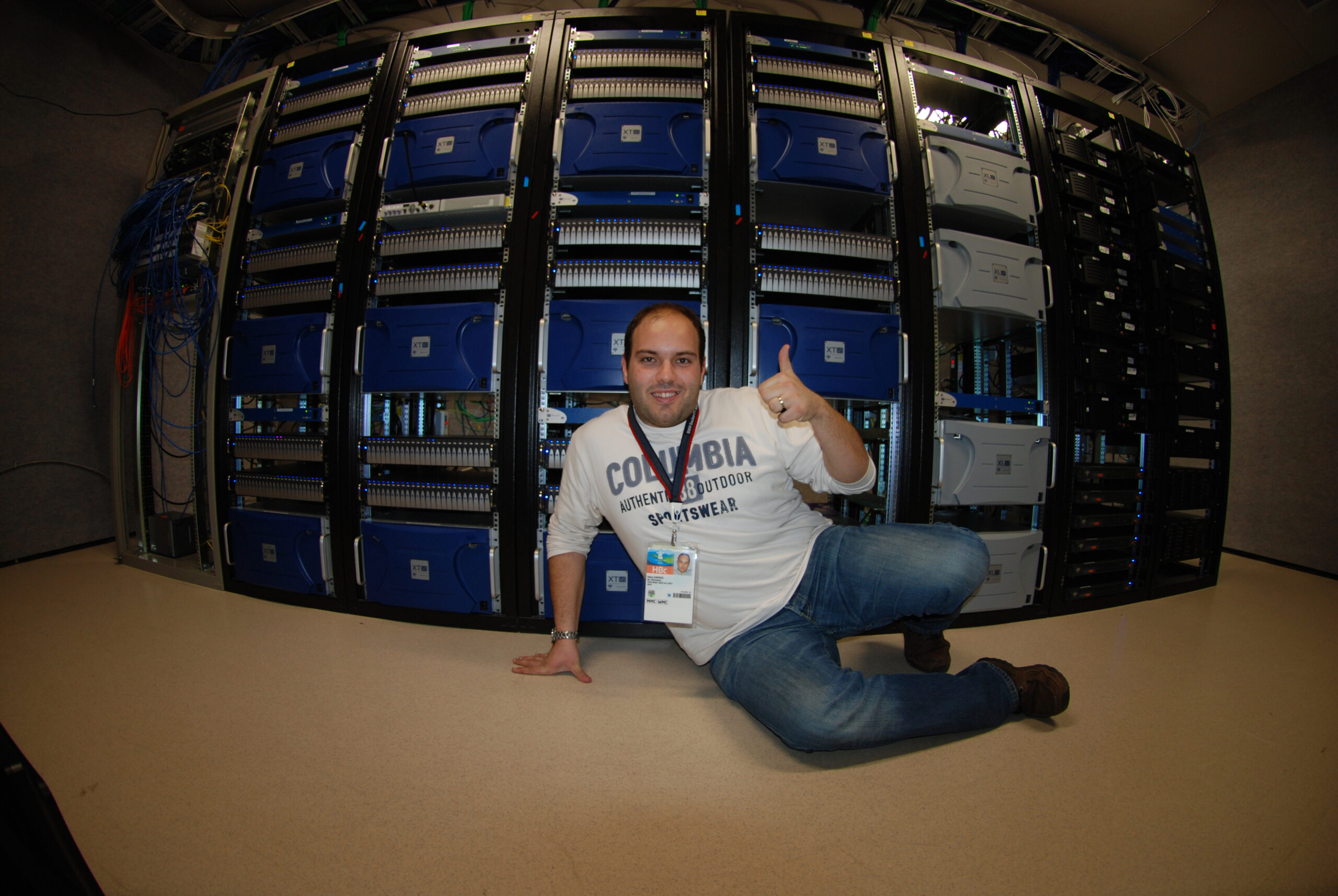
At 16, my first job was with a company that imported and supplied paper to major newspapers and printing houses. The role began as an assistant IT engineer. Trust came quickly. By the following summer, there was a promotion, and by the third, full responsibility for IT operations. Those three summers were formative. They taught responsibility, discipline, and what it means to be treated like a professional at a very young age.

— How did you spend your money when you were 16 or 17?
It’s funny — it was a closed loop. I earned money through technology, and I spent it on technology. I was constantly upgrading my PC, purchasing upgraded components so I could experiment and do more advanced activities. Even at that age, it wasn’t about consumption — it was about reinvesting in my skills.
— When did your priorities begin to shift?
Later in life, travel became an important passion. My wife and I have been together since 1999. We were classmates at school and have now shared 27 years. Over the years, we have traveled widely, and we still travel today, although differently now that we have three children. The fact that my professional life also involves international travel is something I consider a real privilege.

Continuous Education and Executive Growth
— At what point did you feel the need to expand beyond engineering?
Around 2014–2015, I felt a strong need for personal development. I began taking numerous online courses on platforms such as Coursera and edX, focusing on finance, economics, and management. As I was climbing the professional ladder, I realized there were limits in my business knowledge, especially at the executive level. I wanted to understand strategy, leadership, and decision-making beyond the principles of engineering.

— Is that what led you to pursue an MBA?
Yes. In 2016, I enrolled in the Executive MBA program of Alba Graduate Business School in Athens, one of the most respected programs for high-level executives in Greece. It was a major commitment. For two years, I had virtually no weekends — I was studying every single day after work. My wife and daughter supported me tremendously because it required sacrifices from the whole family. I completed the program in 2018 with honors. That experience proved to be fundamental for me — it strengthened my leadership and management foundation and prepared me to apply this knowledge directly in daily business operations.

Cutting-Edge Innovation
— What were the most interesting or challenging projects for you?
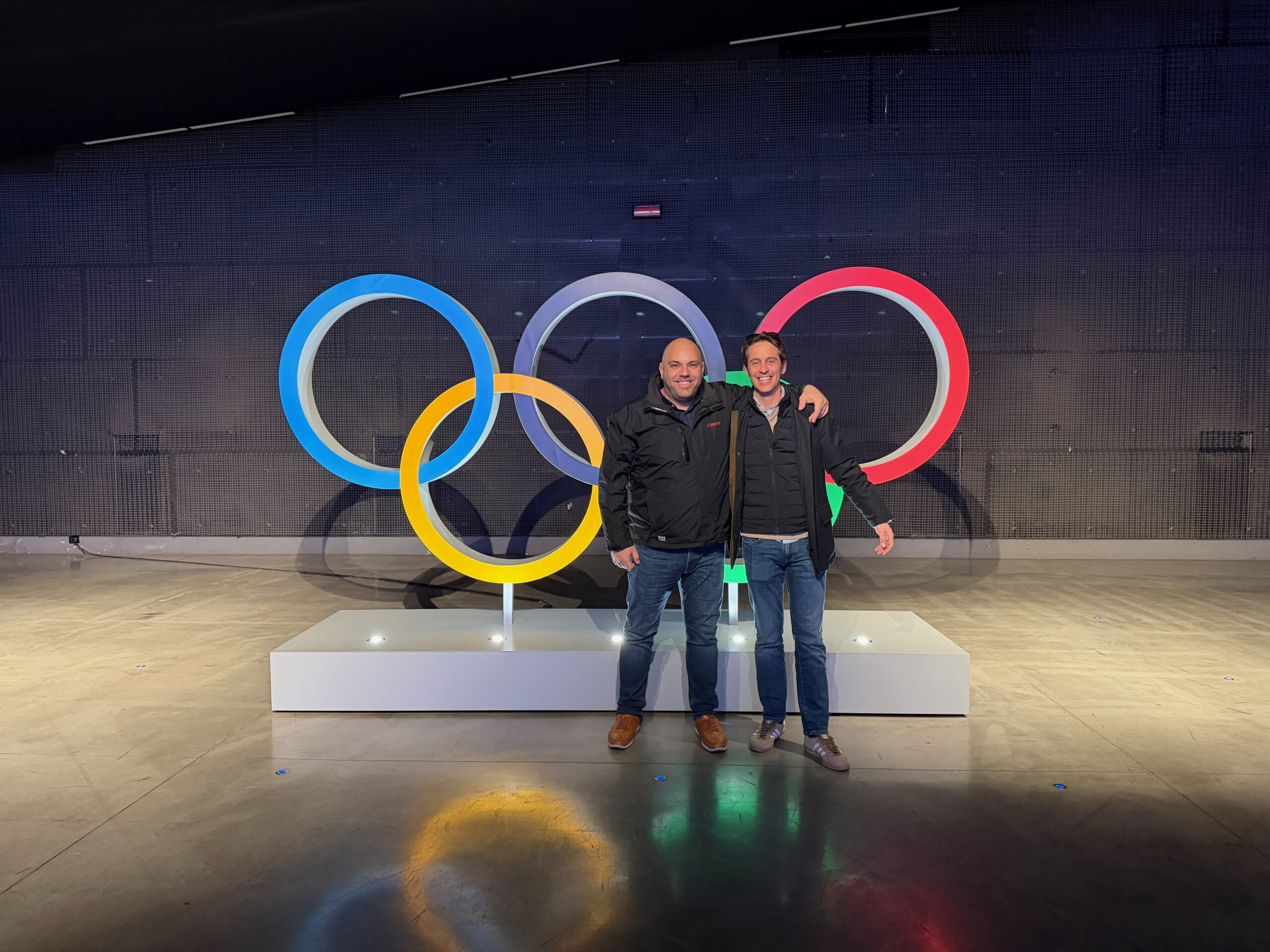
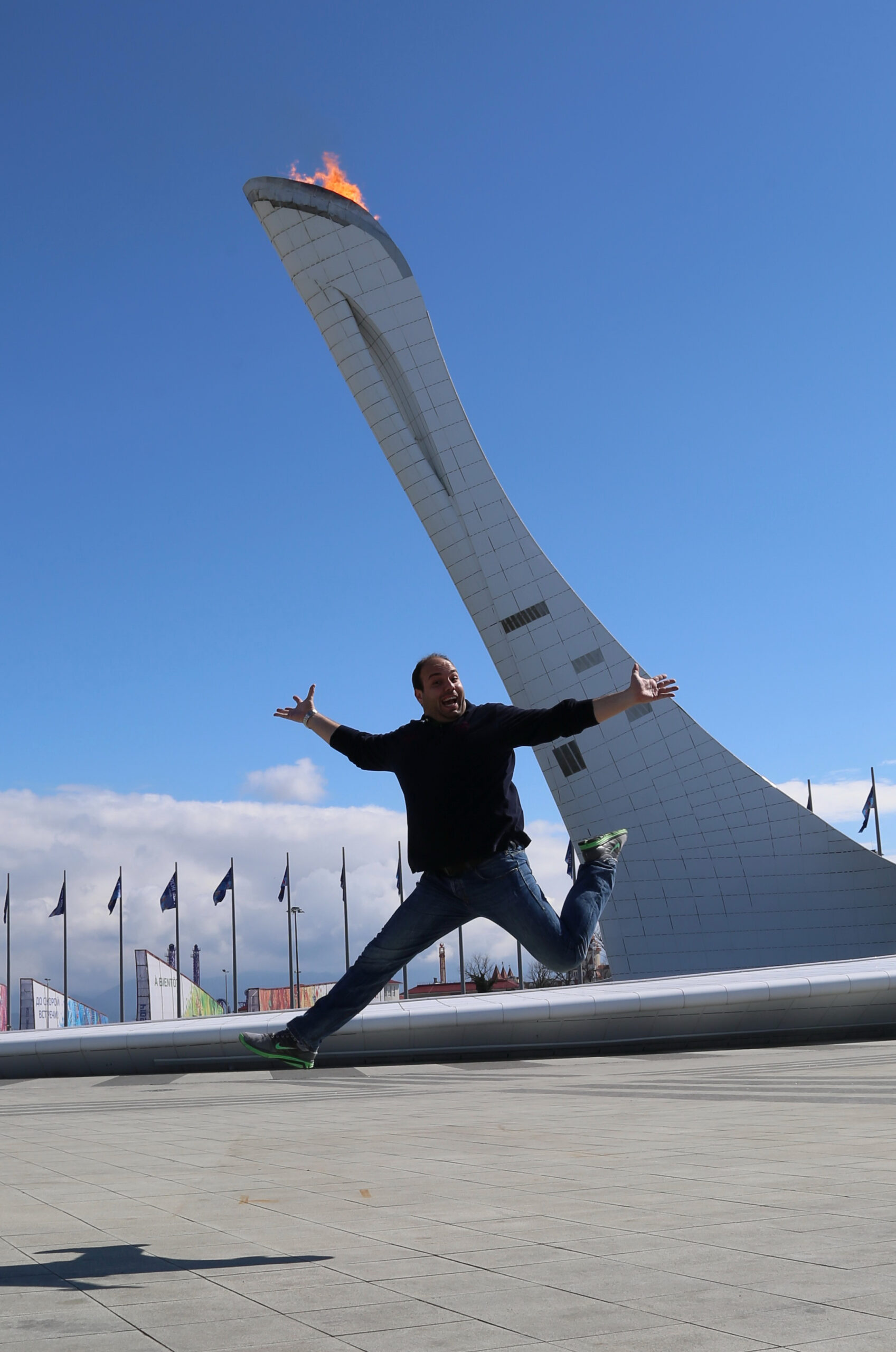
The Olympic Games have always been at the technological forefront. We were constantly testing new standards before they became mainstream — HD as early as 2004–2006, full HD workflows with NHK, early 3D experiments, UHD trials, and later SMPTE 2110 infrastructures. The host broadcaster environment — first under ISB and later as OBS — was a powerhouse of innovation. Even recently, observing the production of Milano Cortina, I could see how drones, AI-driven workflows, and advanced remote production models continue to shape the industry.
“AI is not replacing broadcast. It is redefining it.”
The Olympics have always acted as a “laboratory” to test and shape the future of broadcasting.


Building Something New
— When did you move from events into building a company?
In late 2016–2017, a group of extraordinary and trusted colleagues from the Olympic years founded SimplyLive. It was a startup built on decades of shared experience and strong alignment. One of my mentors, Luc Doneaux, invited me to join the professional evolution, and in late 2019, the timing was perfect. What we created was not just a product, but a culture focused on innovation, delivery, and profitability.

— What did that lead to?
The success of SimplyLive — in both brand recognition and business results — led to its acquisition by Riedel Communications in September 2022. Becoming part of Riedel was a natural continuation of that trajectory. It felt like the culmination of years of work, collaboration, and evolution from engineer to executive leader within the global broadcast ecosystem.
“It was not just a product. It was a culture built on trust.”
Complexity and Trust
— And what about challenges beyond technology?
Interestingly, smaller projects are often the most demanding ones. In those environments, you are not confined to a narrow role — you become part of a core leadership team responsible for delivering the entire operation. That requires flexibility, ownership, and strong alignment. Over the years, I built what my friends call the “A-Team” — a compilation of the most skilled, trusted, and results-driven professionals I met across events from Athens to Rio and beyond.
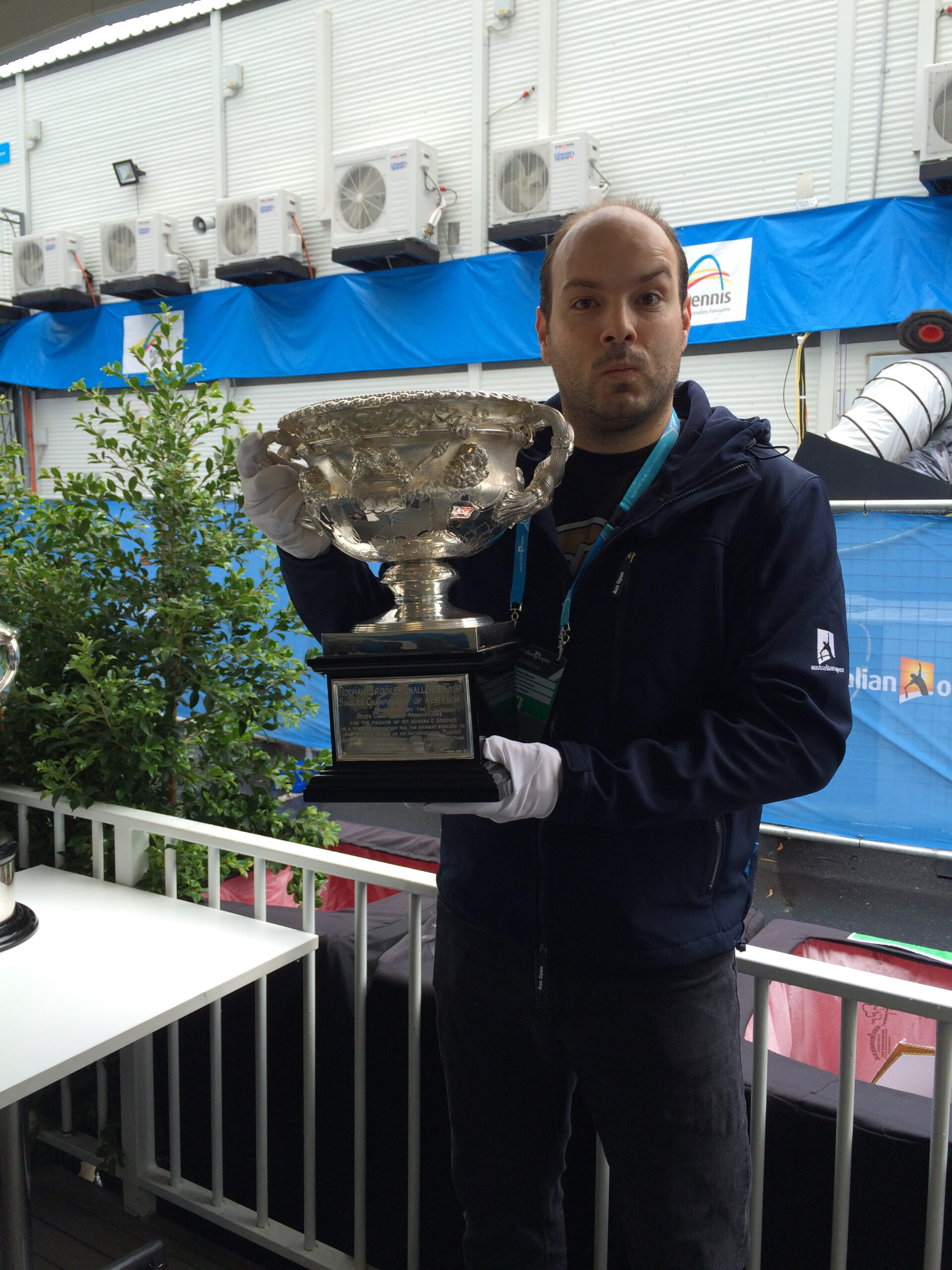
In high-pressure environments, technology can be learned, but trust cannot. Succeeding in complex productions ultimately depends on people who will show up and deliver, no matter what. That culture of accountability and shared commitment has always been vital to how I develop teams.

Mentors
— Throughout your career, who helped shape your leadership philosophy, and what impact did their mentorship have on you?
Throughout my life and career, I have been fortunate to work alongside exceptional individuals who not only opened doors for me but also shaped my mindset, values, and professional standards in a lasting way.
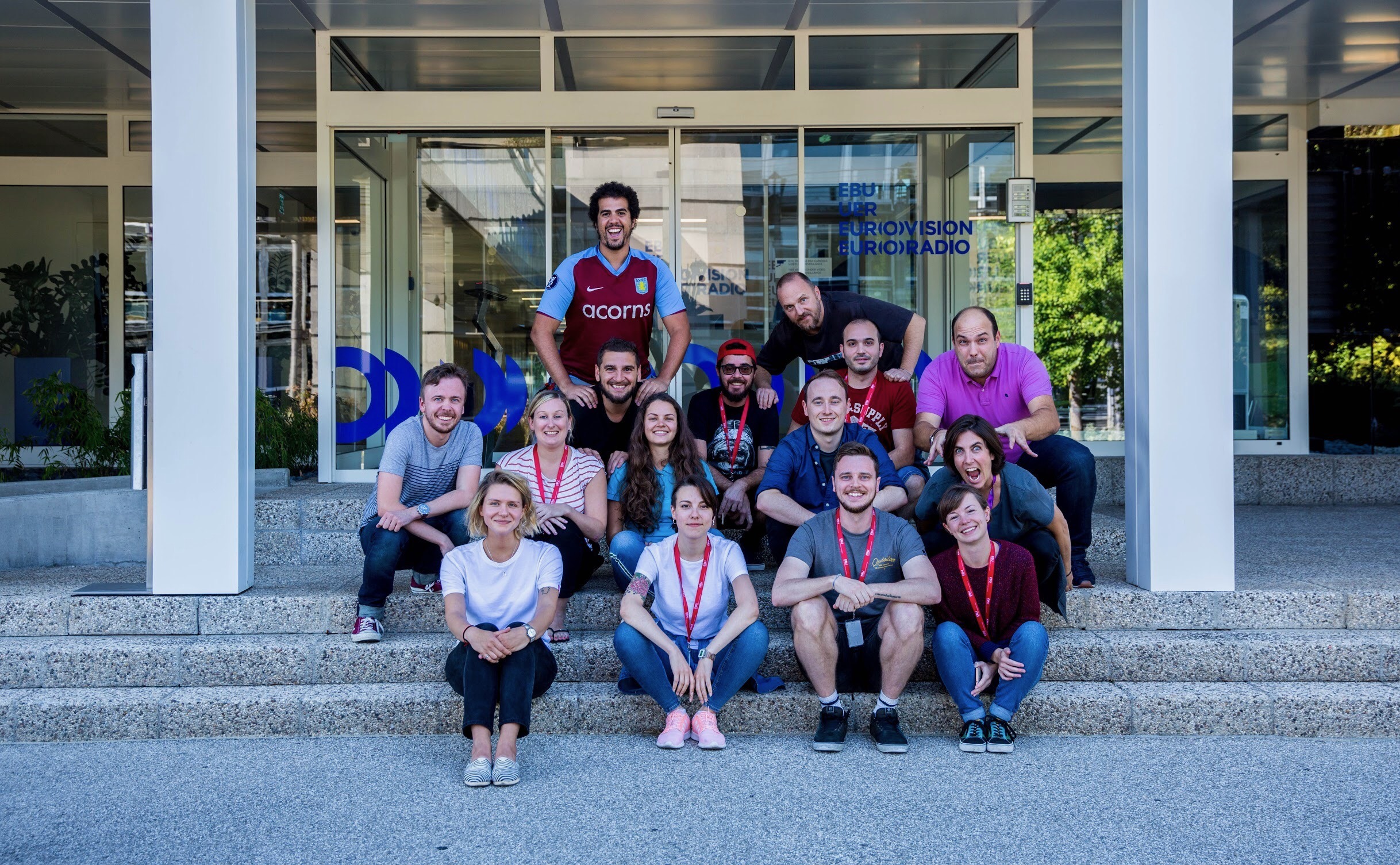
— Who was the first person to influence you most deeply?
It begins with my father. His influence guided my earliest steps and instilled a principle that still defines how I operate today: “Do it right the first time, every time.” That idea became a cornerstone of my work ethic and has stayed with me throughout my professional life.

— Who gave you your first real professional opportunity?
At the beginning of my career, Vassilis Delikouras placed his trust in me during the Olympic Games, giving a young student an opportunity that carried real responsibility. His confidence and guidance were instrumental in laying the foundation of my professional path.

— Who helped push you to the next level later in your career?
Luc Doneux was another decisive influence. He offered consistent support, strategic direction, and a strong push toward excellence, especially through major events and later through my growth within SimplyLive and Riedel. His mentorship helped me think on a broader level and operate with greater confidence.

— Was there one industry figure whose example left a particularly lasting mark on you?
Yes — the late Manolo Romero. I had the privilege of working closely with him for many years. He was a true giant of the broadcast industry, and his vision, uncompromising standards, and passion for excellence were profoundly inspiring. Working with him shaped not only my professional trajectory, but also my understanding of what leadership and excellence really mean.

— What did all of these mentors leave with you in the end?
Each of these mentors left a lasting imprint on who I am, both personally and professionally. Their influence can still be seen in the way I lead, the way I build teams, and the standards I set for myself and for the people around me.

Family and Partnership
— What does your wife do?
My wife, Mary Aigialeidi, is a highly dynamic professional. Together with her family, she owns one of the leading companies in Greece’s automotive aftermarket sector, where she serves as CEO. Over the past years, she has driven a profound transformation of the business—strengthening its market position, modernizing its operations, and enhancing its reputation across the industry. I am deeply proud of her achievements and of the leadership she demonstrates every day.
 — How do you balance two demanding careers and family life?
We have been together since 1999 — more than half of our lives — and throughout this time we have consistently supported one another, through both challenging and rewarding periods. At different stages, one of us led professionally while the other provided support. Today, we are both in leadership roles while raising three children. It is demanding, but family remains my absolute priority.
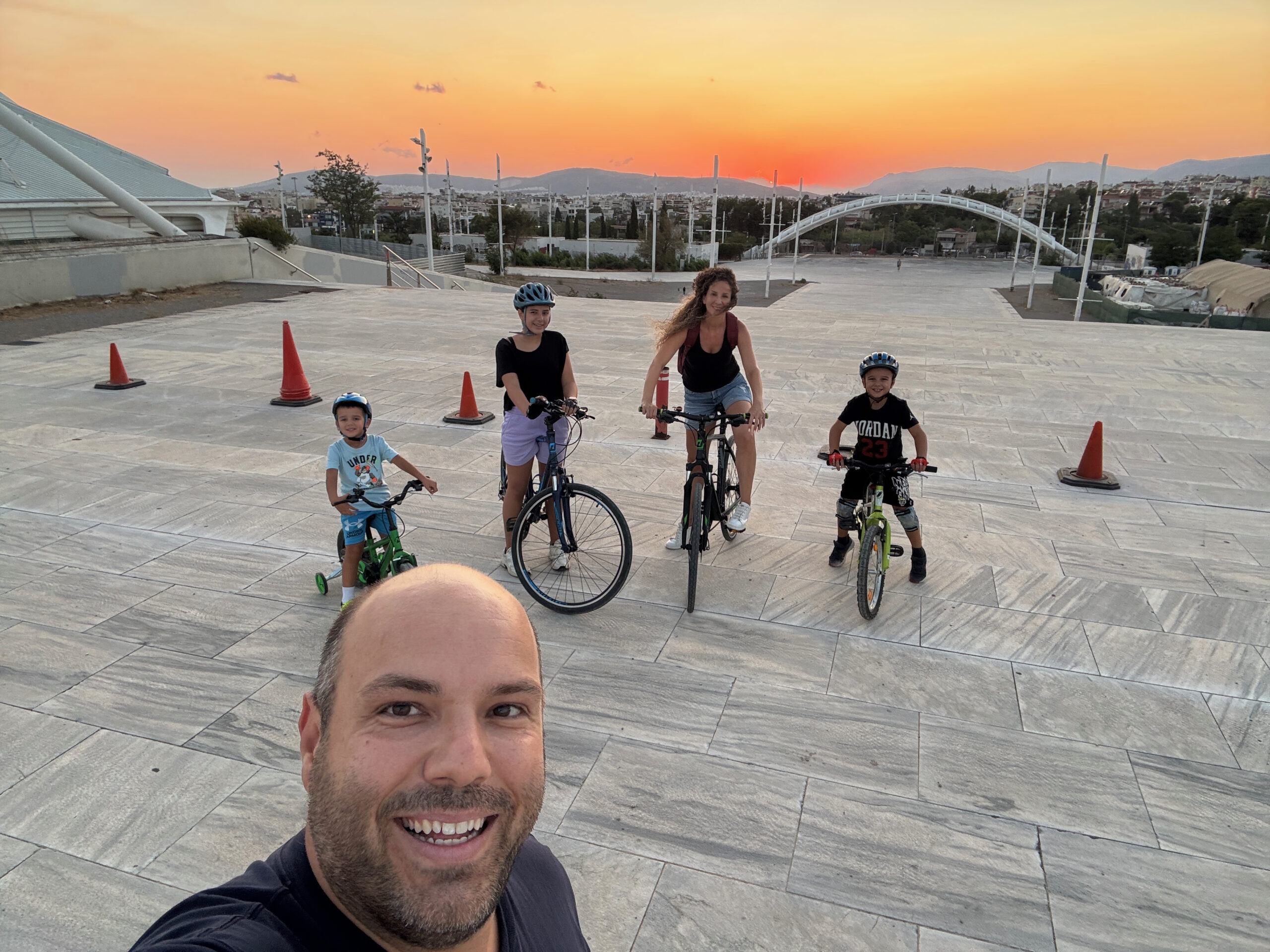 No professional achievement compares to the life I share with my wife and our family. They are my constant source of strength, perspective, and purpose, and they will always come first. We share the same, deeply rooted mentality: to build responsibly for the future, while fully embracing and living in the present.

Three Children, Three Worlds
— How old are your children?
My daughter is 13, and my two boys are 7 and 6. There is a noticeable age gap between them, which makes family life both dynamic and interesting. Each child has their own personality and is at a different stage, with distinct character, needs, and priorities.

— What is family life like at this stage?
It’s refreshing and demanding at the same time. My daughter is entering her teenage years, which brings its own challenges and conversations. The boys are full of energy — they want to play basketball and football all day long and are constantly curious about what I’m doing. It’s truly a full-time job after the full-time job, but it’s also the most rewarding one.
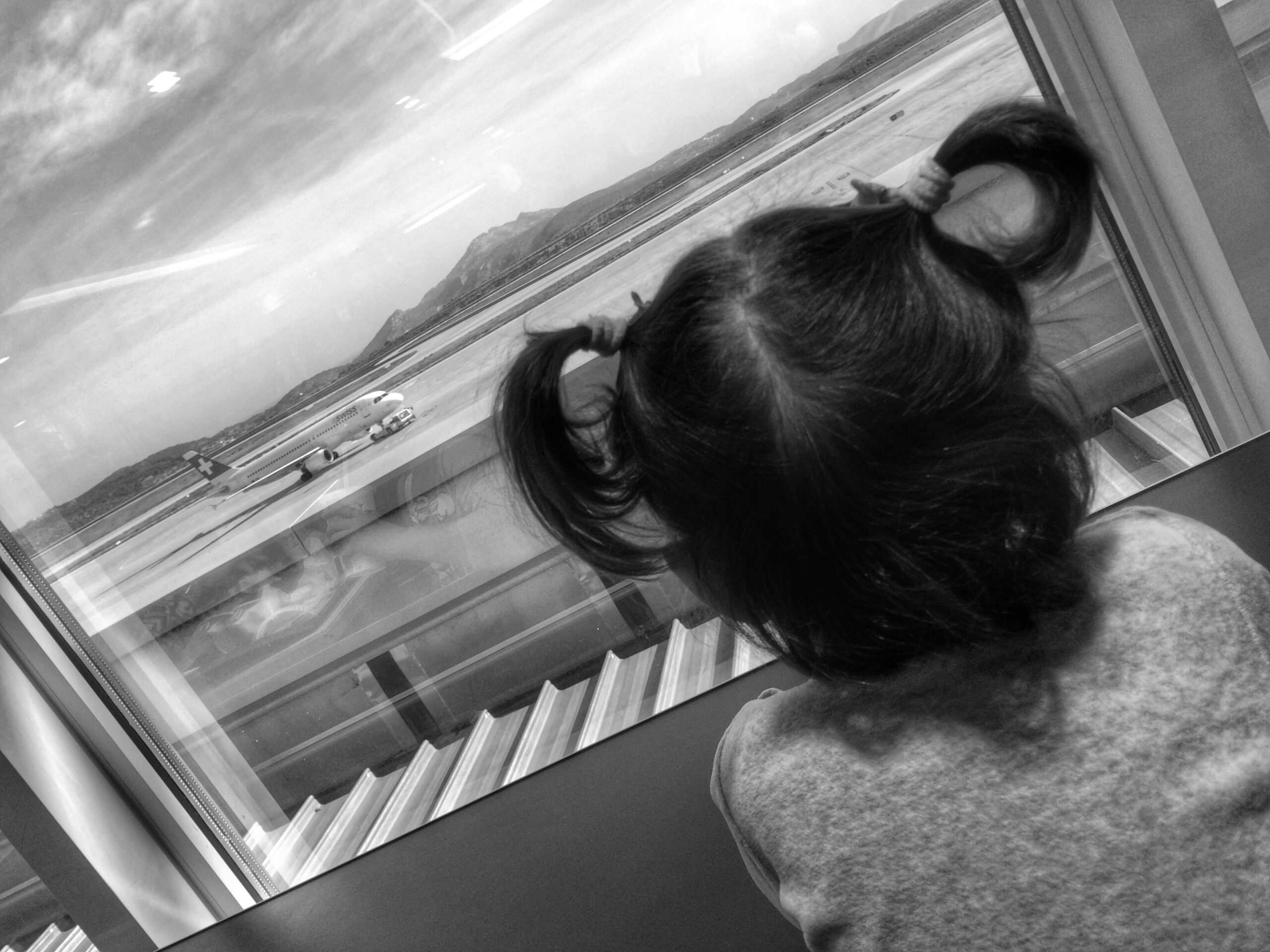
Vision and Balance
— What is your dream today?
My dream is simple in words, but complex in execution: to live a meaningful life with my family, while continuing to grow professionally. There was a period when work was the dominant priority. It remains important — it fuels our quality of life — but I have moved to a new level of awareness: I am proud of what I have achieved professionally, yet I am always looking toward the next step. I am not someone who settles; I believe in continuous progress pursued within a logical and balanced timeframe.
 — Has your definition of success changed over time?
Yes. I remember the years when my wife and daughter would come to the airport to greet me before I left for two or three months for work on major sports events. When my sons were born, I made a conscious decision not to want them to grow up and continue the same pattern. I still travel — even more than before — but now I control the rhythm. I am home almost every weekend. Spending that time with my family is non-negotiable. Health, presence, and shared life experiences — that is the real dream.
“I still want to grow — but not at the expense of being present.”
A second, more forward-looking conversation with Harry Kapros — focused on industry transformation, AI strategy, and the future of live production — will be published soon in our Visionaries series.