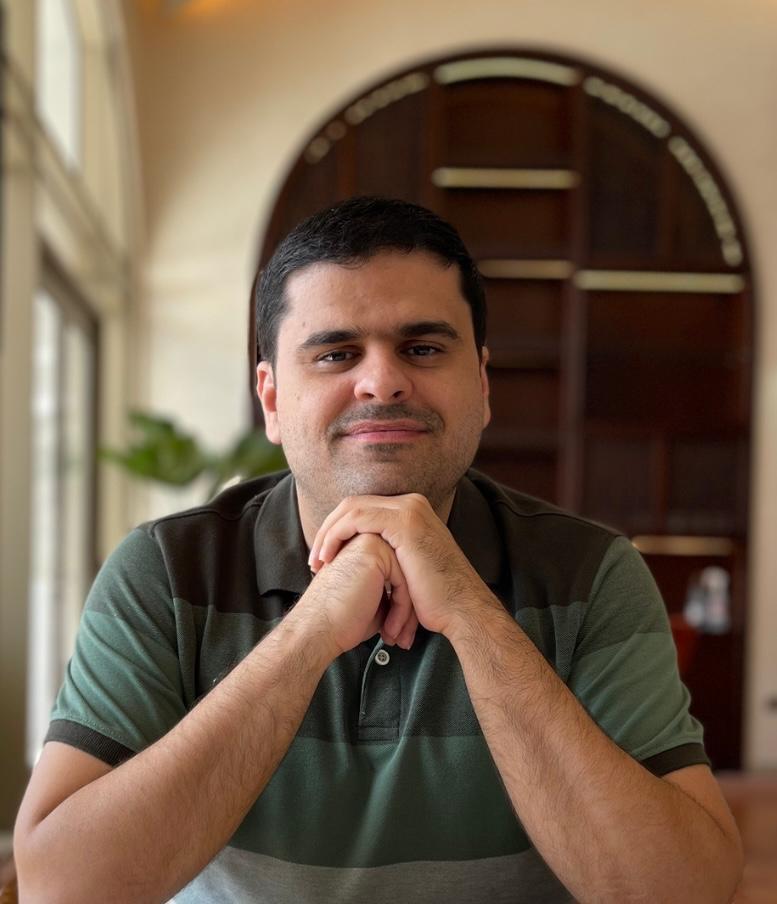

Mohammad Ali Abbaspour, Founder and CEO of Sponixtech, Qatar, shares how a lean team built immersive replay and virtual ad tech, adopted by leagues and broadcasters worldwide.
Academic Roots: A Family of Scholars
– What type of family do you come from? What did your parents do for work?
My parents both hold PhDs in different fields — my father in engineering and my mother in Arabic literature. Today, they are university professors. When I was born, they were still pursuing their studies, but now both are full-time faculty members at the university.
Balancing Expectations: Study First, Sport Always
– Since you were a little child, were you pushed to study, learn, and be successful?
Yes, absolutely. Education was always the top priority in our household. However, sports were also a major part of our lives — both for my family and for me. My parents were active in sports during their university years, although not professionally, they were consistently engaged. So, naturally, I also wanted to pursue sports.
– Which sport did your parents do?
My mother played table tennis.
My father was more versatile — he played football, swam, played volleyball, and also played table tennis. As for me, I was always crazy about football.
– Do you have any kids?
Yes, I have two daughters, and they are my life. Fatemeh is 11, and Reyhaneh is almost 6.
The Football Journey: From Passion to the Pitch
– Did you play football professionally?
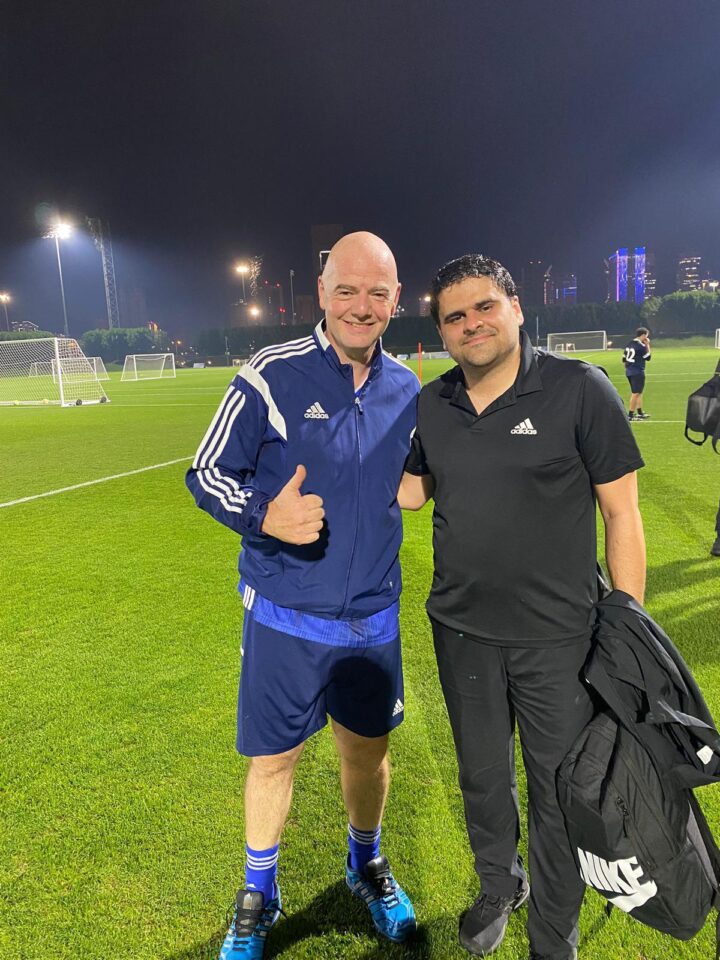
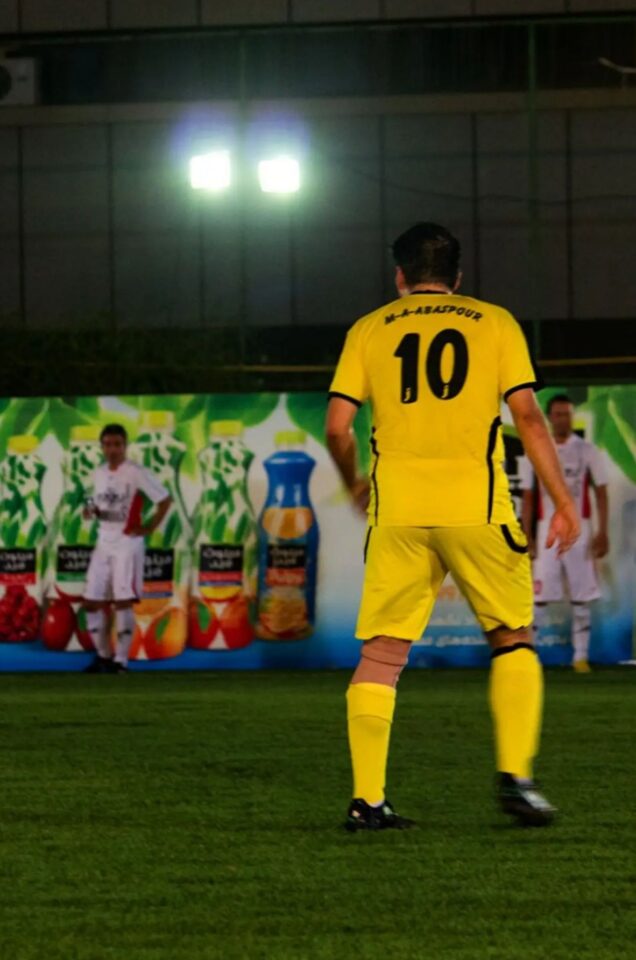
Yes, eventually I did. A few years after starting, I began playing football professionally in 2006, and I continued until around 2013. Nowadays, I still play occasionally in Qatar — just for fun. I’m not playing professionally anymore.
Football vs. Family Expectations: A Regret
– At what age did you get serious about sports, and were you a good student in school?
I was passionate about football from the very beginning. My professional phase lasted from the age of 22 to around 28 or 29. I had multiple offers to join larger clubs, but in my family, choosing football as a career wasn’t encouraged. It was almost looked down upon — being a professional footballer wasn’t something considered prestigious in our family. (Laughing)
That remains one of my biggest regrets. But it also shaped who I am. Today, my business is deeply connected to sports, and this passion drives us forward. Most of our team at Sponixtech shares a love for football. That shared passion is what helps us push through the tough times in business.
Academic Achievement: Top University, Dual Degrees
– How were you in high school — a good student or a troublemaker?
I was a good student. I stayed focused on my studies and played football alongside schoolwork. That balance helped me get into the best university in the country — a place where about 95% of graduates go on to study at top institutions in Europe and the US.
 I earned my bachelor’s degree in Mechanical Engineering, followed by a master’s and PhD in IT Management.
Starting Sponixtech: From a Dream to Doha
– When did you move to Doha and launch Sponixtech?
I moved to Doha in 2020 and founded Sponixtech that same year. But my engagement with the intersection of sports and technology began long before that. These two fields — sports and tech — have always been my main passions since childhood.
First Startup Experience: A Regional Breakthrough
– Was Sponixtech your first startup?
No. Back in 2012, I founded my first startup, which was also focused on the fusion of sports and technology. At the time, we developed a very innovative solution that was unique in the Middle East. However, it wasn’t something unique for the global market like Sponixtech is today. What sets Sponixtech apart is that it offers global solutions with features and advantages that no competitors currently provide.
Joining the Global Arena: Asian Esports Federation
– When did you enter the international sports scene?
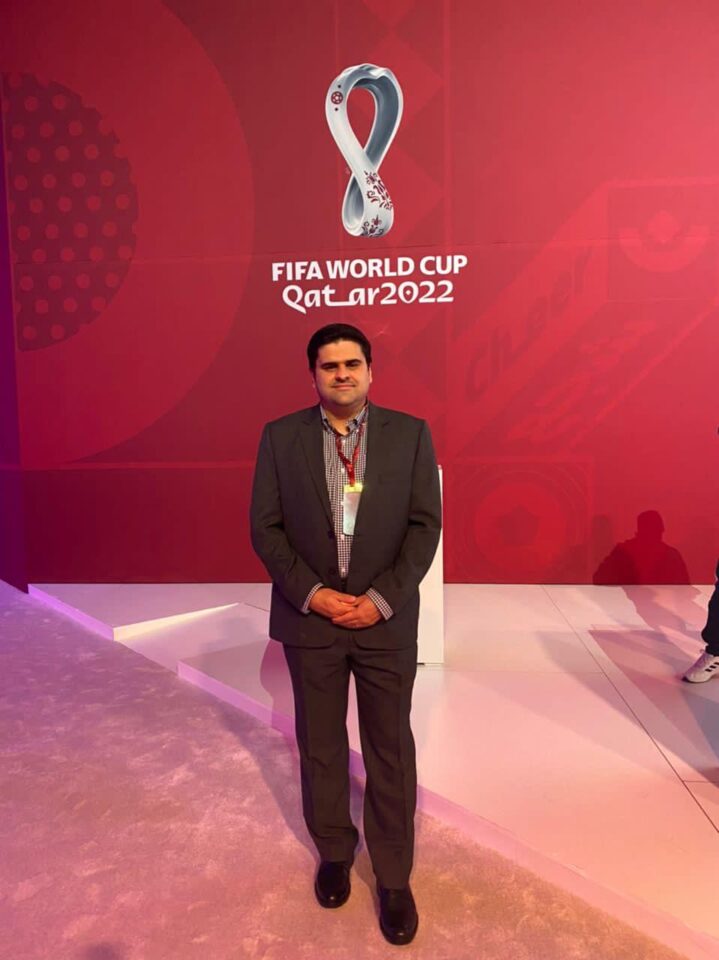
In 2016, I joined the Asian Electronic Sports Federation (AESF) as a board member. At the time, the headquarters were located in Al Ain, UAE.
– How old were you at that time?
I was 32 years old. That opportunity helped me gain exposure to the international sports market. It was an invaluable experience that later influenced the creation of Sponixtech.
 Sponixtech Origins: From Concept to Strategy
– When did you first start thinking about creating Sponixtech?
The idea began forming in 2018. I started working on the concept, developing strategies, and outlining a roadmap. In 2019, I brought together a few colleagues from my earlier startup and other ventures. Then, in 2020, we officially launched Sponixtech in Doha.
Flagship Innovation: Immersive Replay Without Stadium Hardware
– What was the first product launched by Sponixtech?
Our initial product was immersive replay technology. It allowed fans to view match moments through the eyes of the players — similar to Intel’s TrueView — but with a game-changing difference: our solution didn’t require any stadium hardware. That was revolutionary in this space.
Until around 2022, this was what most people knew Sponixtech for.
Expanding the Vision: Virtual Advertising Technology
– Did you plan to limit the company to just one product?
Not at all. From the very beginning, I knew that relying on a single technology wouldn’t be enough for long-term success. So right after launching Sponixtech, I began working on our next innovation: pure software-based virtual advertising.
At that time, virtual ad tech was extremely expensive and technically difficult to implement. Even in 2025, most competitors still find it challenging. Compared to 2018–2020, yes, the technology has become more accessible, but it’s still a headache for production teams.
The Sponixtech Difference: No Production Access Required
– How does Sponixtech’s virtual advertising solution differ from competitors’?
Our approach is fundamentally different. We don’t interfere with the production process at all — no need for stadium access, no isolated camera signals, nothing. Most of our competitors still require access to these elements, especially ISO camera feeds, which makes their systems complex and invasive. Sponixtech’s solution avoids all that.
 Role and Leadership: More Than Just a Founder
– In all these ventures, what was your actual role beyond just being a founder?
In both of my startups, I’ve served as CEO. I was deeply involved in the execution of the overall business, from strategy to operations. Of course, success wouldn’t be possible without a great team, and I’ve always worked with highly capable people across different departments.
Right now at Sponixtech, we’re serving top-tier clients on all six continents. My focus is on product strategy, commercial growth, and partnerships. I’m always asking: what are the real problems in the industry, and how can we solve them with our knowledge and capabilities?
Navigating Uncertainty: The Risk of Innovation
– How did you approach the development of such a risky and complex technology?
Developing our virtual advertising tech took two full years. When you’re working at the cutting edge of technology, there’s no guarantee you’ll achieve your target. We planned to develop a solution that didn’t rely on hardware, access to cameras, or stadium infrastructure — something that even giant competitors couldn’t fully realize, despite hundreds of millions in investment.
 So yes, it was a big risk. But it paid off.
Facing Rejection, Then Recognition
– How did others in the industry respond to your plans at the time?
In 2020, I approached some of the major players in our space. I explained what we were building. Their response? “You’re the 20th or 30th startup to make that claim — and none succeeded.” They dismissed us and declined collaboration.
But some of those same companies have since come back, offering to acquire Sponixtech at prices 100 times higher than what we discussed back then. I don’t blame them. Even now, I see startups making big claims that aren’t backed by real product capabilities.
Understanding the Market from the Inside
– What’s your view on innovation claims in sports tech?
In the sports tech industry, it’s common for startups to promote something that seems revolutionary from the outside. But once you examine the technical details, it turns out to be nothing special. I understand why those early decision-makers were skeptical of our pitch.
But now, I’m sure some of them regret not engaging with us back then. Today, Sponixtech is on a different level with completely new strategies.
A Familiar Story of Missed Opportunities
– Do you see parallels between your story and others in tech history?
Absolutely. Remember when Yahoo had the chance to buy Google for $1 million and declined? Years later, Google tried to buy Yahoo for $40 billion, and they still said no. Eventually, Yahoo was sold to Verizon for just $4 billion.
In-House Innovation: Building from the Ground Up
– How did you solve this problem and go around it?
We developed everything at Sponixtech entirely from scratch, just like I did in my previous startup. Both our immersive replay system and our virtual advertising technology were created internally, from the ground up.
 As I mentioned earlier, I have a strong team across different domains, including technical development.
Co-Founding Sponixtech: A Startup Built on Trust and Long-Term Friendship
– You built this company with your friends?
Yes, after starting Sponixtech, I asked some of my closest and most trusted friends to join the journey. We’ve known each other for decades — one of them and I have been together since the first grade, so we’ve shared 34 years of friendship. Another has been in my life for 20 years. These great friends and other team members are a key part of our success journey.
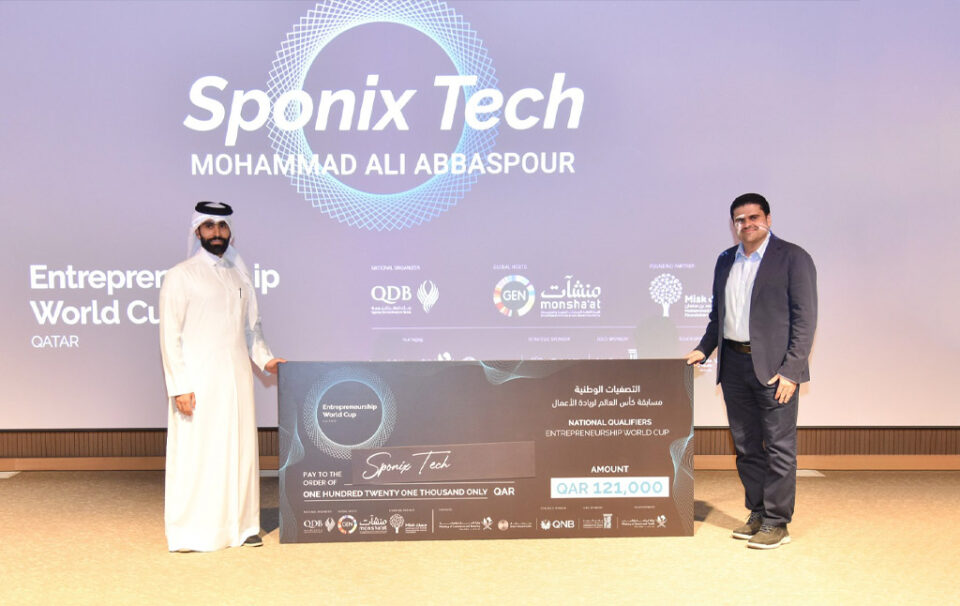 Of course, not everyone came from my circle. Some joined in 2020 after knowing each other for only two to four years. Today, we also hire globally, bringing in talent from different regions. But when I launched Sponixtech, I reached out to two or three friends with strong expertise in various fields — not only technical — and asked them to join me. They left secure jobs because they believed in the vision I shared. I told them, “This will be something big.” And they trusted me, and joined.
David vs. Goliath: Competing with Global Giants
– How big is your team compared to your competitors?
We’re still small in comparison. Our entire team — across immersive replay and virtual advertising, including technical, operational, commercial, and marketing — is just 25 people. Meanwhile, our competitors are significantly larger.
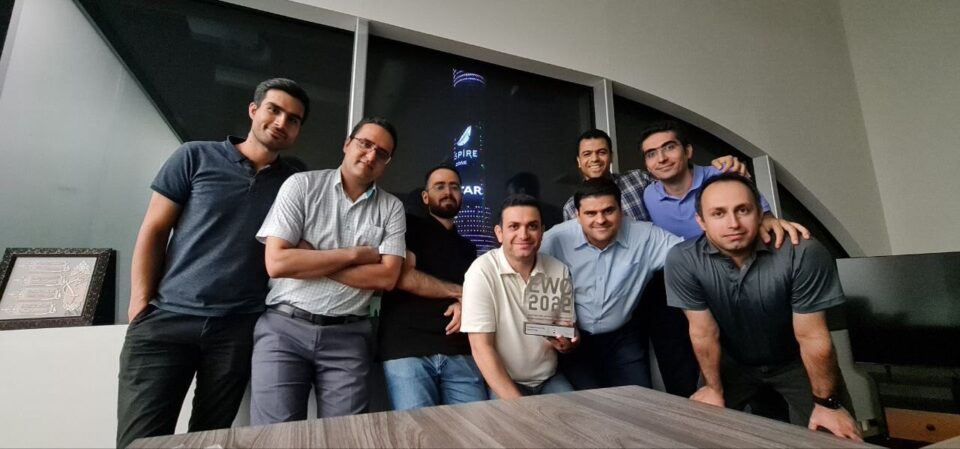
For example, Intel’s TrueView, which works in immersive replay, had massive funding and an enormous team. Companies like TGI or Unique Feed, which specialize in virtual advertising, also operate with hundreds of engineers and commercial staff.
Despite the difference in scale, we’re delivering at the same technological level with some very unique advantages. And now, we’re in the process of expanding — currently in the middle of a fundraising round.
– What industry awards and recognitions has your company received in the field of sports technology?
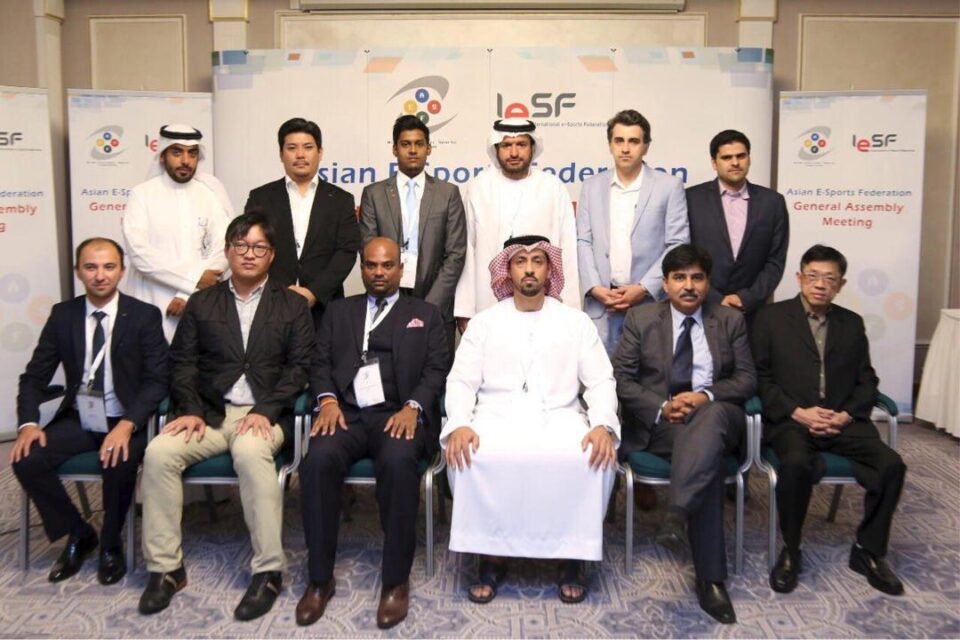
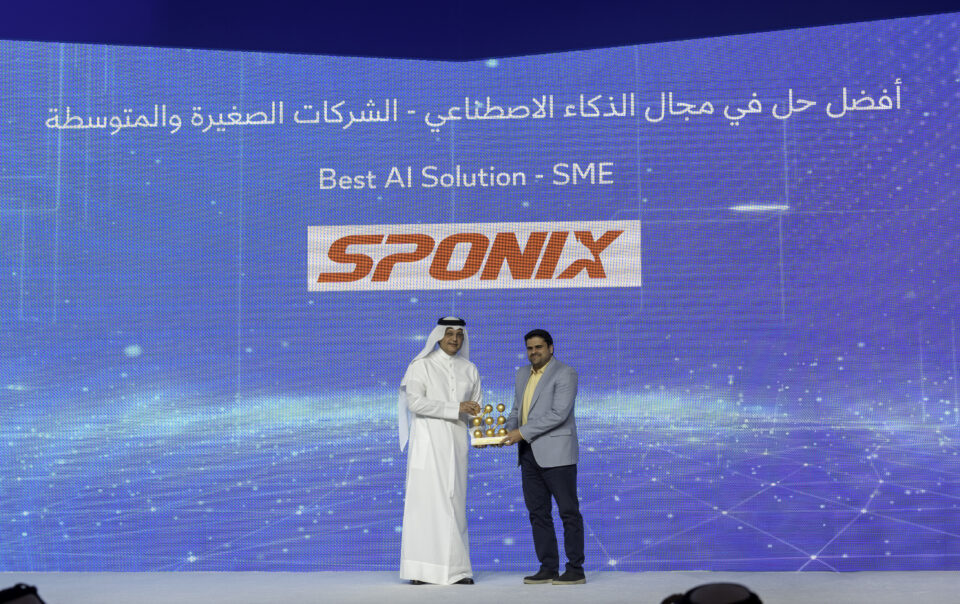
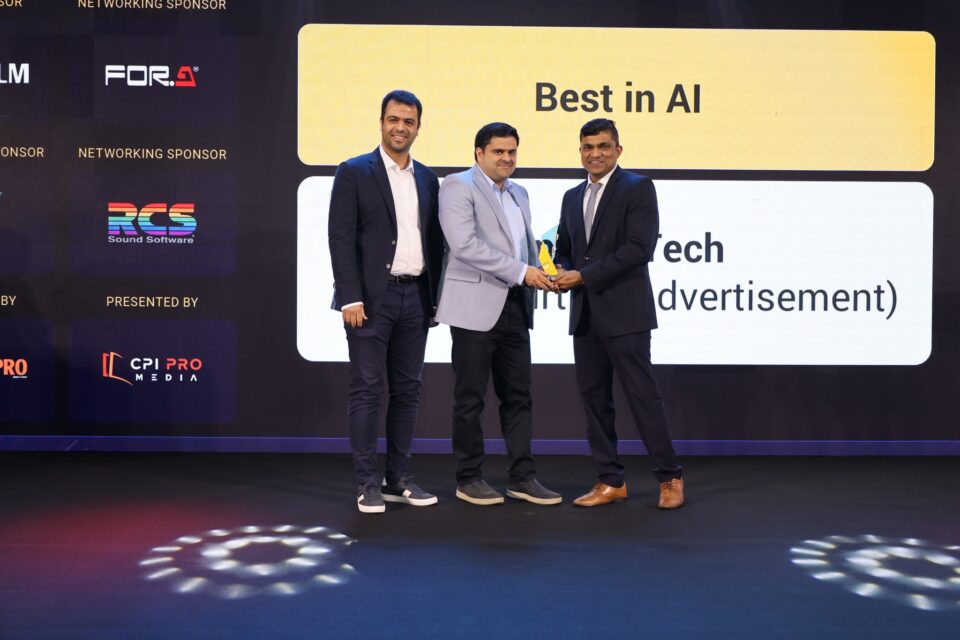
We’ve been honored with several top awards in the sports industry. These include being recognized as the Best AI Solution in Sports at the SportPro Awards in Madrid and Best Technology of the Year at the BroadcastPro Awards in Dubai. In Qatar, we were named the Best AI Solution of the year. Regionally and globally, we received the Best Sports Tech Startup in Asia award by GSIC of Microsoft, and were shortlisted for prestigious accolades such as the Sports Technology Awards in New York and Leaders in Sport in London.
 Smart Money: Choosing the Right Investors
– How do you approach fundraising?
For me, finding investment has never been the hardest part. What matters most is finding the right investors. I’ve always prioritized strategic, long-term partners — people and institutions that understand our mission and bring more than just capital. Smart money is far more valuable than just money.
Why Startups: Passion Over Comfort
– Why did you pick the startup route? How did you get into building startups?
I’ve always wanted to solve real problems in the sports industry. Working as an employee in a large organization could have been interesting, but it wouldn’t have fulfilled me. I need the freedom, the challenge, and the responsibility that come with founding and growing a startup.
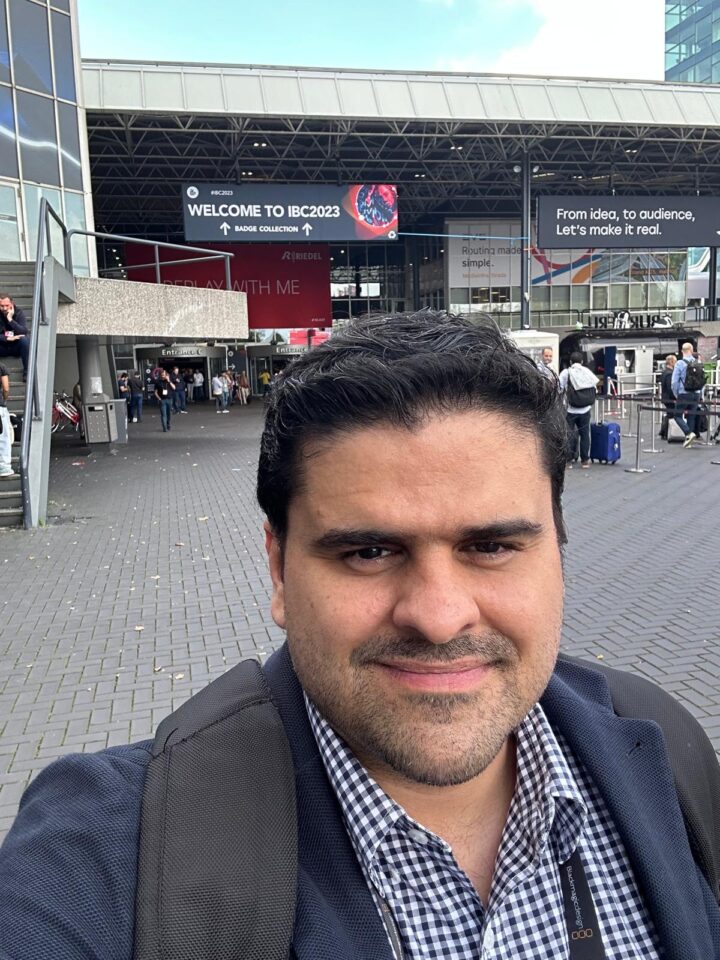 Of course, the startup world is extremely difficult. You must stay constantly aware of everything: strategy, funding, competition, hiring, execution. And as your company grows, so do the challenges — and the risks.
The Harsh Truth: Why 90% of Startups Fail
– What do you think about the failure rate in startups?
Globally, 90% of startups fail — and not just in the Middle East. It’s a tough space. Even companies valued at $1–2 billion can collapse. You probably heard about Builder.ai — they had a $1.5 billion valuation, raised $300 million from Microsoft and $200 million from Qatar Investment Authority, and still failed. The reason? Their business model wasn’t clearly defined from the beginning.
 Another example is Bird, an American startup. Despite all the buzz and funding, they didn’t survive either. That’s the reality — and it’s why building a startup is about more than hype or capital. It’s about clarity, vision, and execution.
– Right?
Exactly. I remember one case clearly. A startup had a $5 billion valuation and raised about $1.5 billion on that basis. But within just one year, their valuation dropped to $50 million — that’s just 1% of what it was. A dramatic fall.
Skepticism Toward Startups: A Founder’s Perspective
– Why do many experts in the industry avoid trusting startups?
I understand that very well. Why? Because I’ve been on both sides — as a startup founder and as a guest at demo days and startup conferences in various countries.
 – Do you think the skepticism is justified?
In many cases, yes. I’ve seen startups put on beautiful, flashy presentations — the kind that impress at first glance. But when you look closer, you realize there’s no depth, no product. It’s all surface. Just a show.
– Can you give an example from your own experience?
Sure. Take Sponixtech — our first real output in virtual advertising came in 2021. But even then, we didn’t call it a finished product. Why? In sports tech, you can’t just be ready. You have to be over-ready. Not 100%, but 1000%.
– Why is that level of preparation necessary?
Because in this industry, if you launch too early and lose trust, it’s over. You can’t easily rebuild that reputation. It might take years — two, three, sometimes more — to regain access to that market. And in some cases, you never get it back.
 – Why stay in such a high-pressure space?
That’s exactly why I enjoy it. I like solving tough challenges. I like doing what others avoid. That’s where the real impact is made.
Choosing Qatar Over Dubai: The World Cup Opportunity
– Why did you move to Qatar and not continue building Sponixtech in Dubai?
The idea behind Sponixtech started in Dubai around 2018 and 2019.
– Dubai was your original plan?
Yes, we even did a very early proof of concept with the UAE Pro League, before officially registering anything. I was getting ready to launch the business in Dubai when I received an unexpected email from Qatar.
 – Who contacted you?
It was the team at Qatar SportsTech (QST), a national initiative aimed at bringing global sport tech startups to Qatar. They invited us to apply. I remember the message said: “Tomorrow is the final deadline.” We had less than 24 hours to submit.
– Did you apply anyway?
Yes, immediately. I submitted our application on the same day. Later, I found out there were more than 750 applications from all over the world. Out of those, they invited just 22 to pitch in person in Qatar.
– And what happened next?
In November 2019, we pitched in Doha. Out of the 22 startups that presented. They selected 10, and Sponixtech was ranked first. That was the beginning of our journey in Qatar.
Settling in Qatar: From Unknown Territory to Strategic Hub
– Did you know much about Qatar before moving there?
To be honest, not much. I had been living in Dubai and visiting frequently, so I knew that ecosystem very well. Qatar was less familiar to me.
 – What convinced you to move?
The World Cup was a huge factor. But it wasn’t just the event itself — it was what it represented. Qatar has a deep vision and long-term strategy for becoming a leader in sports, especially in sports broadcasting. Also, being closer to beIN Sports as one of the giants in the sports broadcasting era was another important point.
– Was the local infrastructure also a factor?
Absolutely. You could see that they weren’t just investing in one event — they were creating a full ecosystem. Qatar has consistently hosted global tournaments: the World Cup, the Asian Cup, and now the Basketball World Cup. Sports aren’t a side project for Qatar — they’re a core part of national development.
– It was a strategic move?
Yes. The vision, the timing, the opportunity — everything aligned. Moving to Qatar allowed us to grow Sponixtech in a place where innovation in sport is truly valued.
 Qatar’s Sports Ecosystem: A Natural Fit for Sponixtech
– Was your decision to move to Qatar also influenced by other major sports events beyond the World Cup?
Yes, absolutely. In addition to hosting the FIFA World Cup, Qatar is also home to major international events such as the Asian Games, Formula One, and MotoGP. The country has positioned itself as a global hub for sports at every level, making it an ideal environment for a company like Sponixtech. Most recently, Qatar has even announced its ambitious bid to host the 2036 Olympic Games—another bold dream that seems well within reach.
– Looking back, are you happy with the decision to move?
Very much so. It turned out to be the right decision — strategically, professionally, and personally.
 The Core Advantage: 100% Software, 0% Hardware
– If we understood correctly, the main advantage of your product over your competitors is that it requires no hardware, and it can be done downstream. Is that right?
For both of our technologies — immersive replay and virtual advertising — Sponixtech is 100% software-based and fully remote. There’s no need to install anything on-site or have any access to the production team, such as ISO camera feeds. It means for the first time, everything could be done on the broadcast layer in the downstream. It’s a huge differentiator.
 – But why is removing the hardware such a big deal? Isn’t it just a technical detail?
It’s a very important detail. Many venues around the world simply don’t have the infrastructure to support hardware-based solutions or send the ISO camera signals to tech providers. And from a production standpoint, hardware or giving access to ISO feeds causes serious friction.
– How so?
Production teams don’t like it — plain and simple. For example, our competitors require complex calibration procedures before every match. That involves manually moving cameras for 60 to 90 minutes — zooming in, zooming out, shifting angles — just to calibrate the system.
 – They do that before every game?
Yes, and after that, they still have the full 90 minutes of the match to cover. It’s exhausting. But at Sponixtech, our calibration takes just two minutes. And in many cases, we don’t even need it because our system is fully AI-driven.
– How does this benefit broadcasters specifically?
By removing the hardware dependency, we make broadcasters true participants in the immersive and advertising experience, for the first time. They can now generate immersive replay from the players’ point of view without setting foot in the venue. They can also change billboards for different regional markets, all remotely in the downstream.
– Are there legal considerations?
Yes, of course. Any ad changes must be aligned with the rights holders and comply with existing commercial agreements. But technically, for the first time, broadcasters are fully empowered — and that’s a real game-changer.
– Are there other benefits to the software-only model?
It’s more sustainable, environmentally friendly, and easier to scale. We believe this is the future of sport tech infrastructure.
 – Any other advantages in comparison to your competitors in virtual ad technology?
Yes, currently we are the only provider that uses only the PGM (program) feed to implement virtual LEDs and carpets, not just on main camera angles, but also on offside camera shots. This is a significant advantage for sponsors, as many of the most critical moments in a match, including goals, are often captured from offside angles. Ensuring brand visibility in those key moments adds substantial value for advertisers.
 Behind the Brand: Why the Name ‘Sponixtech’?
– Why did you name your company Sponixtech? What does the name mean?
Great question. When we developed our first technology — immersive replay — we were brainstorming company names. Back then, around 2018–2019, the concept was popularly referred to as “BirdEye.”
– How did that influence your brand identity?
We wanted a name that reflected both sport and vision — the idea of seeing from above or seeing differently. One of the most iconic birds in history and mythology is the phoenix — a symbol of rebirth and endurance.
– Sponixtech is a combination?
Exactly. “Sport” + “Phoenix” became “Sponixtech.” Even in our logo, you can see the phoenix head subtly embedded in the letter X. It captures the spirit of transformation and innovation that defines our work.