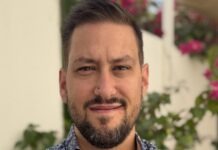

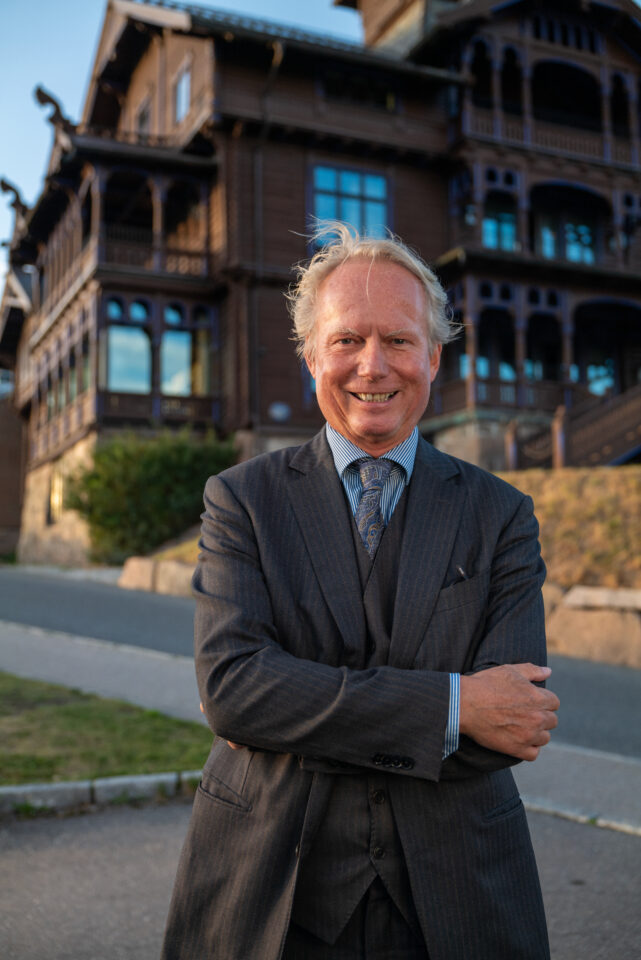
 Simen K. Frostad, Chairman of Bridge Technologies (Norway), on Broadcast Innovation and Why Usability—Not Hype—Will Shape the Future of Media Tech.
Deep Roots in Telemark: Norway’s Role in Hydroelectric History
– Where are you from, and what is your family background?
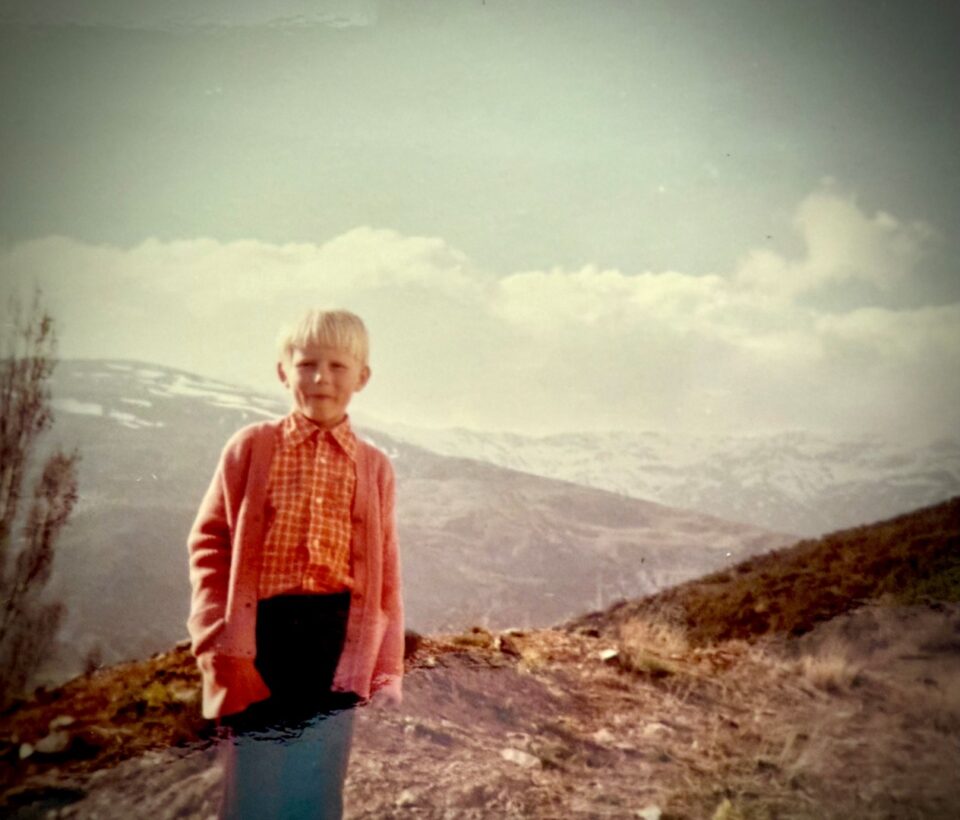
I’m as Norwegian as you can get. My ancestors came from Telemark, which is a county located in the southern part of Norway. It’s a beautiful region, known for its small fjords with archipelagos, vast forests, and towering mountains. Telemark also holds a unique place in Norway’s industrial history—it was the birthplace of the country’s hydroelectric power generation at the end of the 1800s. The region’s grand waterfalls were harnessed into the first large-scale hydroelectric plants, making it the starting point for Norway’s industrial development.
– How did your parents influence your upbringing?
That’s my ancestry, rooted deeply in Telemark. Later, my parents moved to Oslo, the capital, where they worked in different sectors—one in finance and agriculture, the other in service. As for me, I hold a rather unusual distinction: I’m one of the last graphics-trained people in the country. I’m a trained lithographer, which is becoming a lost craft. That was the foundation of my technical background.
Pirate Radio and Student Broadcasts: Breaking the Norwegian Monopoly
– How did you first get interested in media?
I got into media almost by accident. During my time at university, I joined the Oslo Students Radio Club. At that time, Norway had only one broadcaster—the national public broadcaster. However, our student club received a yearly permit to run broadcasts on FM radio. It was a unique opportunity, and it sparked my interest.
– What was the next step in your media career?
That student initiative eventually evolved into something bigger — Radio Nova. It became one of the first private radio stations in Norway and directly challenged the state broadcasting monopoly. That was my entry point into media. From there, I transitioned from radio to audio, then into video, and finally into film. I built up a background that spanned editing, producing, and directing projects ranging from commercial films and documentaries to dramatic productions.
Avid and the Digital Revolution in Post-Production
– What sparked your passion for media technology?
While working in production, I started to take a strong interest in the technologies that made it all possible. One day, a strange but fascinating company from the U.S. appeared: Avid.
I was fortunate enough to acquire an early system—Avid One with serial number seven.
It was one of the first of its kind.
– What was it like working with one of the first Avid systems?
I used that system to edit a music video for some friends. It was a revelation. Editing on hard drives, as opposed to videotape or physically cutting film, was simply transformational. It was immediately clear to me that this was an extraordinary tool.
– How did that moment shape your professional direction?
That moment marked the beginning of my passion for media technology. We went on to build a large post-production company, entirely based on digital tools like Avid. We were even among the first to broadcast live signals directly from an Avid system, even though the signal was heavily compressed. We took the RGB signal, converted it into SDI, and recorded it onto Digital Betacam. This was in the early 1990s. Now, of course, that process is routine.
Shared Storage and IP Networks in the Early Days of File-Based Production
– What made you explore computer networking in post-production?
Since all of this was happening on computers, we started exploring how to connect them. We became one of the first to network our systems using shared storage, which opened entirely new possibilities.
– What was the key discovery in networking your systems?
One of the key realizations was that, with networked computers and centralized storage, your workstations no longer had to be in the same room—or even the same building. That got us experimenting with technologies like ATM (Asynchronous Transfer Mode), which at the time offered a staggering 155 Mbps of bandwidth. This was during the mid-to-late 1990s, and that kind of speed was groundbreaking. Of course, today even gigabit Ethernet is commonplace, but back then it was revolutionary.
Replacing Satellites: The Birth of the Scandinavian Contribution Network
– What challenges did you face working with early network technology?
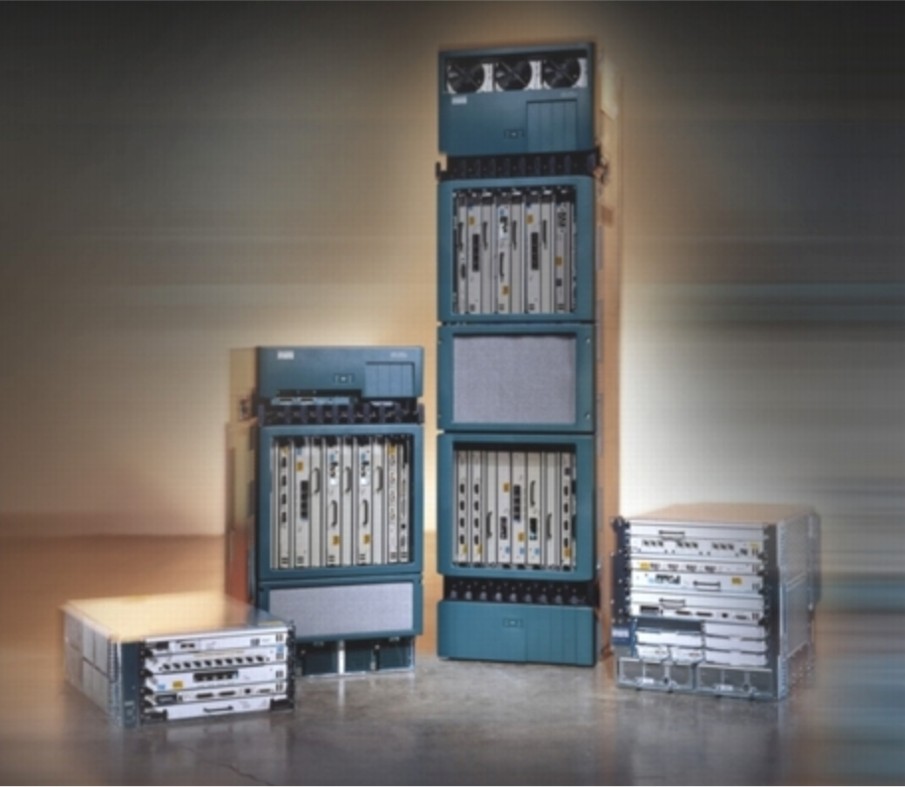
It was incredibly difficult, especially when dealing with inter-vendor compatibility. Getting different systems to talk to each other on a common network was a nightmare. That led us to Cisco, which had just introduced a new technology called MPLS (Multi-Protocol Label Switching).
– How did you apply MPLS in your projects?
Using some of the first Cisco switches that supported IP and MPLS, we built what became the first Scandinavian contribution network. This system allowed live video contributions from sports venues using IP networks instead of satellites. The first implementation was in 1999. At the time, people thought we were crazy. Now, of course, it’s the industry standard.
Founding Bridge Technologies and the First IP Monitoring Tools
– How did this lead to the founding of Bridge Technologies?
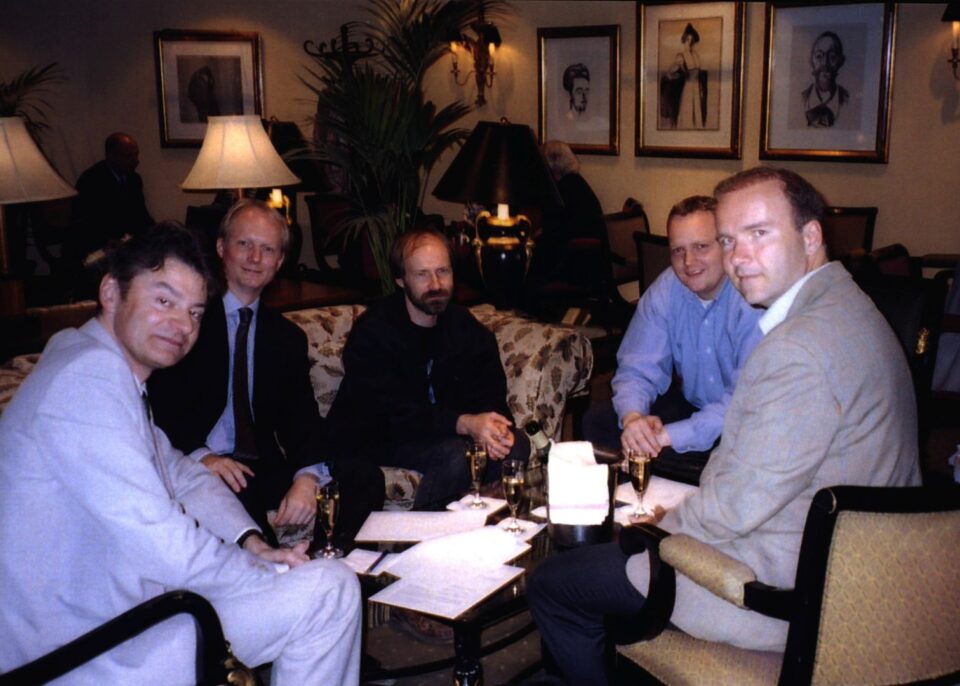
That project laid the groundwork for what would later become Bridge Technologies, which we founded in 2004. I met many of my current colleagues through that work—they were at Tandberg Television then—and they created the first IP interfaces for transport stream encapsulators for us. It was an exciting and formative time.
– Why did you decide to focus on IP monitoring?
One of the most important things we learned during that project was the lack of understanding around how IP packets behaved in media networks. When something goes wrong—like a picture freezing or breaking up—it could be due to the encoder, the production system, or the network. Without proper analysis tools, it’s impossible to know which.
– How did your first product solve this challenge?
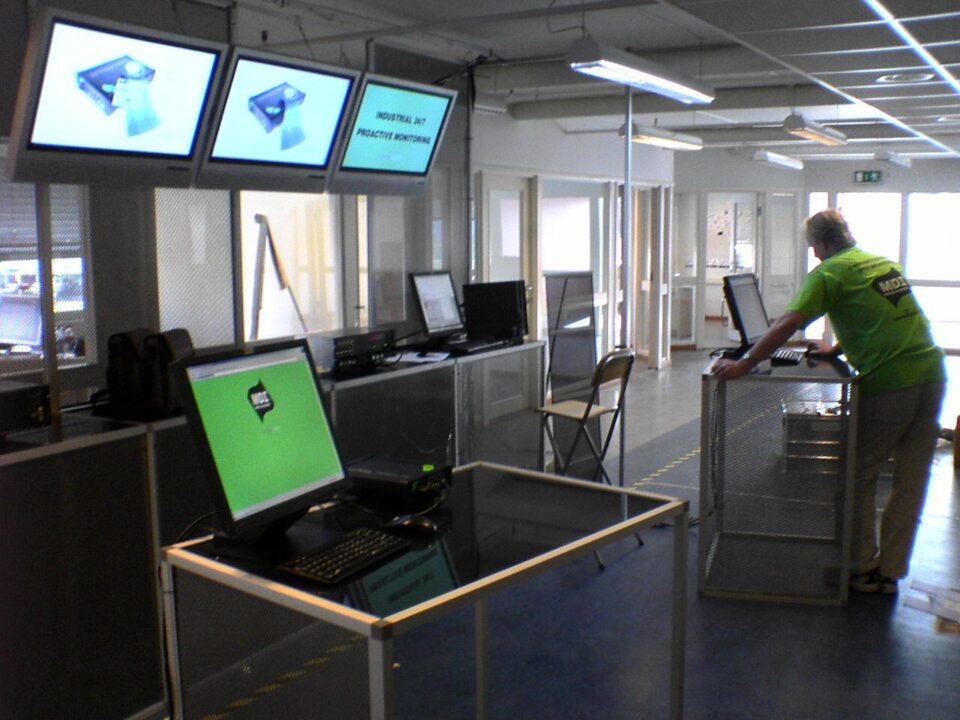
That’s why we developed our first products—to monitor and analyze IP transports in media systems. With simple but powerful analytics, users could immediately identify whether an issue was network-related or content-related. That kind of visibility is critical. Without it, everyone just points fingers—network blames content, content blames the encoder, and so on.
Diagnosing IPTV Failures: A Case Study from 2005
– Can you describe a real-world example where your tools helped?
One of the most telling early examples happened in 2005. A Norwegian IPTV company called Lyse was developing a system. Cisco was responsible for the network, Tandberg for the headend, Kreatel for the set-top boxes, and another company for the middleware. Nothing worked, and everyone blamed everyone else.
– How did your monitoring tools prove effective?
We were invited to test our monitoring product for the first time in this project. We plugged it in and found the issue almost immediately. It turned out to be a network problem. Sorry, Cisco. But that moment validated the importance of what we were doing.
Why IP Monitoring Is Now an Industry Standard
– How is network monitoring viewed in the industry today?
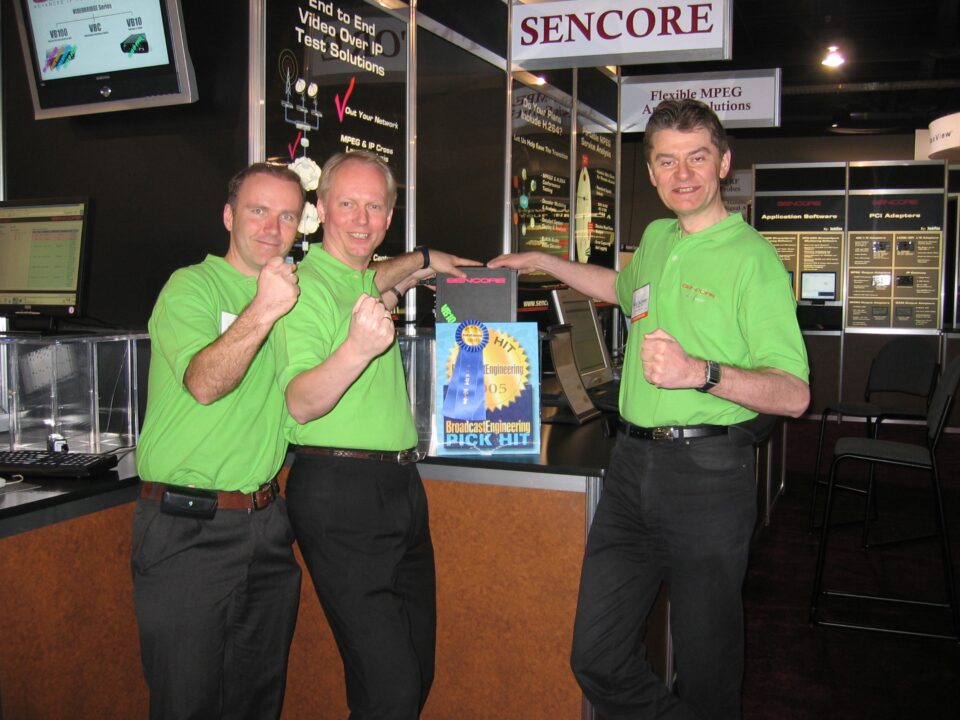
The impact has been enormous. Today, we’ve sold tens of thousands of monitoring devices used in IP-based networks worldwide. No one would even consider building an OTT platform, IPTV service, or high-bandwidth contribution system without proper monitoring and analytics tools in place.
– Why is visibility so important in modern broadcast networks?
Errors are inevitable. Without visibility, you’re flying blind. With our tools, engineers can pinpoint exactly what went wrong and where it occurred. That ability has become non-negotiable in the modern media landscape.
The Future of IP: Media’s Role in Shaping Global Traffic
– How do you view the role of IP in global media today?
It’s remarkable. IP technology, which originated in the 1970s and was initially used for military and financial networks, is now the lifeblood of the global media industry. Today, over 95% of IP packets traveling over the public internet are related to media.
– What has the media contributed to the development of IP?
Media has driven the innovation and utilization of bandwidth, pushing the boundaries of what’s possible in IP networking. I feel incredibly proud to have contributed to that transformation and grateful to all the brilliant people who’ve developed and advanced IP over the decades.
A Technologist’s Reflection on Childhood Curiosity and Sci-Fi Inspiration
– Did you ever imagine you’d follow this career path?
It’s funny—maybe. I’ve always been drawn to technology, and that’s what led me to radio in the first place. But I was also inspired by science fiction, which imagined many of the things we take for granted today.
– Looking back, do you think your childhood interests pointed to your future?
So yes, in a strange way, I suppose that little five-year-old boy in Norway was already dreaming about the kind of IP bandwidth that would only exist 30 years later.
Books, Horses, and Design Thinking: Early Life and Influences
– Who are your favorite authors?
Oh, I have a lot of favorite authors. I must say that.
– Are you a fan of any Norwegian writers?
Have you heard about a Norwegian author called Hamsun? He’s fantastic. In 1932, got the Nobel Prize in Literature for one of his early books. And he’s a magnificent author.
– What does your wife think about your book collection?
My wife hates me a lot because our house is filled with books. She wants fewer books, but I want more.
Why Asimov Still Matters in a Post-Science Fiction World
– What do you think of Isaac Asimov`s vision?
I like Isaac Asimov. And remember, that man was brilliant. He foresaw a lot of things that came a lot later, which is now kind of not science fiction anymore.
– Was Asimov ahead of his time?
It’s then a scientific fact. And you could argue that many things are being developed because he kind of first kind of noted that it was possible.
– Why is imagination important for innovation?
And, you know, people need these kinds of innovative people to be able to kind of represent innovation, because innovation doesn’t come out of nothing. People need to get inspired to be able to be innovative, because most of the time, we don’t believe it’s possible. But when you start believing that it’s possible, then everything is possible. Absolutely.
Childhood in the 1970s: No Supervision, Just Creativity
– Let’s go back in time: what year were you born?
I was born in 1966. And I was then brought up in the 70s, which was a beautiful time to be a child. Society was fantastic. We got the keys to the house. And then we were told to go out and play. And there was no supervision. We were able to do pretty much whatever. And it was a fantastic time in society.
– What kind of schools did you attend?
When I started school, I went to school here in the outskirts of Oslo. But I was also living in Spain, had some stints in France and in England as well. But mostly I lived in Norway.
– Were you interested in your classes?
I wasn’t a particularly good student. I was pretty bored at school, to be honest. There weren’t a lot of things that interested me.
– Did school give you space to explore your interests?
But I got a lot of leeway, and it was possible to do photography, for instance. I got access to the school’s darkroom and did a lot of stuff there. And it wasn’t that the school was more for me.
Mischief at Camp: A Horse in the Administrator’s Office
– Were you the type to challenge authority?
No, not really. I wasn’t part of the crowd. I was probably more of a geek than a troublemaker.
– What’s the most rebellious thing you did?
But we did have one time where we were in the country camp because every year, when you have a middle school in Norway, you get one week in a country camp, which is then in the countryside. And we managed, I say we, but I wasn’t contributing. But we managed to bring a horse inside the office of the camp administrator. Oh, my God.
– What happened afterward?
We were sent home early. But that’s the extent of it. I wasn’t the ringleader, but I contributed at least.
From Lithography to Radio: A Career Sparked by Curiosity
– After high school, where did you study?
I first studied lithography because I was very, very interested in graphical arts and lithography. At that time—again, I’m the last student of lithography in Norway—because they closed down the study after that.
– What did lithography teach you?
I liked it because in lithography, you also study typography, and of course, elementary design. And that has always fascinated me—the ability of design, because design is thousands of years old. It’s about how you place things in conjunction. It’s about proportions. And this is pretty interesting stuff.
Design Principles That Shape Modern Broadcast UX
– How do you apply design principles in your work today?
And we utilize a lot of these kinds of thinking today in our kind of products, because UIs—or user experiences—are so important. You have to make things easy for the user. And that means that how you place things, how you enable people to see data, is so important to their understanding of the data.
– Why is user-centric design important?
And that’s actually what we’re trying to do all the time: to make those very, very complex data sets accessible by non-experts. I feel that my training as a lithographer has come in very handy in that respect.
– Do you think your education was relevant to what you do now?
And that also proves that everything kind of connects, you know, and hangs together. And that kind of education took five years.
The Radio Club That Changed It All
– What happened after you finished lithography school?
And after that, I went to the university to then kind of study for something—I didn’t have a clue about what I was going to do.
– What pulled you away from academics?
I got into the Oslo Student Radio Club. And then I lost interest in studying at all.
– What drew you to radio?
I kind of dropped out pretty immediately. And I was fascinated by radio. And when we then started this radio station, it was pretty obvious that this was something I liked, and I wanted to do.
– What roles did you take on in the Radio club?
I worked both, you know, in the technical area, and I started building new studios for the radio station.
– How did this experience lead you into media?
And that’s what led basically into the media business after that. I dropped out of college.
First Radio Job: Civil Service and Early Broadcast Responsibilities
– Did you join the military? Because, as far as we know, there’s conscription in Norway, right?
Yes, there is conscription. But I was a civil conscript. I worked in the civilian sector, and part of that work was done at the radio station.
– At the radio station?
Yes, it turned out to be a very good fit.
– What kind of responsibilities did you have while serving civil duty at the radio station?
Well, that’s a longer story. But essentially, my role at the radio station was to handle the production and technical aspects of our transmissions.
Broadcasting with Legacy Gear: How the Station Got Started
– Who were the founders?
The station was founded within the Oslo Student Radio Club using old equipment from NRK. We had very outdated but still functional record players—this was the vinyl era—and very old quarter-inch tape machines. We maintained all the equipment ourselves and produced the broadcasts.
– What was your role?
I was responsible for the technical operations, but we were a very small team. Back then, everyone did whatever needed to be done.
Lean Budget, Strong Passion: Funding Through the Student Union
– How did you fund the radio station? How did the team organize financially?
The funding came from the Student Union, essentially from the university. But honestly, we didn’t need much. It was a very lean operation, and everyone contributed their time because they loved doing it. Most of the people who worked at Radio Nova during those days are still in the media industry—many are now with NRK, the national broadcaster.
From University Dropout to Entrepreneur: Building a Life on Your Terms
– How old were you then?
I was 18 or 19 when I started at the radio station.
– And how old were you when you dropped out of university?
Nineteen. I wouldn’t recommend dropping out of a good education. I think education is important, but it has to be meaningful. Creating your own business is a fantastic path. I’ve never worked as an employee — I’ve always run my own companies. That’s kind of crazy, but I like it. It gives you freedom and constantly challenges you. That’s important if you want to do something meaningful.
Breaking the Monopoly: How We Got a Broadcasting License
– How did you guys get the rights or the bandwidth to go on national transmission? How did you manage to launch your station despite existing monopolies?
Norway has been a social democracy since World War II, with the Labour Party in power for a long time. But in the early 1980s, the Conservative Party won the government and started liberalizing many sectors, especially state monopolies.
– What exactly changed in broadcasting regulations?
That’s when it became possible to apply for a license to run a “closed radio station.” Nobody was allowed to broadcast nationally, but local city licenses were granted.
As the Oslo Student Radio Club, we applied for a license, got it, and went on air
– What made your station stand out so quickly?
The station quickly became popular. Students created the programs, and we were crazy about music. Thanks to our annual broadcasts, we already had a huge record collection, which gave us a big advantage.
Everyone involved was culturally engaged, and we quickly became the hottest station in town, even though we only broadcast for a couple of hours each day. The license didn’t allow 24-hour programming, so we shared the frequency with other stations that came later. Today, Radio Nova still exists and broadcasts on its frequency. It truly was like a startup in its earliest phase.
Launching the First Business: From Student Radio to Audio Innovation
– What was the first business that you owned and started yourself?
I was working at the radio station, and we were constantly applying for funds—we were always broke. We didn’t have much money, but over time we managed to stabilize things. Still, the equipment was getting very old. It simply wasn’t built for daily broadcasting.
– What did you do to solve that?
We desperately needed new gear, and eventually we received a grant. I reached out to a company called Pro Technic. They supplied us with a new mixing console, high-quality tape decks, updated record players, and other equipment. We installed everything and built a completely new studio.
– How did that lead to your own business?
While working with the team at ProLyd, I got to know them well. They asked if I wanted to contribute to some of their technology efforts. That sparked my interest. They had a product from a British company called AMS. AMS had created one of the first digital reverbs—the RMX-16, a mono reverb unit. This was even before the Lexicon 224. It was a brilliant piece of technology.
– What made it special to you?
What fascinated me most was their innovation. They had developed one of the first hard disk recorders, the AMS Audiofile. It had 8 inputs and 8 outputs, allowing hard disk recording and editing—very rudimentary at the time, but groundbreaking. With support from AMS and ProLyd, I got my hands on one of these systems and set up my audio studio in the city center.
A New Studio for Post-Production and Audio for Video
– What kind of work did your first studio focus on?
The goal was to offer post-production audio services for video. At that time, audio for video meant syncing multitrack audio to videotape with large, complicated synchronizers. It was a slow and difficult process.
But with hard disk technology, synchronization became instant. It changed everything. Editing audio for video became much more efficient. That was my first studio, and my first real business, doing professional audio post-production.
Launching a Studio Next to One of Norway’s Top Post Houses
– What was the journey of that company? What came next?
We founded the company and built a very impressive studio right next to one of Norway’s top video editing companies. They had one of the largest editing suites in the country at the time, equipped with three one-inch C-format video machines and even an Ampex ADO.
For context, Ampex ADO stands for Ampex Digital Optics — an innovative tool that enabled 3D manipulation of analog signals by converting them into digital and back to analog, all in baseband. This advanced technology deepened my interest in video production.
Eventually, I sold my shares in the company to some of my partners and transitioned fully into the video world.
Founding One of Norway’s First Private TV Stations
– How did you enter the broadcast world?
Together with a few others, we founded one of Norway’s very first private TV stations — TV One. At that time, there were only two such stations: TV Norway and ours, TV One. We broadcast about 16 hours per week, only on weekends — Friday through Sunday — with no weekday programming.
Eventually, both stations merged into a single platform under the TV Norway brand. But before that, we spent a full year producing original content for TV One. One of our key shows was called Show Show, a 25-minute celebrity and entertainment program. That marked my real entry into creating content for broadcast audiences.
TV One: A Traditional Channel With Big Dreams
– Was that a software company or a traditional broadcast outlet?
It was very much a traditional TV channel, not software-based. Of course, we were constantly under financial pressure, like many startups. But the experience of building something from the ground up for a highly engaged audience was incredibly rewarding.
Remember, Norway only had the Norwegian State Broadcasting Corporation at the time, and their offerings weren’t very diverse. So we represented a breath of fresh air in the media landscape.
Moving On After TV One’s Merger
– How long did you run the TV company, and how did that chapter end?
After TV One merged with TV Norway, the landscape shifted, especially when the government liberalized advertising regulations. That changed the game.
At that point, I moved on and launched my own production company. We shifted focus to creating commercials, documentaries, and music videos. I also directed a few game shows and other forms of TV content. It was a dynamic period.
Embracing Digital Post-Production and Nonlinear Editing
– What came next in your professional journey?
We’re now talking about the late 1980s and early 1990s. I became deeply interested in hard-disk-based editing. I even did some consulting for Avid Technology, supporting their development roadmap.
Eventually, we launched a major post-production company filled with Avid systems. But before that, we played a pivotal role during the 1994 Winter Olympics in Lillehammer.
Behind the Scenes at the Lillehammer ’94 Olympics
– What role did your team play at the Lillehammer Games?
We set up four nonlinear editing suites just next to the main media center. It was the first time Avid’s NewsCutter was used — it hadn’t even been officially released yet.
Thanks to early access, we received systems directly from Avid and set them up on-site. That allowed us to deliver fast-turnaround editing during one of the world’s most high-profile events — a significant milestone in our career.
Avid at the Lillehammer Olympics: A Game-Changer for Broadcast Editing
– Was this the first time such technology was used in Norway?
Not exactly. It was during the Lillehammer Winter Olympics — and yes, Avid was already a revolution back then. I remember it vividly; it truly felt like a whole new world.
With Avid, you could achieve things that simply weren’t possible with Betacam or even Digital Betacam. While the main media center could only work in PAL due to European standards, Avid systems gave us flexibility — they could handle NTSC too. That was a major advantage, especially for the American broadcasters.
They came to us, and we ended up editing nearly all of the American content broadcast from Lillehammer. It was an intense operation — we worked 24/7 for a couple of weeks — but it was also an incredible experience.
Pioneering File Transfer Over ISDN: An Olympic First
– What other innovations did your team introduce at Lillehammer?
One of the most exciting things we did was related to file-based editing. Since we were digitizing everything to files on hard disks, we set up a few ISDN D-channels and started transmitting those files from Lillehammer to Stockholm for TV4.
The process was slow — even a few minutes of footage took all night to transfer — but the cost was practically zero. During events like the Olympics, satellite transmission is insanely expensive. You’re talking tens of thousands of dollars for just a minute.
So, being able to send video content via ISDN at almost no cost was a breakthrough. It even scared a few satellite providers — they weren’t exactly thrilled by this kind of disruption.
Transitioning From Media Creation to Broadcast Technology
– What came after this media-intensive period? You spent many years creating content — how did that lead to Bridge Technologies?
That was the turning point. I transitioned from production to broadcast technology. Bridge Technologies was founded by four of us. I brought the media perspective, while the other three co-founders came from Tandberg Television.
Tandberg was one of the giants of Norwegian electronics, and globally respected too. The company eventually split into Tandberg Telecom, Tandberg Broadcast, and Tandberg Television. The latter became one of the world’s leading vendors in digital broadcast transmission.
They developed some of the first professional-grade digital encoders and decoders, which were adopted worldwide. Their technology was absolutely cutting-edge.

The Scandinavian Contribution Network: The Foundation of Bridge
– How did your work with Tandberg evolve into something bigger?
I first connected with the Tandberg team through a project focused on contribution over IP. We developed what became the Scandinavian Contribution Network — a groundbreaking broadcast transport solution that, remarkably, is still operational today. It now forms part of a larger infrastructure under NEP Norway.
During that project, we worked closely with Tandberg engineers and sales professionals. That collaboration laid the foundation for Bridge Technologies. It wasn’t just a business opportunity — it was a meeting of minds from content creation and transmission technology.
Searching for True IP Capabilities in SDI Transmission
– How did you discover the team from Tandberg?
It was mostly luck. At the time, I was evaluating various vendors who claimed they could convert SDI to IP. We bought and tested quite a bit of equipment, but none of it worked well — everything had serious limitations.
A friend then suggested I speak with Tandberg. Interestingly, they didn’t have any IP-based solutions at that time. But I met with their management team and presented my idea for a contribution network. I explained that we needed IP-based transport equipment.
Their reaction? “Why not use an ATM?” I explained that we’d already tried ATM, and it was a nightmare — completely unreliable across vendors, very expensive, and the wrong direction. But they pushed back again: “Why IP? Why not something else?” It was clear they were reluctant to embrace IP.
The Secret Engineer Who Built the First IP Interfaces
– Did anything come out of that meeting?
Officially, no. They concluded the meeting by saying, “Sorry, we don’t have anything for you.” But after the meeting, one of their lead engineers — Rolf Ollmar — quietly pulled me aside. He had developed a management module that featured a 100 Mbps IP port, originally just for remote control. He offered to write new code that would let this module act as a transport stream transmitter and receiver.
He succeeded.
Rolf essentially built Tandberg’s first IP interfaces in secret, and we got them working in his lab.
Then we tested them in ours — and they worked beautifully.
We immediately bought a batch of gear: six of their excellent encoders, six decoders, and 12 transport stream encapsulators. It became the core of our first IP-based broadcast contribution network.
Cisco Challenges and a Legendary Easter Egg
– Any memorable technical hurdles during deployment?
Plenty. We were using Cisco switches — back then, they were the only networking vendor with usable gear. This was also one of the first deployments of Cisco’s IP/MPLS systems, using enormous routers the size of refrigerators.
The problem? Every two minutes, ports on the receiving side flooded. We couldn’t figure it out. Turned out Cisco’s architecture wasn’t optimized for one-way traffic — they expected two-way chatter like computers produce.
Rolf came up with a brilliant fix. He programmed the system to send a tiny packet every five seconds — just to keep the port alive. And here’s the fun part: the payload of that packet always reads “Elvis lives” in hexadecimal.
To this day, every Tandberg IP interface still sends that tiny Elvis message every five seconds.
From Stable Jobs to a Risky Startup
– For your partners, leaving Tandberg must have been a big risk. Did that worry them?
Absolutely. I had always been a founder, but for them, it was a huge shift, leaving a global corporation for a risky startup with no guaranteed future.
After the success of the contribution network, I was considering going deeper into production or network expansion. But then something unexpected happened in 2004.
The Collapse of Tandberg R&D in Norway
– What changed in 2004?
Tandberg made a baffling decision: they moved all of their R&D operations from Norway to the UK. It was hard to make sense of — probably one of those short-sighted corporate moves based on cost-cutting logic.
They didn’t fire everyone, but the relocation was unpopular. Many brilliant engineers simply refused to move. That exodus gave birth to three new companies in Norway.
The Birth of Bridge Technologies
– How did Bridge Technologies come to life?
Out of that corporate shake-up, three companies emerged: Appear TV, TVIPS (now Nevion), and us — Bridge Technologies.
Appear TV and Nevion were well-funded with venture capital. We took a different path.
We didn’t chase investors. We bootstrapped, investing our resources and growing from the ground up.
Despite having less money, we attracted top talent from Tandberg. These were engineers with nothing better to do after the relocation, and they believed in what we were building. That’s how Bridge Technologies began.
Building Bridge Technologies Without External Capital
– Did you take the bootstrapping route?
We went fully bootstrapped — and still are. We have no foreign owners or external investors. Everything is self-owned, and that’s exactly how we like it.
This independence has given us complete freedom to develop technologies on our own terms. Early on, we recognized that IP-based signals would be the future, especially in areas where low latency and high bandwidth are essential.
That’s when we decided to start the company and focus on measurement and analytics for IP broadcast systems. We began with 100 Mbps interfaces, upgraded to Gigabit, and now offer systems with 200 Gbps interfaces.
Vision for the Future: IP, Web Interfaces, and Software-First
– When you founded Bridge Technologies, what was your main goal? What was your vision?
From the start, our goal was to build something meaningful for the media industry — something that leveraged our understanding of technology in ways that weren’t widely recognized at the time.
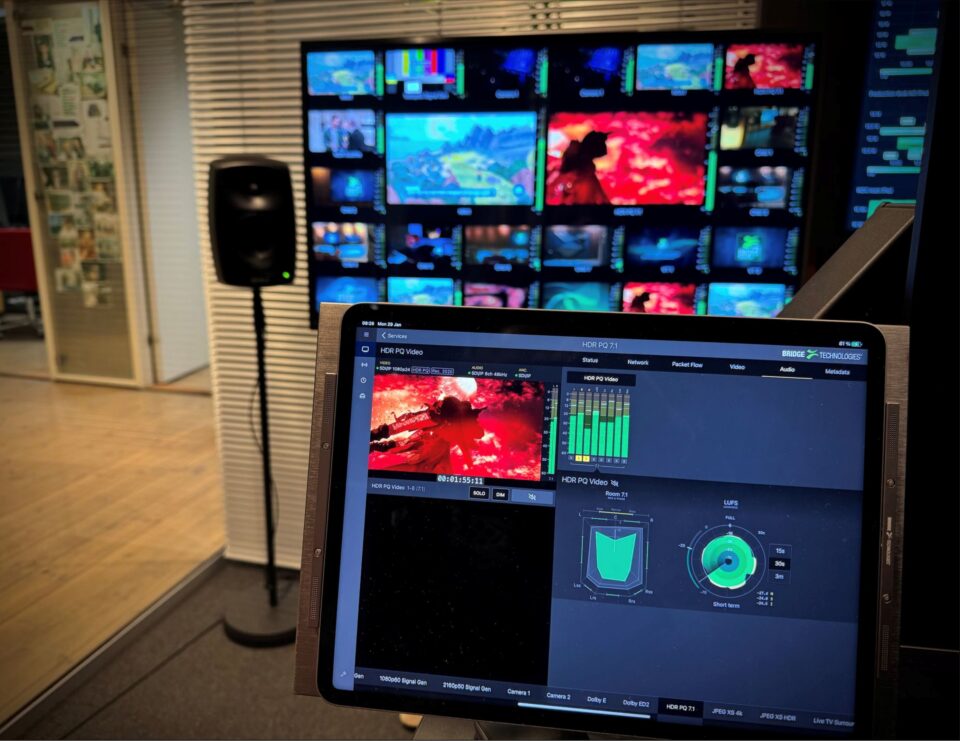
One of the core breakthroughs was separating the analytics engine from the user interface. We were early adopters of web-based interfaces, even as early as 2000, when the web was still extremely basic. Developing a usable web UI back then was technically challenging, but we believed it was the right path.
Web-Based Monitoring: A Future-Proof Innovation
– Why was the web interface so important to your approach?
Because it allowed for full remote monitoring and control. Instead of having users physically near the equipment, we could place devices at signal sources and access them from anywhere in the world.
That principle remains central to our work today. The difference is, we now support much higher bandwidth, real-time full-motion video and audio, and advanced UI features like mosaics — all over the web.
Already back in 2004, we understood that separating the user from the equipment was the future. Users want mobility, and the system has to enable that.
Software-Centric Design: Flexible, Scalable, Efficient
– What about the hardware-software balance in your design?
We never believed hardware was the core value. Yes, we build our hardware, but we’ve always seen it as a platform. The real value is in the software.
Everything we’ve developed runs on CPUs — no heavy FPGAs or GPUs. That makes our code portable and adaptable, allowing us to continuously evolve with advances in general-purpose computing.
The growth of CPU capabilities has been phenomenal, and it continues to accelerate. Our focus on software ensures long-term scalability and flexibility.
Beyond IP: Supporting RF, Cable, and Satellite
– Does your platform cover more than IP?
Absolutely. We also support RF-based systems: terrestrial, cable, and satellite. But these are complementary — the foundation of everything we do is still IP-based software analytics.
That’s what defines Bridge Technologies: scalable software-first architecture with web-based access, designed for a media world that’s always moving.
Recruiting the Right People: The Core Challenge
– What was the most difficult challenge in building your company?
The hardest part has always been securing the right minds. Recruiting is incredibly difficult. Fortunately, we’ve been blessed with absolutely fantastic people. That’s been the most difficult, most rewarding, and most defining aspect of our success.
Without this amazing team, we wouldn’t be where we are today.
Going Global from Day One
– How did you open international markets?
We were very lucky. One of our co-founders was a former sales director at Tandberg Television — a dream team setup from the beginning: two engineers, one manager, and one sales expert.
He wasn’t the most popular figure at Tandberg, ironically because he was too successful. He had deep experience with international markets and OEMs. Thanks to his network, within the first weeks of launching Bridge Technologies, we had our first resellers — the very first in Switzerland. Many early resellers were former Tandberg partners.
We focused on international growth right away. Frankly, we weren’t that interested in the Norwegian market — it’s small and limiting. Instead, we expanded to the U.S. early on, launching distribution and manufacturing there. That helped us gain global traction.
Today, Bridge Technologies is active in over 100 countries.
The Story Behind the Name “Bridge Technologies”
– What’s the story behind the company name?
We chose the name “Bridge Technologies” to reflect our mission: building connections between technologies, systems, industries, and people. From the start, our goal was to unite the media and telecommunications sectors, which, although grounded in similar engineering principles, often operate in isolation and speak entirely different technical languages.
These differences frequently lead to finger-pointing when issues arise. Our first product addressed this by identifying whether a problem originated in the network or media layer — a capability that remains essential today.
The name “Bridge” captures that purpose. If you’ve seen our logo, the mirrored arcs represent a celestial bridge — a visual symbol of connection, created by a talented graphic designer friend.
– Who designed your logo?
The logo — which looks like a heavenly reflection of a bridge — was designed by a close friend, a brilliant graphic designer. I wear it on my shirt proudly.
Personal and Company Achievements
– What are you most proud of in your professional career, personally and as a co-founder?
It’s all interconnected. I’m very proud of two milestones:
- The Lillehammer Olympics, where we delivered the world’s first non-linear editing setup at a major sports event, cutting directly to air.
- The Scandinavian Contribution Network, the world’s first IP-based broadcast contribution network, is now a standard in the industry.
These achievements helped shape our company culture and technological approach: build systems that people can use. As expertise fades in the industry, we need highly advanced tools that remain intuitive and simple to operate.
And that’s a principle rooted in my background — I was trained as a lithographer. That experience helped me focus on usability and clarity.
Early Vision: Web Interfaces and Human-Centric Tools
– How do your tools remain user-friendly in such a technical space?
We’ve always prioritized usability. Early on, we separated analytics from the user interface and moved the UI to the web, even back in 2000, when the web was still primitive.
We knew that putting the interface on the web would free the user to monitor and control systems from anywhere. Today, that vision has evolved into full-featured web interfaces with real-time video, audio, and mosaics — all available remotely.
Software-First Philosophy
– You’ve mentioned hardware, but is your platform software-driven?
Yes, absolutely. While we’ve developed our hardware (including RF, cable, satellite, and terrestrial systems), the foundation of our value is in the software.
We’ve never relied on large FPGAs or GPUs. Everything is designed to run on CPUs, which ensures high portability and scalability as CPU performance continues to grow. This choice keeps us flexible and future-proof.
Practical AI, Not Hype
– How does artificial intelligence fit into Bridge Technologies today?
I’m not a fan of the term “AI” — I prefer machine learning. We’ve been integrating ML for quite some time, especially for fuzzy logic scenarios where binary yes/no answers aren’t sufficient.
Machine learning lets us work with uncertainty — “yes, within range” — and detect patterns in intermittent data without relying on fixed thresholds. That’s crucial for meaningful analytics.
– What about newer forms of AI like large language models?
They’ll have an impact eventually, but we don’t yet see a clear, practical application in our space beyond things like translation or other clearly defined tasks.
For more complex systems, AI is only as good as what it has been trained on. We’re watching closely, but we remain cautious, preferring tools that offer proven results in real workflows.

On AI: Impressive, but Not Yet a Full Solution
– What’s your current view on AI?
Things still aren’t perfect. I’m impressed by many recent advances in AI, but as a practical tool for advanced analytics — especially in our field — we’re not there yet.
I follow AI developments closely and with great interest. But in terms of applying it to complex tasks within broadcast and media tech, I haven’t yet seen clear usability. We’re watching it evolve — and waiting.
Creating the Future Instead of Predicting It
– What is the future of Bridge Technologies?
Well, many brilliant people have tried to predict the future — Isaac Asimov, for one, made some stunningly accurate forecasts. But at Bridge, we don’t focus too much on prediction.
Instead, we believe that if you want to be relevant in the future, you need to help shape it. That’s exactly what we’re doing. We’re building our version of the future — our way.
It’s a future built entirely in software, delivered via a web browser. We strongly believe professional media and broadcast will move fully into software-only environments. So we’re not trying to predict — we’re too busy creating the future.
A Music Video That Led to Love
– How did you meet your wife?
That’s a great story. It goes back to when I borrowed an Avid One system — serial number seven — to create a music video for a group called Conspiracy Mares. The band had three women and one man, and they made fantastic music.
A friend of mine gave me a cassette and insisted I listen. I usually said no to unpaid projects, but this music was different — a mix of African contemporary rock. Truly unique. And I loved the singer’s voice.
I agreed to do the video on the condition that we’d find at least some money for a decent shoot. We got a studio from a friend and filled it with sand to create a Bedouin tent — complete with an indoor fire. It was a crazy setup, but it looked incredible.
I edited the project on the Avid system and had a rough cut by the end of the first day. It was a joy to use — the ability to undo and experiment was new and exciting.
A Knock on the Door
– What happened after the music video release?
We held a release party at a legendary music club in Norway called Smuget. It was a huge success. We projected the video, celebrated all night, and the next morning, I heard a knock at my door.
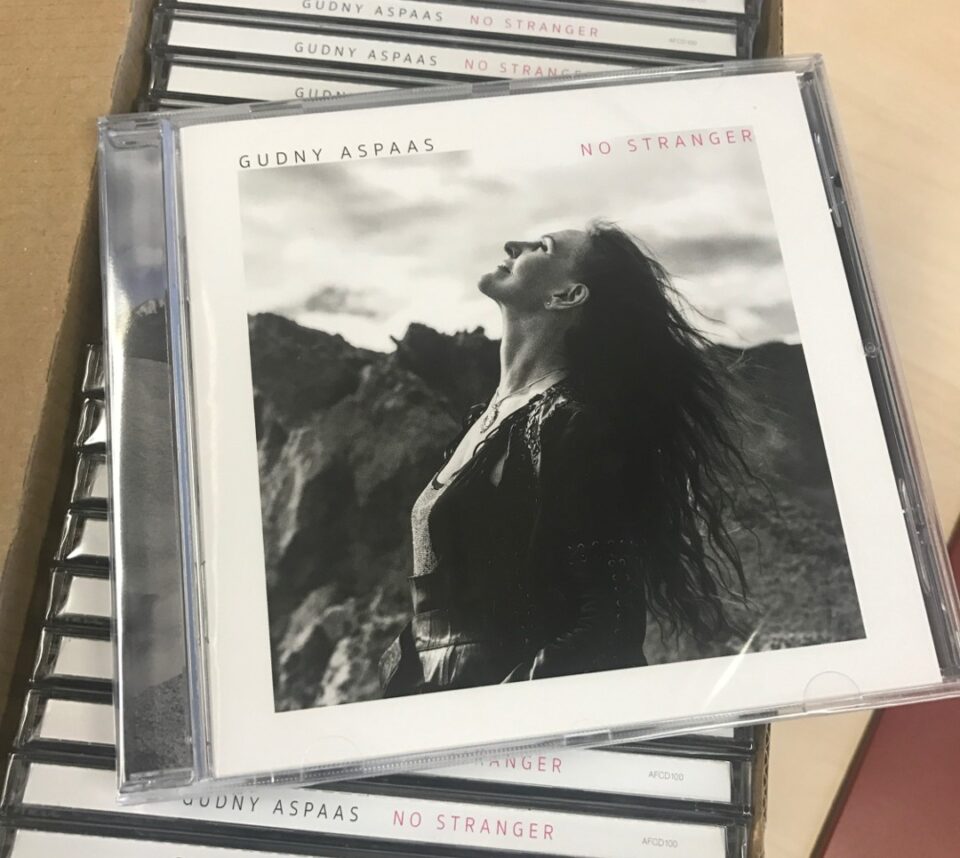
It was Gudny Aspaas, the lead singer. She wanted to recut the video. I was surprised — the video had been a hit — but she didn’t like the close-ups of her face on a five-meter-wide screen. Fair enough.
I didn’t change the cut, but we kept talking. And as we got to know each other, we discovered we had the same birthday. The rest, as they say, is history.
A Shared Birthday and a Love Story
– Which day is your birthday?
February 13th.
– Wow — what a cool coincidence.
Exactly. Since neither of us had plans, we decided to go out for dinner to celebrate our shared birthday. And the rest, as they say, is history. We fell in love — and naturally, we chose to get married on the same day. We were married on February 13th as well.
That way, I never forget our wedding anniversary — very smart, right?
A Rock Singer, Silversmith, and Artist
– Do you have children?
Yes, we have a daughter — and now, we’re also proud grandparents. We have a granddaughter as well.
– What is your wife doing now?
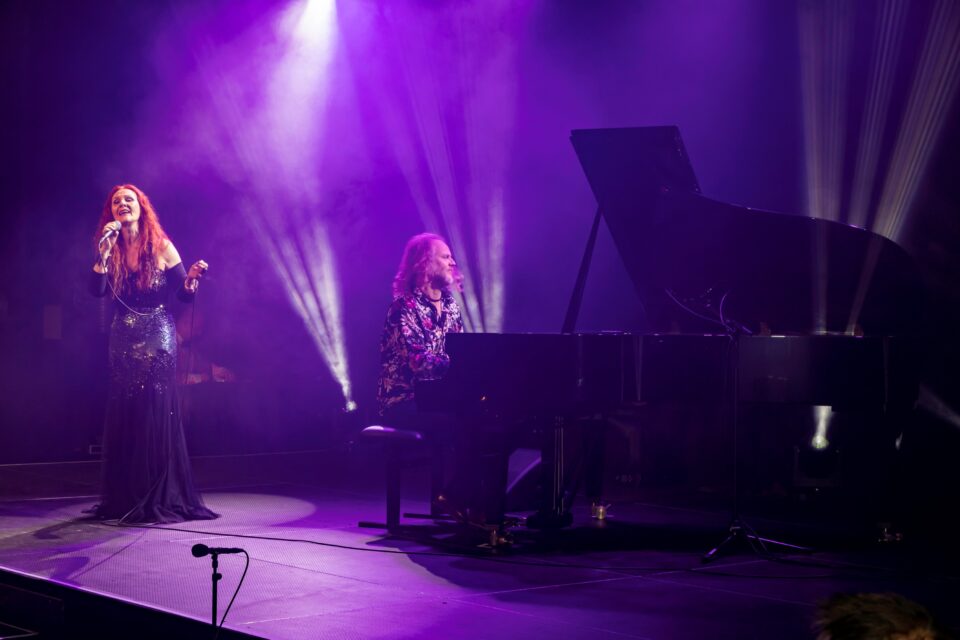
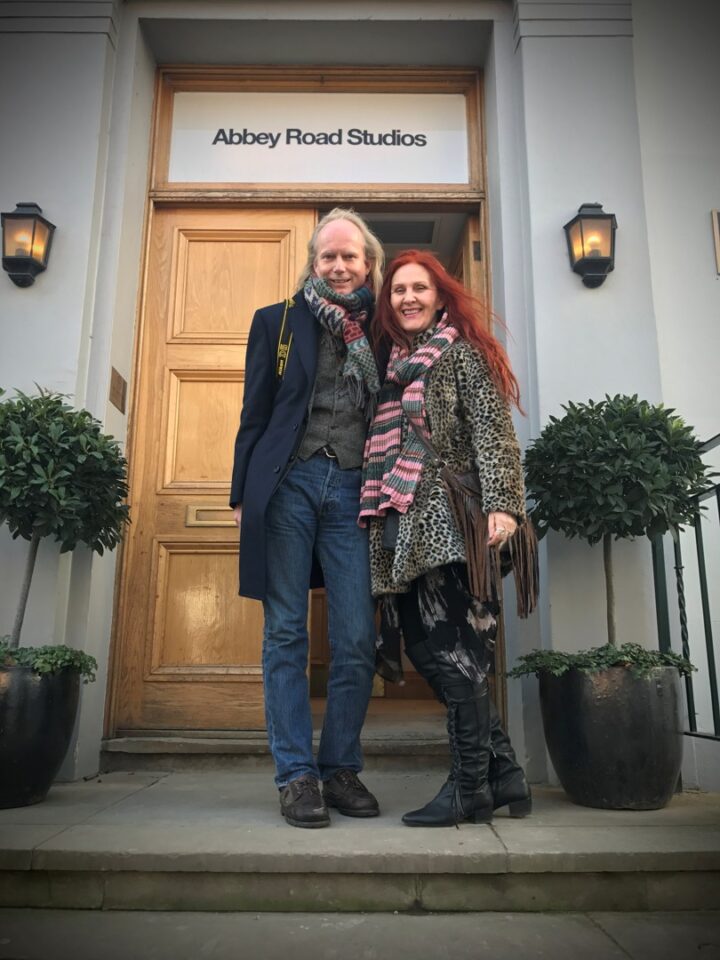
She’s still very active. In addition to being a rock singer — she toured across Europe with her progressive rock band Ruphus — she’s also a silversmith.
She’s been designing and making jewelry all her life and runs a gallery in Oslo where she sells her creations. She’s also a painter and continues to record music. She released her latest album just five years ago.
A Dream That Drives the Whole Team
– Last question: What is your dream?
My dream — and I believe I speak for the entire team — is to create something useful. I think everyone, at some point, wants to do something that truly matters.
Technology should make life easier. Too often, I see tech that’s overly complicated, poorly designed, or just not helpful. It creates more problems than it solves.
My dream is simple: to build tools and systems that help people. They are reliable, practical, and meaningful. That’s what drives me — and that’s what we try to do at Bridge Technologies every day.
Bridge Technologies: IP-Based Production Tools for Broadcast Break Barriers