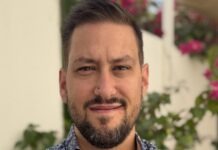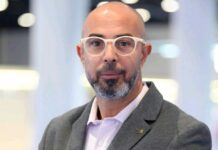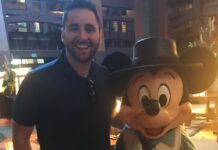

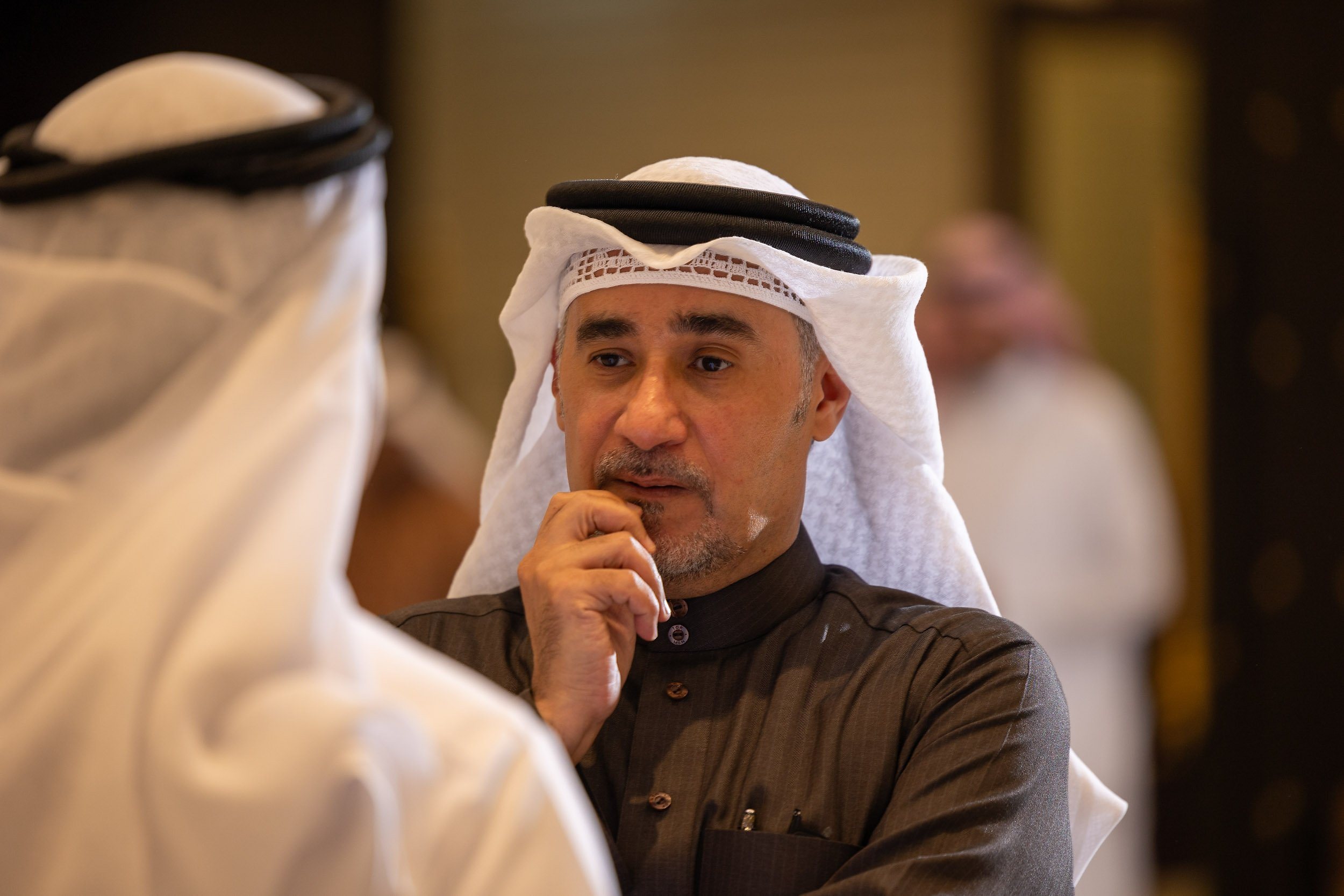
Yusuf Mohammed Buti’s career reflects the transformation of media in the Middle East itself. From a pre-digital childhood in Bahrain to building media cities, studios, and national broadcast infrastructure, his journey defines Yusuf Mohammed Buti Media Infrastructure Leadership across the GCC.
Interview with Yusuf Mohammed Buti, CEO, Founder & Managing Director of Harbor House for Management, Media, and Digital Services Consulting.
His story unfolds at a moment when media, technology, and leadership models across the Middle East are being redefined.
Early Life in Bahrain: Family, Education, and First Influences
– When and where were you born, and what kind of family did you grow up in?
I was born in the Kingdom of Bahrain on October 5, 1972. I grew up in a large family. My mother was a housewife and fully dedicated her time to raising us. My father worked at the seaport authority, where he held an operational management role.
– What did your parents’ roles teach you as a child?
From my mother, I learned the value of dedication and stability. She was always present for us. From my father, I learned discipline, responsibility, and how operations work in real life.
– How many siblings do you have, and what paths did they choose?
We are seven siblings in total. The eldest is my sister, a physiotherapist. Then there’s me. Another sister works in HR, and another is an undersecretary in the government. One sister is a doctor and professor of genetics, working as a hospital researcher. My two younger brothers work in auditing and at the central bank.
– Was higher education important in your family?
Yes, absolutely. Education was non-negotiable. The minimum level in our family is a bachelor’s degree. I hold a master’s degree myself, and I’m preparing to pursue a PhD.
“My career followed the same path as media in the Middle East — from analog systems to large-scale, integrated infrastructures built for the long term.”
Growing Up in a Pre-Digital World
– What kind of home did you grow up in?
Our family lived in a house rather than an apartment. With seven children, it wasn’t easy, especially for my mother, but she was fully devoted to us.
 – How would you describe your childhood environment?
It was stable and supportive. Because my mother didn’t work outside the home, she dedicated herself entirely to the family. That made a huge difference.
– What is your earliest or brightest childhood memory?
That childhood coincided with a period of massive technological transformation and game-changing disruption. Television, radio, computers, and modems were emerging simultaneously. Growing up in that transition era shaped the way we think today.
– How did that technological shift influence you later in life?
When you look back, those early experiences help you understand how systems evolve. It gives context. You don’t just use technology — you understand why it works the way it does.
School Years and Early Technical Curiosity
– What were your favorite subjects at school?
Mathematics, without question. But more broadly, all sciences — physics, math, computer science, electronics.
 – Was math your only focus?
No. Math was the foundation, but it naturally extended into physics and computing. Those subjects were all connected.
– When did you get your first computer?
Around 1986. It was called Sakhr, an Arabic-manufactured computer.
– Did you start programming at that stage?
Yes. I programmed in GW-Basic, Fortran, Pascal, Turbo Pascal, C, and Visual Basic. I also worked on mainframes using Turbo Fortran.
– So, programming started very early for you?
Very early. It wasn’t a hobby — it became a way of thinking.
From First Code to Engineering Mindset
– When did you start coding seriously?
It started in secondary school in 1988. The school introduced a new program that taught GW-Basic programming. That was the moment programming became something structured, not just curiosity.
 – Did programming continue into your university studies?
Yes. Even during my bachelor’s and master’s degrees, programming was always present. I studied electrical engineering, but I deliberately used programming to solve real industrial problems, especially in power generation.
– How exactly did programming support your engineering work?
During my master’s in the UK, I worked with GIS-based programming to calculate line-of-sight microwave links between transmission and receiving substations. The objective was to optimize location, antenna height, and power levels. By entering two locations, the system automatically calculated the optimal configuration.
– Software became a decision-making tool, not just a technical add-on?
Exactly. The computer wasn’t just calculating — it was guiding engineering decisions.
“Programming taught me how to think in systems — not just how to use technology, but how to design decisions.”
Choosing Education and Navigating Geopolitics
– Who decided which university you would attend — you or your family?
I did. Completely my decision.
– What was your original academic direction?
I initially started in medical engineering and then moved into medical school in the UK. But when the first Gulf War between Iraq and Kuwait began, I had to return to Bahrain.
– How did that change your career direction?
After returning, I decided to move fully into engineering. I joined an engineering school and continued as an electronics engineer. That decision defined everything that came after.
– How did you end up studying in the UK again?
A few years later, I received a scholarship from the British government to pursue my master’s degree in the UK, at the University of Portsmouth.
– What scholarship supported your studies?
The Commonwealth Scholarship.
– How long did you stay in the UK for your master’s?
One year.
From Academia to Real-World Practice
– What was your first professional role after graduation?
After graduating from the University of Bahrain, I worked as an instructor there from 1996 to 1999.
 – Why did you decide to leave academia?
Academia is good, but I realized I lacked practical experience. Sometimes students with real-world exposure would ask questions I couldn’t confidently answer. That was a turning point for me.
– What did you do next?
I left the university and joined the Bahrain National Museum.
– What was your role there?
I was responsible for maintenance and IT infrastructure. One of the key projects was building a national digital archiving platform for museum assets, alongside managing MEP and facility maintenance.
– How did that role influence your next career move?
After a few years, the minister noticed the transformation in how the museum was organized and managed. He suggested I move to Bahrain TV.
Entering Broadcast and Media Operations
– What was the situation at Bahrain TV when you joined?
At that time, Bahrain TV had only two engineers. The rest were technicians with strong hands-on experience. Things worked, but there was room to elevate operations through structured engineering and planning.
 – What impact did your background bring to the organization?
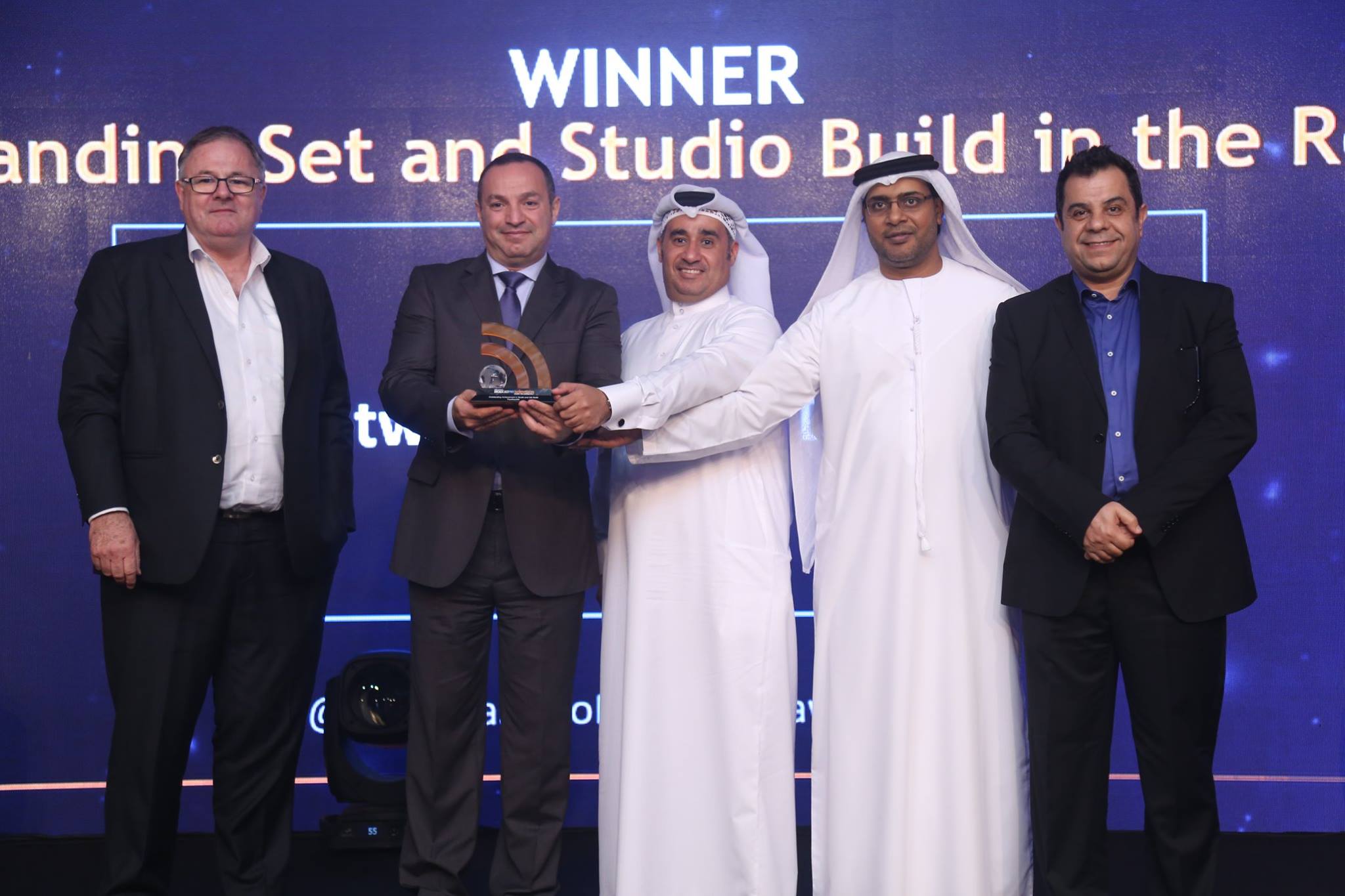
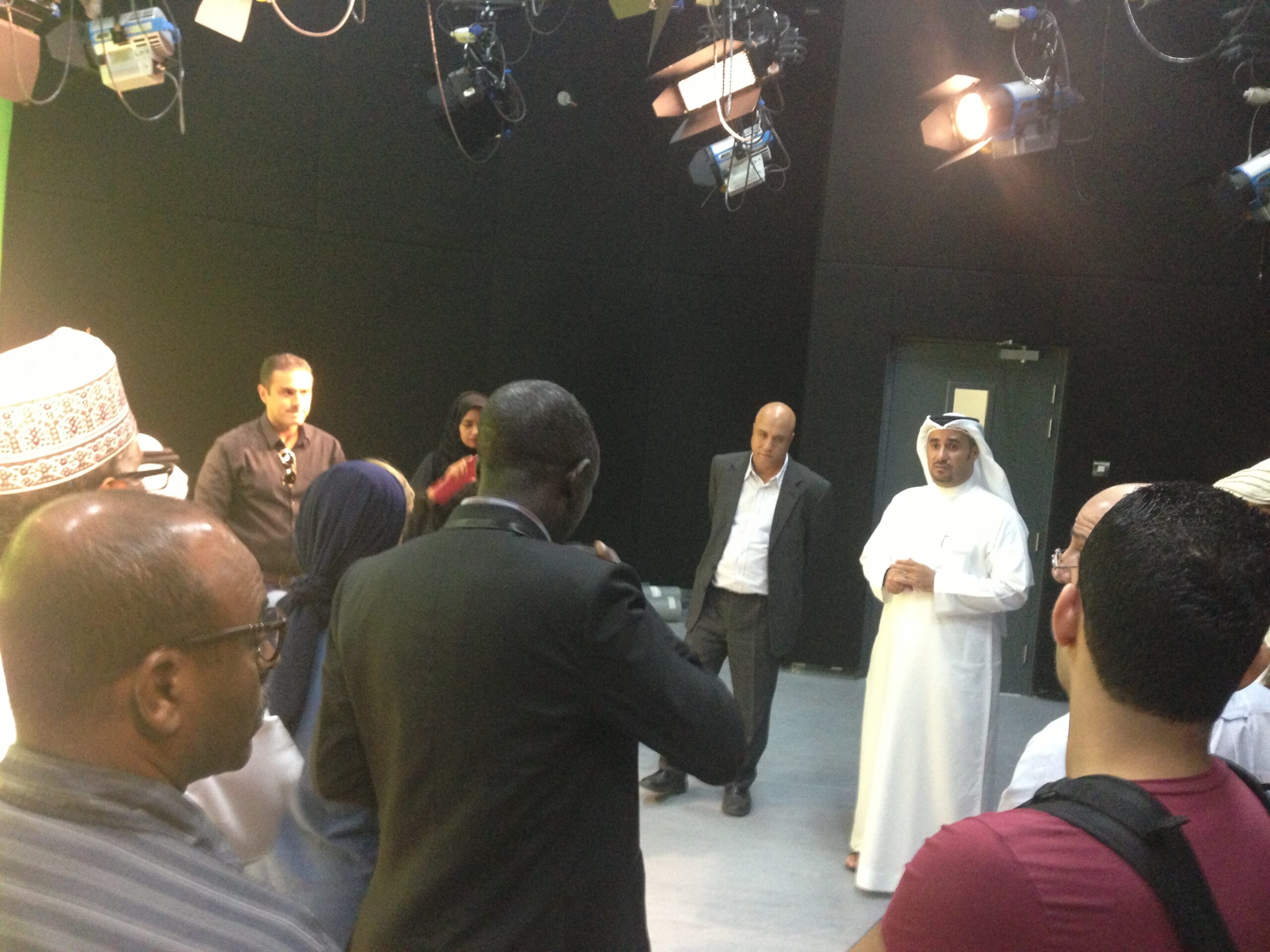
I wouldn’t say we were heroes, but education and systems thinking helped move operations to the next level. After joining Bahrain TV in 1999, I worked there until 2004. During that period, several projects were undertaken, including the development of Bahrain News Studios in partnership with the MBC Group. The initiative involved upgrading the Ku-Band satellite earth station. Additionally, the Bahrain Radio studios were modernized by transitioning to a tapeless environment and streamlining the digital workflow.
The Media City Vision: From Bahrain to Abu Dhabi
– What happened after you completed your master’s degree?
After finishing my master’s, I returned to Bahrain with a clear dream — to build a studio city, a Media City, in Bahrain.
– How did you start working on that idea?
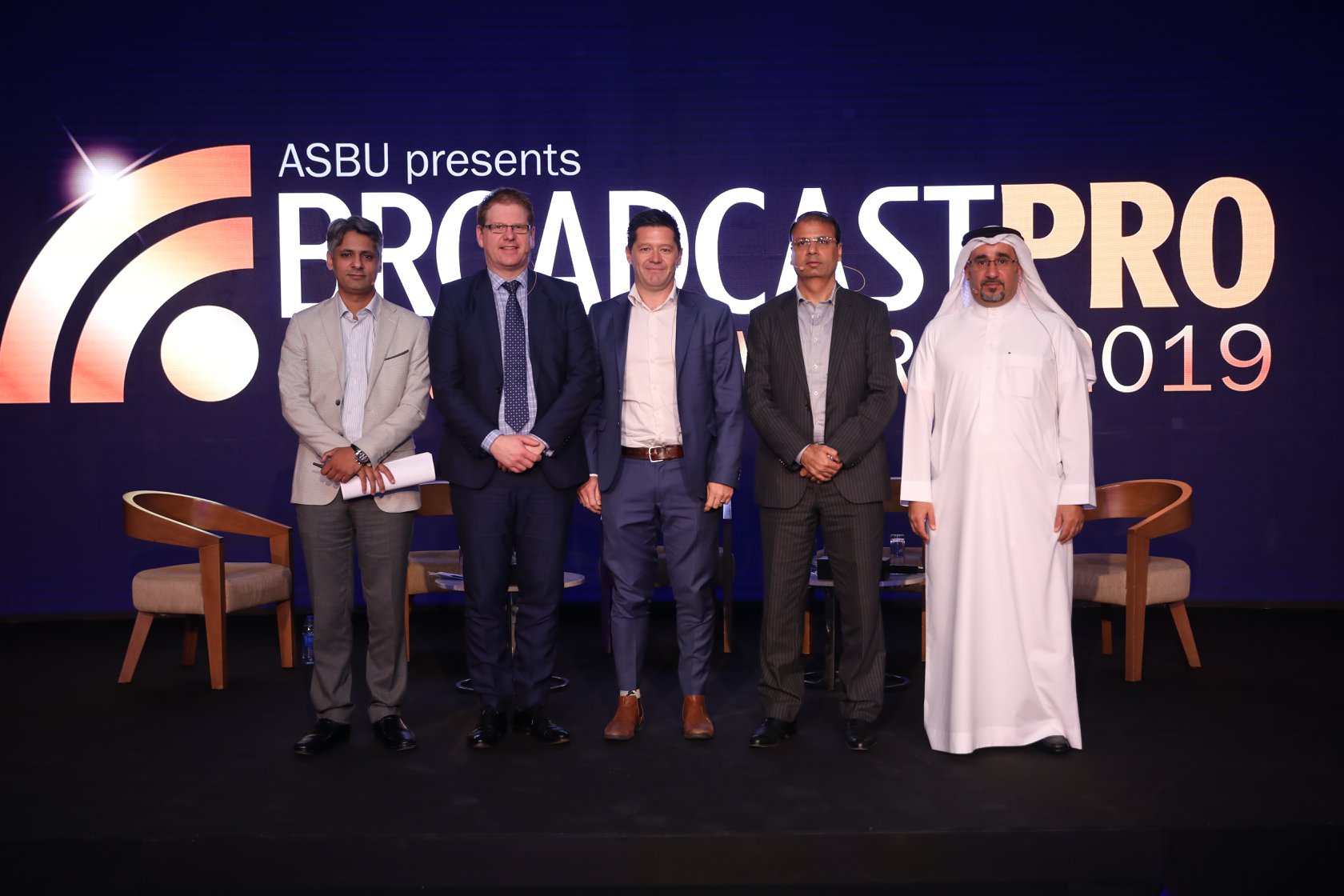
I went to Dubai for three months to study the model firsthand. At that time, Dubai Media City already existed, so I focused entirely on research. I conducted surveys, feasibility studies, built a full business plan — everything.
 – How was the idea received in Bahrain?
I came back and presented the complete study to the authorities. For various reasons, it wasn’t aligned with the government’s priorities at that time, so the project was delayed.
– What did you do during that waiting period?
I had already built strong relationships with many companies in the industry. Through that network, I met the Sony International team.
– How did Sony influence the next step in your career?
They told me that my Media City concept was very similar to what Abu Dhabi was planning at the time. Sony introduced me directly to the Abu Dhabi team — and that’s how I was hired.
Building Abu Dhabi Media City
– When did you join the Abu Dhabi Media City project?
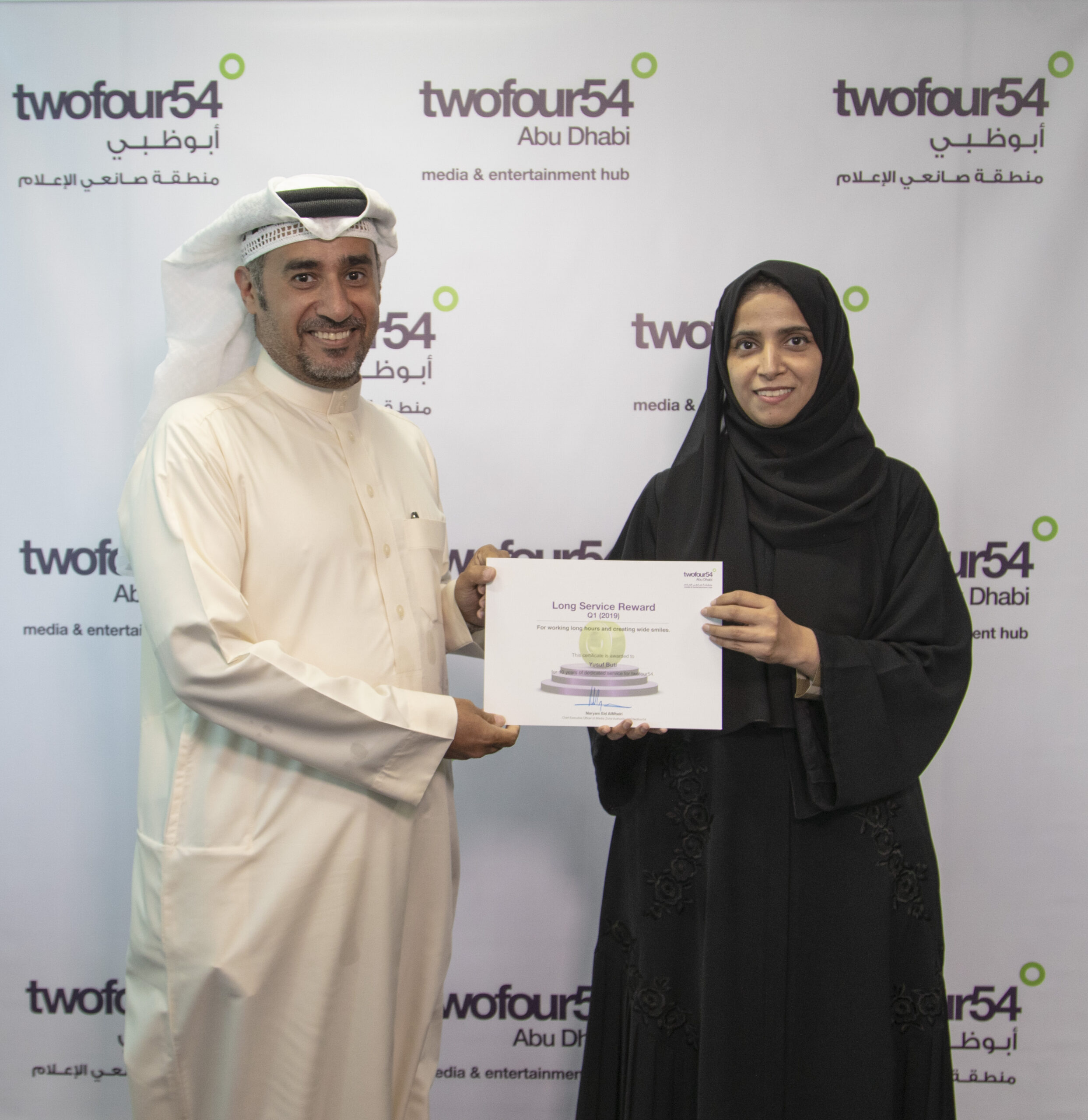
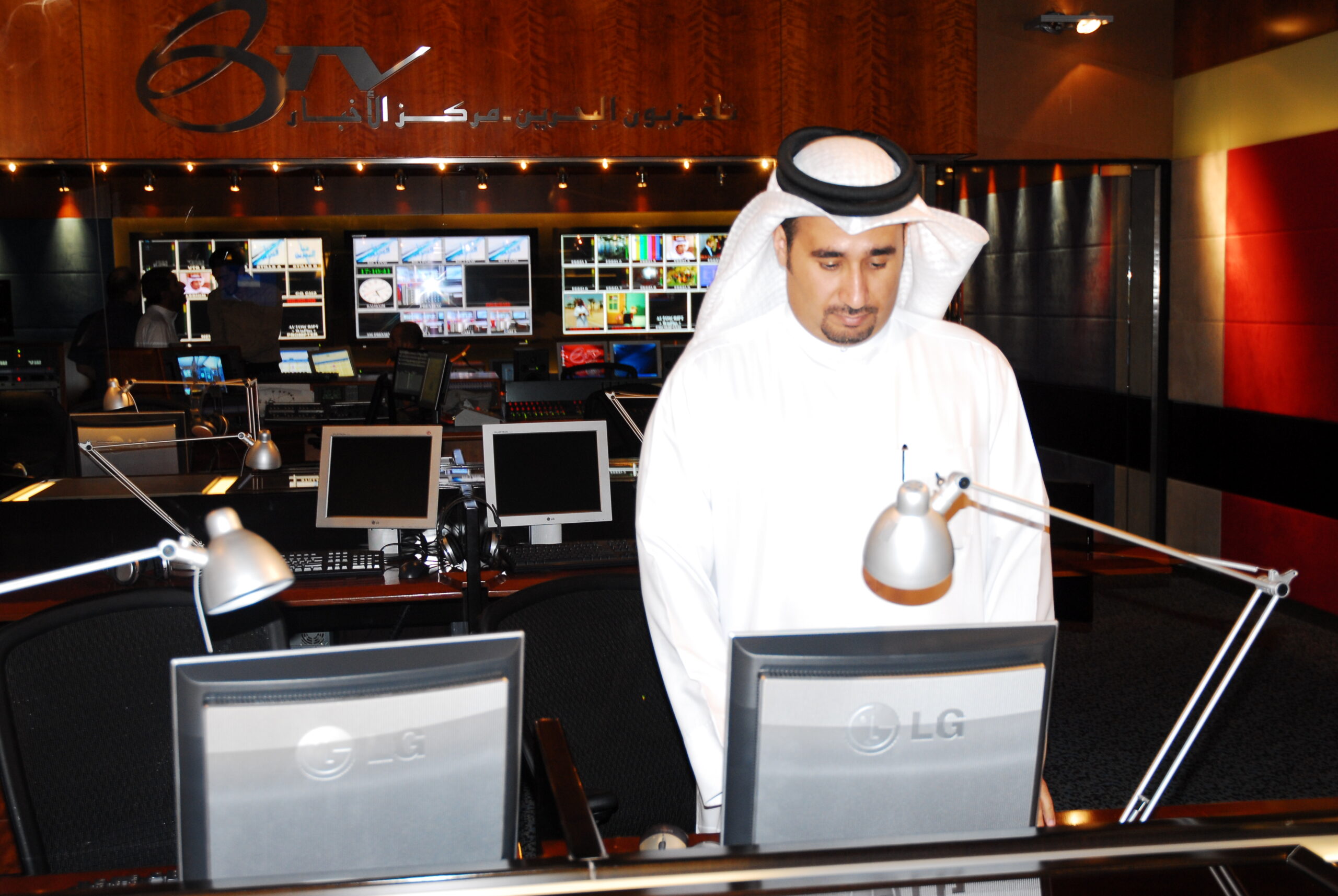
In 2009. I stayed there until 2022 — almost 13 to 14 years.
 – What was the scope of your work there?
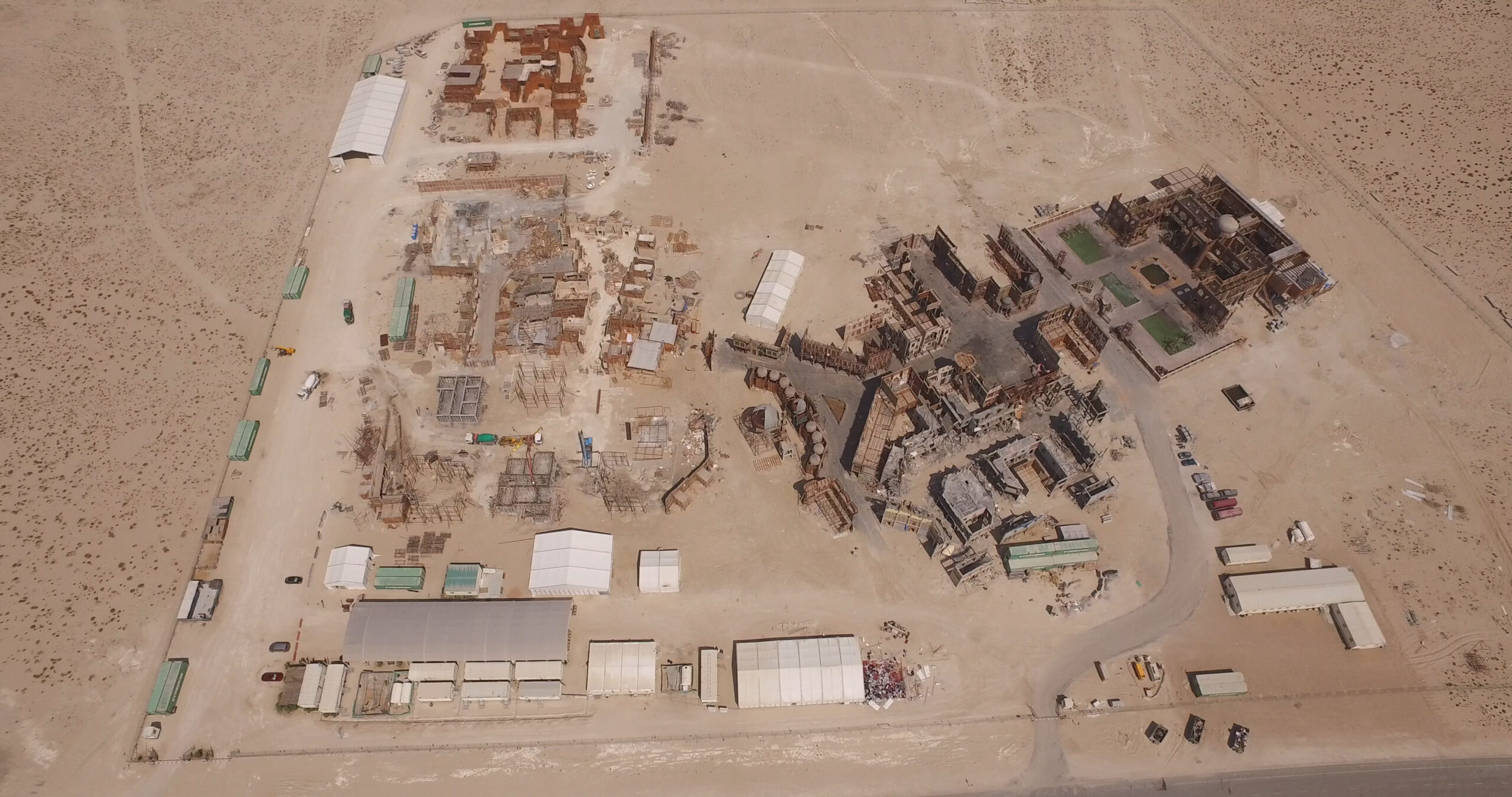
We built the Media City from the ground up. Its development, expansion, and operation followed a long-term master plan.
– What was your role when you first joined?
I initially joined as Head of Production.
– How did your role evolve?
Over time, I took responsibility for more areas. Eventually, I became Head of Engineering, Technology, and Operations. In practice, that role is similar to a general manager in terms of responsibility.
– What did being Head of Engineering and Technology involve?
I was responsible for defining the technology roadmap, developing ideas, selecting systems, and shaping how the entire ecosystem would evolve.
 Consulting, Government Projects, and Regional Experience
– Were you already running your own consultancy during this period?
Yes. Even before returning to Bahrain, I had established my own consultancy firm.
– What kind of projects did you handle through your consultancy?
One major example was Sudan. Before the situation changed, I conducted a full study to build a Media City — including research, strategic planning, and government consultation.
– How did this consulting experience shape your leadership approach?
It taught me how to work with governments, how to think long-term, and how to design media infrastructure not just as technology, but as a national asset.
From Consultancy to Product Company
– What did you focus on after returning to Bahrain?
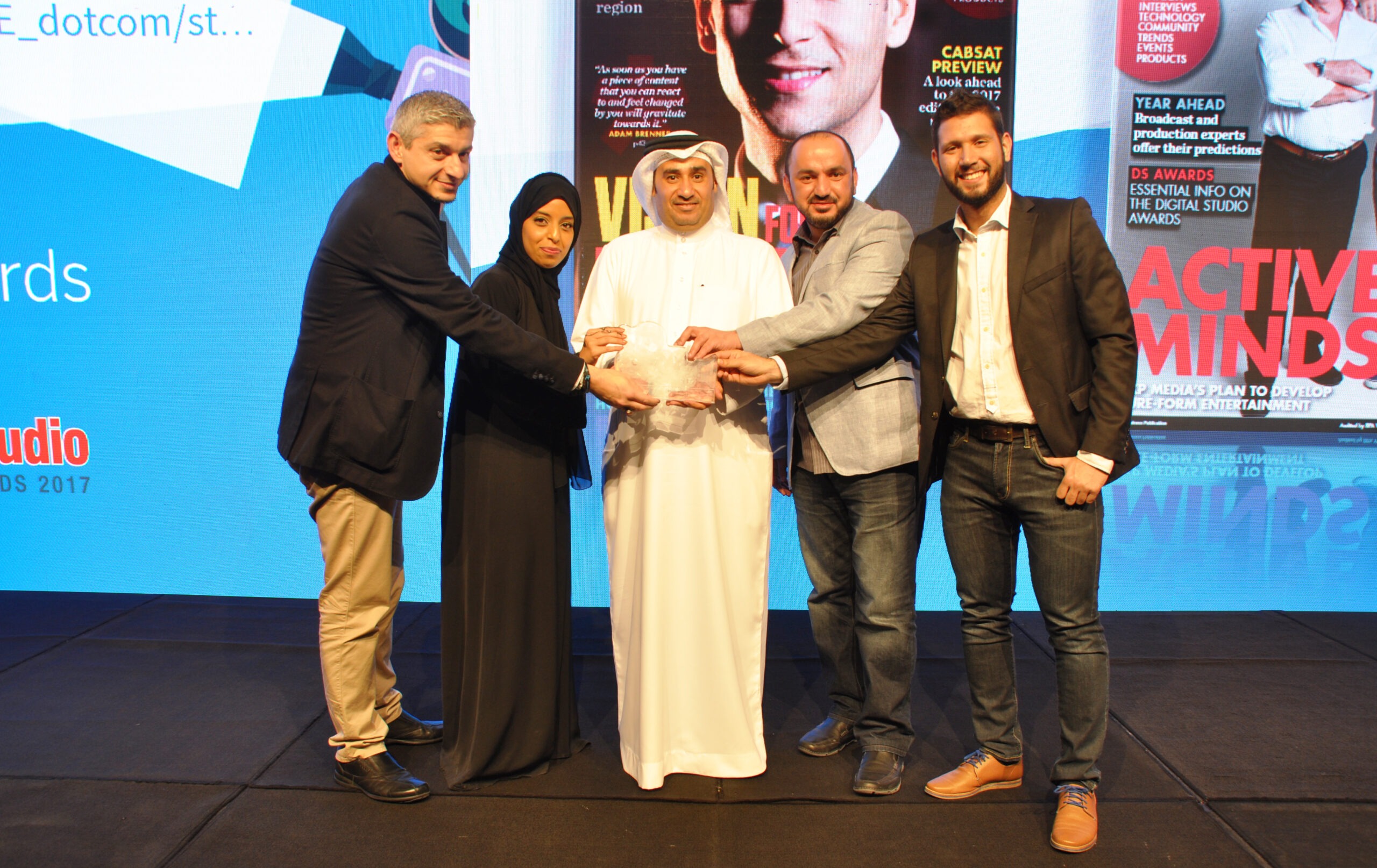
I refocused on my consultancy and expanded it. Today, I’m the CEO of Harbour House Consultancy.
 – How did Harbour evolve beyond consulting?
Drawing on that experience, I began developing proprietary solutions and products. Today, my company has multiple products under development and active deployment.
– What is Harbour Sky?
We launched Harbour Sky, our production platform, earlier this year.
– What problem does Harbour Sky solve?
It’s designed to replace traditional OB solutions for small and medium-scale productions. It significantly reduces complexity and cost while maintaining professional production standards.
– How does satellite connectivity fit into this model?
We’re in the process of signing an MOU and partnership with the region. One of the main satellite operators in the MENA region, it will help us cover all of MENA, Europe, and Africa. Using a modern technology (Ku-IP) backbone, we can deliver production services via satellite whenever needed.
 – What does this partnership enable in practical terms?
It gives us flexibility, scalability, and regional reach. Production is no longer limited by location or traditional infrastructure. As mentioned before, covering a wide footprint over MENA, Europe, and Africa.
A Journey Shaped by Long-Term Vision
– How would you summarize your professional journey so far?
It’s been a long journey — from engineering and academia to national media projects, consultancy, and now building scalable production platforms. Every step was connected by one idea: building systems that last.
Clients, Projects, and Market Focus
– Your company today is not only a consultancy or a system integrator. Who are your main clients at this stage?
We are currently working on several projects with national and private TV stations in the region. These include not only system integration but also production-related projects.
 – How would you describe your role in production projects?
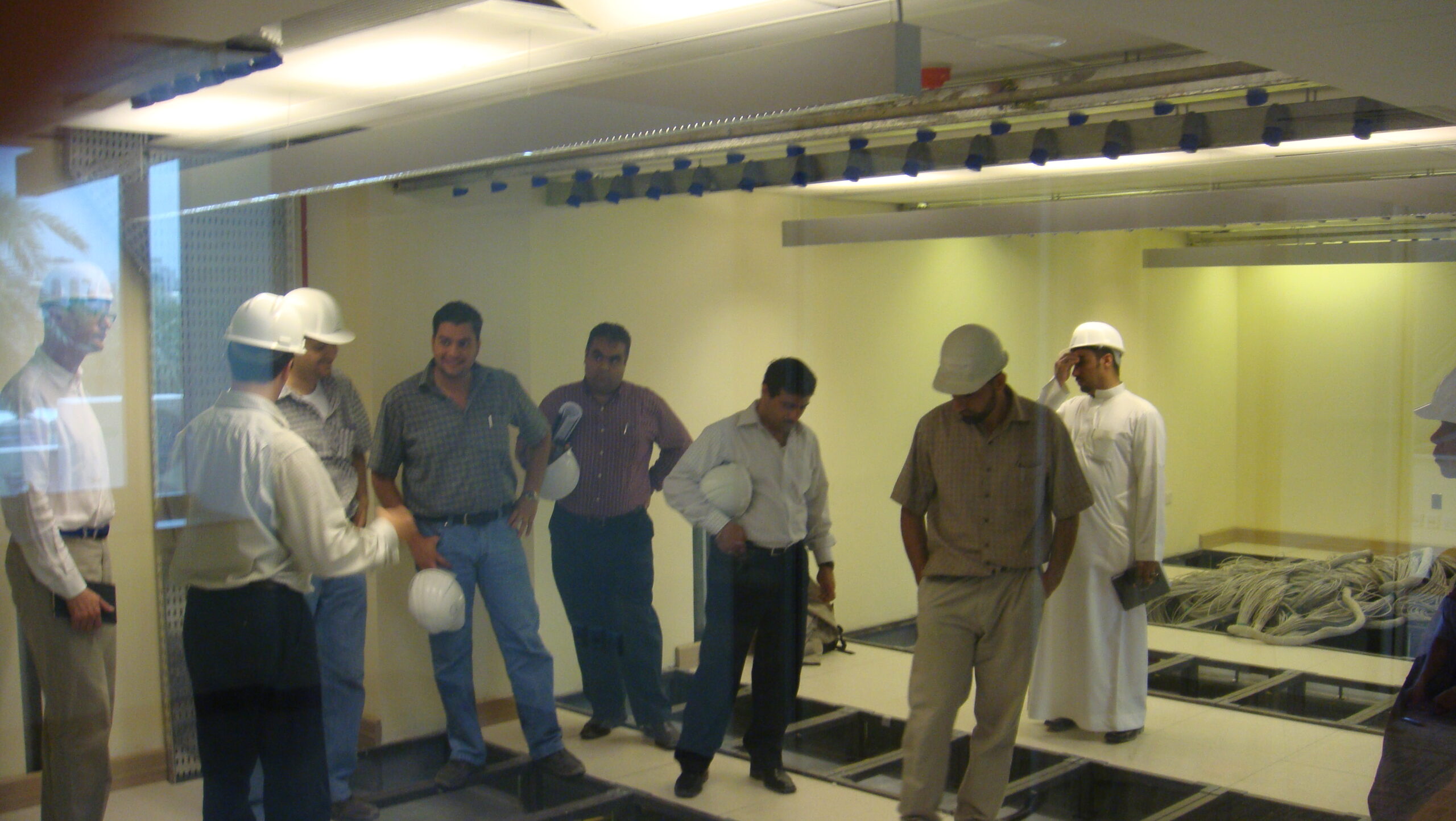
Our focus is on production infrastructure rather than entertainment or single-camera content. Scalable workflows and long-term production environments remain at the core of our approach.
– Are you involved in national-level projects today?
Yes. In partnership with one of the GCC’s leading national news agencies, the company is developing a national archiving solution. The project is currently in the tender phase, with a formal bid in preparation.
– Do you also work with private companies in the region?
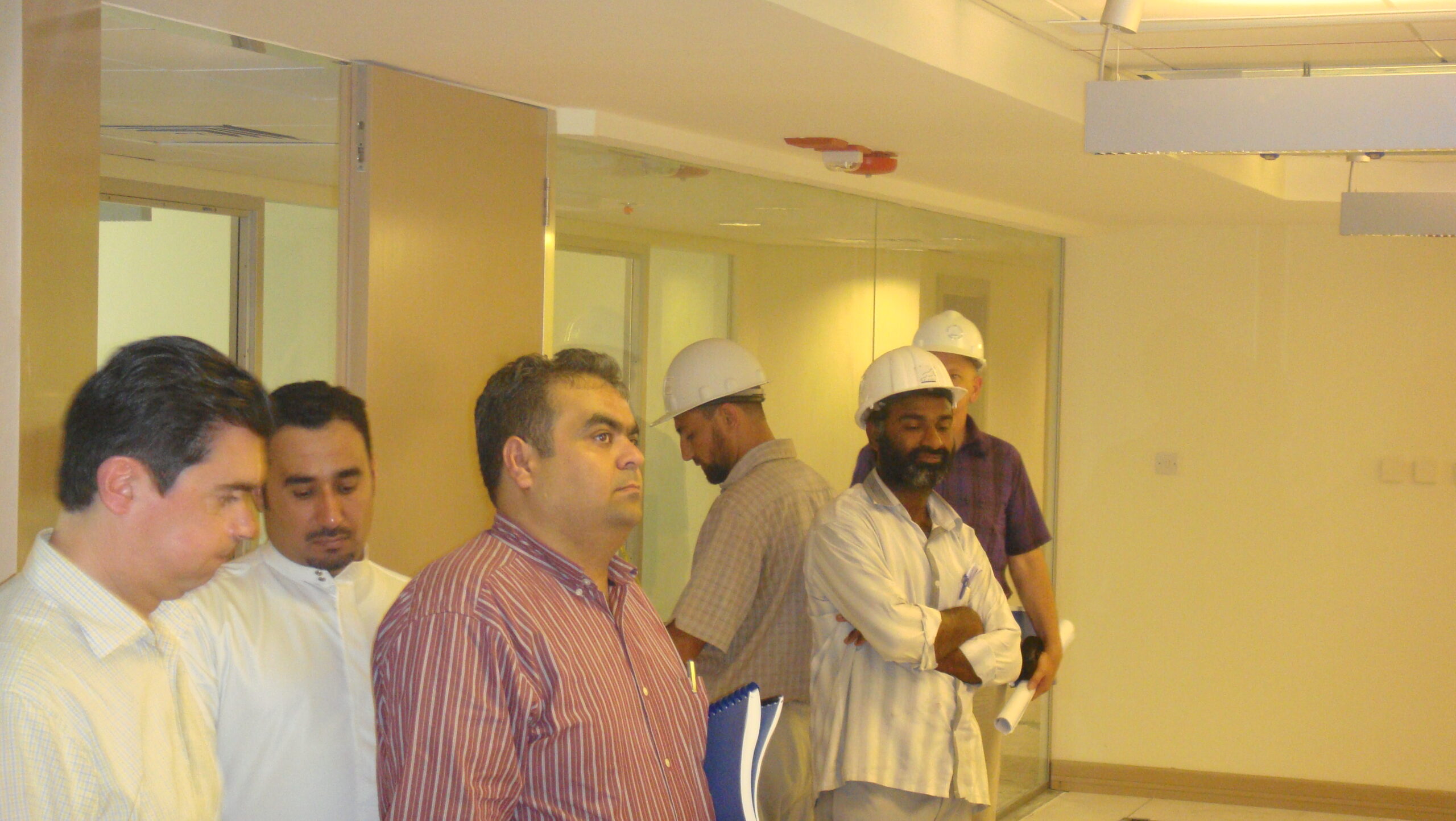
Absolutely. Among our clients are several private companies across the Middle East, for whom we design and build production environments. In Abu Dhabi, I was involved in building a complete Media City, so I fully understand how these ecosystems should be designed from the ground up.
 – What differentiates your approach from traditional system integration?
Sometimes the proposed designs are deliberately unconventional. System providers are challenged with non-standard requirements, leading to more efficient and future-proof systems.
“Staying too long in one place kills ambition. Growth only happens when you challenge yourself.”
– What types of production environments have you built?
worked on multiple use cases: fixed studios, mobile production units, and complex production infrastructures tailored to specific needs. These projects form the core of our client portfolio.
Leaving Abu Dhabi Media and Starting a New Chapter
– Why did you leave Abu Dhabi Media in 2022?
There are two main reasons. First, staying in the same place for too long kills challenge and ambition. At some point, growth slows down.
 – And the second reason?
It was always my plan. Once I reached my fifties, I wanted to build my own business. That moment came.
– Why was building your own business so important to you?
Because I want to build something sustainable for my children. That’s why our business today is not limited to media only.
– What other sectors does your company operate in?
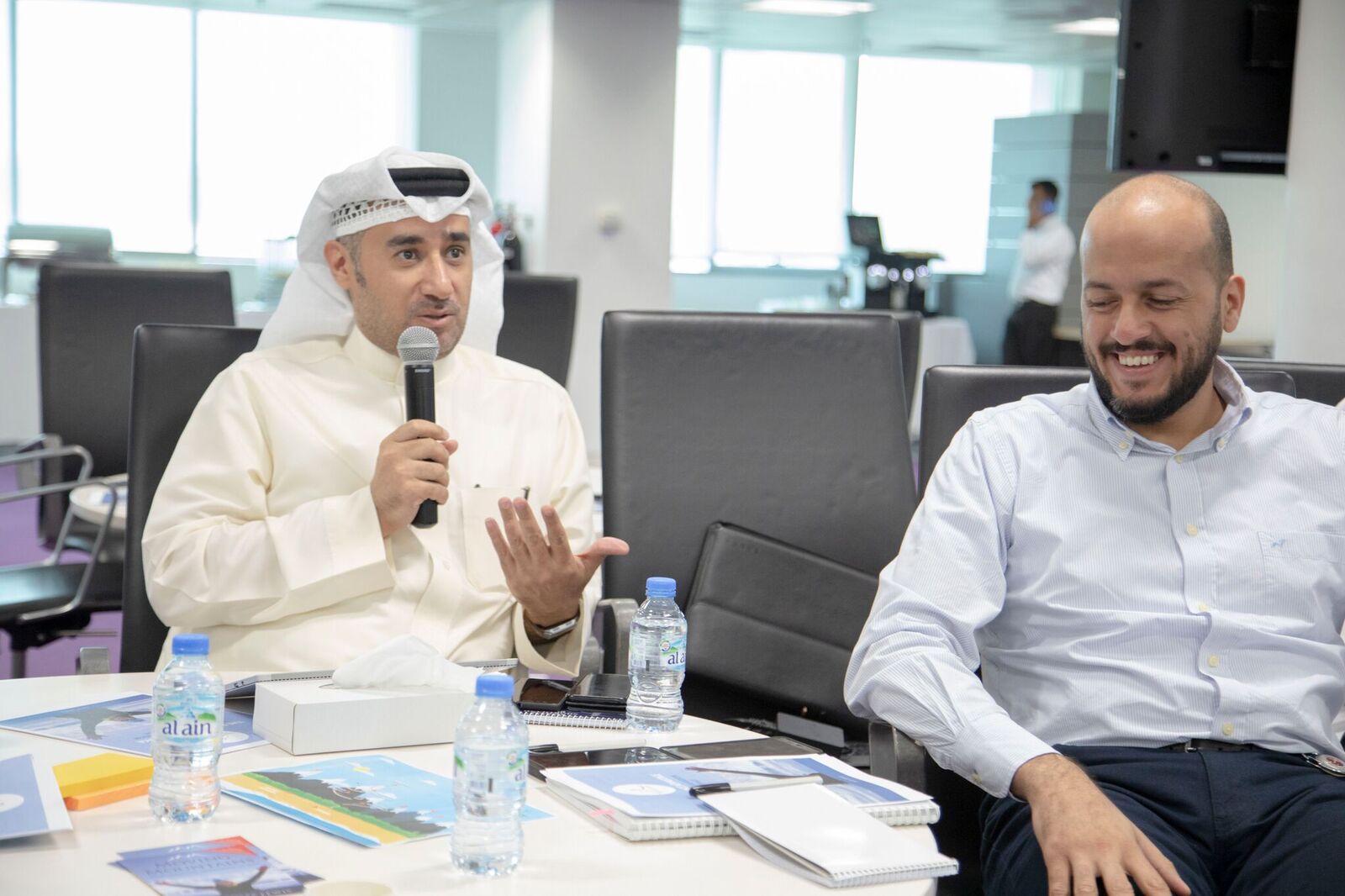
We operate across IT, system integration, data centers, business development, as well as media and broadcast. Our services include management, technology, and media consulting, along with national and corporate strategy development, operating models, procurement improvement, KPI frameworks, and change programs. AI and digital transformation, cloud and ICT infrastructure, cybersecurity, compliance, and selected emerging technologies are also part of the portfolio.
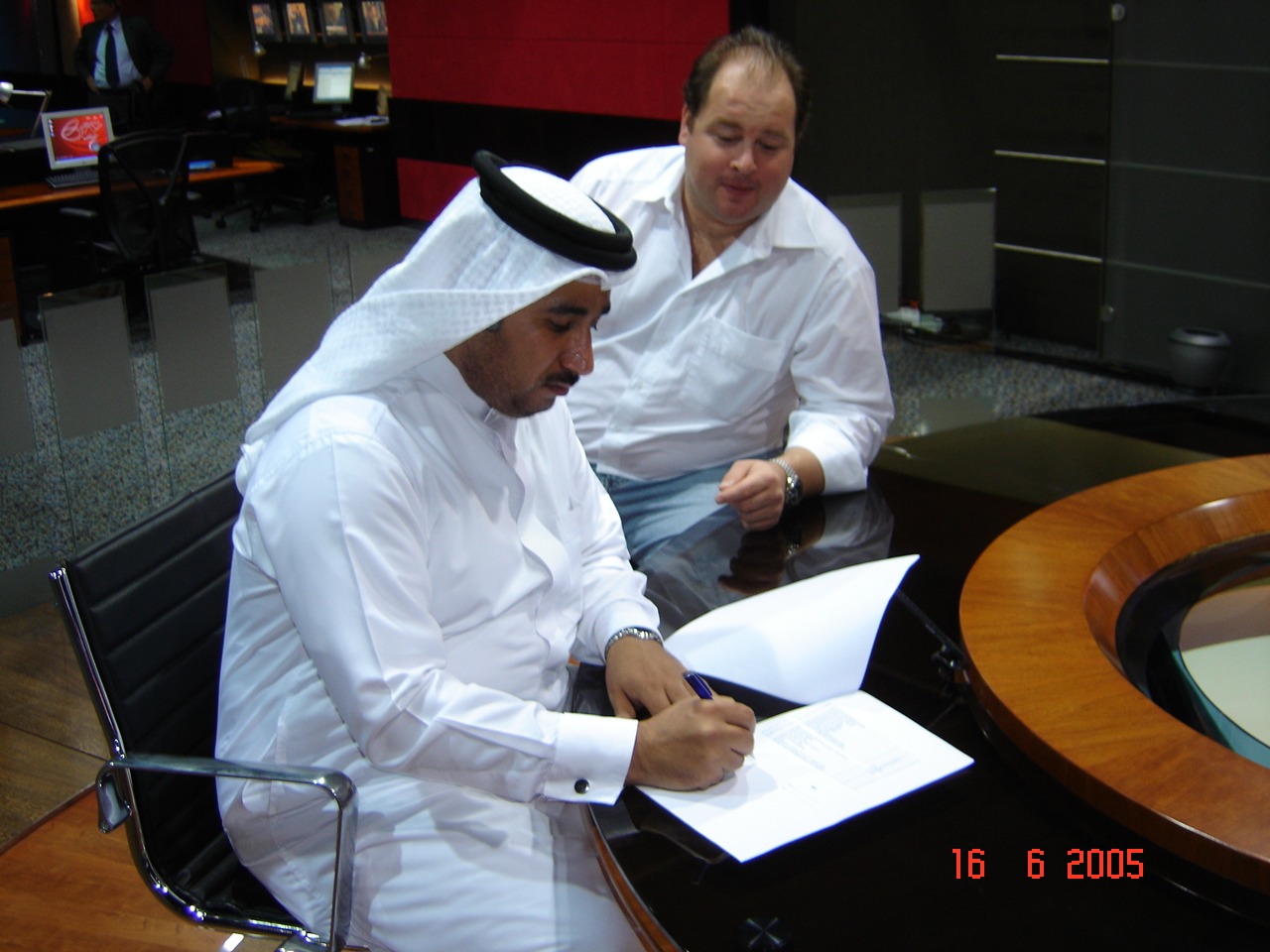
In media and broadcast, facilities are planned, studio operations optimized, vendors and crews managed, and cloud playout workflows designed. Investment teams are supported with technology deal evaluation, covering scalability, risk, monetization, IP, and go/no-go decisions.
National Development and International Cooperation
– Are you involved in projects beyond media and broadcast?
Yes. I’m currently working with the Industry and Commerce in Bahrain to help modernize the manufacturing sector, which has become highly legacy-driven and outdated.
– Is this a local initiative or an international one?
It’s moving toward an international level. We are close to finalizing a partnership with the United Nations to fund this project, aimed at developing multiple sectors in Bahrain.
Career Highlights and Major Achievements
– Looking back, what do you consider your main professional achievements?
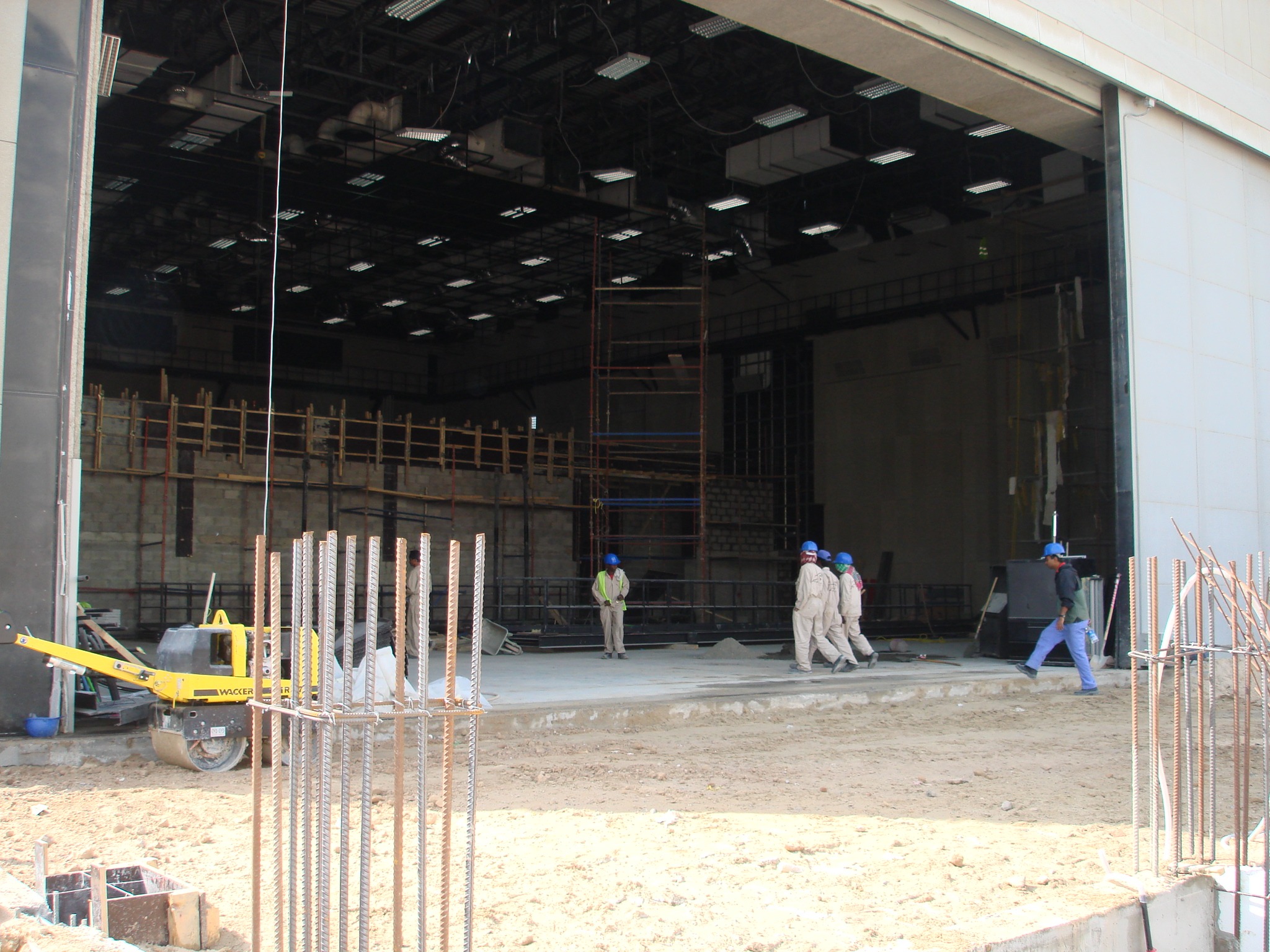
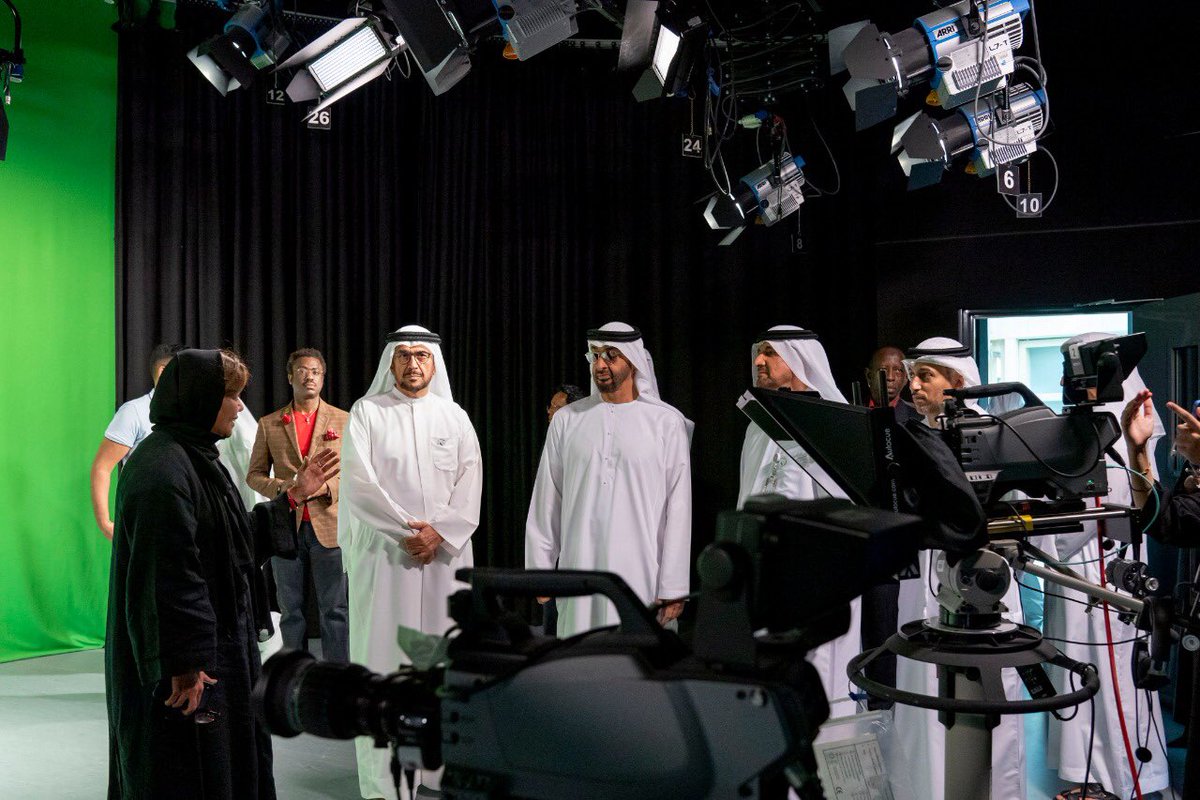
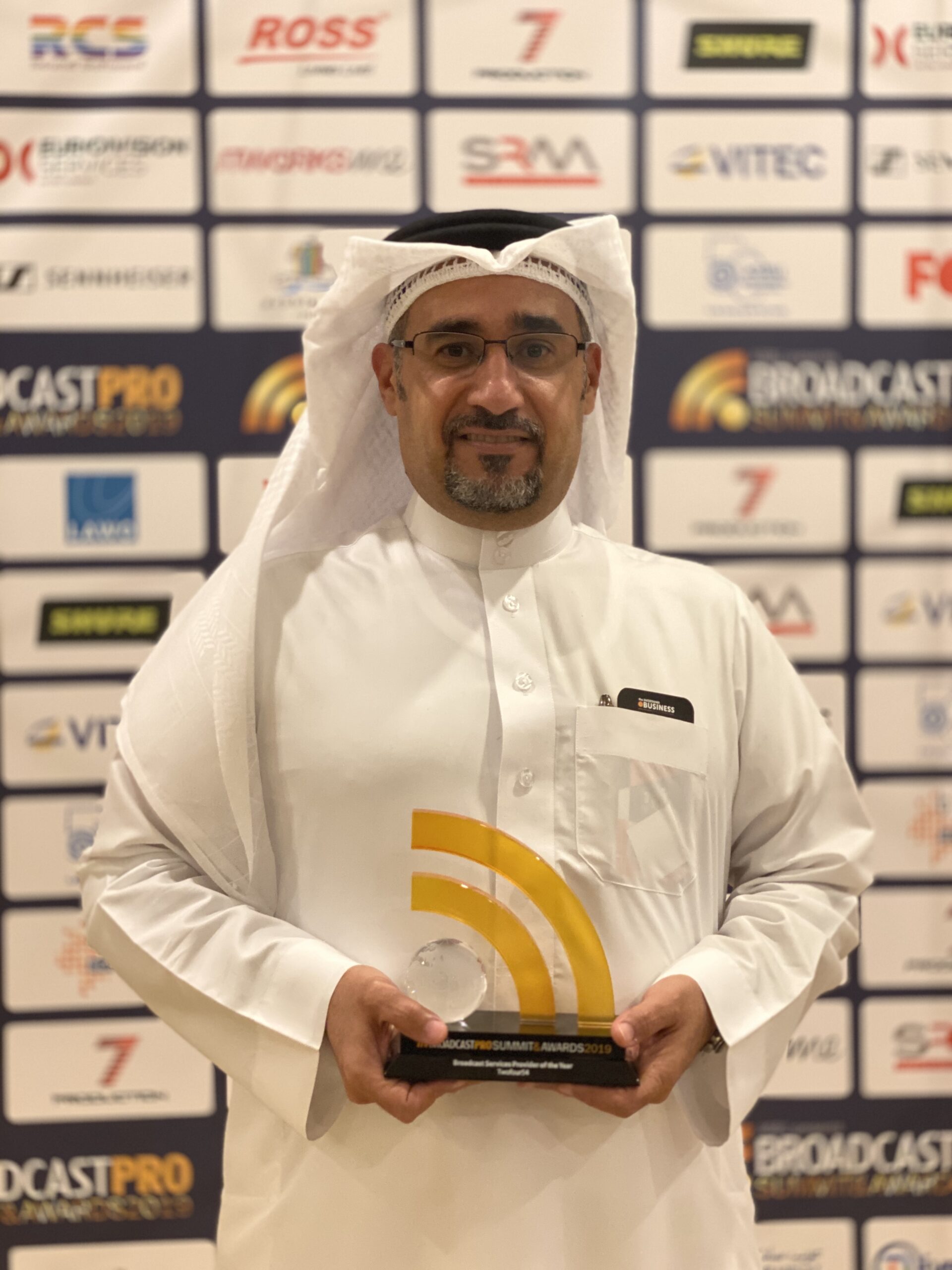
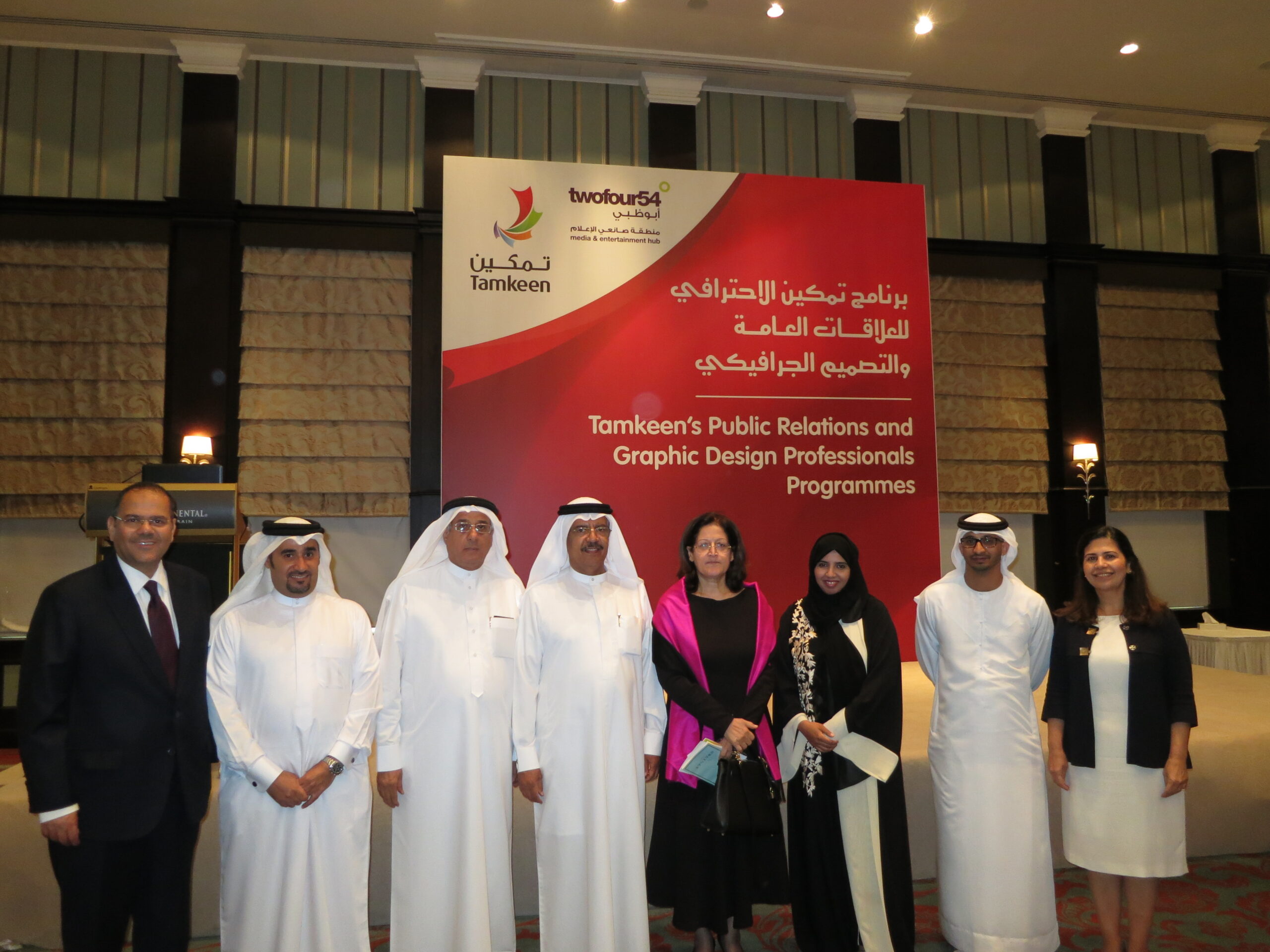
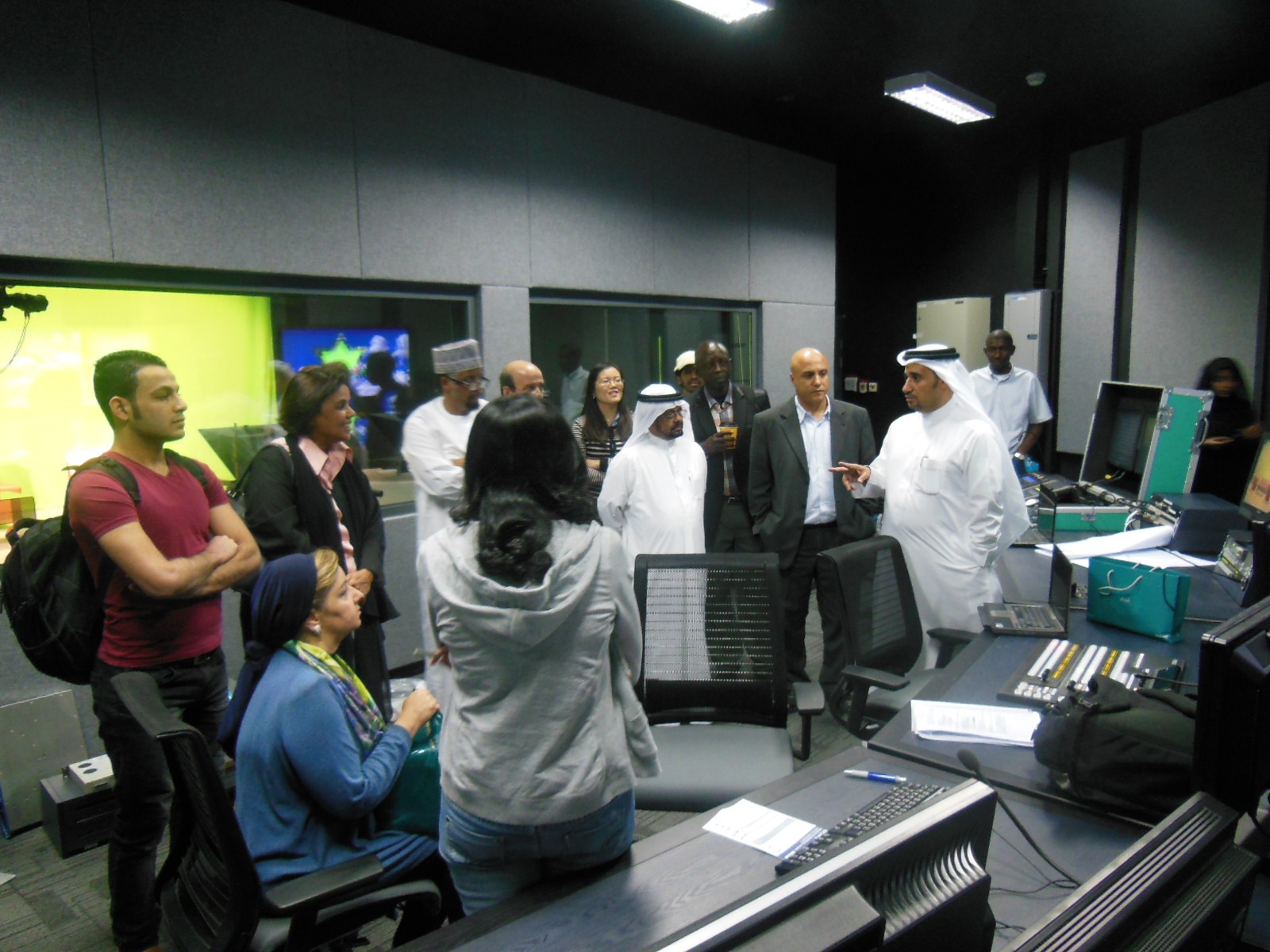
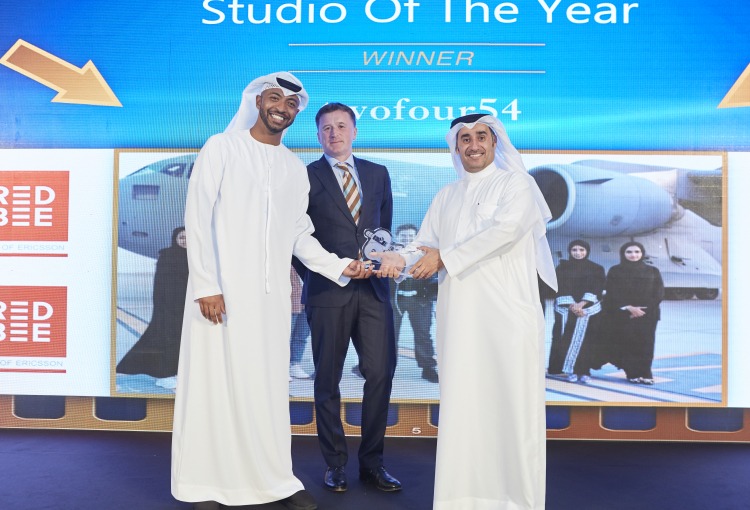
Most of the defining milestones in my career are connected to my time at 2454 in Abu Dhabi, where a series of studios were established that later became the backbone of large-scale content production.
– Can you give examples of productions hosted there?
Several international films were produced on those stages, including Mission Impossible and Fast & Furious 7.
– Beyond film projects, what infrastructure initiatives stand out?
A comprehensive broadcast and media ecosystem was developed, alongside long-term partnerships with key satellite operators, particularly Arabsat.
 – What key broadcast projects were enabled by this infrastructure?
One of the flagship projects was the launch of Sky News Arabia in Abu Dhabi.
– If you had to quantify your contribution, how would you describe it?
In total, I’ve been involved in building around 11 studios and stages. These are long-term assets, not short-term projects.
Talent, System Integrators, and Project Execution
– These projects require very highly qualified people. Where do you find such specialists?
There are two key layers. First, international consultants — mainly from the UK and across Europe, especially Germany. Second, execution partners: system integrators who actually implement the solutions.
 – How do you work with system integrators in practice?
I have long-term relationships with many integrators. My role is profile management and project management. I define the design, concept, business case, and architecture, and the integrators take care of execution.
– Are there many system integrators in your region?
They may have offices in Dubai, but most of them are international companies. The expertise largely comes from Europe.
– Can you name examples of such integrators?
For example, Broadcast Solutions and Qvest. We also work with integrators from France and the UK. The ecosystem is international by nature.
 – What is your philosophy when working with integrators?
I deliberately challenge them. Sometimes the designs we propose are unconventional. That’s how you push systems beyond standard templates and reach more efficient solutions.
Family, Timing, and Personal Choices
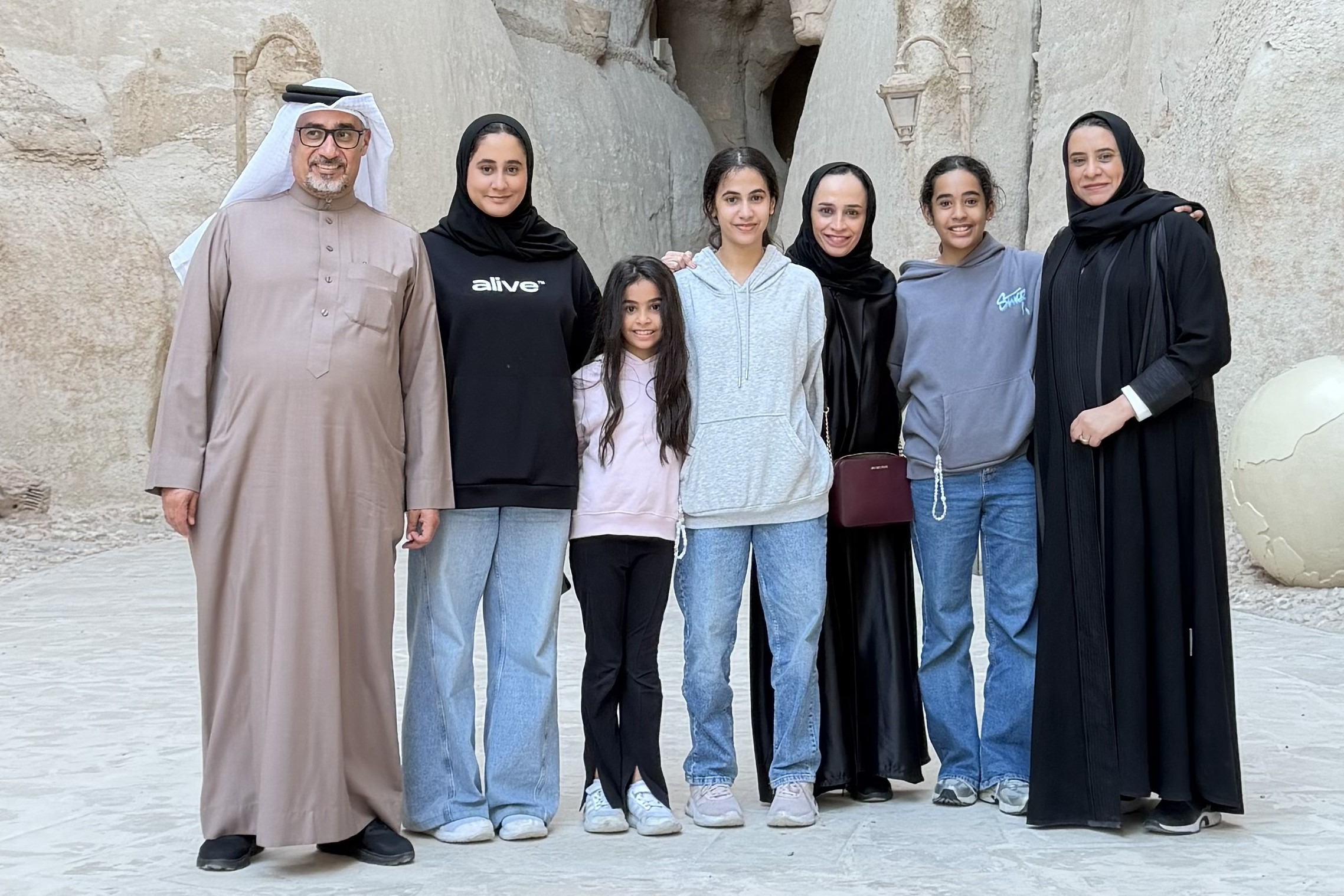
– You’ve mentioned that you’re building this business for your children. Let’s talk a bit about your personal life. When did you get married?
I got married a bit later than usual for our region. That was in 2008. I was 36 years old.
 – How did you meet your wife?
It was a family arrangement — a family sit-down. That’s completely normal in our culture. And yes, we fell in love after that, which is also normal.
“I didn’t build a company just for today. I built it so my children would never depend on someone else’s system.”
– When did you have your first child?
My first daughter was born in 2010.
 – What are her ambitions?
She wants to become an international lawyer and a public speaker. Next week, she’s visiting the United Nations as part of a Bahraini delegation.
– How do you feel about children choosing non-technical careers today?
Everyone talks about AI and technology now. Many people will go in that direction. But fewer will choose journalism, law, or human sciences — and those fields will be extremely important.
– How did you respond to your daughter’s choice?
I fully supported it. I told her: be a lawyer, be a politician, be a speaker — just use modern tools to do your work better.
 – You mentioned using modern tools regardless of the profession. Tell us more about your children.
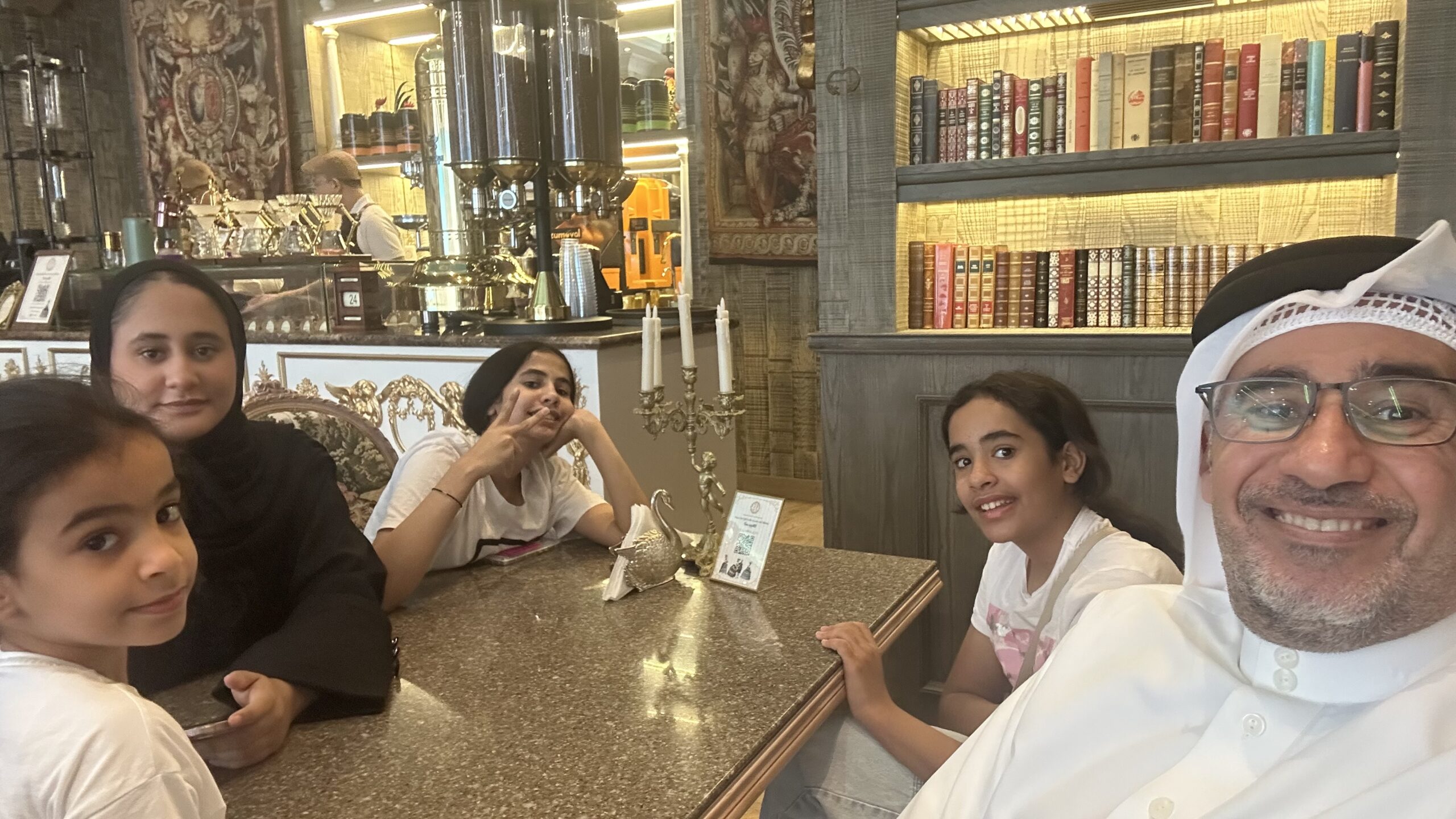
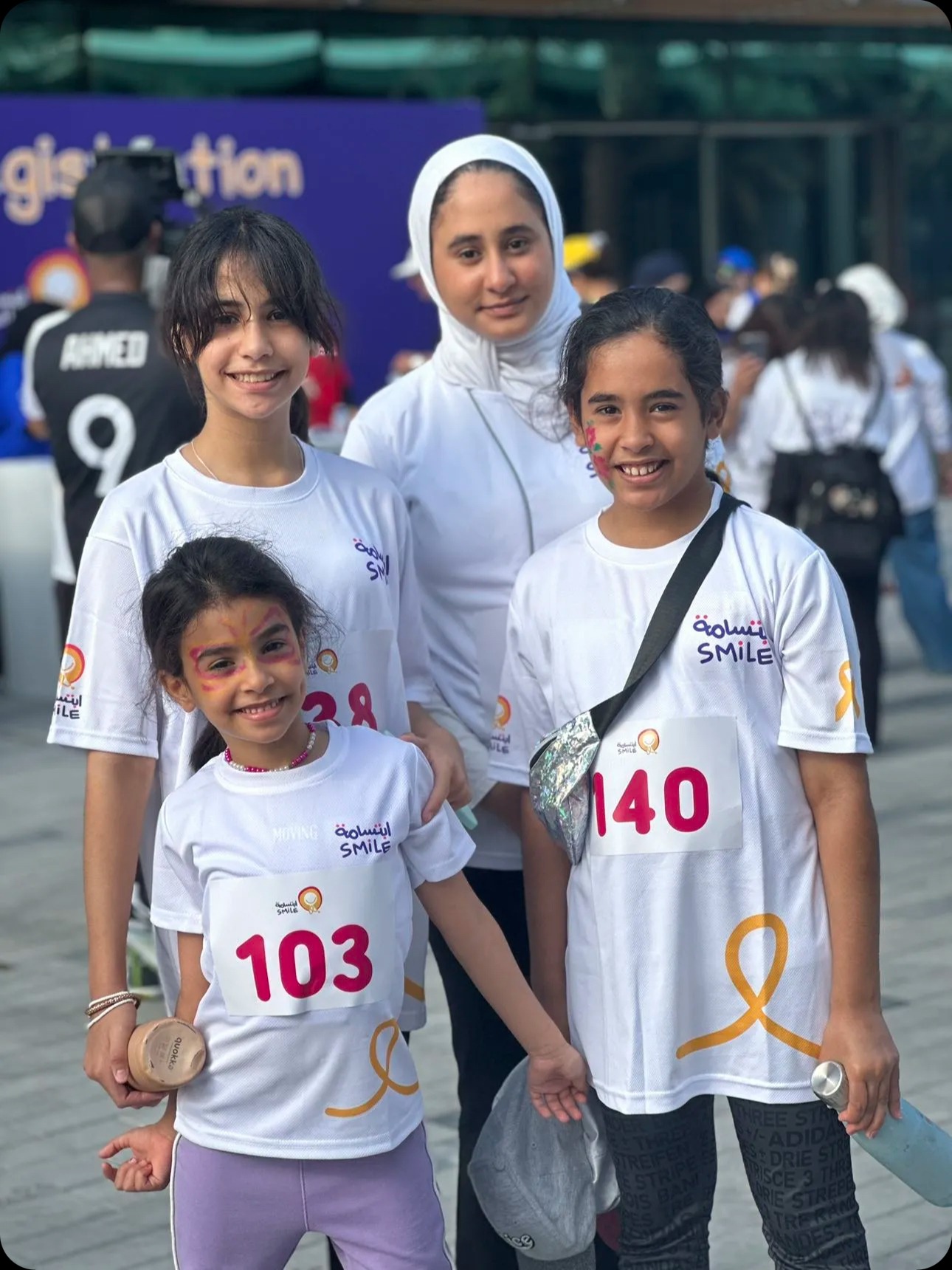
My second daughter was born in 2012, then another in 2013, and the youngest in 2016. I’m very fortunate — I have four daughters. All are princesses.
– What do your children want to become?
The two middle ones want to become doctors. The youngest has a very interesting idea — she wants to be a chef.
 – How did you react to that?
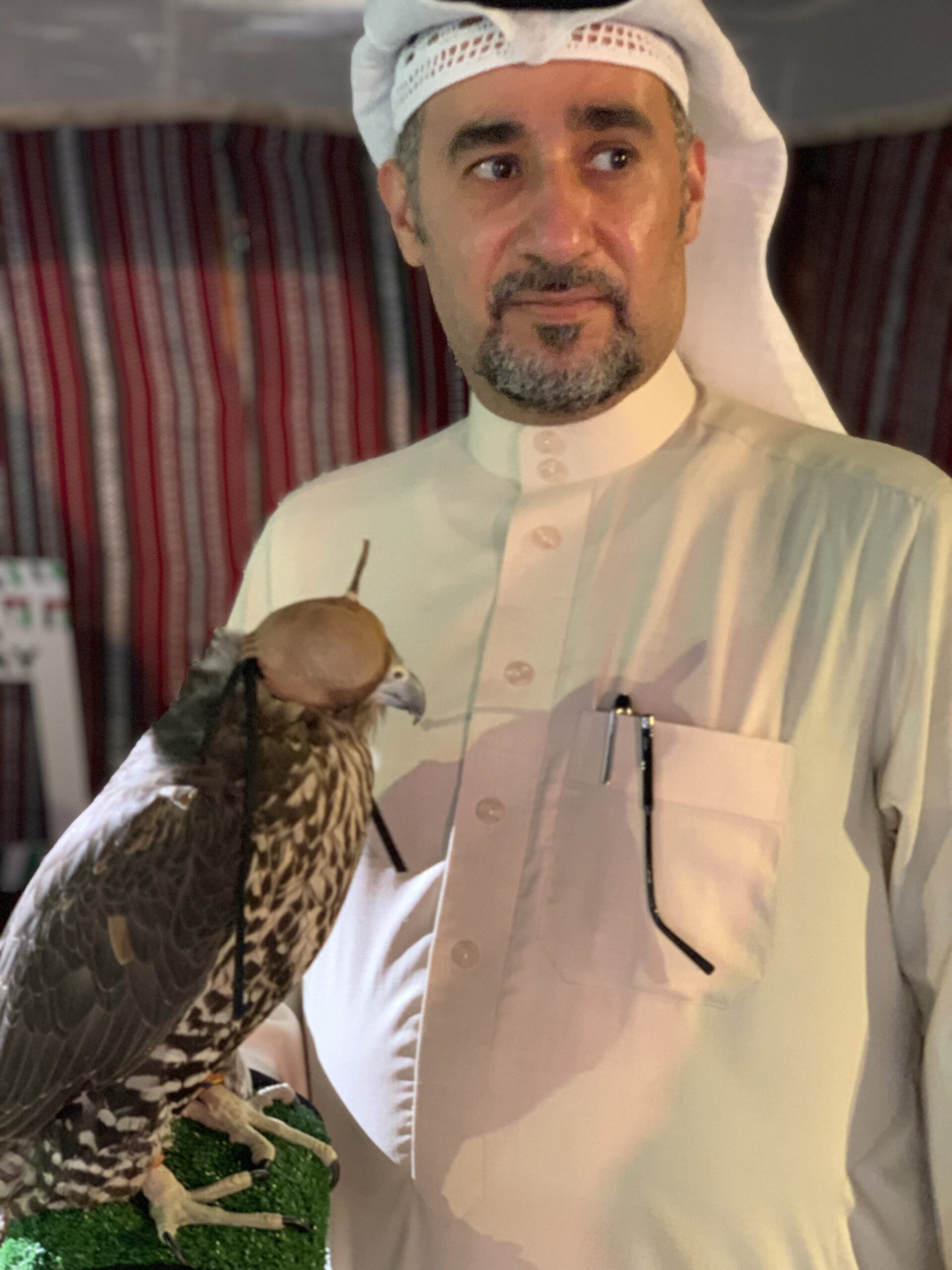
She’s still very young, so I told her not to fixate too early on a career. But she told me very clearly: “I want to be rich.” I said, fine — chefs can make very good money. It’s your choice. I never tell my children what they must or must not do.
– How does this connect to your broader life philosophy?
If you look at what has happened in companies over the last 20–30 years, the situation has changed dramatically. Jobs used to be more secure. Today, even management itself has changed. Many people from the newer generations are not prepared to manage others effectively. I see a lot of people suffering inside organizations.
 – What advice do you give your children about work and careers?
I tell them very clearly: I don’t want you to work for anyone. The exception is if you choose a profession like medicine — that’s different. If you’re a lawyer, you can build your own practice. Independence matters.
From Company to Holding: Thinking Long Term
– How did this thinking influence your own business decisions?
That’s exactly why I built my own business. I also have a partner who shares the same vision. As the company grows, plans include opening multiple businesses under a holding structure.
– What kind of companies do you envision under this holding?
A legal firm, a strategic consultancy, and potentially medical and hospital-related businesses. The idea is simple: when my children graduate, they will start as employees. They will train properly. Only then will we gradually hand over responsibility.
 – This is about building continuity, not just success?
Exactly. It’s about sustainability, not quick wins.
Vision Beyond Business: Life, Work, and Meaning
– Now, a final question in this part of the interview. You’re 54 this year. You have a business, a family, and children. What is your dream today?
First of all, I don’t believe in retirement. Retirement is not in my dictionary. I plan to work until my last day.
– What else is important to you at this stage of life?
I’m working on my first book, and I want to write more after that. I want to leave behind books that capture my experience and pass it on to the next generation.
 – How do you see your role between generations?
I want to be a bridge between the past and the future. Between traditional thinking and what comes next. Whether it’s strategy, technology, or leadership.
“I don’t believe in retirement. I believe in building, learning, and passing experience forward.”
– And on a personal level?
I want to travel the world and enjoy life with good health. That, for me, is real success.
Related story
How AI, cloud production, and hybrid satellite-IP workflows are reshaping sports broadcasting in the Middle East — Yusuf Mohammed Buti on what comes next after the World Cup era.
Ammar Hina Appointed Strategic Chair of The Gulf & MENA Decision-Makers Forum 2026