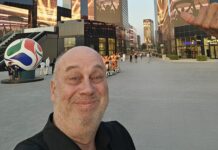
A Career Shaped by Vision, Cloud, and Creativity. An interview with David Thompson, Technology Strategist at the DPP.
David Thompson’s career did not begin with broadcast engineering. It began with books, languages, art history, South Asian temple friezes, and a curiosity about how stories are built. Today, as a Technology Strategist at the DPP, he works at the intersection of cloud, AI, metadata, workflows, and media business transformation.
The Gulf & MENA Decision-Makers Forum | Sport, Broadcast, AI & Monetization
Early Interests and Education
– Where were you born, and where do you live now?
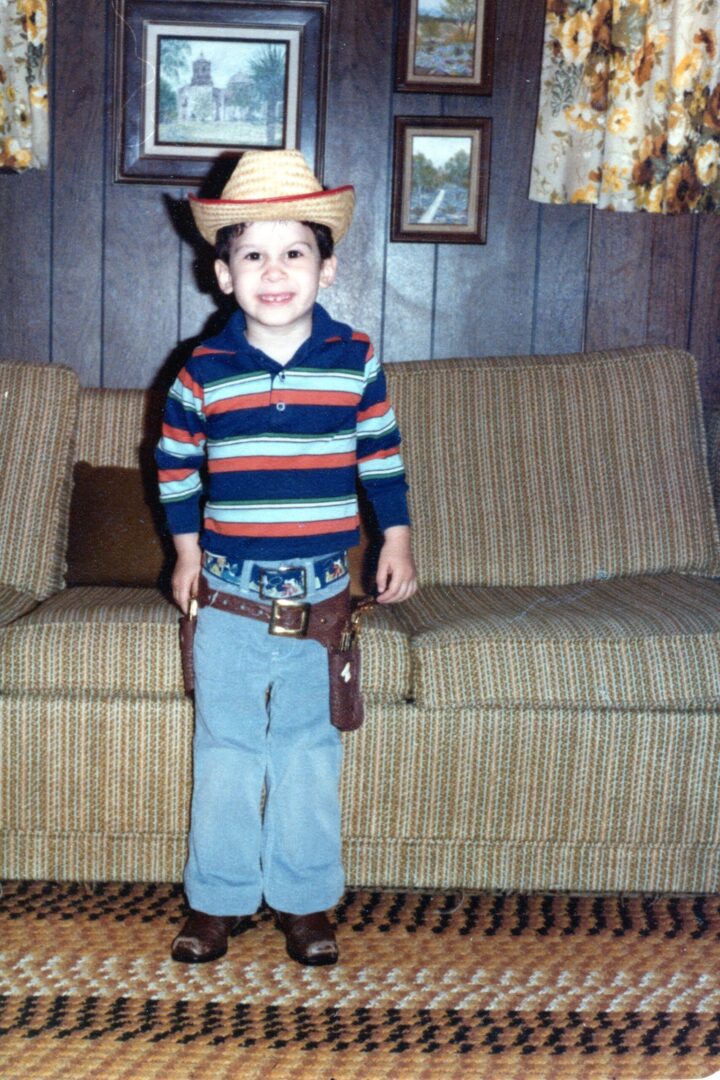
I was born in San Antonio, Texas, in the United States. But I’ve been living in the United Kingdom for 24 years now—I moved here in 2001. It’s quite strange in some ways, because San Antonio and the U.K. are completely different landscapes. Now I live in Sussex, in the Downs, which is a hilly area—similar but a bit hillier than the Texas Hill Country
 – What did your parents do for a living?
My father was a mathematics teacher—he’s retired now but now tutors students struggling in school. My mother worked with low-income and ethnic minority students in the U.S., helping them get financial aid to afford university. As you know, university education in the States can be extremely expensive. She’s also retired now.
– What are your earliest childhood memories?
Oh wow—my first memory? That’s a difficult one. But generally, I remember loving books and being curious about the world. That stuck with me throughout my life. In retrospect, I think my first memory was eating a fig that fell from the tree in our backyard!
– What subjects were you drawn to in school?
In elementary school, I was drawn to literature and foreign languages. I didn’t study Spanish, but it was all around me in San Antonio, and I even took a bit of Latin. I also really enjoyed history.
Later, at university, I became deeply interested in art history and South Asian cultures—that’s what I studied formally.
– Did you play any musical instruments growing up?
Yes, I played both the clarinet and the oboe as a child. As an adult, I learned to play the concertina and melodeon—both are types of squeeze boxes. I still have them, actually, though I don’t get to play as often as I’d like anymore.
From Humanities to Tech: A Career in Transition
– You studied languages and art history. How did you transition into technology?
Even as a kid, I was always interested in programming. I used to write code in BASIC and Pascal. Later, during grad school, I got involved with WNET in New York—part of the PBS network—working on early online educational content and digitization projects.
That was during the early days of web streaming and the transition to HD broadcasting in the late 1990s. I got pulled into that world and loved it. Eventually, I left my PhD in art history and moved fully into broadcast technology.
– What was the focus of your PhD research?
I was studying narrative structures in South Asian temple friezes. My research was based in Nepal, particularly in the Kathmandu Valley. I focused on how stories were visually told through carved stone panels on temples. It was fascinating work—but television and digital media pulled me in another direction.

From Columbia University to the Global Media Industry
– What was your first job after university?
I went to Columbia University in New York. I moved there when I was 17, straight from San Antonio. It was a massive shift—going from the relatively quiet landscape of San Antonio to the energy of New York City. It felt like a cultural explosion. The city was electric and full of artistic life. I ended up living there for around eight years, and I really enjoyed it.
– Where do you live now?
Now I live in Lancing, a small village just outside Brighton, on the South Coast of England. It’s a peaceful area, part of the South Downs, with lots of hills and nature. Before that, I spent 14 years in London after moving to the UK in 2001.
– Why did you decide to leave the United States?
After my time in New York, I was ready for something different. I moved to London, stayed there for over a decade, and eventually relocated to the coast for a quieter lifestyle. So yes, my journey has been from San Antonio to New York, then London, and now Brighton. It’s been a magical path, in a way.
– Did your transition to the UK feel natural?
Yes, quite. In some ways, I joke that I’ve lived the “American in London” version of Sting’s Englishman in New York. Just without the song.
Entering the Media and Technology Sector
– What did you do after graduating?
After graduating, I started working at PBS. I worked both in New York and briefly in San Francisco at KQED. It was during the early days of online education and digital streaming. My focus was on digitization projects, converting educational and artistic content into digital formats. That experience really drew me into the media and broadcast world. Fortunately or unfortunately, I got sucked into broadcast and didn’t finish my PhD.
– What was your first media job in the UK?
When I moved to the UK, I joined a company called Magnet Harlequin, which specialized in promotional materials for DVDs and Blu-rays. We built one of the first asset management systems designed specifically for promotional television materials. That included DVD covers, TV show posters, and other marketing collateral. Back then, everything revolved around DVD and TV content distribution.
We managed the full ecosystem—if a broadcaster needed packaging or promo content for a show, our platform handled it. That was my first major UK media project.
– What came next in your media journey?
After Magnet Harlequin, I worked for a company called Sport EV, and later joined Premium TV, which eventually became DAZN. At Premium TV, we pioneered the mobile delivery of Premier League football clips.
 Whenever a goal was scored, we had to edit the footage, add narration and graphics, and distribute it to mobile carriers—all within four minutes. This was around 2008, at the very beginning of mobile video delivery. We were among the first to make that kind of real-time content possible on mobile phones. It was a fast-paced and incredibly innovative period.
Building Broadcast Systems: From Solution Architect to Industry Leader
– What was your position on the Premier League mobile delivery project?
I served as a Solution Architect. My job was to design the systems that powered the entire operation. I developed the infrastructure that handled transcoding, applied on-screen graphics, and built the commentary booths used for voiceovers. I can’t recall the exact job title I had at the time, but effectively, I was the architect of the technical solution.
This role continued for quite a while and became the foundation of my professional identity—solution architecture remained my primary focus for many years after.
– What came next in your career?
That’s going to be a long list—I’ve worked in quite a few places. But each move was driven by a genuine interest in the role and the potential for professional growth. Every opportunity is built on the previous one.
 After the Premier League project, I joined a company called Nativ, where I helped develop a system called MIO—one of the first modern workflow engines for broadcast. MIO was later acquired by Ooyala and then Dalet and evolved into what is now known as Flex.
Next, I moved to IMD, which later became Peach. There, I focused again on advertising—specifically aggregating ads from various brands and delivering them to broadcasters.
After that, my journey continued through several key industry players:
– Red Bee Media;
– Babcock, which later became Encompass;
– Amagi, a pioneer in cloud-based broadcast solutions;
– Veset, also in the cloud playout space.
Currently, I’m with the DPP (Digital Production Partnership), where I’ve been for the past three years.
Each role brought something new—new challenges, technologies, and market shifts. It’s been an exciting ride through every stage of the broadcast technology landscape.
 Why Leave the U.S.? A Personal Decision
– You were born in Texas and lived in New York. Why did you leave the United States?
That’s a good question—and one I’ve heard often. I’ve always loved the UK. I spent time here when I was younger and felt very comfortable here. There was a certain cultural affinity that resonated with me.
When the opportunity arose, I took advantage of the UK’s Highly Skilled Migrant Programme, which allowed me to move without needing a job offer in hand. It was a leap, but I never looked back. I’ve always felt more at home in England than in the U.S., and I’m happy with the decision.
Post-NAB Uzbekistan 2026: Global Premieres in Broadcast and Film Production Technologies
Navigating University in the U.S.: Financial Realities
– University in the U.S. is notoriously expensive. How did you afford Columbia?
It wasn’t easy. My parents weren’t wealthy, and Columbia is one of the most expensive private universities in the country. I was fortunate to receive a substantial scholarship, which covered a good portion of the tuition.
The rest was funded through student loans and part-time work. I worked about 20 hours a week throughout my time at Columbia—juggling studies and employment was tough, but necessary. It was a balancing act, but it gave me a sense of independence early on.
– What kind of student jobs did you have during your time at Columbia?
In the first couple of years, I worked in the Columbia University libraries, handling tasks like reshelving books and checking them out to students. Later on, I joined the Department of Geological Sciences, where I assisted with building a resource database and supported faculty with various tasks.
For the last three to four years of my time at Columbia—including graduate school—I worked closely with Professor Robina Simpson. She eventually became my link to PBS, which turned out to be a pivotal moment in my career.
A Life-Changing Opportunity at PBS
– How did you find your experience working at PBS?
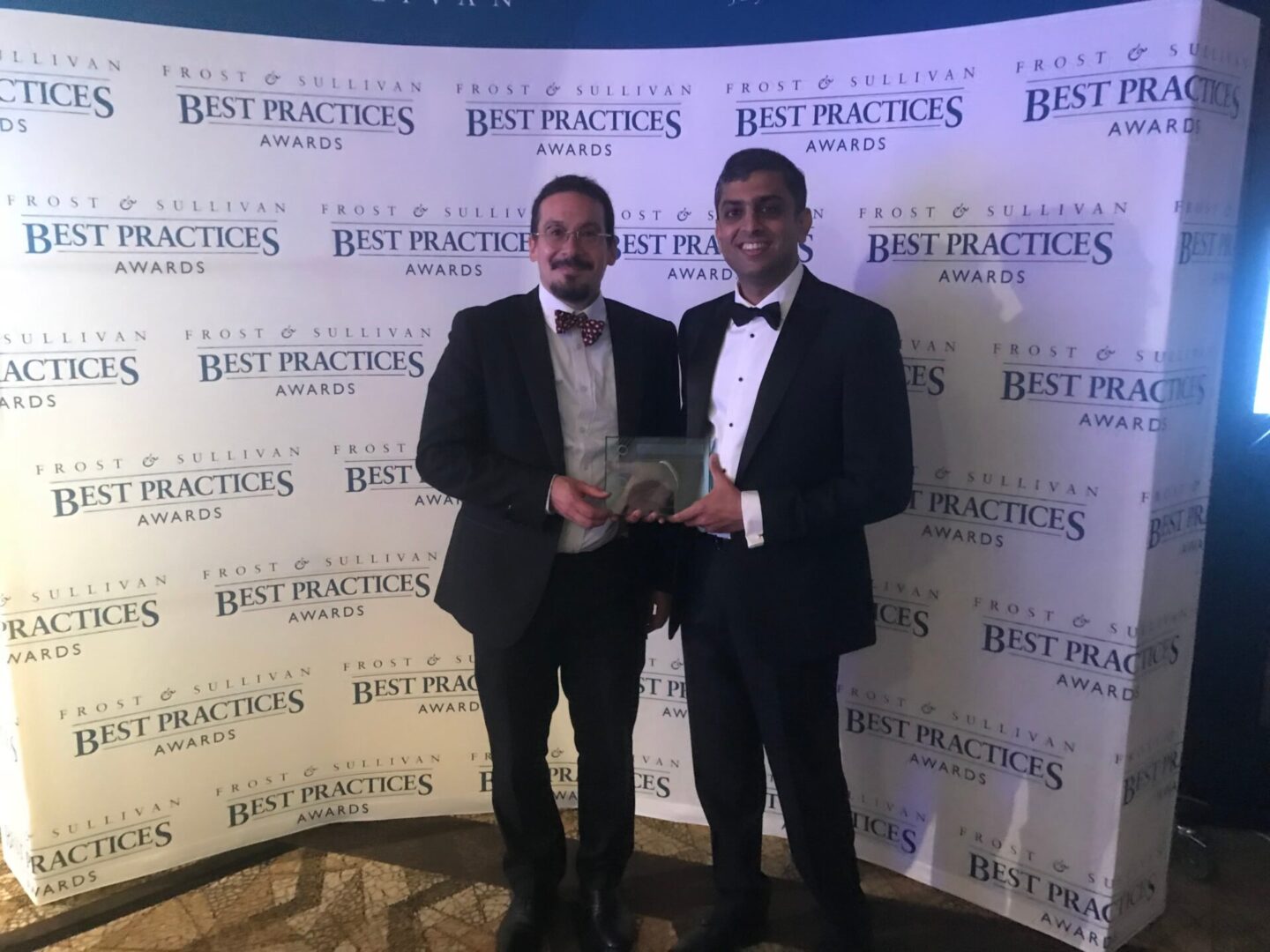
I absolutely loved it—it was life-changing. That job really shaped my future. It was the early era of online video and streaming, and we were doing pioneering work.
For example, during the 2000 U.S. presidential primaries, we filmed and streamed debates using RealMedia. We were also involved in some of the first HD terrestrial broadcasts in the U.S., around 1999. The innovation was exhilarating.
— Was there a specific moment when you realized broadcast and media technology would become your future instead of academia?
PBS didn’t have the massive budgets of the major networks, but they were doing incredibly innovative work in education, politics, and the arts. That spirit of innovation inspired me. I was planning to pursue an academic career, but my time at PBS redirected my entire path. It set me on the trajectory I’ve followed ever since.
 Career Mobility and Professional Growth
– You’ve had many roles across the industry. Why so many moves?
That’s a fair question. First of all, I have ADHD, which means my attention sometimes moves more quickly than others. It’s something I’ve worked on over the years, but when I was younger, it did influence my professional transitions.
In most cases, I left a role because a new opportunity offered more responsibility or creative scope. I enjoyed working as a solution architect because it allowed me to get my brain into solving lots of different types of problems. Transitioning to Amagi was a great experience as it opened up a whole new world of cloud.
— Why did you decide to leave Amagi and join VESET?
Igor Kroll, the CEO of VESET, offered me a position as Chief Product Officer, which gave me substantial authority over the product roadmap and redesigns – a refreshing change from Solution Architecture. I had known Igor for many years, and it was simply an offer I couldn’t turn down. That’s why I left Amagi—on very good terms, I should add. I still maintain a strong relationship with the team there, and they even sponsored my most recent DPP report.
Launching a Personal Venture: PSW Music Media
– You started your own business ten years ago. What was that about?
Yes, I launched PSW Music Media, a consultancy business. It was established mainly because I had been offered a consulting role with Sony and needed to set up a structure to formalize the work.
In the UK, I had a choice: operate as a sole trader or create a limited company. I chose the latter. Most of my consulting work at the time focused on Sony’s next-generation Backbone platform, but I also did contracting for companies like Ooyala (after the Nativ acquisition) and a few others.
While it was a small operation, it was an important phase that allowed me to build a broader professional network and continue working on cutting-edge technology.
 Working Through COVID: Challenges and Unexpected Growth
– How did you manage your work during the COVID-19 pandemic?
It wasn’t easy. Like for many people, it was frustrating. However, I was fortunate. At the time, I was working with Amagi, and we were already operating in a mostly remote model, doing a lot of demos and communications online.
Ironically, for both Amagi and VESET, where I moved later, the pandemic actually boosted business. Traditional broadcasters suddenly couldn’t rely on on-site operations. They had to shift—quickly—to cloud playout and remote workflows, which we had been advocating for some time. COVID was the final push many needed to make that transition.
— Did the pandemic accelerate the industry’s transition toward cloud playout and remote workflows?
In terms of my routine, before the lockdown, I was in the London office two days a week and worked from home the other three. The pandemic just turned it into five days of remote work. I’m a very social person, so I missed traveling and in-person meetings. At Amagi, I used to travel extensively across Europe to meet with clients, so it felt isolating at first.
But I adapted. And because the business was still growing, I was lucky not to face layoffs or furloughs—unlike many others during that time.
Current Role at DPP: Strategic Technology Leadership
How are you enjoying your role at the DPP?
– I absolutely love it. Honestly, I’d say it’s the most fulfilling role of my career. When I joined the DPP, Rowan [Rowan de Pomerai, CEO of the DPP] and Mark [Mark Harrison, Founder and Chief Content Officer of the DPP] gave me the freedom to redesign how we approach technology within the organization. That freedom allowed me to focus on how technology serves real business transformation—how it can redefine operations, improve efficiency, and unlock new distribution models for content creators, broadcasters, and media companies.
— What kind of projects and initiatives are you leading at the DPP today?
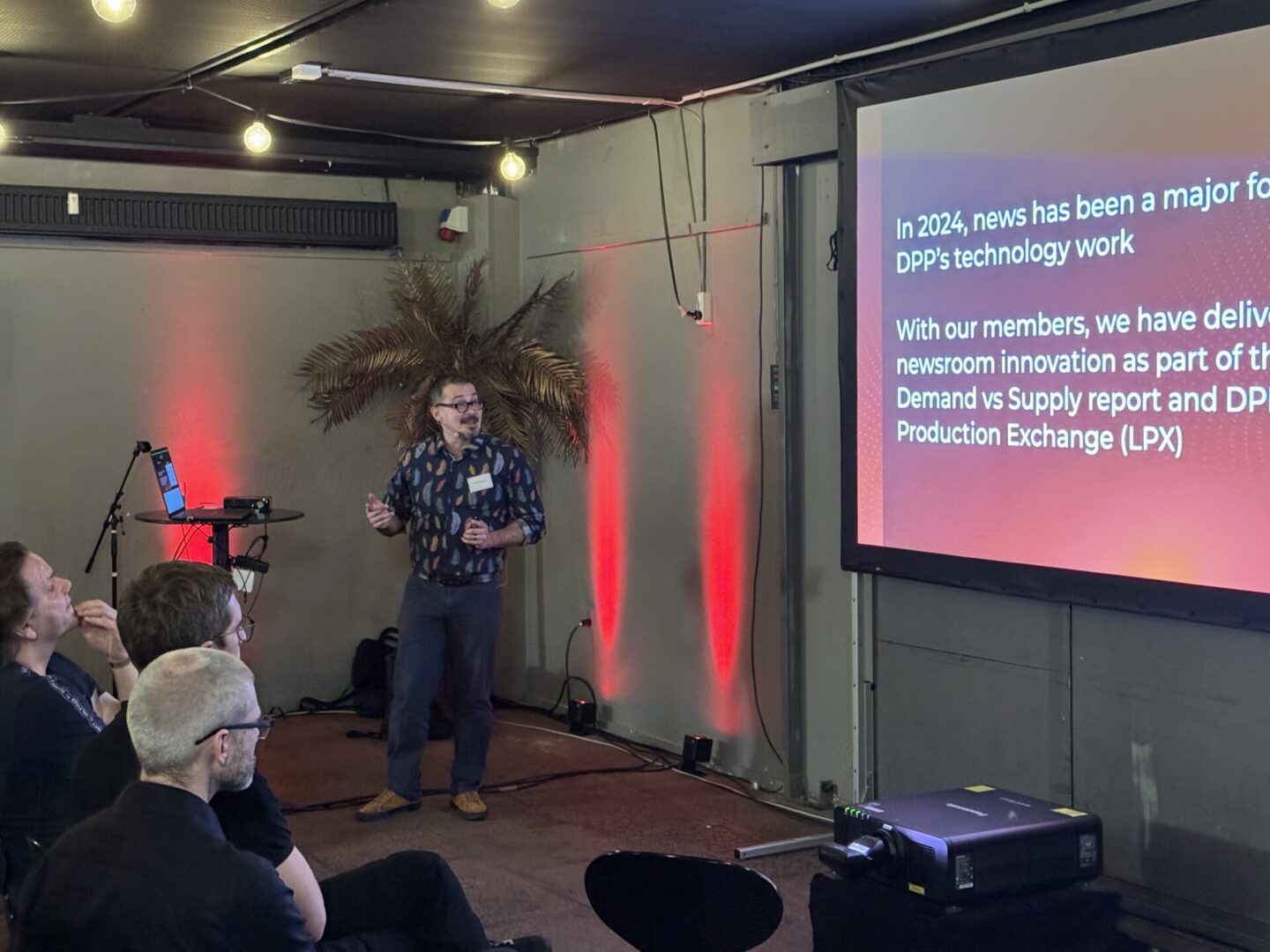
My work includes curating our Innovation Showcases, authoring research like the “Demand vs. Supply” report, and exploring how vendors and media companies can collaborate more effectively. I led a significant project last year with Reuters and Warner Bros., called LPX, which set new best practices for exchanging live media feed metadata.
It’s a dynamic role that keeps me engaged with cutting-edge technology, strategic thinking, and real industry impact.
From Paris 2024 to the Saudi Pro League: The Global Broadcast Journey of Filipe Sobral Santos
Rediscovering Academic Roots Through Media Research
– Has this job taken you back to your academic background?
Yes, absolutely. In many ways, it feels like I’ve come full circle. Writing reports, conducting interviews with contributors, leading conference sessions, and synthesizing trends into actionable insights—it’s all very reminiscent of academic research.
But now it’s applied research. Instead of focusing on temple friezes and narrative in ancient art, I’m looking at cloud architectures, use of AI, live IP workflows, and metadata frameworks. The medium has changed, but the analytical process is similar, and I really enjoy that.
Technology Strategist in Modern Media
– What does a media technology strategist really do?
That’s a great question. As a technology strategist, I’m not just looking at tools—we already have thousands of them. My focus is on how technology solves real business problems. It’s about bridging the gap between engineering and executive goals, making sure that innovation doesn’t just happen in isolation but is connected to operational needs.
It involves a lot of stakeholder alignment, spotting emerging trends, building frameworks for collaboration, and ultimately ensuring that the technology roadmap supports long-term strategic goals. It’s part analyst, part architect, and part communicator.
The Role of a Technology Strategist: Analyst or Visionary?
– Would you describe yourself as a visionary?
That’s a great question. I wouldn’t necessarily call myself a visionary. I see my role more as an industry analyst and technology interpreter. It’s about scanning the landscape—what’s being developed, what’s being talked about at trade shows, and what our members are implementing—and making sense of it all.
Then, I try to present that analysis in a structured, useful way. It’s about highlighting emerging patterns, identifying how companies can work better, faster, and smarter, and outlining how tech can be adopted to improve efficiency across the media supply chain.
Professional Highlights: Achievements That Made a Difference
– What are the professional accomplishments you’re most proud of?
I’d say several achievements stand out in my career:
- Pioneering mobile video delivery
Early on, when I worked on mobile content delivery at Perform (now DAZN), we were among the first to deliver Premier League clips to mobile phones—within four minutes of a goal being scored. At the time, many people didn’t believe it was possible. That was a proud moment. - Workflow innovation at MIO (later Dalet Flex)
We helped build one of the first broadcast workflow engines, simplifying a previously fragmented process. It changed the way systems connected in the media supply chain and made the entire process more agile and modular. - Advancing Cloud Playout
At Amagi and later VESET, I was proud to be part of the shift that normalized Cloud Playout. A decade ago, many dismissed the concept—now it’s mainstream. Seeing tier-one broadcasters adopt it with confidence validated all the work we put into its development. - Evolving the DPP’s tech focus
At the DPP, I helped transform our technology strategy into something more collaborative and business-driven. We’ve created platforms to exchange ideas, define best practices, and support forward-thinking approaches across the broadcast and content industries.
These are all things that, in different ways, have made a lasting impact on teams, workflows, and the broader industry.
 Looking Ahead: A Vision for the Future
– And finally, what is your dream?
That’s a tough one. Professionally, my dream is to see a continued democratization of content creation and distribution.
We’re in a moment where technology has unlocked access—tools that were once reserved for major studios or broadcasters are now accessible to creators worldwide. I’d love to see this trend continue: where smaller players have the same opportunities to reach audiences, where innovation isn’t limited by budget or geography.
Personally, I also want to keep learning. Whether that’s through writing, research, or collaboration, I want to keep contributing to conversations that shape the future of media tech.
I’m not looking to leave the DPP anytime soon—it’s a place that gives me space to explore those dreams.
Dreaming of an Open Media Future
— What is your dream?
I don’t want to leave the DPP right now—that’s for sure. But in terms of a dream? I’d like to continue to explore how technology is changing how we produce and consume content.
— What excites you most about this change?
We’re at a moment where technology allows for stories that once couldn’t be told—either because of cost or access—to finally find an audience. I love seeing niche content and unique voices emerge and reach viewers who were never catered to before. That, to me, is a beautiful thing.
— Do you think technology has already made media truly open?
But we’re not fully there yet. Even with the explosion of streaming and social media, a lot of content is now curated through algorithms and commercial interests. It’s not as open as it could be. I’d love to see technology used more to empower people—helping them share their stories, perspectives, and creativity without gatekeepers.
That’s my dream: to see technology as a real enabler of creativity and diversity, not a filter or a bottleneck. I believe we’re moving in that direction, but there’s still work to do.
 A Creative Couple in the Industry
– Are you married?
Yes—I just got married last year!
– Congratulations! How did you meet your partner?
Thank you! It was a very special moment. My husband works in the same industry. He’s a documentary filmmaker who provides training for journalists and NGOs working in hostile environments.
Right now, his main role is training journalists—especially those heading into war zones or dangerous areas. He works with organizations like ITN and the BBC, helping their teams prepare emotionally, mentally, and physically for what they might encounter.
– That sounds fascinating. Is he British?
Yes, he’s English. So, it’s a bit of a transatlantic love story—an American and an Englishman, both working in media.
 Dancing Through Life: A Passion for Tradition
– What are your hobbies, both yours and your partner’s?
Well, one of my biggest passions is Morris dancing—a traditional form of English folk dancing that dates back at least 700 years. It involves rhythmic steps, sticks, handkerchiefs, and music. It’s deeply traditional and absolutely joyful.
I’ve been Morris dancing for about 20 years, ever since I moved to the UK. I used to compete and captain teams in London and Brighton. I still dance, though less competitively now—age catches up with you! But it’s something I truly love.