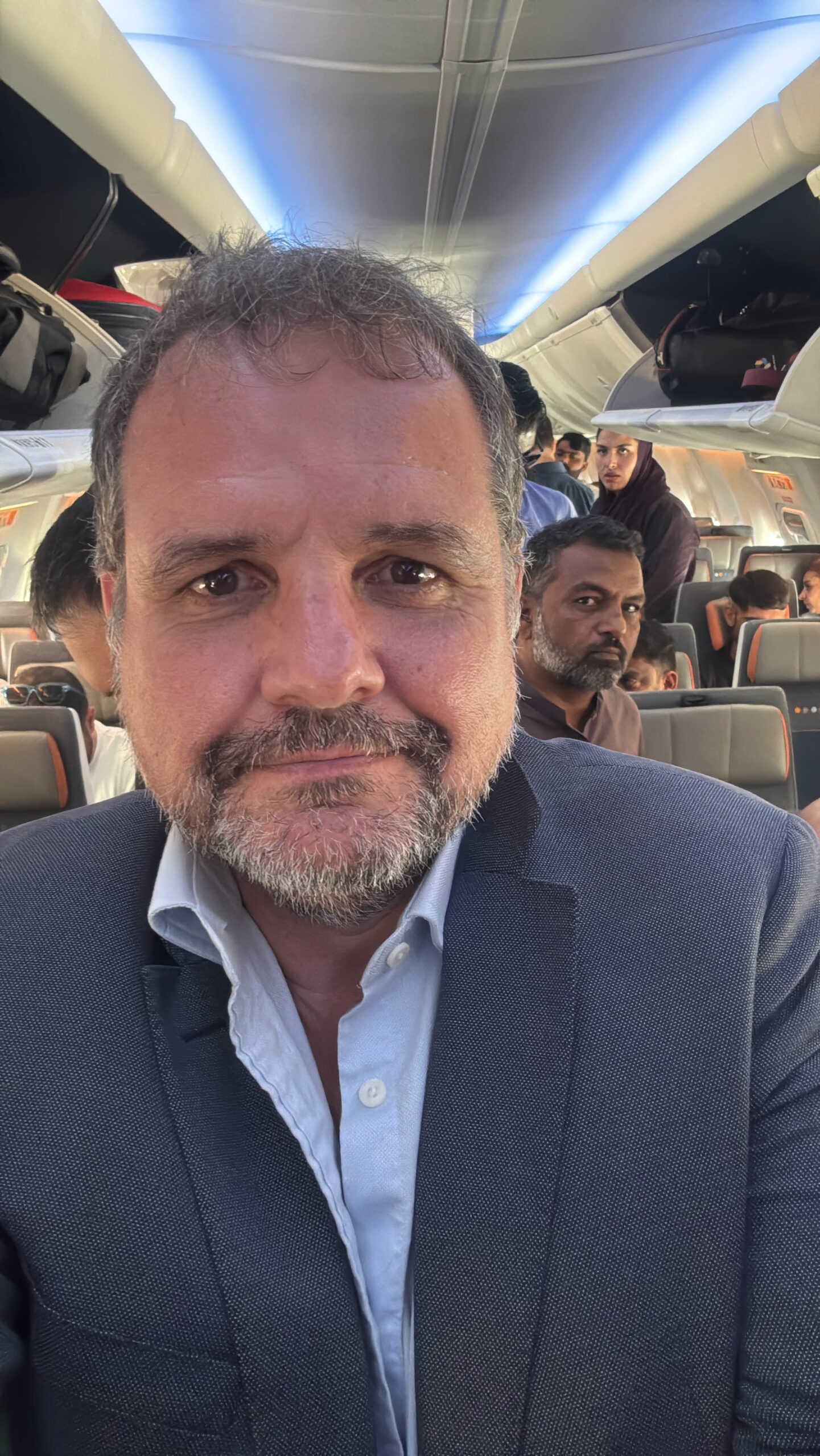
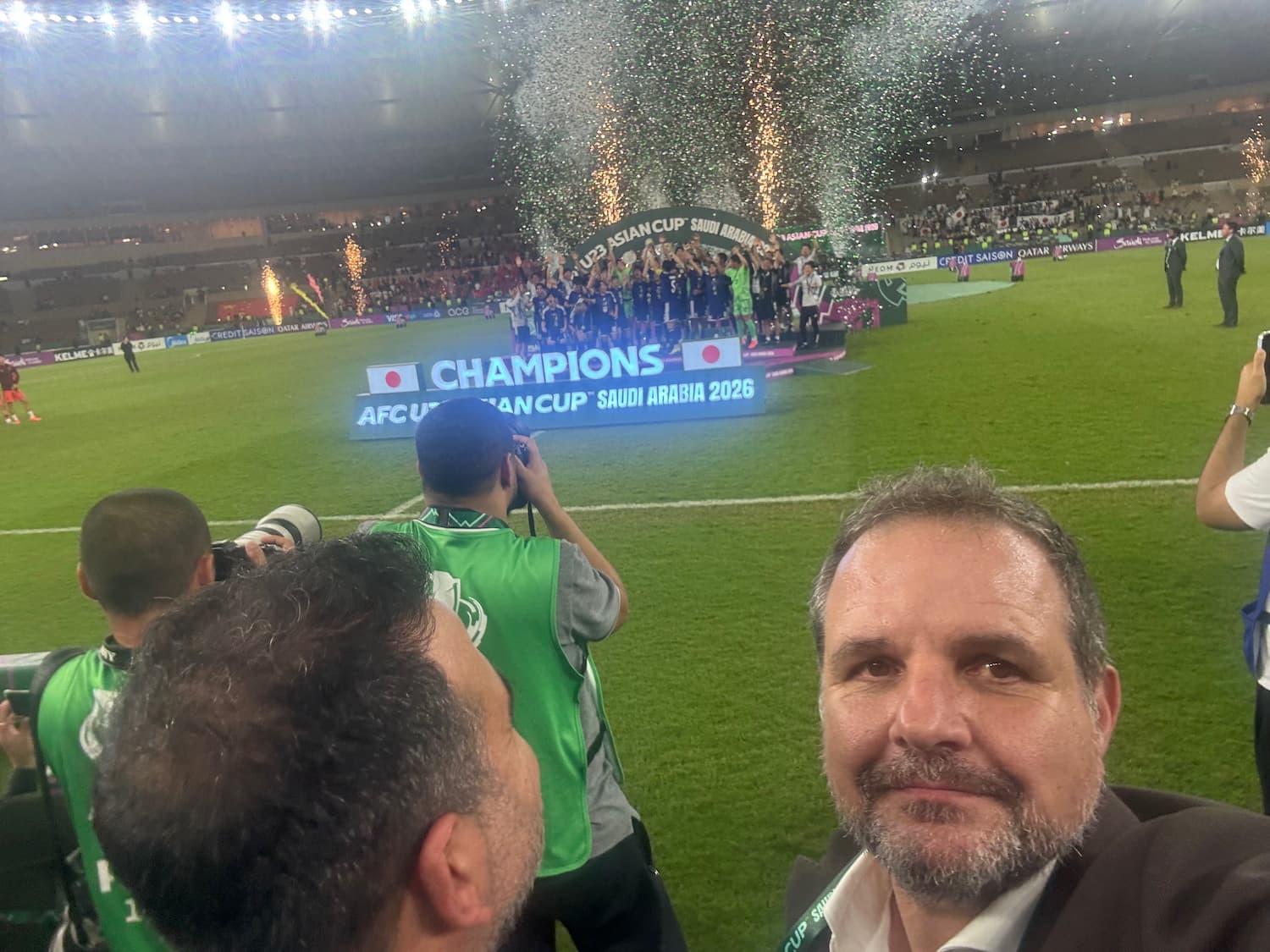
From Madrid school magazines to live sports production in the Middle East, Omar Pleite Guerra built a career between creativity, engineering, management, and the changing language of broadcast.
Omar Pleite Guerra, General Manager at MediaPro Middle East, did not enter broadcasting through a single profession. He moved through writing, cameras, lighting, editing, production, teaching, management, and large-scale live sports. His career began in Madrid, but its real pattern was formed much earlier: he wanted to understand the whole process, not only one part of it.
That approach later took him from local television in Spain to regional broadcast networks, Valencia, Qatar, Dubai, Turkey, Greece, and Egypt. But behind the geography of his career is a deeper story — about how technology changes, how people adapt, and why even the most advanced production still depends on taste, structure, and human judgment.
A Career Built Around the Whole Process
— When and where were you born, and what kind of family did you grow up in?
I was born in Madrid, Spain, 55 years ago. My father was a civil engineer, or perhaps what today would be called a mechanical engineer, and my mother was a homemaker. They were typical traditional parents of that time. I grew up with one brother and one sister, and I am the youngest in the family.
— Do you remember your first connection with images, stories, or media?
It is difficult to describe my first childhood memory as a clear story. It is more like a flash of footage in my mind — something closer to emotion than to memory. Most probably, it comes from summertime with my family and cousins, maybe at the beach. When you go that far back, it becomes almost proto-history. It is more a set of images and feelings than something I can describe precisely.
— Where did you go to school, and what subjects did you like?
For me, school depended very much on the teacher. A teacher can make you interested in a subject, or make you hate it. I had a fantastic Latin teacher, so I liked Latin at that time. I also had a very good math teacher, and because of him I enjoyed mathematics.
At the same time, I had a terrible biology teacher. Even though I liked biology, she managed to make me hate it. So, in high school, my favorite subjects were probably history, literature, and Latin, although Latin lasted only two years.
— Did you play sports?
My school was a very old school in Madrid, and it was famous for fencing. It had a long fencing tradition. So, I practiced fencing for two or three years, not professionally, of course, but because it was encouraged by the school. I was never passionate about football, basketball, or handball, but fencing was nice. It was a special sport, and I liked that.
— In Spain, people often expect someone from Madrid or Catalonia to support Real Madrid, Atlético, or Barça. Did you follow any football club?
No, not really. I am not a typical Spaniard in that sense. I do not like football very much. For me, it is not really a sport anymore. It has become a business. It engages people, but I was never interested in it. I prefer watching cycling, Formula One, athletics, or winter sports. I remember Christmas time, when we had no school, and there were European winter sports competitions on television. I enjoyed watching those.
Choosing Audiovisual Language
— After graduation, what did you study, and why did you choose that direction?
After graduation, I studied what was then called audiovisual language or media arts. The school was CEV, Centro de Estudios del Video, a private school in Madrid focused on video and television. I chose the TV Dirección track, which was more connected with communication and audiovisual expression.
Later, we also studied more technical areas: sound, lighting, camera, and related disciplines. But my main specialization was audiovisual language.
— When did you realize that the technical side was important for your path?
I think I understood quite early that if I wanted to work in media and communication, I needed to understand not only the creative side but also the technical side. My interest in media started long before university. Even in high school, I was already deeply involved — I was the director of the school magazine. We did everything ourselves: writing texts, creating scripts, taking pictures, designing layouts. It was a full process, from idea to final product.
I also made my first documentary when I was around sixteen or seventeen. It was very early, and even in my family there was some influence — my uncle managed a milk factory in the north of Spain, and he produced a documentary that people still remembered. So, for me, it was natural to think: if I want to do this seriously, I need to understand every part of the process. That was the way to improve — to know everything, not just one piece.
“If I want to do this seriously, I need to understand every part of the process.”
When Technique Disappears
— How do you see the structure of audiovisual work today?
For me, audiovisual language is built on several key elements. First, you have the script — what you want to say. Then comes how you want to say it: shooting, framing, lighting, and sound. All these elements work together to create meaning.
“Good audiovisual work is invisible in its execution.”
— When does technical work become truly successful?
Over time, I developed a simple principle: you are doing your job well when people don’t notice how it is done. When the audience doesn’t think about how many lights you used, or where they are placed — that means everything works naturally.
You often see the opposite in weaker productions, where the technical side becomes visible, where you can almost “see” the projectors or feel that something is off. Good audiovisual work is invisible in its execution. It serves the story without drawing attention to itself.
— You mentioned earlier the importance of understanding every element. What is missing today in many productions?
You see, today sound, music, and visual effects are often used as shortcuts. People put epic music on top of a meaningless script and expect it to work. But it doesn’t. If the foundation is weak, no technical layer can fix it.
I think the real problem is that many people don’t truly understand the elements they are working with. They replicate what others are doing — especially what the real masters have already done — but without understanding why it works. As a result, they produce something that looks similar on the surface but has no depth, no intention, and no real interest.
Learning Television by Doing
— What happened after you finished your studies?
After three years of media school, I didn’t continue with additional courses or a master’s degree. I was offered a job, and I was eager to start working immediately. That was more important for me than continuing academic studies.
In 1991, I moved to a local TV station. The salary was not great, but that didn’t matter. What mattered was the opportunity to start working in the industry. It was a very small channel, but in a way, that was the best possible environment to learn, because you had to do everything yourself.
— What did that experience give you?
In a small station, you are not limited to one role. You are not segmented. In a larger company, you often work within a narrow function, and that can limit your development. But in a small channel, you have technical limits, of course, but not limits in terms of imagination.
You are free to experiment, to try things, to take responsibility for the whole process. That environment allowed me to grow quickly, because I was involved in everything. Looking back, I think it was a very good decision. I learned a lot during that time.
“In a small channel, you have technical limits, of course, but not limits in terms of imagination.”
From Local TV to Regional Broadcast
— How long did you stay there, and how did your role evolve?
I stayed in that company for about seven years. By the time I left, I was working as a producer, although in reality I had been doing production from the very beginning, simply because I was managing many aspects of the work myself.
— What made that local channel an important professional school for you?
During those years, the company itself evolved significantly. It grew from a small local channel into a regional television network. They built a system of local TV stations, connected in a structure similar to traditional radio networks, where you have a central station and multiple local branches.
We applied that model to television in Castilla y León, in the north of Spain. It became a very interesting and innovative project at the time, because it allowed us to cover the entire region while still staying close to local communities. You were not just broadcasting — you were part of the community. The project even attracted attention from the European Broadcasting Union, which interviewed me about how the system was built.
Ursula Romero Takes Over Global Sports Broadcasting Company After Her Father’s Death
— Your career started during the early phase of the digital transformation. Did you feel that you were growing together with the industry?
Yes, absolutely. It was a natural process. The industry was changing, and at the same time I was learning, adapting, and evolving with it. There was no clear separation — your personal development and the market development were happening in parallel.
I stayed in that company for another seven or eight years, in total until around 2005–2006. Interestingly, it became a pattern in my career — I often stayed around seven years in one place. It was enough time to grow, to contribute, and then to feel when it was time to move on.
— What was your next step after that?
After those seven years, I continued within the same overall structure, moving to the main operation in Valladolid, the regional capital, as Head of Production. This transition happened at a time when the company was merging with other entities and expanding its activities.
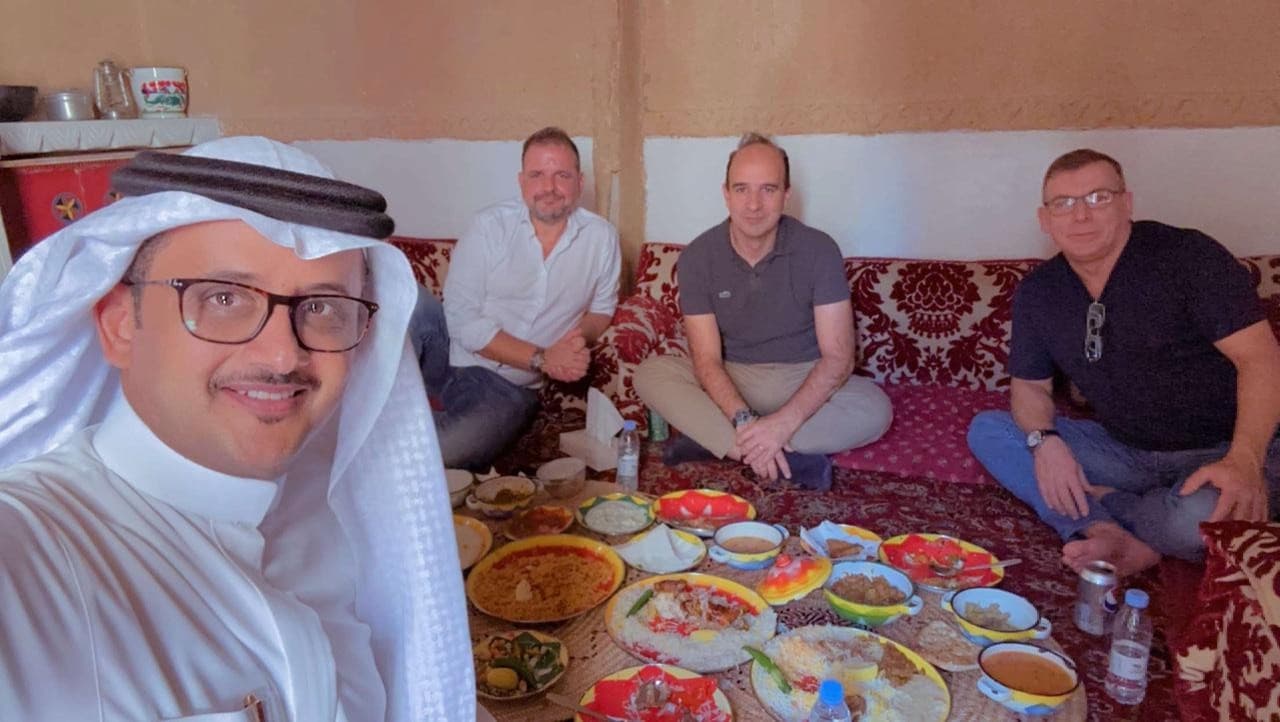
We were working on television distribution models that, in many ways, anticipated what later became standard in the industry. At that time, around 1998, it was still quite new. It was a period of growth, consolidation, and increasing complexity, and it gave me the opportunity to move from hands-on production into a more strategic and managerial role.
“You were not just broadcasting — you were part of the community.”
From Creativity to Management
— That was your first major shift — from creative work to management. How did you experience that transition?
Yes, that’s true. It was the first real transformation in my career. And to be honest, it was never something I actively wanted. I always preferred to work directly on projects — not alone, but with a team, being part of the process, creating something together.
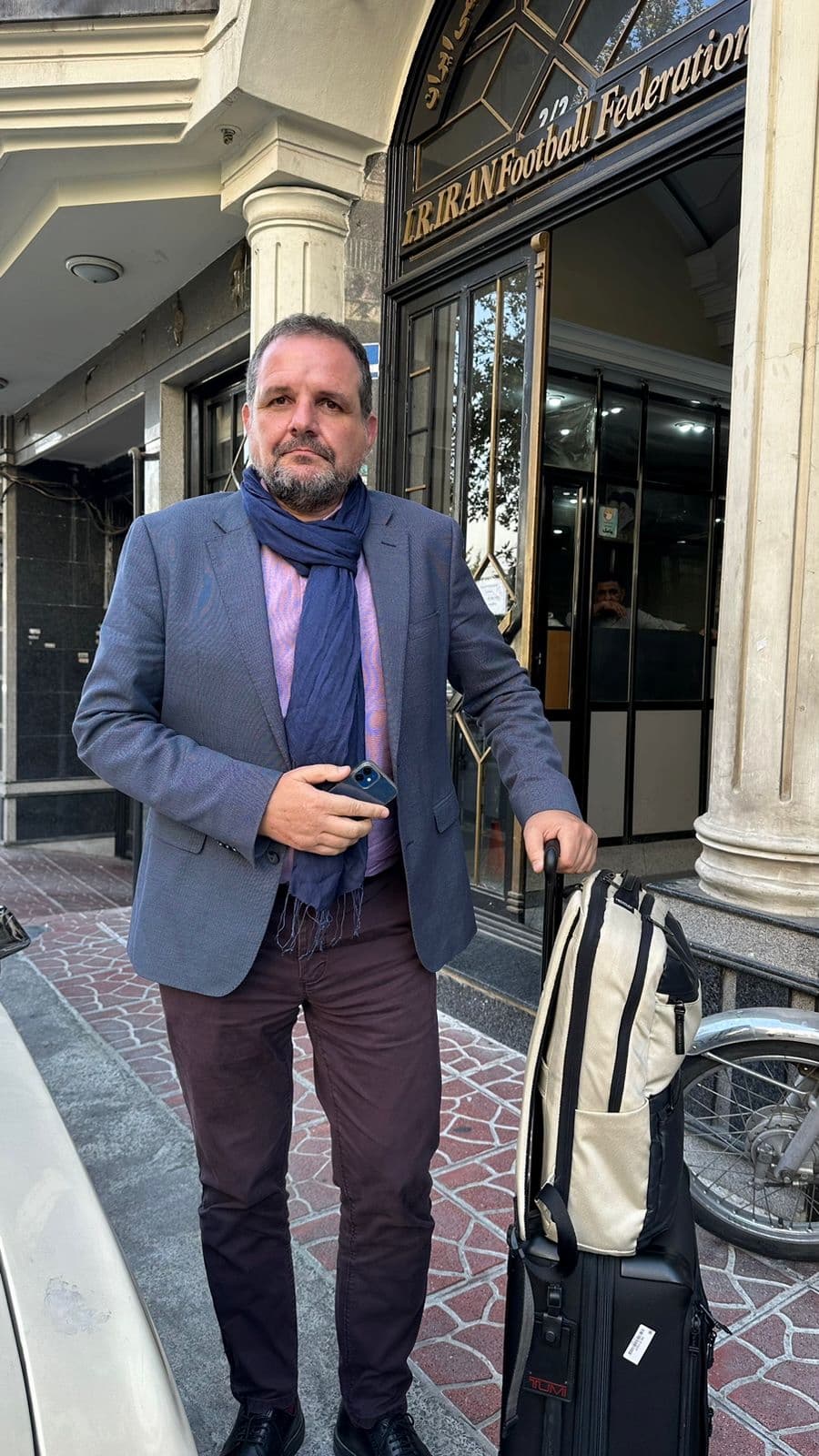
— At what moment did you realize that this shift was becoming inevitable?
But step by step, I was pushed into management roles. I think it happened naturally because I was organized and I wanted things to be done properly. So in that sense, I developed management skills. I learned how to handle responsibility, how to structure work, how to lead people.
At the same time, management is probably the area that interests me the least. I like organizing projects, I like being precise, even demanding when it comes to quality, and of course that involves working with people. But pure management is different. It carries a high level of responsibility. You are responsible for others, for decisions, for outcomes. And in many ways, it is not creative at all.
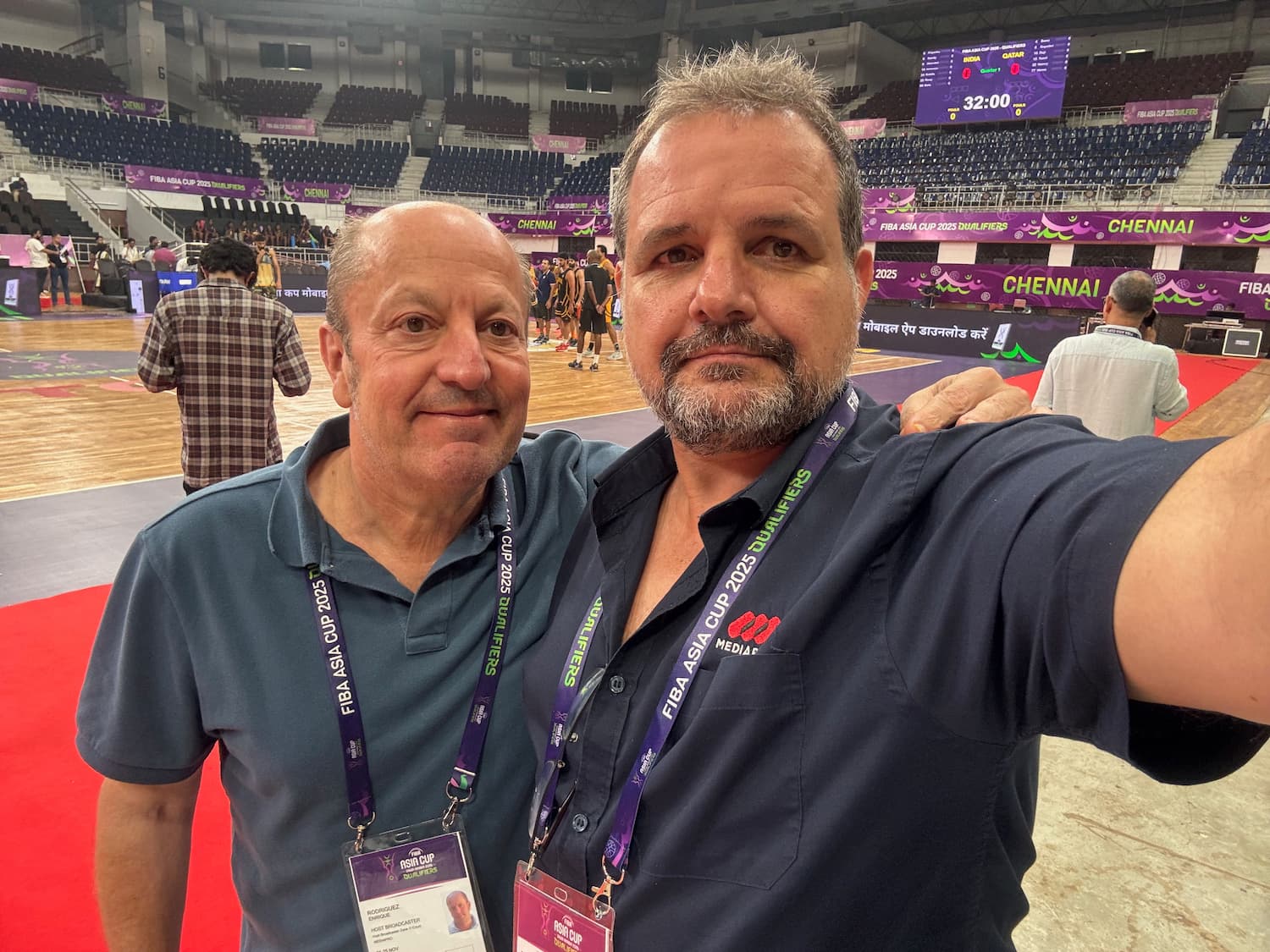
A Multidisciplinary Approach
— At that point, you were not only a producer, but also moving into technical and engineering areas. How did you learn all of that?
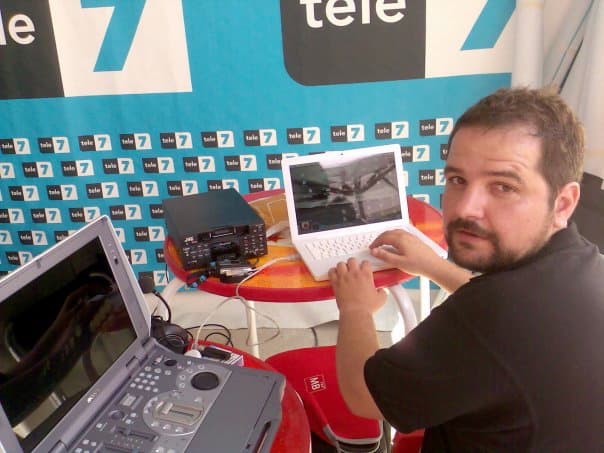
For me, that part was entirely practical. There is no real way to “study” how to be a cameraman or how to master production tools only through theory. You can learn the basics, but real understanding comes from doing. So, I learned by working. I became comfortable with editing systems like Avid and Adobe Premiere. I worked with sound as well, experimenting with different tools, and later using software like Logic Pro. I even learned tools like AutoCAD, and design software such as InDesign and Illustrator.
Lighting also interested me a lot, although I didn’t have the chance to go as deep into it as I would have liked. Still, I explored it enough to understand its importance.
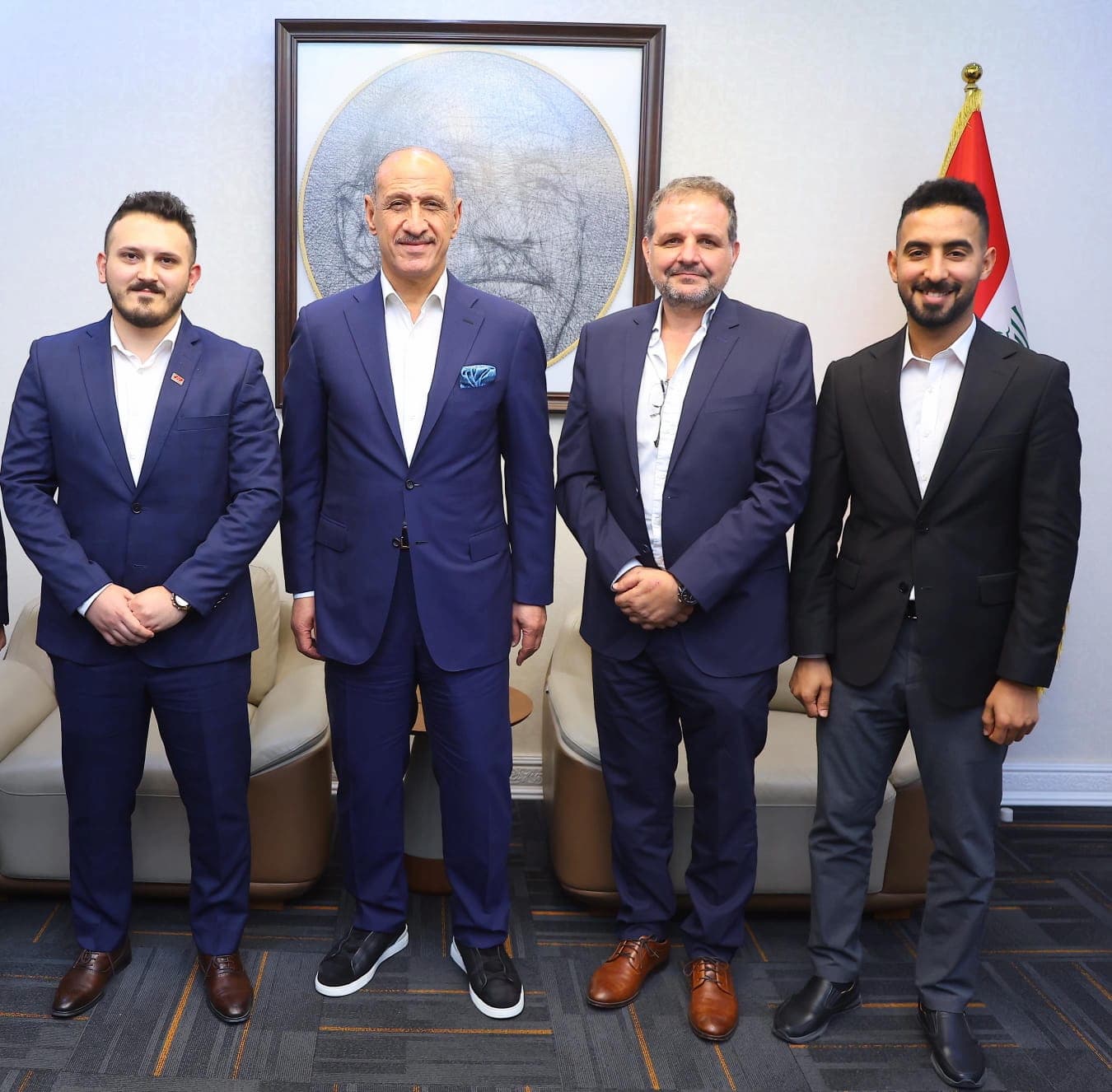
Leaving the Newsroom
— Why did you decide to leave at that point?
At some moment, I realized that I was no longer growing. I felt stuck. I could see the limits of what I could achieve there, and that feeling was very clear to me.
So around 2005, I made the decision to start my own company. It was a short period — only about two years — but it was one of the most intense and interesting phases of my career.
— What did you do during those two years on your own?
During that time, I was also teaching at the university, and at the same time I was involved in a wide range of completely different projects. I worked as an editor on corporate books — those gift-style publications with illustrations, music references, and storytelling. I managed a museum project for a corporate client, even though I had no prior experience in that field. But the client trusted my attention to detail and my approach to quality.
— Did that freedom allow you to test yourself in areas outside television?
I also worked on theater projects, including small-format puppet theater for children. One of them was created for an anniversary related to Cristóbal Colón. We developed everything from scratch — scripts, music, visual design — and I involved my university students in the process. It was a very creative and collaborative experience.
At the same time, we produced visual content for niche audiences, like off-road travel documentaries for people exploring Morocco. We created both video and photo albums for them. In just two years, I worked on an incredible variety of projects. That is the advantage of being independent — you are free to explore, to try, and to create without limits.
— From the outside, it looks like a radical change. You moved from television production and management into independent work, teaching, and very different projects. Why?
I don’t see it as a radical change. For me, it was more of a continuation in a different format. I stayed within the audiovisual world the whole time. I worked on documentaries, including a large project about Cristóbal Colón for another company, and I was also involved in short films. So creatively, nothing really changed — I simply moved from working inside a company to working for myself.
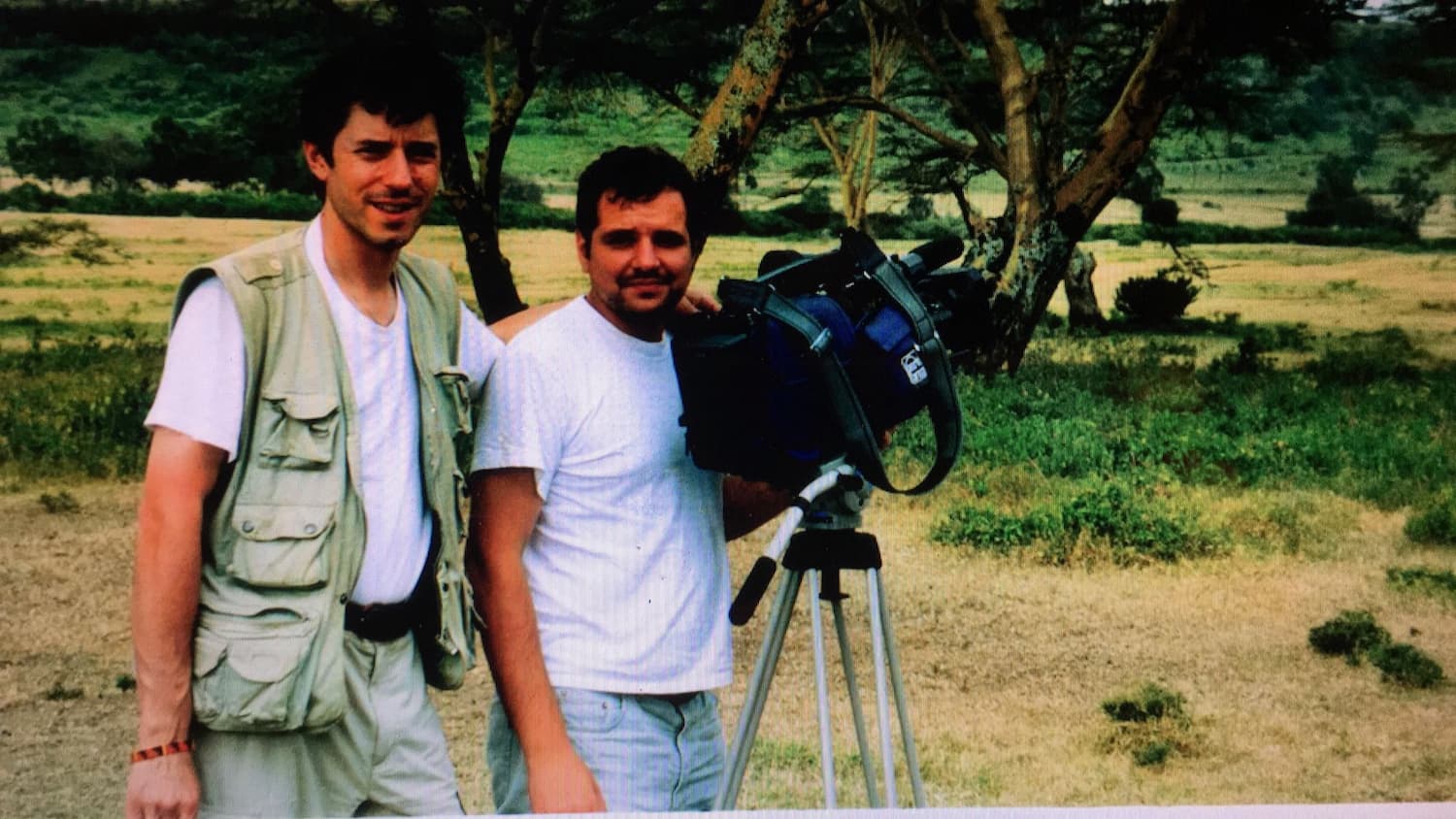
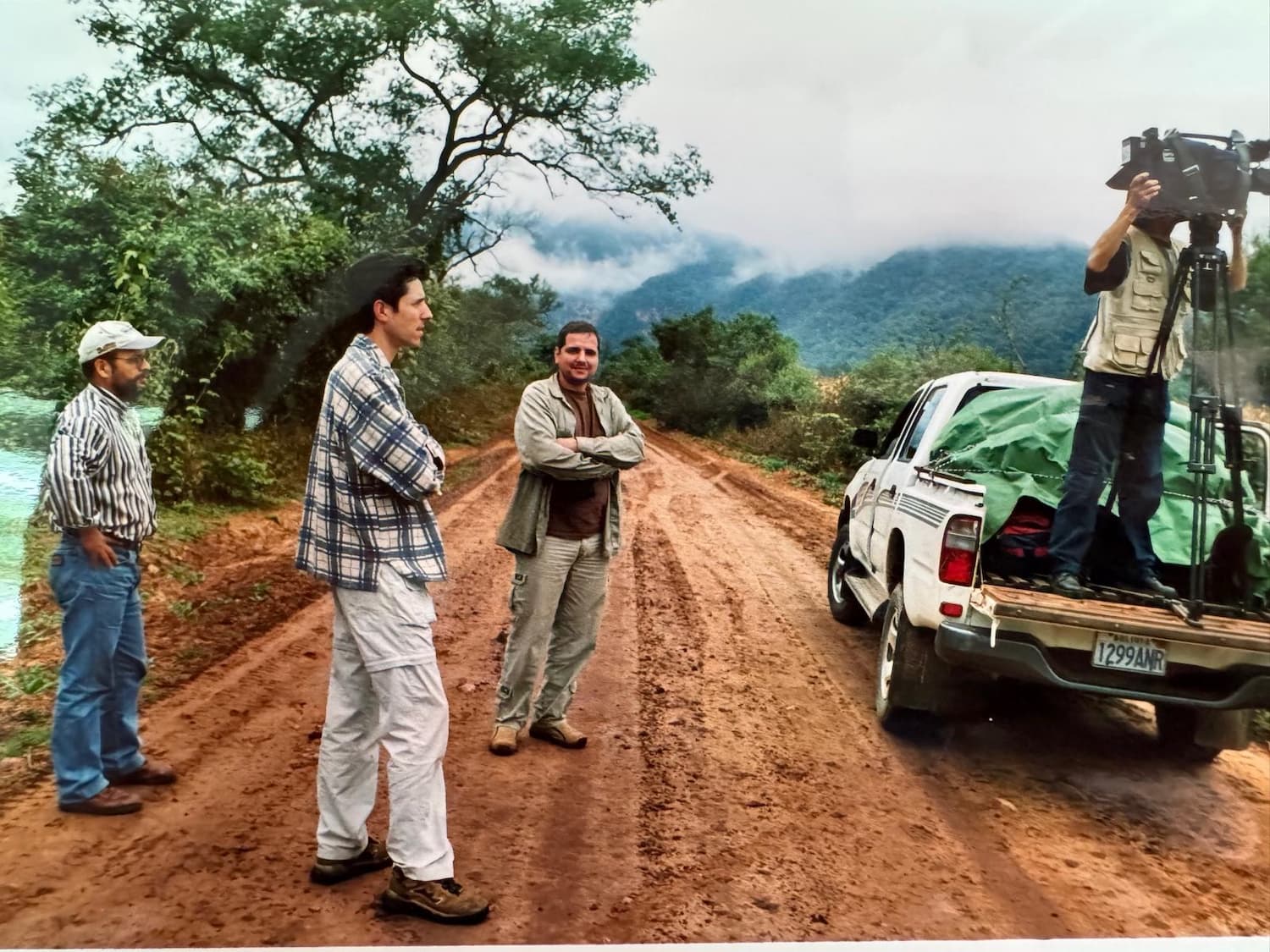
At the same time, I had already started stepping outside the routine of television. Even when I was still working at the station, I used my summers to travel and shoot as a cameraman. A friend of mine was producing content for Caritas Internationalis, and we went to different countries in America, Africa, and Asia to document their activities — missions, humanitarian work, real-life stories.
— Did those experiences change your perception of television and news?
Yes, very much. When you work in daily news, you are constantly under pressure. Everything is urgent, everything is important — but only for one day. The next day, nobody remembers. It’s like the newspaper you read today becomes the paper that wraps your sandwich tomorrow.
When I started seeing what was happening outside — people in real need, real problems, real stories — I began to question the value of what we were doing in news. You are under constant stress, but you are not really changing anything. You are not saving lives. That realization pushed me away from that environment. I understood that I didn’t want to continue in that direction, especially in the role of a news director, with that level of daily pressure.
“When you work in daily news, everything is urgent, everything is important — but only for one day.”
Valencia: Freedom, Scale, and Crisis
— If your own company gave you freedom and variety, why did you decide to close it?
The company was going well. It wasn’t something spectacular, but I was satisfied. I had independence, I could choose projects, and I was doing many different things.
From Bahrain to Building Media Cities: The Journey of Yusuf Mohammed Buti
— So, what made you leave that freedom behind?
I received an offer from Valencia for a project very similar to the one we had developed earlier in Castilla y León — building a regional television structure. The model had proven successful, and they wanted to replicate it. The conditions they offered were very good, and before making a decision, I visited Valencia. I liked the city, I liked the idea of starting something new.
For me, it was a simple decision. I didn’t have employees, I didn’t have a complex structure — it was just me. So, I could close one chapter and open another without difficulty. I closed the company and moved to Valencia for a new challenge.
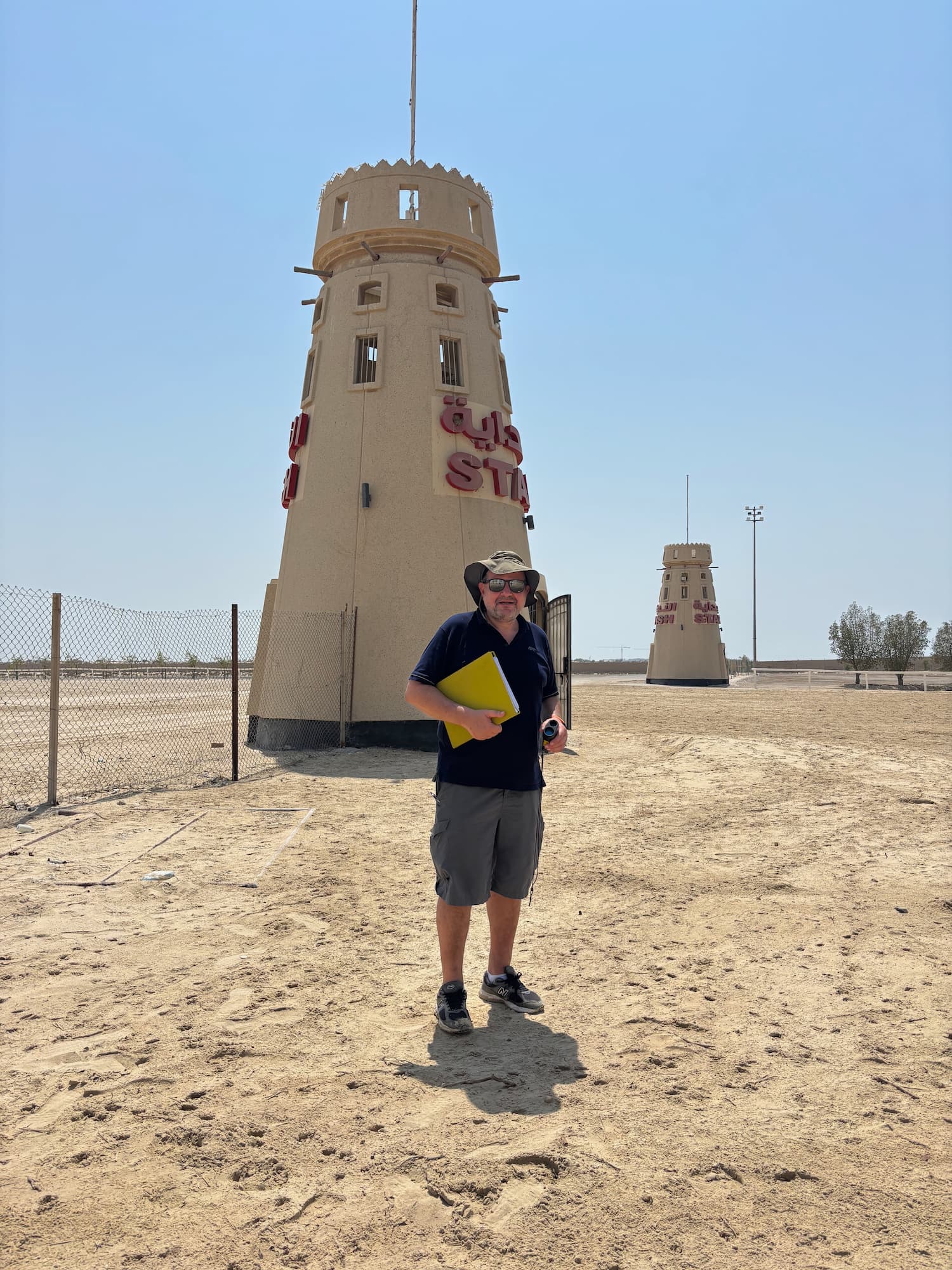
— What was your role in Valencia, and how did that experience differ from your previous work?
In Valencia, I was again working as Production Director. Professionally, it was a continuation, but personally and culturally, it was a completely different world. I came from Castilla y León, which is a continental region — very cold in winter, very hot in summer, and with a more reserved, structured mentality. Valencia, on the other hand, is Mediterranean. Life happens outside, in the streets, every day. The mood, the rhythm, the way people interact — everything is different. I immediately felt very comfortable there.
At the same time, I was given a high level of freedom. They trusted me to develop projects the way I thought was right. I remember working on documentaries and cultural productions where, for the first time, the discussion was not centered on reducing budgets. I would present a project, expecting negotiations, but instead they would simply approve it. That created a very unusual environment — you could focus on quality and execution, not just constraints.
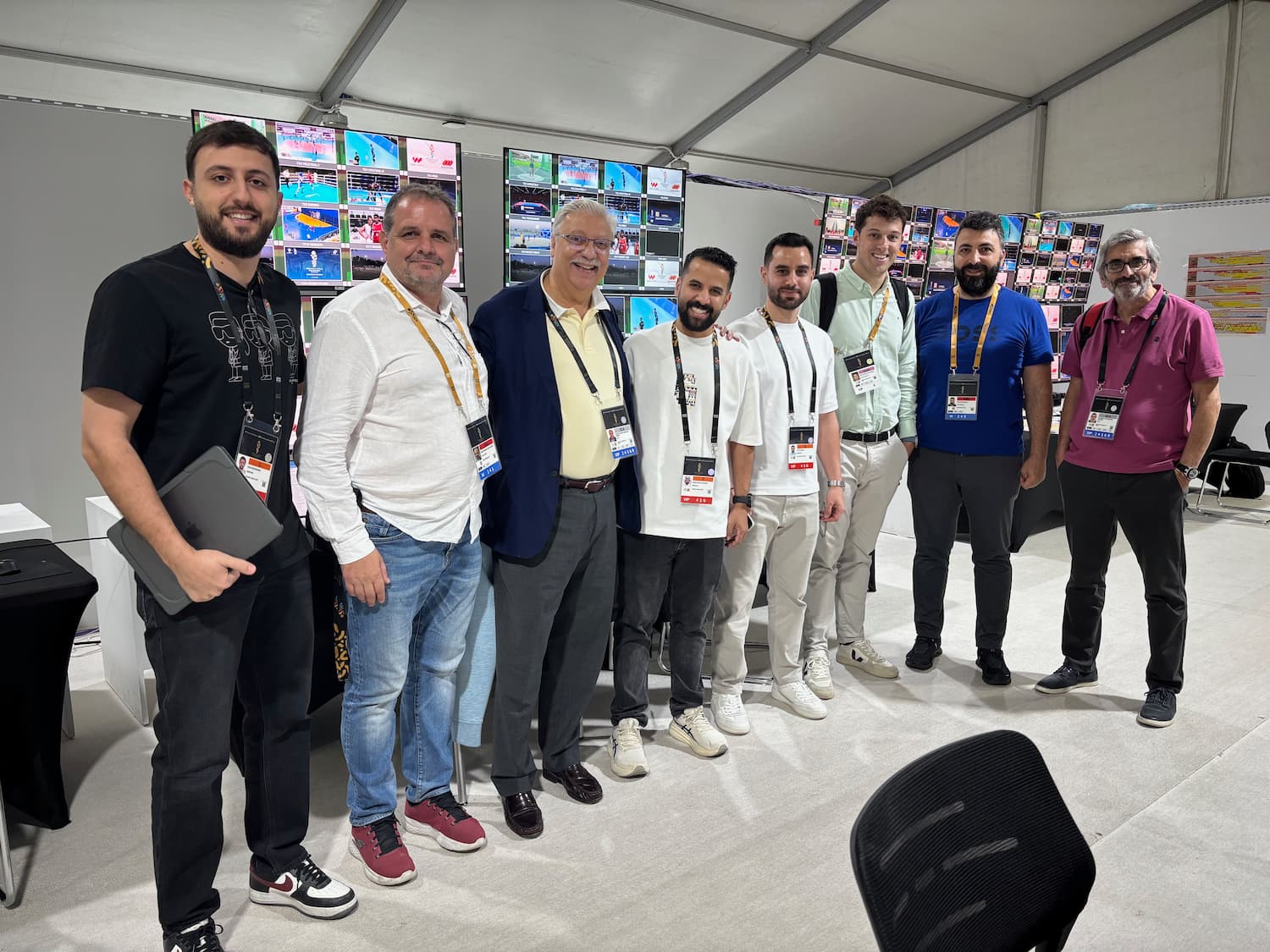
— What kind of projects defined that period for you?
We worked on several projects that became very important locally. Music, for example, is deeply rooted in the culture of Valencia. There are towns like Buñol, where entire communities are built around musical traditions, with strong rivalries between bands — almost like football clubs in other regions. We produced concerts that were not just events, but cultural statements for those communities.
One of the key moments was when we produced a concert that impressed the local authorities so much that they granted us the rights to produce and distribute content around La Tomatina. It is one of the most famous festivals in Spain, and that trust came because we approached the project with respect and genuine involvement. Overall, in Valencia, we managed to elevate the channel’s level significantly and deliver strong content.
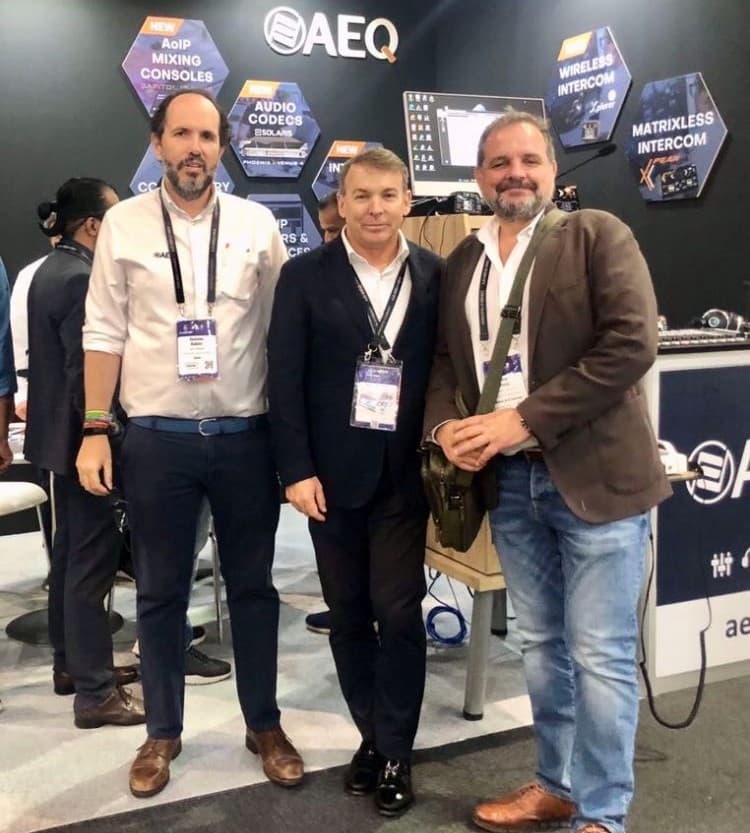
— What happened after that? Why did you decide to leave again?
Everything was moving in a good direction until the financial crisis of 2008. Like many media organizations at that time, the structure started to collapse. Budgets were cut, positions were reduced, and the entire environment changed very quickly.
By the end of 2008, I received an offer from Mediapro, which had already been working with us as a service provider. They told me there was an opportunity in Qatar, working with Al Jazeera Sports, supporting major events in the region. For me, it was a completely new direction — but I said yes.
Moving to Qatar
— How was that transition — from Spain to the Middle East?
It was like moving to another planet. Everything was different — the culture, the working relationships, the structure of daily life. When I arrived, Al Jazeera Sports was still relatively young, launched only a few years earlier, and still in a phase of rapid development.
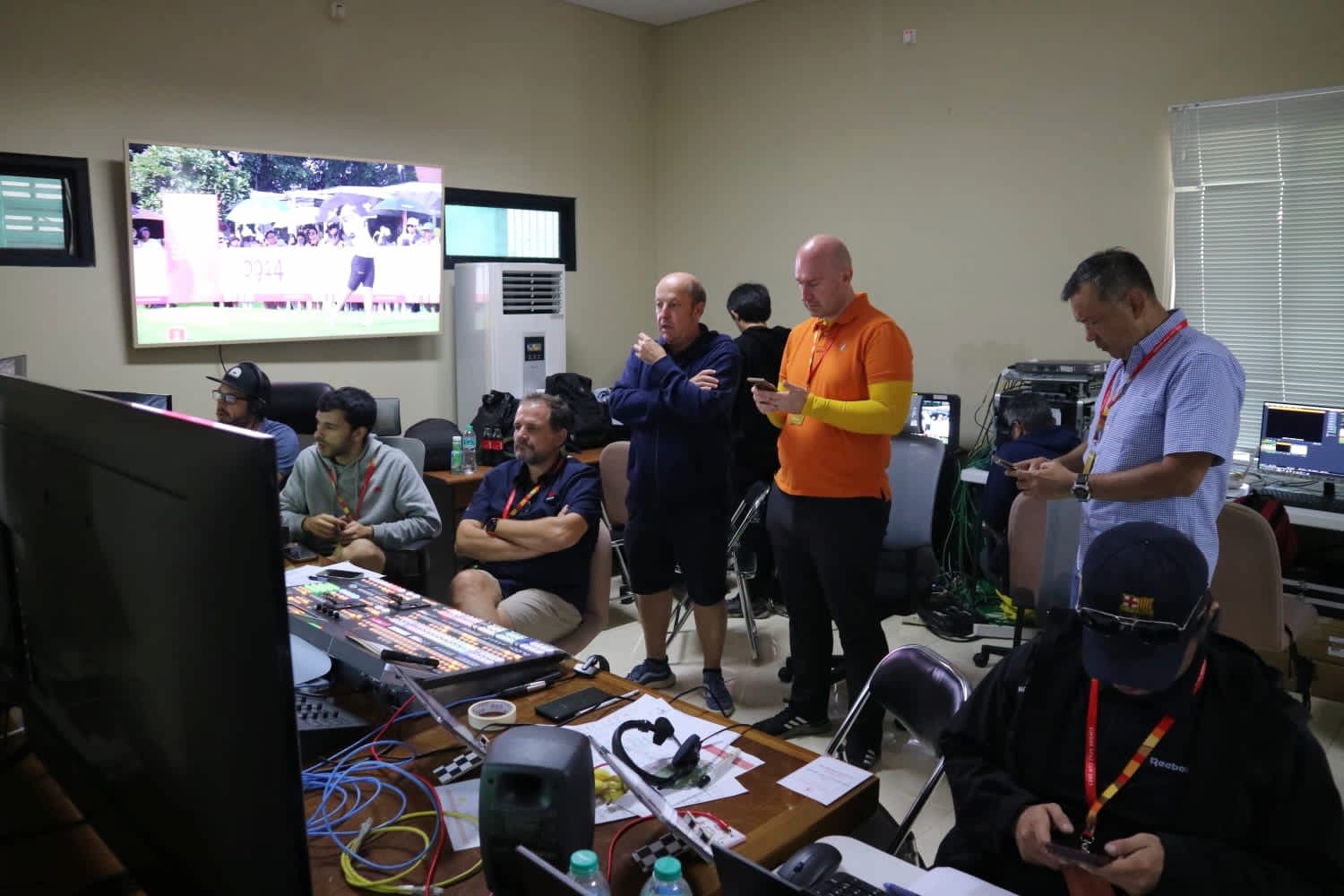
From a professional perspective, it was very interesting because it reminded me of a local TV station — but with resources. There was a lot of freedom, roles were not strictly defined, and you could build things. The most surprising difference was that the key question was no longer “How much does it cost?” but “Can you do it?” That changes everything.
— And personally, how difficult was the adaptation?
The professional side was exciting, but the personal side was much harder. The first four years were particularly difficult. You need time to adapt to a completely different culture, a different way of working, and a different way of organizing things.
At the same time, I was responsible for a large team — around 60 people, many of them from Europe — so it was not only about adapting myself, but also about supporting others through that transition. It was not easy, but it was the right moment in my life. I had the energy, the motivation, and the curiosity to take on that challenge.
You Either Stay, or You Go: The Director Behind Saudi Football’s Global Rise
Between Qatar, Dubai, Turkey, Greece, and Egypt
— After Qatar, where did your career take you?
I stayed in Qatar until 2017, but from 2014 my role started to expand beyond one country. That year, Mediapro opened in Turkey, and because the operation in Qatar had become more stable, I began working on the Turkish launch while still keeping my responsibilities in Qatar. Soon after that, another opportunity appeared in Greece, and in 2015 we opened the Greek operation as well. For several years I was moving constantly between Qatar, Turkey, and Greece.
— When did Dubai enter the story?
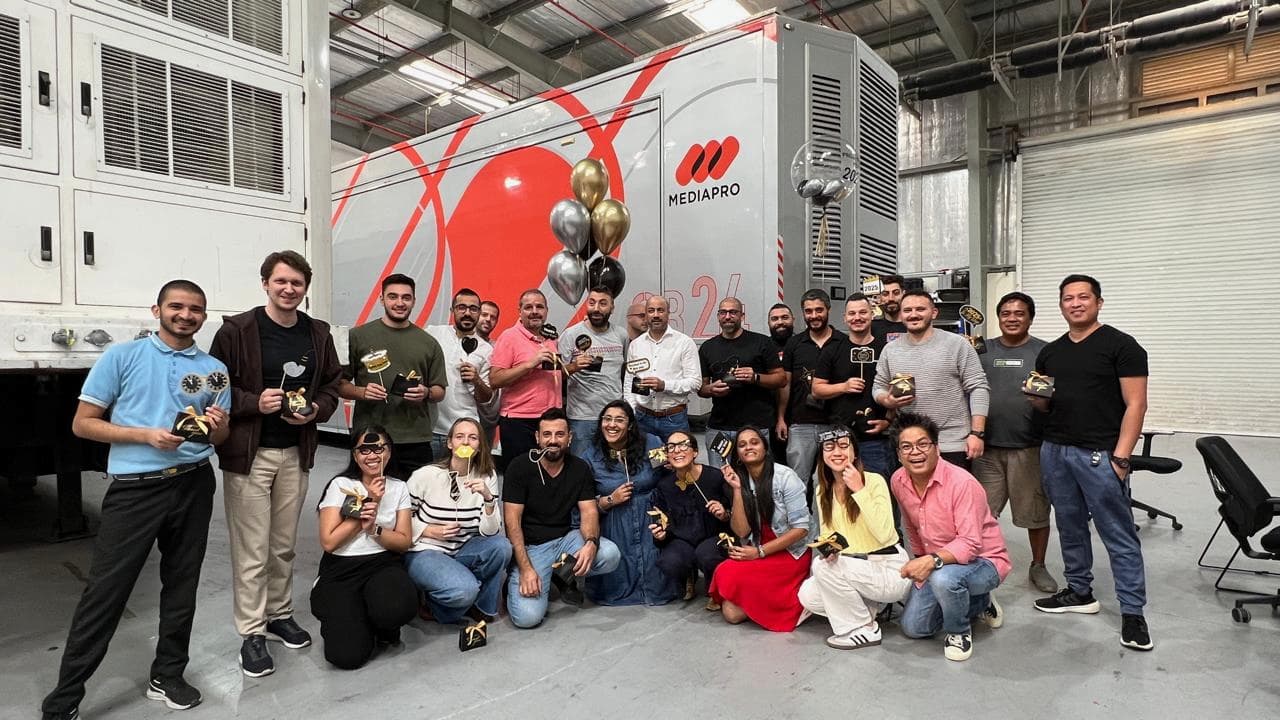
Actually, Dubai had entered the story even earlier. In 2012, Mediapro opened a company in Dubai, and I became General Manager of that operation. I was also traveling between Qatar and Dubai. At first, Dubai felt like a kind of relief from Qatar — a place where life was easier in some ways, where you could go out, meet people, and have a drink without everything being so complicated or expensive.
— When did Dubai become your main base?
In 2016, I stepped away from the daily management of Turkey and Greece because both operations were growing and needed dedicated leadership. Specific managers were appointed there, and they are still there today. I have kept a very good relationship with the Turkish team. They still call me “boss,” and I have a lot of affection for them.
— Why did you finally decide to move to Dubai permanently?
After that, I began coming to Dubai more frequently because the business here needed development. In 2017, I decided to move to Dubai permanently. From a business perspective, Dubai offered more possibilities than Qatar. Later, in 2019, Egypt was added as well. We opened Mediapro Egypt in Cairo, and I am still General Manager there, although we have a Managing Director on the ground. Strategically, Egypt is managed from Dubai.
From Paris 2024 to the Saudi Pro League: The Global Broadcast Journey of Filipe Sobral Santos
Difficult Projects and Real Challenges
— In 35 years of work, your list of projects is not just long — it is almost unlimited. What has been the most difficult part of your professional life?
Every project is difficult in its own way. I don’t think there is any serious project without problems, pressure, or unexpected situations. Some projects are more technically complicated, others are more difficult from an organizational point of view.
For example, covering a cycling tour can be extremely challenging because of RF limitations, licenses, permits, and bureaucracy. You are moving across different areas, and every detail has to be coordinated. Another difficult project was the Handball World Championship in 2015. The host broadcaster was beIN Sports, but at that time the internal structure was not fully prepared for the size of the project. They did not completely understand how large and complex it was, so there was a real organizational struggle.
— Is the main difficulty usually technical, organizational, or human?
For me, the hardest part is almost always people. A camera or a machine is simple: you switch it on, switch it off, plug it in, unplug it. But people are different. They work long hours, they need food, rest, attention, logistics, and support. They have families, moods, limits, and personal situations.
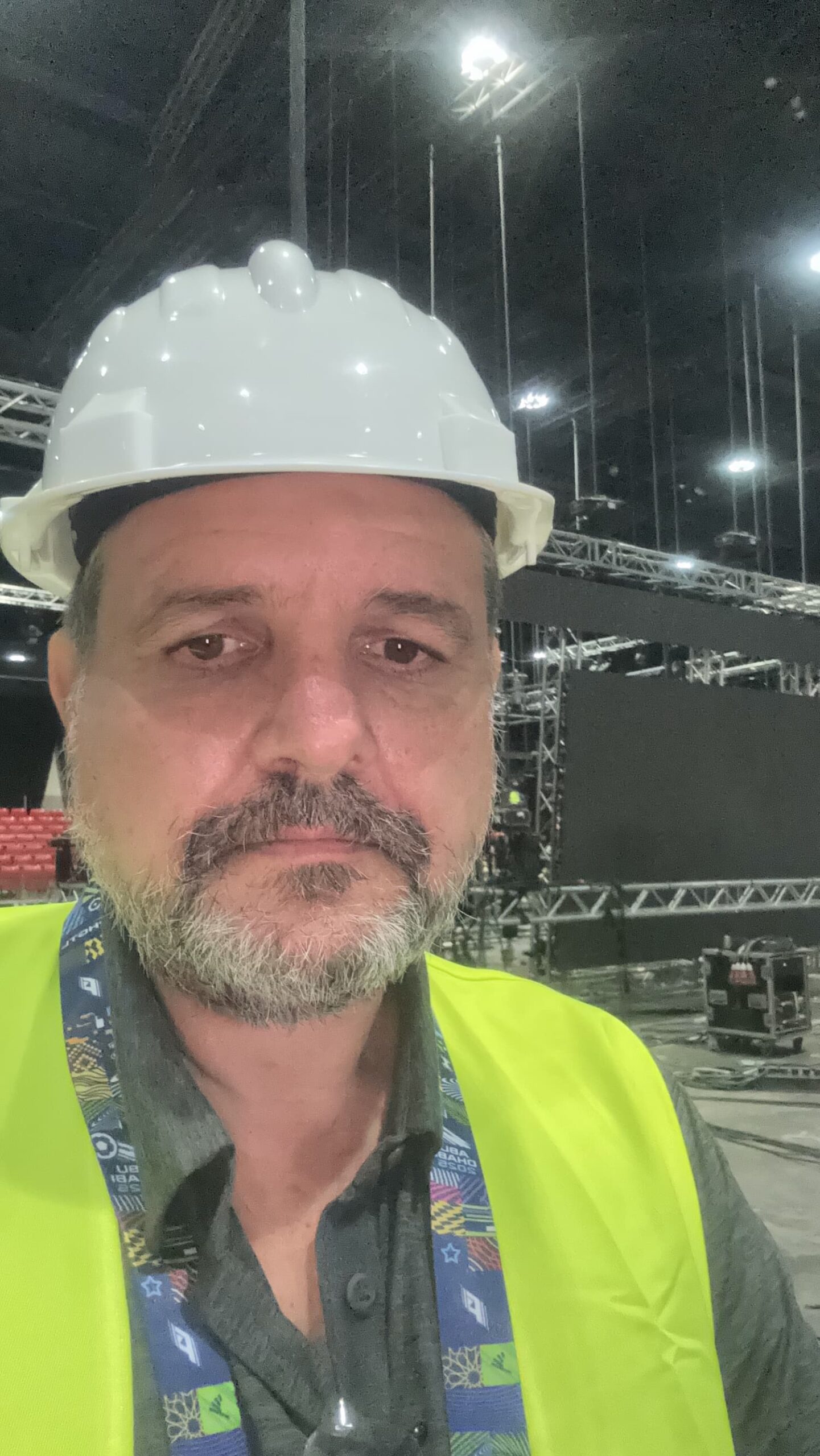
When you work with a small team, it is easier to manage. But when a project involves hundreds of people, every person can become a situation. In one of our recent projects, in December, we had around 200 people involved. Managing that scale is complicated, because production is not only about technology. It is also about taking care of the people who make the project possible.
“Production is not only about technology. It is also about taking care of the people who make the project possible.”
Professional Achievements of Omar Pleite Guerra
— What do you consider your main achievements in your professional career?
On the broadcast side, one of the projects I remember with special affection was a concert we produced in Valladolid Cathedral — Bach’s St. Matthew Passion. I love classical music, and in another life, perhaps I would have liked to work more in that area instead of moving so much into sports.
That project stayed with me because it combined everything I value: music, space, atmosphere, technical precision, and respect for the content. It was not only a production task. It was something I felt emotionally connected to.
— What made the Valladolid Cathedral concert so important for you?
In that concert, I was involved in almost every major element — lighting, sound, cameras, and the overall production approach. I was not the director myself, but I placed someone I trusted in that role, and we also had a person who could read the musical score and assist the director during the performance. That was crucial, because with classical music, especially a work like the St. Matthew Passion, you cannot simply switch cameras randomly. You need to understand the structure, the dialogues, the entrances, and the emotional rhythm of the piece.
— Did that reaction confirm that the broadcast had become part of the performance itself?
What made it especially beautiful was the reaction of the organizer. We had installed side screens inside the Cathedral because not everyone could clearly see the stage. After the concert, he came to the OB van and told us something that stayed with me.
He said he had been standing in front of the stage, but he found himself following the concert on the screens because he could understand it better there. For me, that was exactly the goal. The broadcast was not just showing the concert. It was helping the audience read and feel the music.
— Were there other projects that gave you that same feeling of pride?
Yes, several. The concert in Buñol was another one, because it was a small town but a real music town, and the project had a very strong local meaning. The Handball World Championship was different: it was a challenge, and when we finished it, the feeling was, “Okay, we did it.” Sometimes pride comes not only from beauty, but from surviving the complexity and delivering the project.
— Were there projects where the main achievement was solving a technical puzzle?
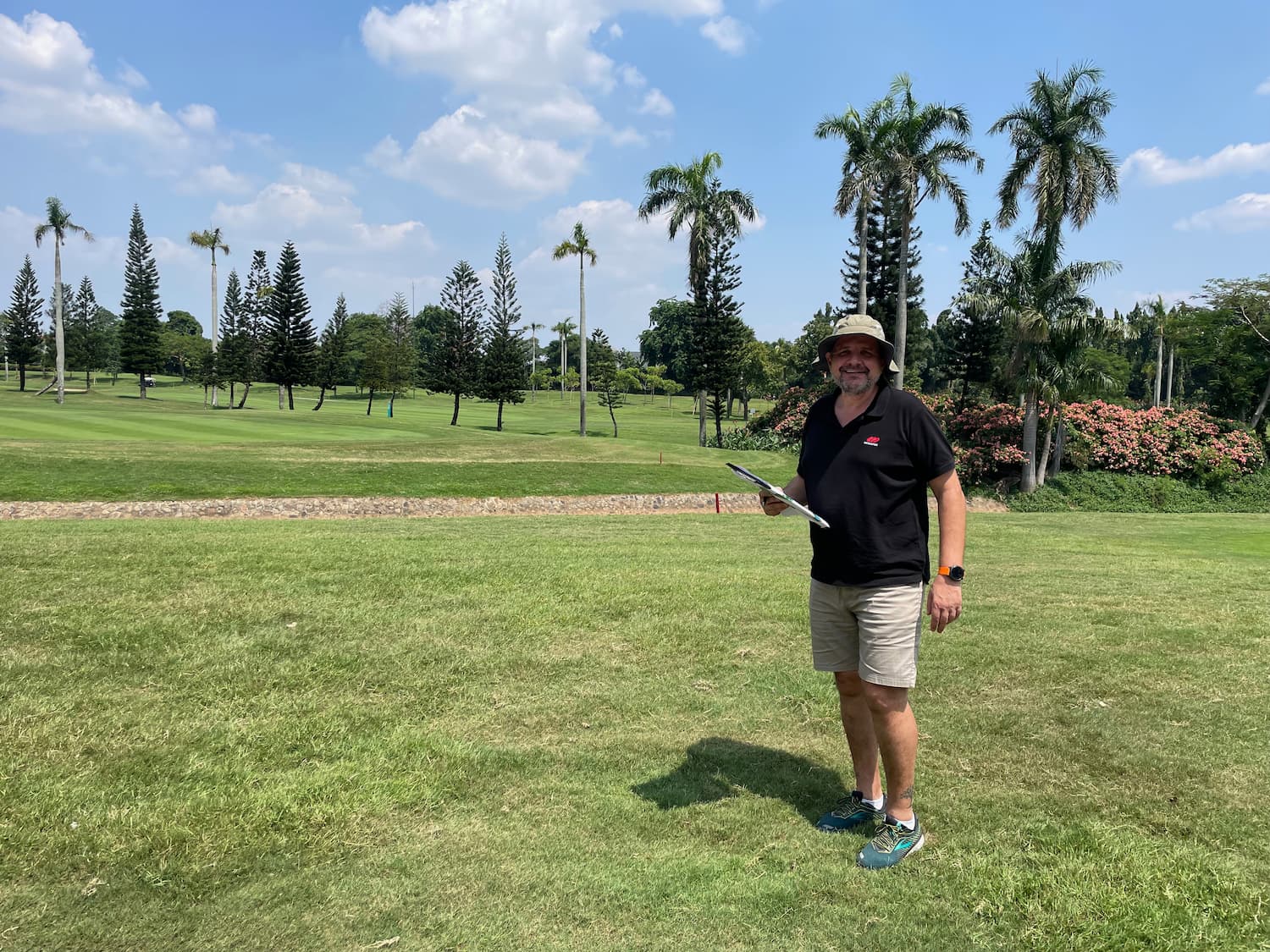
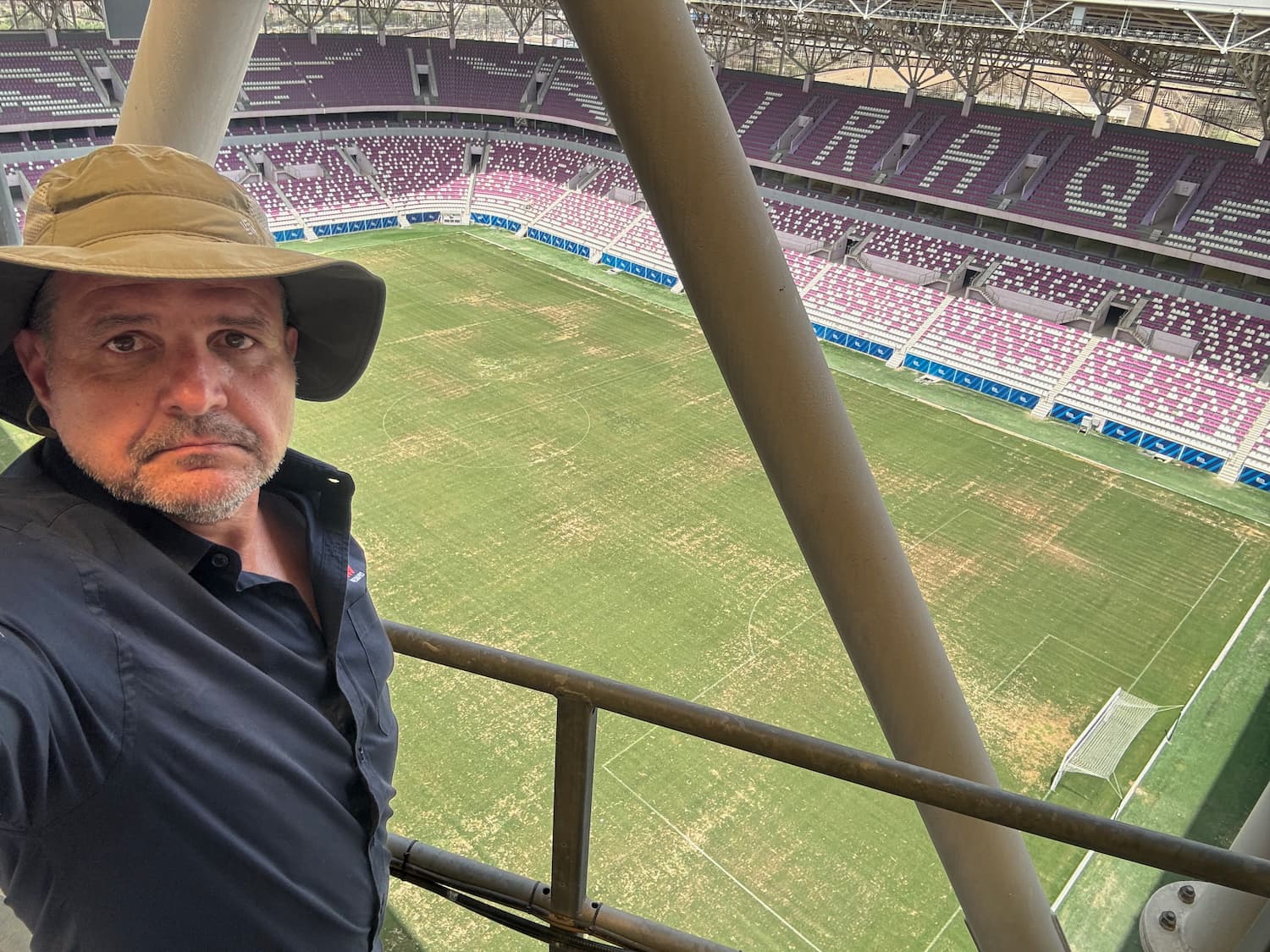
More recently, we worked on surfing in Abu Dhabi, at the new wave pool. It was the first time that kind of event was done in the Middle East, and it was technically and organizationally demanding. We also did a golf project in Jakarta that I am very proud of. Technically, it was a major challenge because we covered the holes with fiber and created our own dark fiber network across the course. All cameras were connected through that system, and the RF side was challenging as well. But the coordination was excellent, almost Japanese in style, and everything worked very well.
“The broadcast was not just showing the concert. It was helping the audience read and feel the music.”
A Different Kind of Dream
— What is your dream now? At 55, is it still the right time for dreams?
Of course, but at 55 you see life differently. When you are younger, you want to eat the world. Now, I think, you want to taste it. It is not about doing the biggest project possible anymore. I am not so ambitious about doing a World Cup or something on that scale. I prefer smaller projects where I can give more attention to detail, where I can add something personal and meaningful.
He Built Global Sports Television Across Four Continents — Then Started Again at 46
Large international competitions often work like broadcast manuals. You follow the structure, you deliver, and the job is done. Now I am more interested in projects where experience and sensitivity matter. I think I have maybe five more years of doing things actively in this way, and after that, I don’t know. Life is unpredictable. But I cannot imagine simply stopping.
— Do you think about retirement?
Not in the sense of staying at home and watching television. That is not for me. Maybe at 60 or 65, the type of work will change, but I don’t think I will stop completely.
At some point, you also need to give space to others to lead. Leading requires strength, energy, and constant presence. There comes a moment when your role may become different — less about being in front and more about helping others take responsibility.
— Let me ask one personal question. Are you married?
I am not formally married, but I have a partner. In practical terms, you can consider it like a marriage.
— Do you have hobbies?
Yes, like everyone. I like reading, music, and I try to play the piano. I also enjoy cycling when I can, and hiking when the weather allows it here. We have a beautiful natural environment around us.
And, of course, I like having dinner with friends. That is also important.
“When you are younger, you want to eat the world. Now, I think, you want to taste it.”