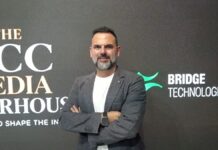
Floris Molijn, CEO and Managing Director of Oranda Private Limited, on journalism, live production, Olympic broadcasting, Singapore, and building trust with international sports clients.
The Gulf & MENA Decision-Makers Forum | Sport, Broadcast, AI & Monetization
Floris Molijn, CEO and Managing Director at Oranda Private Limited, built his career from the ground up: from early jobs as a rigger and camera operator in the Netherlands to major international productions, Olympic Games, Glory Kickboxing, Survivor, and large-scale sports projects across Asia. His story is about practical experience, difficult transitions, long-term relationships, and the decision to keep moving when the industry changed.
The Decision to Move On
— How did the transition to Singapore begin?
I work through my own company, Oranda, which was founded in 2014 by my former business partner, Danny Duijs.
— When did Danny first approach you?
He approached me in 2014 and asked whether I would consider coming to Singapore to work with him on various projects, including projects connected to the Japanese market.
— Why did you not move immediately?
At that time, I had no real reason to leave. My schedule was already full with major international projects, broadcast productions, and long-term shoots like Survivor. Professionally, it was an exciting period.
 — What changed in 2016?
The portfolio at my previous company began to change. From a business perspective, it made sense, but for me personally, the work became less challenging. It started to feel more routine, more like factory-style production.
— How did you make the final decision?
I had a very direct conversation with the CEO at the time, who is still a friend of mine. I asked him whether daily, repetitive production work was my future or whether I would continue working on complex projects like the Olympics, Glory, and Survivor.
He was honest and said he could not guarantee that those projects would continue. That was enough for me. In February 2016, I decided to leave.
“I asked him whether repetitive production work was my future — or whether I would continue working on projects like the Olympics, Glory, and Survivor.”
Moving to Singapore
— How did you leave your previous company?
I decided in February, but the actual move only happened in June 2017. I wanted to do a proper handover. My previous employer had given me many opportunities and had been very good to me, so I did not want to leave them with a sloppy transition. I wanted to make sure everything was handled correctly before I moved on.
 — What did the move itself look like?
In June 2017, I got on a plane to Singapore. I had given away almost all my possessions. The only things I still had with me were a suitcase and a painting, which I brought on the plane. That was the moment when the new chapter really started.
“I got on a plane to Singapore with a suitcase and a painting. That was the moment the new chapter really started.”
From Employee to Shareholder
— Was it difficult to change your life so radically?
It was a big change, but the answer needs a little context. When I moved to Singapore in 2017, I did not immediately arrive as the owner of the company. My former business partner and I had created a plan. The idea was that I would gradually become a shareholder in the company, and eventually we would try to sell the company to interested parties. So, there was a timeline, a roadmap, and a clear direction.
— Who was your former business partner?
My former business partner was Danny Duijs. He founded Oranda in 2014 and was the CEO of the company. He was the person who first invited me to come to Singapore and work with him.
 — Did the original plan happen as expected?
No. Things accelerated, unfortunately, when Danny became ill and passed away in 2021. His passing changed the situation completely. What had originally been planned as a gradual transition became something much more immediate and much more personal.
Crisis, Loss, and Responsibility
— How did COVID impact that transition period?
The timing could not have been worse. It was probably one of the darkest periods globally since World War II. We were in the middle of COVID, the world was effectively on fire, and countries were operating under lockdowns and circuit breakers. When my team and I traveled to Tokyo for the Olympics, the situation was so uncertain that by the time I left Singapore, I was no longer allowed to return. So even going to the Games required a backup plan, because I did not know if I would be able to come back. Eventually, thanks to diplomatic efforts, I was allowed to return, but that decision was only confirmed about six days before the end of the Olympics.
 — What happened during that time on a personal and business level?
During the setup period in Tokyo, my business partner passed away. Under those circumstances, the transition we had planned for years — me becoming a shareholder — had to be executed immediately. We had a roadmap, we had discussed it in detail over a long period, but we had to implement it under the most difficult possible conditions: a global pandemic, travel restrictions, and a collapsing events industry.
“The roadmap we had planned for years had to be executed during a global pandemic, travel restrictions, and a collapsing events industry.”
Surviving the Industry Shutdown
— What was happening in the broadcast industry at that moment?
The industry changed overnight. Our schedule went from full to empty in a matter of weeks. Events were canceled, postponed, or put on hold indefinitely. It was not an ideal position for any company in this space.
Ammar Hina Appointed Strategic Chair of The Gulf & MENA Decision-Makers Forum 2026
— How did you manage to get through that period?
We adapted quickly. Regions like the United States and governments such as Abu Dhabi were among the first to recognize that we needed to find ways to continue operating and to live with the situation rather than stop completely. We worked closely with sports federations to help them remain relevant, mainly by producing and editing highlights content from past events that could still be broadcast or redistributed. The entire sports ecosystem had come to a standstill, so maintaining visibility for these organizations became critical. That work helped us get through the COVID period.
“Our schedule went from completely full to completely empty in a matter of weeks.”
Post-COVID Reality
— What happened when the industry restarted?
Once COVID restrictions eased, everything came back at once. Before the pandemic, events were distributed relatively evenly across the calendar. After COVID, every federation tried to restart immediately, which created a huge concentration of events in a short period.
 — What did that mean for your operations?
It put significant pressure on manpower and resources. Suddenly, everyone was in a rush to deliver, and the industry had to absorb that load at the same time. We are currently preparing for large-scale events like the Asian Games in Nagoya, and while it is clear that the industry is back on track, the operational intensity is much higher than before.
Lasting Changes
— Has the industry fully recovered from COVID?
Not entirely. I think the financial ripple effects are still there, and in many ways, COVID permanently changed how the industry operates.
— What kind of changes are we talking about?
One clear example is the shift in working culture. Before COVID, everyone was expected to be in the office. If someone was not there, it was an exception. Now, there is much more flexibility. People can work remotely, and companies have adapted to that.
 From a technical perspective, we were relatively well prepared. Almost all of our equipment — except something like the coffee machine — could already be operated remotely. That allowed us to continue working on transmission, distribution, and production even during restrictions.
— And what is the situation now?
Now it feels like constant rush hour. As soon as the industry reopened, everyone started organizing events again, and that demand has remained high. So, yes, we are very busy — but it is a very different kind of busy compared to before COVID.
Learning Asia
— What did you learn after arriving in Singapore?
I quickly learned that doing business in Asia is different from doing business in Europe in many ways. You have to understand different expectations, different ways of communicating, and different ways of building trust.
 — What was your first major project in Asia?
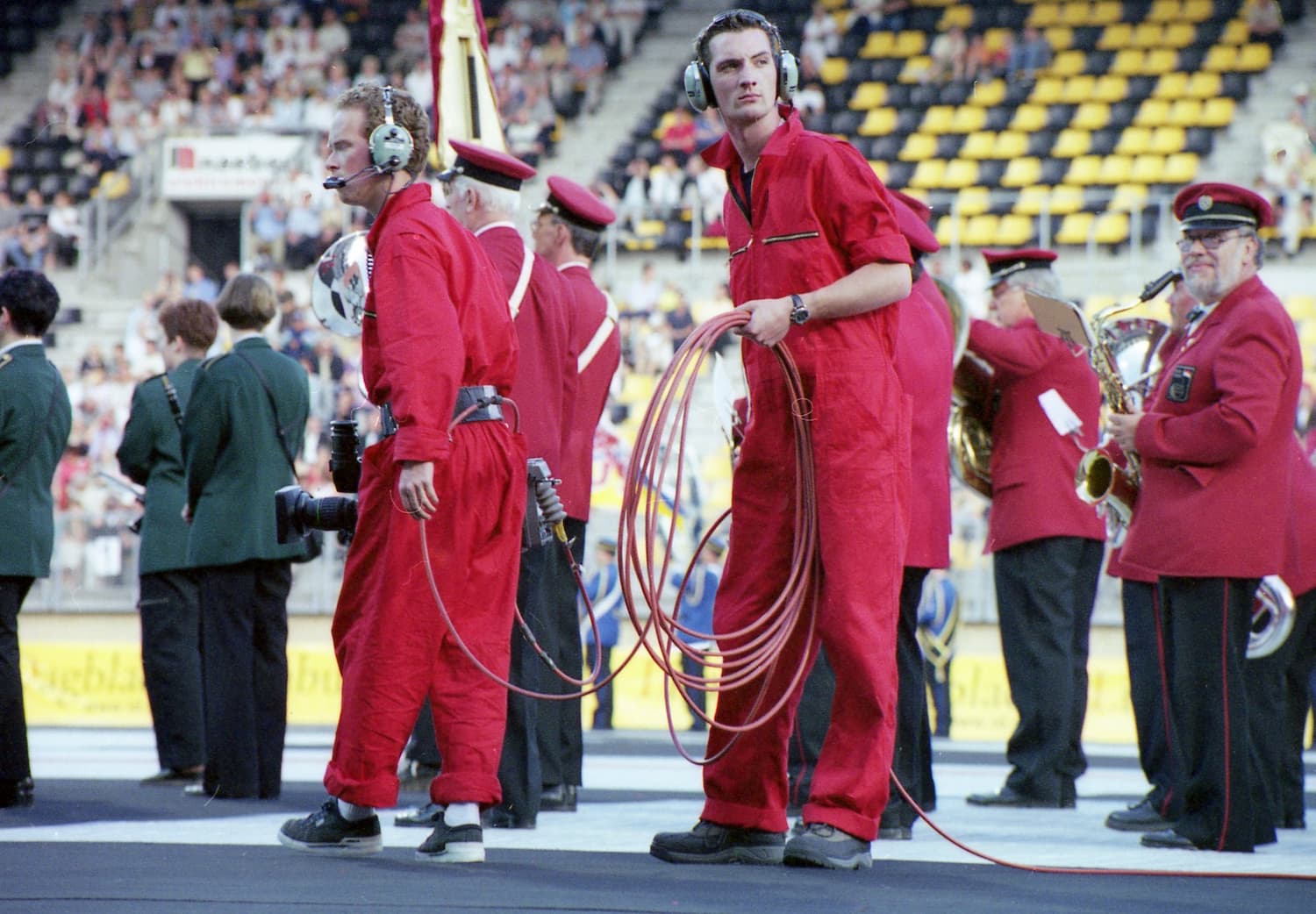
The first project was the Asian Indoor and Martial Arts Games in Turkmenistan. It is a country where I will probably never set foot again, but that is one of the interesting parts of this industry. You get to see places you would probably never visit otherwise — countries that would never normally be on your agenda.
— Was Turkmenistan a difficult project?
Yes, of course. Delivering a production in a country like Turkmenistan was challenging. But when the event is delivered properly, and the client receives what they expected, the satisfaction is very strong. That feeling is one of the reasons why I still enjoy this work.
“You quickly learn that doing business in Asia means understanding different expectations, different communication styles, and different ways of building trust.”
Early Life in the Netherlands
— When and where were you born?
I was born in the Netherlands on April 24, 1979, in a small town just below Utrecht called De Bilt. That is where I was born and raised, so I have a very strong connection with Utrecht.
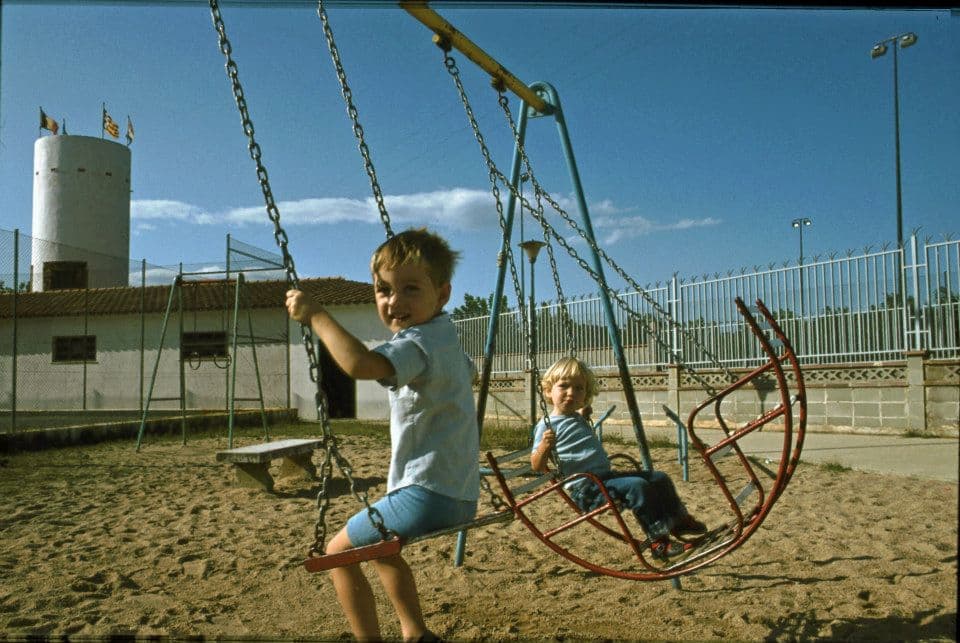 And to answer the inevitable football question: I do not support Ajax. I support FC Utrecht.
– What kind of family did you grow up in, and what did your parents do?
I grew up in a family of five, with an older sister and a younger brother. My mother spent almost her entire career in the medical industry. In her later years, she worked in hospital operating theatres and specialized in robotic surgery procedures, including the Da Vinci system. She retired a few years ago, but she spent her whole professional life in the medical industry. Her work sometimes led to rather vivid “how was your day?” conversations over dinner.
— What role did your father’s work play in shaping the atmosphere at home?
My father was a television director who specialized in music programs and concerts, mainly with Dutch artists. He also developed many of the medical programs in the Netherlands that followed real-life procedures and patients on their journey back to health. In the latter part of his career, he directed and produced two documentaries about Vincent van Gogh and Rembrandt.
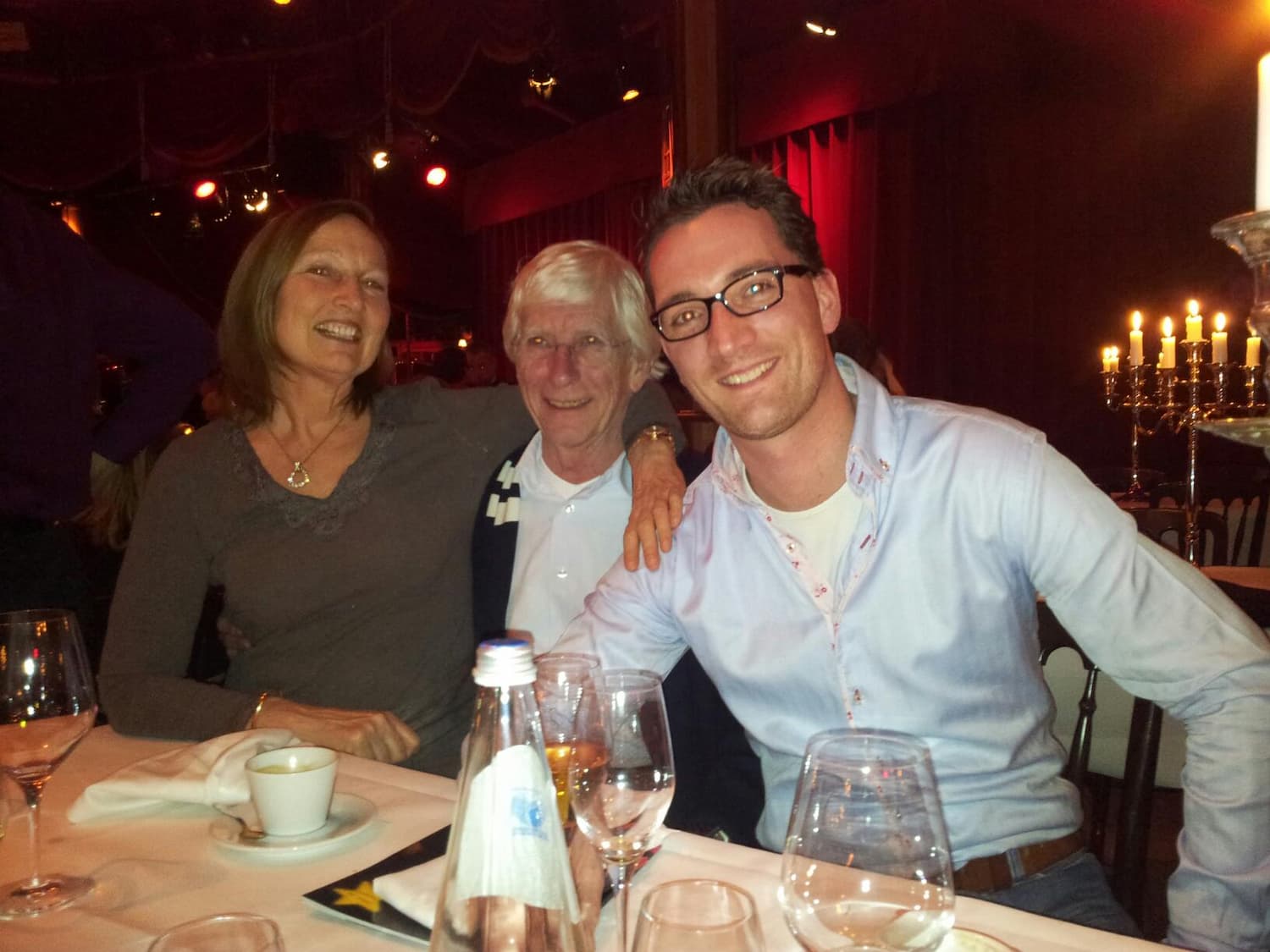 He was also known as one of the founders of the Dutch “snabbel,” or moonlighting, movement in the industry: he would work one job during the day and direct another show in the evening under an alias.
Childhood Memories
— What is your first childhood memory?
That is a difficult question. Not many people ask that. I would say my first memory is probably from when I was three or four years old. I was still living a very trouble-free life, playing outside with my best friend at the time.
I remember it very clearly because we were playing tennis. Of course, I would not exactly call myself a professional tennis player at that age. We were just playing the way three-year-old children do. But I still remember that tennis racket. Back then, it looked enormous — probably more than half the size of my body.
School Years
— What subjects did you enjoy at school?
In general, my favorite subjects were anything not related to mathematics. I did not excel in math or similar subjects.
 I had a deep interest in history, geography, and English. Strangely enough, English became one of my strongest subjects. When I graduated from secondary school, we had to take a verbal exam where we were expected to answer questions in English. I asked my English teacher whether we could conduct the entire exam in English.
So, I would say English and history were probably my favorite subjects.
Choosing Journalism
— Where did you go after school?
After school, I started at the Academy of Journalism, Hogeschool Windesheim, as it was known back then. The school was based in Zwolle, in the province of Overijssel. I had hoped to study journalism in Utrecht, but I was placed in Zwolle instead, which meant several hours of commuting by train every day.
— Why did you choose journalism?
At that time, journalism seemed like the closest study path for someone who wanted to build a foundation for a career in broadcasting or the events industry. There were no real broadcast academies in the way we know them today, and the industry was still much more traditional. People who wanted to work in broadcasting were often expected to study journalism or something related.
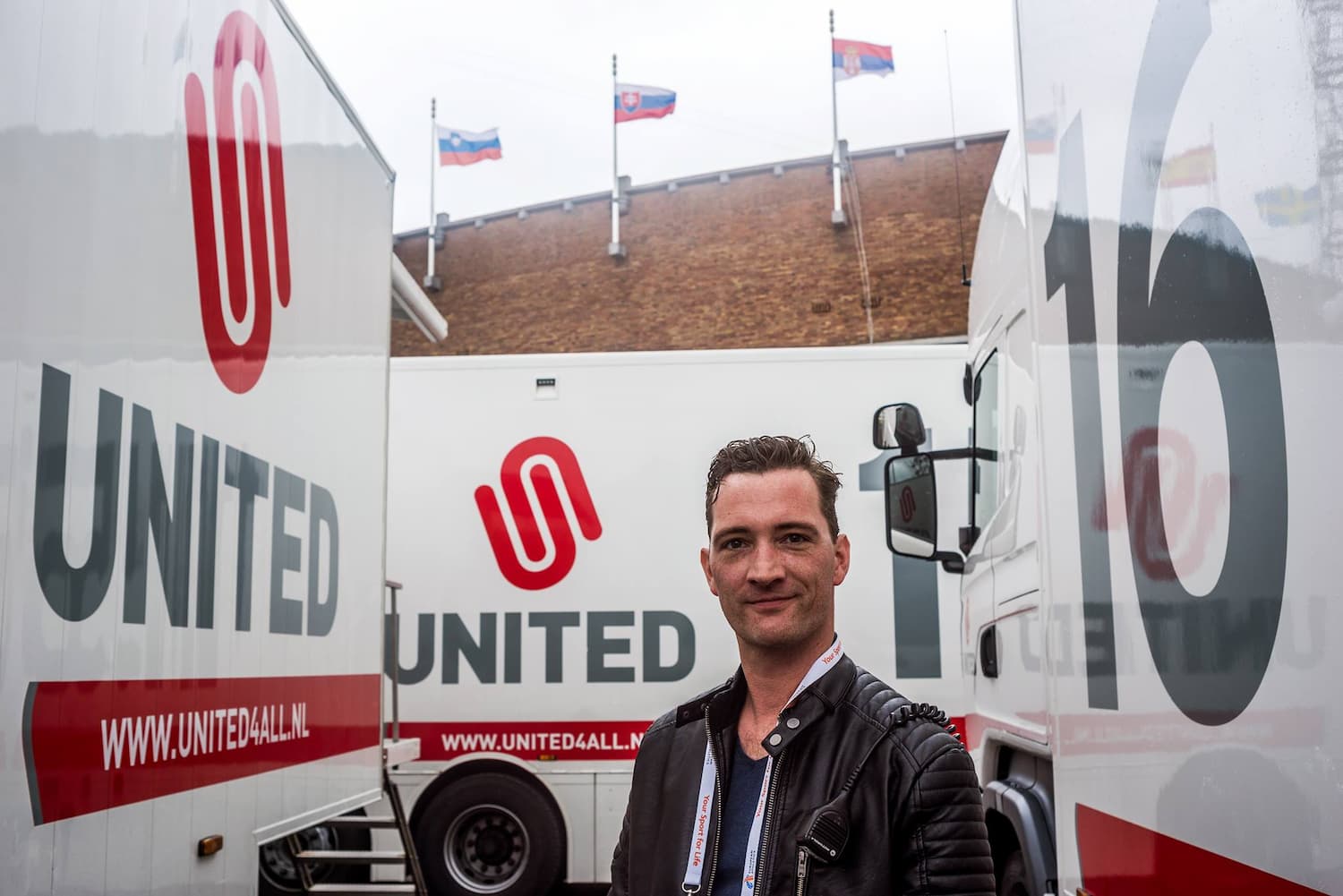 After a short period at Windesheim, I left journalism and started studying at Hogeschool Haarlem in North Holland. There, I studied commercial economics with a specialization in broadcast and entertainment management. That kind of educational path makes much more sense today, but at the time, the options were still quite limited.
“At that time, journalism felt like the closest possible path into broadcasting.”
First Jobs
— What was your first job?
I had many first jobs, actually. I started working quite young. At around 15, I was cutting carpets in a furniture shop. I also worked in a supermarket and in the food and beverage industry. Around the same age, I started working as a DJ. Every weekend, I would work until the early hours of the morning.
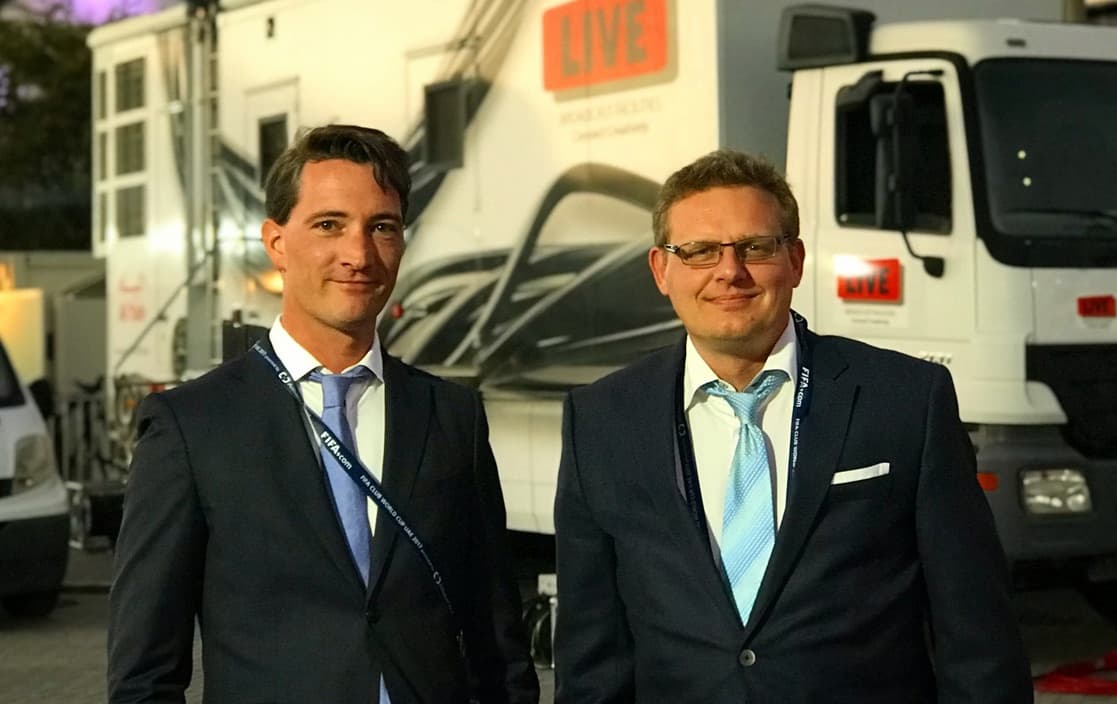 The DJ work continued even after I began my full-time career in broadcasting. It was a hobby, but it also paid quite well, especially when you are very young.
— What was your first full-time job in broadcasting?
My first full-time job was as an assistant, or what we call a rigger, in the international industry.
At the company where I started, being a rigger meant you were the first person at the warehouse. You packed the trucks, loaded the equipment, loaded all the cables, and then drove to the location. Once there, you set up the cameras and prepare everything for production.
— You worked a lot as a teenager. Did that make you financially independent?
I would not say rich, but I was definitely independent compared to most of my friends. The key difference was that I genuinely enjoyed working. It never really felt like work. Even in the F&B industry, when you are working as a kitchen assistant or in a bar, you are part of that environment. You do not spend money because you are already there, and if you want something, it is usually taken care of. So, in a way, I was lucky. I enjoyed what I was doing and, at the same time, earned some money.
 Entering Live Production
— What did your work as a rigger involve?
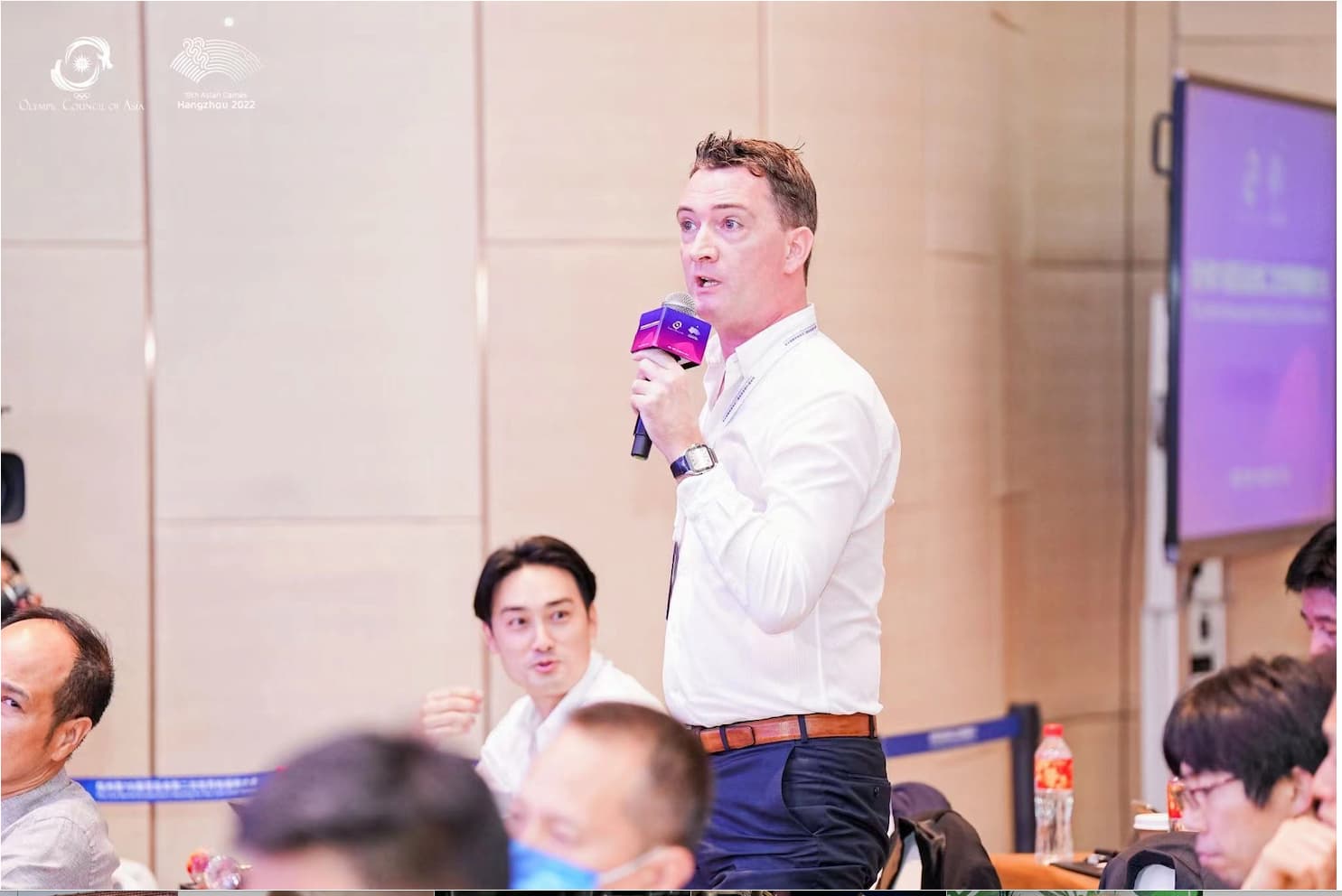
You would roll out cables, prepare the infrastructure, and support the camera operators during the event. Your role was to make sure nothing went wrong — that cables were secure, that operators could move safely, and that no technical issues disrupted the production. That was my first full-time job in broadcasting. And it was thanks to that early experience as an assistant that, in 2004 — when I was already transitioning into a camera operator role — I was invited to contribute to my first Olympic Games in Athens.
— How did you get into your first major projects?
One of my first big projects as an assistant was the UEFA European Championship in 2000, hosted by the Netherlands and Belgium. As a serious football fan, it was an incredible experience. We worked on multiple matches, including the final between France and Italy — two teams full of legends. I remember standing in the players’ tunnel. I had been in the job for only about six months, and suddenly I was standing next to Zinedine Zidane and Alessandro Del Piero.
 I grew up watching football, so I knew exactly how these players looked. And then suddenly, they were standing right next to me. At that moment, you think: if this is what the job is going to be, I am never leaving. It was an incredible experience.
“I had been in the job for only six months, and suddenly I was standing next to Zinedine Zidane and Alessandro Del Piero.”
Building a Career
— How did your career develop after that?
I started as a rigger at Cinevideo Group in the Netherlands. It was a great place to begin because the company had a strong international reputation. That meant I had the opportunity to work on major international productions — including the Olympic Games in Athens, as well as concerts for MTV Europe. Many of these projects were cross-border, so we were constantly traveling. I truly enjoyed that period. It was intense, but it exposed me to a wide range of productions and environments.
From Paris 2024 to the Saudi Pro League: The Global Broadcast Journey of Filipe Sobral Santos
— How long did you stay with the company?
I joined in December 1999 and left in June 2017. By that time, the company had become part of Euromedia Group. So, it was a long chapter — almost two decades — which gave me a very solid foundation in the industry.
“If this is what the job is going to be, I am never leaving.”
— How did your role evolve within the company?
I started as a rigger in 2000, then became a camera operator for a few years. In 2006, I was asked to become a project manager.
— What did project management mean in that company?
It was a client-facing role. You had to manage the equipment, budgets, and make sure the delivery matched what the client expected.
— How did that role change later?
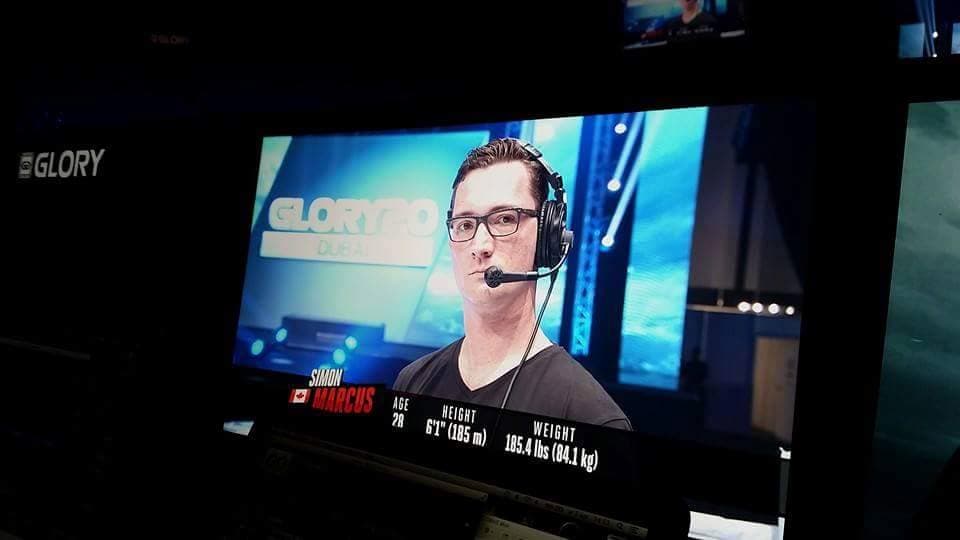
Over time, it evolved into a technical producer role, especially when we were approached by a client launching a new martial arts property, Glory Kickboxing.
Major Projects and Olympic Experience
— What were the most important or most difficult projects during that period?
There were quite a few. The Olympic Games were always among the most challenging because of their scale and complexity.
From Bahrain to Building Media Cities: The Journey of Yusuf Mohammed Buti
— How many Olympic Games have you worked on?
Since 2000, I have been involved in about eight Olympic Games. Each one brings a different level of pressure, coordination, and expectation. It is not just technical delivery. It is precision, timing, and working inside a massive international ecosystem where everything has to function perfectly.
Glory Kickboxing
— Why was Glory Kickboxing important for you?
That project became a turning point. Even though I was still under contract with Cinevideo Group, I was effectively working almost full-time on Glory.
— What made it so demanding?
It was an extremely steep learning curve. They wanted to host one event per month somewhere in Europe, but at the beginning, there were no venues booked, no broadcast product defined, and nothing really in place.
We often had only a few weeks to find locations, secure arenas, organize logistics, design the broadcast setup, and deliver a complete event. It was chaotic, but it was also one of the most valuable experiences in my career.
 A Life on the Road
— What was that period like in terms of travel?
It was intense, almost unreal. I remember being in Tokyo in 2012 for meetings about a possible end-of-year event. As soon as I returned, I was told to go to São Paulo to deliver one of the final events of the previous organization.
That meant a 14-hour flight in the opposite direction. After delivering the event in Brazil, we came back briefly, and then I had to go back to Tokyo again.
— How much time were you spending away from home?
During that period, I was away from home at least two and a half weeks every month.
— What did the job involve beyond production?
A lot of it was building everything from scratch — finding venues, negotiating with local partners, identifying reliable host broadcasters, and organizing accommodation. We would approach hotels and say, “We want to rent your entire property,” because we needed 300 to 400 rooms per event.
It was a constant cycle of travel, negotiation, and execution. It was exhausting, but I learned an enormous amount in a very short time.
“For a period, I was away from home at least two and a half weeks every month.”
Expanding Experience: Survivor
— Were there other projects that influenced your career?
Yes, another important experience was working on the reality show Survivor.
— What was different about Survivor?
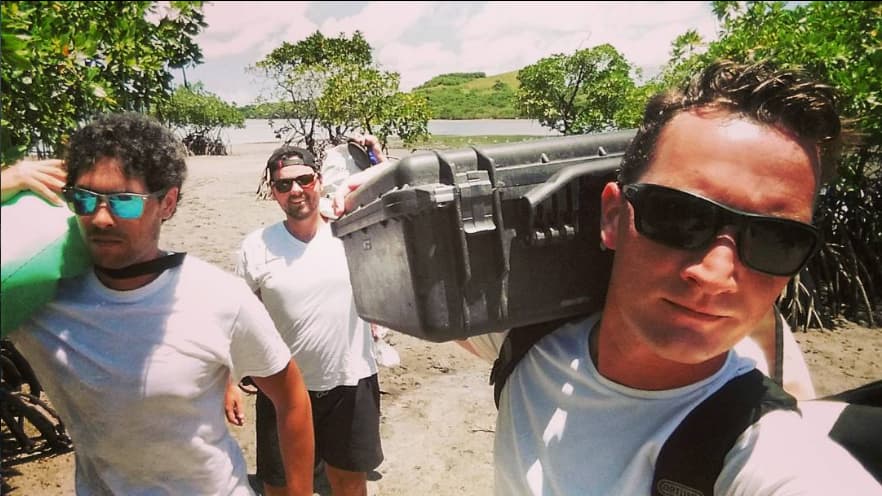
It meant spending two to four months each year on location, often in places like the Philippines or Malaysia. Conditions were basic, but the experience was unique. It gave me a different perspective on production — more long-term, more immersive, and very different from event-based broadcasting.
 Finding and Keeping Clients
— The competition in your industry is very strong. How do you find clients?
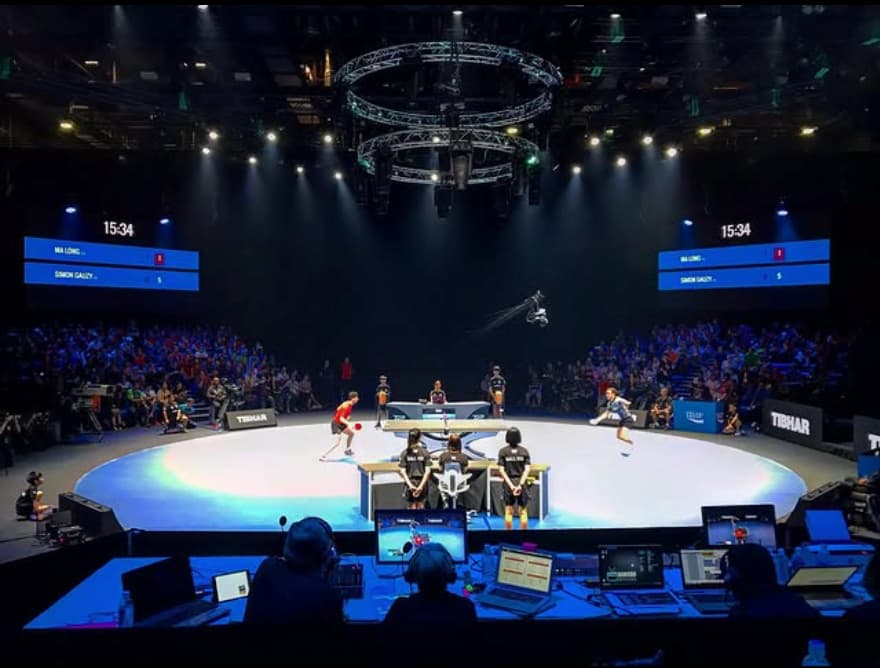
We believe that finding clients is only one part of the equation. Keeping them is equally important. For us, it is not about chasing volume; it is about building long-term relationships. Whether we work on a smaller property — for example, a table tennis series from Japan — or on something at the level of the Olympics or FIFA, we approach it the same way: attention to detail, thorough preparation, and a mindset of over-delivering.
— What makes clients stay with you?
It is very personal. Our clients all have direct access to me. They have my mobile number, they are connected to our project channels, and they know that we are fully committed. Of course, I do sleep a few hours per night, so the phone is sometimes on silent, but the point is that we are always available and fully involved. That creates trust. Over time, that trust becomes reputation, and reputation brings continuity.
— How do you deal with competitors?
We do not really see them as competitors in a traditional sense. They are colleagues in the industry. If they need help, we help them. There have been situations where other agencies reached out to us, and we supported them. It is not in our interest to see others struggle, because ultimately we are all part of the same ecosystem. Our position is simple: clients will come and stay based on quality, preparation, and reliability. We do not try to compete on price. We are probably not the most expensive company, but we are not the cheapest either. What we offer is trust, and that is why many federations continue to work with us.
“Clients will come and stay based on quality, preparation, and reliability.”
Defining Achievement
— What is your main professional achievement?
There are quite a few, and I find it difficult to rank projects or create a “top five.” The industry is too diverse for that. But if I have to highlight something that I consider a real achievement, it is the relationships.
— What do you mean by relationships?
One of the things I value most is that I am still in contact with the people I started with. In this industry, where people move a lot and projects change constantly, maintaining those relationships over many years is something I am genuinely proud of.
“The real achievement is still being in touch with the people I started with.”
He Built Global Sports Television Across Four Continents — Then Started Again at 46