From the BBC and the Olympic Games to launching Premier League channels in Abu Dhabi and broadcasting from Greenland’s melting ice fields, Lawrence Duffy’s career mirrors the structural shift of modern sports media.
Some careers follow opportunity. Others move in step with an industry redefining itself.
Lawrence Duffy, Founder & CEO of Aurora Media Worldwide (UK), has navigated every phase of global sports broadcasting — from fax machines and physical tapes to digital streaming, rights-driven competition, and purpose-led racing series.
His journey spans the ATP Tour, BBC, IMG, Endemol, Formula E, Premier League Media in the Middle East, and Extreme E — one of the most mission-driven sports properties of the past decade.
But the defining pivot came at 46.
He stopped being an employee.
And built his own company.
The Decision at 46
– You were an employee for decades. Why change course at 46?
I was lucky. I met the right people at the right time — particularly Jeff Chapman, an Australian entrepreneur and philanthropist, who was willing to back the Aurora venture back in 2012. That support really mattered and gave me the platform I needed. His support, along with another great advocate, Chris Cunningham, created the runway that allowed the business to take shape. Their support was essential.
– Was it only about the backing?
By that stage, I felt I had accumulated a very wide range of experience — live & non-live production, international markets, digital transformation, brand partnerships, format development. I had worked in Europe, Asia, the Middle East, and Africa. I had seen how the industry moves. There comes a point where you think: either you try now, or you don’t try at all.
– Was it a now-or-never moment?
Yes. I could have continued in structured organizations. Many people do, and there is absolutely nothing wrong with that. But I have always been driven by the next challenge. Starting Aurora wasn’t easy. I had enjoyed my previous roles, but this was a bit of a step into the unknown. Call it entrepreneurial if you like. I remember it as being – if I don’t succeed, I couldn’t pay the bills.
“I wanted to prove to myself that I could do it. Not at 25. At 46.”
Founding Aurora. Why “Aurora”?
– Why choose the name Aurora?
The literal meaning suggests a new dawn — renewal, momentum, fresh beginnings. That symbolism resonated strongly.
“Entrepreneurship removes the safety net. Every decision carries consequences.”
– Is there a personal connection as well?
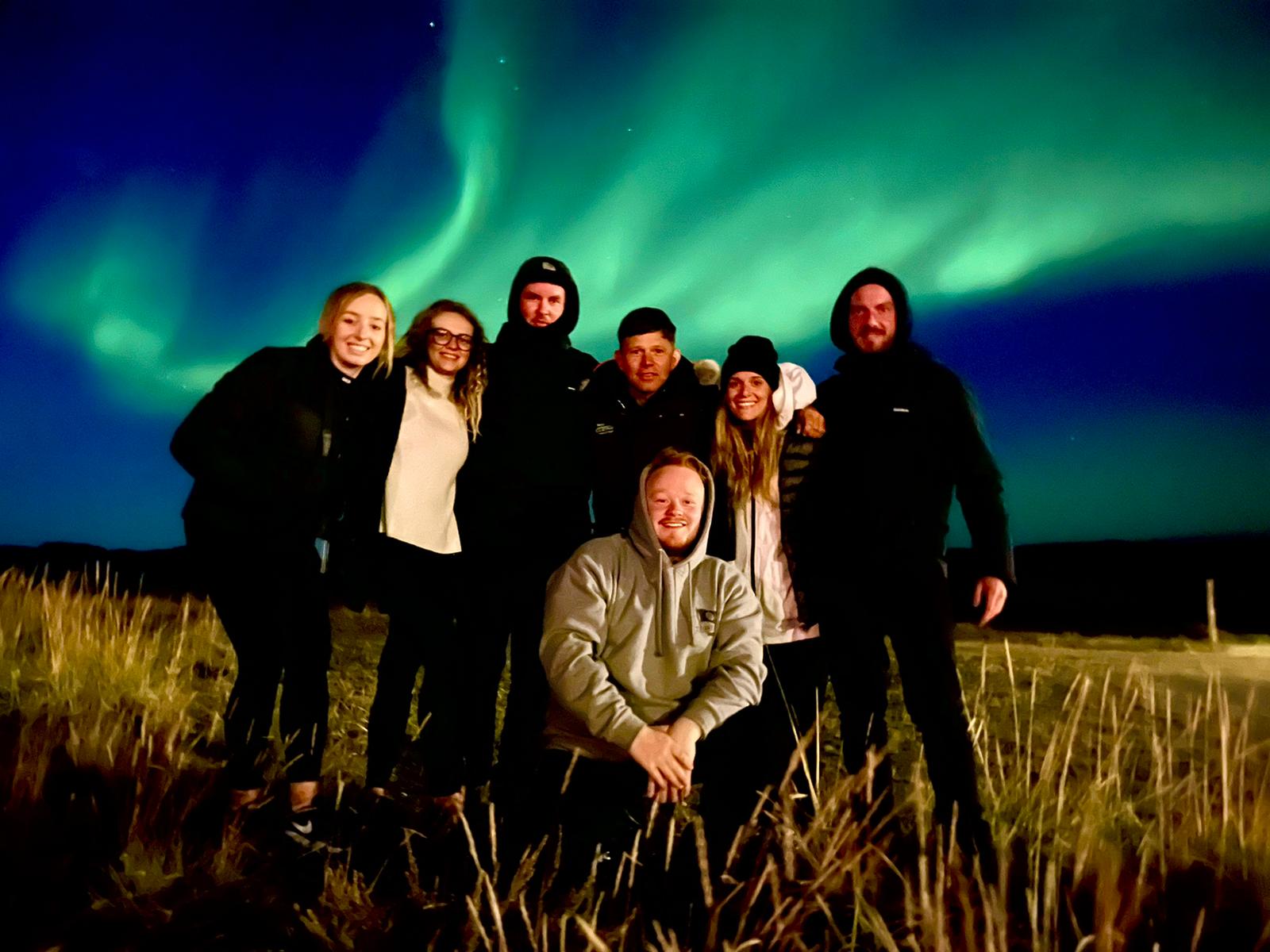
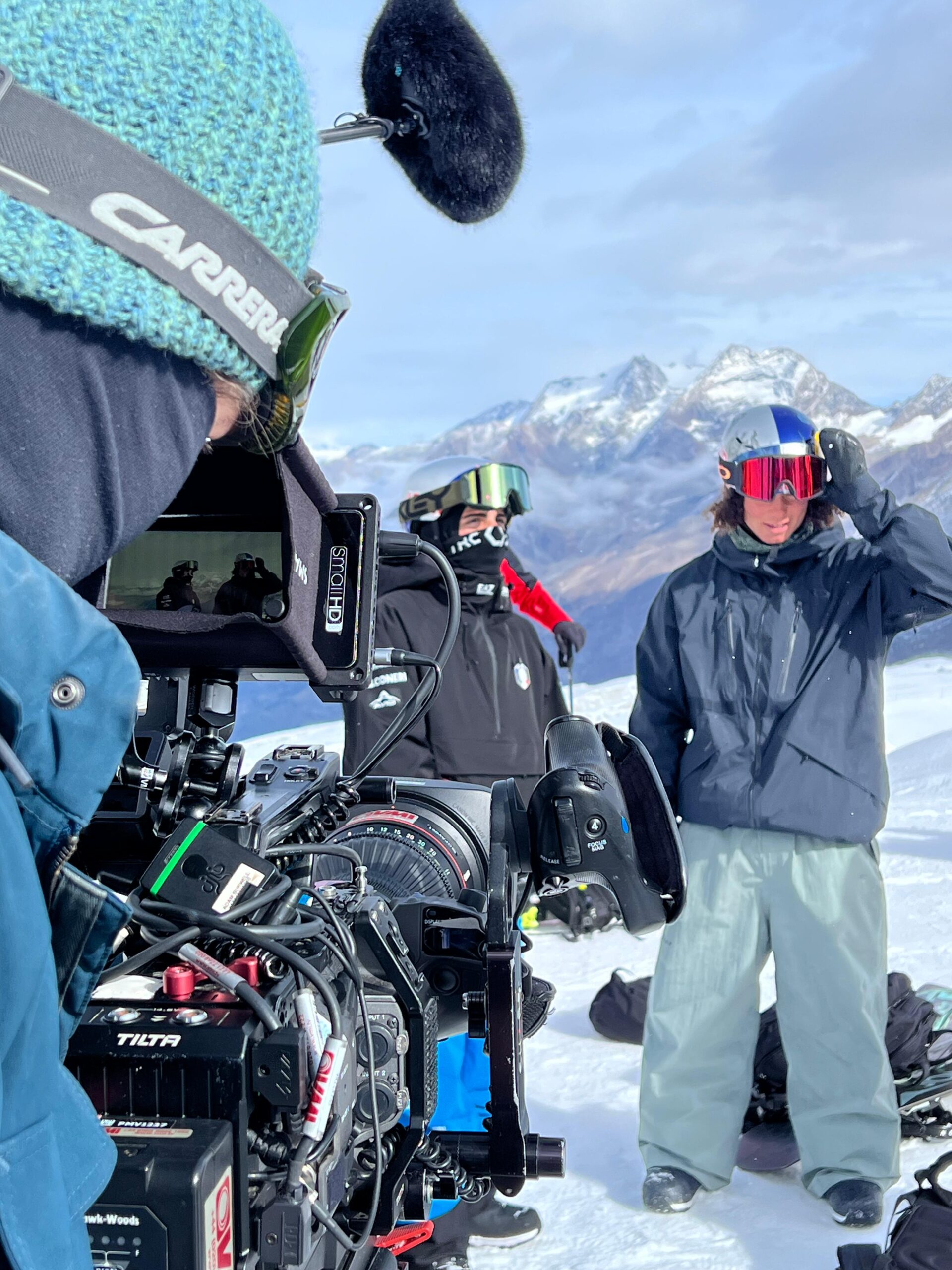
Yes. Being Scottish, the Aurora Borealis holds a powerful image — visible in northern skies, particularly across Scotland and Norway. It represents the outdoors, nature, and a sense of adventure. Much of our work connects to live events, sport, and open environments. The name reflects that spirit: exploration, movement, and constant learning. My career has always felt like one long expedition — and Aurora captures that idea.
The Dream and What It Became
– When you founded Aurora, was the goal to build a huge global corporation?
Absolutely not! I had much more modest ambitions. I wanted to be independent but relevant — to build a company agile enough to operate internationally while remaining focused and sharp. Scale for its own sake was never the objective; durability and credibility were.
– Has the vision been realized?
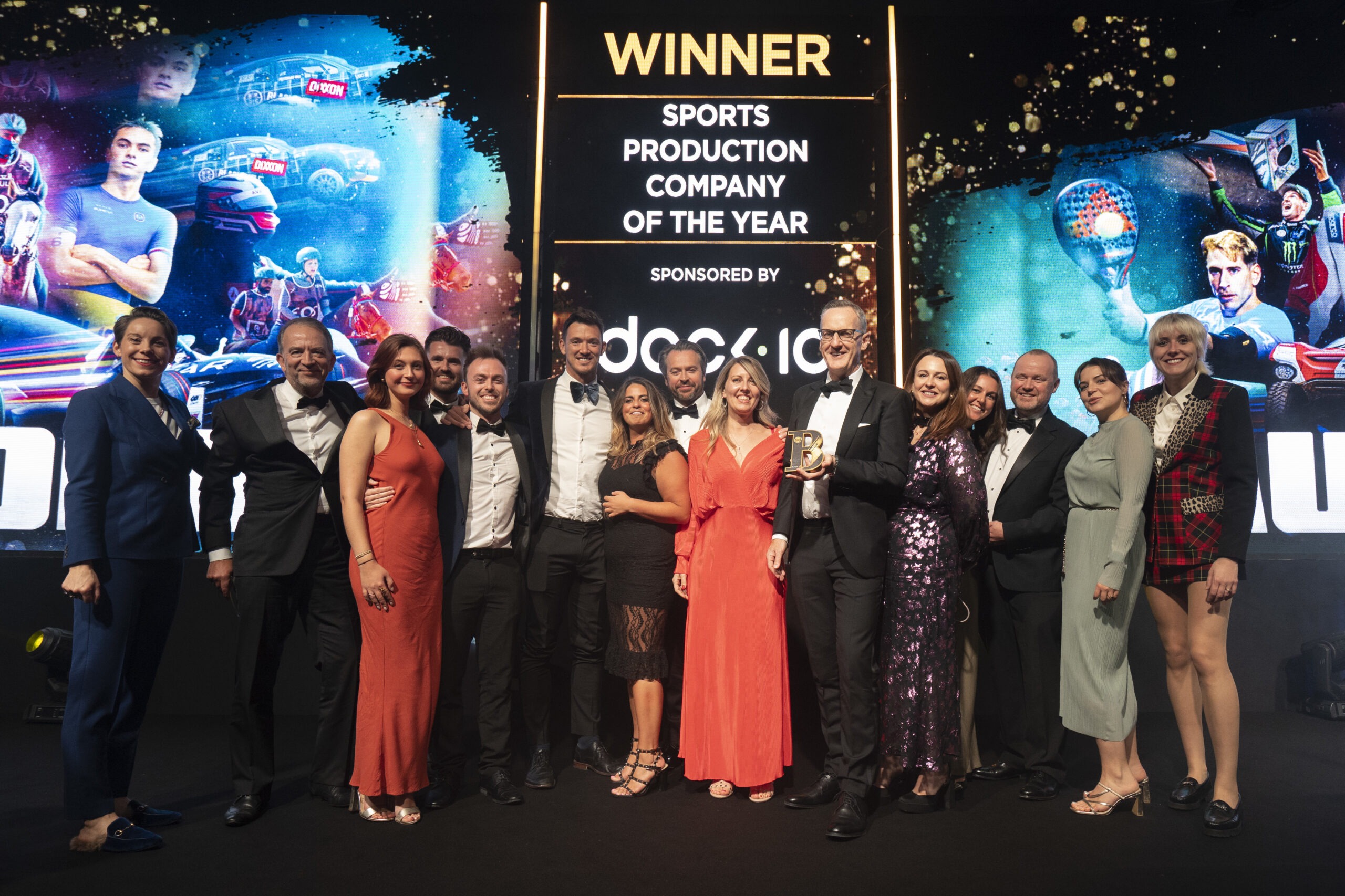
In many ways, yes. Aurora became a respected independent company working across markets, adapting to industry shifts, and maintaining long-term partnerships. Not a global conglomerate — but a meaningful, resilient enterprise. The original ambition has largely been fulfilled. Although, like most business owners, I am always restless for the next challenge.
Formative Years in Britain
– When and where were you born? Who were your parents?
I was born in 1966 in King’s Lynn, England, although I am Scottish by family roots. My parents were both from Glasgow, Scotland. My father initially served in the Royal Air Force and later worked as a salesman in the wine and spirits industry. My mother was a homemaker who successfully raised four children.
– Do you have brothers or sisters?
Yes. I have two older brothers and one younger sister. I am the third of four children.
– What is your earliest childhood memory?
One of my strongest early memories is from primary school. I was playing in the final of a football match as a goalkeeper and conceded a goal in the last minute. I remember being extremely upset about losing the final and finishing second. It was an early lesson in coping with defeat. As that is a big part of life.
– What subjects did you enjoy at school?
English and Geography were the strongest interests at school. Words, stories, and understanding of the wider world felt naturally engaging. Film, television, and theatre also held strong appeal — disciplines traditionally grouped under the humanities.
– What was your next step after high school?
I went to college in York, in the North of the UK. It’s a historic city, once the capital of England, and it felt like the right environment to study. I pursued English and drama, with a focus on theatre and film. I studied there for four years.
– Why did you choose that college?
It felt exciting. Studying storytelling, filmmaking, and theatre wasn’t just academic — it was creative and immersive. Midway through the course, I transitioned from film to television. I was introduced to studio environments, cameras, and galleries. That shift changed everything.
– What made television stand out for you?
I remember an OB truck arriving on campus. I walked inside and saw the screens, the monitoring, the coordination — and it immediately fascinated me. Until that moment, I hadn’t experienced live production at that level. It opened a completely new perspective on the industry.
– Did you already know you wanted to build a career in this field?
During college, I was experimenting like most students. But once I discovered television, the direction became clear. It stopped being just an interest and became a passion. The key question then was whether that passion could become a career — and whether it could also become a sustainable business.
– And that’s what happened?
Yes. The move from York to London followed almost immediately after graduation. The job offer came directly from the professional relationships built during that research.
– Was it a smooth transition?
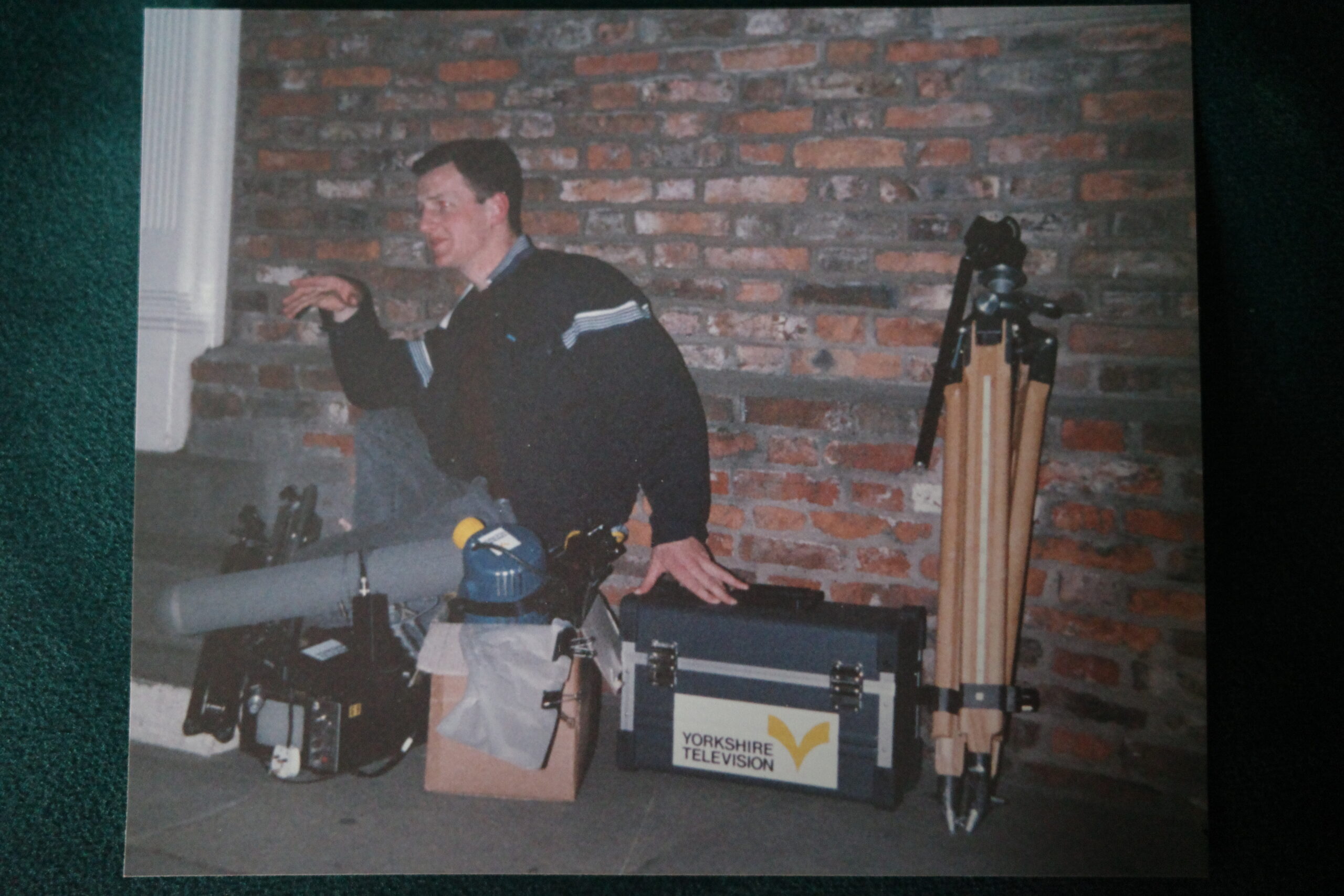
Professionally, yes. Personally, it was a shock. London was unfamiliar territory. A small bedsit, minimal income, and an entry-level runner position defined the early days. Weekends were spent selling men’s suits to bridge the financial gap. Selling face-to-face on a day-to-day basis helped me later in my career. Some of those suits weren’t cheap!
First Steps in Sports Television
– What were the first steps of your career?
The transition began before graduation. I worked in an early sports production company called ‘Cheerleader’ in the UK, and met their exec team, including Charlie Balchin, Simon Reed, and Claire Michel. They had a huge impact on me. I just thought ‘ Wow’. These guys are at the centre of this industry. Which they were.
– Why sport?
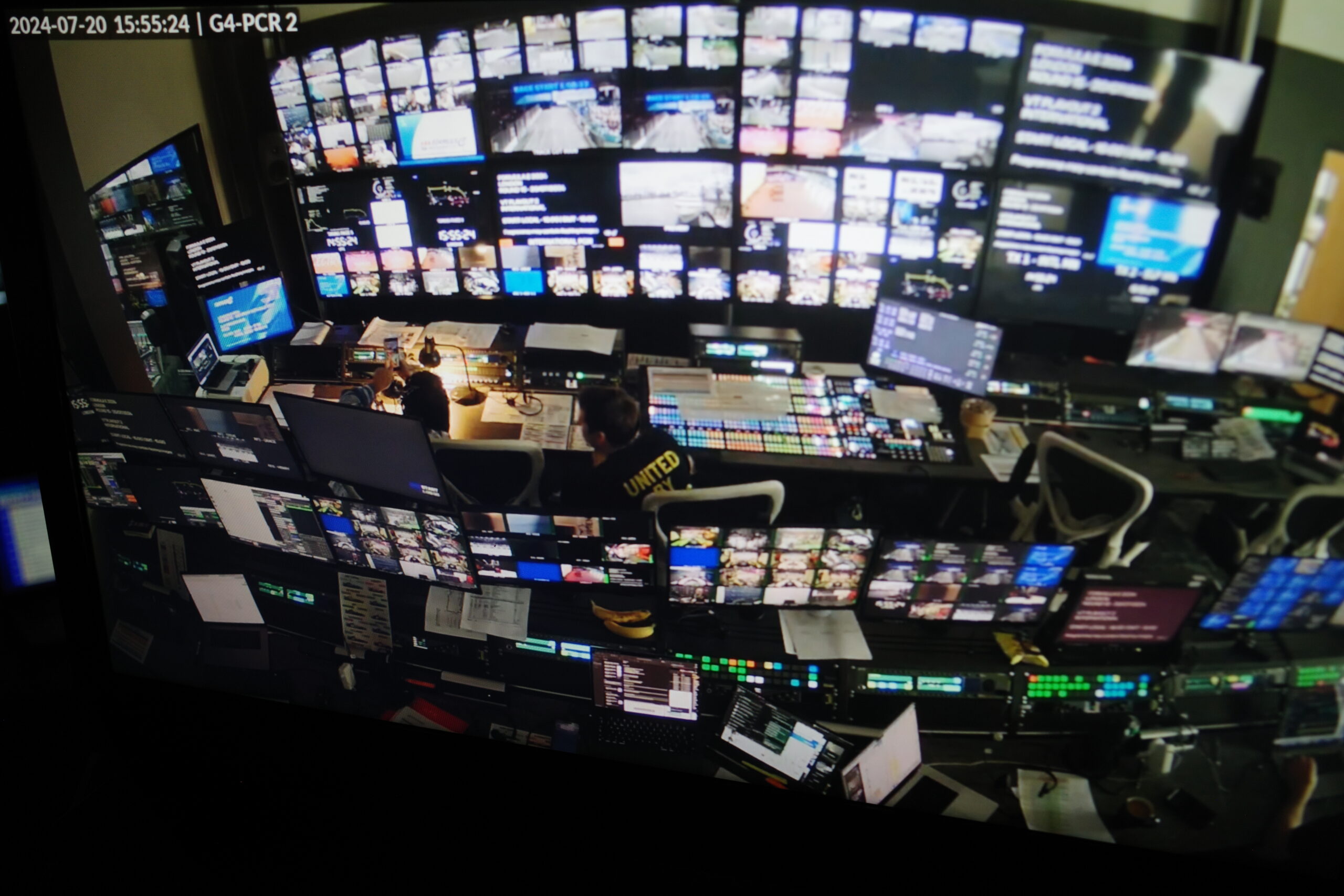
Because something significant was happening, sports broadcasting was exploding, and the industry still felt young, almost experimental. Both BSkyB (a precursor to Sky Sports) and Eurosport both launched in 1989, a year before I graduated. For my final dissertation in 1990, senior executives from leading sports television companies were interviewed. One of them made a direct offer: graduate, and join us.
Early Momentum
– How quickly did things evolve?
Rapidly. Telephone duties transitioned into production roles within a short time. Logger, then Researcher, then Assistant Producer. I recall being the Live producer for Channel 4’s coverage of The Tour de France. I was 24. It was terrifying.
– Then came a pivotal choice?
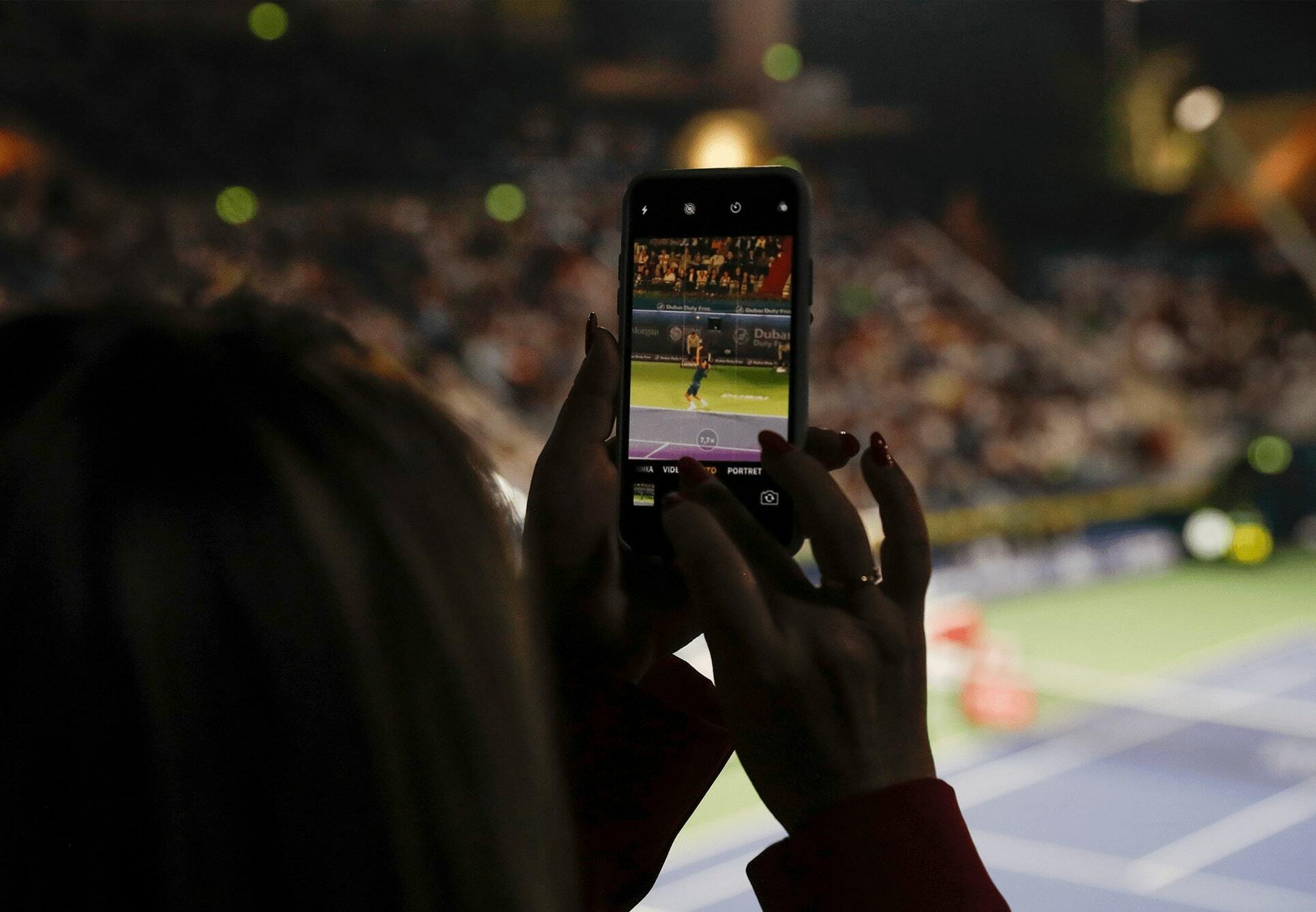
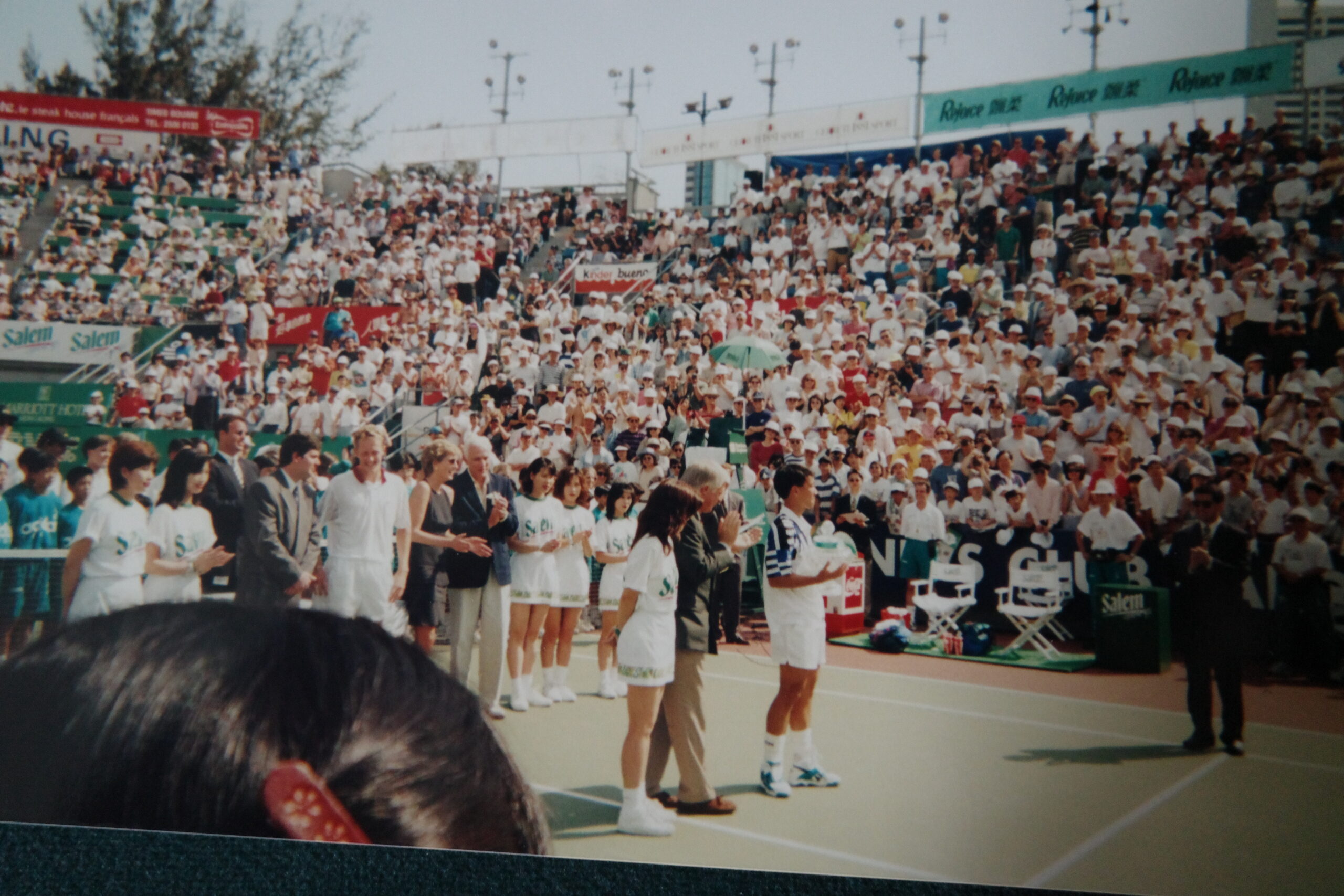
In 1991, offers from both the BBC and IMG (then TWI) arrived in the same week. The conventional route pointed to the BBC, but I chose IMG. I recall the BBC being surprised at my decision. I was taking the less-traveled road. It was the right decision. Two years on the ATP Tour followed — global travel, elite sport, and high-pressure production. By twenty-five, international broadcasting already felt familiar.
– Fantastic for that age.
For someone coming from a smaller city, the acceleration felt dramatic. The circuit meant airports, stadiums, live feeds, and tight turnarounds. At several tournaments, I was mistaken for a player. Great times in a wide world.
– What did those years really give you?
They were my way in – early filming in particular. Two seasons on the ATP Tour, plus work on the WTA circuit, producing world feeds and official films at the Australian Open and Wimbledon, meant constant movement and constant learning. It was an intense education in elite sport broadcasting — and it triggered a mindset: never stand still, always move to the next challenge.
– What happened after Tennis?
By 1995, TWI was expanding internationally
– Would relocation abroad be considered?
In October of that year, aged 28, I headed to Delhi in India
– Was it a big decision?
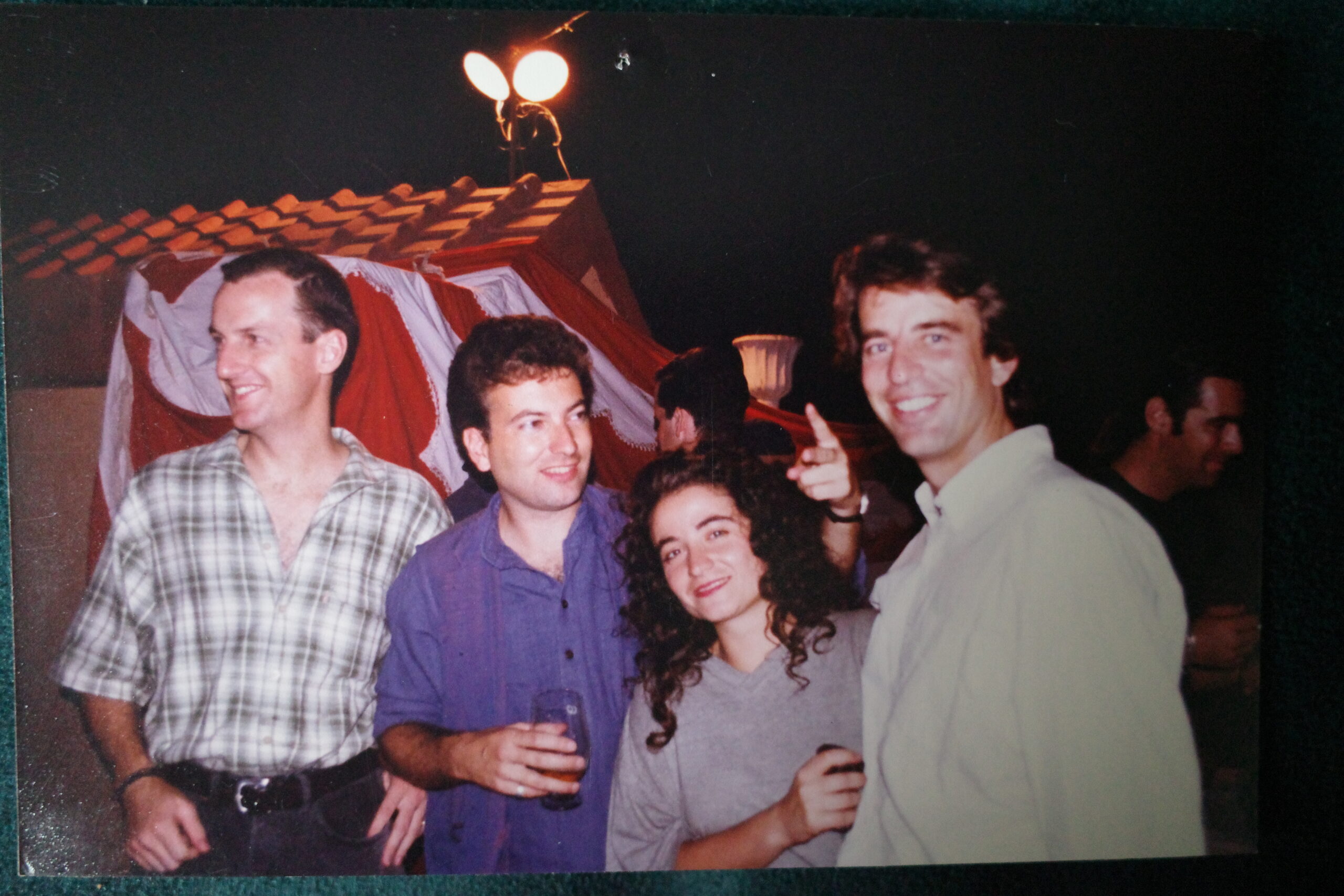
Absolutely. A small, highly capable team relocated to launch a production base — including Peter Hutton, Mark Lynch, Michael O’Dwyer, and Fotini Paraskakis. The market was young, ambitious, and largely undefined. That pioneering atmosphere created both pressure and possibility.
– Did you realize at the time how unusual that was?
Yes — very clearly. There was full awareness that these extraordinary experiences were not tourism; they were professional assignments. Production responsibility remained constant. Deadlines did not disappear because the setting was extraordinary. Again, I was unbelievably lucky. These people are some of the best in our industry and have all gone on to do truly amazing things. India is still very close to my heart. A spiritual home, for sure.
– What changed professionally in India?
India was just opening up to the West, odd as it seems now. The first McDonald’s opened in India in Delhi, selling beefless products. That was 1996. It was followed by the first Nike store. I remember massive queues in each. We were pioneers, really. The TV industry was so nascent that privately owned stations began to compete with state broadcaster Doordarshan, and each other.
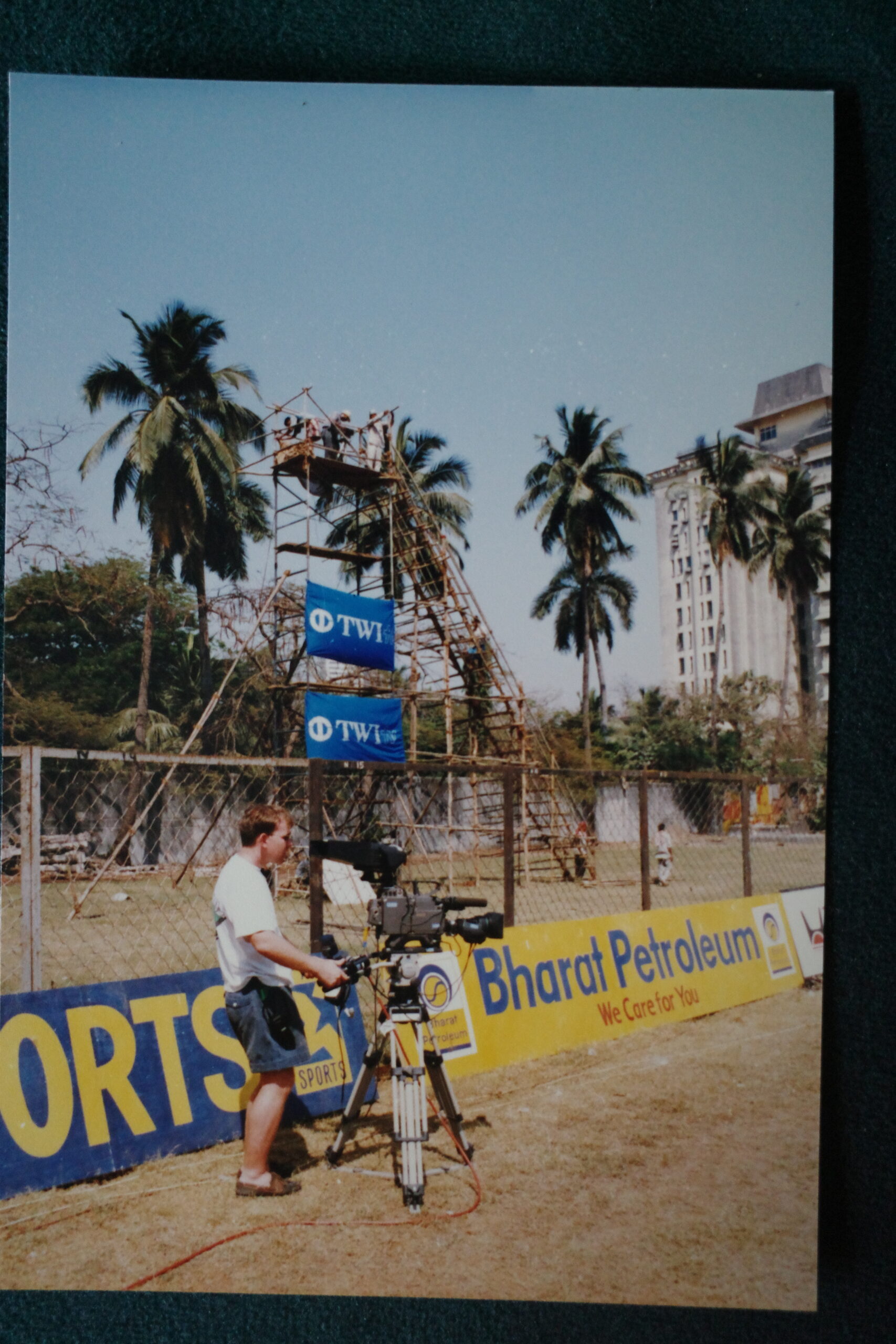
We worked up and down the country, with live and recorded shows. I worked in Bollywood, shooting Ads with full-scale films being made on the next lot. I was in Mumbai for studio game shows and then in Calcutta and Goa, directing and producing football. Anything seemed possible at the time.
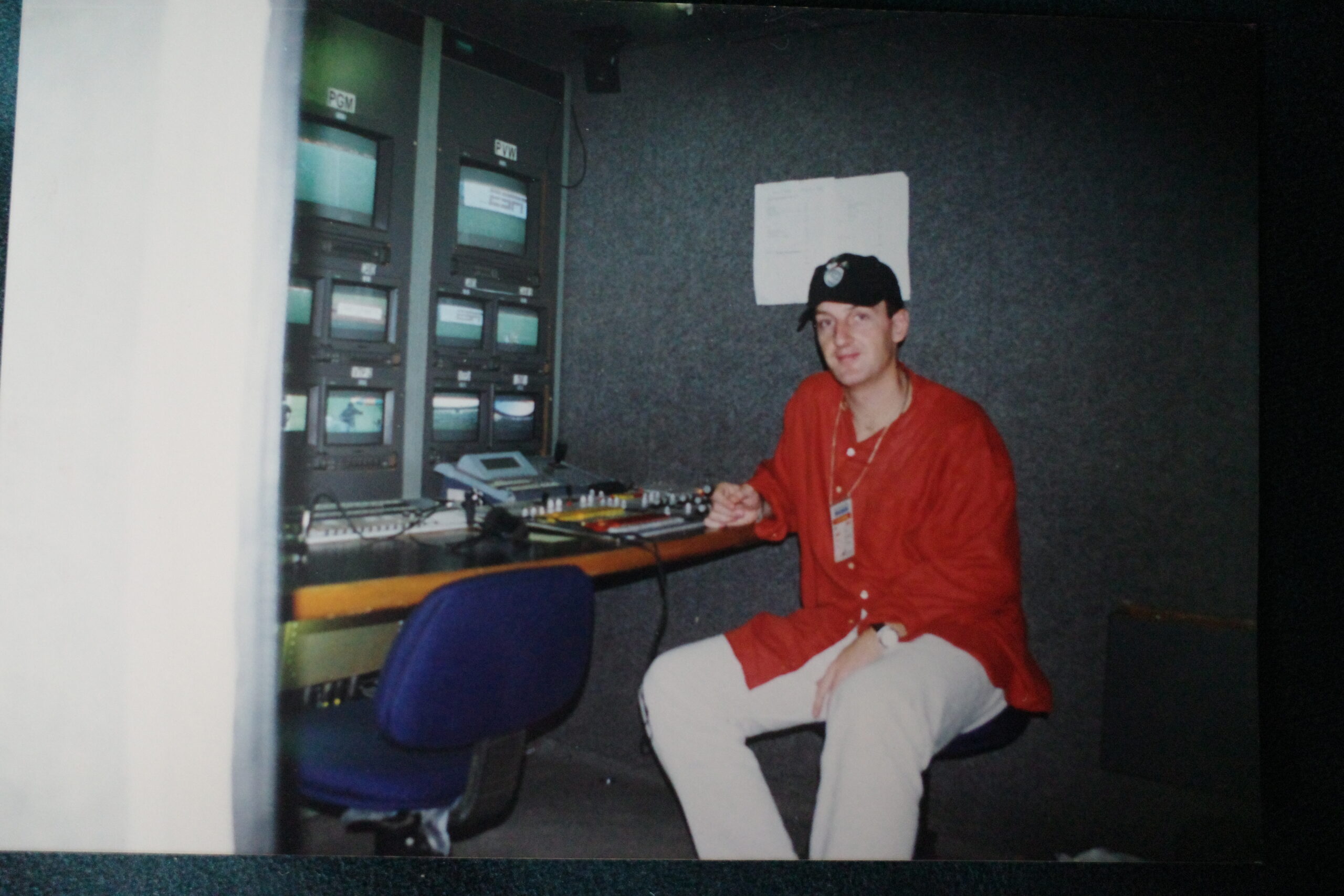
Mark Lynch and Peter Hutton were pretty inspirational – certainly two of the brightest producers and execs of their generation.
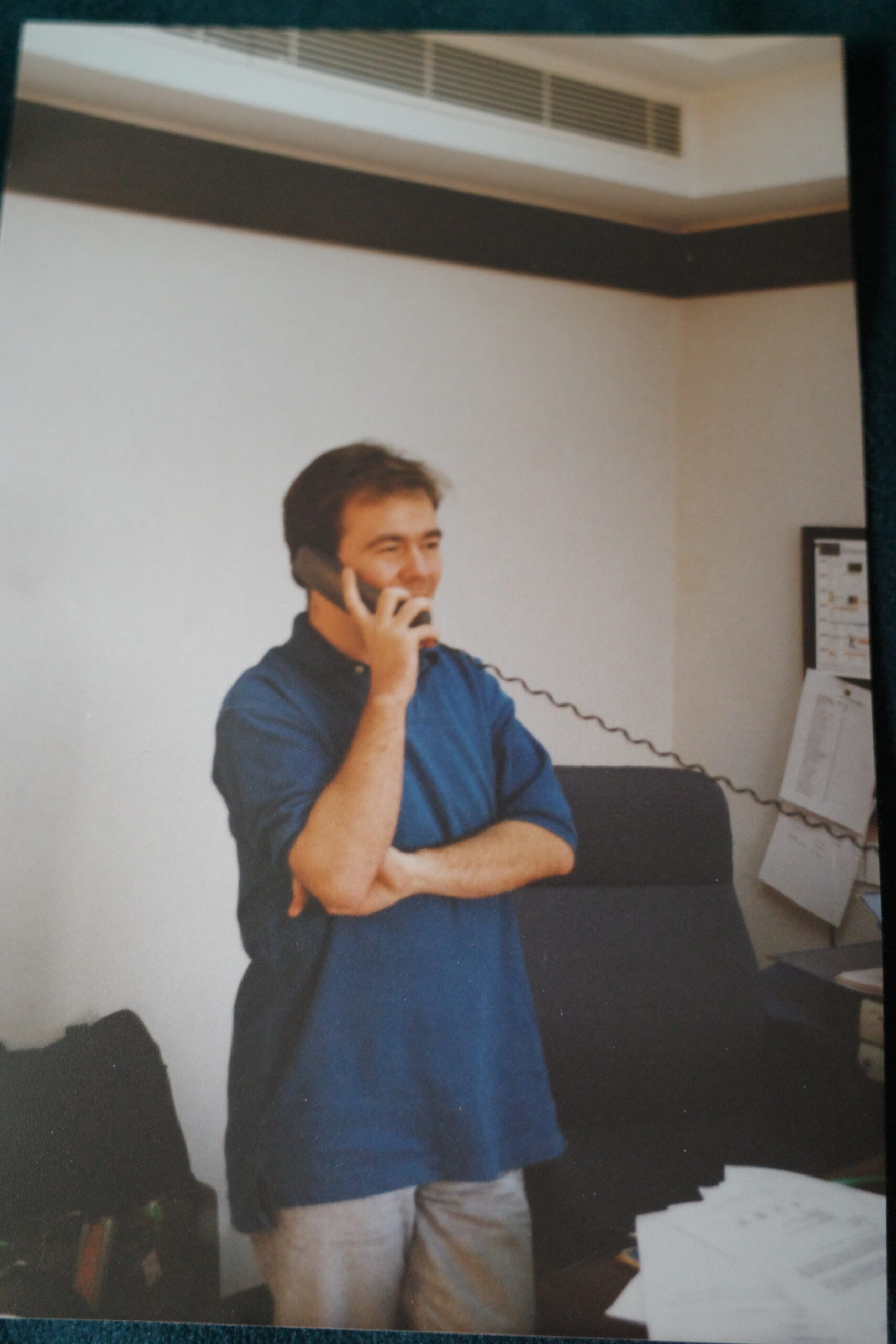
– And beyond production?
We were all learning, skilled, but making it up in a new frontier. Selling ideas, building trust, shaping a market — and one of the happiest times was hiring and training the next generation of Indian talent, many of whom went on to run channels, TV companies, and sell rights internationally.
– If it was so dynamic, why leave?
India is immersive at every level — culturally, professionally, emotionally. After two truly mind-shifting years, I wanted to work in the rest of the world. But I was ready and felt that if I could work in India at that level, I could work anywhere.
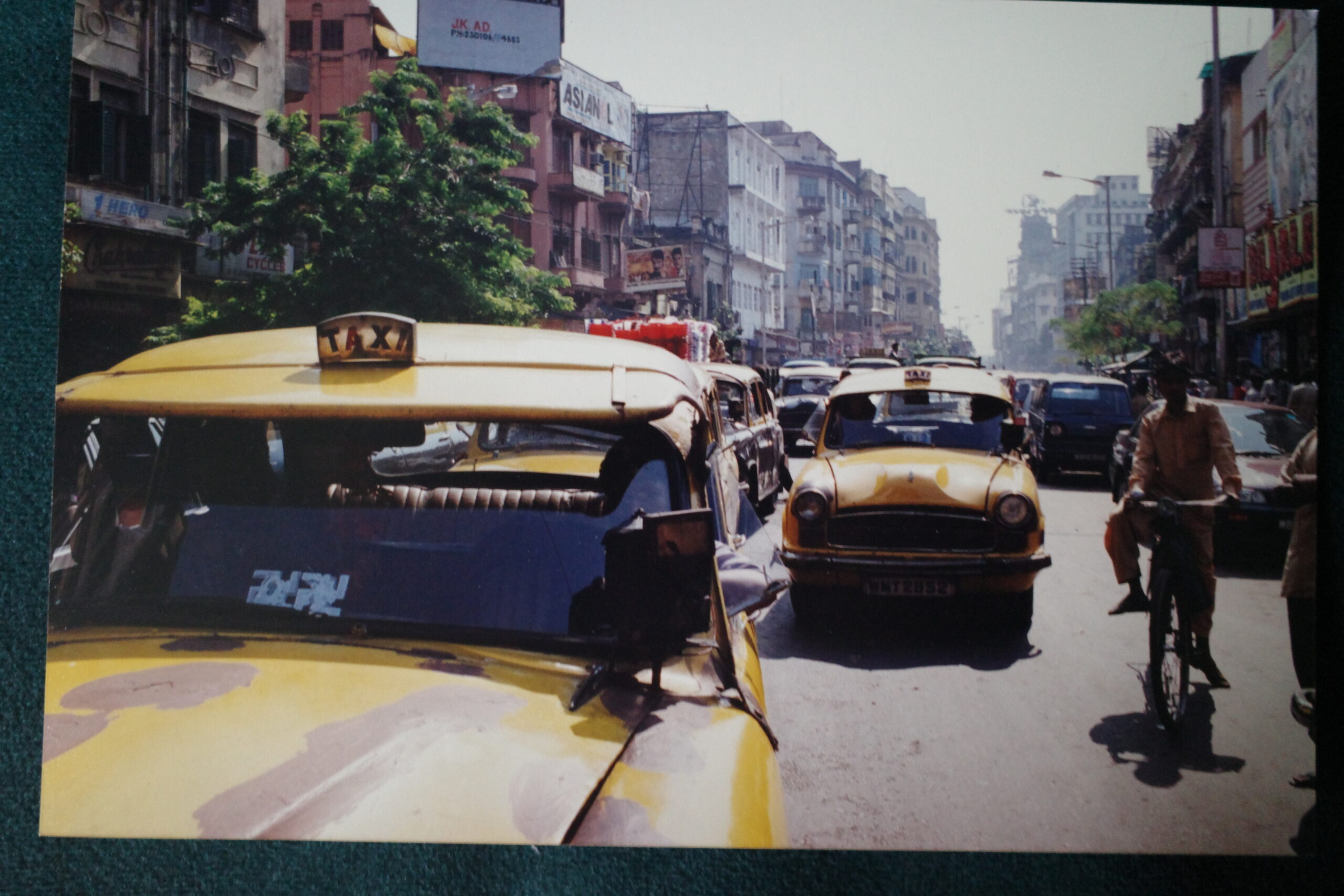
– And after India?
After India in 1998, I headed off to the Whitbread Round the World Yacht Race for a year, which later became the Volvo Ocean Race. Directing live world feeds and making shows for the BBC in the UK. But again, the real appeal was working in New Zealand, Brazil, and Australia. This was the industry in pioneering mode again – first live cameras on boats, and hand-carried satellite dishes and phones. I remember filming on board one of the yachts as it left harbour in São Sebastião, Brazil, and having to jump into very choppy water to get off the boat. At that point, I really wasn’t a good swimmer!
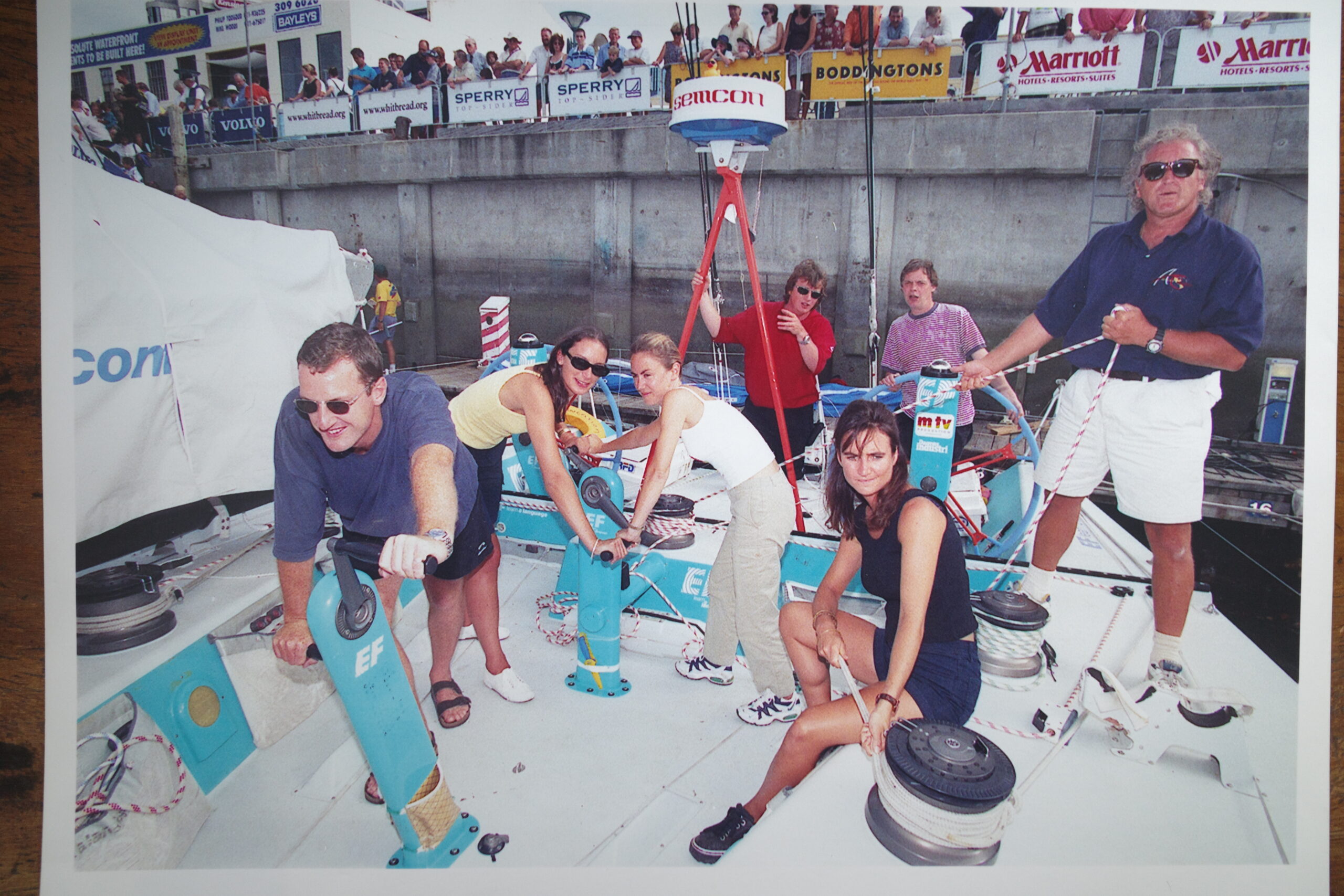
Asia and Building New Markets
– Then back to Asia – What did that period in Asia look like day to day?
Constant movement. I went through a couple of passports and lots of books, always moving, rarely unpacking for long. As we headed toward the millennium, Asia felt so vast, and these countries were still showing their identity and culture to the world.
Executive Producer Phase
– What was your role at IMG at that stage?
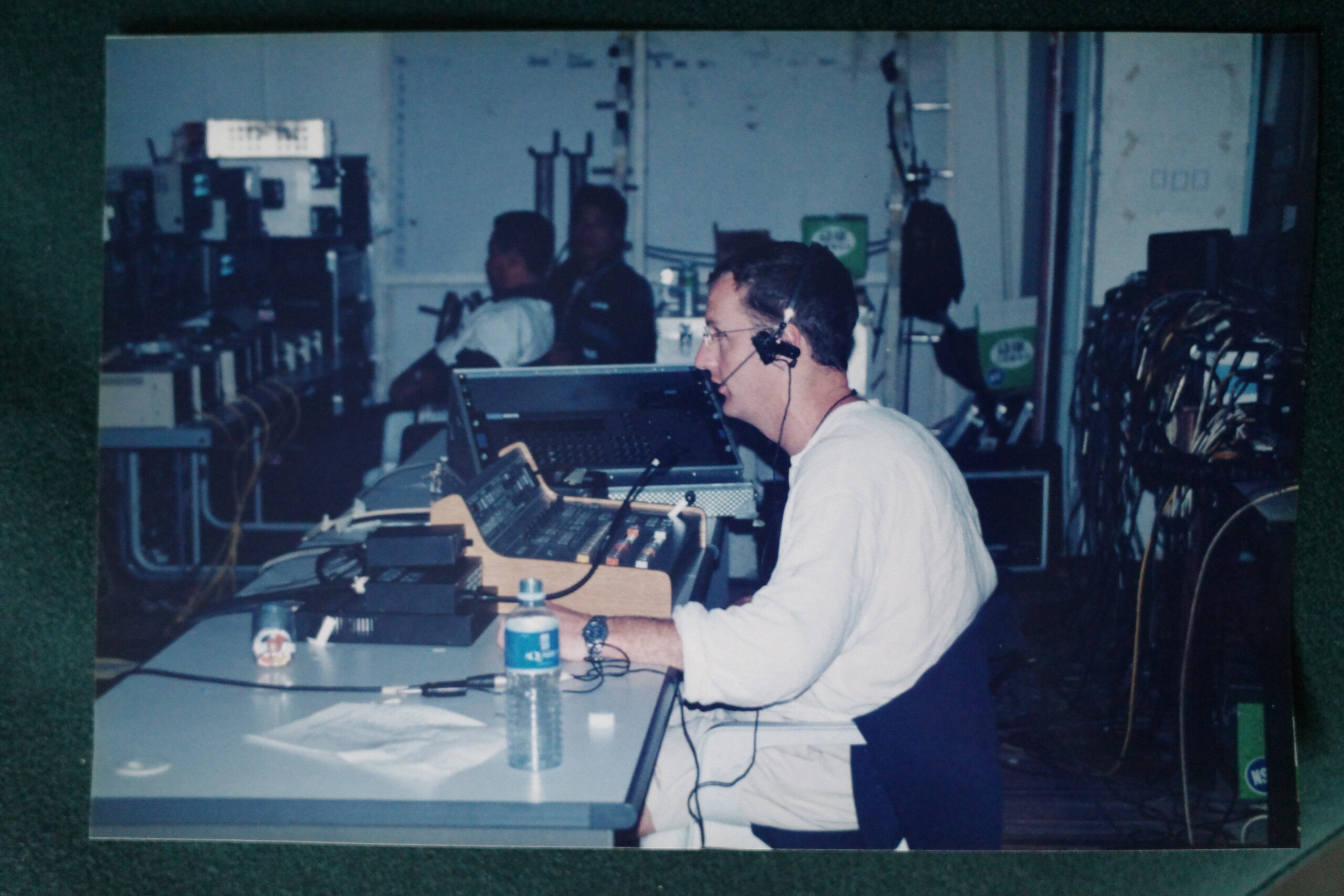
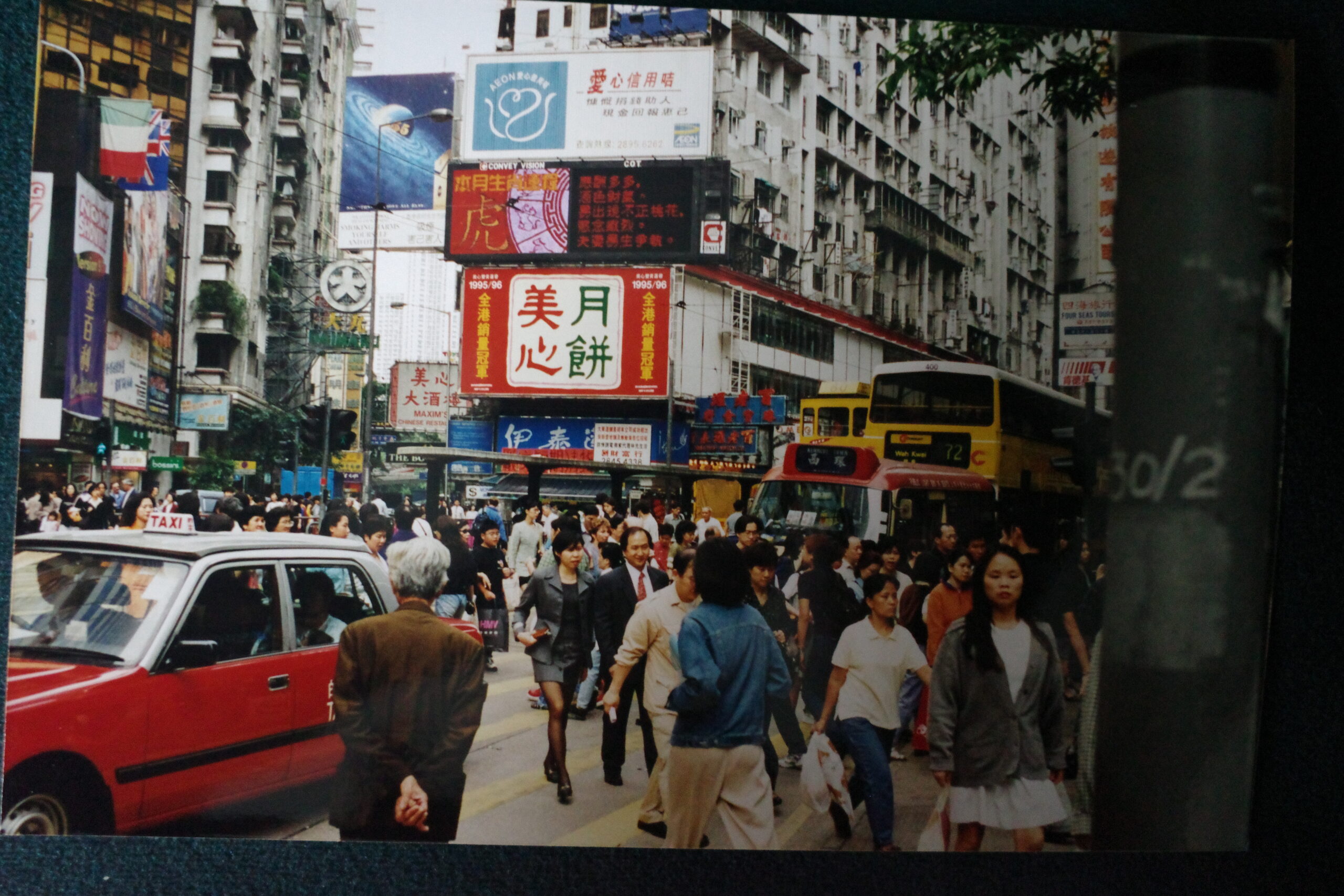
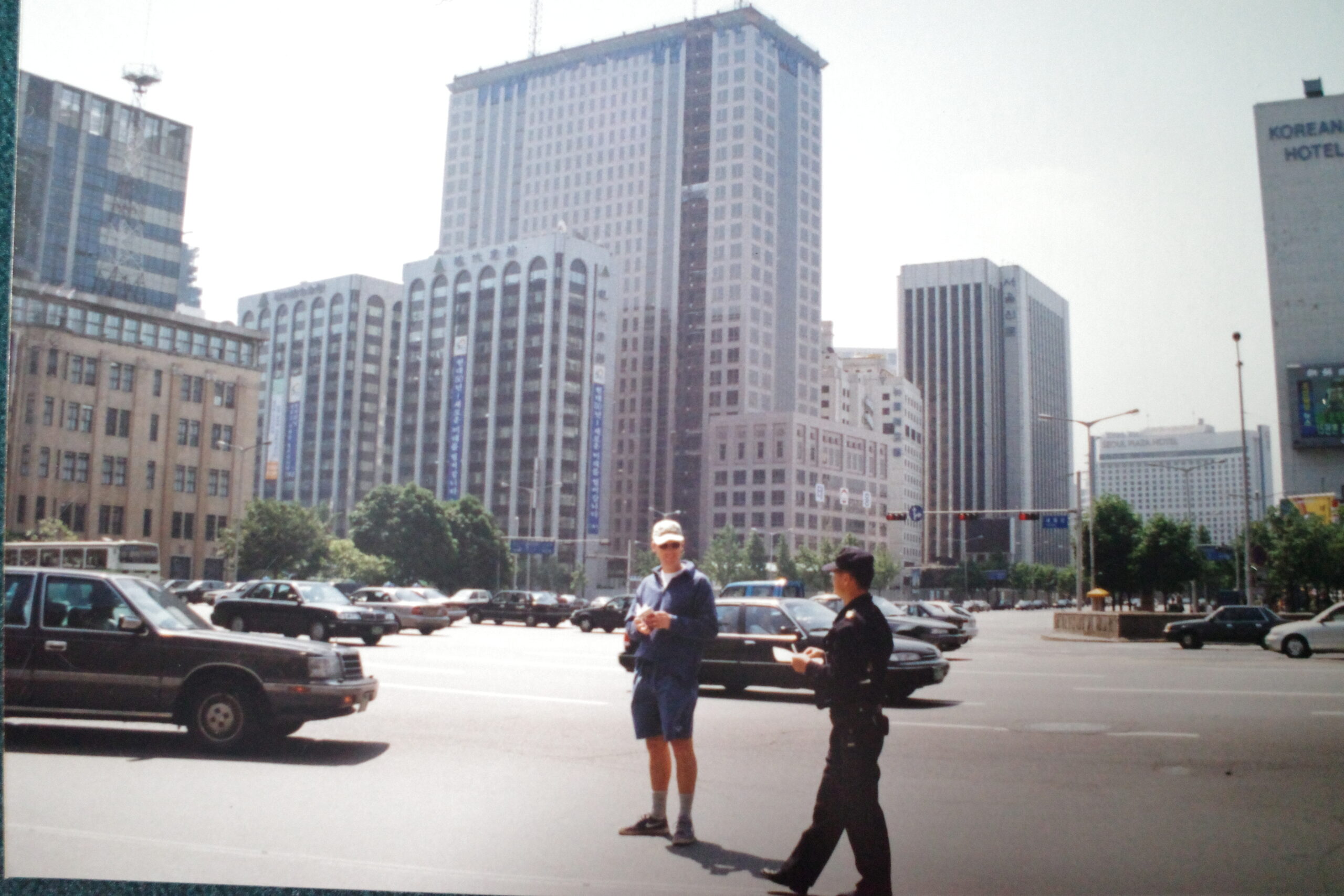
Executive Producer. Golf in Taiwan, Football in Korea, the Commonwealth Games in Malaysia, a documentary in Pakistan, directing live rugby & badminton in Asia, or large-scale productions in China. Adventure formats, premium sport, live events —Still deeply involved in show-making, leading teams, shaping editorial direction. Until my mid- thirties, I was just enjoying the experiences, meeting new people and cultures, and always experimenting with shows. It felt like we did anything and everything in sport at the time.
I lived in Itaewon, Seoul, and Happy Valley, Hong Kong. Just wonderful ex-pat days.
– What made that era different from today?
Context. This was pre-social media, pre-digital cameras, often pre-email. Communication meant fax machines, landlines, and physical tapes. Entire regions felt distant and undiscovered from a Western perspective. Working in remote towns in China or villages in India, production teams were sometimes the only Western presence. The experiences felt raw, immediate, and almost unbelievable when described back home.
– When did London re-enter the picture?
After India, Hong Kong, and Seoul, a return to London followed around 2000, still with IMG. The dot-com boom was the new show in town as the internet became widely adopted at speed. I was one of the launch team of now.com — one of the earliest long-form digital channels of its kind. Again, the pattern repeated: step into emerging territory before it becomes mainstream.
“Adaptability is the only real currency in global television.”
BBC Years: At the Center of British Sport
– And then came the BBC?
Yes. After years at IMG, an invitation arrived from the BBC. It marked the next transition — from global commercial sport production into one of the most established public broadcasters in the world. Looking back, I wanted to see what the BBC was all about, having chosen not to go there years before. This was now 2001.
– What position did the BBC invite you to?
The original role focused on producing Grandstand — one of the BBC’s most iconic multi-sport live magazine programmes alongside Match of the Day. It was central to BBC Sport’s identity.
– Did the role expand beyond that?
Yes, the BBC had [and still has] a lot of rights. I produced at Wimbledon. The Open Golf Championship. The Olympic Games. Six Nations rugby. The BBC operates on a cyclical major-events calendar. Over nearly three years, I worked on all the major events in that cycle.
“At the BBC, confidence was recalibrated. Standards became absolute.”
From Craft to Mastery
– What did the BBC truly add to your professional skill set?
A higher level of discipline. Before joining, I already thought I was a decent producer, but I did have a bit of a rude awakening there. Live broadcasting on a national scale demanded tighter editorial judgment, absolute technical precision, and a sense of sport being at the heart of national culture. It sharpened instinct and elevated standards. BBC Sport has some outstanding editorial people, and I learned all of that very quickly.
From Producer to Executive
– How did that shape your return to IMG?
Well, at the same time, I knew the BBC wasn’t for me long-term. I was offered a role to return to IMG. On what would be my first commercial position. I missed the cut and thrust of the commercial sector, and I was ready to go back to it.
Between 2004 and 2009, my attention shifted decisively toward development and sales — structuring deals, refining pitches, winning work. I had a reasonably rare combination of commercial instinct, which I could now back up with serious production knowledge. In the UK and abroad. This was another learning curve, but I had some good tutors along the way. At the BBC, Phil Bernie was a true program-making tsar, while Graham Fry set a great example as someone who loved both production and business. And long before them, back in the early days of TWI, there was Bill Sinrich.
I got a taste for developing and pitching projects. The combination of creative and commercial was [and still is] pretty seductive.
“Selling a show is different from making a show. Doing both builds trust.”
The Endemol Move and Middle East Expansion
– Why leave IMG?
I learned a lot at IMG. But it was time to take another step up. In 2009, Endemol approached with an offer: build and lead a sports division.
– What made it attractive?
Autonomy. Authority. A step up in responsibility. As Managing Director, I had full oversight of strategy, production, and international expansion. The timing coincided with the Middle East’s rapid rise as a sports broadcasting hub.
– What projects defined the Endemol years?
The launch of a major Premier League channel in Abu Dhabi stands out. Studio builds. Training Arabic production teams. Working alongside Abu Dhabi Media after Sheikh Mansour acquired Premier League rights, and Manchester City. This was all so new back in 2008 – foreign ownership of an EPL club and the role of media as a growth strategy. Hardly anyone had ever heard of Abu Dhabi, never mind place it on a map. Building out the channel was fantastic fun. And again, I trained local staff and presenters, as I had done in India years earlier. I also met some fantastic folks at Goodwood in the UK at that time. And we ended up growing The Festival of Speed and Revival TV events over 10 years.
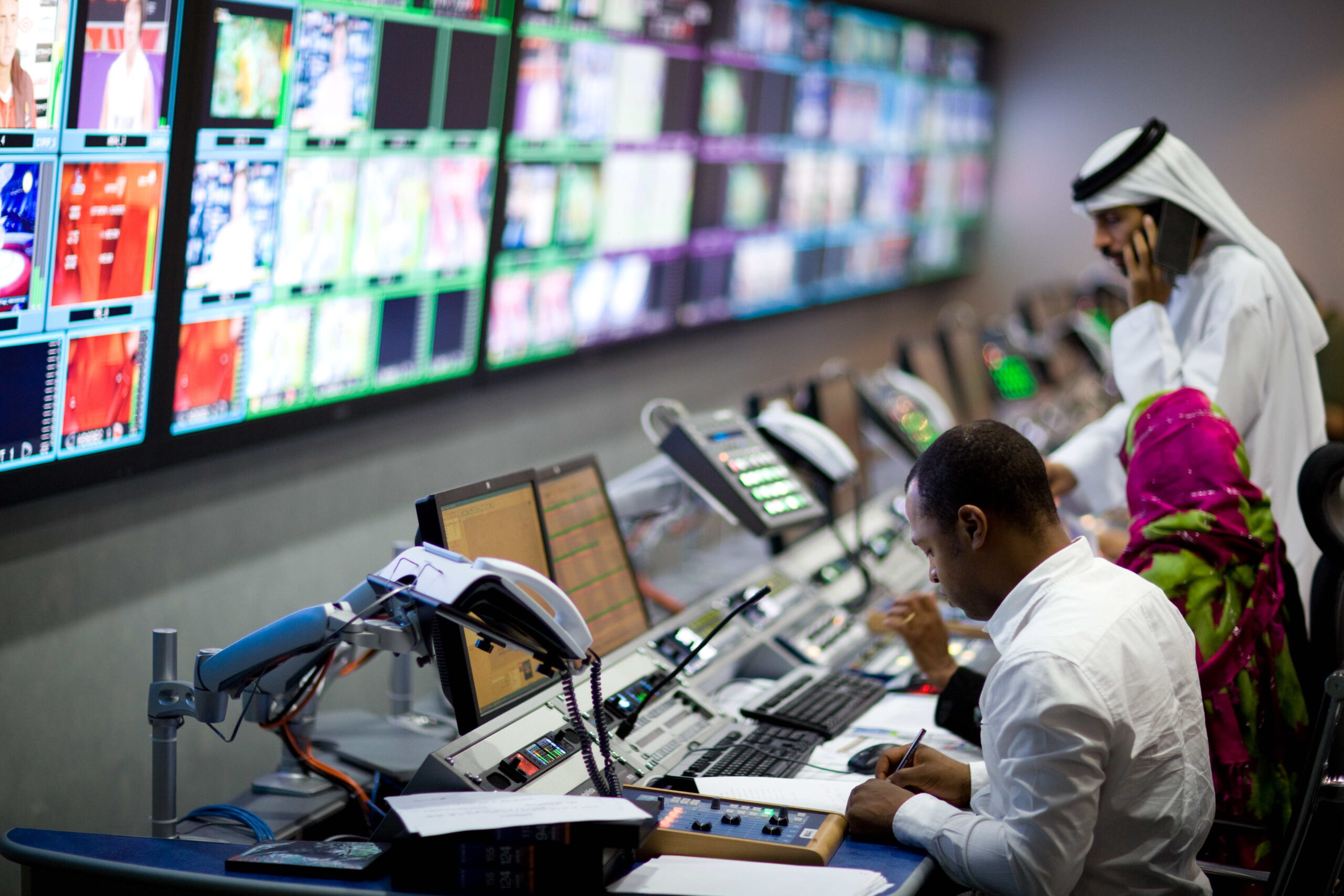
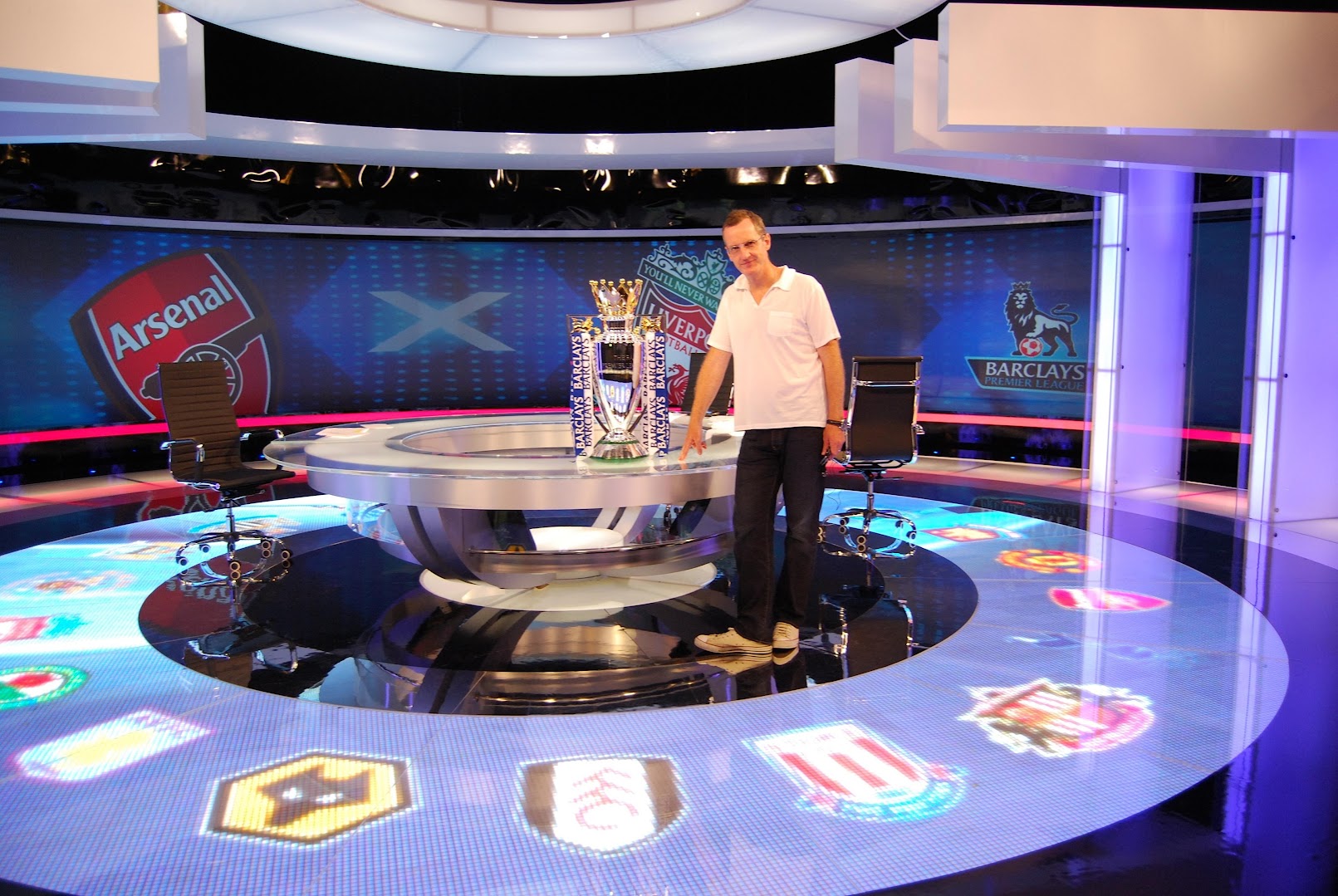
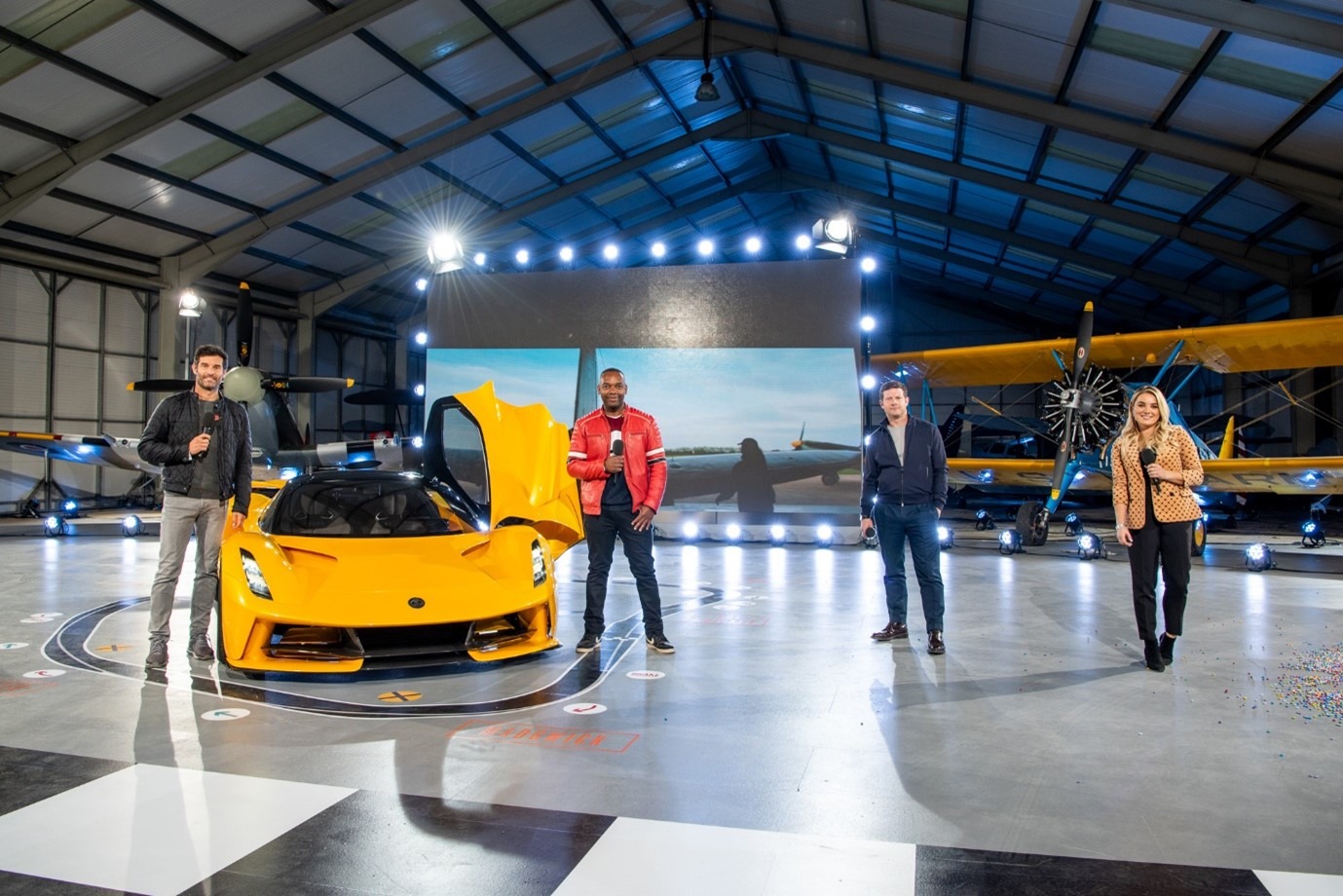
Manchester City’s drive was from linear to digital media. The team there went on to become trailblazers in club media. They also produced Blue Moon Rising, a film about the club’s 2009/10 season and one of the industry’s first theatrical sports films.
– And beyond the Middle East?
Extensive branded football programming across Africa, including large-scale franchises for Guinness. We had a couple of hit game shows across Kenya, Cameroon, and Ghana. And I was on the move again. Channel launches, format sales, international travel — constant expansion. It was another acceleration phase.
“When regions invest in sport, they reshape the media map.”
– Why leave Endemol in 2012?
I loved my time there, a massive learning curve. Such a combination of creative and commercial. Looking back, it set me up for what was to come. Leaving was a natural decision for both parties. After decades inside major organizations, independence felt like the logical next evolution.

Formula E: Launching Something New
– What about innovation in sport?
Innovation has always been a part of what I enjoy. I just love trying new technologies, new ways to tell stories.
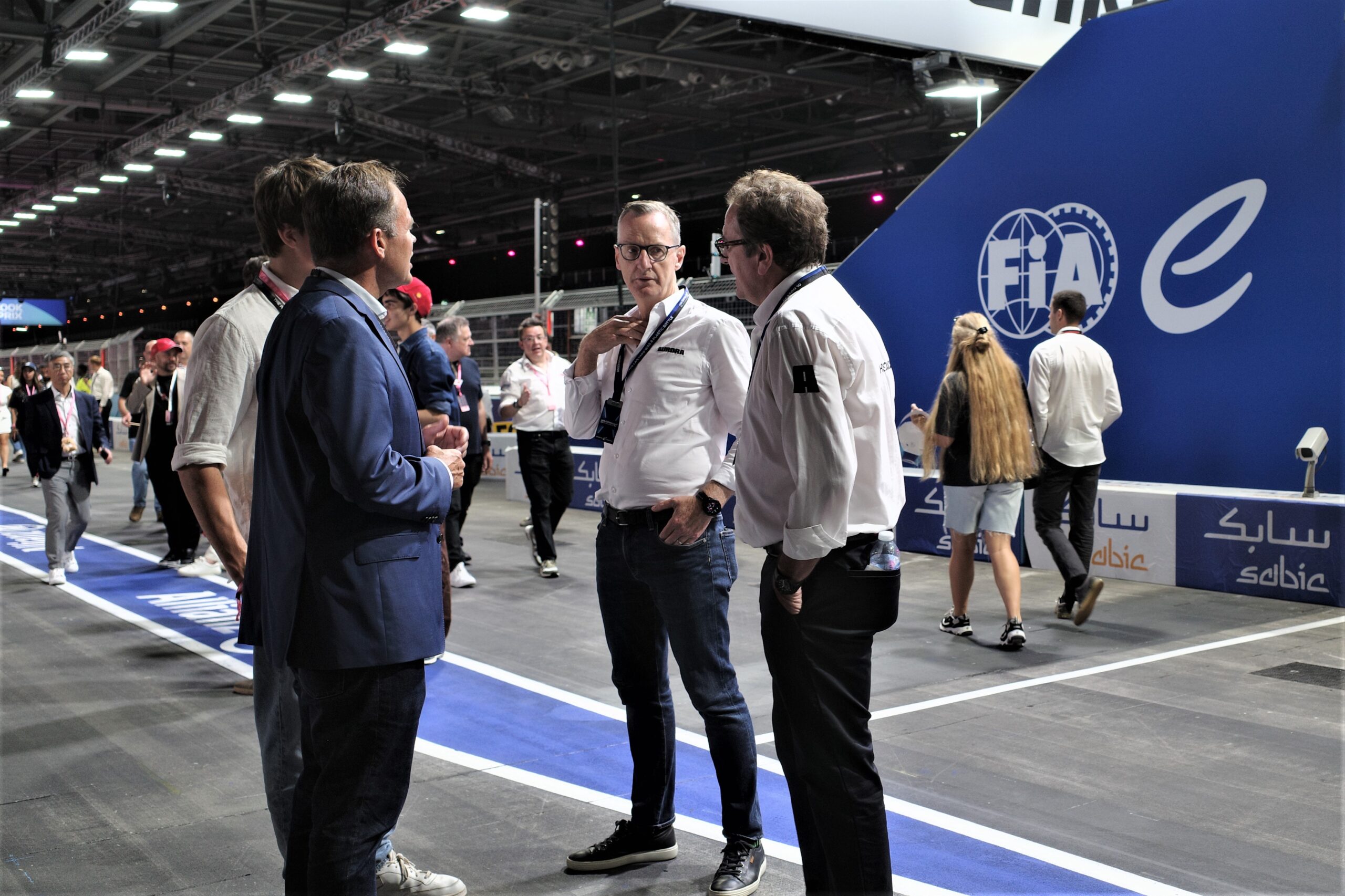
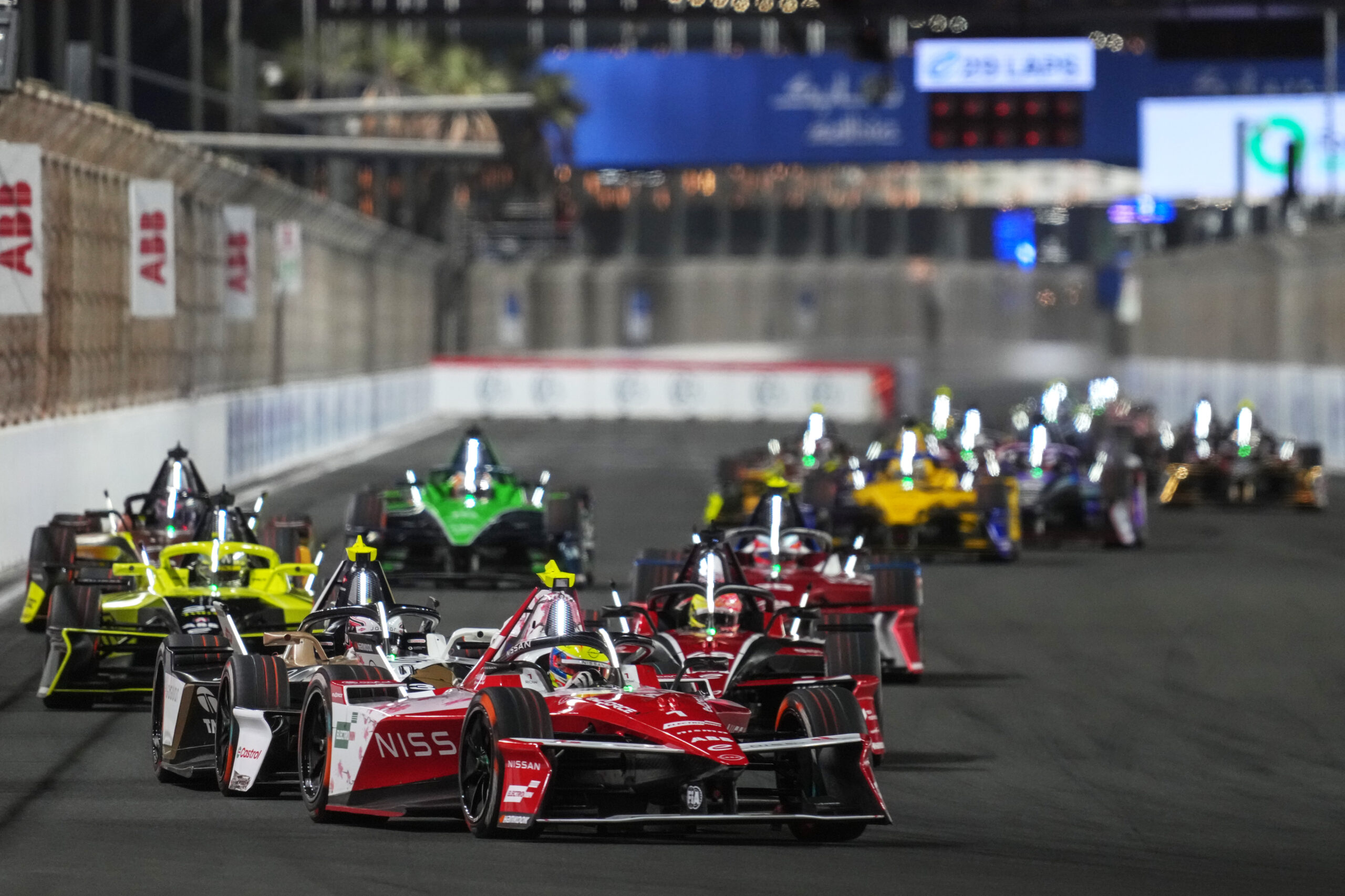
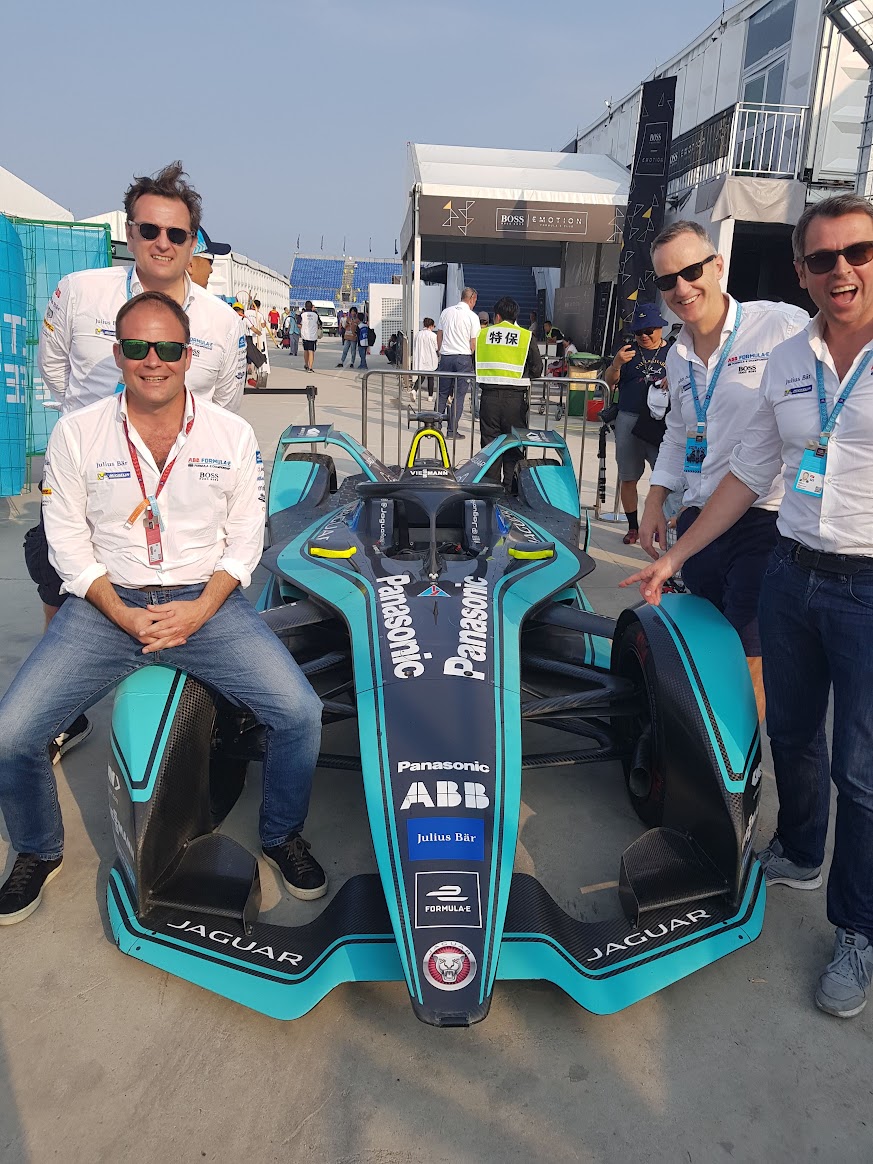
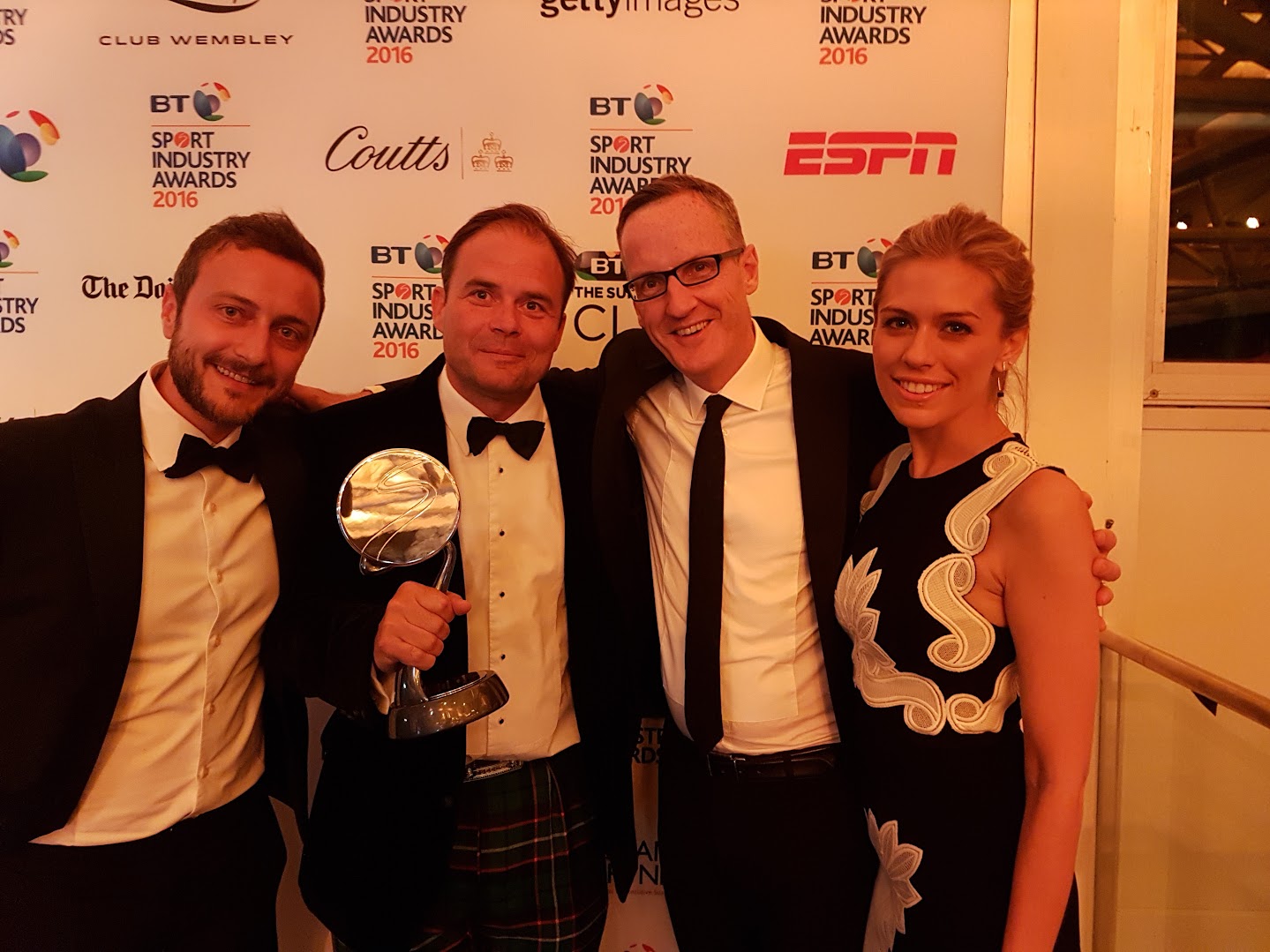
The launch of Formula E really stands out. We launched Formula E in 2014, in China, at a time when electric motorsport was still a bold concept. Establishing the television presence for a completely new racing property required vision and confidence. Today, Formula E is a significant global platform. Being involved at the very beginning — helping define how it would be presented to the world — was hugely satisfying. And still is.
Extreme E: Purpose Beyond Sport
– And if you had to choose one project above all?
Extreme E. Without hesitation. I remember thinking. ‘Right – we are just going to go for this..!’
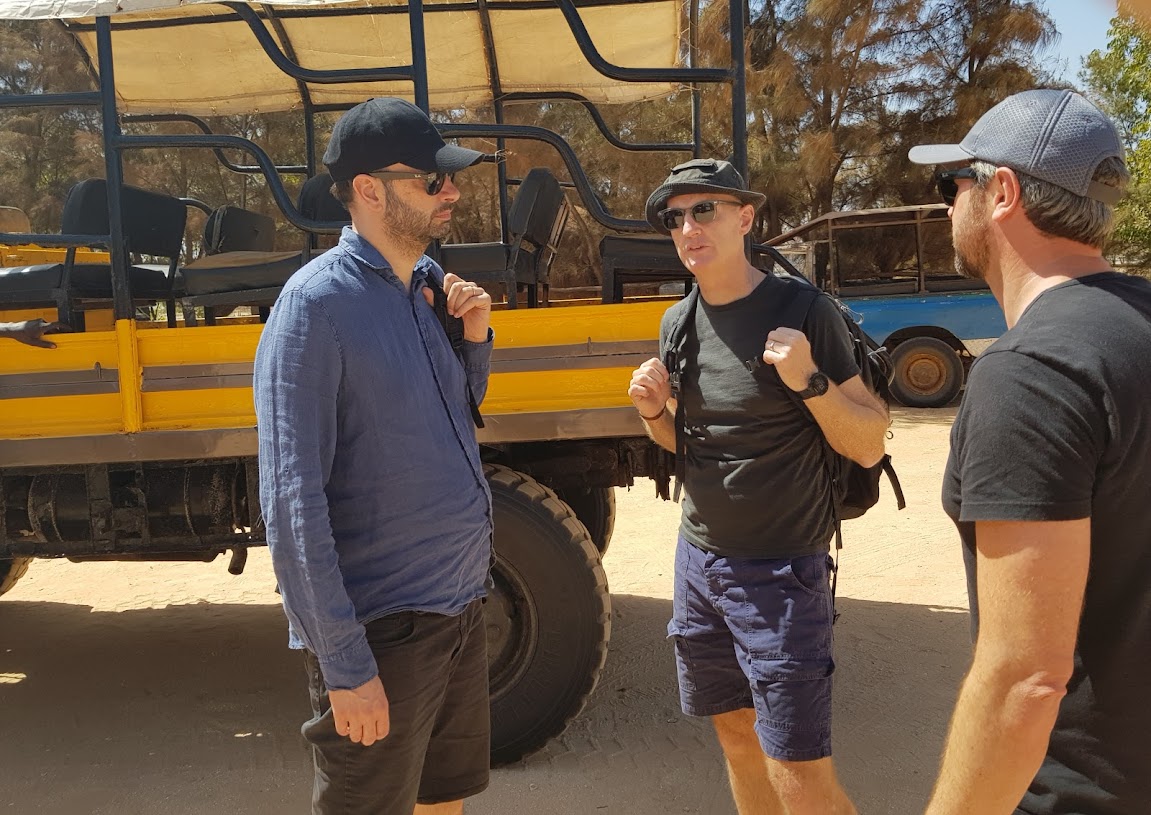
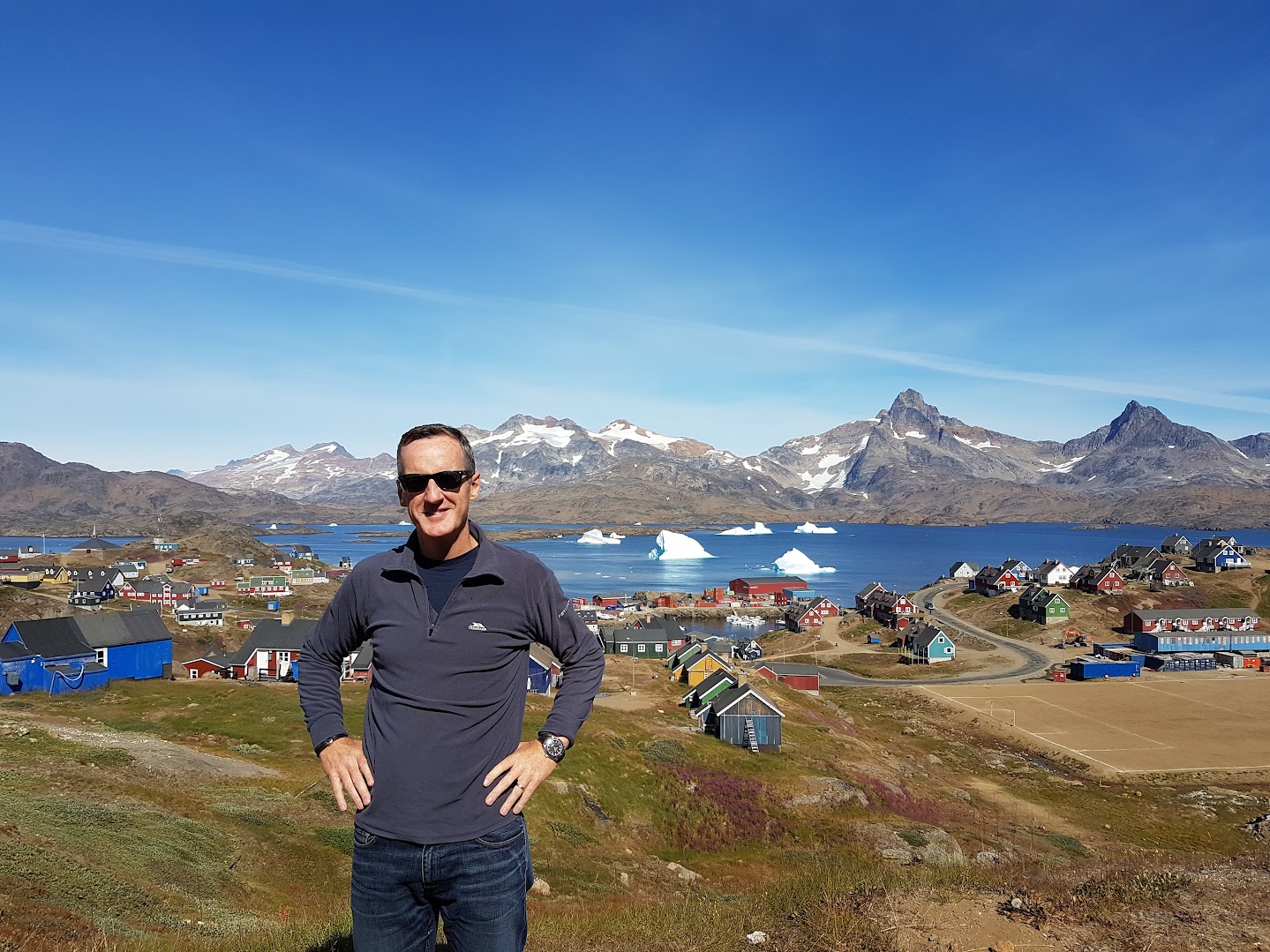
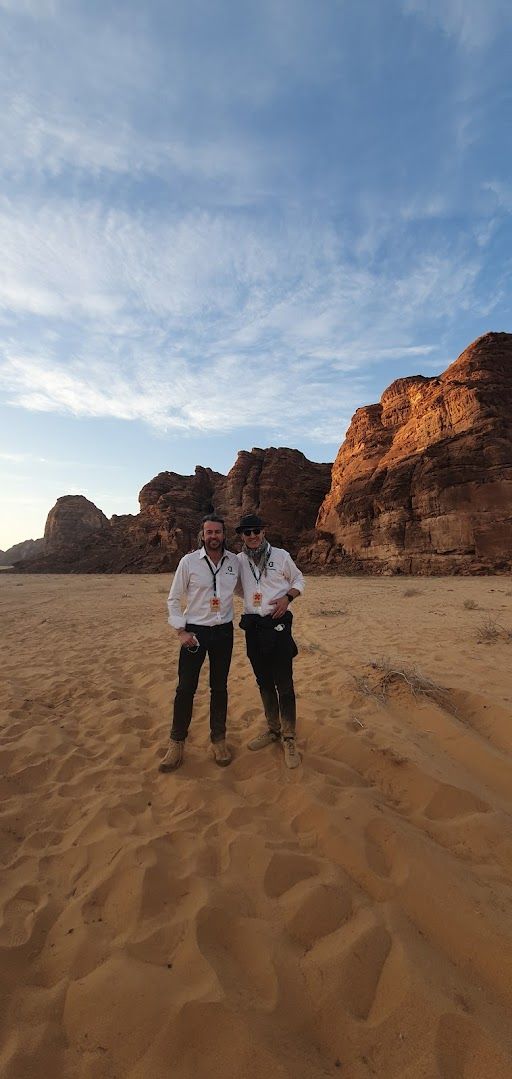
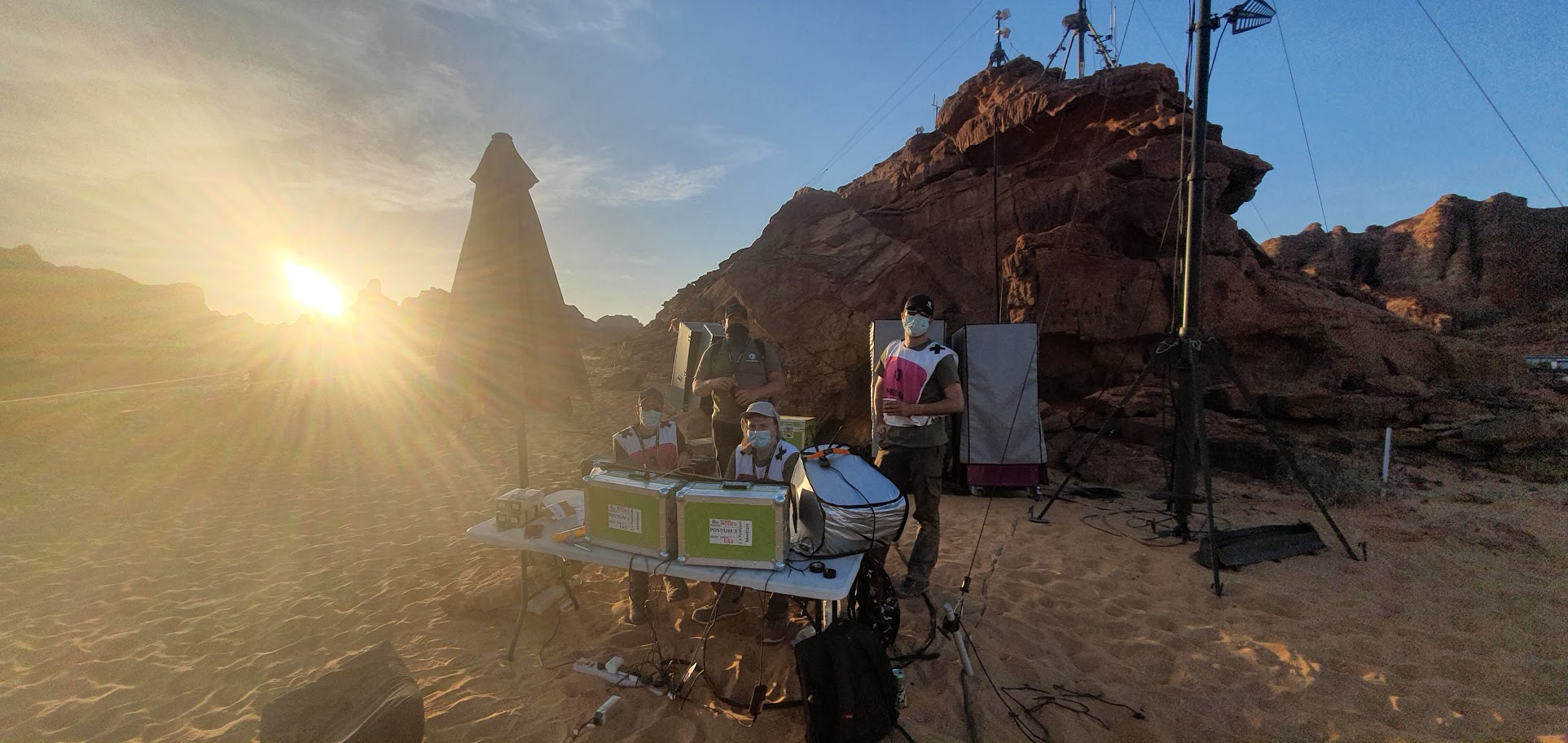
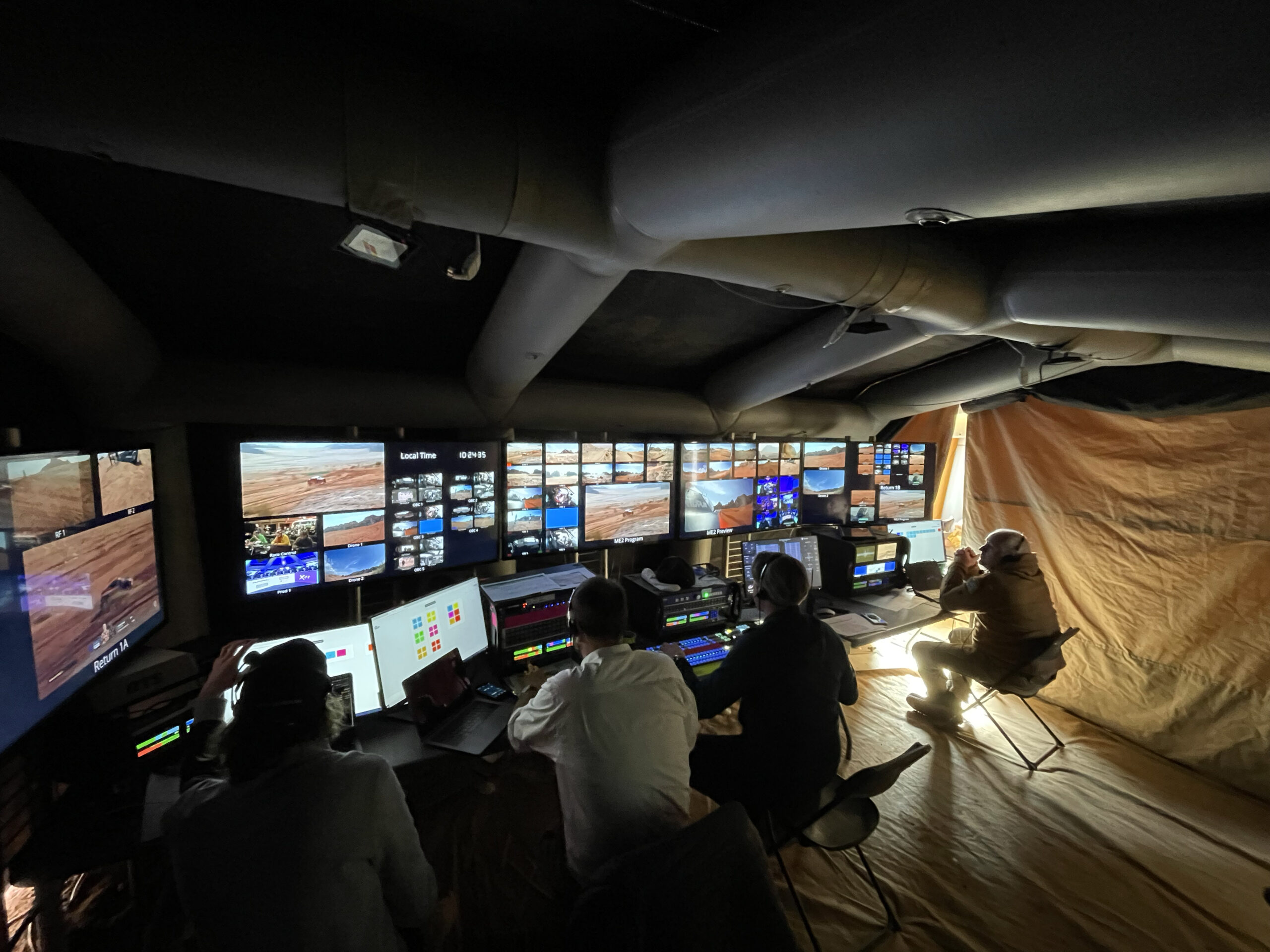
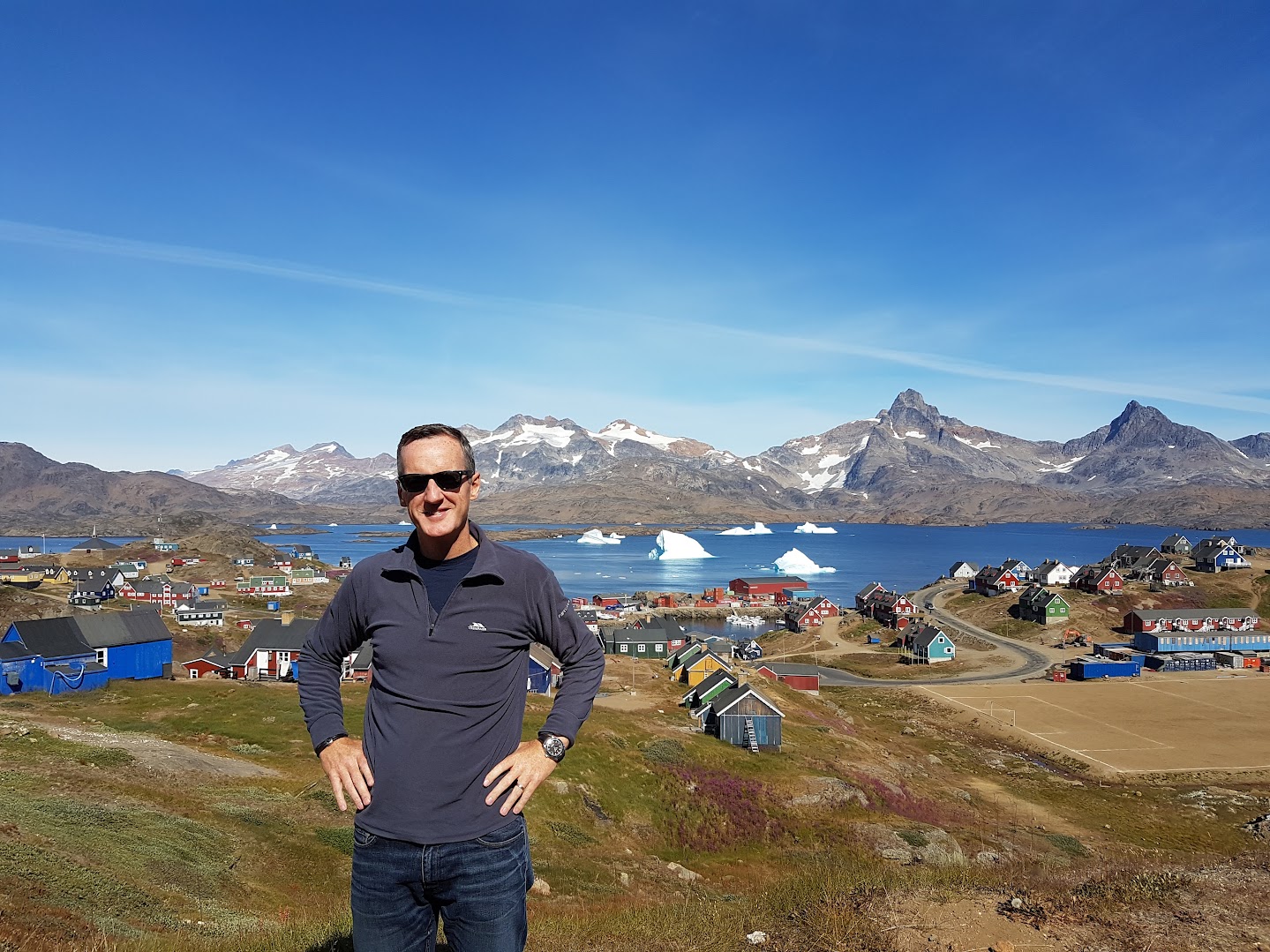
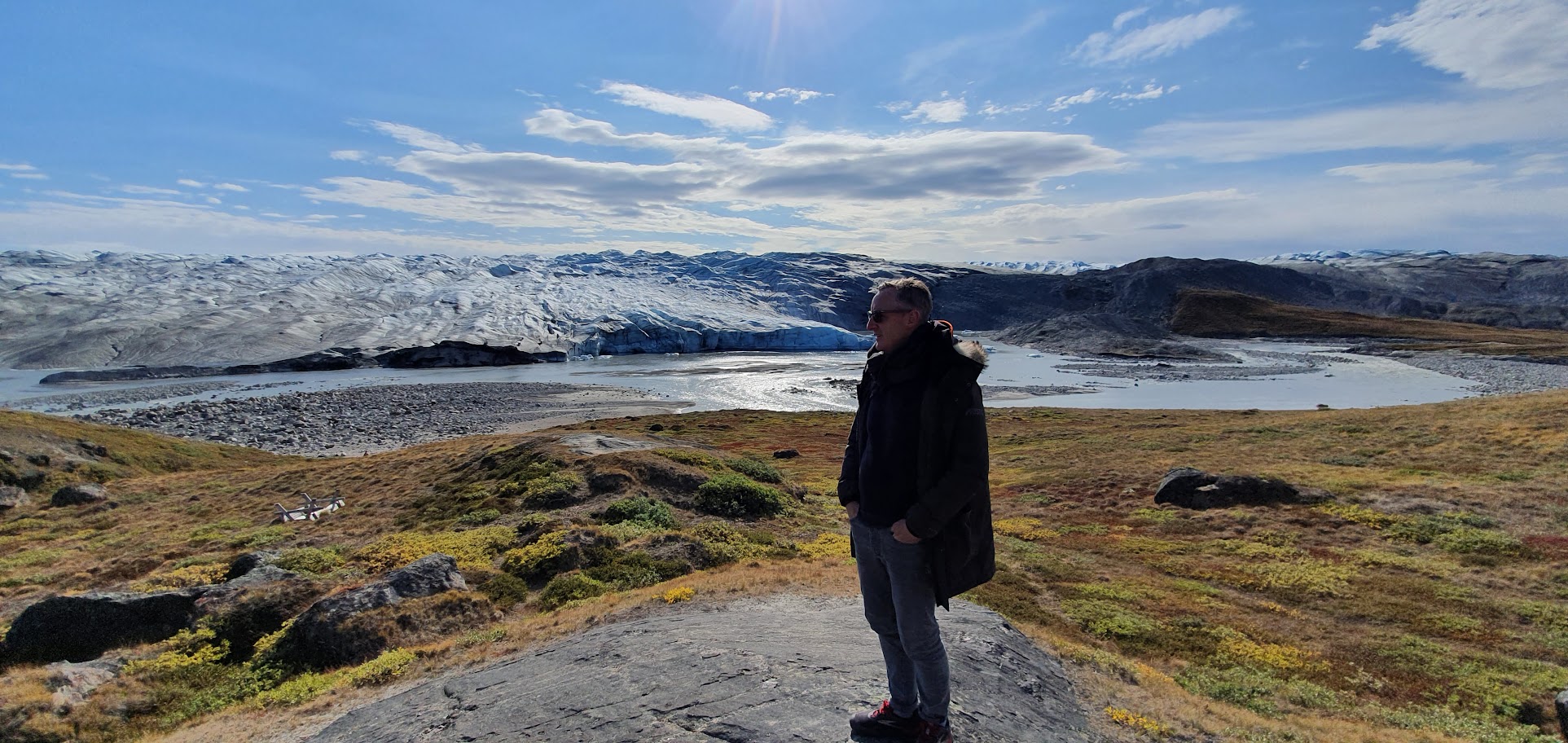
We launched the series with Spanish Entrepreneur Alejandro Agag, who was the founder of Formula E, and it carried a purpose beyond competition. He is another huge influence. Electric off-road cars are racing in some of the most environmentally fragile and climate-affected regions of the world. We filmed in Greenland with the ice cap behind us, broadcasting live to a global audience. We worked in the Atacama Desert, in Senegal, in Uruguay — extraordinary, remote landscapes that told their own story about climate stress. Over four years, Extreme E combined elite sport with a clear environmental message.
That combination — world-class production, global storytelling, and a meaningful purpose — makes Extreme E the project that stands above the rest. It has now transitioned into Extreme H.

“Scale means little without purpose.”
Purpose and Storytelling. The Middle East Expansion
– Was there a project that marked a turning point?
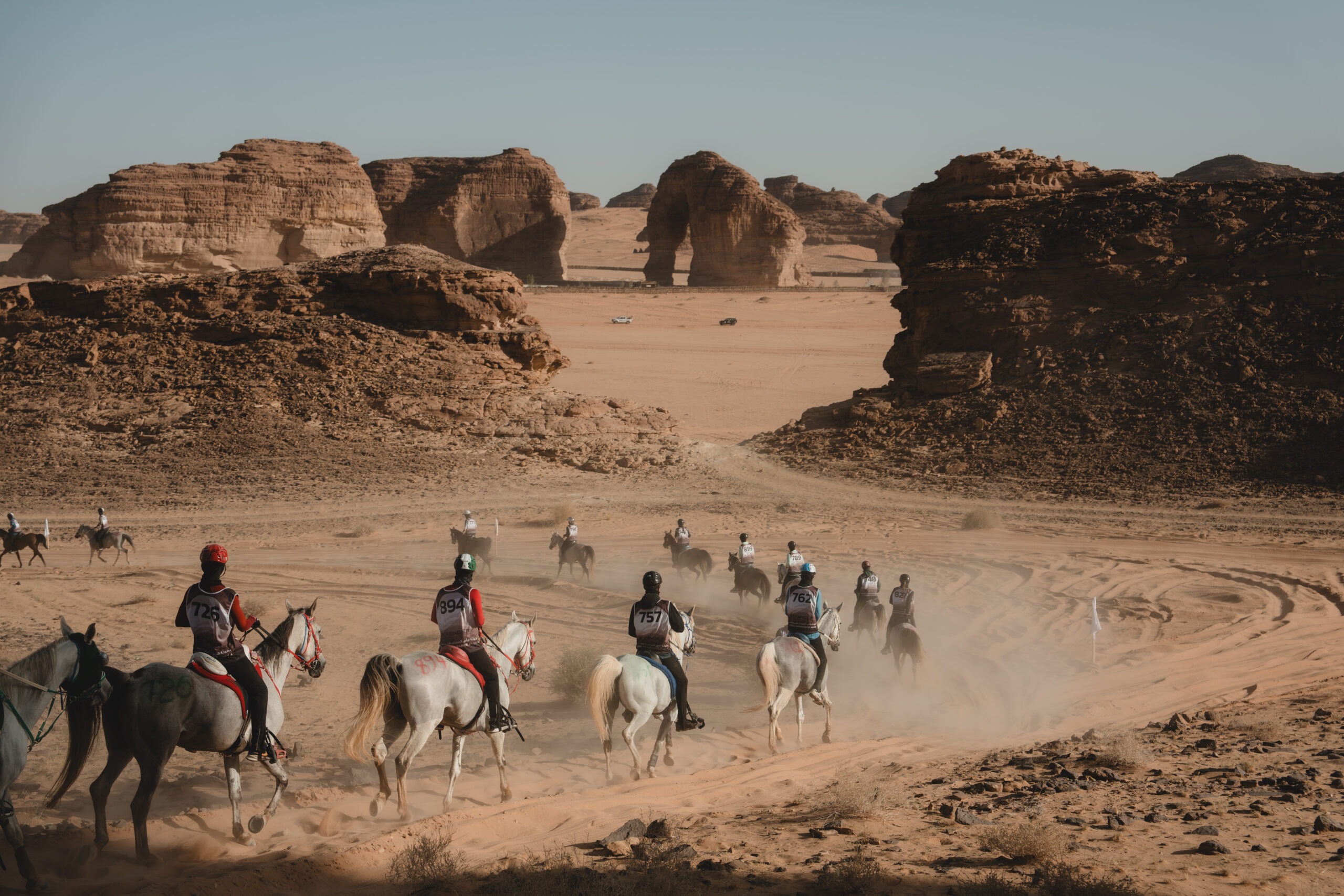
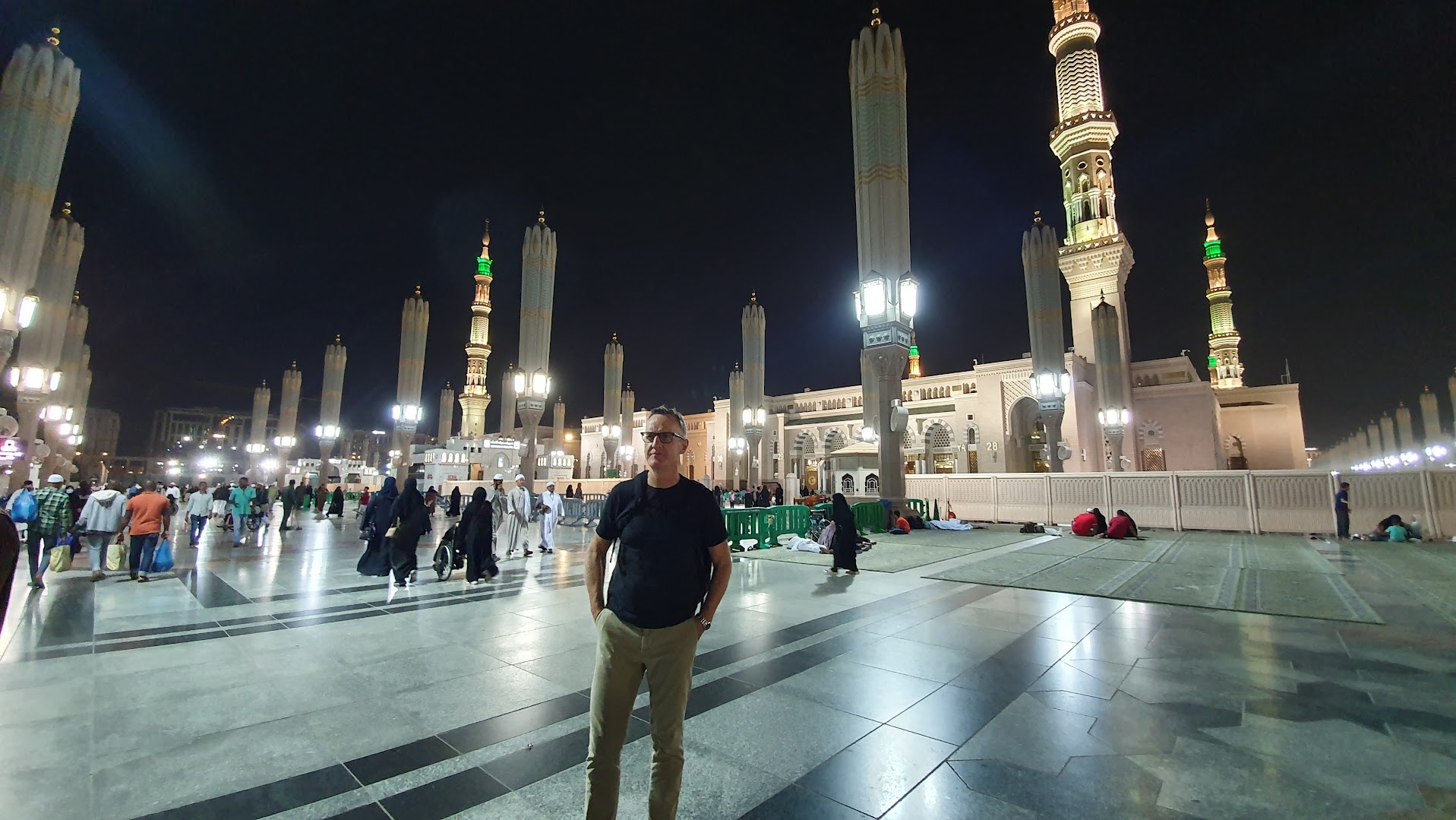
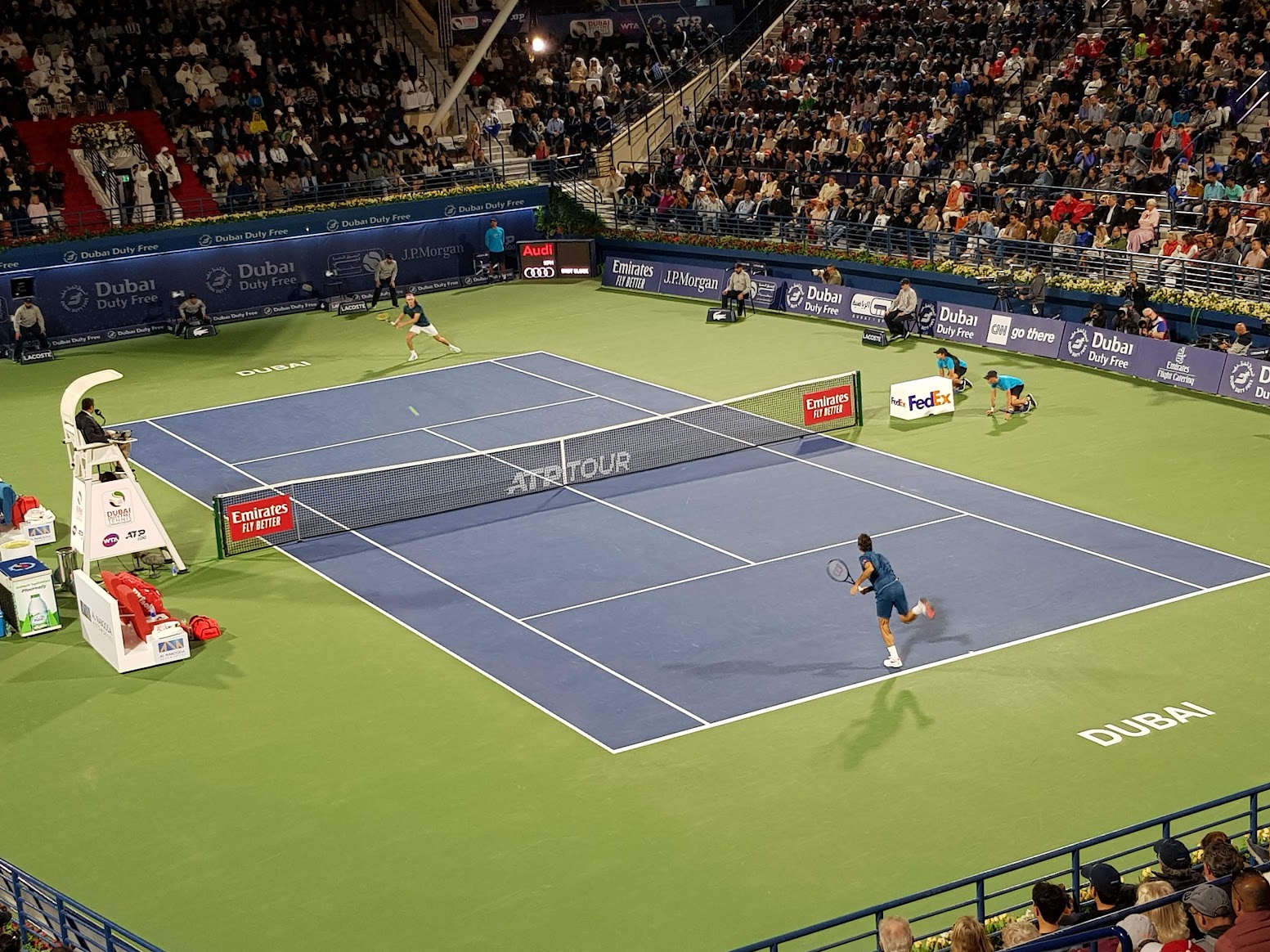
I have always loved being in the Middle East. My work around the Premier League and Manchester City was probably a turning point. Aurora also produced the Dubai Duty Free Tennis Championships for over a decade, and I worked across the very early internationalization of the Saudi Premier League a decade ago. I suppose I was at the forefront of the region positioning itself as a global player. We were in Qatar for the FIFA World Cup in 2022, and we have an office in Dubai. We have produced many, many live shows there now, across Dubai, Abu Dhabi, Qatar, and Saudi Arabia. Seeing and being part of the transformation has been a career highlight, and there is much more to come, I hope.
Driving the Next Generation
– What motivates you now?
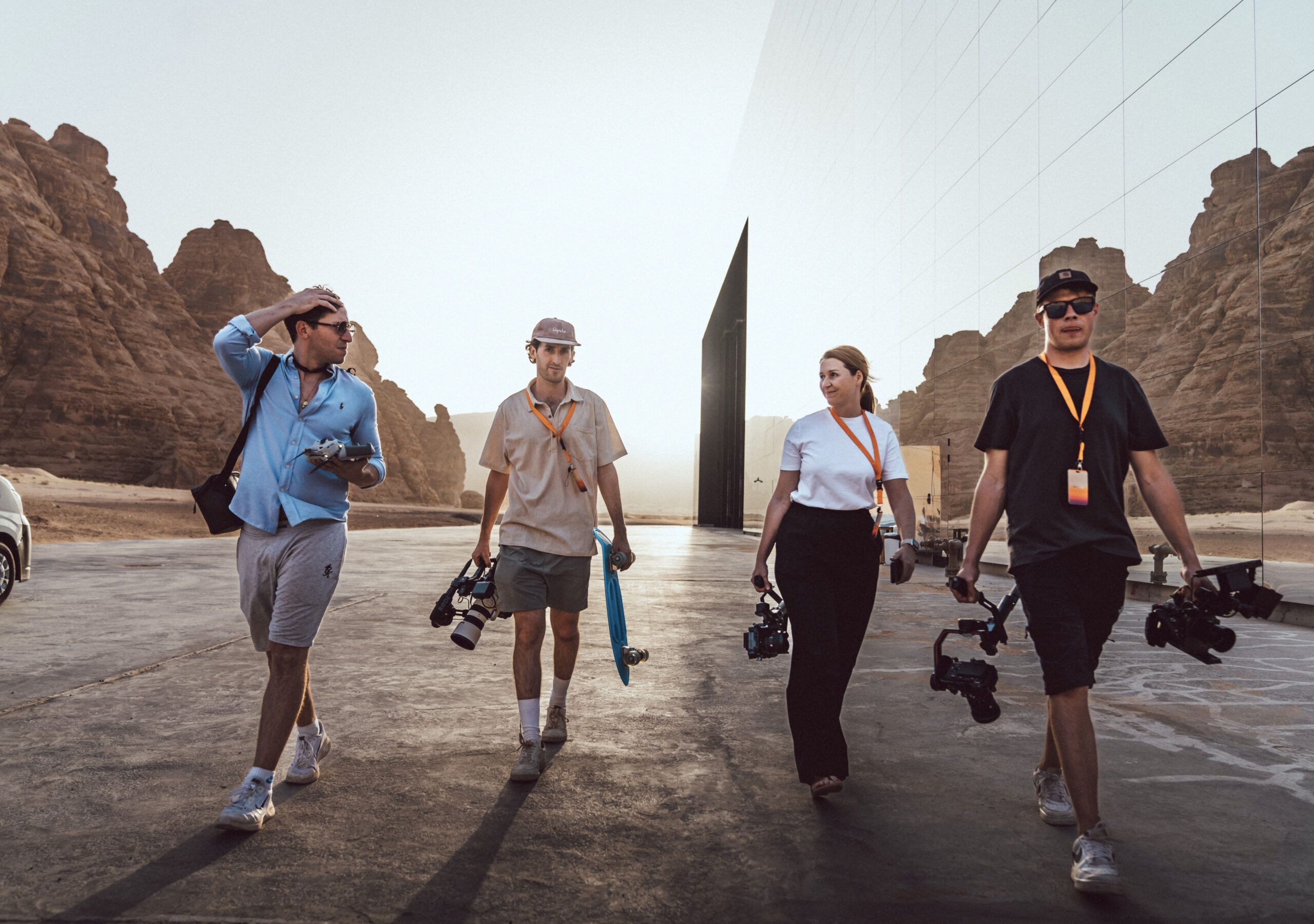
Opportunity. The same kind that shaped my own path. The priority today is creating space for younger producers, executives, and storytellers to build meaningful careers.
– Is mentorship a conscious focus?
Absolutely. If the next generation can travel, tell stories, work on major events, and build satisfying careers — then that becomes part of the legacy. Enabling others to grow is now as important as personal ambition once was.
Family and Balance
– After decades of travel, what about family life?
A supportive wife has made that journey possible. She built her own successful career as a senior television executive and is now an entrepreneur and songwriter. And to be honest, she is an inspiration to me and those around her.
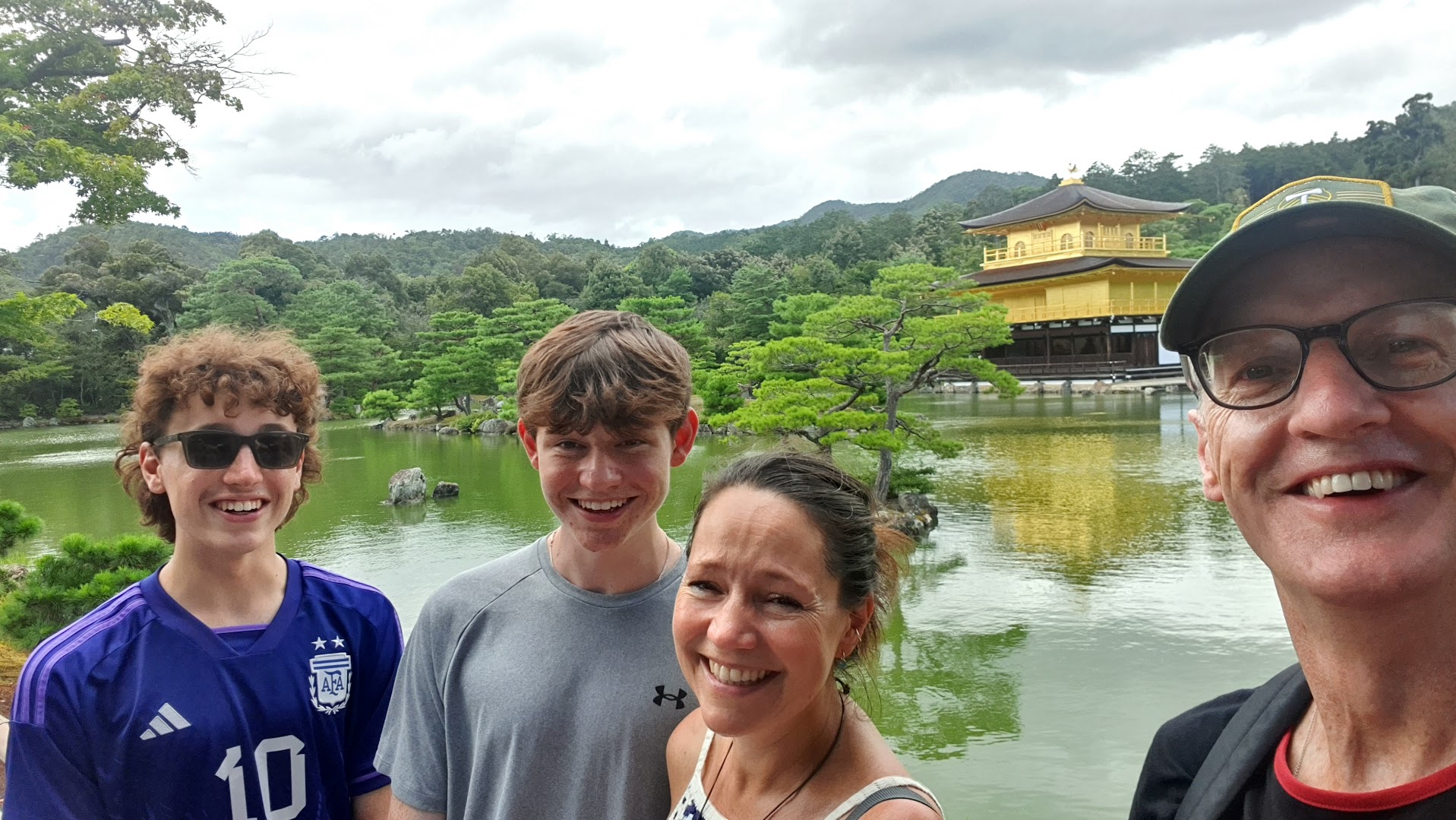
That shared understanding of the industry — its pace, pressure, and unpredictability — has always helped create stability at home.
– And your children?
We have two sons, both deeply interested in sport and music and naturally curious about the world. Travel and storytelling have influenced our family life as much as they have shaped my career. At home, there is a constant exchange of ideas about culture, places, and experiences. Encouraging independence, resilience, and global awareness matters just as much as any professional achievement.
– How old are they?
My eldest turns twenty-one in two months. The youngest turns eighteen at the same time.
– Are they studying?
Yes. The older one is studying history at York University. The younger one is completing his A-levels and plans to go to university as well. Where their paths lead, I don’t know — that will be their journey. But they are well-traveled, and they’ve had exposure to many different environments. If we can help widen their perspective even further, that feels worthwhile.
– What is your dream now?
Happiness and balance. After decades of movement and ambition, satisfaction matters more than scale. There is a sense of gratitude for the opportunities life has offered.
“You don’t arrive. You evolve.”
From a business perspective, the goal is simple: help the younger generation within the company build strong, fulfilling careers. If they succeed, Aurora succeeds. And personally, the priority remains clear — a healthy, happy family life alongside meaningful work. We have come a long way, and there is much more to do!