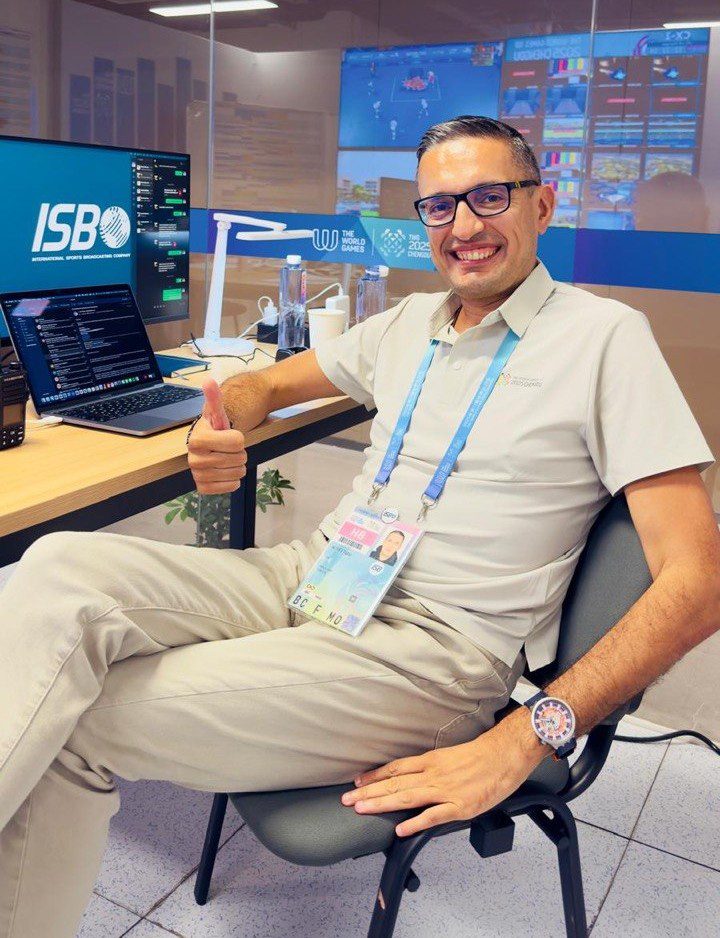

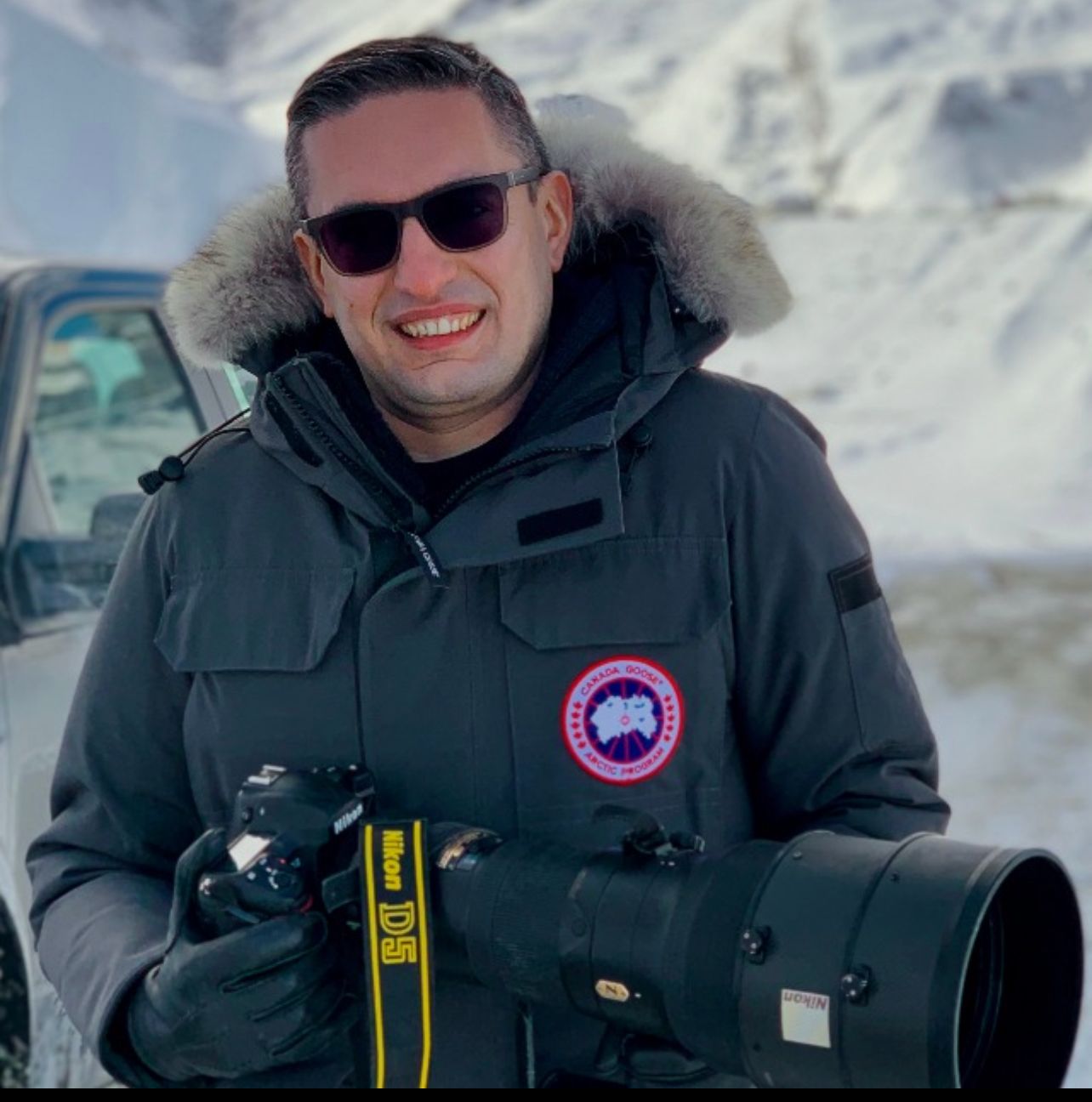
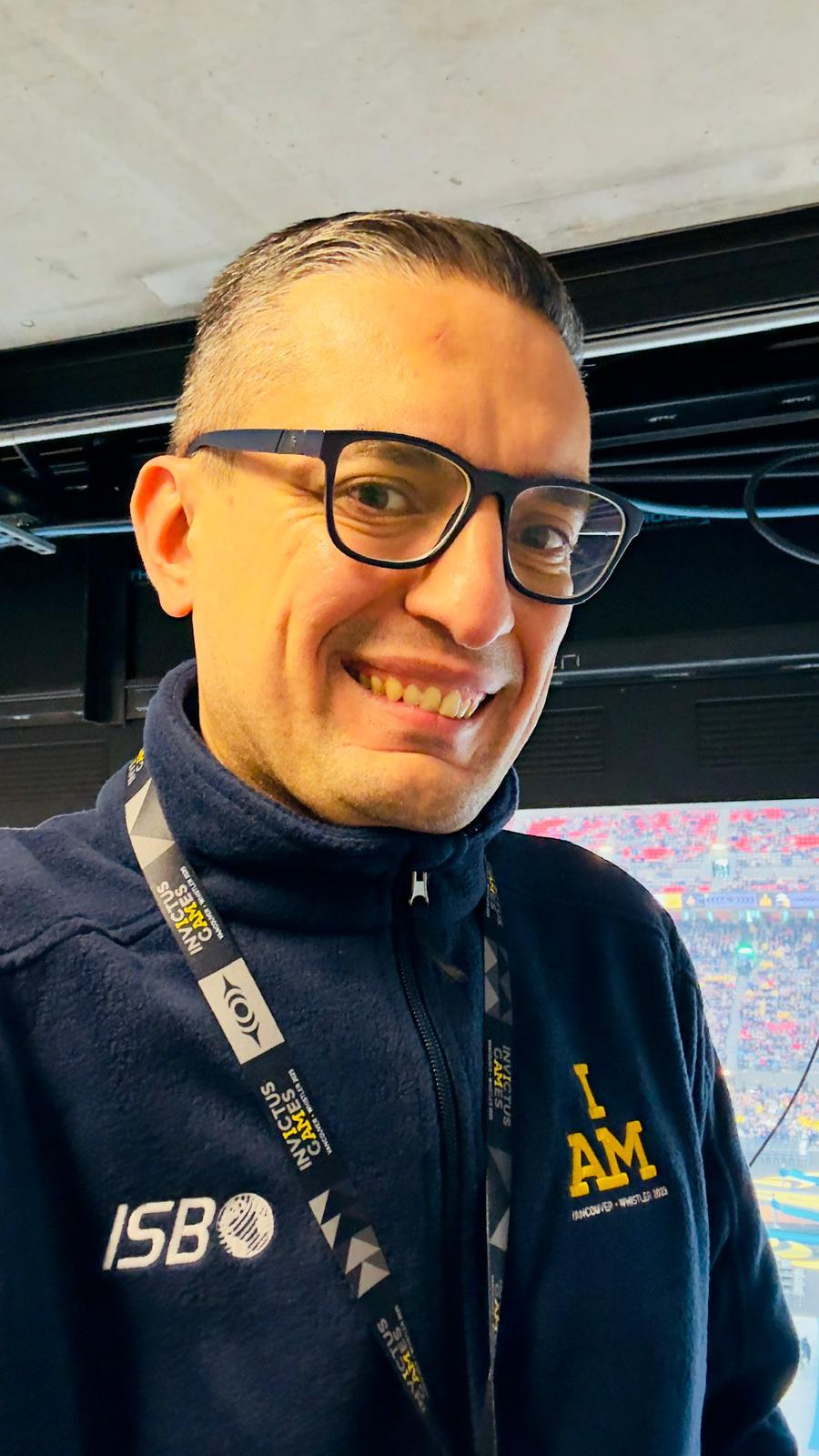
 Tahir Aliev, producer at International Sport Broadcasting (ISB), Spain, on a nonlinear career, the Baku code, and the Olympics as a global narrative. Setting: Baku — Helsinki — Madrid. Timeline: from the first Sony camera to the Olympic Games.
Prologue: The Man Who Watched Not the Athletes
— Let’s start with a single shot. You are a child in Baku, Azerbaijan, watching the Olympics on television. What exactly do you see?
I don’t see the athletes.
I see how it’s shot. I was always interested in the camera. How it moves. How the frame is constructed. Why did the operator choose this angle and not another? Where does the emotion come from — from the event itself, or from the way the event is shown?
— So you were watching the Olympics as a future producer, not as a fan?
Yes. And at the time, I didn’t know the word “producer.” I was simply thinking: “How did they do this?” It was curiosity about how the magic works. Not the result, but the mechanism.
 Chapter 1. A Country That No Longer Exists
— You were born in 1979 in the Soviet Union. That country no longer exists. What does that mean for someone working globally today?
It means that, from childhood, you exist in a mode in which “context can disappear.” The system you live in can cease to exist one day. And you find yourself in a new reality without instructions. This is a very important experience for a producer: you never believe that the current structure is permanent.
 — Your father was a well-known Azerbaijani poet, your mother a Russian language teacher. How did that shape your thinking?
It wasn’t upbringing in the classical sense — with lessons and instructions. It was an environment. A home where writers, artists, and actors were always present. Where dinner conversations could be about poetry, politics, or why the editing in a film didn’t work. My father never imposed anything, but he naturally immersed me in the world of culture.
— So is that where the love of art comes from?
Yes. But not as something “beautiful” — rather as a tool for thinking. Art is a way to organize reality. And to tell it in a way that allows you to be understood across boundaries.
 Chapter 2. Baku as Code
— You often say that Baku is not just your birthplace, but part of your professional DNA. Can you expand on that?
Baku is a city at a crossroads. East and Europe. Tradition and modernization. Local identity and global ambition. From childhood, you exist in multiple contexts at once. It teaches you to perceive the world not linearly, but in volume.
— How does that translate into your work?
When I arrive at work in a new country — Japan, the United States, Finland — I don’t look for a “universal language.” I look for the intersections, the contrasts, the transitions. Baku taught me that the most interesting narrative is born not in the center, but at the intersection.
— That sounds like a direct formula for modern storytelling.
Absolutely. A global storyteller today is not someone who speaks one language for everyone. It’s someone who can translate meaning between different worlds. And do it seamlessly.
 Chapter 3. From History to Storytelling
— You have a classical academic background: history, a master’s degree, and postgraduate studies in international relations. Your specialization was Ancient Egypt. Where is the connection to production?
A direct one. I have always visualized history. For me, historical figures are characters. I would think: how would this scene look? Where is the light? What expression is on the face? What is the sound? I wasn’t just studying events — I was editing them in my head.
 — So you were a historian-visionary?
I was a historian who wanted to make films, but didn’t know it yet. Ancient Egypt is essentially a ready-made epic—hierarchy, conflict, drama, architecture. I wasn’t studying dates — I was studying narrative structures.
— And did that lead you to storytelling?
Yes. Because a good historian and a good producer do the same thing: they take the chaos of facts and shape it into a line that has a beginning, development, and meaning. The only difference is in the tools — archive or camera.
 Chapter 4. A Profession That Didn’t Exist
— In the Soviet space, the profession of “producer” effectively didn’t exist. There was the “line producer” — essentially an administrator. How did you even realize this was something you wanted to do?
I didn’t. I simply moved out of curiosity. First, the camera. Then editing. Later, I realized that I could not only shoot, but also design how a story would unfold from the first frame to the last. And then I understood that a producer is the one responsible for the entire content ecosystem.
 — What do you mean by “ecosystem”?
Today, I see content as a system in which nothing is accidental. Color grading, music, editing pace, the font in the titles, even the pause between a presenter’s words — all of it either supports the idea or works against it. A producer is the architect of that system.
— That didn’t exist in post-Soviet film and television.
It didn’t. There was the “line producer” — the person who brings food and decides where the crew sleeps. But a producer in the Western sense is someone who makes both creative and financial decisions at the same time. No one taught this. I learned through my own mistakes.
 Chapter 5. The First Camera in Post-Soviet Baku
— You bought your first Sony camera in the 1990s in Baku. It was expensive. Where did the money come from? Why?
The money is not important. What matters is that it was an act of freedom. In the 1990s, there was no industry in the post-Soviet space. But there was the possibility of filming everything. We started shooting everything. Streets, people, events. Without a goal. Just to look at the world through the viewfinder.
 — Was it a laboratory?
Yes. A personal laboratory of visual thinking. No one taught me composition or lighting. I learned by filming Baku. This city is incredibly cinematic on its own — light, shadows, architecture, chaos, and order at the same time.
— And at that point, you couldn’t have imagined working on the Olympics?
No. I only knew that I wanted to look at the world through a frame. Everything else came later.
 Chapter 6. Finland: The Reset Point
— 2004. You move to Finland. No language. No connections. A risky step, to put it mildly.
It wasn’t a logic of risk — it was a logic of survival and curiosity. But yes, it was cold — in every sense. Language, climate, system. Finland is a highly structured society. If you are not integrated into the system, it pushes you out.
— How did you integrate?
By chance. I saw a job opening for a producer in the international news department of Finnish television. Without knowing Finnish. But I already had one film behind me.
 — The 3 Rooms of Melancholia?
Yes. A documentary. At the interview, they didn’t ask about my degree or my experience. They asked about that film. How I conceived it. How I built the story. That became the key.
— So portfolio matters more than background?
Always. In the global industry, no one asks where you were born or what you studied. They ask: “What can you show?” And your work speaks for you.
Ursula Romero Takes Over Global Sports Broadcasting Company After Her Father’s Death
Chapter 7. Television as a Global Mechanism
— You were working in Finnish television at the moment Finland won the Eurovision Song Contest 2006 (Lordi). Was that a coincidence?
That was the moment when I began to understand television not as a set of programs, but as a global mechanism of influence. One event — and an entire country changes its image in the eyes of millions. It’s pure producer logic: you’re not creating a broadcast, you’re creating an experience that functions as a brand.
 — And the Olympics became the next step?
The Olympics are the top league. Scale, complexity, the number of cameras, the number of countries, and the number of narrative lines you have to run simultaneously. It’s not about sport. It’s about managing meaning in real time.
Chapter 8. Manolo Romero and the Informal University
— Meeting Manolo Romero, a legend of sports television, was a turning point. How did it happen?
He said to me, “Sit next to me.”
It wasn’t learning in the classical sense. It was an observation. I was sitting next to someone who had been building Olympic production for decades, simply watching how he made decisions. Why is this camera here? Why is this report going on air right now? Where the pause should be.
 — Was that a school?
It was a university that didn’t appear on any list of accredited programs. And I am still grateful to him for that gesture — “sit next to me.” He didn’t give me knowledge; he gave me optics.
Chapter 9. Return to Baku: European Games 2015
— You worked in Europe and then returned to Baku for the European Games 2015. Was it a different scale?
Baku gave me scale. Finland gave me a system. And Baku gave me an understanding of how a local event becomes a global media product. The European Games were not just a competition for Azerbaijan. It was a narrative project: a country entering the global stage.
— And you were part of that?
I was part of the team that was building the visual image of the country. That is a huge responsibility. Because every frame that goes out into the world contributes to identity. You’re not just showing sport. You’re showing who we are.
 Chapter 10. Concept Club: Exporting Ideas, Not Just Production
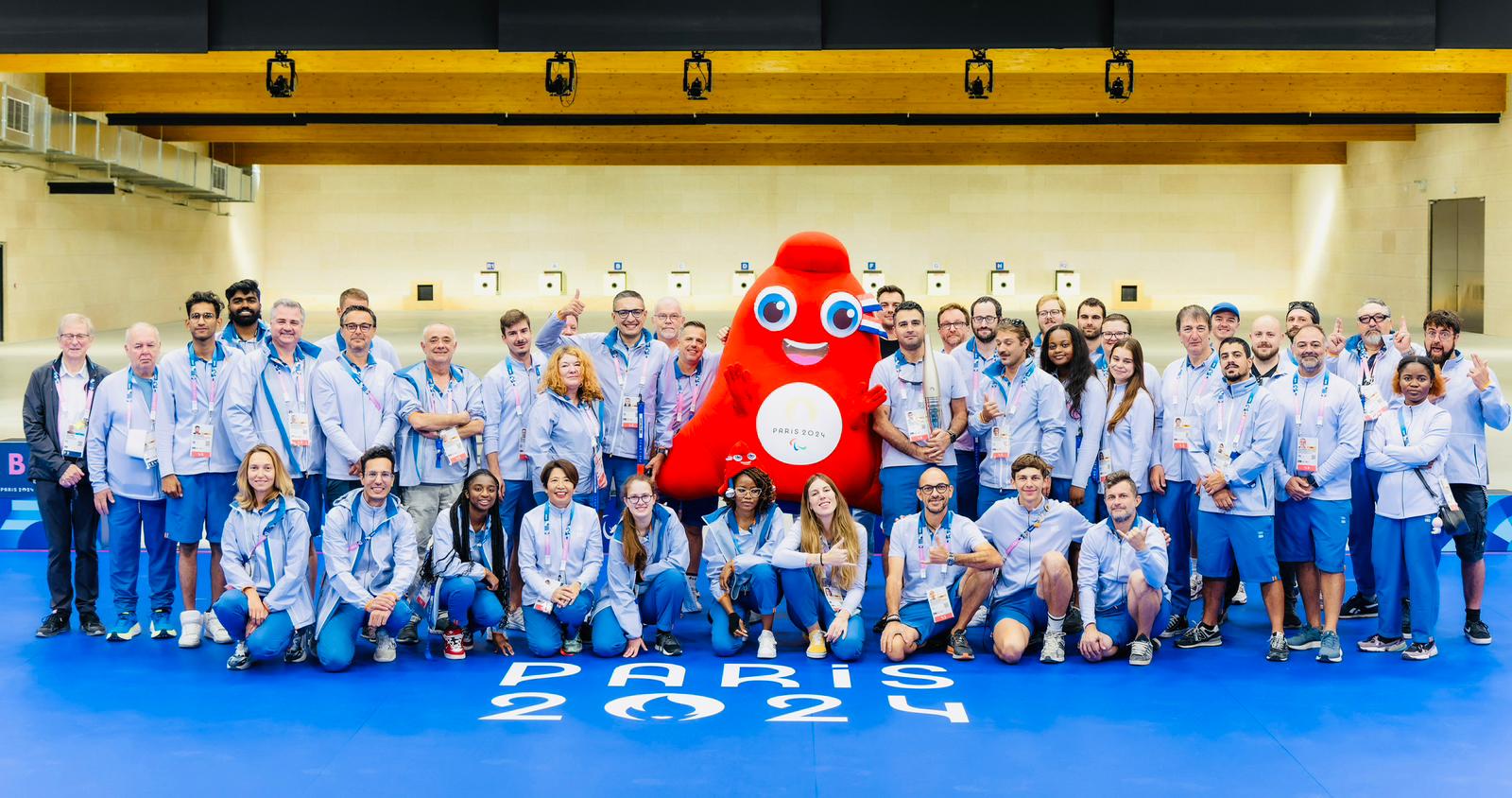
— Today, you are launching Concept Club. What is it?
It’s an attempt to do what I’ve learned over 20 years: to create formats that can scale. We take a local event in Baku — a festival, a show, a ceremony — and turn it into a global media product.
From Nightclubs at Age 4 to Global Stages: How Music Saved Frederick-Ali’s Life
— So not just production, but exporting meaning?
Exactly. Because the industry today is saturated with content. But what’s scarce are ideas that work across any territory. If you have a strong narrative structure, you can transplant it to London, Tokyo, or Dubai. That is the new logic of global storytelling.
 Chapter 11. Identity as an Advantage
— You live and work in different countries. How do you define yourself?
I have always considered myself Azerbaijani. Wherever I work — Helsinki, Madrid, Los Angeles, Doha. Identity is not a limitation; it is optics. You see the world differently when you have a cultural foundation.
— In a global industry where everyone strives for universality, doesn’t that get in the way?
It helps. Because universality often means losing character. A real producer’s work always has taste, color, and temperature. Mine is Baku.
 Chapter 12. Nonlinearity as the Norm
— Your career was not planned. History → camera → Finland → sport → the Olympics. Do you regret not having a straight path?
No. Nonlinearity is not a bug; it’s architecture. Every turn gave me a tool. History taught me timeline and causality. Ancient Egypt — hierarchy and drama. The camera — framing and light. Finland — system. Manolo Romero — scale. If I had taken a straight path, I would have been just a technician. Instead, I am a producer.
— What would you say to those who are afraid of a nonlinear path?
Don’t be afraid of trajectories that don’t exist in textbooks. I was born in one system and live in another. It’s difficult. But that’s exactly what makes the path real.
 Epilogue: The Olympics as a Self-Portrait
— Today you work on the Olympic Games. Is that boy in Baku, who watched the Olympics on TV and thought, “How is this shot?” satisfied?
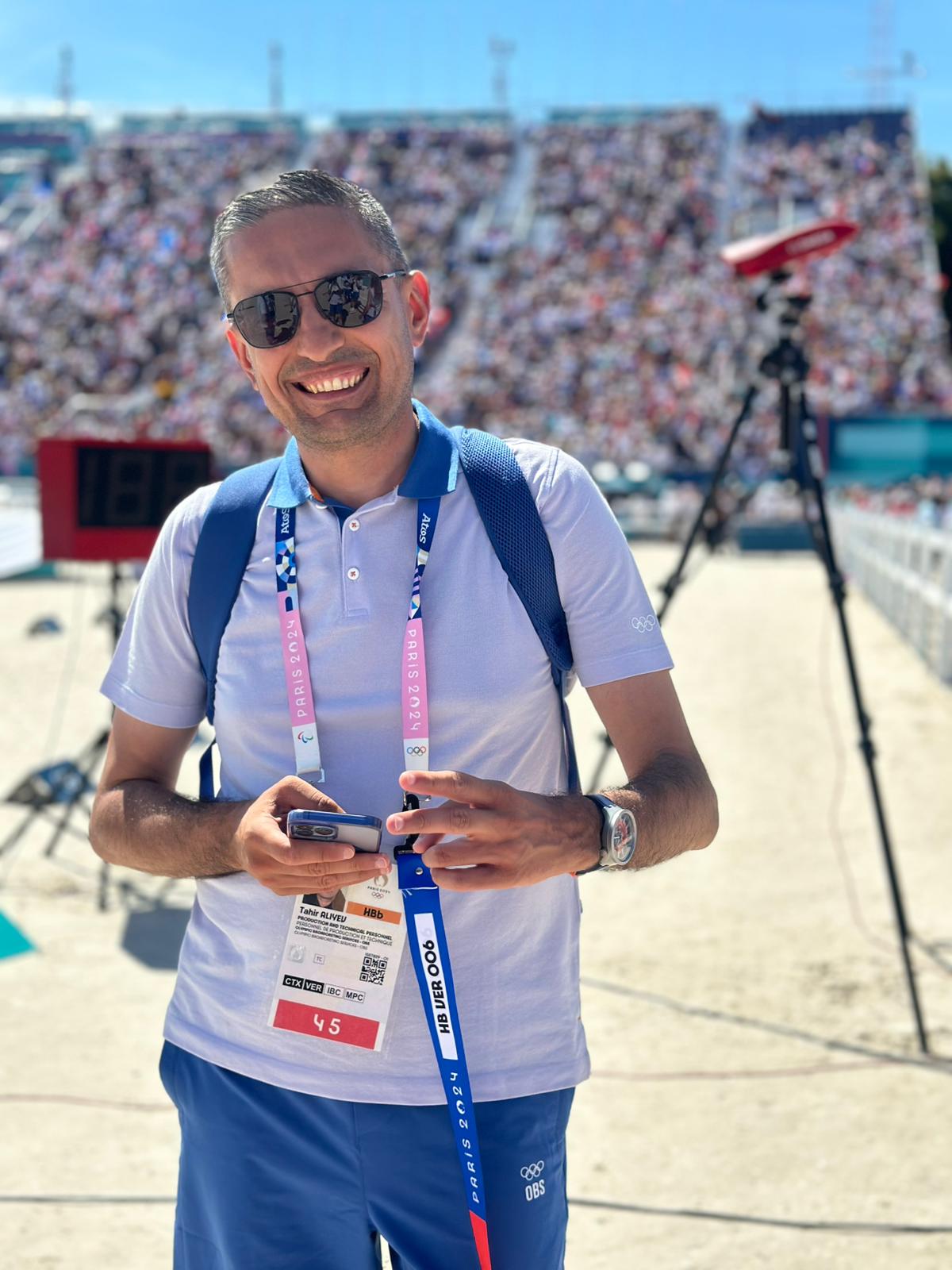
He didn’t expect to end up inside the frame. Not watching, but creating. But you know what’s most interesting? When I’m at the Olympics now, and I see how a multi-camera system works, how a global narrative is built in real time, I still sometimes stop and think: “How would that boy with the first Sony camera shoot this?” And that is probably the main measure, not to lose that childlike optics that sees magic where others see routine.
 — Your formula for success?
Baku gave me the foundation. Everything else is development.
And one more thing: never stop asking “how is this made?” Even if you are already the one making it.