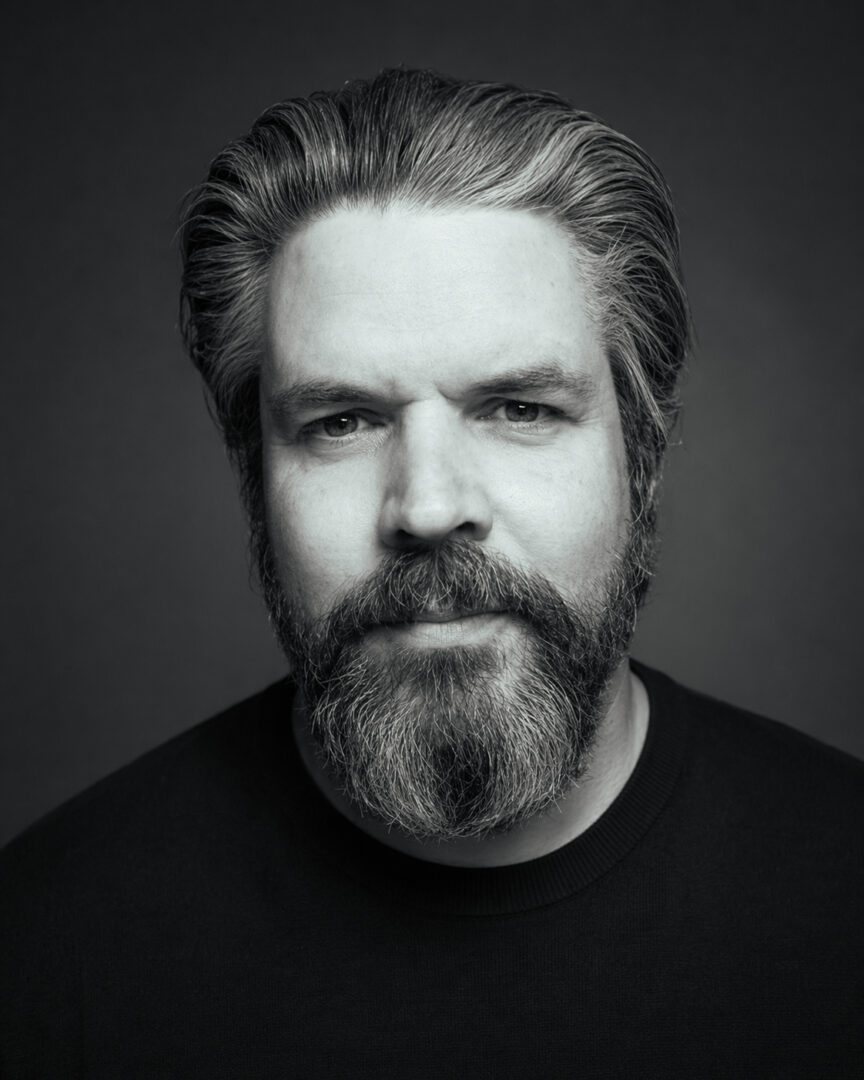
From Red Bull and EuroBasket to esports and AI, Sven Godec explains why the future of broadcast still depends on human judgment, storytelling, and taste.
The Gulf & MENA Decision-Makers Forum | Sport, Broadcast, AI & Monetization
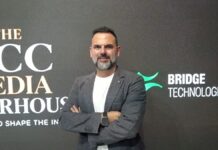
Sven Godec, Production Supervisor at Volleyball World, built his career from the ground up — from copying tapes and shooting behind-the-scenes sports footage to managing major live productions for EuroBasket, Red Bull Media House, and global esports events. His story is not only about broadcast technology, but also about sport, creativity, burnout, fatherhood, and the changing role of human judgment in production.
Born in Slovenia in 1979, Godec grew up during the breakup of Yugoslavia and later entered live production through basketball, OB vans, and regional sports coverage. Today, after more than two decades in the industry, he sees AI not as a replacement for people, but as a tool that can remove repetitive work and return attention to storytelling, taste, and creative decisions.
 AI, Taste, and the Future of Broadcast
— How do you use AI in production work?
You can do a lot with tools like Codex or Claude Code. I call it “one-folder magic.” You put everything in one folder, explain what you need in normal language, and it can generate what you need. If you are stuck, you ask again in normal language. You do not need to be a coder. You need to understand what you want to achieve.
— Are people right to be afraid of AI?
People are scared that AI will take jobs, and that is partly true. But we also need to adapt to the time we are living in. I think everybody should have at least basic knowledge of how these tools work.
— What remains human in this process?
The creative side becomes even more important. AI can do many things, but it does not have taste. Taste, storytelling, human emotion, the ability to feel whether something works — that is where people can still shine.
“AI can do everything — but it does not have taste.”
AI helps remove the work many of us never really wanted to do in the first place: templates, documents, repetitive spreadsheets. I have not met many people who say that spreadsheets are the most amazing part of their job.
— What else are you focused on now?
For the last year, I have been very focused on AI and how we can bring it into production and broadcast in a useful way. For me, AI is not about removing people completely. There is always a human in the loop. You still confirm, decide, and guide the process.
— Why do you think AI is useful for production?
The models are now very strong. You can explain what you need in normal language, and they understand how to support you. During my five years at Red Bull, I was always looking for a real-time production management tool — something that would work for production, not just product management.
— What was missing in existing tools?
I tried Monday, Asana, Airtable, StudioBinder, and many others. They are good tools, but most of them are built around product management or film-style workflows, not live production management. I also worked for a few months with the team from Yamdu, which used to be called Arri Yamdu. It is probably the closest platform to what I wanted, especially for documentation, but it is still more connected to Hollywood and documentary workflows.
 — What kind of system were you looking for?
I wanted one place where everyone could work in real time — producers, production managers, marketing, technical teams, everyone. In the same tool, you would see budgets, camera plots, technical bibles, documentation, and all the key information. What always killed me was having 30 different spreadsheets for one project, all with similar names. When you needed something, it was a mess.
— Did you try to build your own tool?
Yes. About a year ago, I started building a tool for that. I spent eight months on it. I learned a lot, and the project still exists. Maybe I will return to it one day. But now, with AI models becoming so strong, I think you can do much of this in one folder.
— What do you mean by “one folder”?
You can have one shared folder for the project. Everyone has access to it. Then, using tools like Codex or Claude Code, you can generate documents, summaries, budgets, checklists, or whatever you need from that folder. You teach the system what to do and how to do it. That may remove the need for another complicated tool that people have to learn. Lately, I have also been thinking more about visual models and how they can support production workflows.
— Where do you see AI in live broadcast production?
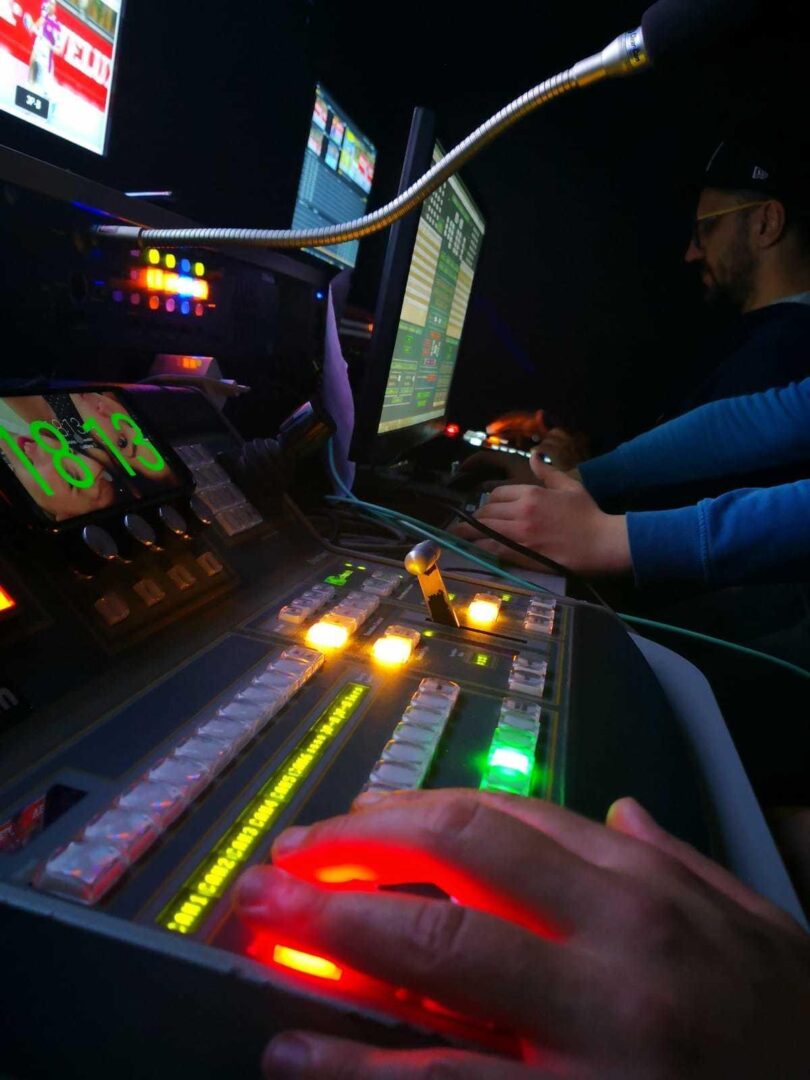
For live production, especially inside an OB van, I do not think the first step is AI switching cameras or replacing the vision mixer. At least in the beginning, I see AI more as a layer of redundancy, safety, and support.
 — How would that work?
Visual models are becoming very strong. They can look at the multiview, understand what is happening on each camera, see how the director is cutting, and identify patterns. In an emergency, AI could warn the team, suggest a slate, or detect that something is going wrong.
— Could AI also support creative decisions?
Possibly, but directors may not like that at first. It could say, for example, that one camera is being used too often, or that there is something important in the crowd. But for me, the main value is not replacing the director. It has one additional tool that sees everything and supports the team when needed.
“I don’t see AI replacing the director — I see it as a layer of support.”
— Can AI help with highlights?
Yes. That is not completely new, because systems like EVS already support this area. But AI can help create good highlight clips, identify moments, and prepare material faster. In the end, the operator still decides how to build the story. AI can support the process, but the human still makes the final editorial decision.
 — Why did the timing feel right for something new?
It was time to try something different, meet different people, and work on different projects. Broadcast and production are entering a kind of renaissance now, especially with AI coming as an additional layer.
— What do you mean by that?
A lot of the boring work — documentation, call sheets, budgeting, paperwork — used to take so many hours. People would work until 3 a.m. on documents, schedules, or budgets. That was one reason many people burned out.
— Is mental health still not discussed enough in production?
Yes. We do not talk enough about mental health in production and broadcasting. It is very hard to separate your personal life from this kind of work because the hours are long, the pressure is high, and the responsibility is constant.
— How can AI change that?
Now, a large part of that administrative layer can be reduced. You can cut maybe 80 percent of the paperwork and documentation without even using special tools or complicated systems. That gives people more time to focus on the creative and operational work that really matters.
“You can cut 80 percent of the paperwork and focus on what really matters.”
Red Bull, COVID, and the Search for Change
— What is your main achievement in professional life?
That is a hard question. One achievement I am really happy about is the first 4K production with Dolby Atmos for Red Bull. We did it in Gdansk, Poland, in 2021.
 — Why was that project important?
Red Bull had done 4K before, but Red Bull TV had not transmitted in 4K because the platform was not ready. This was the first time we delivered that kind of 4K production with Dolby Atmos for Red Bull. We did it with NEP Germany, and they did an amazing job.
— Did that lead to more advanced audio workflows?
Yes. Later, for other projects, including Batalla in Latin America, we pushed many audio feeds into Red Bull Media House’s Dolby Studio. At first, we used LiveU, then TVU. We had amazing operators mixing in real time, and the setup became very complex, with a huge number of audio channels.
— Why is audio important to you?
Audio design is extremely important, but people often take it for granted. In production, everyone looks at the picture first, but audio can completely change how the audience experiences the event.
— How did you find the Red Bull opportunity? It happened during the first month of COVID. That made the timing even more unusual.
I had sent an application a couple of months earlier — my resume and CV — but I did not think much about it after that. The HR person at the time was very good. She told me they liked my experience, knowledge, and know-how, but someone inside the team had been promoted. Red Bull is strong on internal promotion, and if people do a good job, they move forward. That is fair.
 — Did you apply again later?
A few months later, I saw the same job posted again, I think on LinkedIn Jobs. I did not apply again because I had already sent everything and gone through the internal process. I just wrote her a short email: I see there is another job like this, and I am interested.
— What happened after that?
A couple of days later, she replied and asked if I could come to Salzburg for an interview. I went there, and basically the rest is history.
— Was this just before COVID?
Yes. It was only a few weeks before COVID fully hit Europe. COVID was already happening in the world, but in Europe, everything was just starting to shut down. I was fortunate that I managed to come to Salzburg and start working before everything crashed.
— Who was your manager at Red Bull?
My manager during all my years at Red Bull was Patrick Schmautzer, Head of Production Management. He is an amazing guy and knows production extremely well. It was very easy for us to align on almost everything.
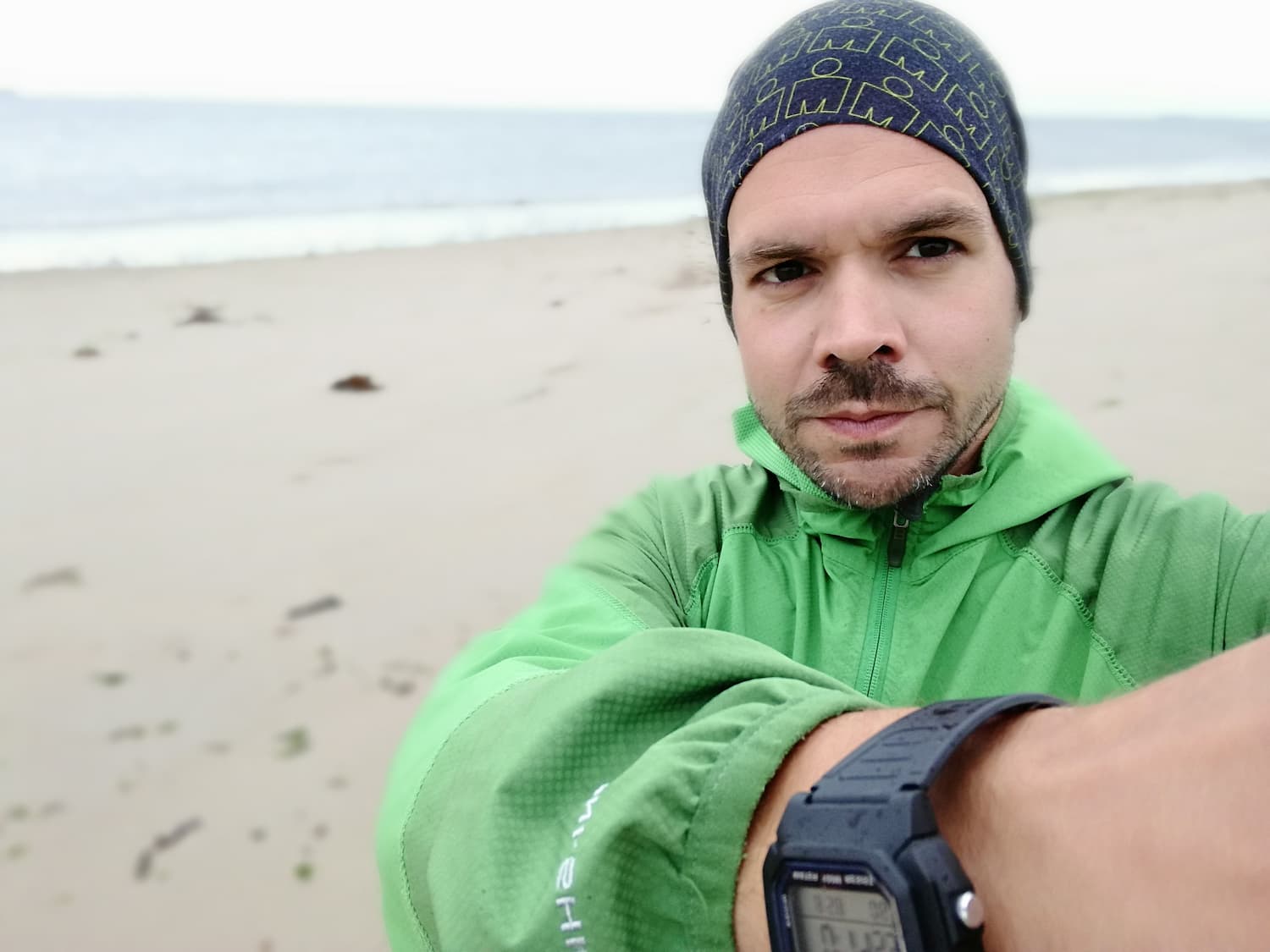 — What was your first impression of Red Bull?
I loved the culture. I came into the office as a new person, and there were people from all over the world — Germany, Austria, South Africa, Brazil, Portugal, Croatia, and many other places. It was very international, very mixed, and I liked that immediately.
— How long were you in the office before lockdown?
Only about 14 days. I had some onboarding sessions, and then they told everyone to go home. I don’t remember exactly, but I think I worked from home for at least a year, maybe a year and a half.
— Was it difficult to start a new job that way?
Yes. I was the new guy. I did not really know anybody, and I did not know how everything worked inside the company. But I had to start working on productions from home.
— What were your first Red Bull projects?
For the first half year, I mainly worked on gaming. During COVID, when almost nobody could do normal productions, gaming events were easier to produce. You could take the signal from the caster’s computer, add graphics on top, and build a show around it. It was fun, and it was a good way to start.
 — Why did you leave Red Bull?
I think every part of your career, and every part of life, needs to end at some point. When things become repetitive, you start to feel that it may be time to move on.
“When things become repetitive, you feel it is time to move on.”
I want to be clear: Red Bull is an amazing company. Red Bull Media House has many smart people, and they do incredible work. You can be part of some of the biggest productions in the world, with strong budgets and a lot of room for innovation.
— Did you feel that you had reached a ceiling?
Yes, more or less. I started as a production manager. After about a year and a half, I became a senior production manager. Then, after another year and a half, I became a production executive. I had a team of five amazing people, and they did great work.
— What kind of projects did you work on there?
I mainly worked on culture projects — big events such as BC One, Dance Your Style, and Batalla. I also worked on a Netflix documentary with Red Bull. Production and broadcast are team sports. Everybody needs to be involved, and no single person can take credit for everything. But I did some amazing things at Red Bull, and I am proud of that.
“Production and broadcast are team sports.”
— Was it a difficult decision?
After five years working there and living in Salzburg, I was tired of the repetitive day-to-day rhythm. Even when the projects are amazing and the budgets are strong, sometimes you feel that it is time for a change.
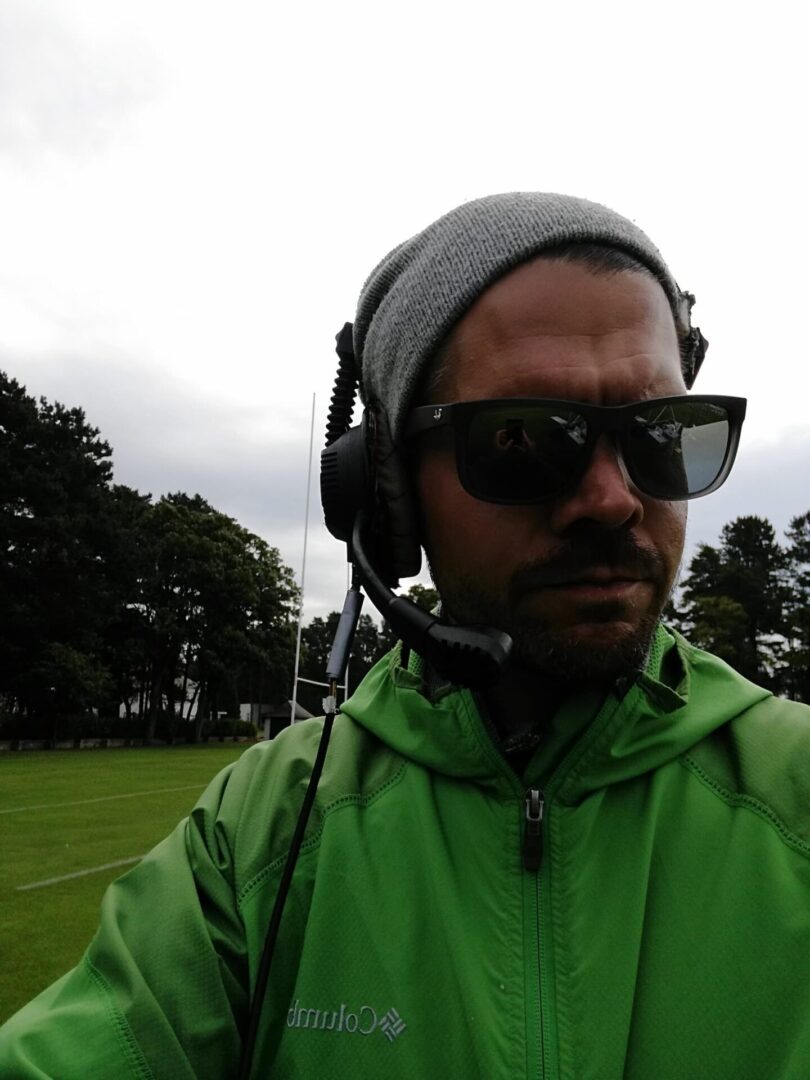 — How did you leave?
We parted well. In production and broadcast, it is very important not to burn bridges. The industry is small, and relationships matter.
— How do you look back at Red Bull now?
You can put me on the record: I think Red Bull Media House is probably one of the best full-time jobs you can have in this industry. The culture is amazing, and you get the opportunity to work with incredible athletes and creative people. We all know how strong Red Bull’s marketing is. It was a pleasure, and it was an amazing experience.
“Red Bull Media House is probably one of the best full-time jobs you can have in this industry.”
Esports, Gen Z, and the Creator Economy
— You spoke about storytelling in real sport. But what about esports? Is it a different world?
It is a different world, but storytelling is everywhere. I had the opportunity to work with EWC in Riyadh. I worked on it for a couple of months before the event, and then I spent about two and a half months in Riyadh.
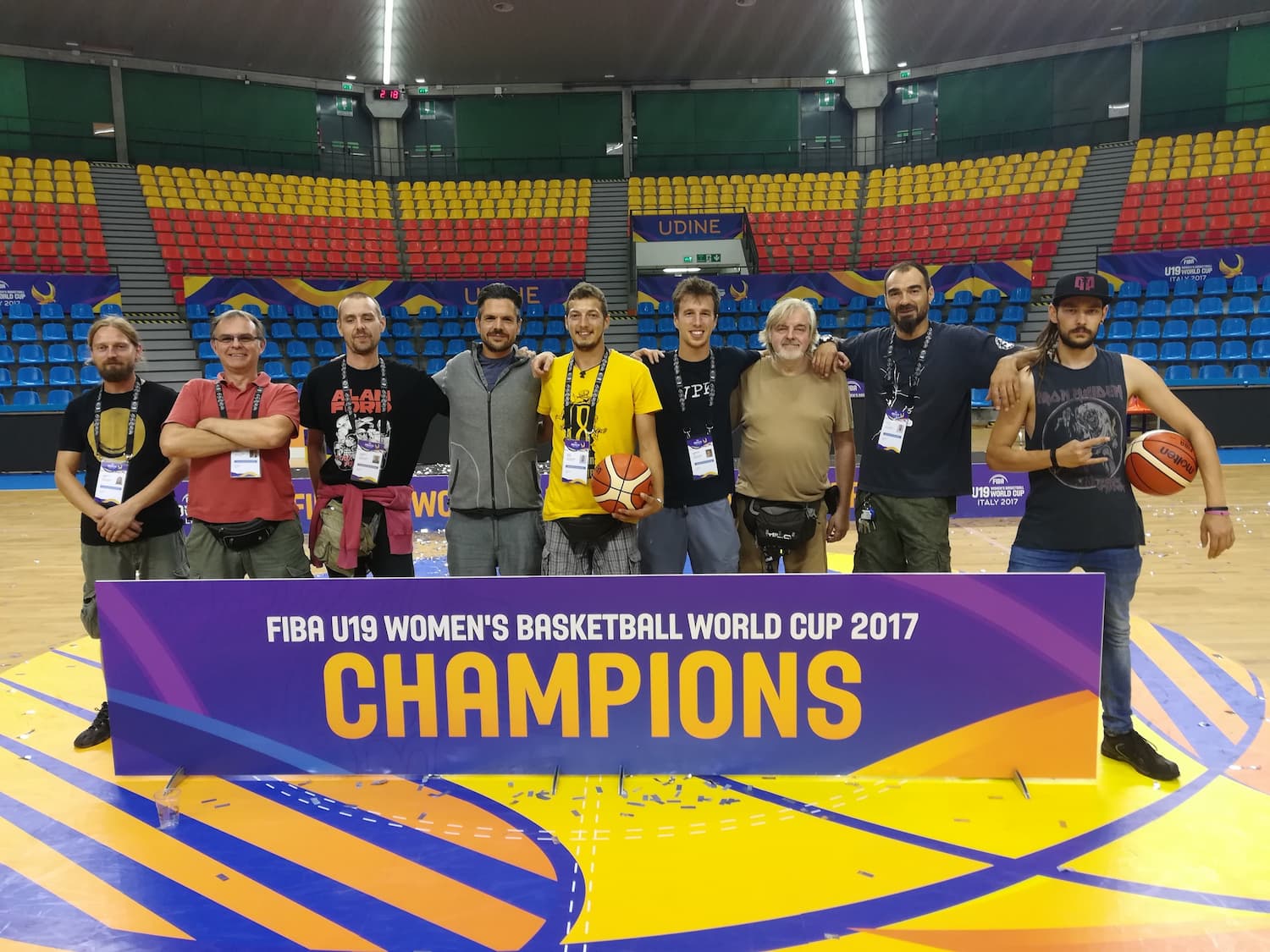 — Did that experience change your view of esports?
Yes. It was the first time I really started respecting esports. The scale is crazy. The money, the audience, the production level — everything is much bigger than many people outside that world understand.
“The scale is something people outside this world don’t understand.”
— What kind of storytelling exists in esports?
The gamers are like football or basketball players. In their world, which is not small anymore, they are superstars. They have millions of followers. I met Faker from Korea, and he is a real superstar. He cannot just walk around the city normally because everybody knows his face.
— Is the emotional structure similar to traditional sport?
Yes. You still have winners and losers. You still have favorites and underdogs. You can have a player or team with a 90 percent chance of winning, and then someone with a 10 percent chance comes in and wins. That underdog story works in esports the same way it works in traditional sports.
 — What impressed you most at EWC?
The scale. The prize money alone was huge — around 70 million dollars for players and teams. And then you see the arenas, the galleries, the broadcast operations, the streaming setup, the number of people involved. It is impressive.
— What was the atmosphere like on site?
There were several halls full of people, and everything was being streamed. It felt like a major global entertainment event, not something niche or secondary.
— What makes esports different from traditional broadcasts?
Esports already connects broadcast, streaming, and social media much more naturally. They have TV takers, but they also stream to YouTube, Twitch, and other platforms. That is where esports can teach traditional production something.
— What is still missing in traditional broadcasts?
Broadcast and content creation are still not close enough. YouTubers, streamers, influencers, and athletes often live in a different ecosystem from traditional TV production. But by 2030, the creator economy will be huge, and broadcasting needs to understand how to work with it.
 — How can production companies adapt?
They already have crews, equipment, and technical knowledge. But they need another layer between broadcast production and social media. They need to use the same production infrastructure to create content that works on YouTube, TikTok, Twitch, and other platforms.
— Why is this important now?
Because Gen Z is not really watching TV. Gen Z is watching YouTube, TikTok, and Twitch. Podcasts have also become very strong in the last five to eight years, so you can combine all these layers around one event.
“Gen Z is not watching TV — they are watching YouTube, TikTok, and Twitch.”
— What kind of content works for that audience?
They do not need everything to be polished. They do not care as much about perfect graphics or a traditional TV look. It can be raw, but it has to be personal. They want to know who the athletes and players are, what they do, how they train, and how they live.
“It doesn’t need to be perfect — it needs to be personal.”
— Did esports change how you think about athletes?
Yes. I really fell in love with esports. They are playing video games, but they are athletes. They train, they work with diets, they go to fitness, they have consultants, and they meditate or pray. It is another form of sport, but it is a real sport.
 — Where is esports going next?
EWC is also developing the national layer, including the National Cup. That shows how esports is moving closer to the structure of traditional sport, with national representation, fan identity, and bigger storytelling around teams and players.
— How is EWC developing?
In the summer, they have the club format, like last year. Then, I think in November, they are adding the national format, with countries competing. With everything happening in the Middle East, I hope they can manage it, because the scale is huge.
— What made it so impressive for you?
Last year, around 2,000 players came from all over the world. The amount of content produced was enormous. I have worked on Champions League, EuroBasket, and some of the biggest Red Bull events across the globe, from India to New York. But I have never seen anything as massive as EWC.
 Freelancing, Directing, and the Return to Creativity
— What are you doing now?
Now I am freelancing. I have several projects as a production supervisor, so I travel around the world and work with different teams. Soon I will go to Canada and Hong Kong, and I am very happy about that because I love visiting countries I have not been to before.
— What does a production supervisor do?
In many sports productions, a federation or rights holder sends someone with a checklist to make sure everything is delivered properly. That is part of what I do now. I like the travel, the new teams, and the chance to help deliver something strong. That is one part of my work, and it also brings in money.
— What other projects are you proud of?
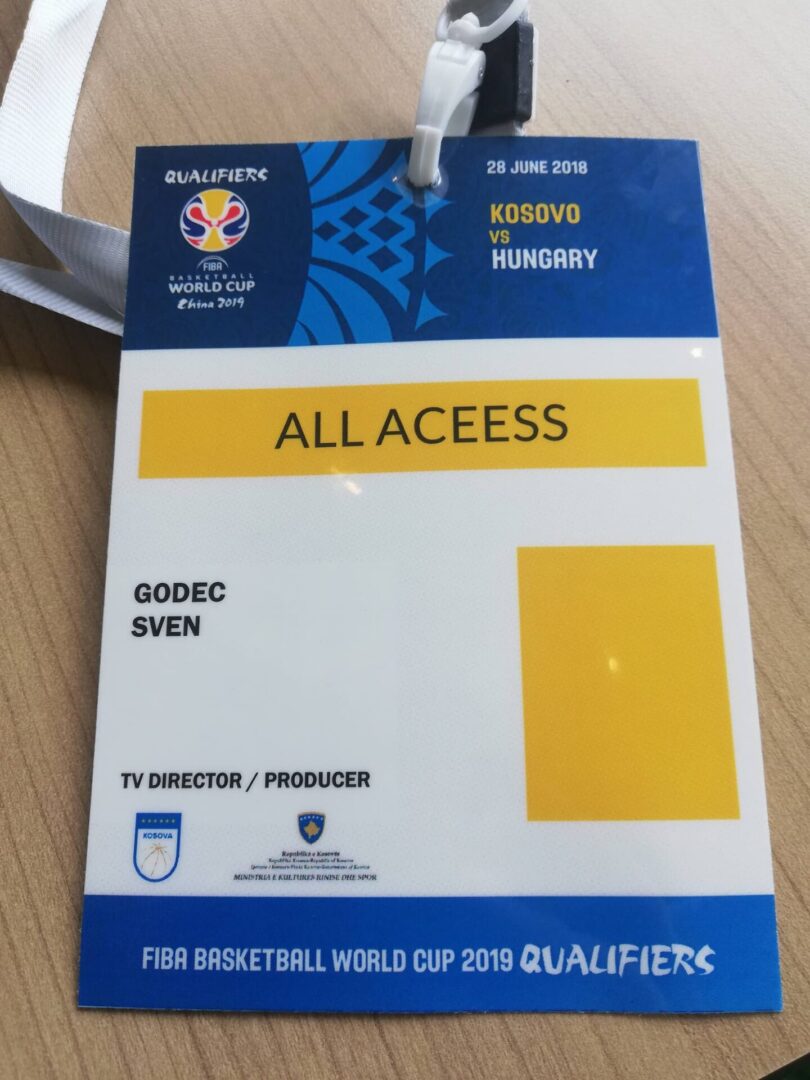
I am proud of many things I did at Red Bull. I am also proud of EuroBasket because it showed me that I could work on major events at that level. I am happy to have been part of one documentary on Netflix and one on Amazon. They are not mine, but I contributed to them as part of the team.
 — Are you satisfied with your career path so far?
Yes, for now, I am happy with how it has gone. There are always different options and opportunities, but I feel good about the path.
— What direction are you moving in now?
In some ways, I am going back to my roots. I am still freelancing, but I am also returning to camera work, filming, editing, and writing screenplays. The creative spark in me has started to come back. For now, it is a hobby, but you never know what can happen with it.
— What happened after EuroBasket?
I worked on a few productions across Europe, but much less than I had expected. So I started freelancing.
 — How did directing enter your work?
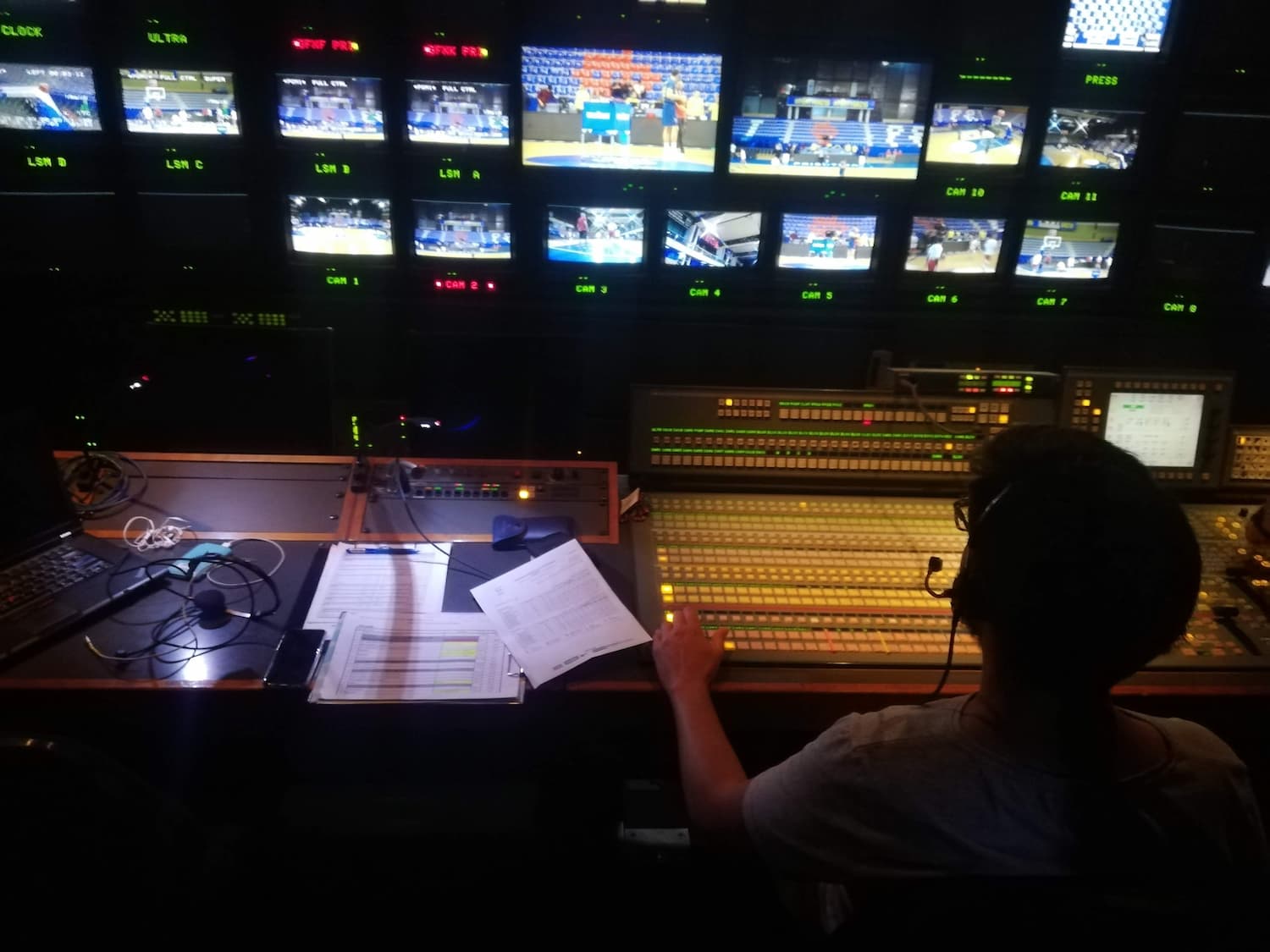
It happened naturally. When you are a producer or production manager, sometimes you cannot find a director for an event. Then you think: how hard can it be? You sit down, mix six cameras, and suddenly you realize that you really like it.
— Did it feel natural from the beginning?
Yes. From my first, second, and third experiences, I saw that I could do it. I had spent so much time sitting next to directors and EVS operators that I understood how it worked. I also realized that I could build a story, even if the format was similar from day to day.
— What kind of events did you direct?
Basically, everything with a ball. I directed many sports — handball, water polo, and many others. I loved water polo. I loved handball. We did some amazing productions, including national teams such as Croatia and Germany in handball.
 — Do you remember one project especially clearly?
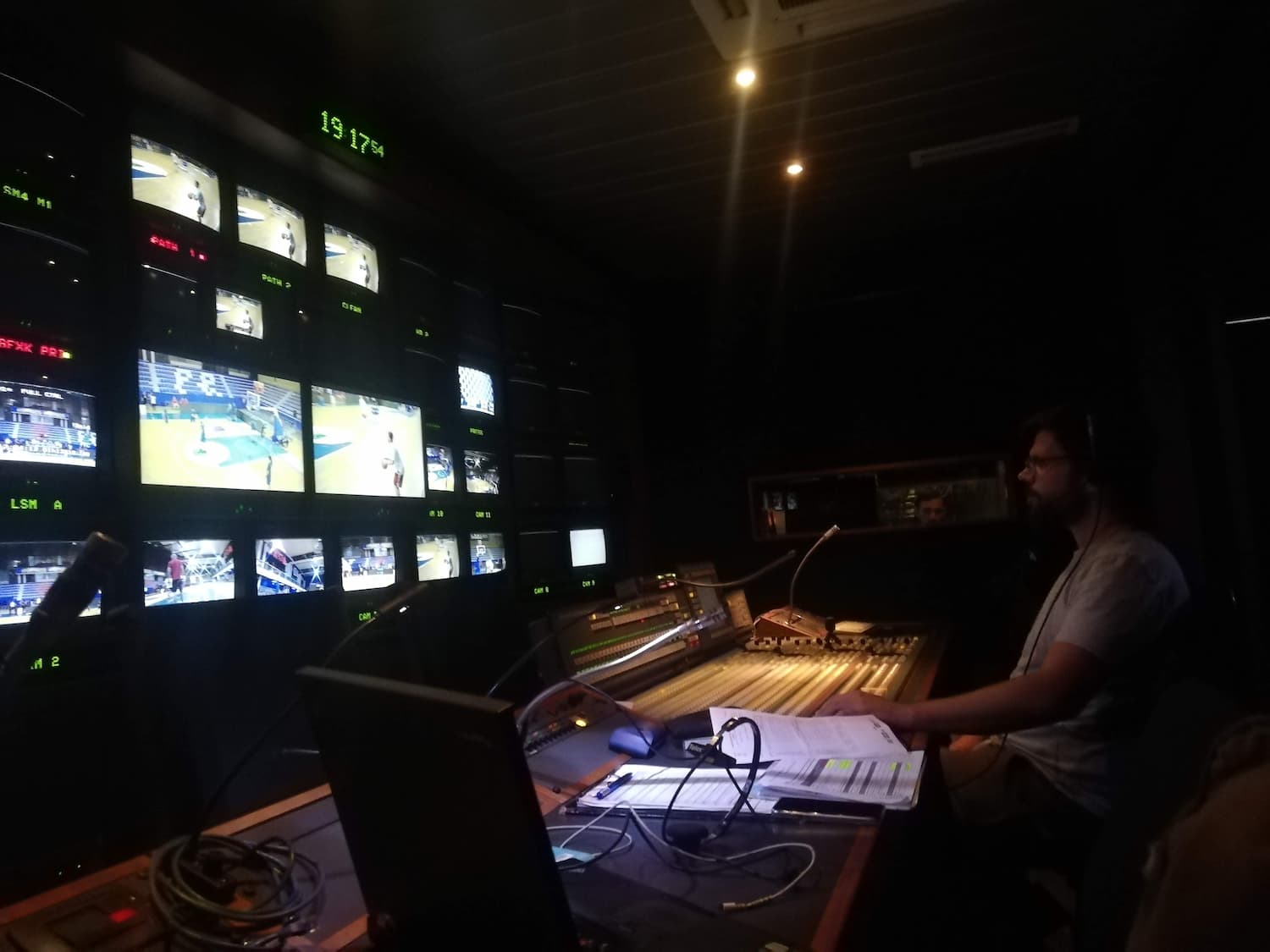
I directed a major water polo event in Zagreb before the Olympic Games. It had some of the top national teams in the world. We had around 14 hours of programming every day — three or four matches, with studio segments in between. It was intense, but it was a very good time.
— What did directing teach you?
I realized that the creative part is the most important part of production. You always need to start with the story and the outcome. Today, people often start with equipment — cameras, lenses, gadgets, AI, everything. But that is the wrong order. First you need to understand the story. Only then can you decide what camera, lens, or tool you need.
“First, you need the story. Only then, the tools.”
— How much directing work did you do?
I directed hundreds and hundreds of games across Europe. Almost everything you can imagine. Sometimes we did very unusual sports.
 — What was one of the strangest examples?
We went to Switzerland to play floorball. I had never heard of it before. It was like hockey, but indoors, in sneakers. When they asked if I could do it, I thought: how hard can it be? There is one goal on one side and another goal on the other side. In the end, it was fun.
— Was freelance work difficult?
Yes. Freelance work is hard because sometimes you have many projects, and sometimes you have almost nothing. It is not enough to direct four games a month. At some point, I needed stability.
— What did you do then?
I started looking for a job, basically anywhere. I was fortunate to get a job with Red Bull. Until that moment, it became the biggest highlight of my career.
EuroBasket, Pressure, and Burnout
— How did you return to large-scale production?
I got a call from one of our former clients, who later became a friend. He asked if I would like to work on EuroBasket 2013 in Slovenia.
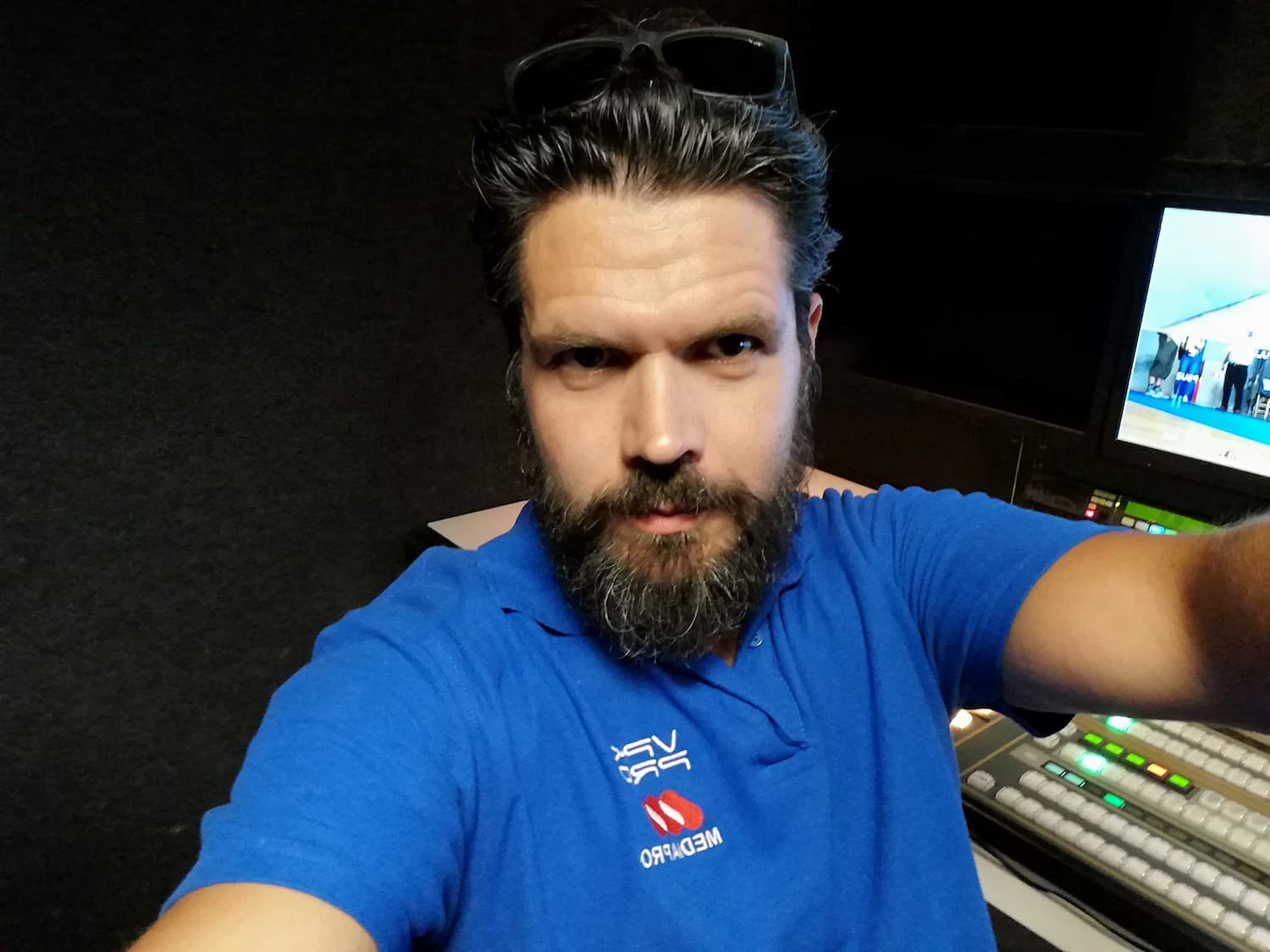 — What made that project significant?
At that time, Slovenia introduced new HD OB vans from Sony. The government supported national television, and this was a major upgrade in infrastructure. These were among the first large-scale HD units in the country capable of handling major events.
— What was your role?
He asked me to become a venue broadcast manager. We had multiple venues — four at the beginning, and then everything moved to one final location.
— How intense was the tournament?
It was extremely intense. There were 90 games played in 21 days.
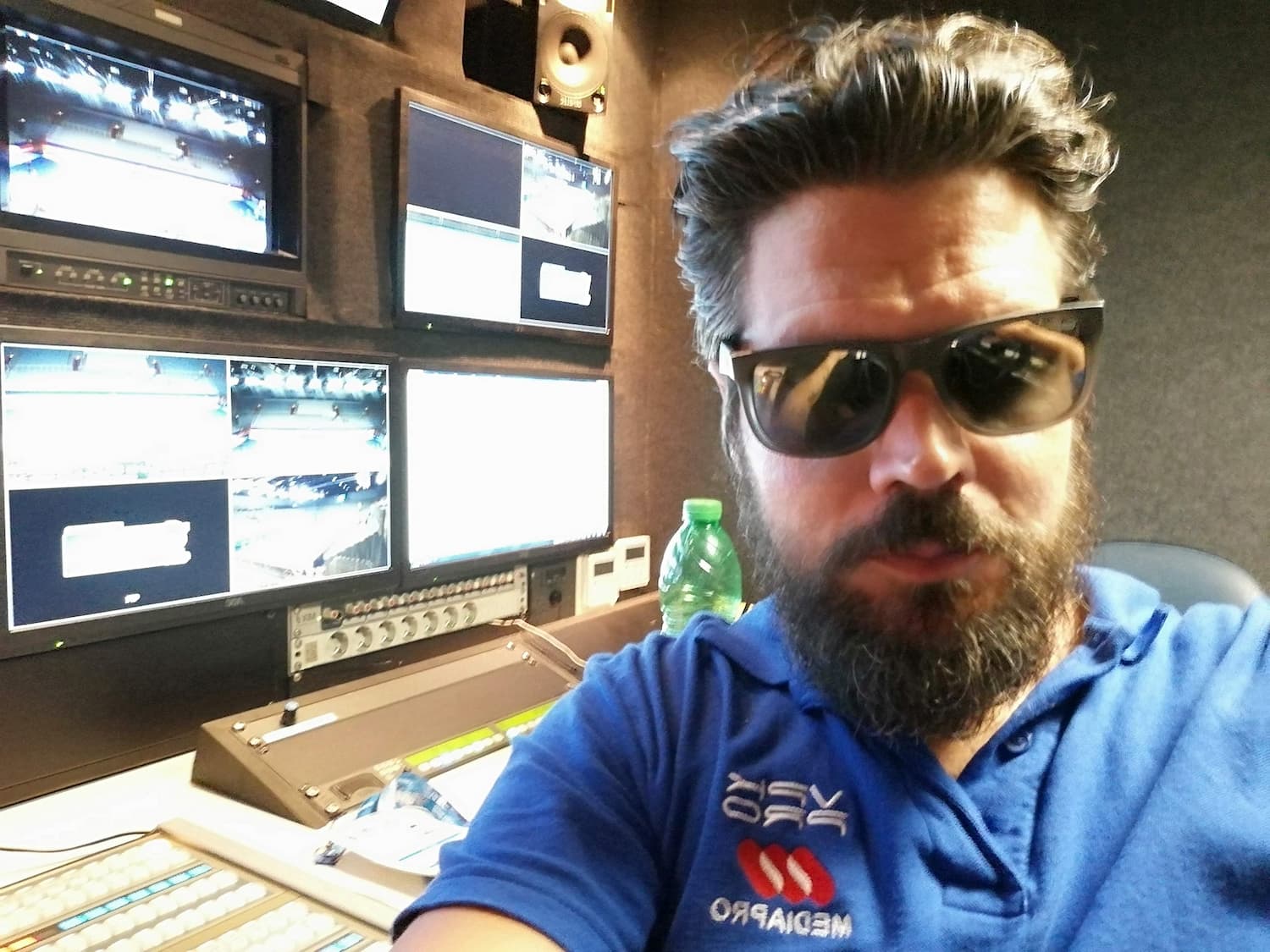 — How was that even possible?
Three games per day, across multiple venues, every day. That was the format back then.
— How was the production organized across the venues?
At first, there were four venues, and later everybody moved to Stožice Arena. In total, it was 90 games. RTV Slovenija (Slovenian national television) covered two venues, and Serbian national television, RTS, covered the other two. RTS had two very good OB vans at that time, probably among the first HD OB vans in the Balkans.
— How did your role change?
Nebojša Čurović first called me and asked if I wanted to work on the event. I said yes. Two days later, he called again and said he had too much other work with marketing and asked if I would take responsibility as Head of TV Operations for EuroBasket.
 — Did you accept immediately?
No. I had a stomachache. I had experience, but I was scared. I could not say yes in the same minute. I slept on it, woke up the next day, and said: Yes, I will take it on.
— What did that role mean in practice?
I became part of the local organizing committee, one of about 25 people in the LOC. I was responsible for TV operations. It was stressful, and it was a big responsibility, but we did it. And I think we did an amazing job.
— Why was that EuroBasket especially demanding?
Back then, Slovenia hosted all the venues, so there were many games. Now, EuroBasket is usually spread across several countries, so one country may have only one venue. But in 2013, we had the entire tournament structure in Slovenia, which made the operation much bigger.
— What do you remember most from that event?
It was a ride. It was fun. You worked with major TV stations from around the world, with all the unilateral operations and international crews. You met so many people. Each TV compound had hundreds of people inside. We managed to deliver it, and it became one of the highlights of my career.
 — How did you work under that pressure?
I was still young and very reactive. If I received an email, I jumped. If something happened, I jumped. I did a good job, but I was all over the place.
With age and experience, you calm down. You understand that not everything needs an immediate reaction, and not every message needs an immediate reply. I see younger people doing that now — jumping on everything and burning out. I understand it, because I was the same.
— What happened after EuroBasket?
After EuroBasket, I thought: now I have done one of the biggest events you can do in Europe, the phone will ring nonstop, and everybody will want me on board. I did a couple of good productions after that, but things did not happen exactly the way I imagined.
— At what point did you feel you needed a break?
Around the age of 30 or 32, I burned out. The workload was extreme. You drive from Ljubljana to Copenhagen — 16 hours — then you rig all night, work the next day, and then drive back. Everything was optimized for cost efficiency, but it came at a personal cost.
“Everything was optimized for cost — but it came at a personal cost.”
— Did anything else influence that decision?
Yes, my daughter was born in 2012. That also changed my priorities. I decided to take some time off to recharge. At that point, I did not have a clear plan. I was thinking about freelancing or changing direction, but there was no concrete decision.
 Learning the Industry from the Ground Up
— What was your professional path after those early production years?
After that, I worked mainly in Slovenia, but also across Europe. Balkan production companies are still competitive — they are cost-effective, but they can deliver high-quality work. I always say we are a good mixture between countries like Austria and Germany and the Balkans. We have strong technical skills, but at the same time, we are creative. We can approach things differently.
— What was your role at that time?
For many years, I worked across different sports. Mostly as a producer, although at that time “producer” often meant production management. There was no clear separation between roles like producer and production manager.
— Do you now see yourself as someone who mentors others?
Yes, for me, it is very important to pay it forward. If I have the opportunity, I try to help younger people. In broadcast and production today, most experienced professionals are 40+, 50+, even 60+. There is a clear gap because not enough younger people are entering the industry.
“There is a gap — not enough young people are entering the industry.”
— Why do you think that gap exists?
The world has changed. Life is faster, and everything is about social media. We had young guys coming in to learn, maybe as camera assistants, and on the first day, they would ask how much they get paid or whether they really need to stay focused all the time. It is a different mindset, a different culture.
 Still, if I see potential — someone smart, someone who can learn — I try to invest time. Because this industry needs new people.
— What did those first production years give you?
I was fortunate to learn everything from zero. I started filming, then editing, then understanding production from different sides. I spent hours around OB vans and production teams, watching how everything worked and trying to understand every detail.
“I learned everything from zero.”
I also had good mentors, and I was lucky because of that.
— Who were your main mentors?
One of my main mentors was Zvezdan Simic Zeds, who is still a very good friend. He was one of the first people in Europe to work with the EVS machine, and later he probably taught hundreds of people how to operate it.
 Even when I worked with Red Bull and traveled around the world, he often came with me. Not because he was my friend, but because he really knew what he was doing. He was one of the main people who helped me grow professionally.
— Who else influenced you?
Another important person was Andrej Kregar, the head of VPK Slovenia. He allowed me to enter this world. Through him, I saw production and broadcast from a business perspective, not only from the creative or technical side.
— What did you learn from the older generation of Slovenian broadcast professionals?
I had the chance to work with amazing directors and camera operators in Slovenia. National TV has very strong people — camera operators, directors, and engineers. Some of them had worked on 10 or even 15 Olympic Games.
When you work next to people with that level of experience, you learn a lot. They had already done everything before you, and if you paid attention, you could absorb a huge amount just by being around them.
— What kind of sports content did you want to create?
We were watching NBA Action and other sports shows, and we saw how they presented the game. You could see the players, the points, the statistics, the data — even back then, everything was already there. But we thought: let’s try to present players as human beings. Not only basketball or football, but what drives them as people.
 — How did you do that?
We had a lot of imagination. We did interviews in swimming pools. We went to play billiards with the players. Sometimes we filmed them playing PlayStation or just spending time together. It was not only about the match. It was about showing a different side of them.
— How long did you work on that project?
We did it for maybe five, six, or seven years. Every year, we made what we called a “Tour de Balkan.” There were probably around 14 teams in the league then, and we tried to visit almost every club.
— How did the tour work?
We took a van, two cameras, some cash from the company, and traveled from club to club. We filmed all the interviews and then kept the material in storage. The good thing was that these interviews were not tied to one specific match or result. You could use them six months later, because they were about the players as people.
So, we could make one 14-day tour and then have material for the whole year. That was a very good experience.
— When did your interest in media and production begin?
It happened gradually during the years when I was not really engaged with the university. I started discovering films, production, and the world behind the screen. Until then, I had never really thought about how live production worked, how content was created, or how many people and decisions were involved before something appeared on screen.
At first, it was curiosity. Then I began to see possibilities I had never considered before. Slowly, that curiosity became a real interest — and eventually it became the direction of my career.
 — What was your first practical experience?
I had an opportunity to start working in production when I was still very young. At first, I was just learning the ropes. We are talking about SD times, so the first things I saw were Betacam SP and Digital Betacam. I had to copy material from one tape to another and learn everything the hard way.
— Did you start shooting as well?
Yes. Later, they gave me a DV camera, and I started doing behind-the-scenes work in sports. It was quite funny. I had an imagination, and I also had this feeling that I was special because I could go into locker rooms and see the players from the inside, not only from the audience side.
— How did that work grow into something bigger?
A friend of mine gave me the opportunity and invited me into that world. After a year or maybe two, we started doing a highlights show for the Adriatic Basketball League, the ABA League. It has existed for more than 20 years now and is one of the strongest basketball leagues in Europe, in my opinion.
— What did you produce for the league?
We had a lot of freedom. We produced two- or three-minute highlights from each match, but we also did interviews with the players. That was amazing, because we were young, learning fast, and suddenly we had access to a professional sports environment from the inside.
Growing Up in Slovenia
— When and where were you born?
I was born in Kranj, Slovenia, in 1979.
— Who were your parents? What did they do?
My mother worked for many years as a secretary at a large Slovenian company. My father was an artist. At one point, he also had a restaurant, and that is probably connected to one of my earliest memories.
— What is your first childhood memory?
My first memory is probably the chaos of that restaurant — the kitchen, the bar, people running around, serving food, everything moving very fast. For a child, it was a very vivid world. Those are good memories.
— How did you experience the breakup of Yugoslavia as a young boy?
I was probably around 12 or 13, so I had a child’s understanding of what was happening. Slovenia was fortunate compared with other parts of the former Yugoslavia. The war here lasted only about seven or ten days.
 At that time, I was living with my parents in Ljubljana, almost in the center of the city. I remember there was a shooting outside our building. We looked through the window, and it looked almost like a movie — two sides shooting, like cowboys and Indians. Then my mother pulled me down behind the wall and told me to stay there.
— What stayed with you most from those days?
For me, as a child, it was not only fear. I remember that Slovenian national television was showing Twin Peaks by David Lynch. I was waiting for the episode, probably around 10 in the evening, and then the shooting happened. My worst memory at that moment was that I could not watch Twin Peaks.
The next day, everything felt almost normal again. A couple of friends and I went outside looking for empty bullet shells. We collected a few and took them home like souvenirs.
Later, when you grow older, the feeling changes. There is always this nostalgic question: what would have happened if Yugoslavia had stayed together?
— How did your perception of Yugoslavia change as you grew older?
I always looked at it from a sports perspective. We had an incredible basketball team and a strong football national team. And then, after the breakup, it all disappeared. For a child, that felt like a big loss.
— Did you understand the bigger picture at that time?
Of course not. When you are a child, your priorities are completely different. You are not thinking about politics or freedom in an abstract sense. You are thinking about playing outside, about your friends, about everyday life. Now we understand much more about what is happening in the world, and it is a different perspective. But back then, everything felt almost like a game. You just wanted to go outside and play.
— Was the first period of independence difficult for your family?
I don’t think so. When Slovenia became independent in 1991, people were definitely scared of what might happen. But the country stabilized quite quickly, within two or three years. By the mid-1990s, there was a sense of optimism. There was not a lot of money, but people were happy. They wanted to enjoy life. Restaurants, bars, nightlife — everything felt alive. There was a strong sense of freedom, and people wanted to celebrate it.
Ursula Romero Takes Over Global Sports Broadcasting Company After Her Father’s Death
At the same time, it was a difficult period in the region. The war moved to Croatia and Bosnia, and a lot of tragic things happened there. We were fortunate that Slovenia remained relatively safe.
— What subjects interested you at school?
I was very interested in history. Physics also interested me a lot. I was always good at English, so languages were also something that came naturally to me. As a child, I took some Spanish and German lessons. They did not really stay with me, but the interest was there. History was the subject that fascinated me most — ancient cultures, different religions, different stories, and traditions.
That interest is still with me today. I am not a very religious person, but I like reading about the history of religion — the Bible, the Quran, Buddhism, the lost years of Jesus, and how different traditions connect or contradict each other.
— Did you play sports?
I mainly played basketball. We played pick-up basketball all the time. After school, we would take the ball and go outside. We were young kids, but we often played with older guys.
Sometimes I even took the ball to school. Back then, teachers in Yugoslavia really did not like that. Sometimes they would take the ball away and not want to give it back. Today, people talk about children and phones. Back then, there were no phones. We just ran around and played outside until nightfall.
— What did you decide to do after finishing school?
After middle school, I chose to study economics in high school. It was not something I was passionate about. The school was simply close to my home, and some of my friends were going there. That was enough of a reason at that time.
— Were you a focused student?
Not really. I see some of the same behavior now in my daughter, who is 14. She goes to school, listens in class, but does not spend much time studying. She believes that being present is enough to understand everything. I was very similar.
I finished high school without anything particularly remarkable.
— When did you start working?
I started working quite early, around 17 or 18. I worked in bars, like many young people, earning some money to have independence — to go to the cinema, to go out, to enjoy life.
— What happened after high school?
After finishing school, I took about two years off before going to university. Eventually, I enrolled in business administration, again in economics. But it never really felt right for me.
When you start university, you suddenly feel a lot of freedom. You think you can choose when to attend classes, what to do, and how to manage your time. In my case, that freedom meant I was not very engaged. I spent a couple of years there, but did not complete it, because I simply was not interested.
 Family, Balance, and a Simple Dream
— Do you have interests outside of production?
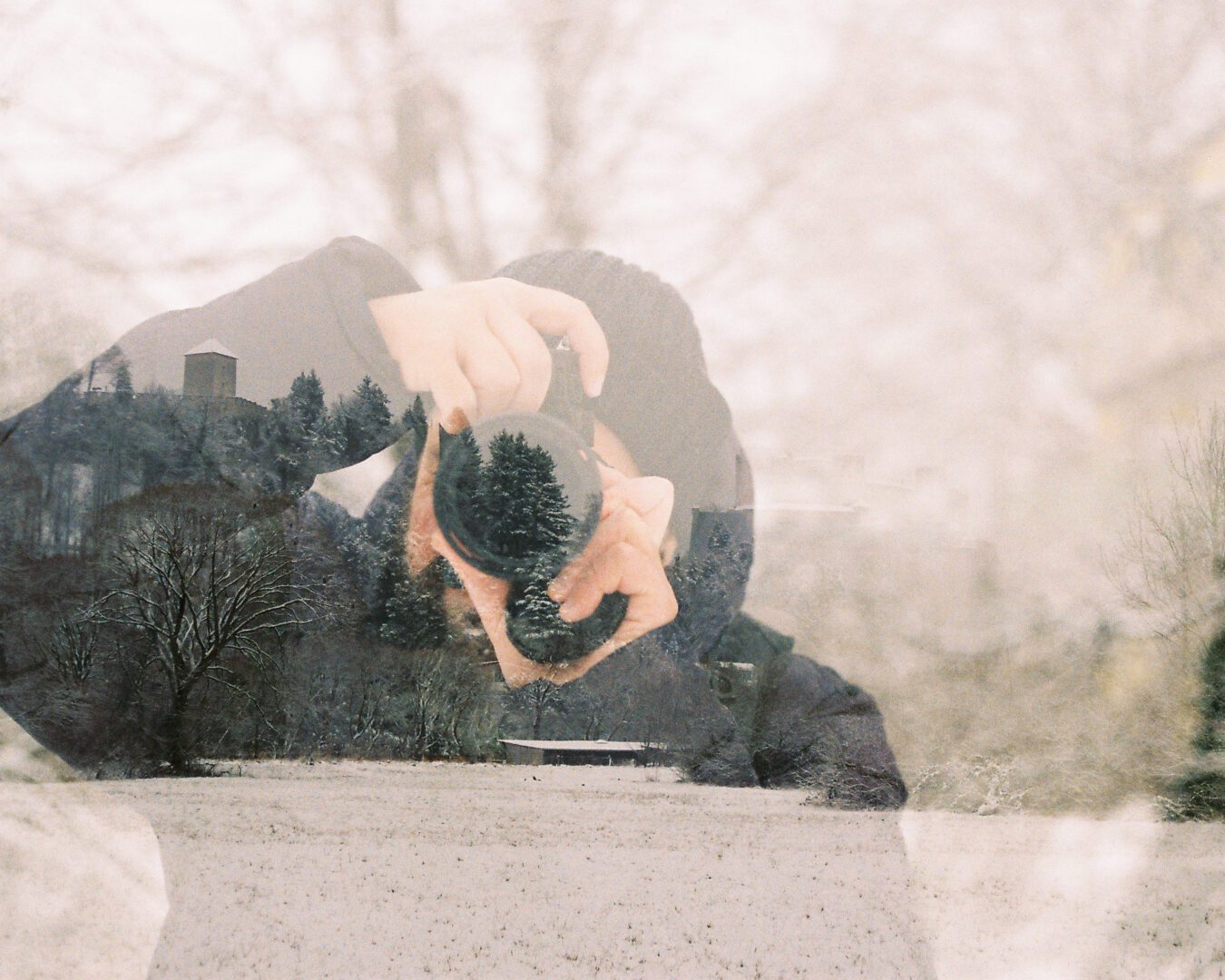
Yes, I am very into street photography. For the last six years, I have been doing it quite actively. It helps me slow down, go outside, take photos, breathe, and disconnect a bit from the intensity of production work. That balance is important for me.
— How did you meet the mother of your daughter?
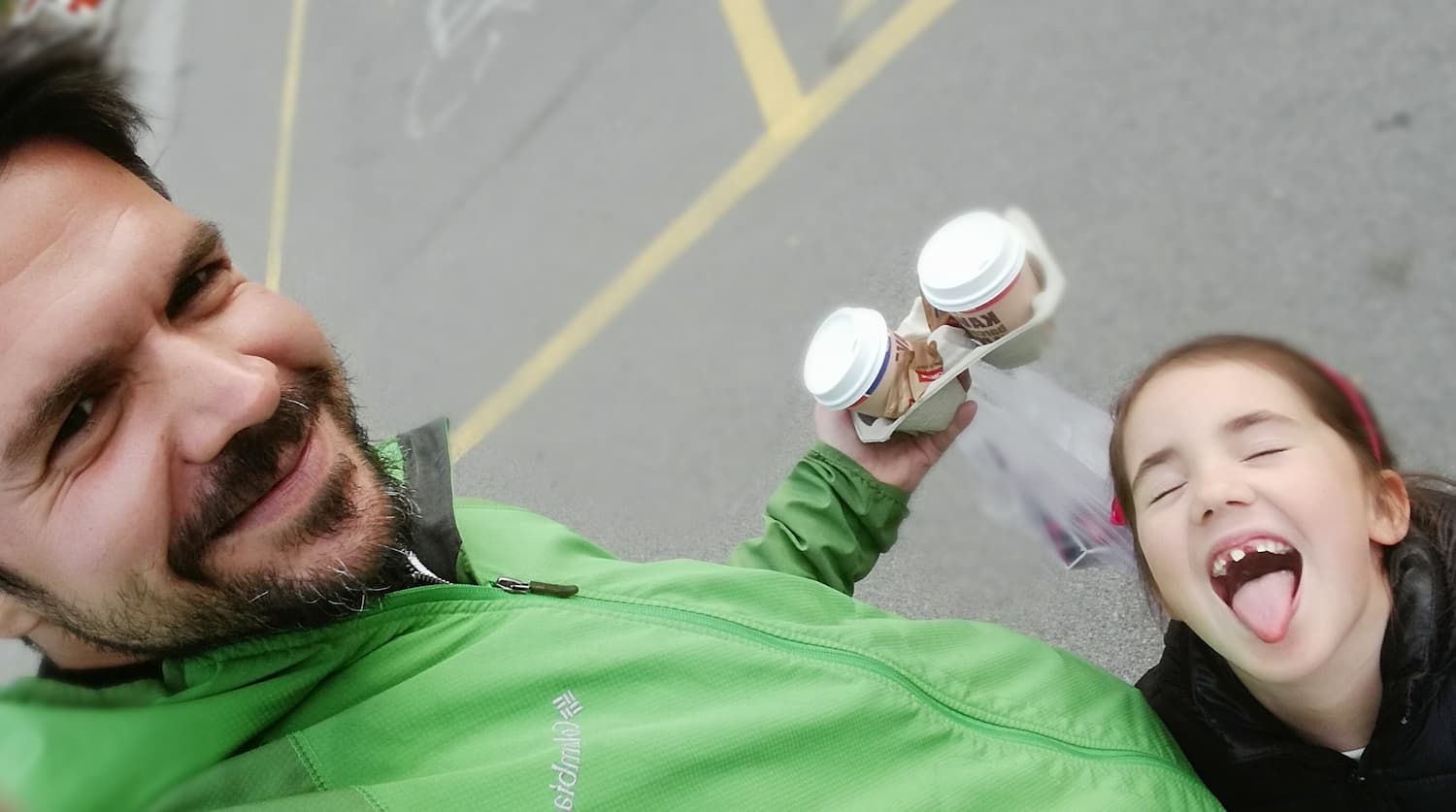
We actually knew each other from when we were teenagers. Over time, one thing led to another, and we became a couple. Now we have been separated for many years, but we have a very good relationship. In fact, I think our relationship is better now than it ever was before. We are close and good friends, and we have our daughter, Sofija.
— How important is family for you today?
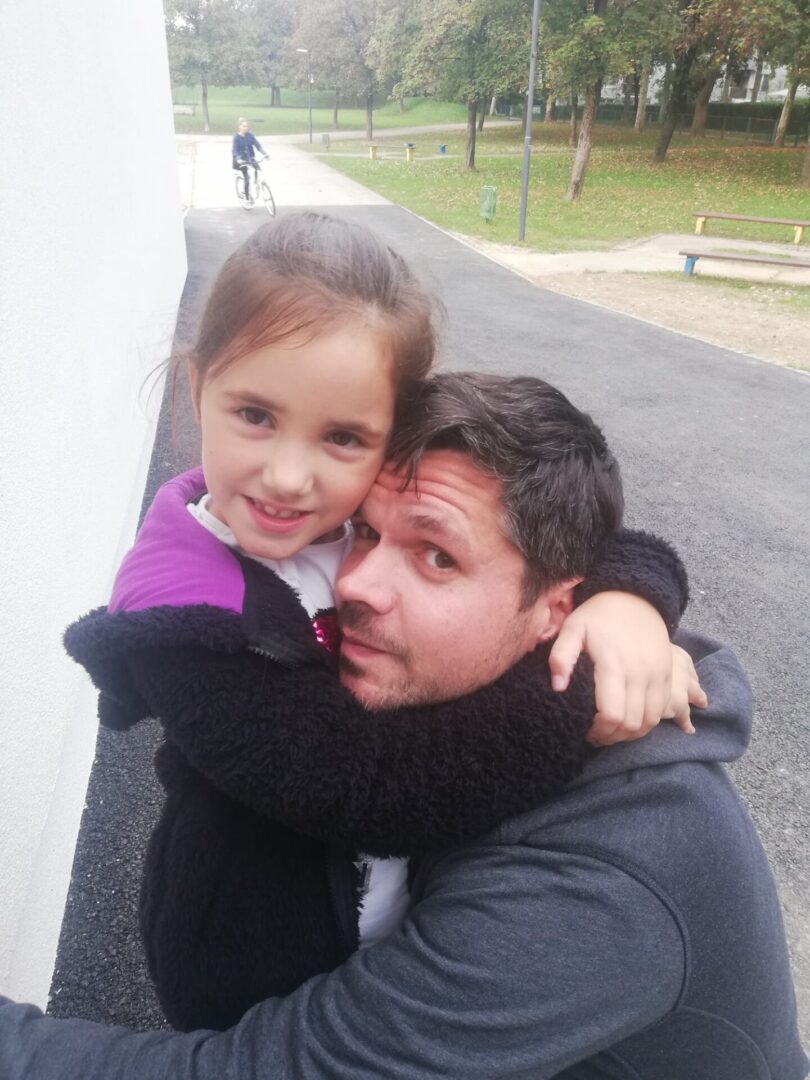
Very important. Recently, I was traveling a lot — Riyadh, then Vienna, then Munich — but now I have been back in Slovenia for a few months. That gives me more time with my daughter. She is 14 now, and this is an important period in her life. She needs guidance, and I want to be present.
 — Has freelancing changed that balance?
Yes. That is one of the reasons I like freelancing now. I can choose projects and also be close to home. My daughter lives about one kilometer away, so I can see her often, pick her up from school, or just spend time together. That was something I missed when I worked at Red Bull, especially during COVID, when travel was difficult.
— How do you prioritize work today?
Now it is family first, and then everything else. I am happy to work, but I also have the luxury, after more than 20 years in the industry, to choose projects. I do not want to work on something I do not believe in. That has become very important.
“Now it is family first — and then everything else.”
— What is your dream today?
It depends on how you define a dream — personal or career. But if we talk about a personal dream, I imagine a simple life.
— How do you see that future?
I am 46 now, and I think that by the time I am 65 or 70, I would like to live in a small house by a lake. Not necessarily fully retired, but working on personal projects, something meaningful, something creative.
— What matters most in that vision?
Being close to water. For me, water gives a special feeling — calm, perspective, space to think. I imagine my daughter visiting with her children, spending time together, maybe becoming a grandfather. A peaceful life.
— Do you think success is connected to money?
Not really. I do not think you need millions, or luxury cars, or houses all over the world to be happy. What matters is peace of mind, being satisfied with what you do, and being proud of your work.
“You don’t need millions to be happy — you need peace of mind.”
In the end, you just need a place you can call home. Something simple, something yours. A place where you can walk, sit by the water, maybe fish, and just enjoy life.