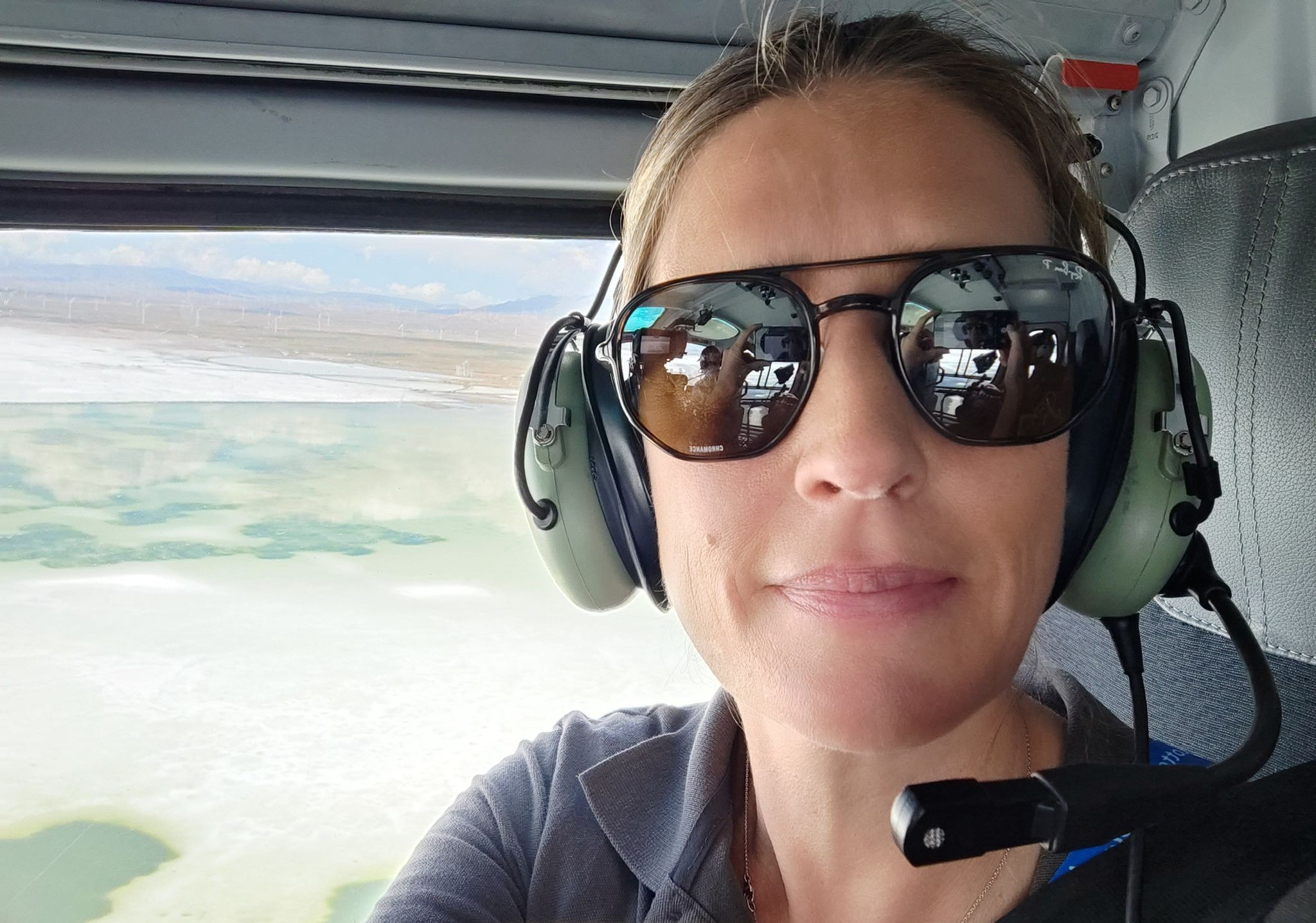
Ursula Romero became CEO of International Sports Broadcasting (ISB) in December 2022, following the passing of her father, Manolo Romero, a key architect of modern Olympic host broadcasting.
Ammar Hina Appointed Strategic Chair of The Gulf & MENA Decision-Makers Forum 2026
ISB, founded in 1997 in Atlanta shortly after the Olympic Games, has since delivered host production for major multi-sport events and international championships across multiple continents.
Her transition to CEO marked more than a change in leadership. It signaled a generational shift inside a company shaped by the Olympic ecosystem and built during the era of centralized global broadcasting. Romero had already spent years inside Olympic Broadcasting Services (OBS), overseeing complex live production for Summer and Winter Games.
Now, she is leading ISB into a new phase — at a time when global sports production is being reshaped by technological acceleration, distributed workflows, and changing media rights models.
A Generational Transition in Olympic Broadcasting
Today, as CEO, Romero is focused on diversification. Instead of operating only within traditional multi-sport cycles, ISB is expanding into new formats while remaining lean enough to compete globally. In an industry where reputation is critical and margins are tight, that balance between flexibility and experience defines ISB’s competitive edge.
For Romero, the transition was deeply personal — but it was also strategic.
“I stepped into the role at a moment when the company needed change and a new direction,” she says. “I had already been reflecting on where I wanted to take ISB and had discussed this with dad on many occasions.”
“With ISB, there’s always a challenge. You have to bid for projects. You need to pitch ideas. You have to be creative in finding clients, and many times that is more work than the actual operation of an event.” Romero emphasizes.
Inside the Olympic structure, scale is constant, and the framework is stable. For Romero, that stability eventually became limiting. “I didn’t want to continue in a system where the next logical step was to remain a lifelong Coordinating Producer or perhaps become Head of Production. I craved a new challenge and wanted to take ISB to another level.”
Her leadership style deliberately reflects that shift. “I’m much more of a submarine leader. I pop up, check in, and then go back under. I want to give people responsibility and independence.”
For Romero, taking over ISB was not about preserving the company exactly as it was — it was about redefining it. “He says, ‘Let’s do what we know works.’ I say, ‘Let’s try something new.’”
Reputation remains central.
“Reputation is everything — and very hard to maintain.”
An in-depth interview with Ursula Romero, Owner and CEO of International Sports Broadcasting, exploring a life shaped by the Olympic Games, international broadcasting, and global sports production.
 – You mentioned earlier that your leadership style differs significantly from your father’s. How would you describe that difference?
My dad was much more used to micromanaging. When he started the company, there were very few people, so that made sense. Even later, during OBS, there were many more people, but his style remained very hands-on.
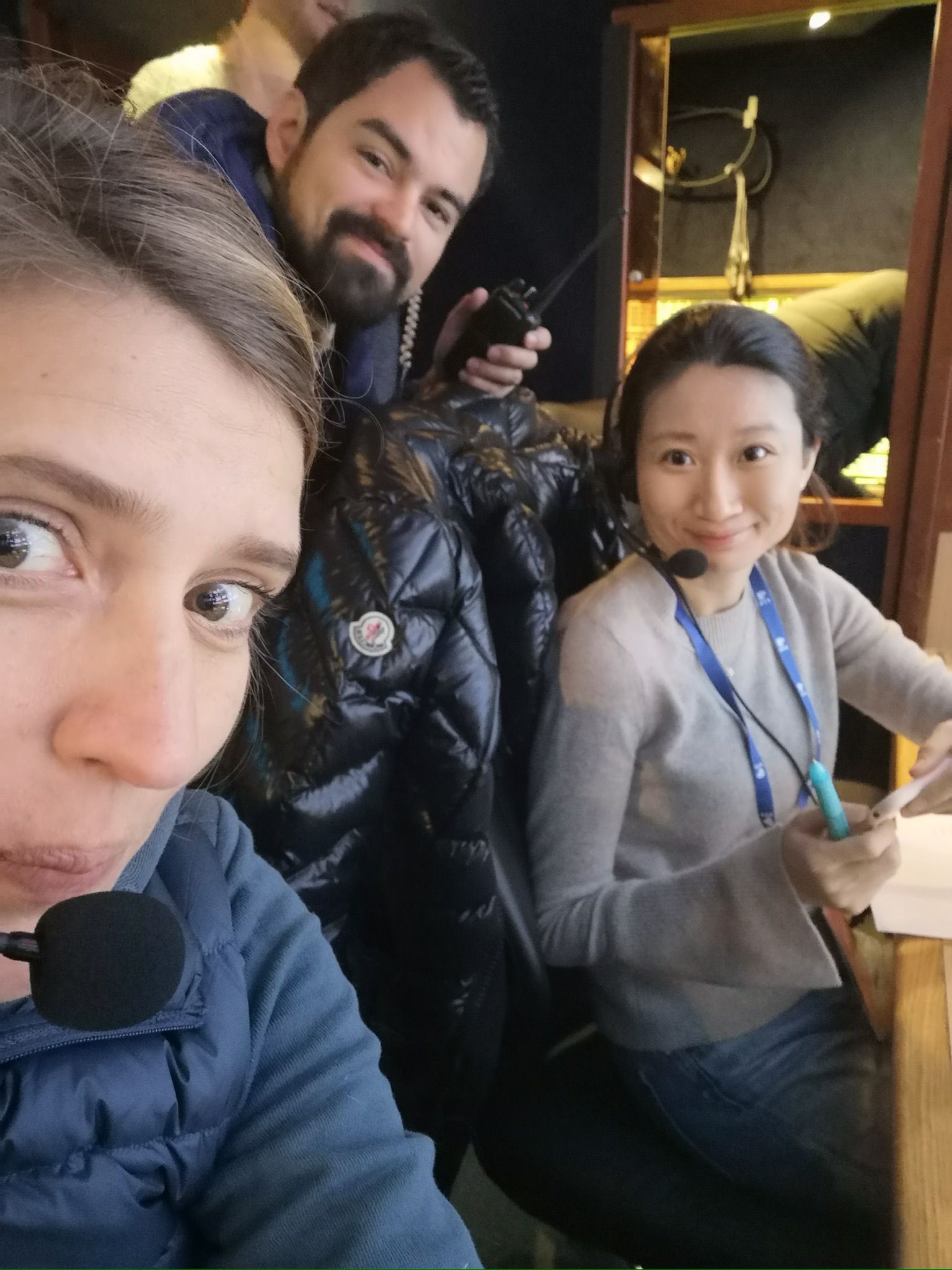 Since I took over, the team has usually been between 10 and 15 people. I want to give people responsibility and independence. My dad was much more of a “helicopter” leader. Our business styles are completely different.
“I’m much more of a submarine leader — I pop up, check in, and then go back under.”
– That sounds like a classic old-school versus new-school leadership difference.
Exactly. One hundred percent. Giving people creative control and freedom often leads to better results and a healthier environment. Sometimes it works, sometimes it doesn’t — but that’s just the way I am.
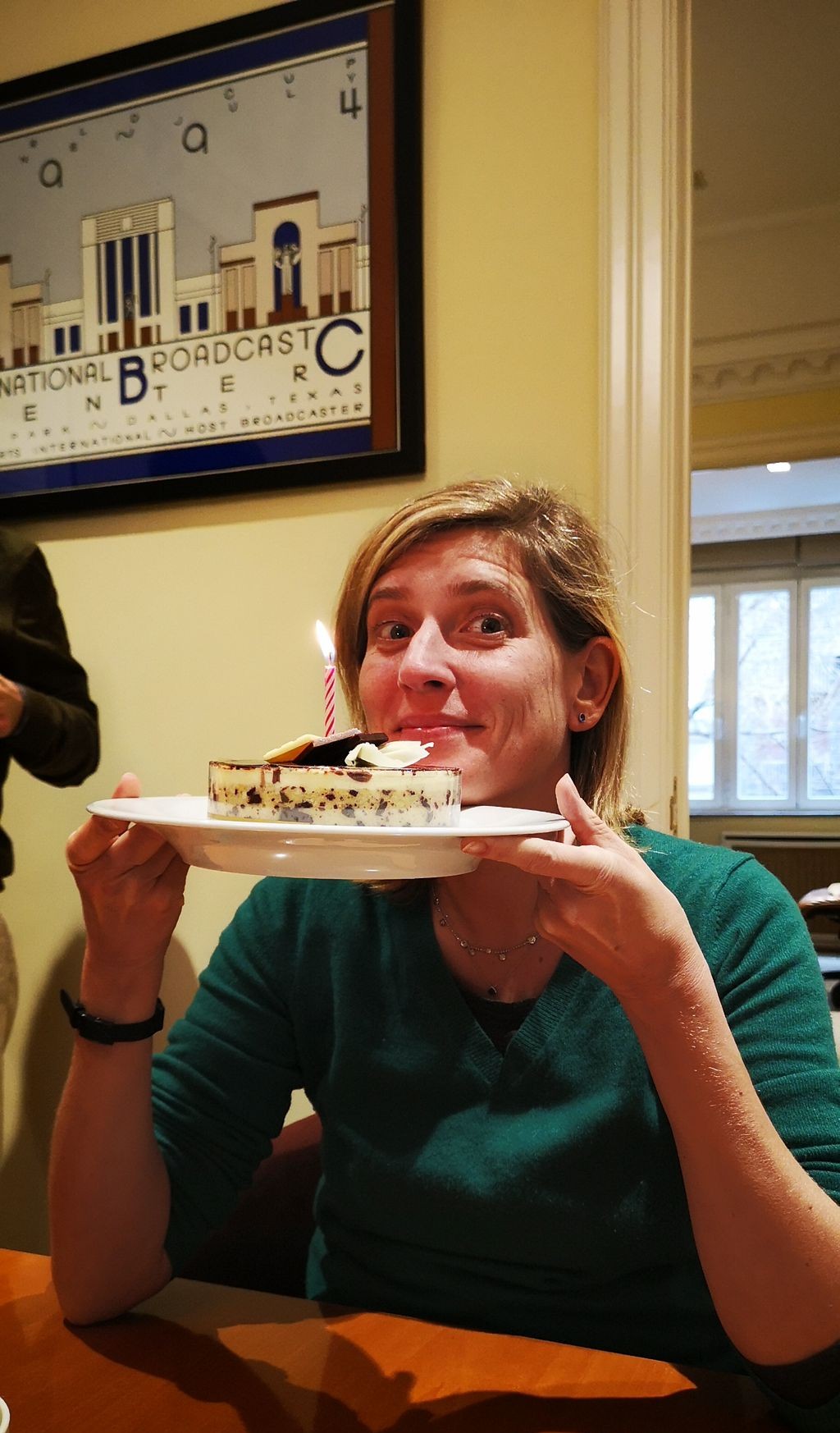 Founder vs. Visionary
– Would it be fair to say that your father was the startup founder and you became more of a corporate visionary, building the next phase of the company?
Maybe — but I wouldn’t really say “corporate.” We’re definitely not corporate. What I would say is that I’m more focused on diversification. When my dad was running the company, the industry atmosphere was very different. Today, technology, media rights, and the way people consume sports have all changed dramatically.
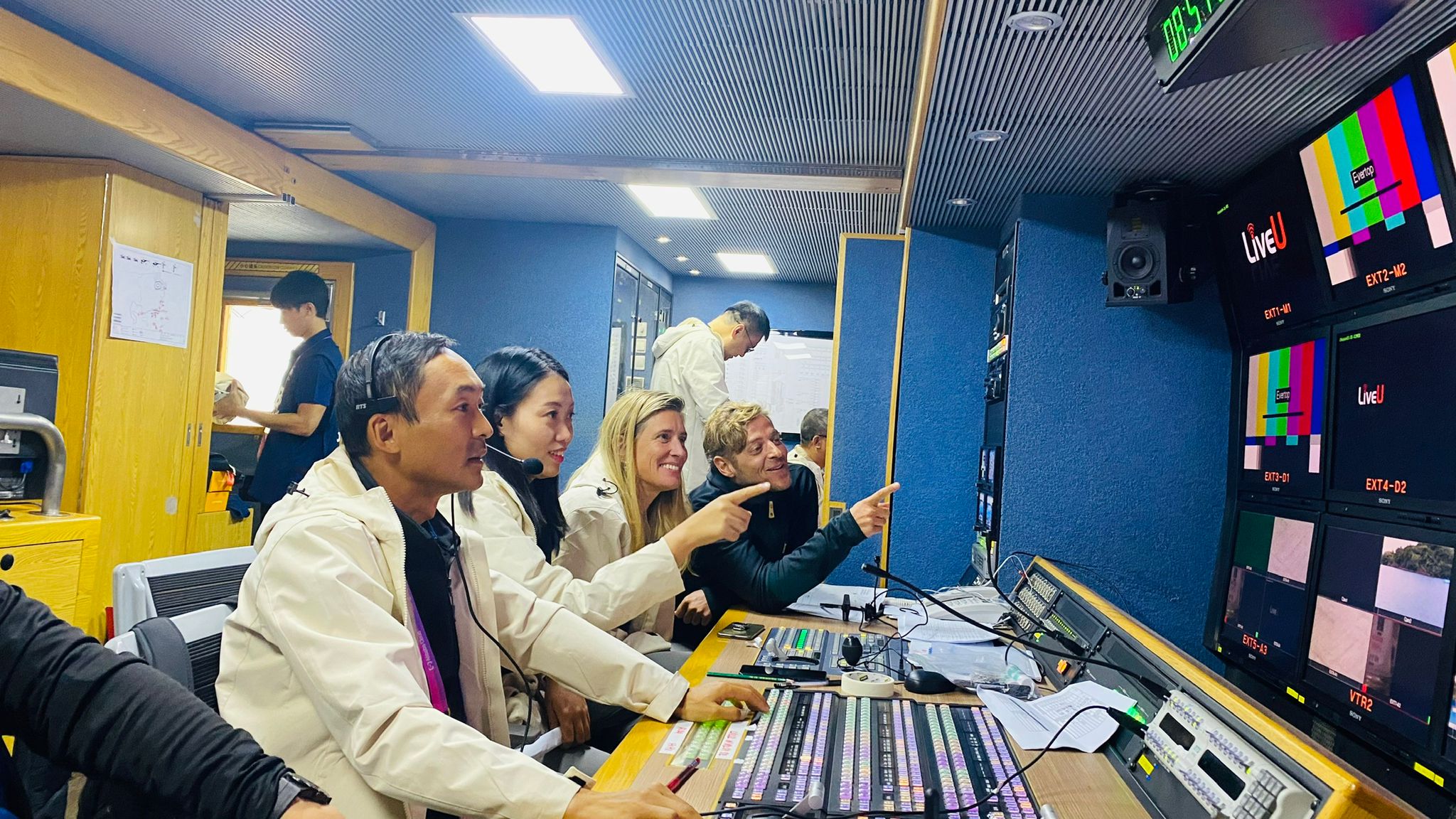 My father, Manolo Romero, was more about specialization — doing what we know best and doing it extremely well. I’m more inclined to explore new areas and diversify. It’s not about being corporate. It’s just different approaches. I’m probably more creative, while he’s more cautious. My father passed away in December 2022. He was the President of ISB. After that, I became a full-time CEO and owner of the company.
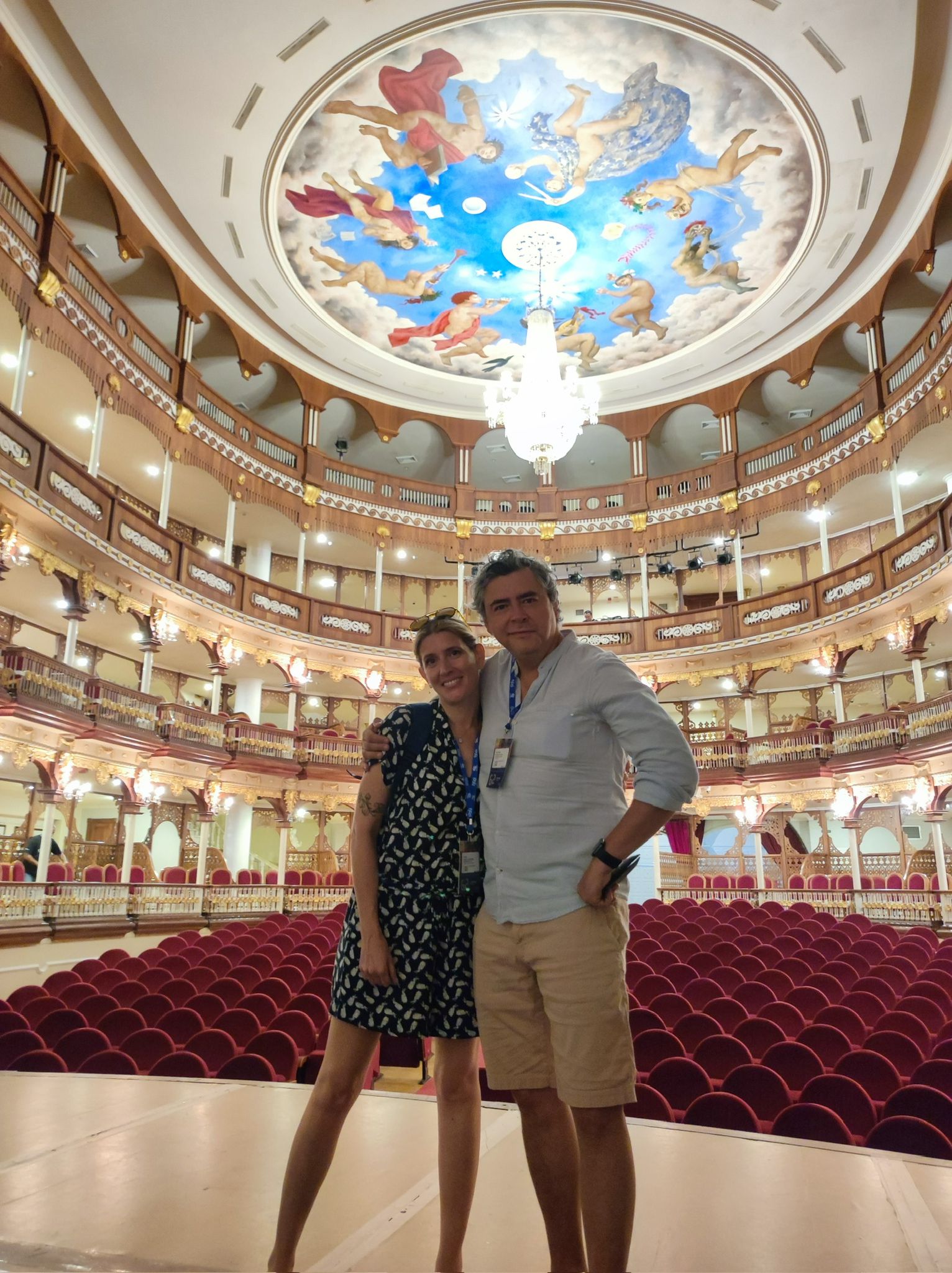 – December 2022 marked a turning point in your life and in the history of ISB. How did that moment redefine your role — both personally and professionally?
With ISB, there’s always a challenge. You bid for projects. You pitch ideas. You have to be creative in finding clients. OBS doesn’t require that — the client is always the IOC. I didn’t want to continue in a system where the next logical step was to remain a lifelong Head of Production. I craved creativity again. And I also wanted time to focus on filmmaking.
“My father built it. I had to lead it.”
– When did you decide it was time to transition fully to ISB?
To be completely honest, I got a little bored. With the Olympics, it becomes “different city, same structure.” It’s extremely political, and the organization grew into a very large machine. You do your part, and in the next cycle, you repeat the same part. It’s copy-and-paste with larger budgets.
And while big budgets allow you to add more cameras, they also remove a lot of creativity. You’re no longer experimenting; you’re scaling.
“Big budgets add cameras — but they often remove creativity.”
 How Mentorship Shaped Leadership
– And later, during your career, were there individuals who guided or mentored you?
Yes. One of my earliest professional mentors was Brian Douglas.
– When did you first meet Brian Douglas?
Very early on. Around 1997 or 1998.
 – How did you come across each other?
We met at work. He was working for my father.
– In what way did your uncle and Brian Douglas shape you as a leader?
They both taught me independence — how to think differently and not worry too much about how others do things. It was more about taking what exists, making it your own, and not being afraid to do something differently or think outside the box. And, ultimately, just going for it.
 Choosing Education vs. Work
– At that point, did you consider continuing directly into the industry instead of studying?
Yes — in fact, I tried to convince my parents that I didn’t want to study at all. I just wanted to keep working. But they insisted that I needed a degree in something. I chose film, which was the closest field to what I wanted to do — plus I genuinely wanted to make movies. I eventually convinced my father to let me work and study at the same time.
– How did your responsibilities expand across the Summer and Winter Games?
When I moved full-time to Olympic Broadcasting Services, I became a senior coordinating producer. I was responsible for a similar number of sports. For the Winter Games, I worked on alpine skiing and extreme sports. At the same time, I continued working with International Sports Broadcasting on events such as the Pan American Games and the European Games.
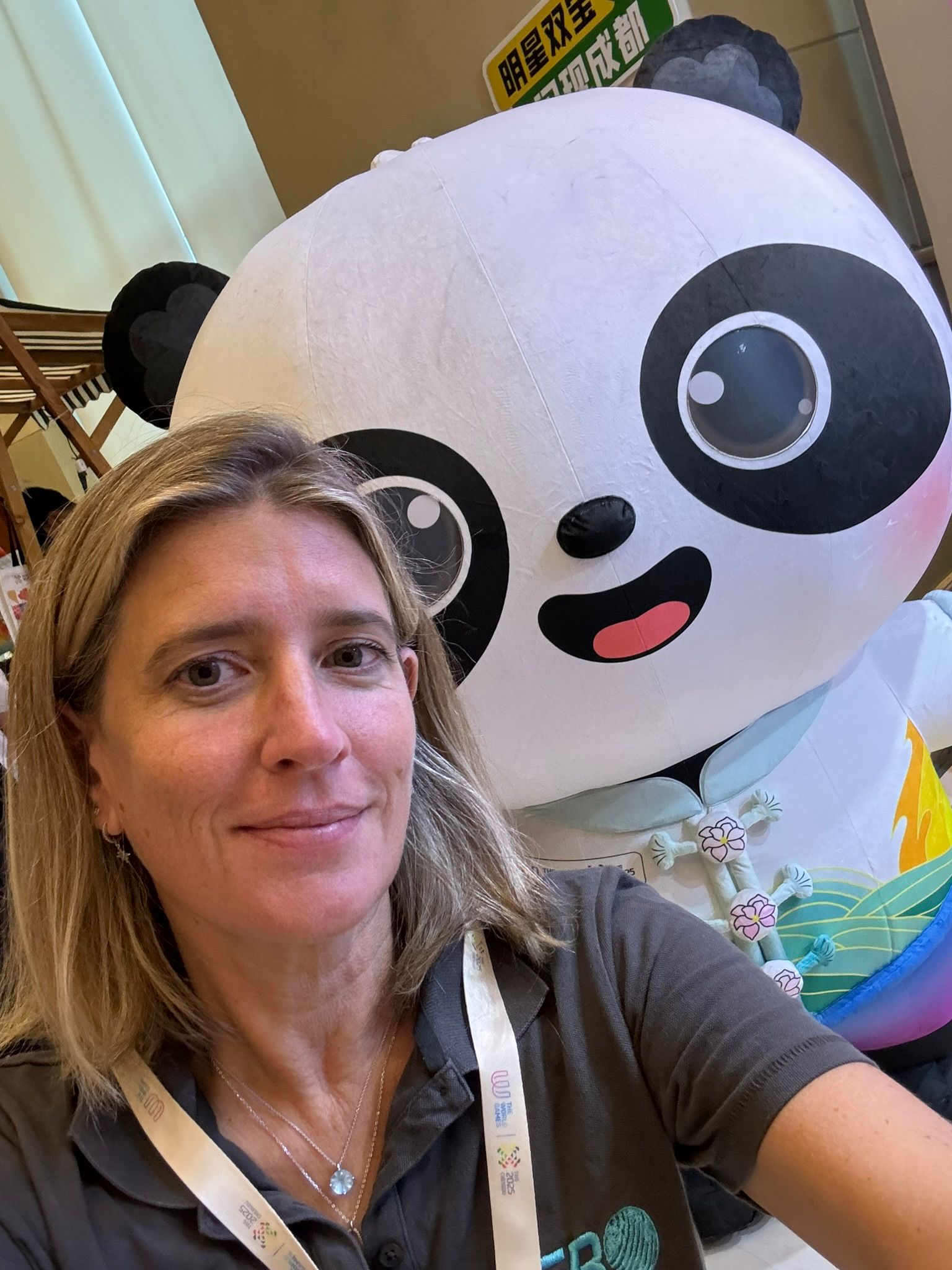 – How did you manage both university and international sports productions?
While studying film, I worked on the 1998 Winter Olympics in Japan. By that time, my father had already created International Sports Broadcasting (ISB) in the United States, and I began working there almost full-time while finishing my degree at the University of Utah.
After that, I worked on the Sydney Olympics and continued building my career.
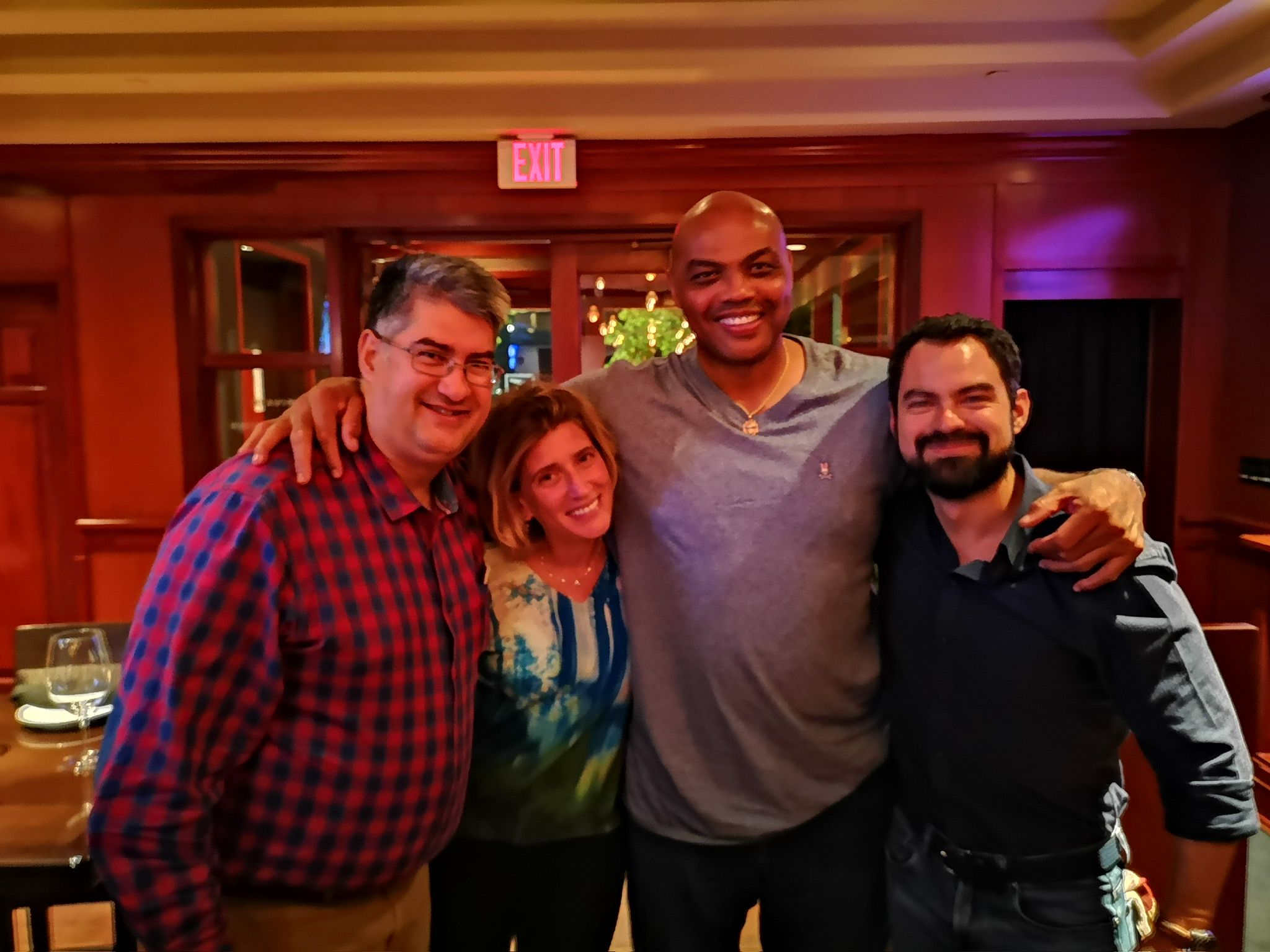 Entering the World of International Sports Broadcasting
– Let’s move into your professional career. Can you explain how ISB was founded and Manolo Romero’s role in building the company?
International Sports Broadcasting was founded in Atlanta shortly after the Olympic Games, around 1997. At the beginning, it was a very small operation — maybe five or six people. After the Atlanta Games, the company moved to Salt Lake City after winning the bid for the 2002 Winter Olympics. That’s where the office was set up, and that’s really how it started.
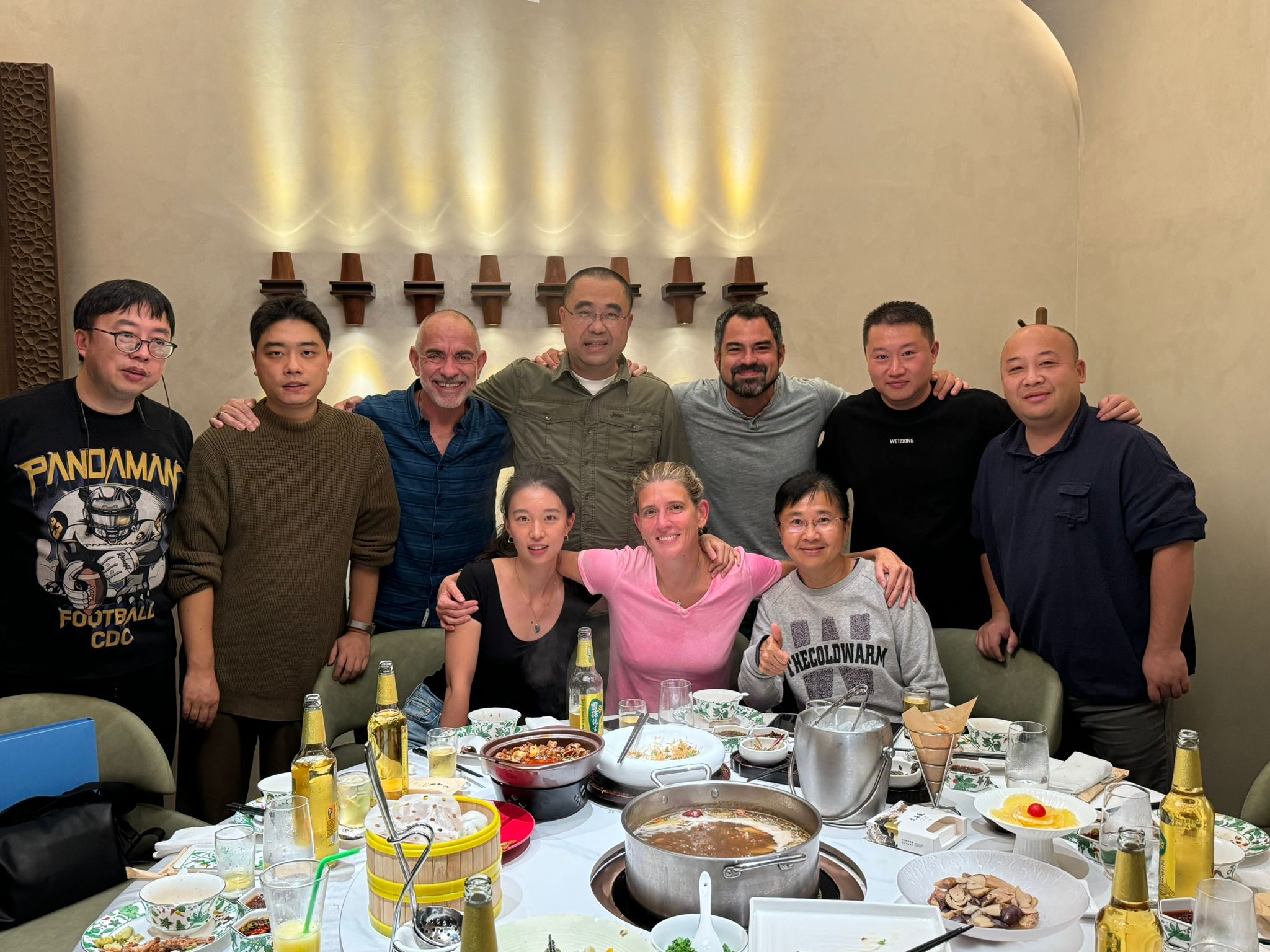
– When you transitioned into ISB, what objectives and responsibilities were you given at that stage? What was your role?
I was definitely in production. At the beginning, I was assisting the Head of Production. I worked as an assistant producer and coordinating producer, doing a bit of everything — production plans, organizational charts, spreadsheets, timing sheets, and call sheets. The goal was really to learn as much as possible. I went to everything and tried to absorb how every part of production worked.
– How did your role evolve once you moved into a full-time position?
When I became full-time, I was a coordinating producer responsible for a set of sports. There were five coordinating producer teams, and I was part of one of them. Our team handled outside races and events such as canoe and kayak slalom, softball, baseball, track, cycling, and triathlon. I later did similar roles at the Beijing Olympics, covering different sports but essentially the same responsibilities.
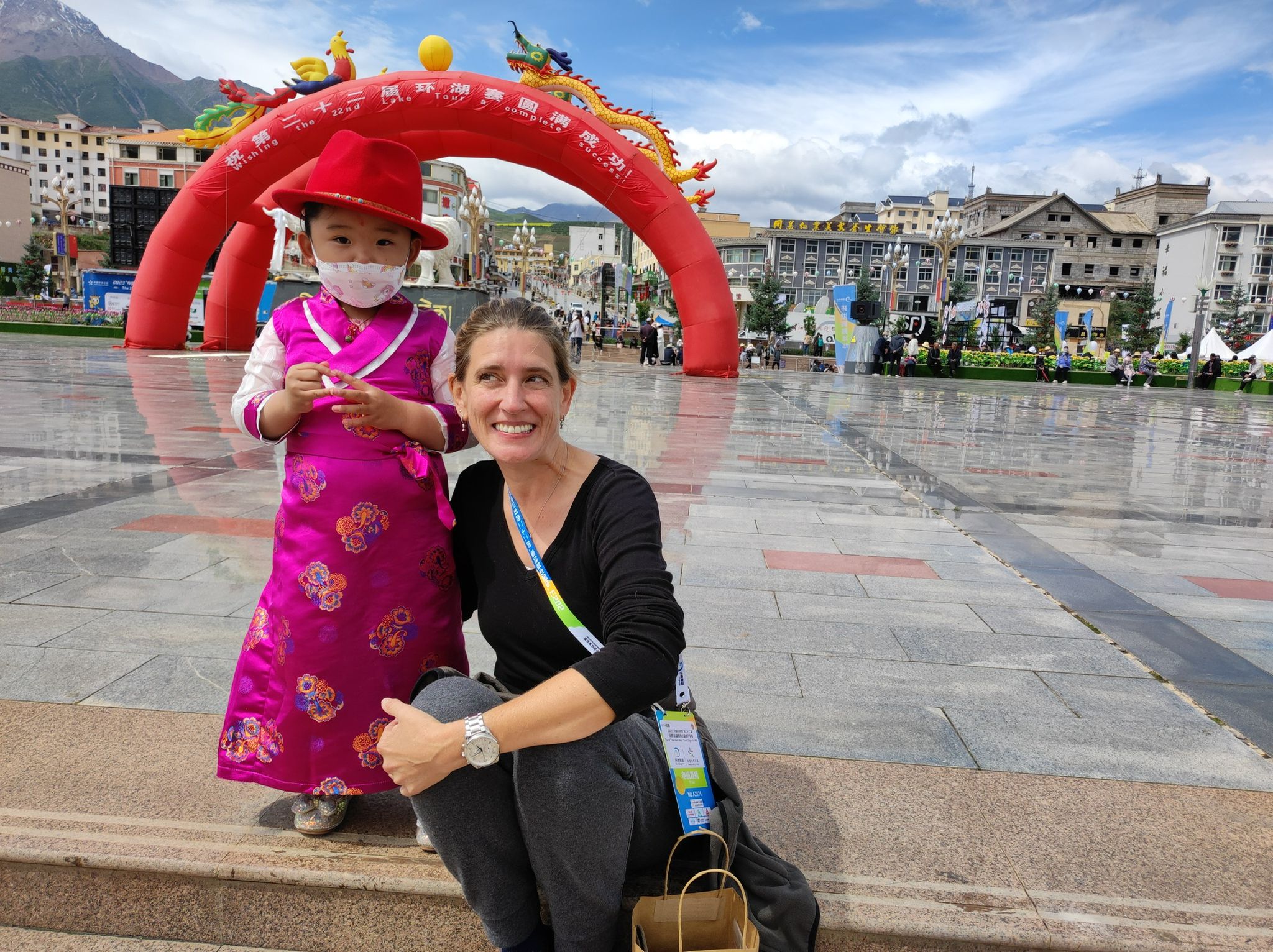 – When you took over leadership at ISB, was there an intermediate transition, or did you take over directly from your father?
No, I took over directly.
– What changes did you implement early on? How did your leadership style differ?
We’re very different people, so it’s hard to pinpoint one specific change. The industry itself had also changed dramatically by the time I took over. When my father founded ISB, the company was one of only two or three doing this kind of work. By the time I stepped in, competition was intense, and the business model had already started to shift.
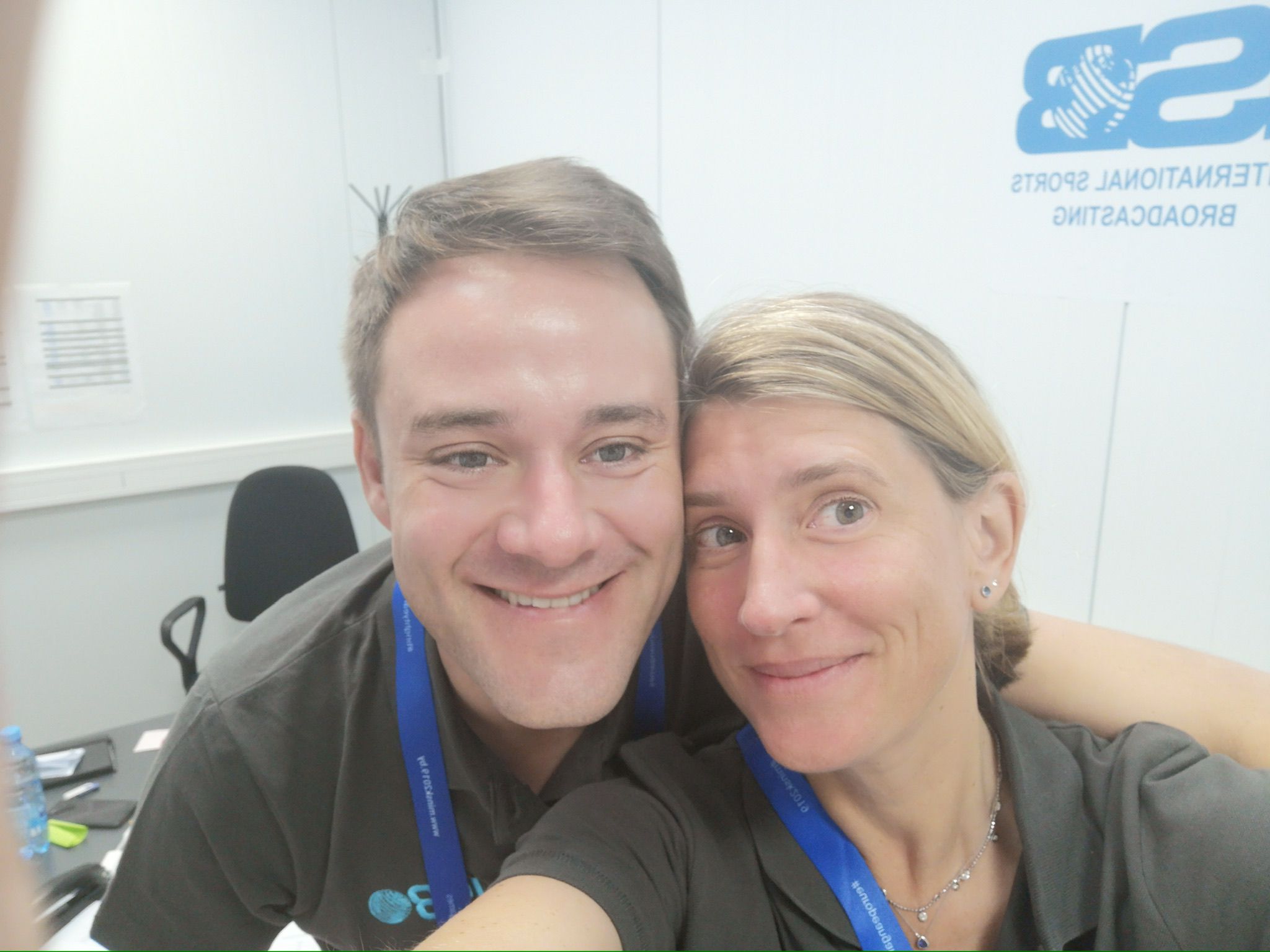
– You were also directing during that period, correct?
Yes. Alongside producing, I was directing a lot of events — cycling, karate, and later at the European Games, triathlon and cycling. I was building experience both from a production management perspective and from a directing point of view.
– How did you evolve from a niche specialist into a broader production model?
Originally, ISB specialized mainly in multi-sport events that took place every two or three years. Since around 2018, we have expanded into additional areas to grow and remain competitive. My father was very focused on the engineering side of the business and deeply involved there. I came from a much stronger production background, so naturally, my focus was different.
– What was next?
After that, Athens came along, and my parents moved back to Spain. Around that time, Olympic Broadcasting Services was being formed. There was a discussion about whether OBS should be based in Spain or Switzerland. The decision was made to set it up in Madrid — and the rest is history.
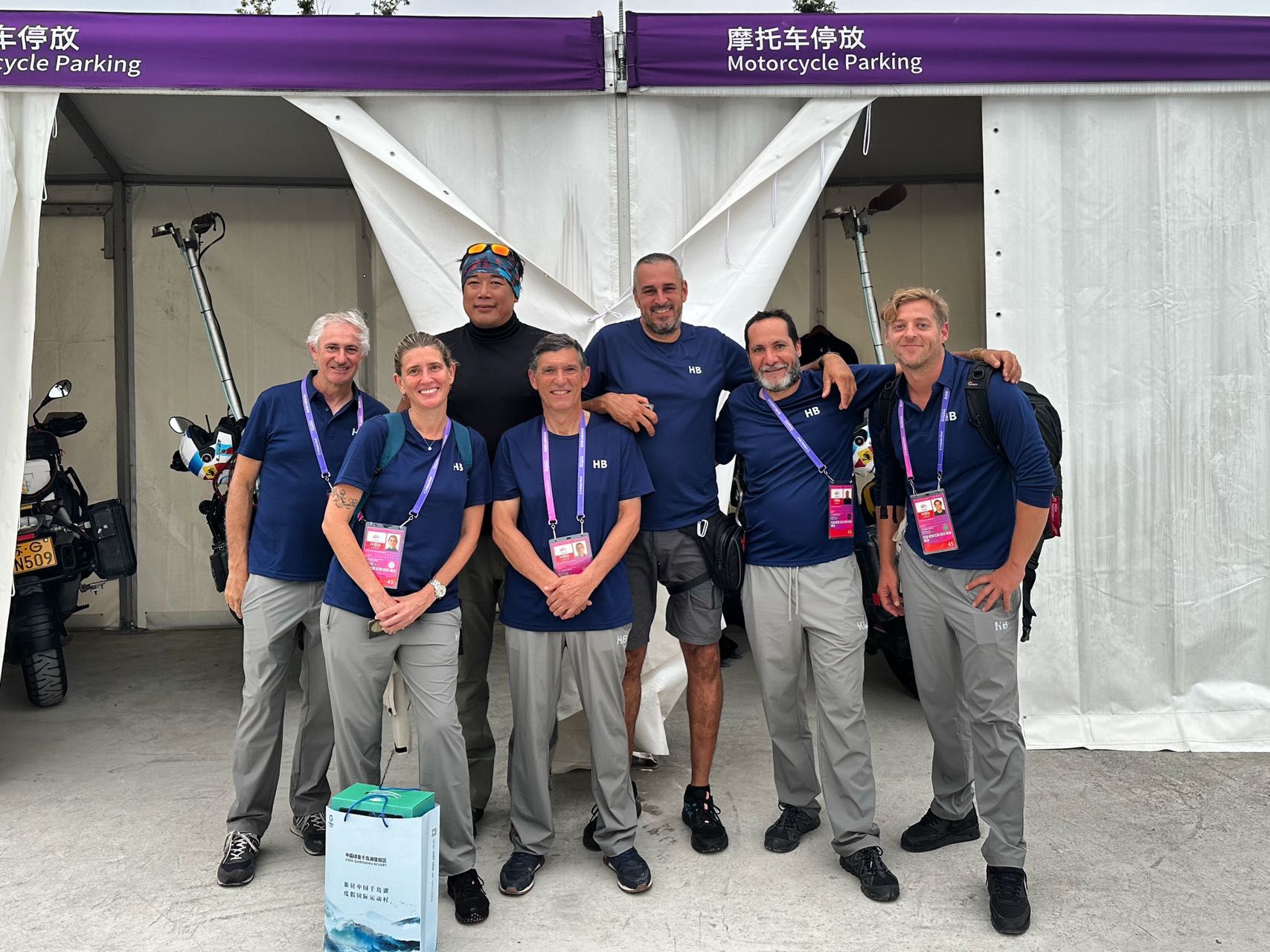 The Evolution of Olympic Broadcasting Services (OBS)
– After these early inspirations, how did your professional path develop?
I began working for the host broadcaster, which at that time was AOB (Athens Olympic Broadcasting). Eventually, my father convinced the IOC that constantly selecting a new host broadcaster for each Games was counterproductive. Reinventing the wheel, organizing new bids, and changing companies every cycle was expensive and damaging to consistency and image.
He created Olympic Broadcasting Services — OBS as we know it today — to become the permanent host broadcaster of the Olympic Games. He ran OBS until retiring after the London Olympics, though he remained involved through Sochi 2014.
That is the company I later went on to work for full-time and eventually took over ISB.
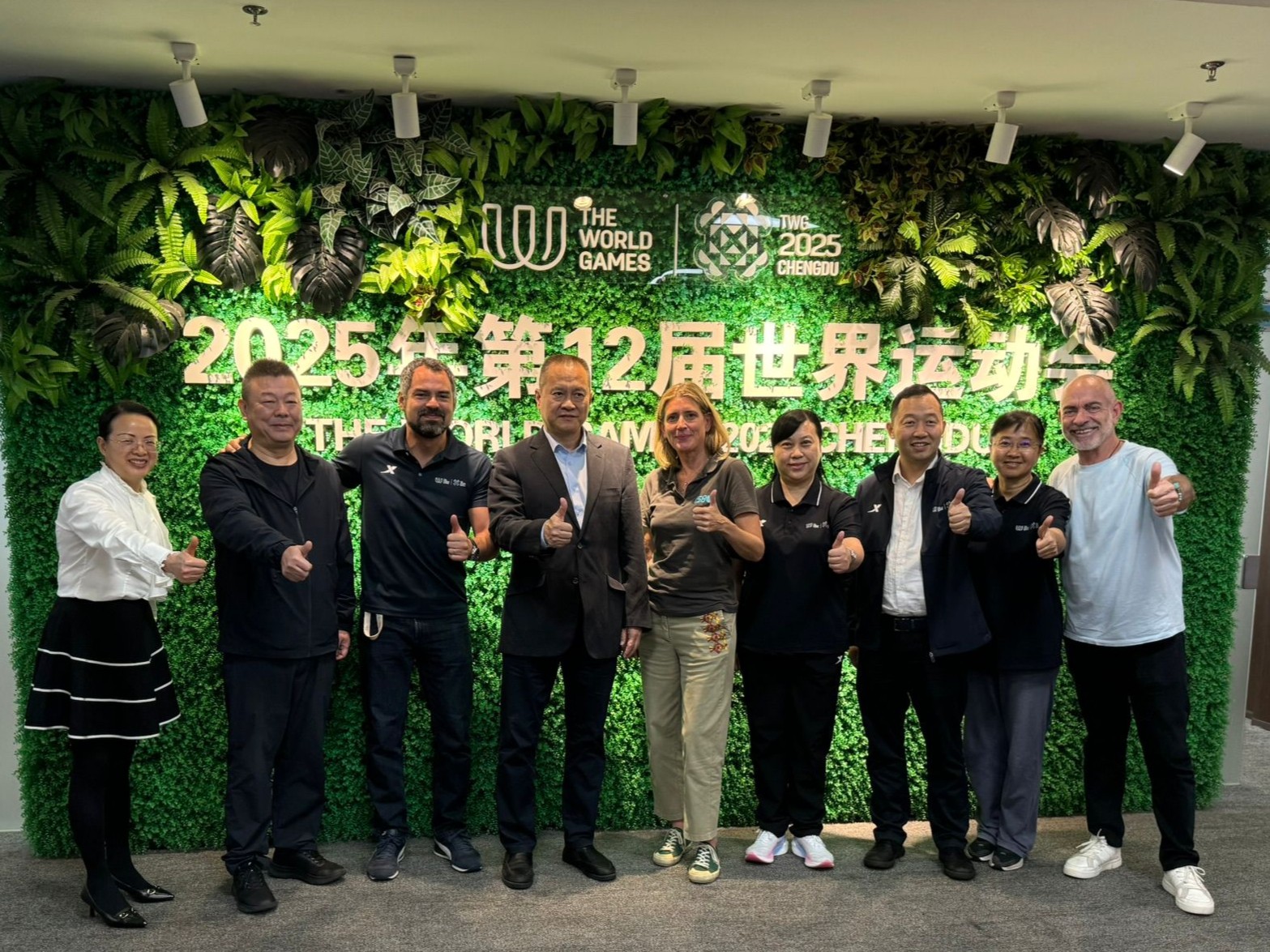 Coordinating Producer: Responsibilities Across Summer and Winter Games
– What roles did you take on while working at OBS?
I worked full-time at OBS until 2014, serving as Coordinating Producer for both the Summer and Winter Games. In the Summer Games, I designed production plans for all outdoor endurance and racing sports — cycling, marathons, sailing, canoeing and kayaking, and equestrian events. Essentially, anything involving helicopters, motorcycles, or complex RF systems. That became my specialty: RF-based live coverage.
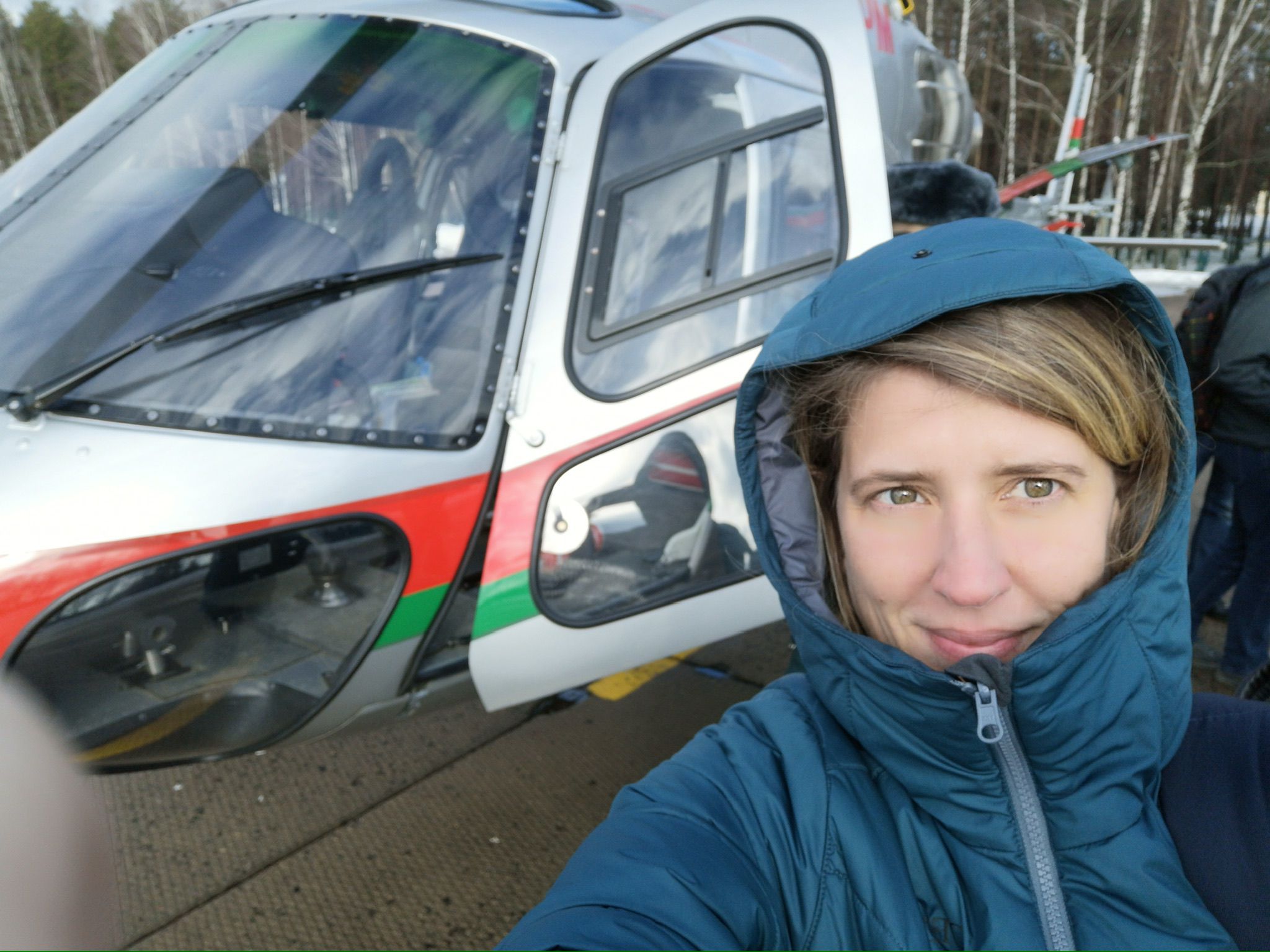 In the Winter Games, I focused on alpine skiing, ski cross, snowboard — all snow-related disciplines. After 2014, I became Head of Production for ISB until 2020, and in 2021, I officially took over as CEO.
– Were there early ISB milestones you consider foundational for the company?
Yes, the 2007 Pan American Games in Rio. It was the first major non-Olympic event ISB delivered independently. Being in Rio was incredible, and those Games became a stepping stone that helped the city ultimately secure the Olympic Games. That project remains very special.
 How ISB Secures Major International Broadcast Projects Today
– You deliver host broadcasting for major international sporting events. How does your company typically secure projects today, given how much the environment has changed?
I was very shy for a long time and not confident about public speaking. Lately, people keep telling me I’m actually quite good at it, so I thought, why not lean into it? It’s fun to share experiences and talk openly.
 A lot of our work still comes through word of mouth. We focus on doing things differently, but always with quality and creativity in mind. Reputation is everything — and also very hard to maintain. When we take on a project, we give 120 percent. My team is the same, and people notice that.
“Reputation is everything — and very hard to maintain.”
 Leadership in a Changing Global Market
– That distinction makes a lot of sense.
Yes, exactly. It’s about finding the balance between experience and experimentation.
– How is the business development function structured in your company, and how do you track market opportunities?
We don’t have a traditional head of development. Sometimes I think we should — but in practice, I’m the one going to events, whether it’s IBC or others, reading industry publications, following newsletters, and reaching out to the right people at the right time.
That’s really how it works for us.
 – How would you describe ISB’s current market positioning within the global sports broadcasting landscape? What makes you stand out?
We have many competitors — some smaller, some much larger, especially when it comes to equipment ownership. What sets International Sports Broadcasting apart is that we’re small enough to adapt quickly, but big enough to compete for major events — Asian Games, Pan American Games, Commonwealth Games, and other large multi-sport events. We’re flexible, and financially, that also gives us stability. We don’t need a massive yearly turnover just to survive. And our team comes from all over the world, which makes us naturally adaptable.
 Concept Club: Immersive Events Beyond Traditional Broadcasting
– You also mentioned starting something new recently with your partner and friends…
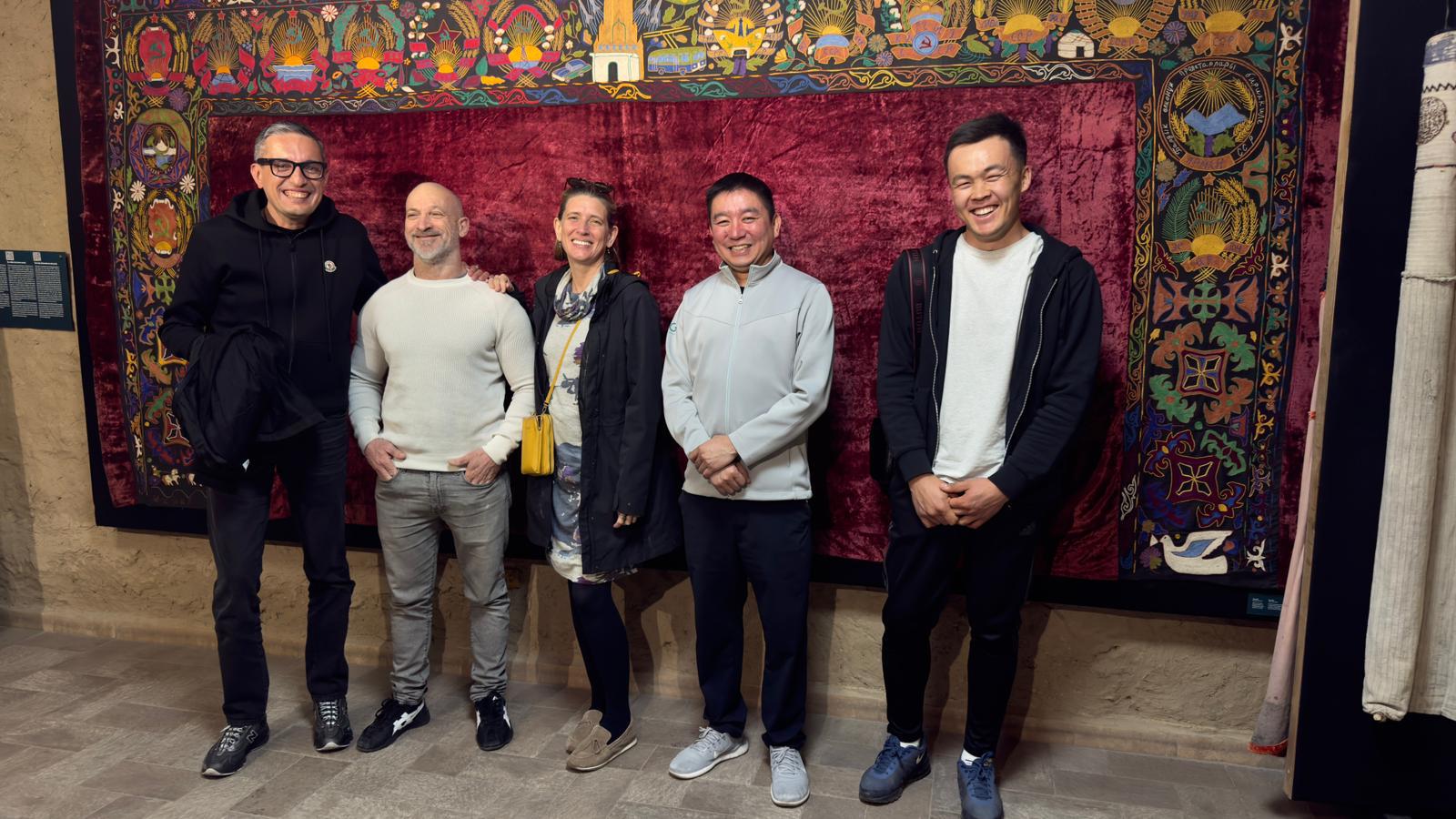
Yes. Recently, together with my partner, Frederick-Ali Talaa, and a good industry friend, Tahir Aliyev, I started a new company called Concept Club. It will be based in Azerbaijan, and the focus is on creating immersive events that combine sports, music, immersive technology, and media.
– What is the vision behind creating experiences instead of traditional events, and how do the two companies complement each other?
The idea is to create experiences rather than just events — environments where sport, culture, and technology come together in a much more emotional and engaging way. And of course, if any of these events require broadcast or production, that part will naturally come from ISB. So, the two companies complement each other rather than compete.
For me, it feels like a natural extension of what we already do. Storytelling doesn’t only happen through traditional broadcasts anymore. It happens in physical spaces, through immersive technology, through music, and through shared experiences. That’s what Concept Club is really about.
“It happens in physical spaces, through immersive technology, through music, and through shared experiences.”
As the next Olympic cycle approaches, Romero is positioning ISB not only as a legacy production company but as a flexible partner for a rapidly evolving global sports media industry.