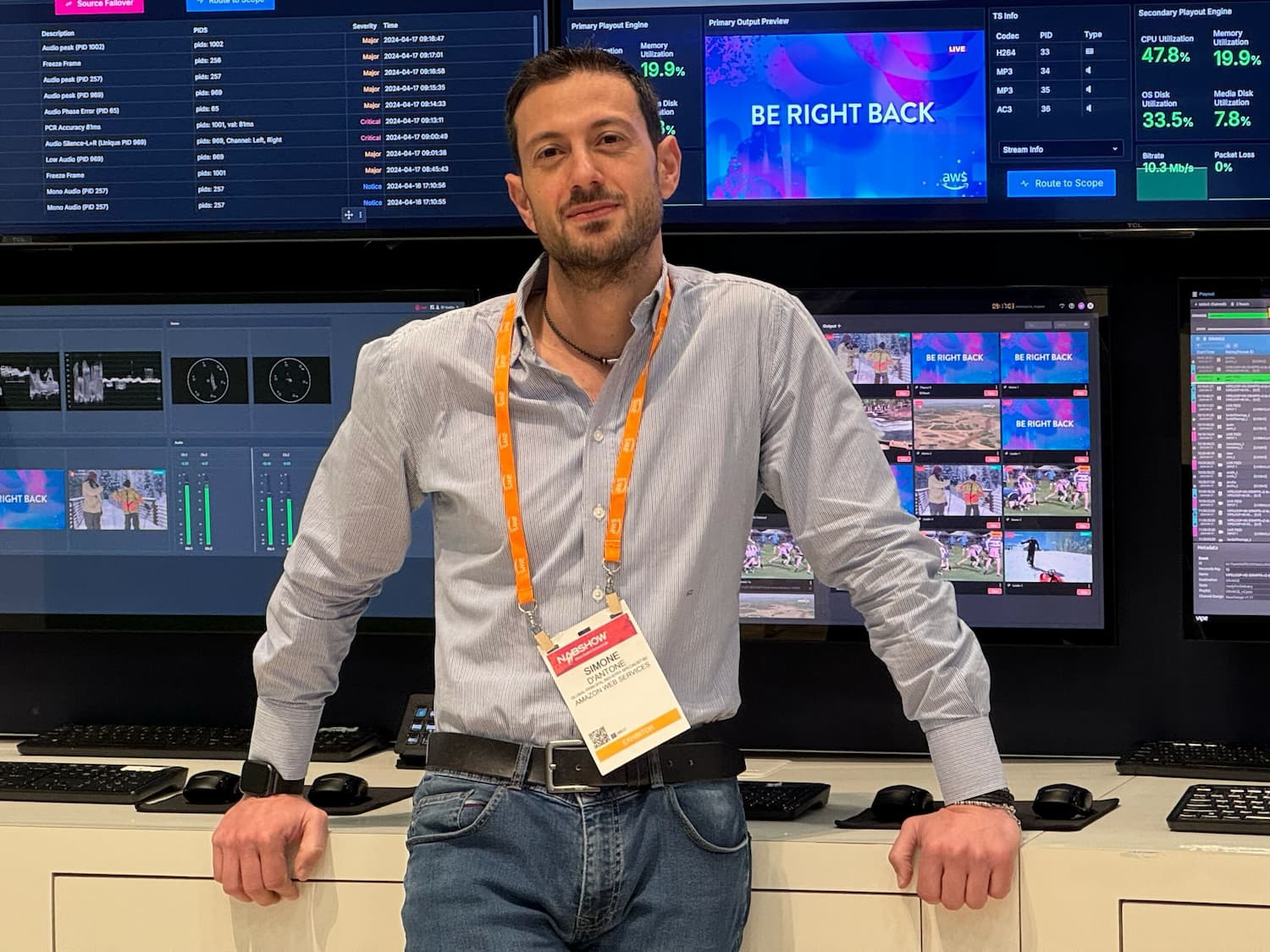
Raised inside a family production company in Sicily, Simone D’Antone, Global Broadcast Strategy Lead at Amazon Web Services, has lived through every major transformation in broadcasting – analog to digital, SDI to IP, IP to cloud – not as an observer, but as a builder.
The Gulf & MENA Decision-Makers Forum | Sport, Broadcast, AI & Monetization
What makes his trajectory truly singular is that he experienced the industry from every possible seat: R&D engineer at the national broadcaster, startup founder, system integrator, vendor, client-side broadcaster, and now hyperscaler. No single perspective was enough – he needed all of them. Today, as AI enters the media supply chain, he sees not disruption but acceleration – and he’s positioning AWS at the center of that shift.
Growing Up Inside Production
— When and where were you born? Who were your parents?
I was born and raised in a town in Sicily, near Catania, and in many ways my entire career started because of my family. I was incredibly fortunate to grow up in an environment where media production was not something distant — it was part of everyday life. My father owned a production and post-production company. He is a professional photographer and was among the founders of one of the regional television stations in Sicily. My brother still runs the production and post-production service business there today — so broadcasting is truly a family affair that continues across generations.
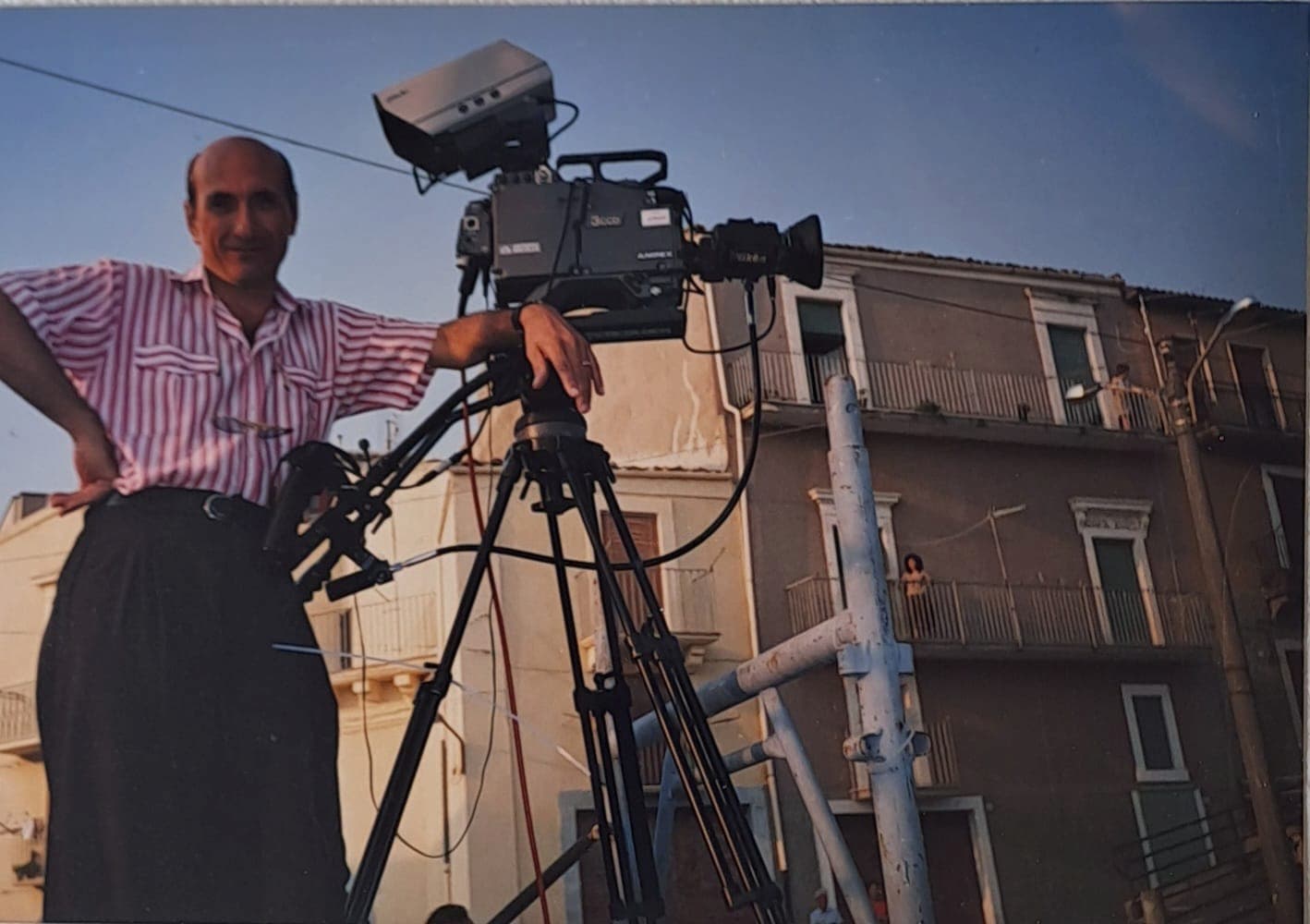
 In fact when I was a child, I genuinely believed everyone worked in broadcasting. I simply could not imagine another reality. Following my father to work felt like a game — carrying lamps, holding equipment, watching him shoot with his Hasselblad. I still remember a photograph of him standing next to one of those enormous early television cameras with huge CRT viewfinders and heavy equipment.
His greatest gift was letting me find my own way into a world he could have simply handed me.
“I still remember the taste of photographic film — that memory shaped everything that came after.”
Even today, I can still remember the taste and smell of photographic film. My father’s Hasselblad used rolls with a maximum of twelve shots. One of my small responsibilities was preparing fresh cartridges for him — exchanging used rolls, sealing them, licking the paper strip to close and protect the film. It sounds like a tiny detail, but that memory never left me. The physicality of image-making, the tactile connection to the craft — that was where it all began.
— How did that environment shape your direction?
What shaped me most was his approach: he never handed me answers. He cultivated curiosity. Whenever I asked something, he guided me but never removed the need to explore. That mindset became one of the defining parts of who I am.
— When did technology become as important as storytelling?
By ten, I was carrying lamps and equipment. By fifteen, I was immersed in post-production — experiencing firsthand the transition from analog tape-to-tape workflows into the first generation of digital nonlinear editing with Avid on Mac systems. I grew up exactly during that crossover period when traditional broadcast craftsmanship was colliding with new technology.
“My father never gave me ready-made answers – he gave me curiosity.”
That intersection — media passion and technological curiosity — ultimately defined my career path. In high school I studied electronics and telecommunications, and I never doubted that direction. Many people spend years changing course — economics, arts, business — trying to discover what excites them. I never experienced that uncertainty. The destination always felt clear. The only question was how to get there.
Campus ELIS: Where the Philosophy Was Born
– What happened after school?
I had the option to follow a traditional five-year university route. But I did not want to spend years focused mainly on theory without practical application. Broadcasting is learned by doing – not only by studying.
I chose Campus ELIS in Rome – an intensive, practical program in multimedia technologies and communication. It was expensive, and that could have stopped me. But I applied for a scholarship, took the exams, and won it. That changed everything.
– What made ELIS different?
The environment was highly competitive, but in a healthy way. Many students had scholarships, others paid significant tuition, so everyone was motivated to do their absolute best. But what I remember most is that competition never became jealousy or envy. People pushed each other to improve. If someone succeeded, the others wanted to become stronger too – not pull that person down.
 A small group of us – maybe five, six, seven people – developed a habit of sharing everything we learned. If someone discovered a better workflow, understood a technical concept, or solved a problem, they immediately brought it back to the group.
That changed the way I understood learning. You suddenly realize your growth is no longer limited by your own capacity. It scales with the intelligence, curiosity, and discoveries of the people around you.
“Your learning becomes exponential when people around you share what they know.”
That philosophy – that sharing knowledge is the real power – was born at ELIS. It has defined how I build teams, how I approach partnerships, and how I think about industry collaboration ever since. Every team I lead, every initiative I create, I try to recreate that same environment.
RAI: Learning How Standards Shape the Future
– What happened after graduation?
One of the advantages of ELIS was that graduates were placed in sponsor companies for internships. My first placement was at RAI – the Italian public broadcaster. Initially, it was a three-month internship inside the research and development department. But things evolved quickly. Thanks to my technical background and willingness to work, those three months became two years.
– What was it like inside RAI at that age?
Extraordinary – especially for someone barely twenty. RAI is one of the biggest broadcasting organizations in Europe, and at that time it was deeply involved in standardization and technology development. I was not simply watching people work – I was inside conversations about the future of television.
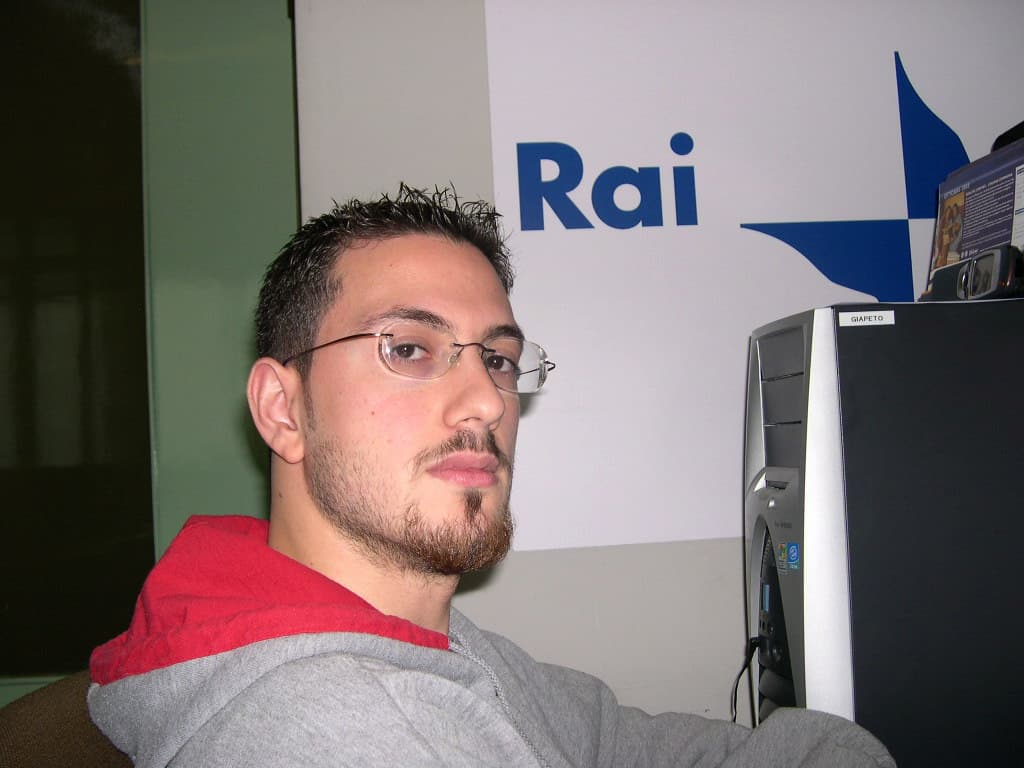 My first professional role was working on MHP – Multimedia Home Platform – the predecessor of HbbTV. We were trying to create interactive experiences for television viewers in the CRT era, before flat screens became common. In many ways, we were imagining connected television before the technology ecosystem was fully ready for it.
– Did MHP succeed?
Commercially, not really. MHP never fully became what many expected. But for me, it was invaluable. Even when technologies fail, they teach you something important. Through that experience, I learned how standards are developed, why they matter, how industry cooperation works, and how research departments think about long-term innovation.
“Even unsuccessful technologies teach you how industries evolve.”
That foundation stayed with me throughout my career. And it became the technical knowledge that would later fuel my first entrepreneurial venture.
Fantasya: The Startup That Built a Bridge
– How did you end up starting your own company?
Life intervened. My mother passed away, and that changed everything. She had been a store manager at Rinascente. A woman who carried the weight of a demanding career and a family with a strength I only fully appreciated later. After her passing, my sister stepped into that same role with the same extraordinary resilience, holding the family together.
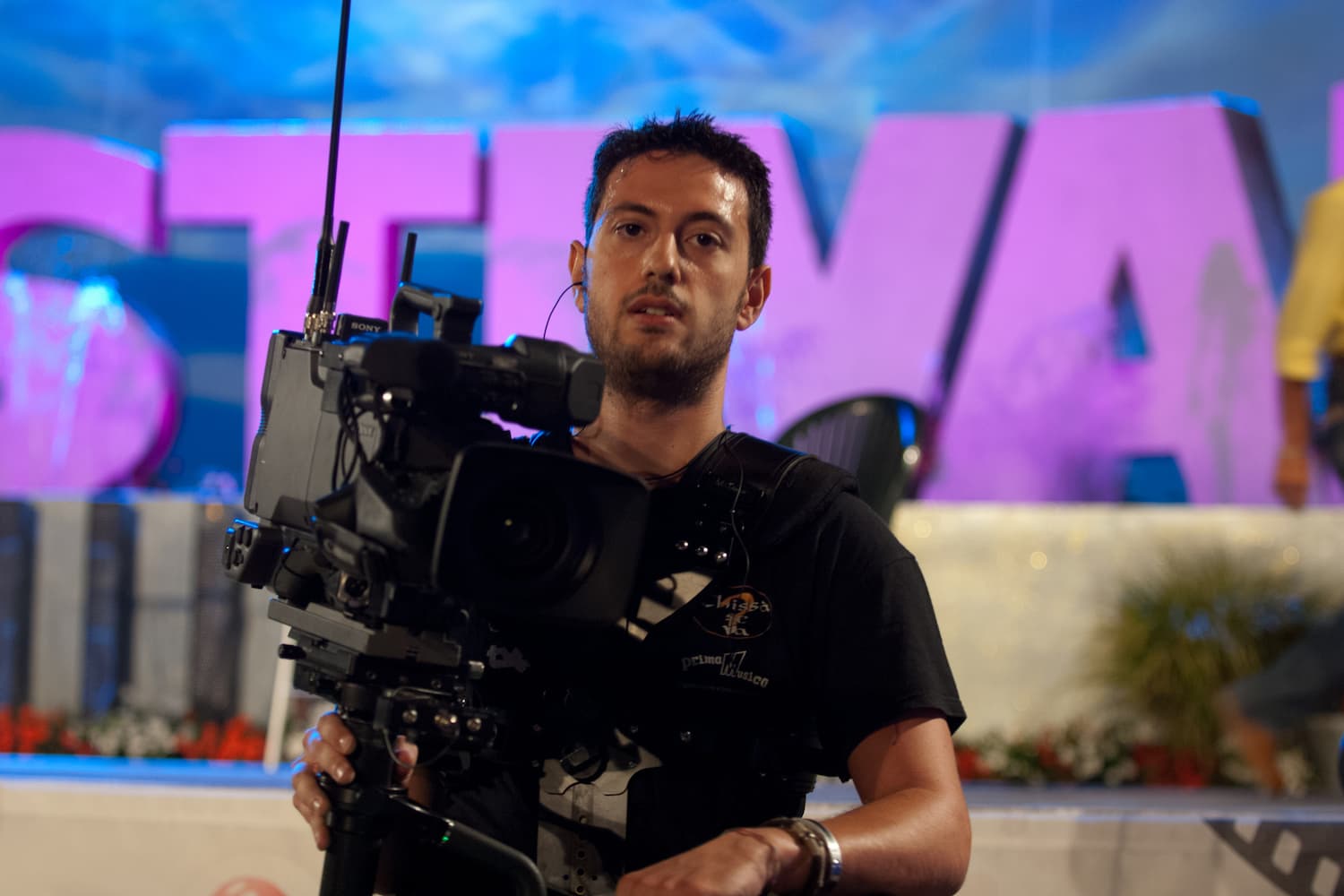 Growing up surrounded by women that strong gave me something that goes beyond personal values. It gave me an instinct for recognizing capability regardless of where it comes from, and a deep impatience for environments that fail to do the same. I needed to be closer to home and family. But Sicily did not have the same level of broadcast industry development as northern Italy. Since the local industry was still relatively immature, I decided to try something entrepreneurial.
I launched my own startup called Fantasya. Interestingly, that company still survives today in the form of my personal email address.
– What was the idea?
I focused on technologies I already understood deeply. MHP was still emerging, and very few people in Italy knew how to actually implement it. Since I had worked directly with RAI, participated in the standardization ecosystem, and built hands-on experience with the platform, I could explain not only the concept but also how to build and integrate it.
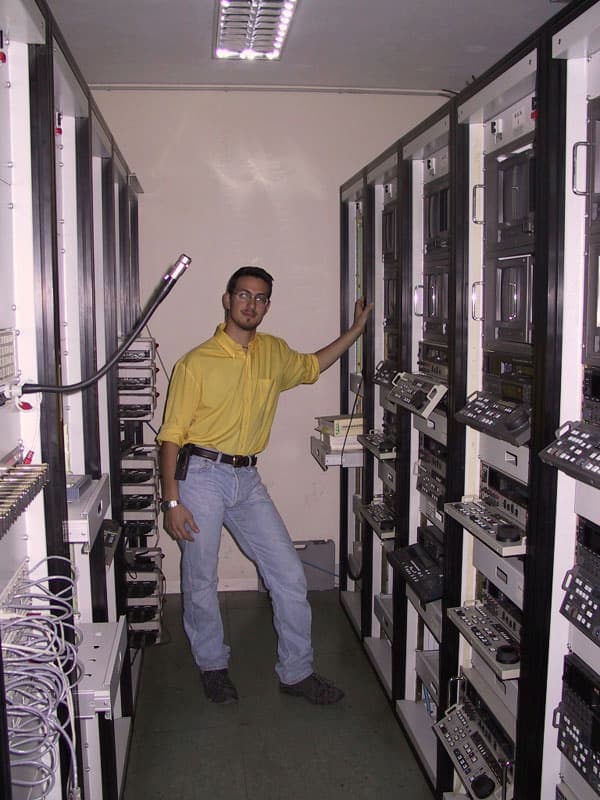
 At the same time, I began consulting around post-production and editing infrastructure – particularly Avid systems – helping companies install editing environments, storage systems, and network-attached workflows.
– How did you find clients?
Mostly through persistence – and trade shows. MHP was still very new, so I would go to IBC and actively approach people. I would explain: “I worked at RAI. I was involved in this technology. I know how to implement it.”
“Sometimes entrepreneurship starts not from opportunity, but from necessity.”
That period taught me an important lesson: sometimes early in your career, you have to create demand before the market fully understands why it needs something. You cannot wait for opportunities – you have to chase them.
– How did Fantasya grow into something bigger?
System integrators across Italy had relationships with customers, but they lacked technical expertise around MHP and these new digital workflows. I had the opposite: deep knowledge and hands-on experience, but a smaller commercial footprint. So partnerships became the natural answer. At the same time, my work with Avid systems — deploying editing environments, storage networks, and post-production infrastructure — brought me closer to the vendor world. At one point, Avid offered me a full-time role, and I accepted. That experience gave me a first taste of the vendor perspective: how technology companies build products, support ecosystems, and enable creative workflows at scale.
 Those partnerships — built during the Fantasya years — eventually opened the door to my next chapter. One system integrator in particular kept growing rapidly, and because we already knew each other from MHP experiments and previous collaborations, they approached me at exactly the right moment.
That company was CVE.
CVE: The Best Professional Gym in Broadcasting
– What was CVE?
Communication Video Engineering – one of the largest system integrators in Italy and among the most respected in Europe. They needed someone who understood production, post-production, studio infrastructure, and workflows end-to-end. Because of our existing relationship from the Fantasya years, the fit was natural.
I joined CVE in 2007 and stayed until 2014. Those seven years were probably the most formative professional experience I could have had.
– What made it so special?
Every day was different. One day, we would be building a complete studio for a major broadcaster like Mediaset. Another day, we might be working on compression systems or headends for large European customers such as ProSieben. Then suddenly you are discussing routing, storage, cameras, contribution, distribution – everything.
CVE represented many leading vendors, from compression companies such as Harmonic to camera systems, routing infrastructure, and broadcast technology providers including Utah Scientific and many others. Your brain almost explodes because suddenly broadcasting is no longer just cameras and editing – it becomes infrastructure, architecture, workflows, operations, standards, delivery, business.
– Was there a particular project that stands out?
Honestly, it was not any single project – it was the sheer diversity. In the same quarter, you might be deploying playout automation for one client, building a contribution network for another, and integrating a complete newsroom system for a third. Each project forced you to understand a different piece of the puzzle.
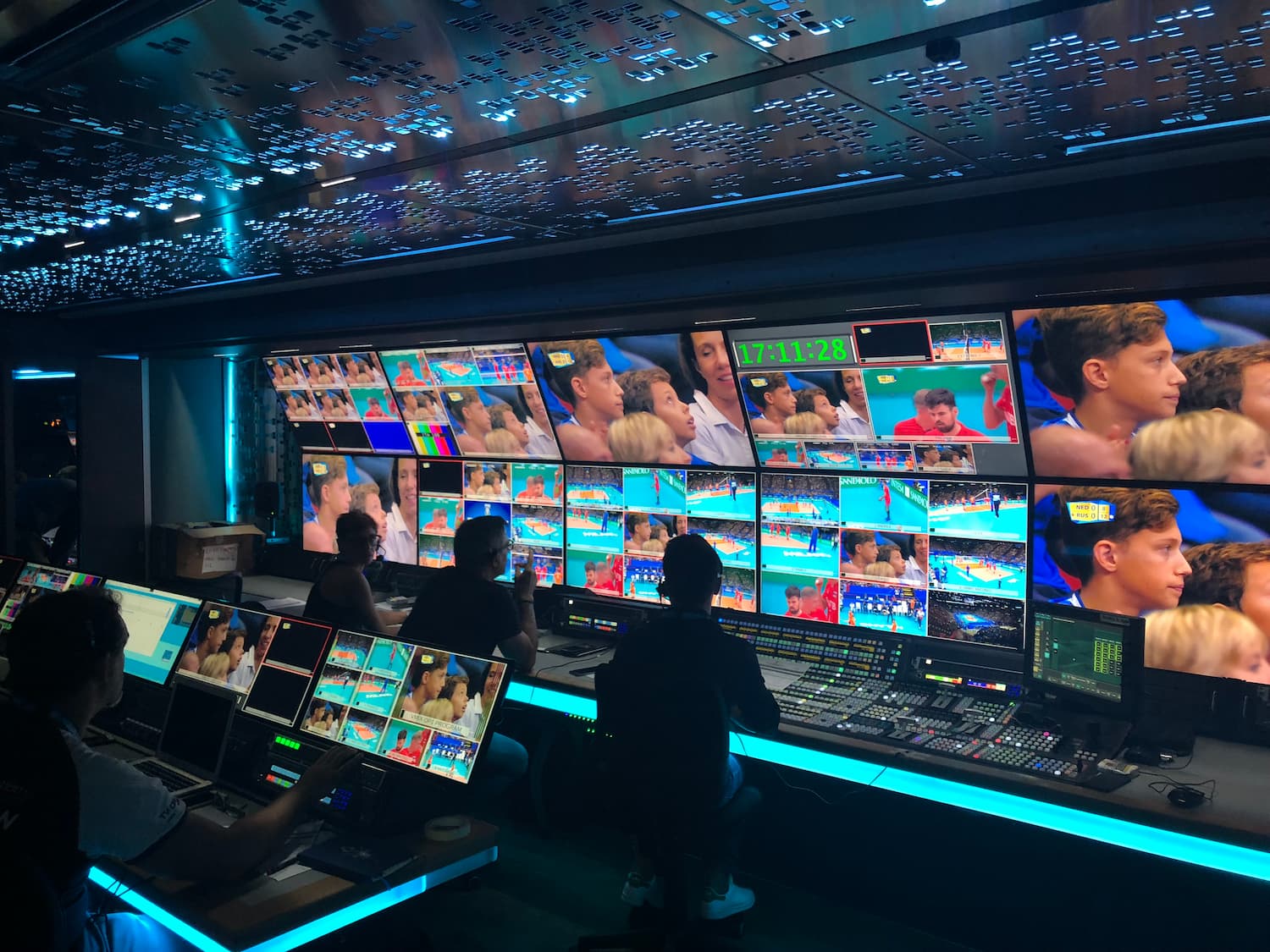 That breadth is rare. Most people in broadcasting specialize early – they become routing experts, or compression specialists, or production engineers. CVE gave me something different: understanding how all of those pieces connect into a complete system.
– Was there a moment when technical curiosity stopped being enough?
Yes, and that realization surprised me. After years of solving technical challenges, I started noticing something important: the best technology did not always win. I realized deals were not made only because one system was technically superior. Relationships mattered. Trust mattered. Commercial agreements mattered. Human dynamics mattered.
“The best technology does not always win – relationships and trust decide.”
That fascinated me. I thought to myself: “Okay, I understand the technical side end-to-end. Now I want to understand how decisions are actually made.” I became curious about negotiations, partnerships, procurement, customer psychology – the invisible part of the industry.
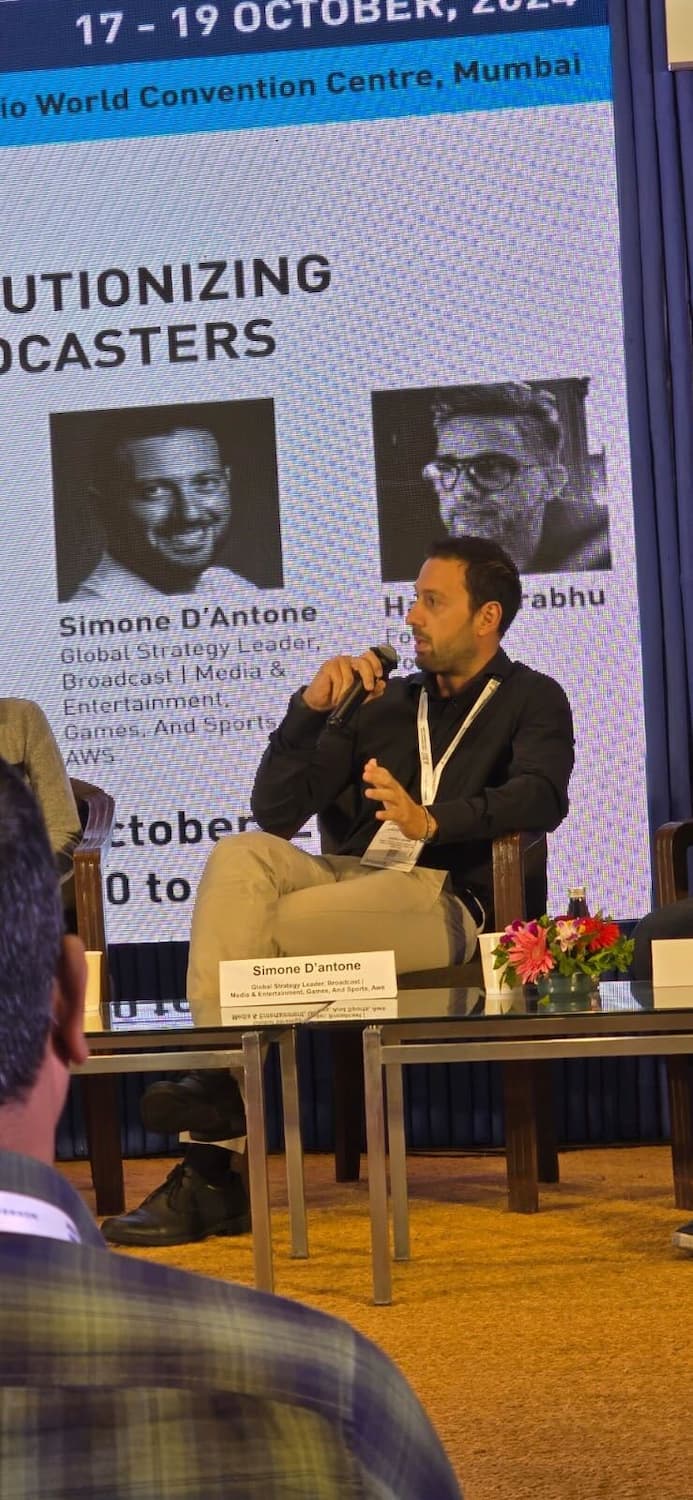 Imagine Communications: The Vendor Perspective
– Why leave CVE after seven years?
Curiosity again. I had one perspective I had not yet experienced: the vendor side. What does the industry look like from inside a global broadcast technology company?
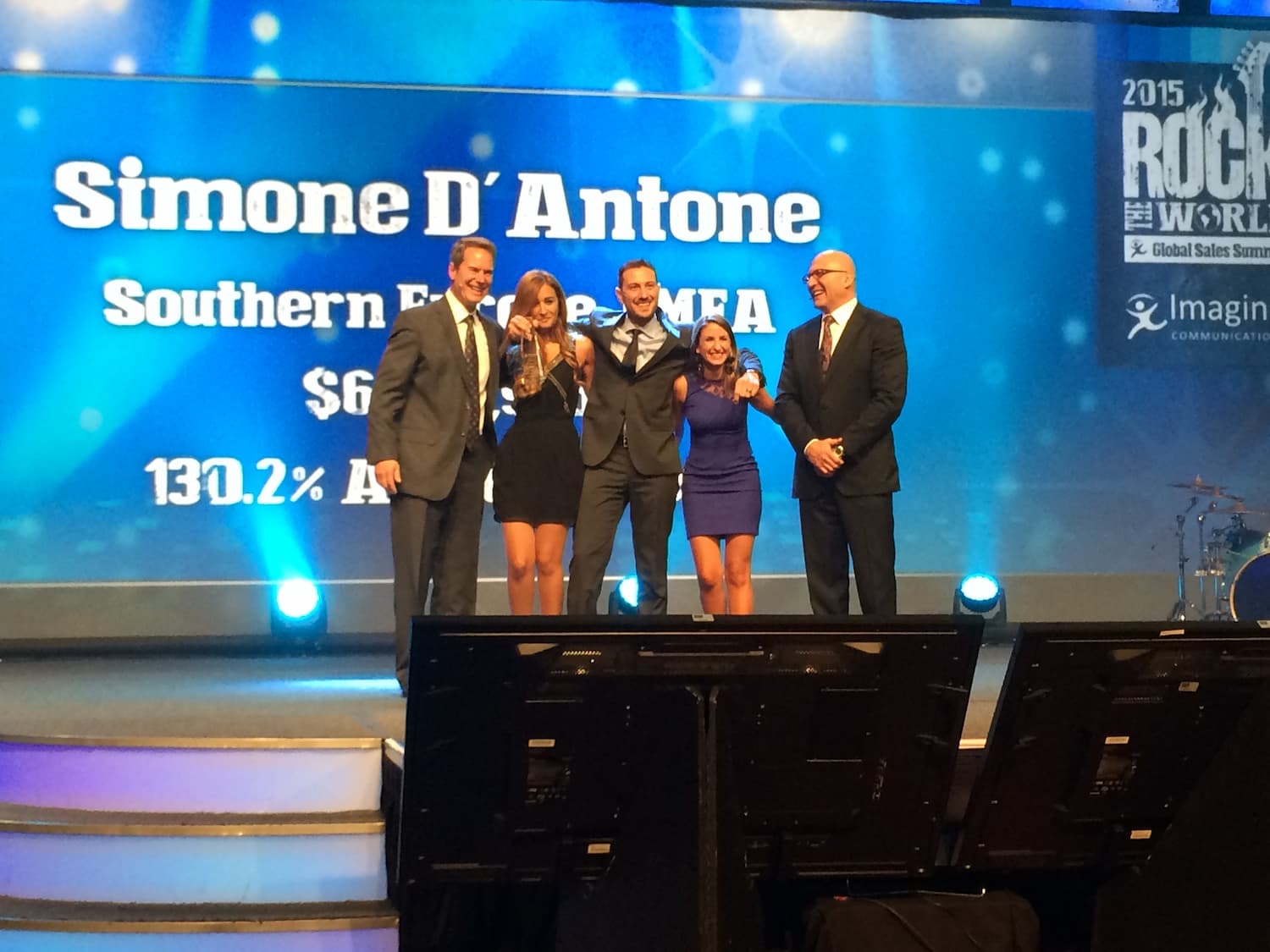
That curiosity led me to Imagine Communications in 2014, where I spent the next seven years leading commercial activity across Southern Europe for playout, distribution, and ad-insertion solutions.
– What did that experience teach you?
Imagine gave me the vendor lens. It is one thing to partner with a vendor from the outside – it is completely different to lead commercial activity from inside. I managed pipeline, margins, regional targets, forecasting, partner strategy, and customer development for major European broadcasters.
I overachieved targets consistently, year after year. Numbers are easy to measure, and of course I am proud of that track record. But over time, I became more interested in another question: what is the real impact behind those numbers?
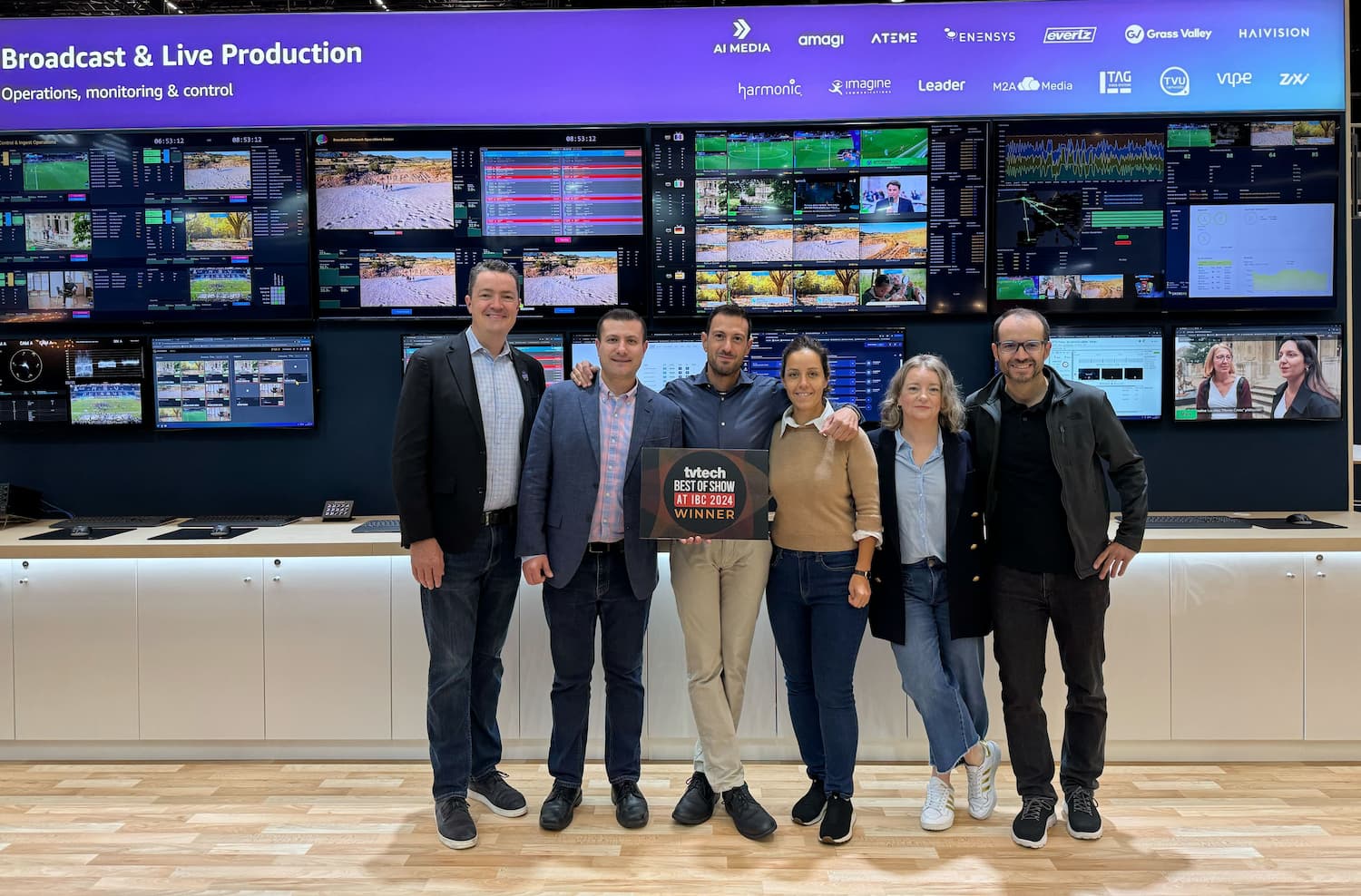 And I discovered something important: my engineering background was not a limitation in sales – it was a superpower. I could walk into a room with a CTO and have a genuinely technical conversation, then translate that into commercial value for their board. Very few people can bridge both worlds authentically.
Never Stop Learning: From CCNA to CCNP
– You mentioned certifications earlier. Why pursue technical certifications while in a commercial role?
Because curiosity does not respect job titles.
When IP began replacing SDI in broadcast infrastructures, I realized I did not fully understand what was happening at the network level. IP was becoming the backbone of everything – contribution, distribution, studio interconnects – and I wanted to understand the problem properly, not just repeat what engineers told me.
So I studied networking and earned my Cisco CCNA certification. Then I realized multicast – so critical for video over IP, for ST-2110 workflows – was not covered deeply enough. So I continued with CCNP.
 I did not do it because someone forced me. I did it because I wanted to understand the technology at the deepest level possible. That decision – studying networking while running sales – later became essential when I moved to AWS. It meant I could discuss cloud architectures, network topologies, and streaming protocols with the same fluency as business strategy.
A Career Across Every Seat at the Table
– Looking at your trajectory, there’s something unusual here.
Yes – and I realized it clearly only later. By the time I joined AWS, I had already worked from every perspective that exists in this industry:
- R&D at RAI — understanding how innovation and standards are created
- Entrepreneur with Fantasya — understanding how to build from nothing and create demand
- System integrator at CVE — understanding how technology becomes infrastructure at scale
- Vendor at Imagine Communications — understanding how global vendor businesses operate
- Hyperscaler at AWS — understanding how platform-level strategy shapes an entire industry
Very few people in this industry have sat in every one of these chairs. Most stay on one side — either the vendor side, or the customer side, or the technology side. I moved through all of them, and each transition added a dimension that the previous perspective could not provide.
“I’ve sat in every chair at the broadcast table — R&D at RAI, startup with Fantasya, system integrator at CVE, vendor at Imagine, hyperscaler at AWS. That’s why I understand what everyone needs.”
That combination became my superpower — the ability to walk into any room and genuinely understand what everyone at the table is thinking, because I have literally been in their position. When I talk to a CTO, I understand their infrastructure concerns. When I talk to a procurement director, I understand their vendor dynamics because I managed those relationships. When I talk to an engineer, I understand their constraints because I lived them.
AWS: Where Everything Converges
– How did the AWS chapter begin?
AWS was growing fast in media and entertainment and had a dedicated M&E vertical. They needed people who could speak the language of the industry – not just cloud technology, but the workflows, the culture, the politics of a sector historically resistant to change. People who knew broadcasters, vendors, partners, and infrastructure from the inside.
Because of my background – having lived every perspective in the industry – that felt like a natural fit. I joined as Business Development Leader for Global Accounts, working with major worldwide media accounts and European alliances.
– Then what happened?
After two years, in January 2024, I took on a global strategy role for the broadcast vertical within the Media & Entertainment division. That transition happened because I naturally connect different parts of the ecosystem. I can speak with customers, vendors, partners, engineers, and commercial teams because I have genuinely lived all those perspectives.
– What was your approach?
When I say “all my life,” I really mean all my life. I grew up in this world, and the same curiosity is still there. What motivates me most is building something together with customers and partners. The best projects are often the ones that initially feel almost impossible – complex transformations, new workflows, new standards, bringing together organizations that normally would not collaborate.
“Trust is built when you solve something difficult together.”
That process creates trust. When people see that you are genuinely trying to solve problems with them, rather than simply selling something, the relationship changes. It becomes much deeper and more long term.
 — How did you build your team at AWS?
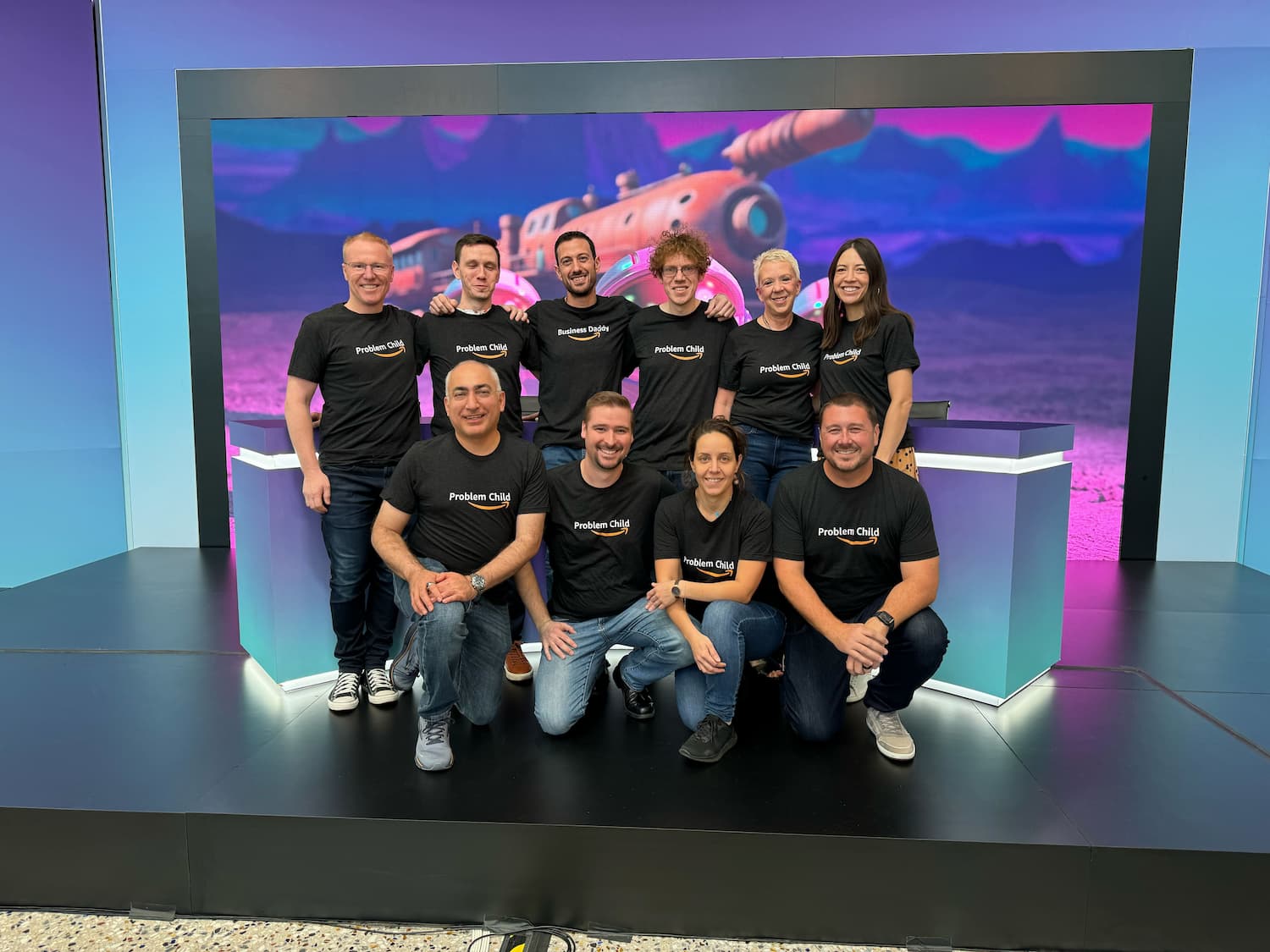
Deliberately. I built a cross-functional team of over 30 specialists — solutions architects, partner managers, developer advocates, technical program managers — each bringing a different lens to the same mission. I don’t hire people who think like me. I hire people who challenge me, who bring perspectives I lack, who make me uncomfortable in the best way.
“I don’t hire people who agree with me — I hire people who challenge me. The best ideas come from friction, not consensus.”
My role as a leader is not to have the answers — it’s to create the conditions where the best answers emerge. That means psychological safety, radical transparency about priorities, and a clear framework for decision-making. I give people autonomy inside clear guardrails, and I hold them accountable to outcomes, not activity. Some of the team’s best ideas came from people who had been in the industry less than two years — because fresh eyes see patterns that experience sometimes hides.
Live Cloud Production: The Framework That Changed an Industry
– What is Live Cloud Production, and why does it matter?
Live Cloud Production – LCP – is probably the most significant shift happening in broadcast infrastructure right now. And I built the framework from concept to industry-wide adoption.
The idea is straightforward but revolutionary: instead of investing tens of millions in hardware-defined production facilities – SDI routers, dedicated vision mixers, physical infrastructure that depreciates from day one – you move the entire live production workflow into the cloud. Cameras connect via contribution networks, processing happens in cloud instances, and output goes directly to distribution.
 – How did you validate it?
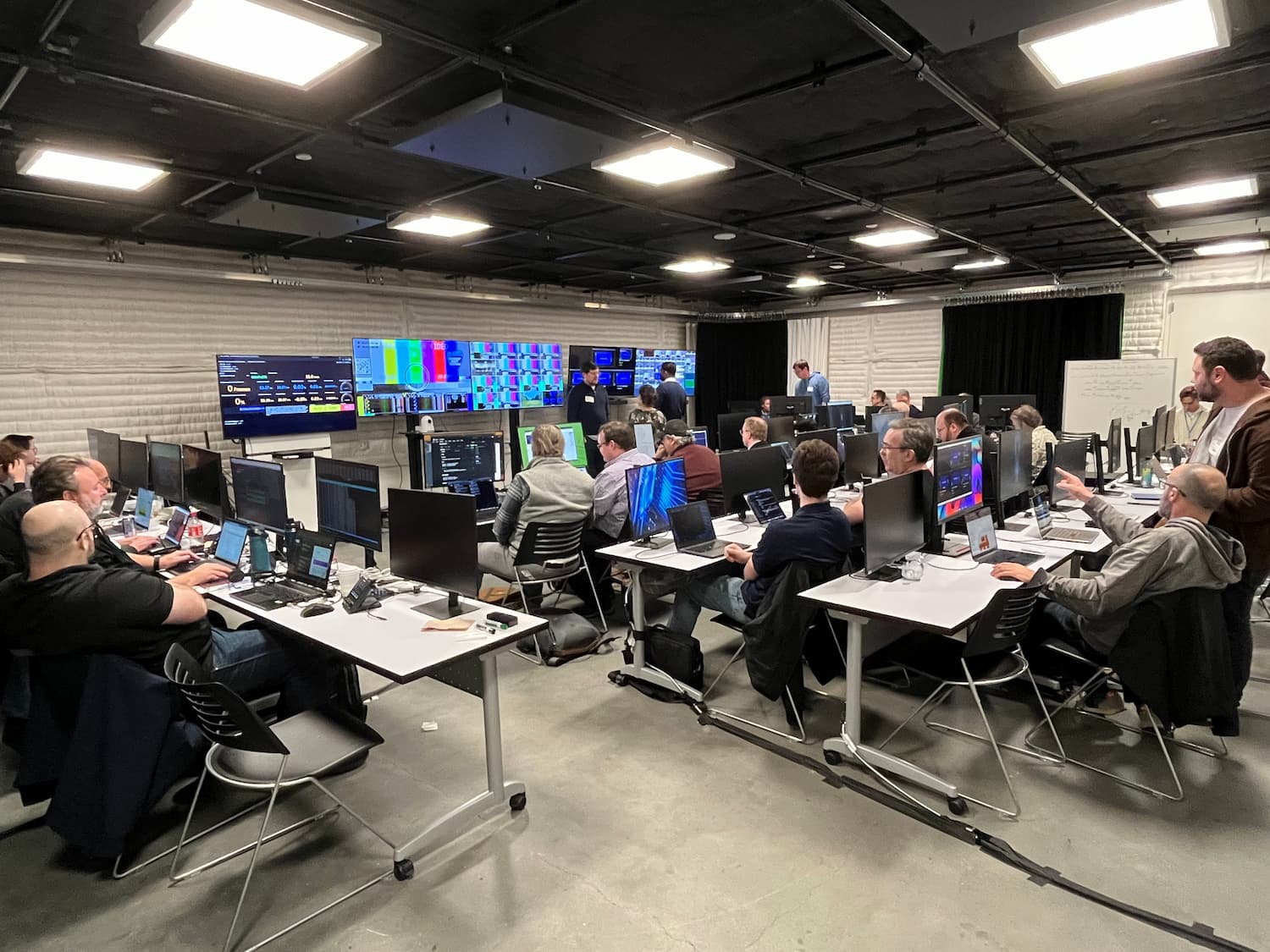
I orchestrated over 200 proofs of concept with more than 40 technology partners – from encoding vendors to graphics companies, from replay systems to AI-powered captioning. My team of 30+ specialists worked with broadcasters worldwide to prove that cloud-native live production could meet the quality, latency, and reliability standards that broadcast demands.
The results were undeniable: 30 to 40 percent infrastructure cost reduction for customers, with dramatically more flexibility and scalability. A broadcaster can now spin up a complete production environment for a one-day event and decommission it the same evening. That was unthinkable five years ago.
– Can you quantify the broader impact?
My strategy work identified over $4 billion in market opportunities for cloud adoption across EMEA, APAC, North America, and Latin America. But beyond the revenue opportunity, what matters more is that we proved a new model works – and that proof changed how the entire industry thinks about capital expenditure versus operational expenditure.
“Awards validate the work, but real impact is measured in how many broadcasters changed their investment strategy because of what we demonstrated.”
I also serve as Strategic Technology Advisor to over ten C-suite leadership teams across worldwide organizations, providing governance counsel on digital transformation, risk management, and multi-year investment strategies. That advisory role gives me a unique vantage point – I see patterns across the entire industry, not just one company’s perspective.
Industry Recognition
– What about external recognition?
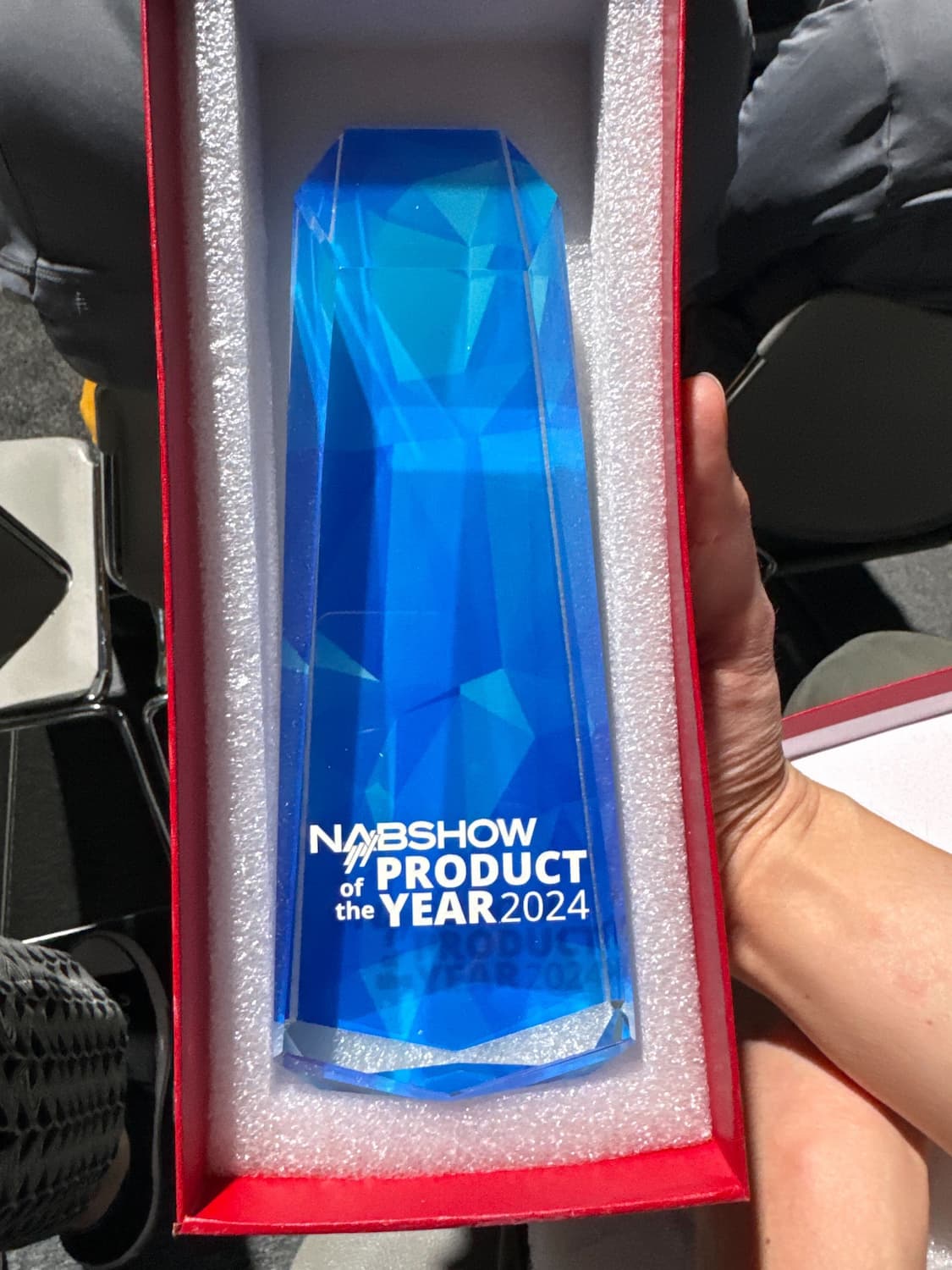
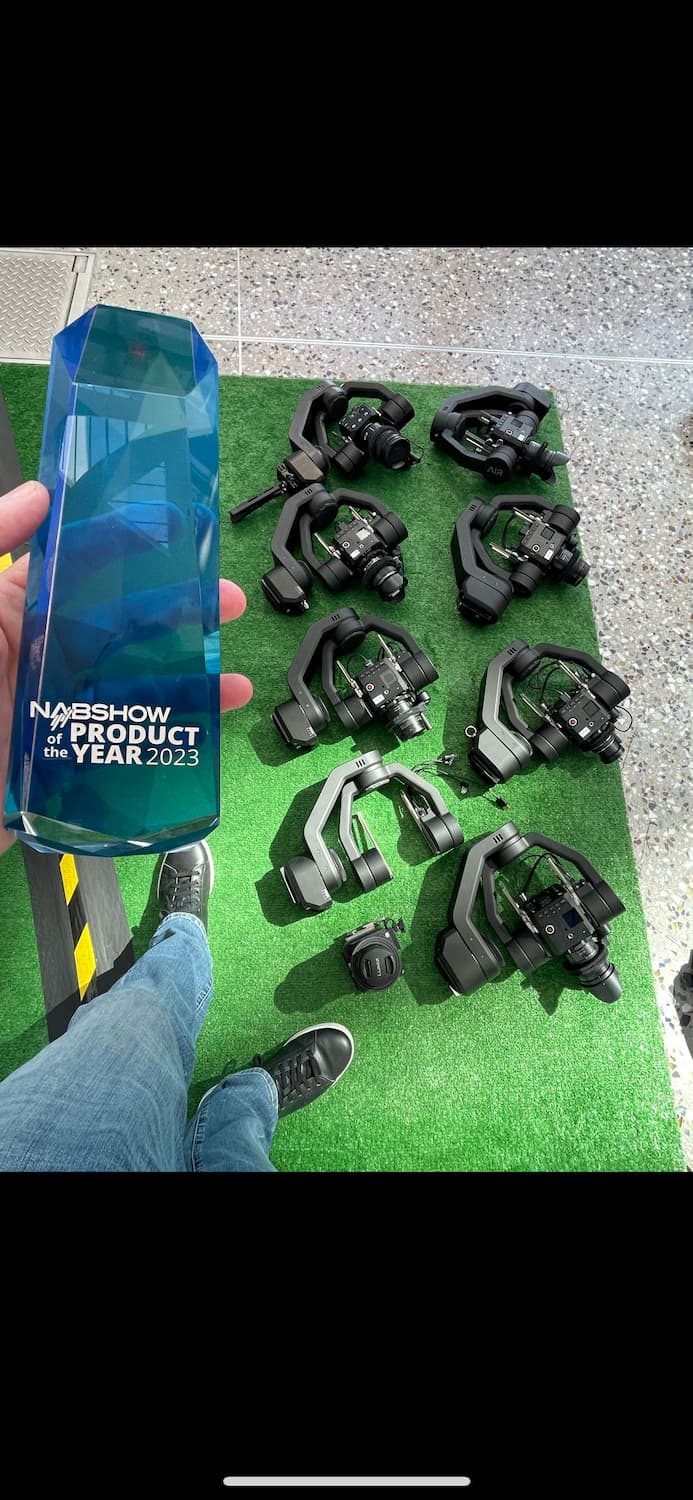
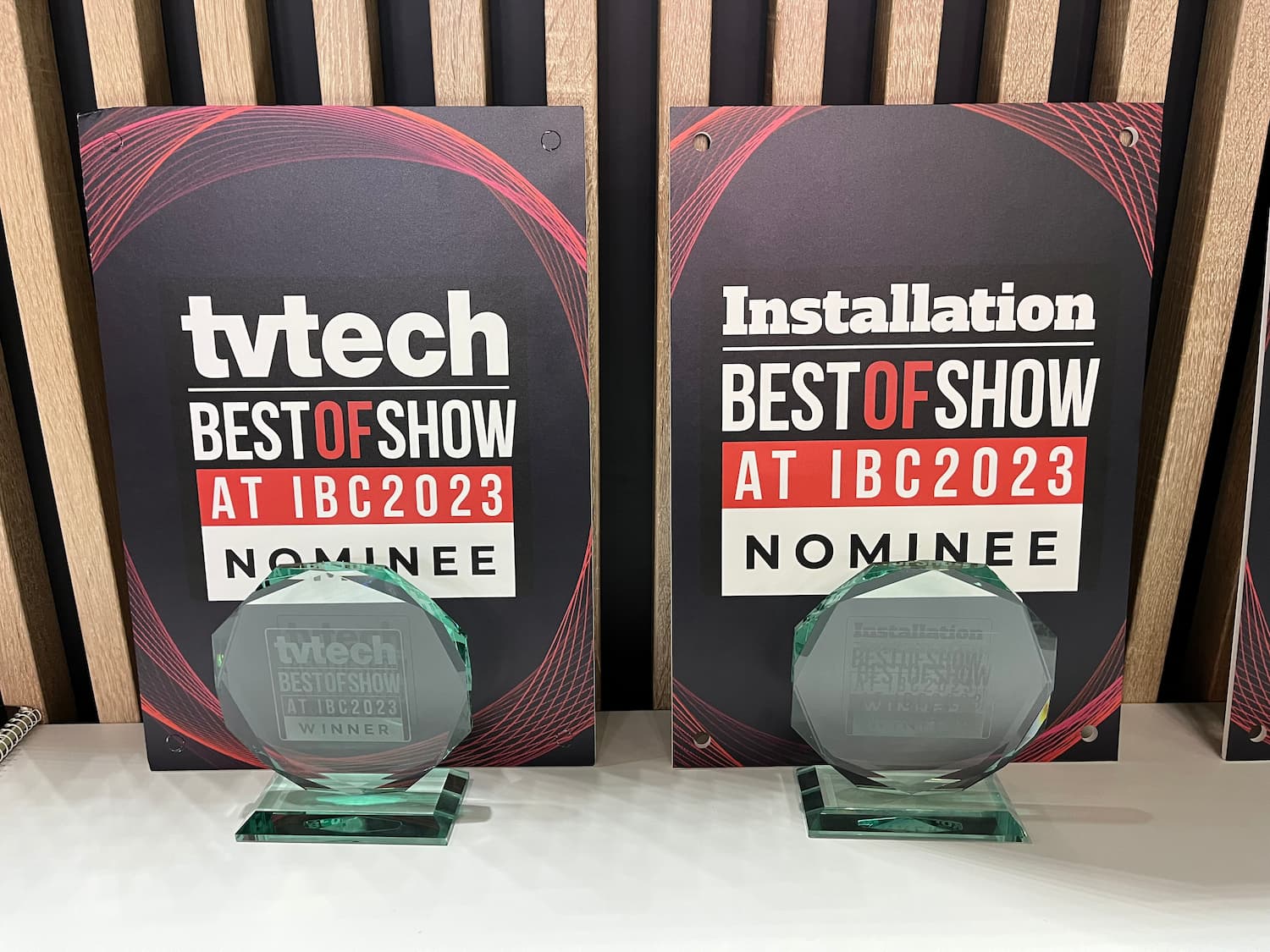
The work received six major industry honors in 2023 and 2024:
- NAB 2024 Product of the Year in Broadcast Operations, Monitoring & Control
- IBC 2024 Innovation Award for the 5G/Edge framework, developed with NHL, Verizon, Zixi, Vizrt, and Evertz
- IBC 2024 Best of Show from Installation Magazine for Live Cloud Production
- IBC 2024 Best of Show from TV Tech for Broadcast Operations & Monitoring 2.0
- IBC 2023 Best in Show from TVBEurope for Amazon IVS
- IBC 2023 Best of Show from TV Tech for Elemental MediaConnect Gateway
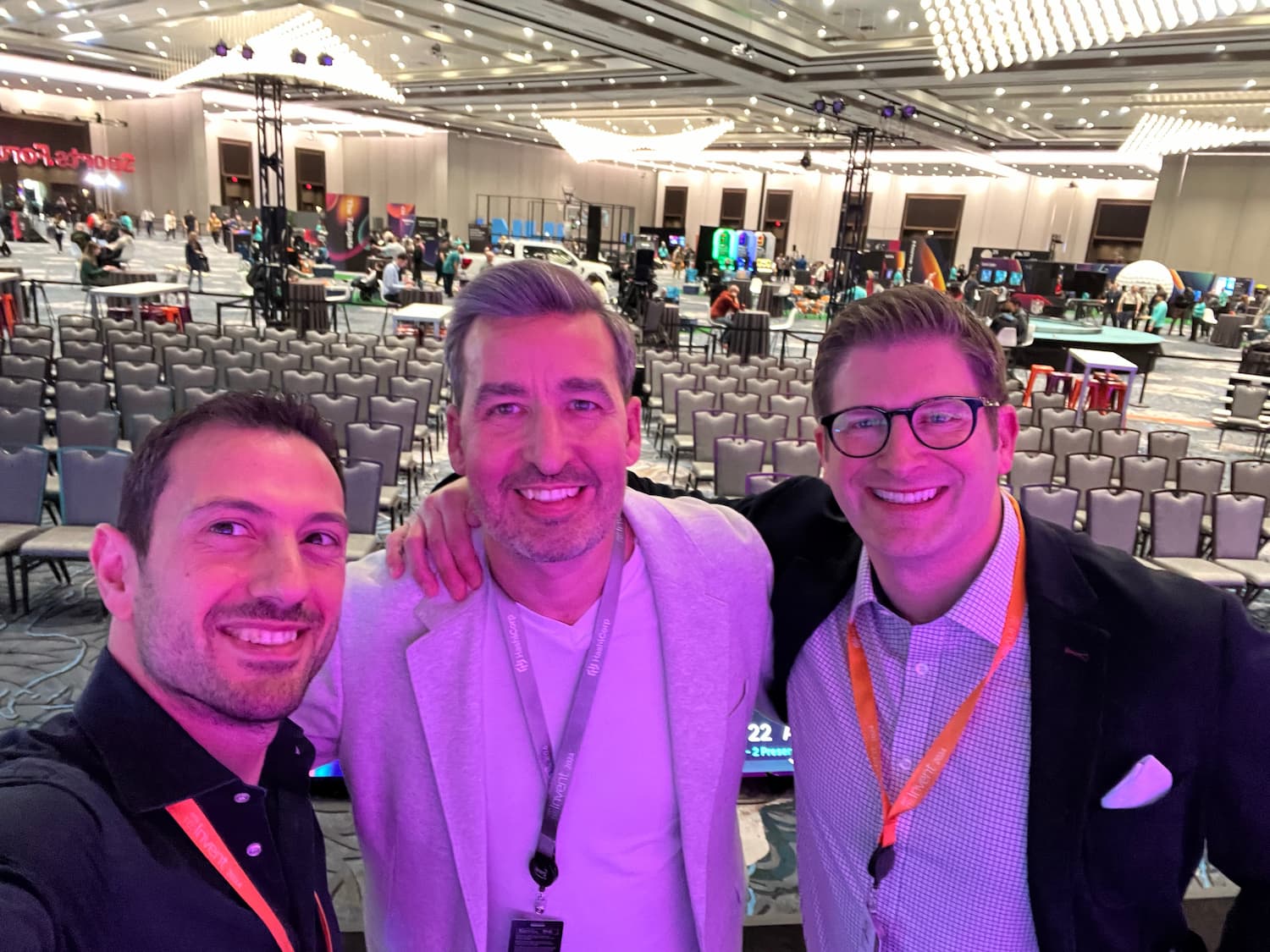
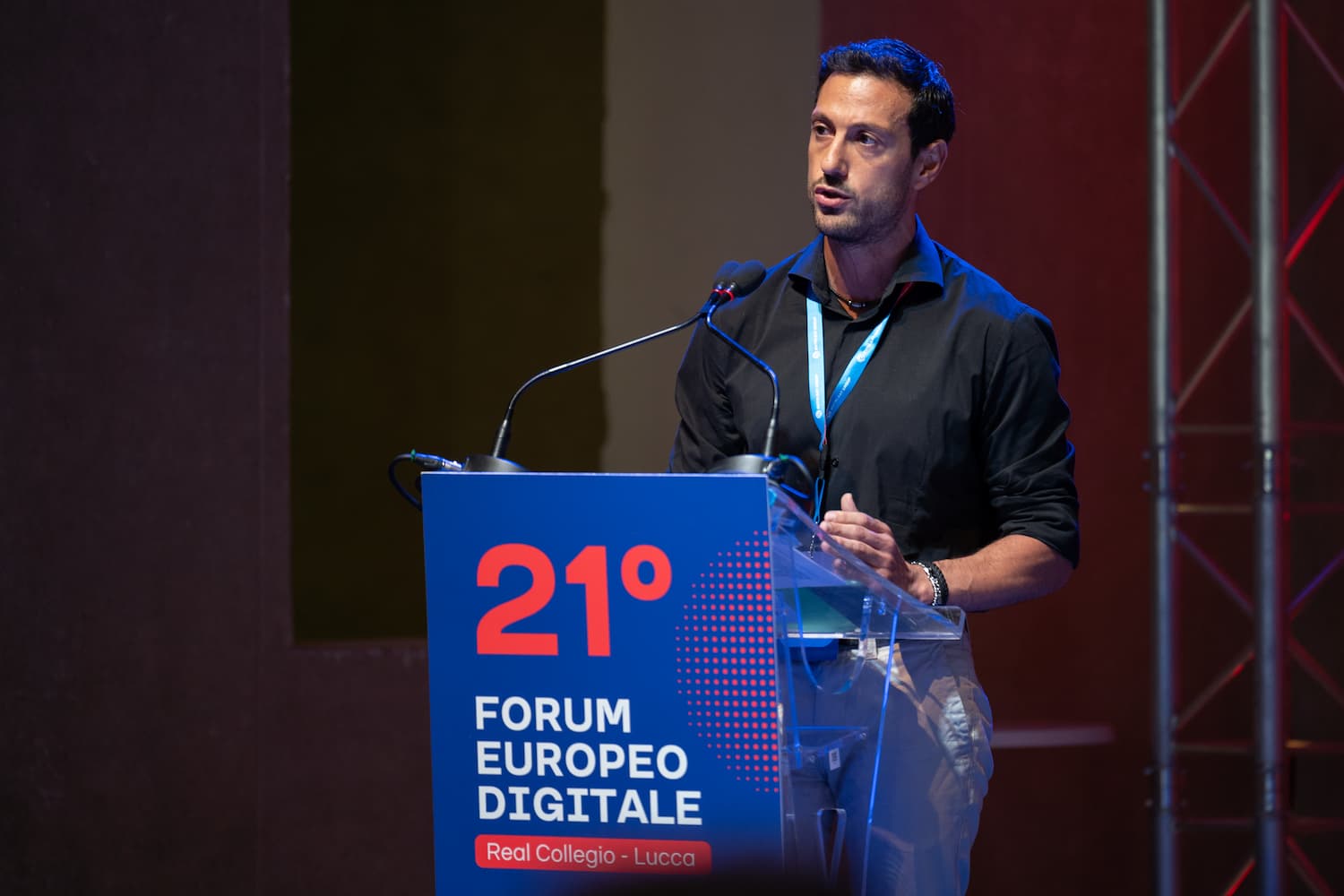
Beyond awards, I delivered over 20 keynote presentations at conferences like NAB, IBC, re: Invent, CabSat, Broadcast Asia, Sportel Monaco, SVG Summits, InfoComm, ISE, and Forum Europeo Digitale. When I speak, it is not a vendor pitch – it is a practitioner sharing what actually works and what does not.
What I’m most proud of is that I established a Creative Innovation Hub in Los Angeles — a physical environment where interoperability is tested under real conditions. The philosophy is simple but radical: editorial independence must be protected. No single vendor should own the workflow.
From Bahrain to Building Media Cities: The Journey of Yusuf Mohammed Buti
Through a structured vendor program, technology partners can validate their solutions within a framework of strict sovereignty and security. This initiative produced three foundational industry white papers on ecosystem trust and became a reference point for broadcasters evaluating multi-vendor cloud strategies.
Standards and Industry Governance
– You’re involved in multiple industry bodies. Why does that matter?
Standards are where the future is negotiated. If you’re not at the table where standards are written, someone else decides how your industry evolves.
I contribute actively to TAMS – Time Addressable Media Store – bringing a practitioner’s perspective on cloud-native broadcast architecture. I advocate for C2PA – content provenance and authenticity – which becomes critical as AI-generated content proliferates. I’m advancing MXL (Media Exchange Layer) and ATSC 3.0 deployment through vendor demonstrations and technical sessions at major trade shows.
“Sometimes the biggest achievement is getting competitors to sit at the same table.”
For MXL specifically, AWS was the only cloud provider invited by the EBU to participate in discussions around the initiative – and I became one of its promoters. That invitation came because of trust built over years of genuine collaboration.
We also launched three industry-wide enablement programs:
- A System Integrator Accelerator to scale cloud solution delivery
- A Media Cloud Training track for broadcast operators
- The IABM Dynamic Software Licensing initiative – bringing competitors together to establish flexible licensing best practices for hybrid workflows
AI and the Future of Media: A 360° Transformation
– Everyone talks about AI in media. What is your perspective?
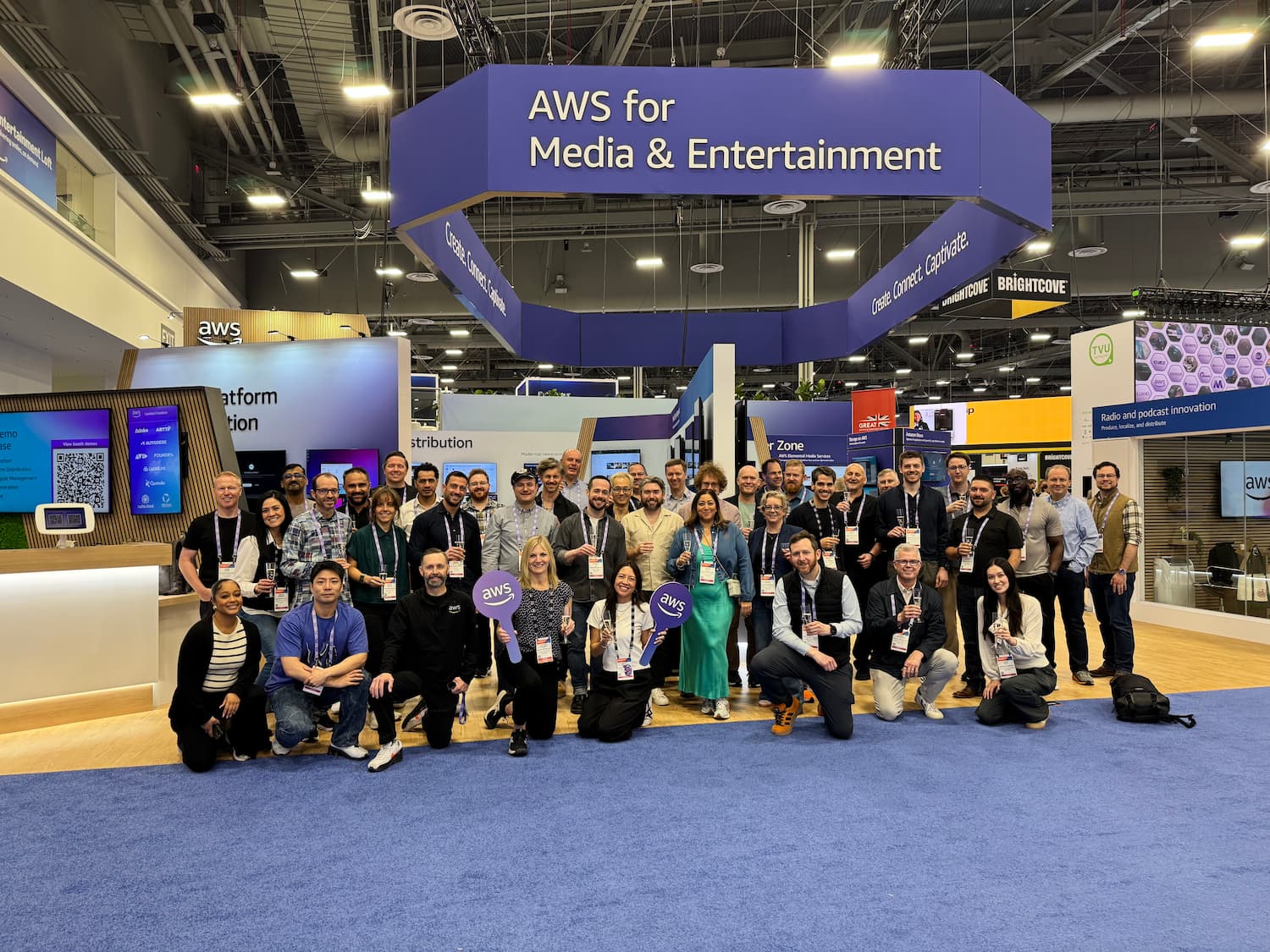
I have been fortunate to witness several major industry transformations. I saw analog to digital, digital to IP, IP to cloud. Each time, the industry initially resisted, then adapted, then could not imagine going back. AI is the same – except it touches every layer simultaneously.
 Most people are still thinking about AI in narrow terms: automated subtitles, thumbnail generation, simple metadata tagging. That is chapter one. We are entering chapter three.
– What does chapter three look like?
I see AI transforming every layer of the media supply chain at once:
Production: AI-driven camera selection, automated replay generation, real-time graphics that respond to content. For sports, this means a single operator can produce what previously required a team of twenty. For news, localized versions generated in parallel across languages and formats.
Quality and Compliance: Automated QC that does not just flag technical issues but understands editorial context. Content provenance verification – proving that what audiences see is authentic – becomes essential as synthetic media proliferates. This is where C2PA becomes foundational.
 Distribution and Monetization: Dynamic ad insertion that understands not just demographics but emotional context. Personalized streams where the same live event looks different depending on who is watching. Content recommendation that optimizes for value, not just engagement.
Workflow Orchestration: This is where it becomes truly transformational. AI as the orchestration layer across the entire supply chain – predicting demand, allocating cloud resources dynamically, routing content through the most efficient path in real time. Combined with Live Cloud Production, this creates a fully adaptive infrastructure that responds to conditions automatically.
“AI won’t replace broadcasters – it will give a team of five the capability of a team of fifty.”
This is not theoretical. At Creative Innovation Hub, we are already testing AI-driven orchestration with partners — systems that automatically allocate cloud production resources based on event complexity, adjust quality parameters in real time, and route content through optimal paths without human intervention. What we validated with LCP as a framework is now becoming intelligent and self-optimizing.
– What about the risks?
The biggest risk is not AI itself – it is the erosion of trust. When audiences cannot distinguish between authentic content and AI-generated material, the fundamental contract between media and society breaks down. That is exactly why I am so passionate about C2PA and content provenance. We need to build trust infrastructure alongside capability infrastructure.
The second risk is concentration. If only the largest companies can afford AI-powered workflows, we will see a consolidation that eliminates the diversity that makes media valuable. Cloud democratizes access to compute – and that matters enormously for independent broadcasters and smaller markets.
The Philosophy: Sharing Knowledge as Real Power
— What drives you beyond the technical work?
I fundamentally believe that sharing knowledge is real power. People often say “knowledge is power,” and I agree — but many misunderstand what that means. Too often, people believe power comes from keeping knowledge to themselves, from being the smartest person in the room.
— How do you turn that philosophy into leadership?
I see it differently. When people feel safe sharing ideas, asking questions, and helping one another improve, the quality of what a team can achieve becomes dramatically higher. That philosophy was born at ELIS, and I have carried it through every stage of my career.
In every team I lead, I try to recreate that environment — and it works. People grow faster when they are surrounded by others who share openly. I have watched junior team members develop into independent leaders within eighteen months because the environment accelerated their learning. I have seen senior specialists rediscover curiosity because they were surrounded by people who challenged them rather than deferred to them.
That is probably my biggest professional achievement: not any single technology, framework, or award — but building teams that create things no individual could create alone. When people leave my teams, I want them to be better than when they joined. That is how I measure my leadership.
“Knowledge shared compounds. Knowledge hoarded expires.”
I also believe in giving back to the broader industry. For over ten years, I have volunteered with ABIO, supporting hospitalized children. And through the RISE Academy, I actively mentor and develop the next generation of broadcast professionals — helping them navigate the same crossroads I once faced between technology, creativity, and business.
Leadership, for me, is not about the people who report to you. It is about the people whose growth you influence — directly or indirectly. Sometimes that means your team. Sometimes that means an entire community of practice.
 Never Stop Learning
– At this stage of your career, what keeps you hungry?
I recently made a decision that surprised some people: I applied to INSEAD’s Global Executive MBA program. At my level, some might say that’s unnecessary. I disagree.
The broadcast industry is converging with technology, finance, and policy in ways that require new frameworks. I have built deep technical and commercial expertise over 25 years. Now I want to complement that with strategic and business thinking at the highest level – not because I need a credential, but because I genuinely believe continuous learning is what separates people who shape the future from people who react to it.
“The day you stop being a student is the day you start becoming irrelevant.”
It is the same mindset that drove me to pursue CCNP while running sales – the same curiosity that pushed me from R&D into entrepreneurship, from system integration into commercial leadership, from vendor to hyperscaler. The moment you stop being a student is the moment you start becoming irrelevant.
 Beyond Work
– What do you do outside the industry?
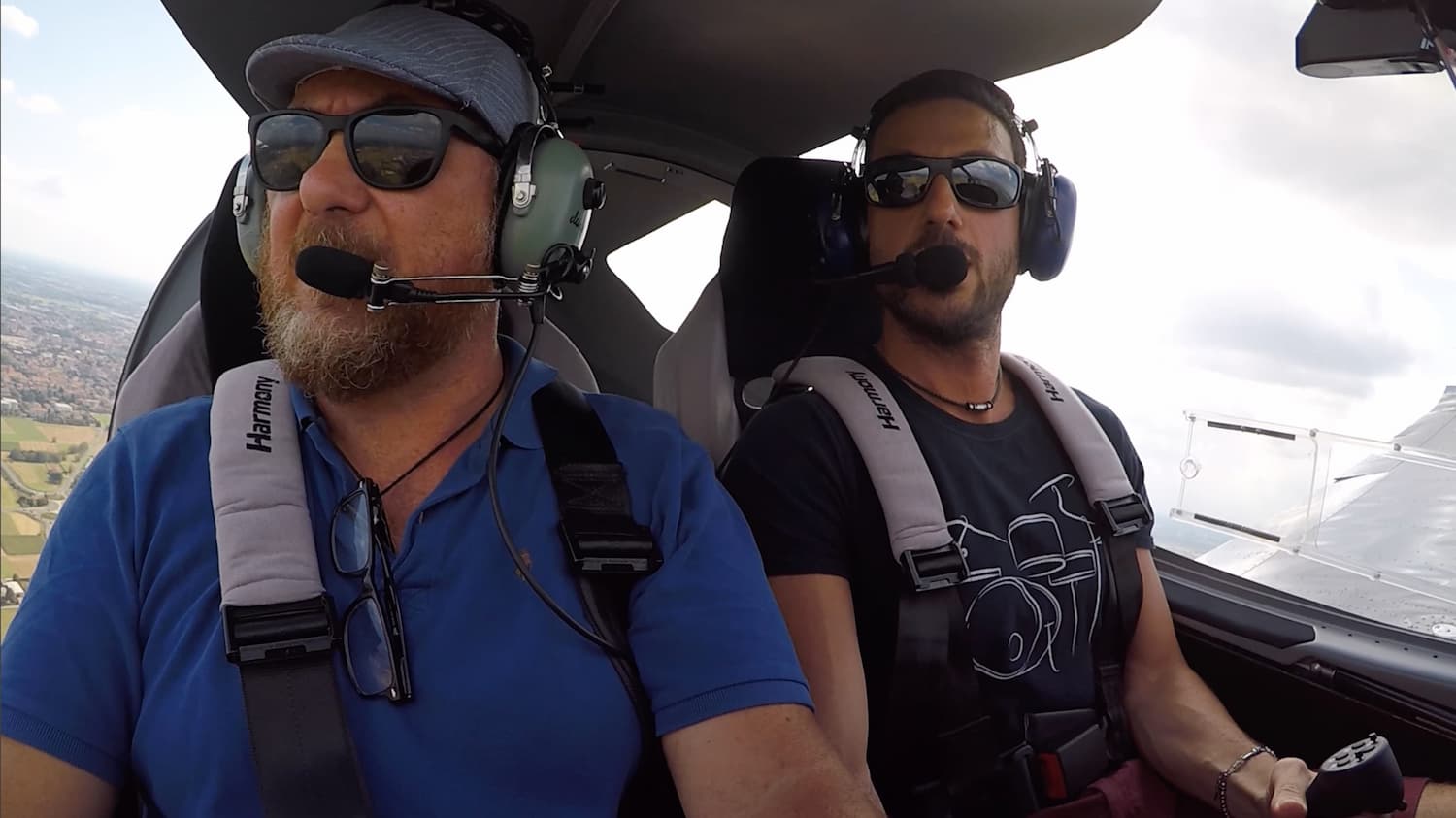
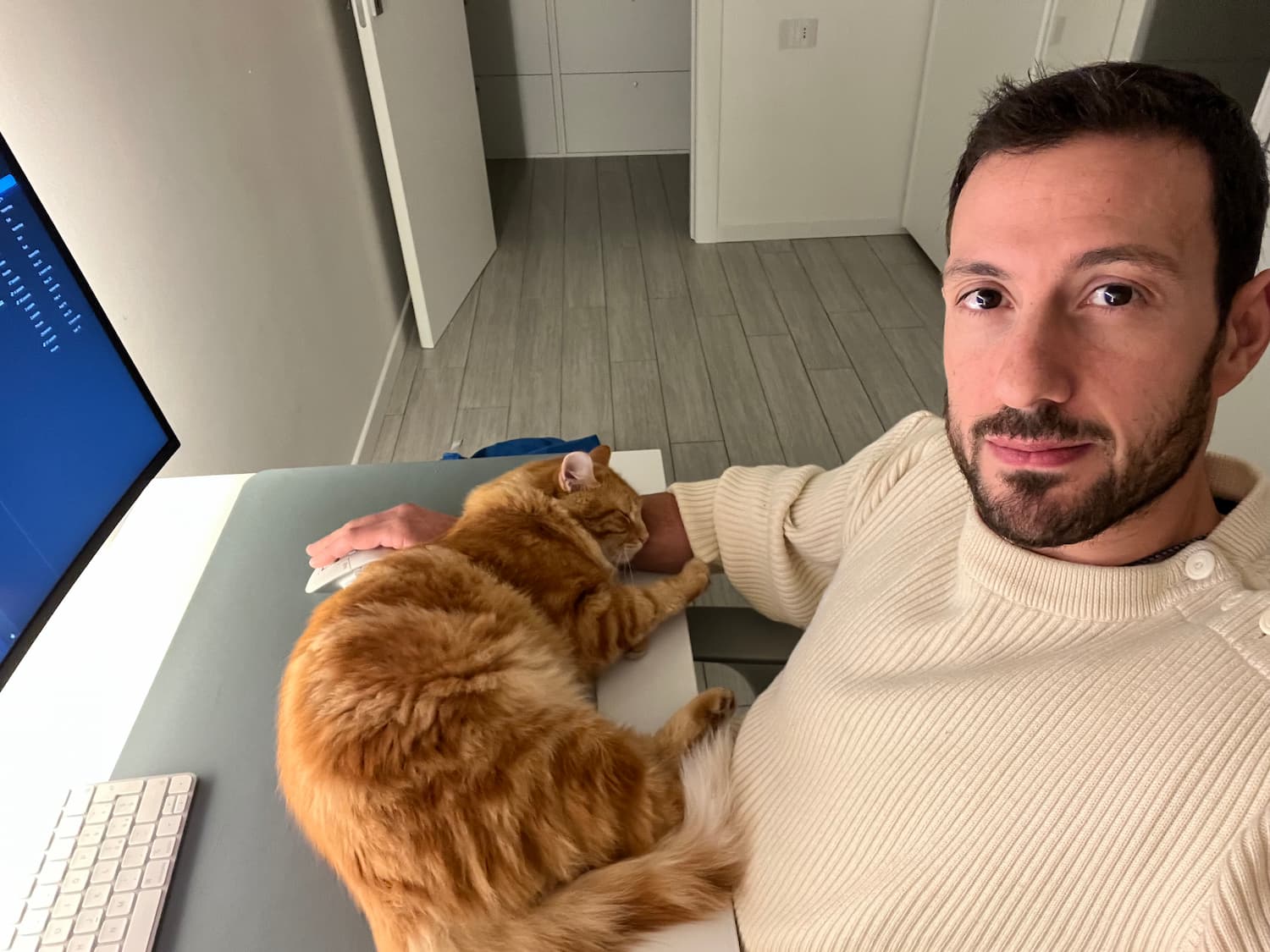
I am a pilot – I hold a Private Pilot License. Flying teaches you decision-making under pressure, situational awareness, and respect for systems. Those skills transfer directly to leadership.
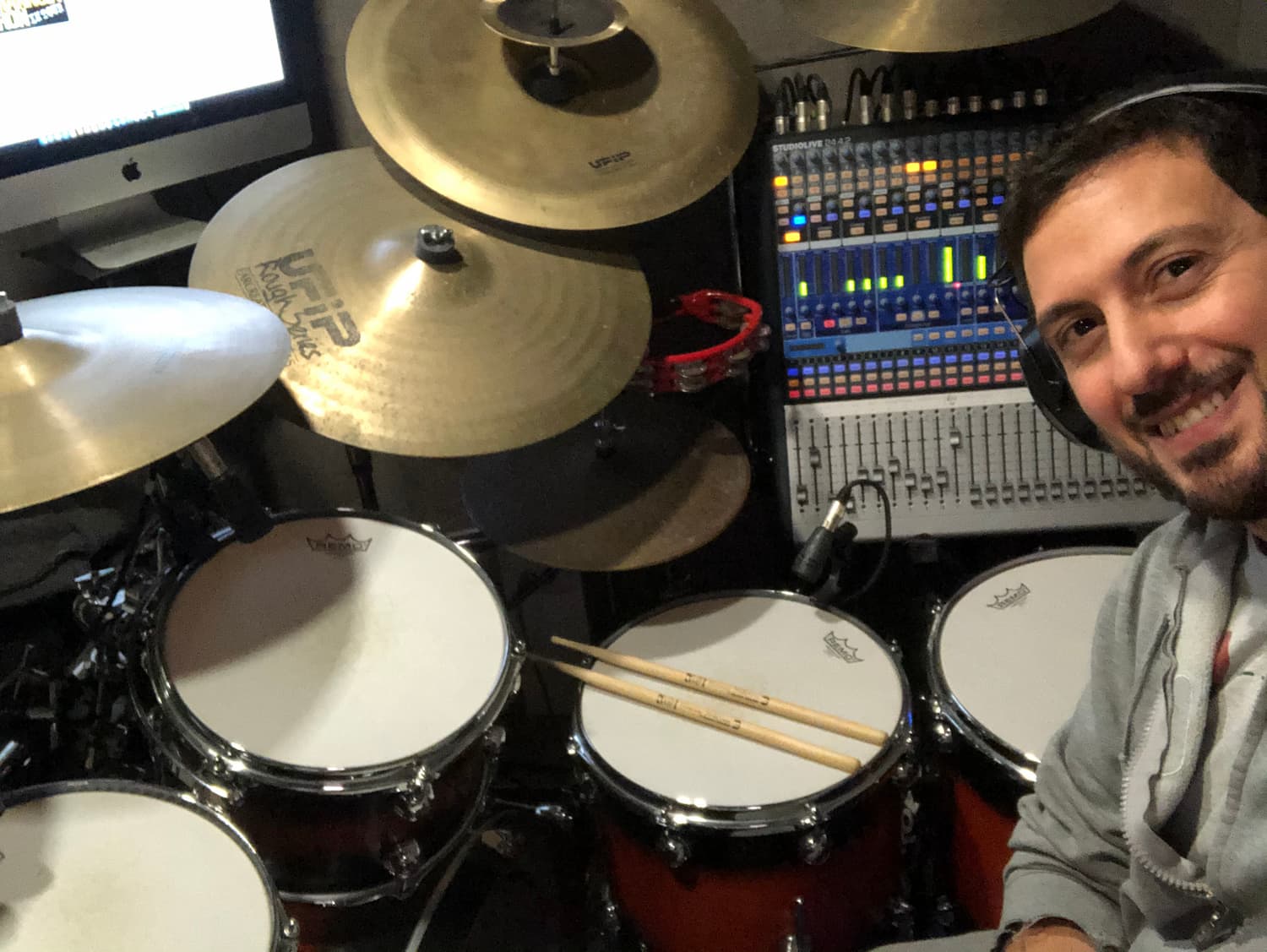
I have been a drummer since I was fourteen, trained at NAM in Milan. Music teaches you rhythm, listening, and collaboration – surprisingly relevant to managing teams and reading a room.
Ammar Hina Appointed Strategic Chair of The Gulf & MENA Decision-Makers Forum 2026
What Comes Next
– Where do you see yourself in five years?
Wherever the hardest problems are. Broadcasting is at an inflection point comparable to the analog-to-digital transition – except this time, every layer changes simultaneously. Cloud, AI, personalization, provenance, monetization – these are not separate trends. They are one transformation.
I want to be at the center of that transformation – combining the technical depth I have built over 25 years with the strategic vision to see where everything converges. Whether that means continuing to push boundaries at AWS, leading a media technology company, or building something entirely new – the constant is that I need to be where innovation happens, not where it is consumed.
“I don’t chase job titles – I chase problems worth solving.”
My entire career has been about crossing boundaries: from production to technology, from engineering to commercial, from regional to global, from hardware to cloud. The next boundary is between what broadcasting has been and what media is becoming. That is where I want to be.