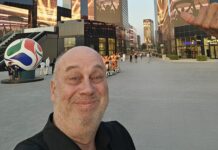
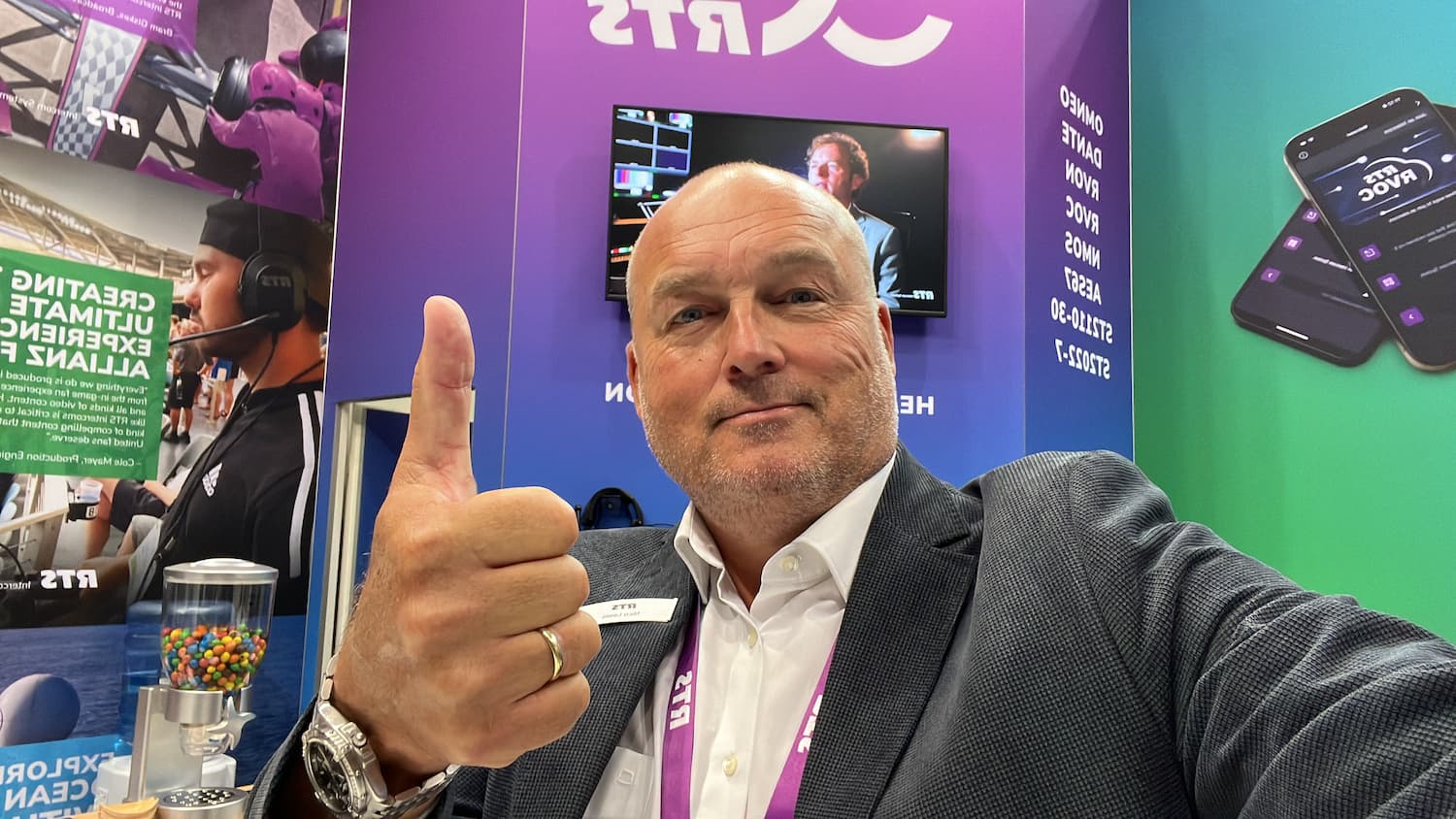
From selling IBM computers in the Netherlands to building a distribution network across Europe, the Middle East, and Africa, Nico Lewis has spent more than four decades proving that technology may open doors, but relationships keep them open.
Ammar Hina Appointed Strategic Chair of The Gulf & MENA Decision-Makers Forum 2026
For more than 25 years, Nico Lewis, Senior Sales Manager at RTS Intercom Systems, has been one of the most recognizable figures in the global intercom industry. During his career, he helped build RTS’s distribution network across Europe, the Middle East, and Africa, and worked on projects ranging from national broadcasters, theatres, and royal events to railway infrastructure, drones, motorsports, and industrial projects.
Yet when asked about his greatest professional achievement, Lewis does not mention technology, revenue, or market share. His answer is simple: keeping customers happy. That philosophy has guided him from his first IBM sales job to his current role, which he jokingly calls «the N.I.C.O. of the company».
Growing Up in the Netherlands
— When and where were you born? Who were your parents?
I was born in the Netherlands, in a small place called Emmen, 58 years ago. My mother is Sientje Lewis. My father was Doede Lewis; he passed away last year, which was a very stressful and emotional moment in my life. My father worked for 40 years as Production Director at the Mars candy bar company in Veghel. My mother was managing everything around the house and family. I also have a younger brother and sister.
Our family name is Lewis. We are from the north of the Netherlands, but the name dates back around 400 years to a Scottish naval doctor who moved to the Netherlands and married a Dutch woman (so my father told me). We traced the family history back to Scotland, but Lewis, or McLewis, is a very common name there, like Jansen in the Netherlands, so we do not know the full story.
— What is your earliest childhood memory?
I was a busy child. I was always trying to fix everything. I broke things easily and then tried to repair them. That was Nico from a very young age. I was very active and very strong.
— What subjects did you like at school?
I was oké at English, but bad at German. My language skills were very limited. My teacher told me, “Nico, it’s not going to happen.” But in the end, I fixed it by doing it, by talking, by not being afraid, and by making mistakes.
Ursula Romero Takes Over Global Sports Broadcasting Company After Her Father’s Death
I was a “technical kid”. That is why I went to a technical school. I worked with my hands. I was someone who did things, not someone who made stories. I was a doer. When I was young, I repaired things, worked with mechanical objects and electronics, and built things.
— What about sport?
My whole life has been around sport. I was a swimmer, trained 12 hours a week, played water polo, and swam at quite a reasonable level. Later, I did a lot of windsurfing, then road biking, and now I am more into mountain biking. I do not windsurf anymore because it is a hassle: you need to bring your surfboard. If I were young today, I would probably do kitesurfing, but that trend came after I quit windsurfing. I love water sports and sailing, but mountain biking is now my hobby.
— What about music?
I started playing the trumpet when I was 11 years old. I played in big bands, brass bands, jazz bands, cover bands, and carnival bands. At the moment, because of the job and all the traveling, it is almost impossible to combine. I cannot bring the trumpet with me to a hotel. Yesterday was the first time in four months that I started playing again.
Choosing Sales Over Engineering
— What did you decide to do after school?
While I was studying electronics at technical school, I completed an internship in a company’s R&D department, where I helped build test equipment for capacitors and power supplies. One day, I saw a sales representative walk into the department, tell everyone what his customers needed, and then leave in his company car. I remember thinking: “Wait a minute, that’s what I want to do.”
From Bahrain to Building Media Cities: The Journey of Yusuf Mohammed Buti
While I was still in school, I started working for IBM as a sales representative, selling XT computers. From day one, I was in sales.
“I wanted to travel, meet people, and not sit in an office all day.”
— Why did you choose sales instead of engineering?
There were two reasons. First, I could make serious money in sales. Second, I could travel, meet people, and spend my days outside the office. During engineering school, I spent my time in laboratories designing PCBs and working on technical projects. It was valuable knowledge, but I quickly realized that it was not the life I wanted.
Sales suited me much better. I enjoyed talking to people, visiting customers, and being on the road. That was a much better fit for my personality.
— Do you remember your first salary?
My very first job was in a grocery store when I was about 14 or 15 years old. I earned around 1.60 per hour. I also worked in a butcher shop, where my job was to clean the entire place within an hour. It was hard work, but it taught me discipline.
“If you work hard, you make some money. If you don’t work, you’re out.”
My father always told me, “Never walk around with empty hands. If you go somewhere, bring something back. Work hard, stay busy, and earn your money. That attitude has stayed with me throughout my life.
— What do you remember about your first sales job?
When I started as a junior sales representative, I was earning about 1,200 Dutch guilders per month and driving a Renault 5. It was probably the cheapest car available at the time. As a large, sporty Dutch guy, I managed to break the driver’s seat almost every time.
 Those were very different times. The car had no airbags, no air conditioning, and summers were extremely hot. I spent my days driving across the Netherlands, visiting six or seven customers a day, introducing myself, opening doors, and trying to sell IBM computers. The goal was simple: visit as many people as possible.
— Were all your customers in the Netherlands at that stage?
Yes. At the beginning, I was a junior sales representative working only in the Netherlands. My task was straightforward: cold calling, opening doors, introducing myself, and selling IBM computers. After that, I moved into the security and emergency lighting business, which opened the next chapter of my career.
From Emergency Systems to Broadcasting
— What was the next stage of your career?
After IBM, I moved into the security business, working with emergency lighting, evacuation systems, and safety infrastructure. It was a very nice time in my life. After a while, I became specialized in that field and worked with major industrial and public facilities in the Netherlands.
“I came into places where people are normally not allowed.”
I visited places where people normally were not allowed to enter: Mars, DSM, large beer breweries, hospitals, and other important locations. My role was to advise customers on evacuation systems and emergency lighting. I sold a lot, and I really enjoyed that period. It lasted roughly seven years.
— Why did you leave that business?
It was a small company run by technical people, and they did not see my capacity or want to invest in salespeople. I was working very hard, but I did not receive the salary I wanted and needed to buy a house and build a good living.
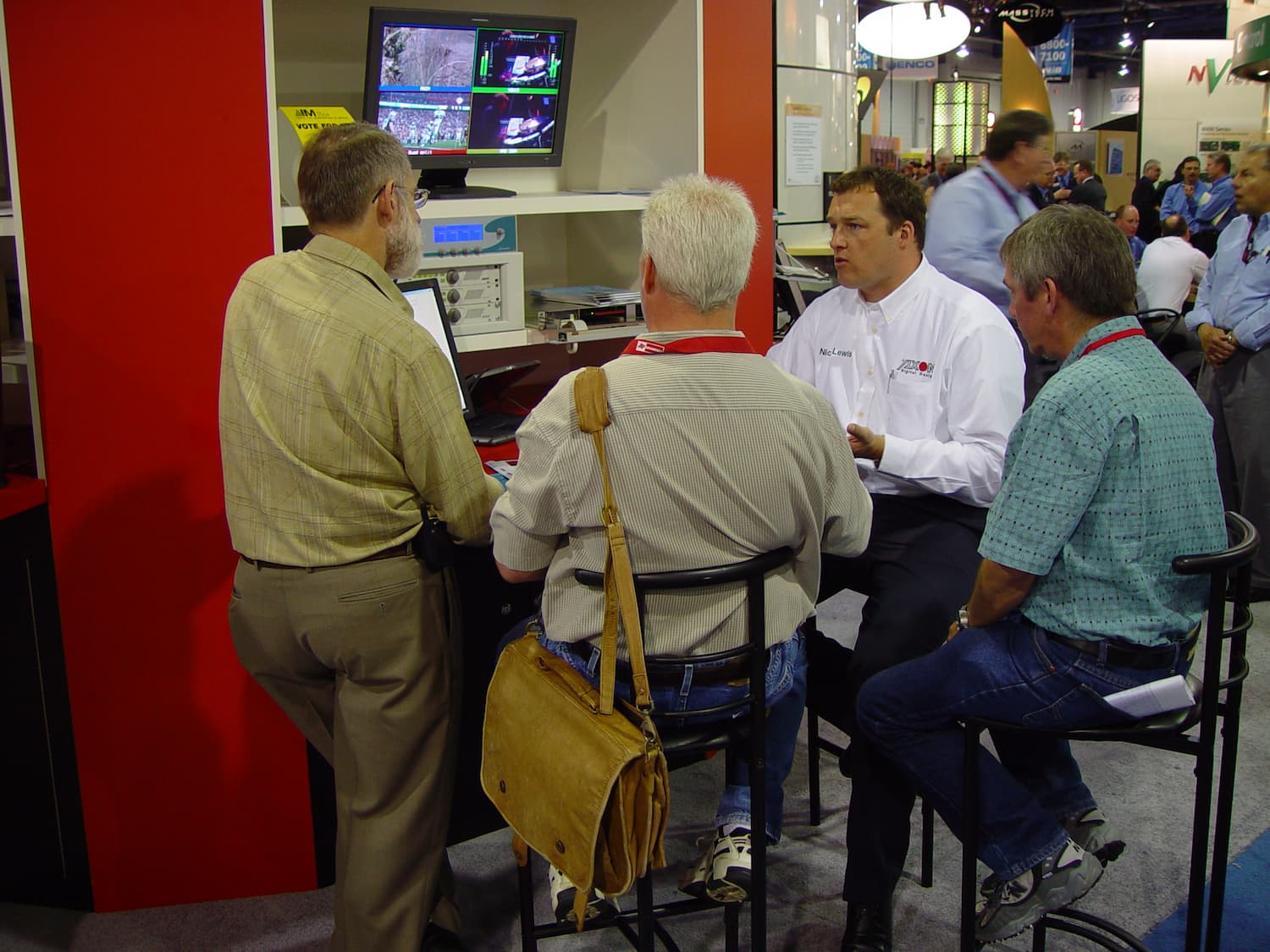
So I moved on. I received an offer from another company and entered the telecommunications industry, working on underground infrastructure, IP lines, and SDH networks. From there, I moved into the broadcast industry in 1999.
— How did you enter the broadcast industry?
At that time, I was working for a telecommunications company in Rotterdam, which meant driving 130 kilometers to and from the office. The road between Eindhoven and Rotterdam was very busy, and I often came home around eight in the evening. My children were already in bed, and my wife had already had dinner. I realized that this was not the way I wanted to work for another 10 years.
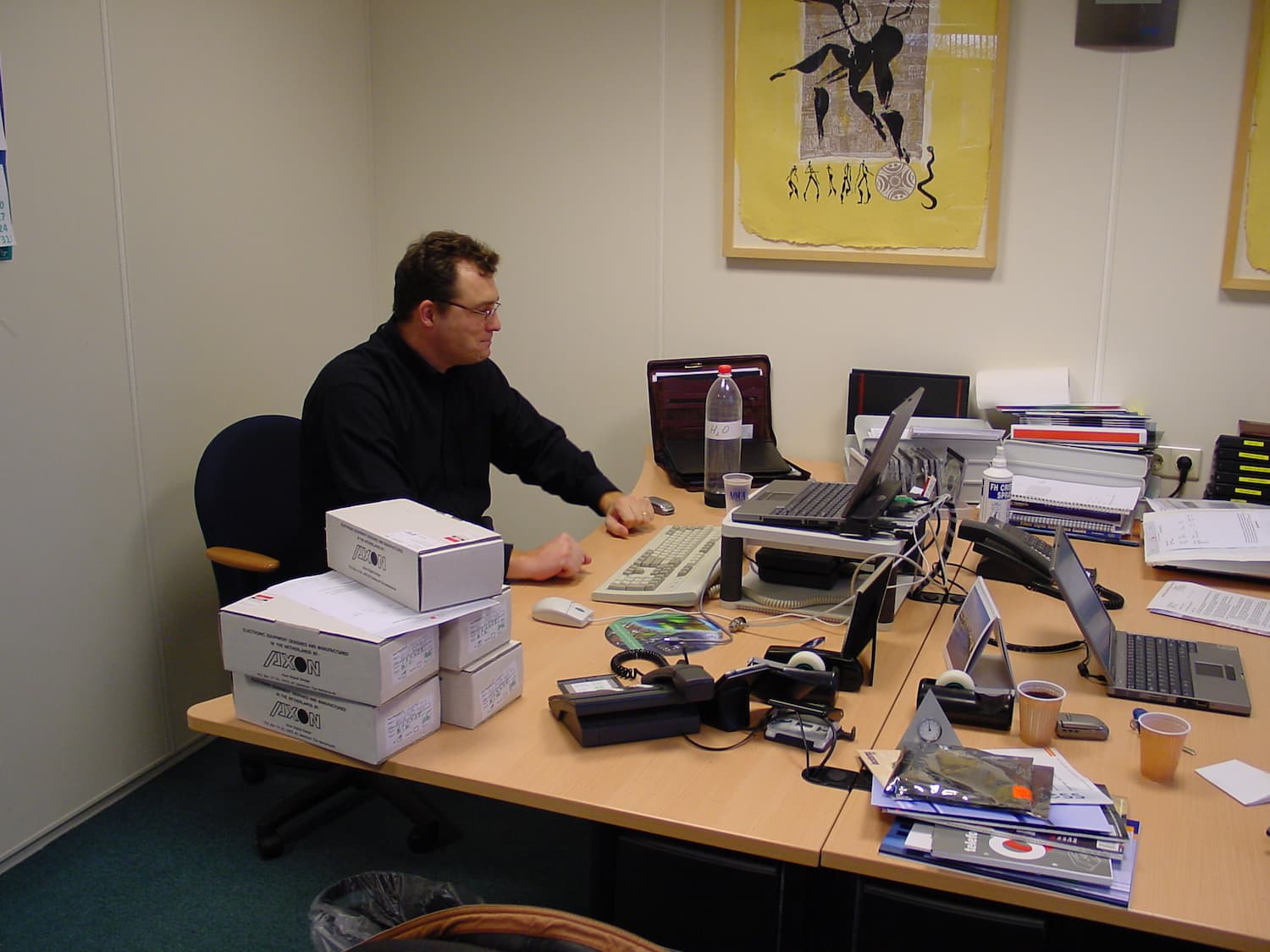
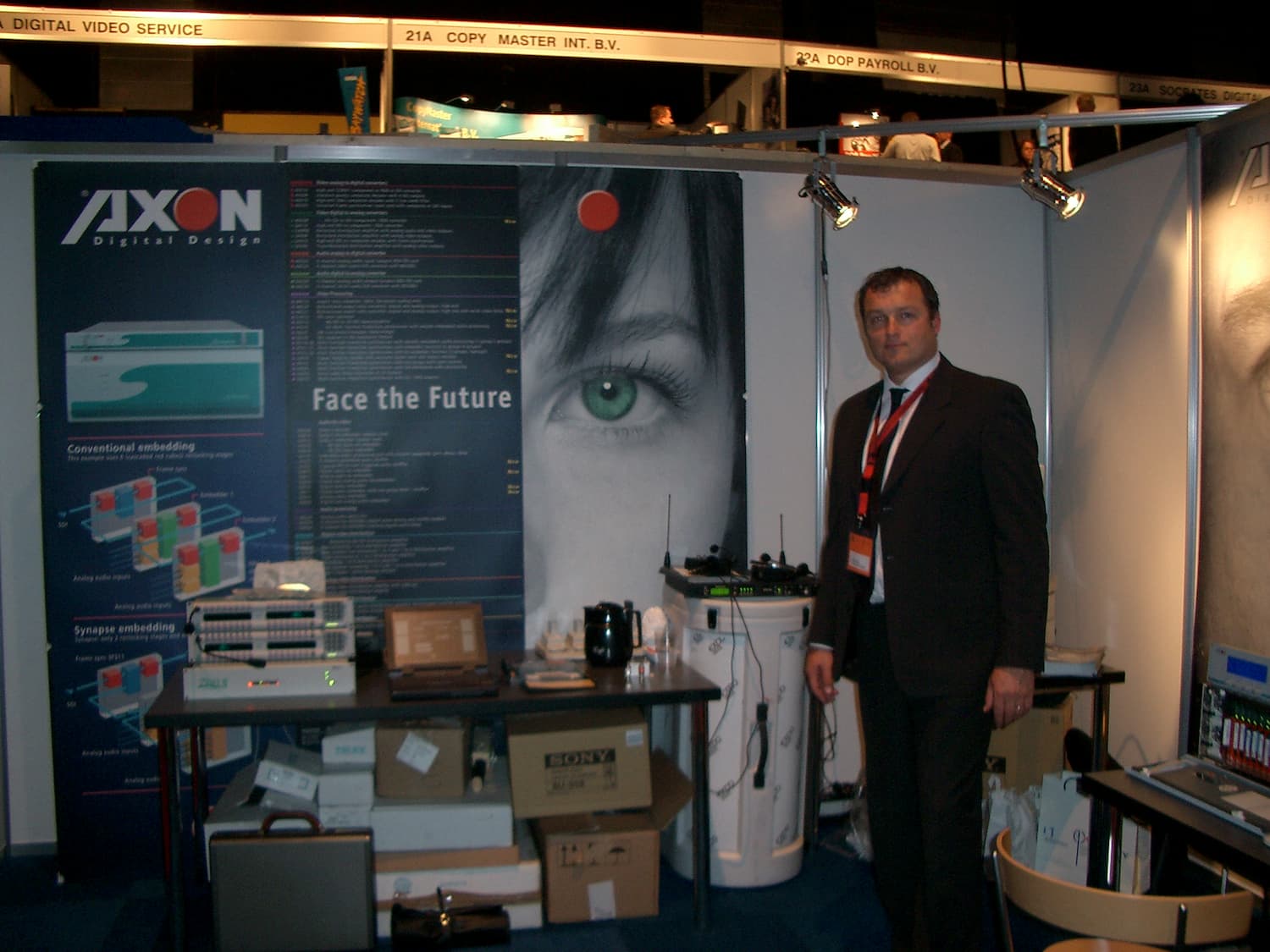
Then a company in Brabant, very close to where I lived, approached me through a headhunter. That company was Axon Digital Design in Udenhout, and it immediately felt like the company I wanted to work for. The team was very good, and the owner, Rob Bijkerk, was a fantastic gentleman. YTD, I am still in close contact with ex-Axon team members.
— Why was Axon Digital Design important for you?
At Axon, I could combine my electronics background with my sales skills. That was a very good fit for me. Plus, one month after I started there, I was very lucky: the person responsible for Germany and other regions left after a month, so I was asked to take over that region.
From Paris 2024 to the Saudi Pro League: The Global Broadcast Journey of Filipe Sobral Santos
I still remember that Rob called me and asked me to pack my bags, …..for NAB 2000.
“At Axon, I could really use my electronic background in combination with my sales skills.”
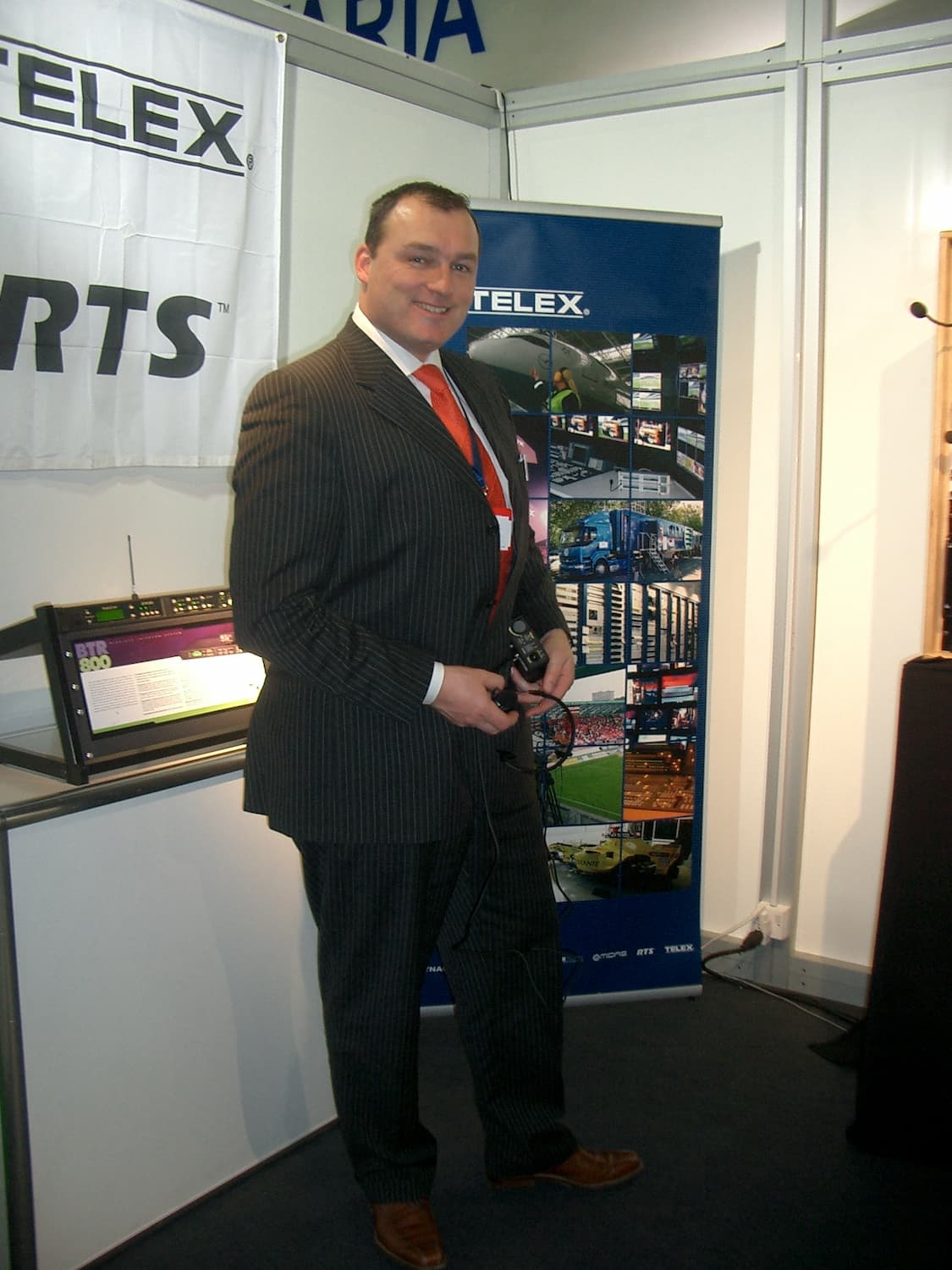
That was a fantastic start to my career at Axon Digital Design. The company was also the Benelux distributor for RTS Intercom Systems, an American-based company. I sold so much RTS equipment that RTS took notice of me.
— How did you move from Axon to RTS?
RTS saw that I was selling a lot of their systems and that I knew many people in the broadcast industry. About 22 years ago, the RTS management offered me the opportunity to work in Europe, the Middle East, and Africa. I maintained a strong relationship with Axon, and they remained my partner in the Netherlands for a long time. I moved to RTS as Channel Manager in April 2005.
— What happened after you joined RTS?
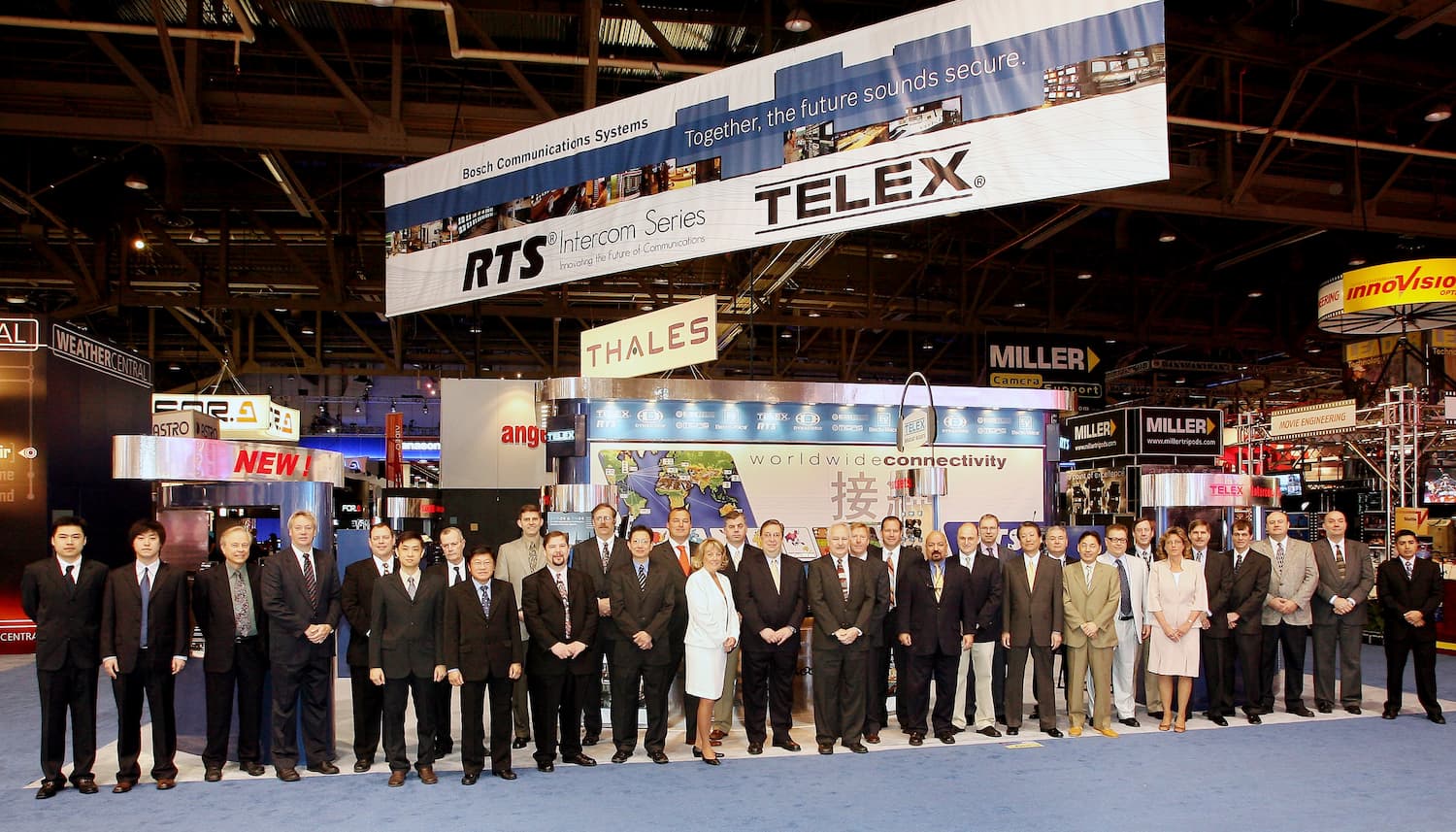
When I joined RTS in 2005, the company was part of Telex Communications. Two years later, Telex Communications was sold to Bosch. Suddenly, we became part of a very large company with around 400,000 people. For Telex Intercom Systems, that was a good step because it brought new technology, new ways of working, and local production.
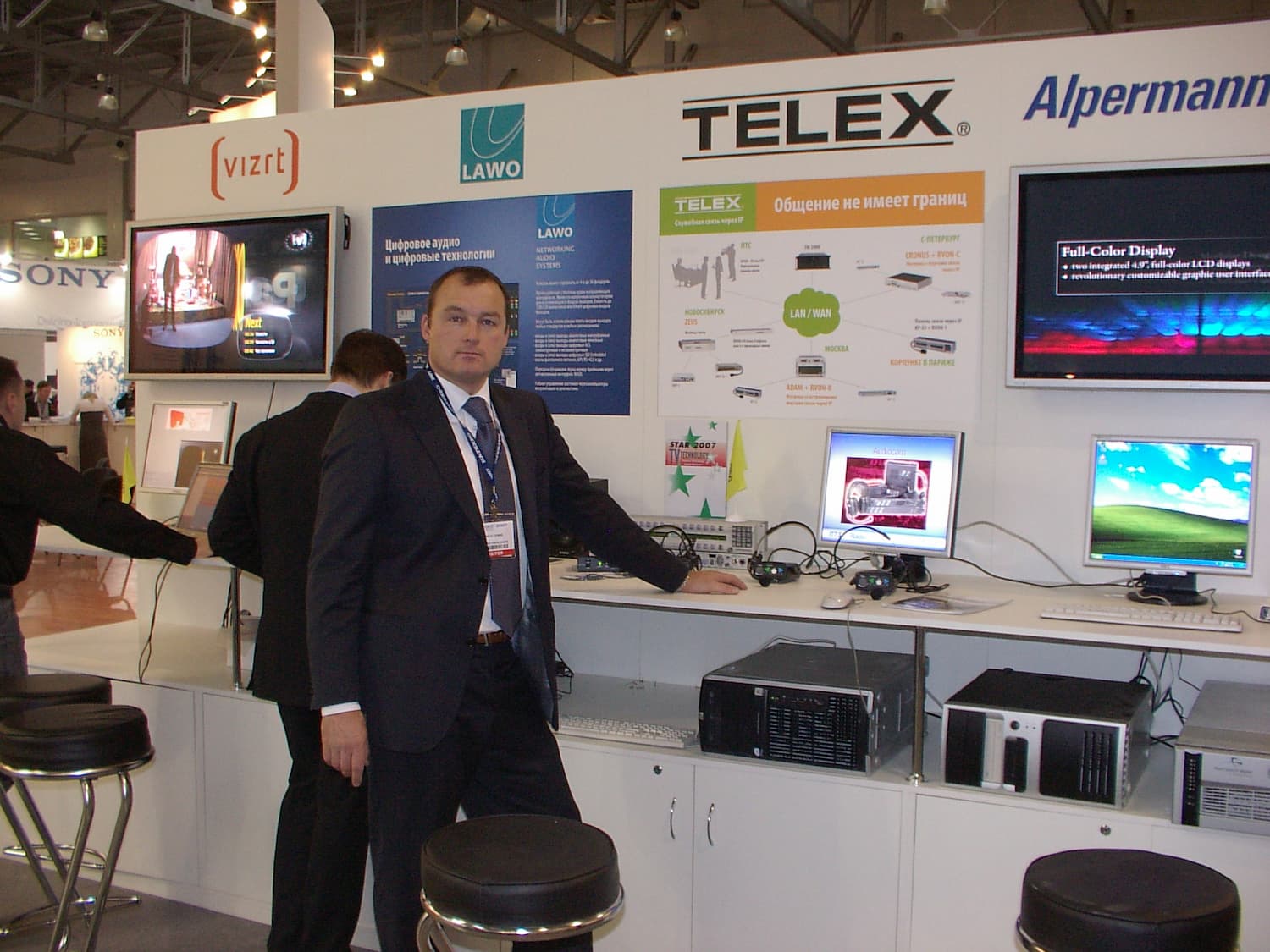 In 2023, Bosch decided to carve out the former Telex Communications and Bosch Security Systems brands into a new company, Keenfinity. I am now part of that organization, which has around 4,000 people across 90 locations worldwide, and we are doing very well.
The Philosophy Behind Sales Success
— Can you share the secret behind your success in sales?
My father always told me that if you do good to others, it will come back to you. That principle has stayed with me throughout my career. If somebody has a question or a problem, I try to help. Not because I expect something in return, but because I believe that helping people matters.
“If you do good to others, it will come back to you.”
Another important rule is to stay connected. As long as people talk about you, you are not forgotten. People need to know who you are, how to find you, and that they can rely on you when they need support.
— How do you build trust with customers?
I always respond. If somebody sends me an email or a message, I react. Over the years, this has become almost an expectation. Some people are surprised if I do not answer within an hour, and immediately send a reminder.
“I do not let people wait.”
Of course, sometimes I am too busy to respond immediately, but my principle remains the same: be proactive, support people, and never leave them waiting. If I do not know the answer, I say so honestly, find the information, and come back with an answer. It may be positive or negative, but it is always an answer.
— How do you find new customers in such a competitive industry?
When I started my career, we used telephone directories, fax machines, and fixed-line phones. There was no internet and no mobile communication. Today it is much easier. LinkedIn is one of my most important tools. I joined very early and now have more than 10,000 followers. I try to share useful content rather than noise.
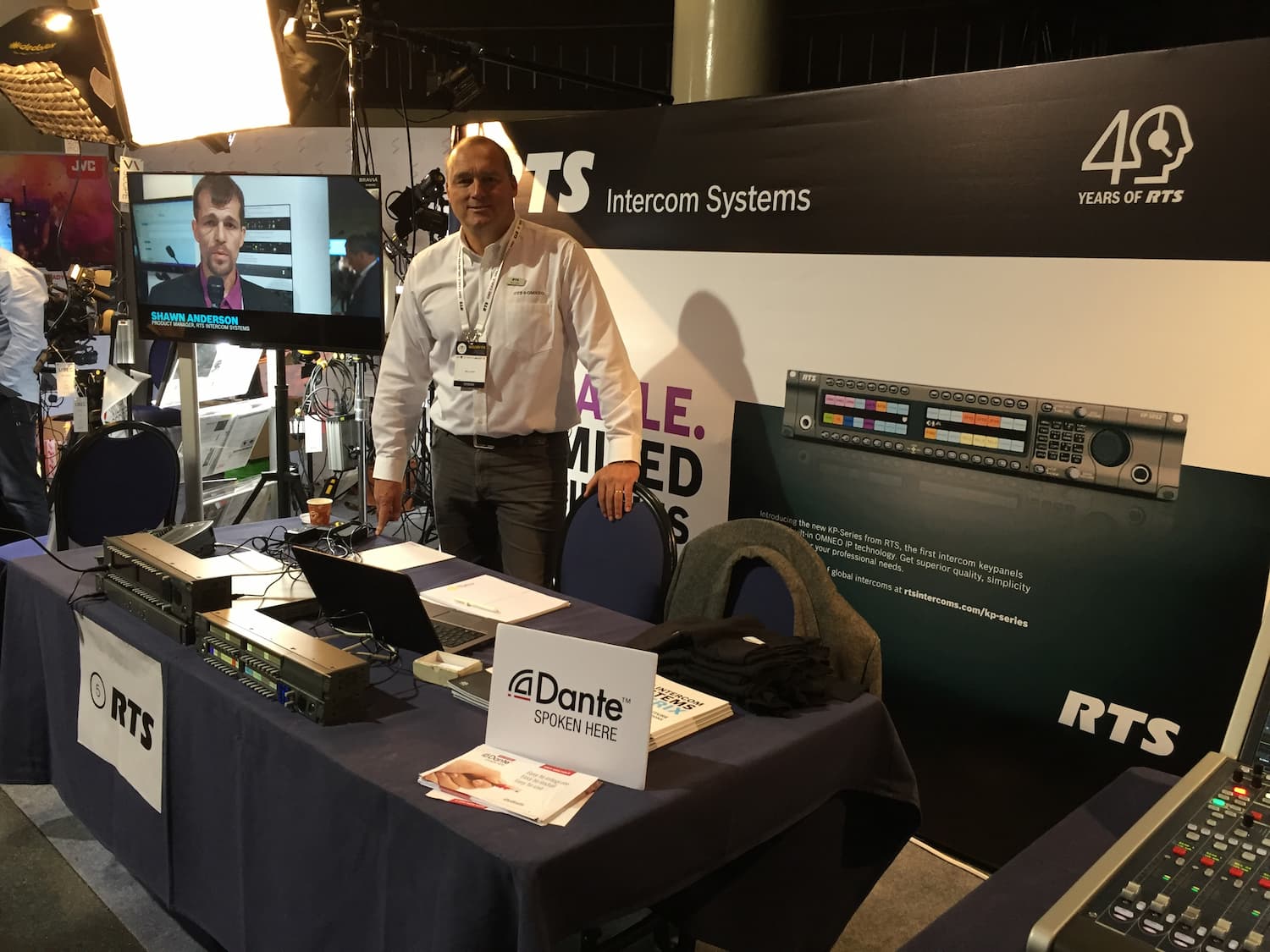 Industry events are equally important. NAB Show, IBC, ISE, and similar exhibitions are excellent opportunities to meet customers, partners, consultants, system integrators, and decision-makers. They also allow me to see how well my distribution partners are engaging with their markets.
— What role do partners play in your business?
I work through a distribution network, and my distributors are in direct contact with end users, system integrators, consultants, and architects. When they bring customers to our stand at an exhibition, I know they are actively developing the market.
These events are also a good indicator of commitment. If a partner is making the effort to bring customers, introduce them to our team, and create opportunities, it usually means they are investing in the business and in the relationship.
— What is the most important lesson you have learned about customer relationships?
Give customers attention. If you stop paying attention, customers will eventually walk away. Winning them back takes far more effort than maintaining a good relationship in the first place.
“If somebody calls me in the evening, they have a problem. Otherwise, they would not call.”
If a customer is struggling with technology, help them and do not let them wait. If somebody calls me on a Friday evening, I help. If somebody calls me on a Sunday morning, I help. People do not call during dinner or on weekends just to chat. They call because they have a problem that needs to be solved.
Omar Pleite Guerra: “Technology Should Serve the Story, Not Replace It”
Projects That Built a Career
— What do you consider your main achievement in professional life?
My main achievement is keeping my customers happy, selling to them, and staying in contact with them. That is what I do every day.
“My main achievement is to keep my customers happy.”
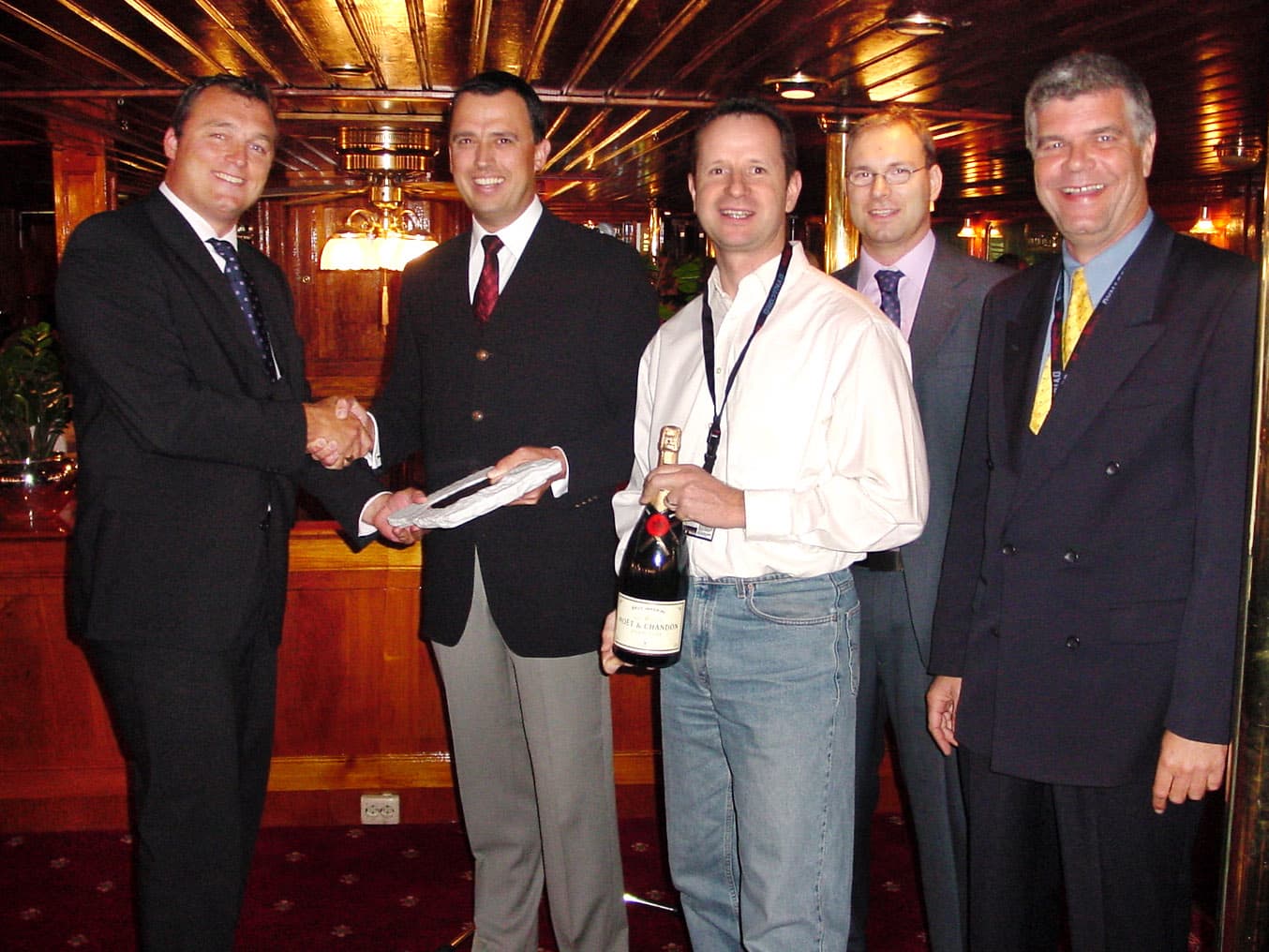
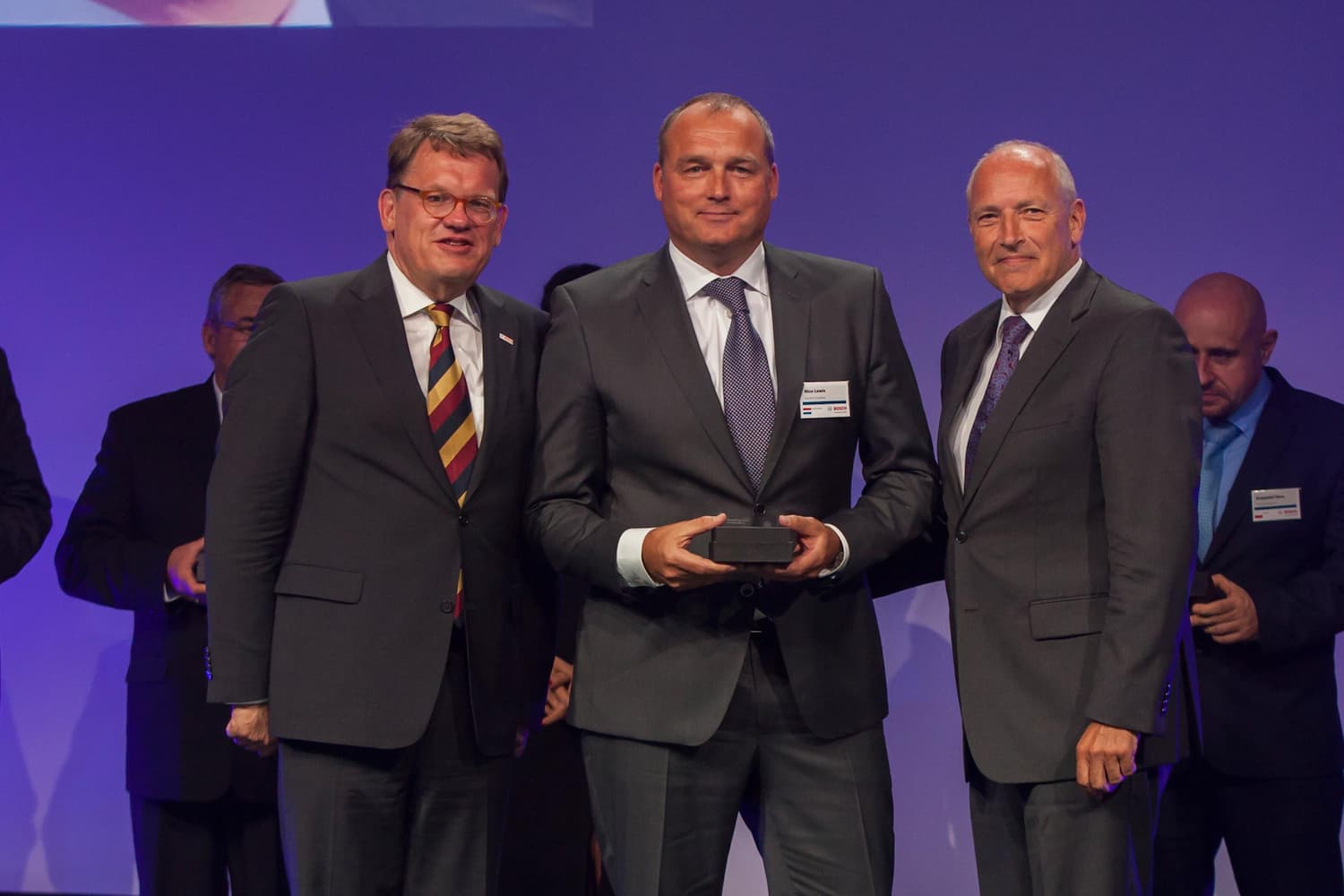
If we talk about projects, my first big order was for NOS, the Dutch broadcaster, for a large intercom system for the wedding of Willem-Alexander and Maxima, who are now the King and Queen of the Netherlands. That was a very nice deal, and I worked hard for it. It was also one of the reasons they hired me.
— Which major projects are you especially proud of?
One major project was SABC in South Africa. It was a complete upgrade and overhaul of the first full IP intercom system, and I was quite proud of it. Other important projects included Mediaset, RAI, and Sky in Italy. There was also VGTRK in the East, which I was proud of, but I prefer not to talk about it now, given the current situation.
Beyond Traditional Broadcast
— Are smaller broadcast projects also important to you?
Yes. For example, Omroep Brabant in the Netherlands and other local broadcasters are also interesting projects. A small or mid-sized broadcast facility can still manage a high-quality, expensive intercom system, and that’s cool, too. Over the last 21 years, I have sold many intercom systems, from hospitals and small productions to very large installations. There are many different applications.
You Either Stay, or You Go: The Director Behind Saudi Football’s Global Rise
— Can you give an example of a project outside traditional broadcasting?
One project that made me proud was for a train infrastructure system between 26 train stations in Gabon. The customer called me and said he needed an audio router. I explained how it could be done, and in the end, we used an intercom panel voice over IP connected to the headquarters.
“That project was about thinking out of the box and thinking with the customer.”
At the headquarters, there was a small Cronus intercom matrix with a KP32 key panel. From each key, they could talk to every train station or create groups online (RVON). This was about 20 years ago, and it was a very nice project.
— Where else can intercom technology be used?
Intercom is used in many areas where full-duplex communication is needed. For example, it is used with large drones carrying cameras — not the small drones people usually talk about, but large systems flying kilometers high for border protection, fire protection, or monitoring forests.
In those cases, communication between pilots and other operators as the drones move from one location to another is handled via RTS. That is also a very interesting technology.
— What other non-broadcast projects are important?
We at RTS provide communication for the whole SpaceX organization, which is, of course, a very high-level application. RTS is also used in motorsport, for example, to enable communication among the pit crew, the pit lane, the paddock, and the driver in a race car. Wherever full-duplex communication is needed, I am there with RTS.
Building a Distribution Network Across Three Continents
— How many customers and partners do you work with today?
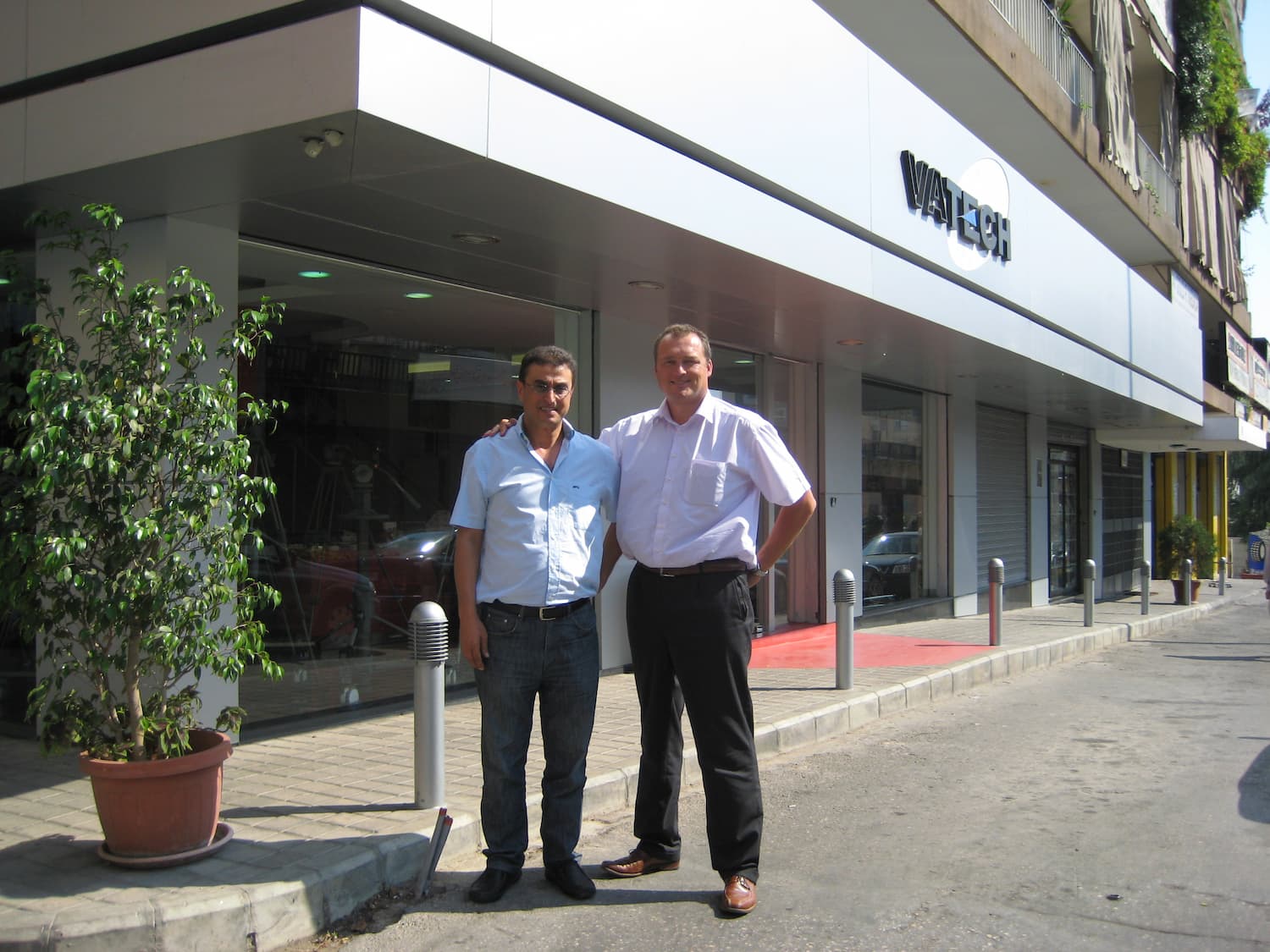
Today, I work with a distribution network of roughly 70 distributors across Europe, the Middle East, and Africa. Of course, some partners are larger than others, but everybody receives the same attention.
Smaller distributors usually need more training and guidance to grow their business. Larger distributors often already have successful projects and strong market positions. In those cases, my role is to maintain the relationship and help them continue their success.
— What does your work with distributors look like?
Managing a network of this size requires constant communication. I also spend a lot of time with end users and system integrators. When I visit a distributor, they often introduce me to customers, allowing me to demonstrate our technology, present new features, and provide advice.
“The distributor is key in that country to build up the business.”
The distributor is the key player in their country. They understand the local market, speak the language, maintain the customer relationships, and build the business on the ground.
— Who built this distribution network?
Over the last 21 years, I have built and expanded the RTS distribution network together with the team around me. Some distributors joined recently, while others have been partners for many years.
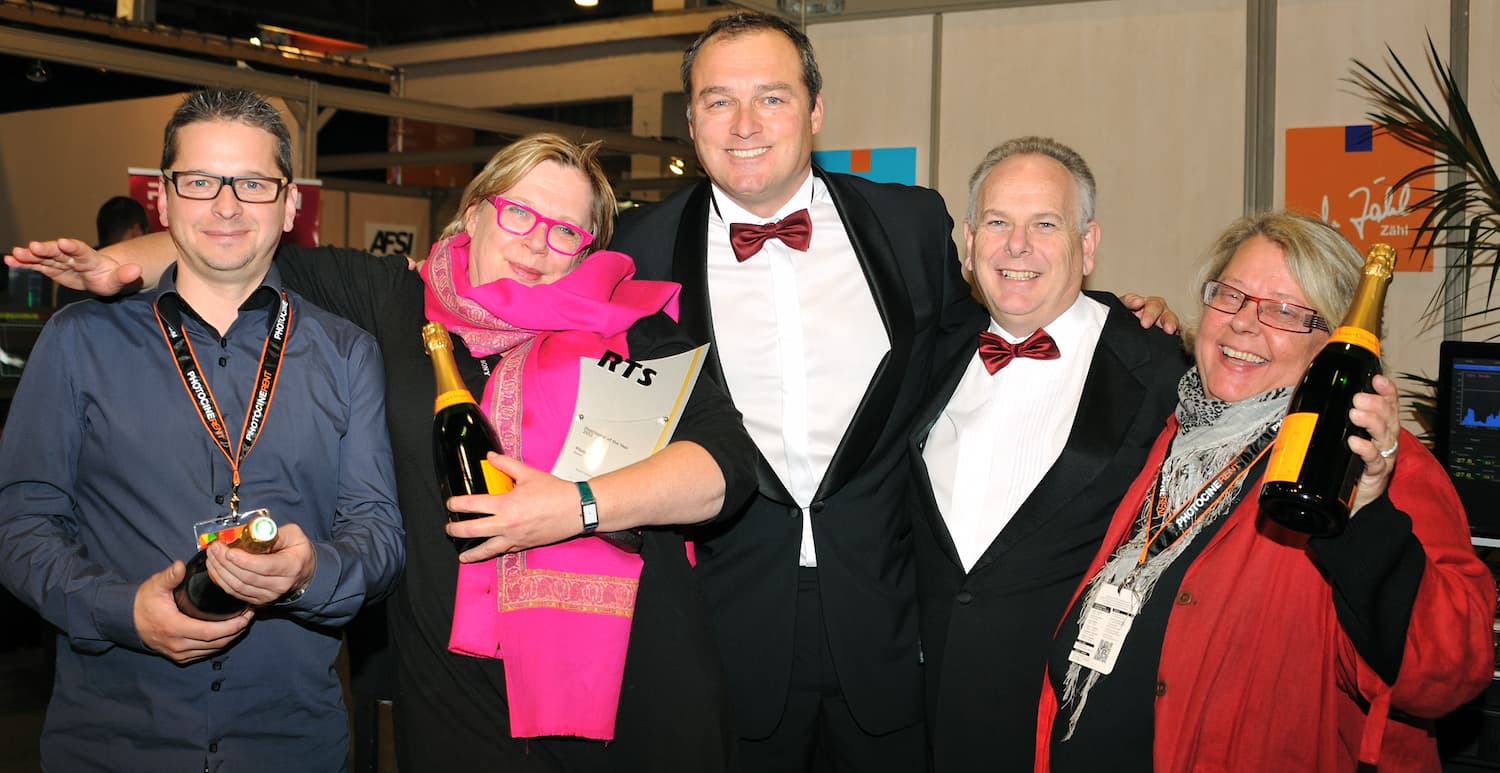
My role is not only to work with the distributors themselves but also to connect them with our internal teams — sales support, logistics, after-sales services, and field support. Building a successful channel requires much more than simply selling products.
— What is the foundation of long-term business success?
For me, the answer is simple: repeat business. Selling something once is easy! The real goal is to have customers come back again and again.
“I can sell you something once, but I want you to buy again, again, again.”
That only happens when support is excellent. We have highly skilled field support engineers with deep technical knowledge and a strong commitment to helping customers. If an engineer is on-site on a Friday afternoon and something goes wrong, they cannot wait until Monday morning. They need support immediately.
— How important is technical support in your business?
Technical support is one of the main reasons customers stay with us. We have a very practical, no-nonsense approach. Sometimes support requires travel and additional costs, but our focus is always on solving the problem. We do not rely heavily on formal service-level agreements. Instead, we focus on providing good support when customers need it. When support is strong, repeat business follows naturally.
 — What is your current position within the company?
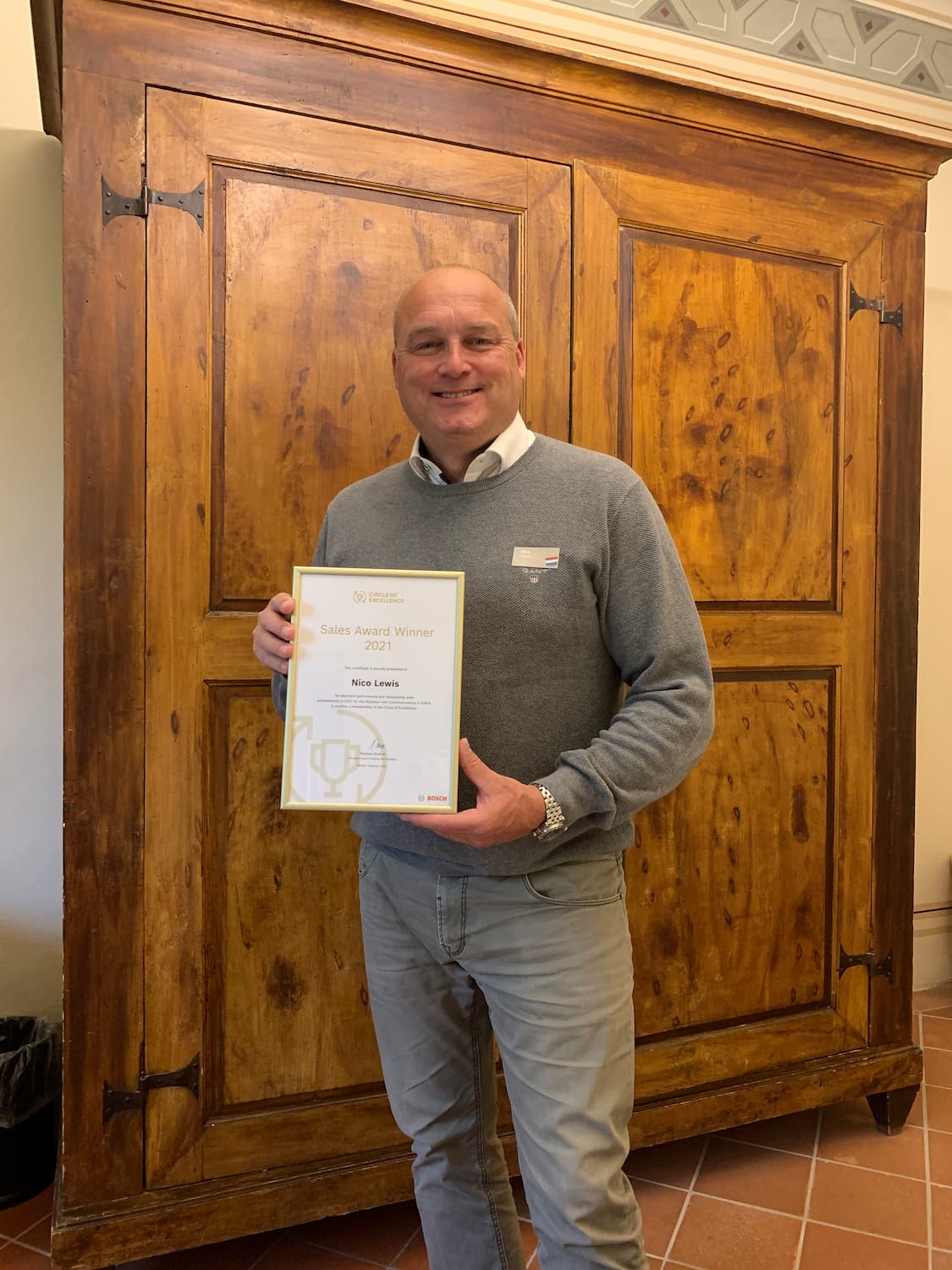
Officially, I am a Senior Sales Manager. I am involved in sales, pre-sales, distributor relations, customer relations, and partner relations across my region. Sometimes I simply tell people that I am the N.I.C.O. of the company, with a smile, of course!
“I don’t need a title. Sometimes I just say I’m the N.I.C.O. of the company.”
Broadcast, Defense, and the Importance of Communication
— What industries are you working with today?
Around 80% of my business is still in broadcasting. The rest is split among theaters, cultural venues, industrial projects, and, increasingly, the defense sector. The market is changing. Less investment is going into broadcast and theater, while more investment is going into defense and military applications.
 The military sector is a very closed environment, so I work closely with specialists inside our organization. We also have expertise in aviation, security, industrial infrastructure, tunnels, ports, and large-scale facilities. By sharing knowledge across different divisions, we learn from each other’s markets and customers.
— What remains your main area of expertise?
My focus is still broadcasting. I have been working in the broadcast industry for more than 25 years, and that is where most of my contacts, customers, and partners are. In some countries, we have separate partners for broadcast and theater because the markets are completely different. The technology may be similar, but the customers, projects, and decision-making processes are not.
“My focus is broadcast television. I have been in the broadcast industry for more than 25 years.”
— How do you sell a highly specialized technology like intercom systems?
Like any salesperson, I follow the basic process: introduction, explanation, demonstration, argumentation, and closing. The challenge is that the intercom is a niche product inside an already niche industry.
RTS is a well-known name in the market, but we are not a large marketing machine. Promoting intercom technology is very different from promoting cameras, switchers, or production systems. We are a small part of the overall broadcast infrastructure.
— Why is the intercom often underestimated?
It is usually one of the last things people think about when planning a project. Customers first focus on cameras, production equipment, control rooms, and transmission systems. Then, at the end of the process, somebody remembers that they also need an intercom system.
 The reality is that communication is one of the most critical parts of any operation. If the intercom stops working, the entire production can come to a halt. Without communication, people cannot coordinate, direct, or manage a live broadcast.
“If the intercom doesn’t work, the whole broadcast is stopped.”
— Has the market’s attitude toward intercom systems changed over the years?
Yes. In the past, the intercom was often treated as an afterthought. Today, customers understand much better how important communication is to the success of a production. As a result, broadcasters are becoming more willing to invest in high-quality communication systems. The role of the intercom is receiving more attention than it did when I entered the industry.
— What is one of the biggest challenges when selling to broadcasters?
Many public broadcasters buy equipment through tender processes. In those cases, decisions are often based on a scoring system. Sometimes the weighting can be 90 percent price and only 10 percent quality. That creates challenges because you are competing not only on technology, performance, and support but also on procurement rules and budget requirements.
Winning Tenders and Competing on Quality
— How difficult is it to win tenders in this market?
In some countries, the tender mix is quite difficult. They may say that 40% is sustainability, 20% is price, 30% is quality, and the rest is future readiness.
We are one of the greenest companies in the world. Production is done in Ovar, Portugal, in a very green company with solar cells on the roof, a sustainable production facility, and sustainable logistics. We really think about sustainability, technology recycling, and related issues.
— How important are quality and innovation in this process?
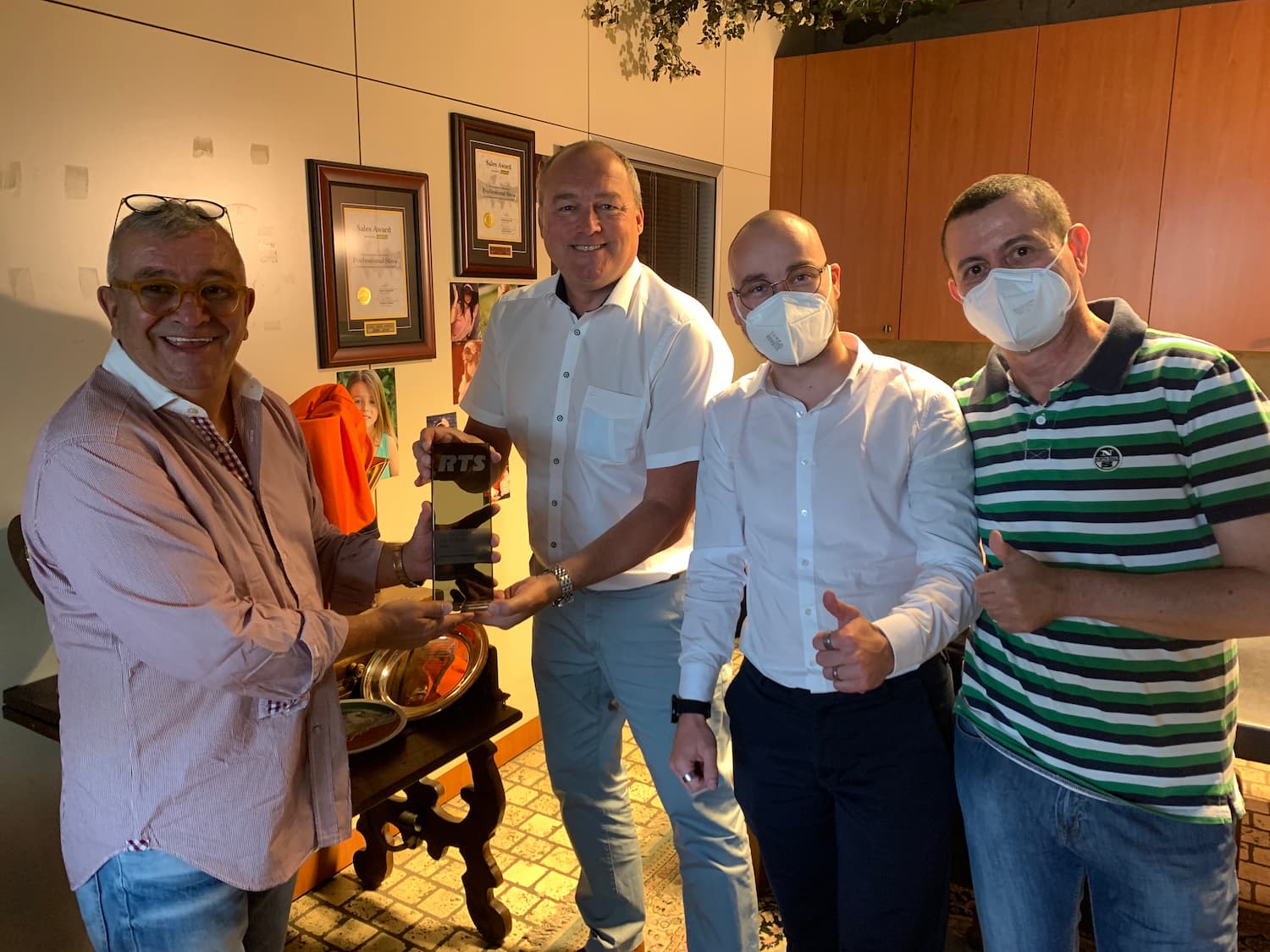
High quality is also very important. There is still a Bosch foundation behind the quality procedures we use, so we usually get the highest points in that area. We are also getting better with new technology. Over the last five to ten years, we have introduced a lot of high-tech intercom technology that people are increasingly appreciating. As a result, we are winning more and more tenders.
“We are winning more and more tenders.”
— What were the most difficult projects in your career?
The big players and big broadcasters usually work with tenders. You have to do a proof of concept, show the technology you have, and explain your solution. You go with your partner and demonstrate the technology to the customer. But the partner needs to handle the request for proposal and quotation. That is how it works with large government-based broadcasters.
Private broadcasters are different. They don’t care less about tenders in the same way. They have their own procedures, and then you can mostly work through the relationship and your technology. You can show your technology in a different way.
— How do consultants influence these projects?
I also work with consultants who create tender documents and write down what they want. In some countries and regions, especially in Eastern Europe and the Middle East, this is very important and occurs frequently.
Floris Molijn: From Dutch Live Production to Leading Oranda in Asia
Some countries don’t care about this process. They simply say, “I need an intercom. Make me a price.” Every country has a different way of working, and even within one country, you can see different ways of doing quotations. That’s a challenge.
— What is your attitude toward tenders and competition?
In the end, for me, I need to win. You can be second, but then you lose. A nice second place may be good for your mindset, but it does not give you a good sandwich in the morning. So I need to sell. Very simple. Sales bring in the money, and with more money, we can make more investments in R&D.
“You can be second, but then you lose.”
Sales, R&D, and the Long Game
— Why are sales so important for a technology company?
Sales are important because they generate the resources needed to continue developing new technology. The more successful we are, the more we can invest in R&D and new products.
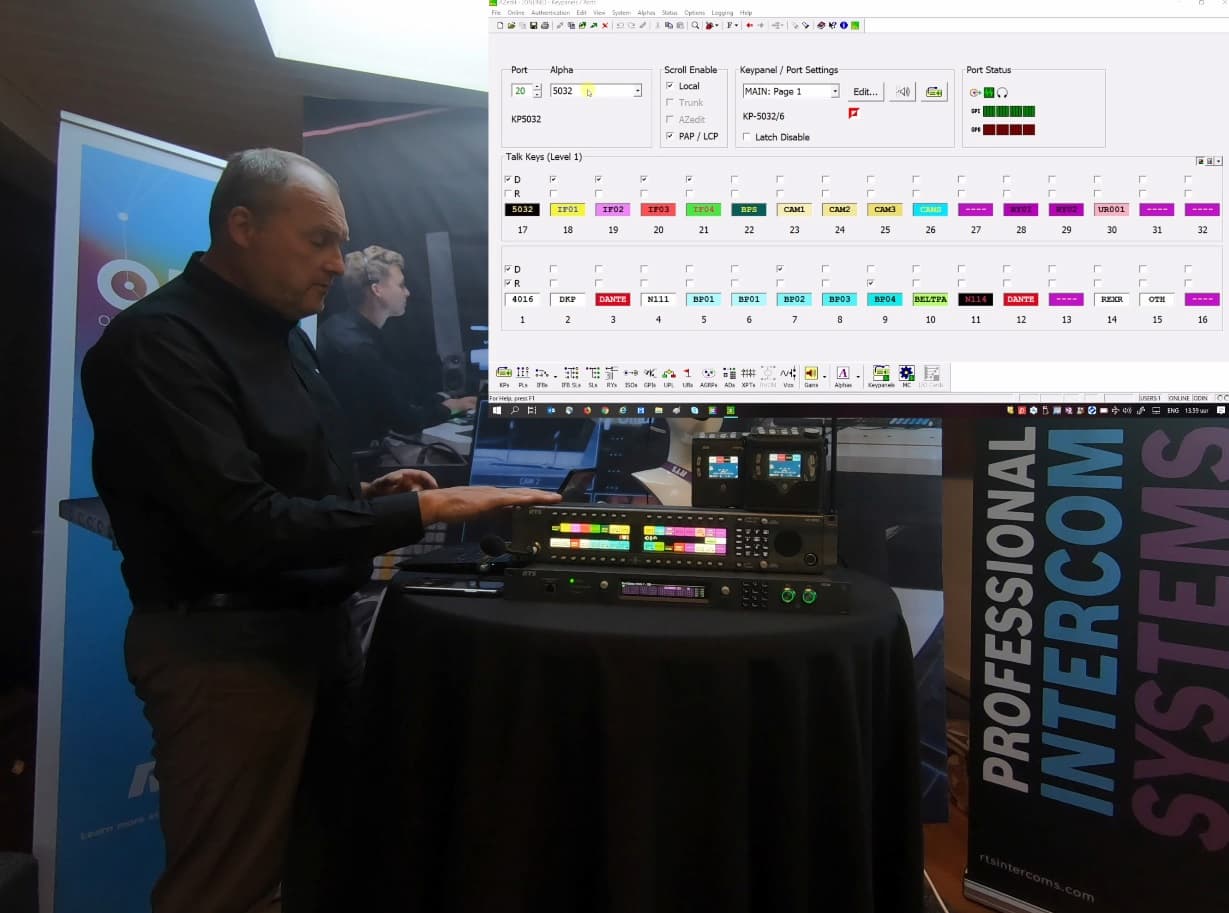
We are doing well. For example, we have already sold more than 5,000 units of the Odin Matrix intercom system that we launched in 2017. That is quite a record, and today it has become an industry standard for multi-format, scalable matrix intercom systems.
“The more money we make, the more investments we can make in R&D.”
— Are all projects the same, or do different markets require different approaches?
The theater market is very different from the broadcasting market. The approach is different, and government-funded theaters often work through tenders and long planning cycles. For example, I recently won a large theater project in Oslo after three years of discussions. Sometimes you spend three or four years preparing a project before receiving the order. Other times, you receive the order the next day.
— How does your compensation work as a sales professional?
Salespeople always have some form of commission or bonus structure to encourage growth. We have that in our company as well, but it is based on team performance rather than individual performance.
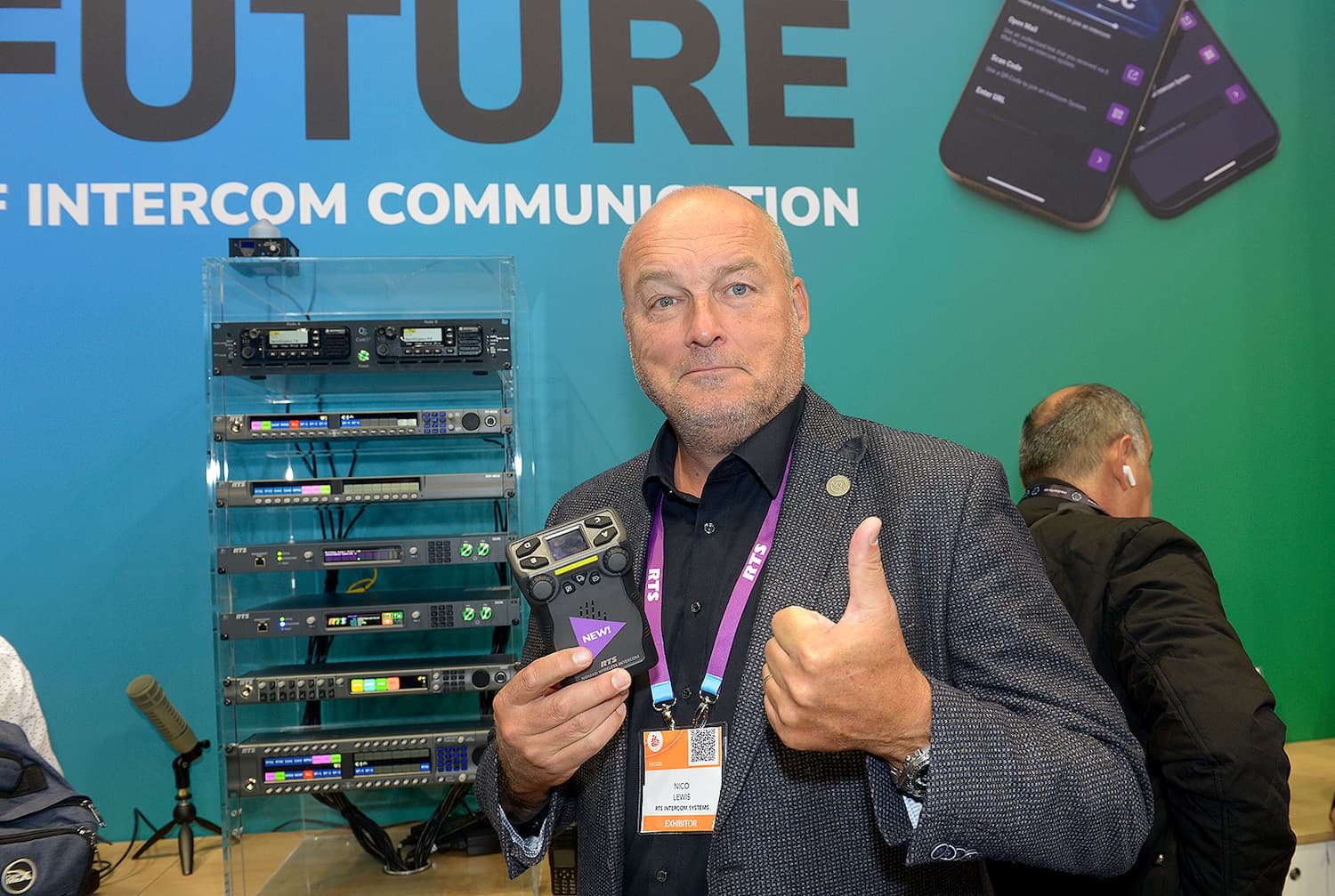
We have salespeople in Dubai, the UK, Eastern Europe, and other regions. Everyone contributes to the total turnover, and the bonus is based on the overall result. It is roughly 15% of the salary. In reality, that portion is built into the compensation structure and is paid when the agreed targets are achieved.
— Why do you prefer team-based bonuses instead of individual commissions?
Individual bonus systems can create internal conflicts. For example, I may sell through a German system integrator into the Middle East. In that case, who should receive the bonus: the sales manager responsible for Germany or the one responsible for the Middle East?
He Built Global Sports Television Across Four Continents — Then Started Again at 46
That is why I believe teams are stronger when they work toward common goals. In our company, we work as a team and focus on promoting the product in the best possible way.
“If you work as a team, you are way stronger.”
— How do you stay motivated when some projects take years to close?
I am currently working on projects that have already been running for four or five years. Long sales cycles are normal in our industry. As I mentioned before, if you give customers the attention they need, they will continue to buy from you. The life cycle of an intercom system is around 15 years. If I sell a system to a customer today, they may keep it for 15 or even 20 years.
Building Business for the Next 15 Years
— Why is it so important to keep customers satisfied after the sale?
After 15 or 20 years, a customer may start a new tender and consider replacing the intercom system. That means I need to keep the customer happy during all those years. If you do not do well, the customer will walk away, and it is very difficult to come back.
The competition has the same attitude. They also try to stay in contact and keep the relationship. Of course, we do a much better job than our competition, but the principle is clear: projects may take three or four years before a decision is made, and that is normal in this business.
— Why can broadcast projects take so long?
Take an OB truck, for example. Before the truck is built, before the chassis is ready, a year can already have passed. Before that, there may be another year of discussions. Then the cabling must be done, the racks built in, the equipment ordered, delivered, and installed.
We can deliver almost everything from stock. We produce everything ourselves: PCBs, components, displays, housing. Everything is built in our own factory, so we are not dependent on third-party companies. We have full control, and around 90% is available from stock.
Looking Ahead
— What is your dream today?
In two months, I will become a grandfather. My oldest son is 30 years old now, and he married a beautiful wife last year. So becoming a grandfather is no longer a dream; it is about to happen.
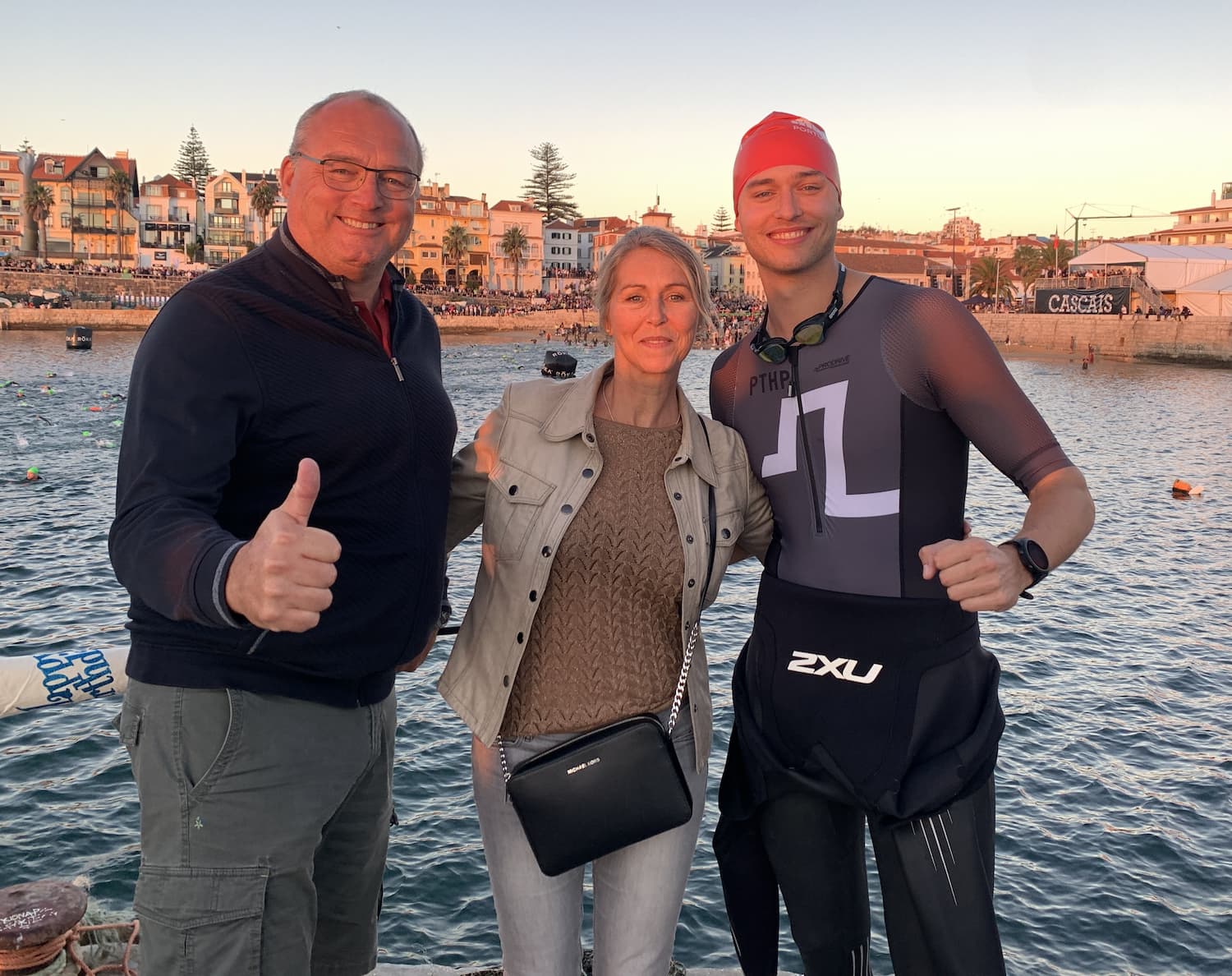
I am looking forward to it very much. I think it will be a life-changing moment for me. And yes, I am planning to be the “nicest grandfather in the world” and spoil the child to the max.
“I think becoming a grandfather will be a life changer for me.”
— What brings you happiness outside of work?
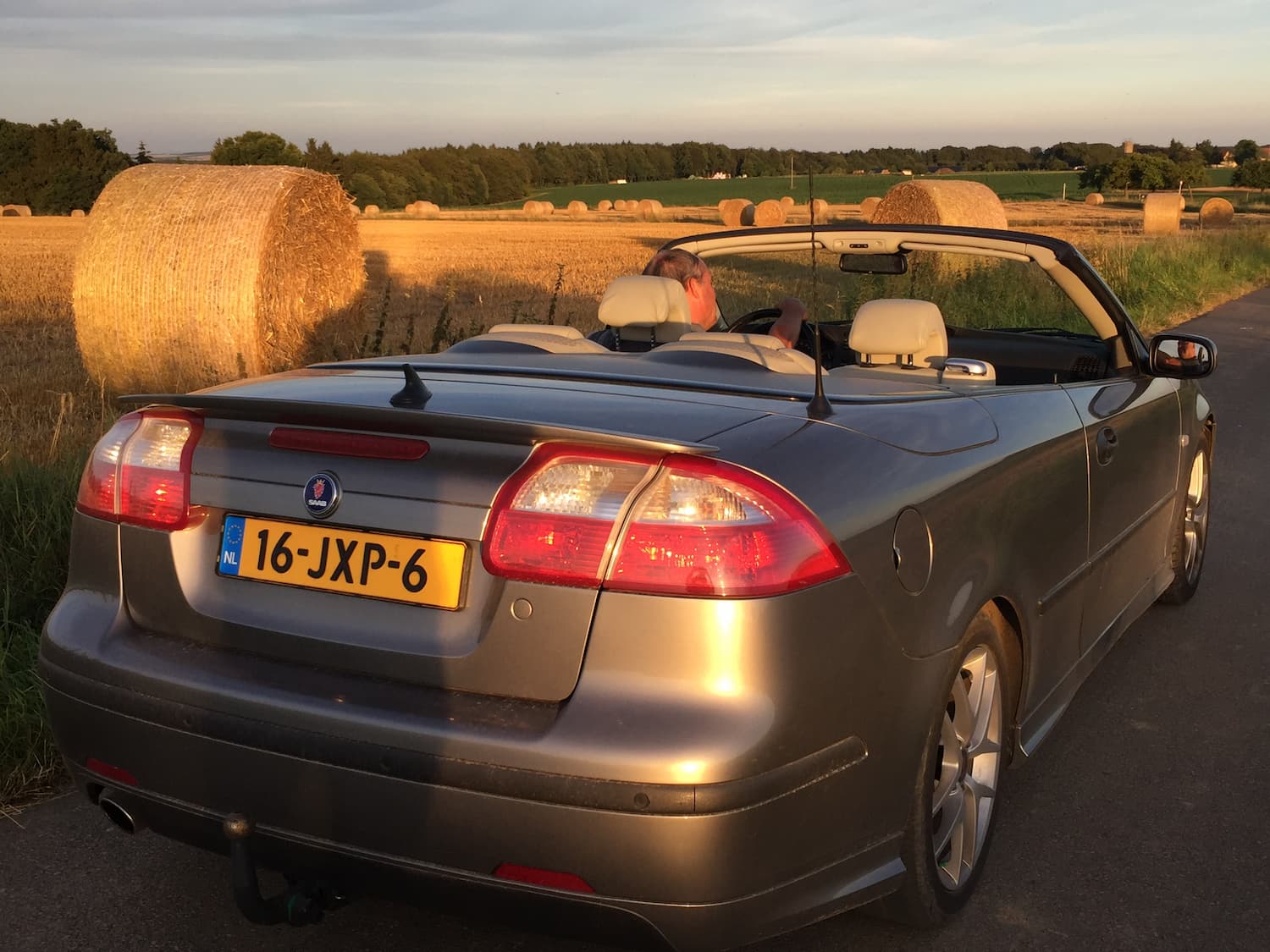
I have been married to my beautiful wife, Marion, for 34 years. We enjoy going on vacation together, usually with a caravan behind the car. I spend so much time flying for work that when I am on holiday, I do not want to get on another plane. I take the caravan instead. Yes, it is very Dutch, I know.
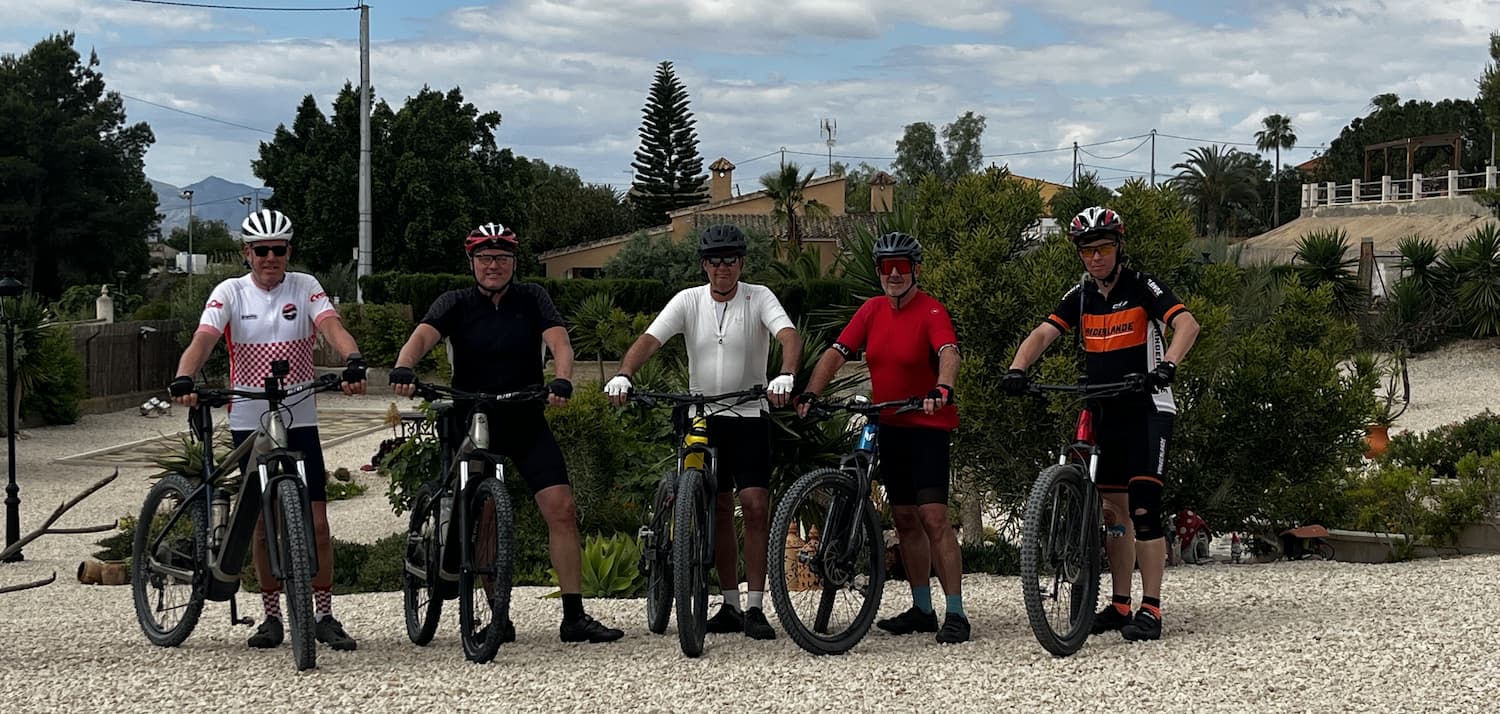
I also have a second son, Thomas, who is 28 years old now. He has a very nice house, and I enjoy helping him with technical projects around the house. Besides that, I like mountain biking with my friends and, whenever I have the chance, picking up the trumpet again.
— How long do you plan to keep working?
In the Netherlands, they would like me to keep working until I am 68. Officially, that means another 10 years. Personally, I hope to work for another five years or so. I am already gray enough, so retirement would fit me quite well.
Not the CEO, Not the CTO
— What is your full name?
My full name is Nicolaas Meile Lewis. That is the name in my passport, and when I travel, I use Nicolaas. In the Middle East, I often introduce myself as Nicolaas because Nico is not always the easiest name there.
— Why do people know you simply as Nico?
If people say, “Hey, Nico,” they know exactly who I am. Over the years, that has become my name in the industry. Sometimes people assume I am a CTO or a CEO. Then I joke that I am the N.I.C.O. of the company. Most people have no idea what that means, but now you do.
“I’m not the CEO or CTO. I’m the N.I.C.O. of the company.”
I Tried to Leave Television — and Ended Up at the Champions League