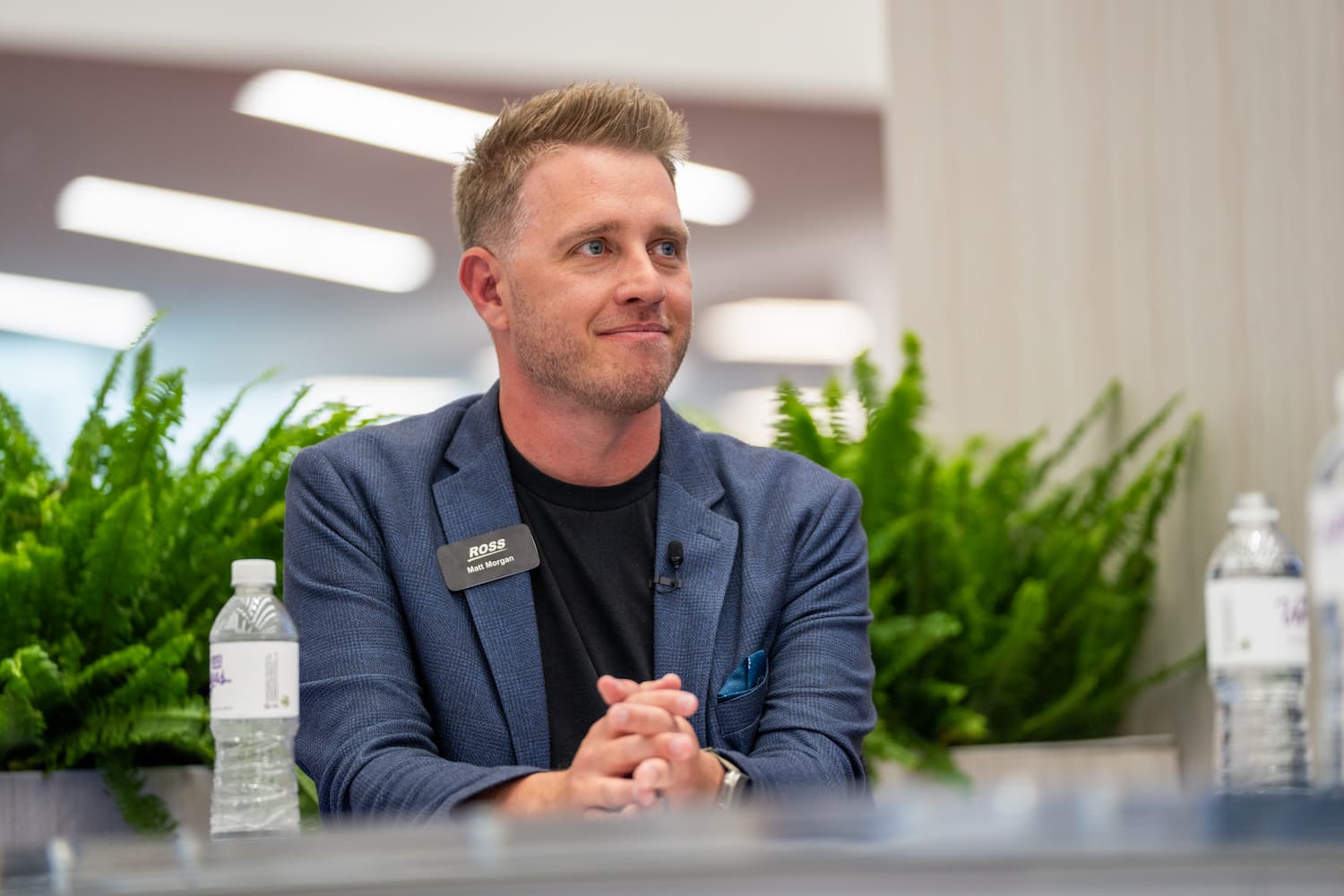
Matt Morgan’s career began with music and church production, but grew into a journey through audio engineering, Pro AV, enterprise systems, Life.Church, Ross Video, and the emerging Broadcast AV market. In this interview, he speaks about family, mentors, technology, leadership, and the people who helped shape his path.
Ammar Hina Appointed Strategic Chair of The Gulf & MENA Decision-Makers Forum 2026
How a Florida musician became an audio engineer, helped shape the emerging Broadcast AV market, built global relationships through Ross Video, and discovered that the most important career decisions are often made for family reasons.
 “I looked through the window and saw my daughters crying because I was leaving. That was the moment I knew something had to change.”
Over the past two decades, Matt Morgan has reinvented himself several times. He started as a musician, became an audio engineer, helped pioneer large-scale remote production workflows in multi-campus environments, spent years building enterprise AV systems, and eventually became one of the industry’s most visible advocates for Broadcast AV convergence.
Today, as Market Development Manager at Ross Video, Morgan helps organizations bridge the worlds of broadcast, corporate communications, education, and government. In this conversation, he reflects on family, mentors, technology, leadership, and the unexpected path that took him from church stages in Florida to speaking on international industry panels.
 Growing Up in Central Florida
— When and where were you born?
I was born in Clearwater, Florida, on June 29, 1989.
— Could you tell us a little about your family?
My parents are Riki Morgan and Jeanne Morgan. Both of them grew up in ministry families, and both of my grandfathers were pastors. Because of that, their families moved frequently before eventually settling in Florida, where my parents met.
— Did that environment influence your future career?
Yes, very much. Faith and ministry were an important part of our family life. My mother served as a pastor for most of my childhood, while my father worked as a nurse. He officially retired only a couple of months ago, although he still works occasionally.
Through church activities, I was exposed to production equipment, audiovisual technology, and live events from an early age. That environment gave me access to tools and experiences that many children never encounter, and it sparked an interest that would later shape my professional path.
Ursula Romero Takes Over Global Sports Broadcasting Company After Her Father’s Death
I spent my entire childhood in Central Florida. During my elementary school years and part of my middle school years, we lived in the Clearwater area. Later, our family moved inland to Lakeland, Florida, where I spent my middle school and high school years.
— What was it like growing up there?
Lakeland was a great place to grow up. It is only about thirty minutes from Walt Disney World and roughly an hour and a half from either coast. Whether you wanted to spend the day at the beach or visit one of the world’s most famous theme parks, everything was within easy reach.
— What is your earliest childhood memory?
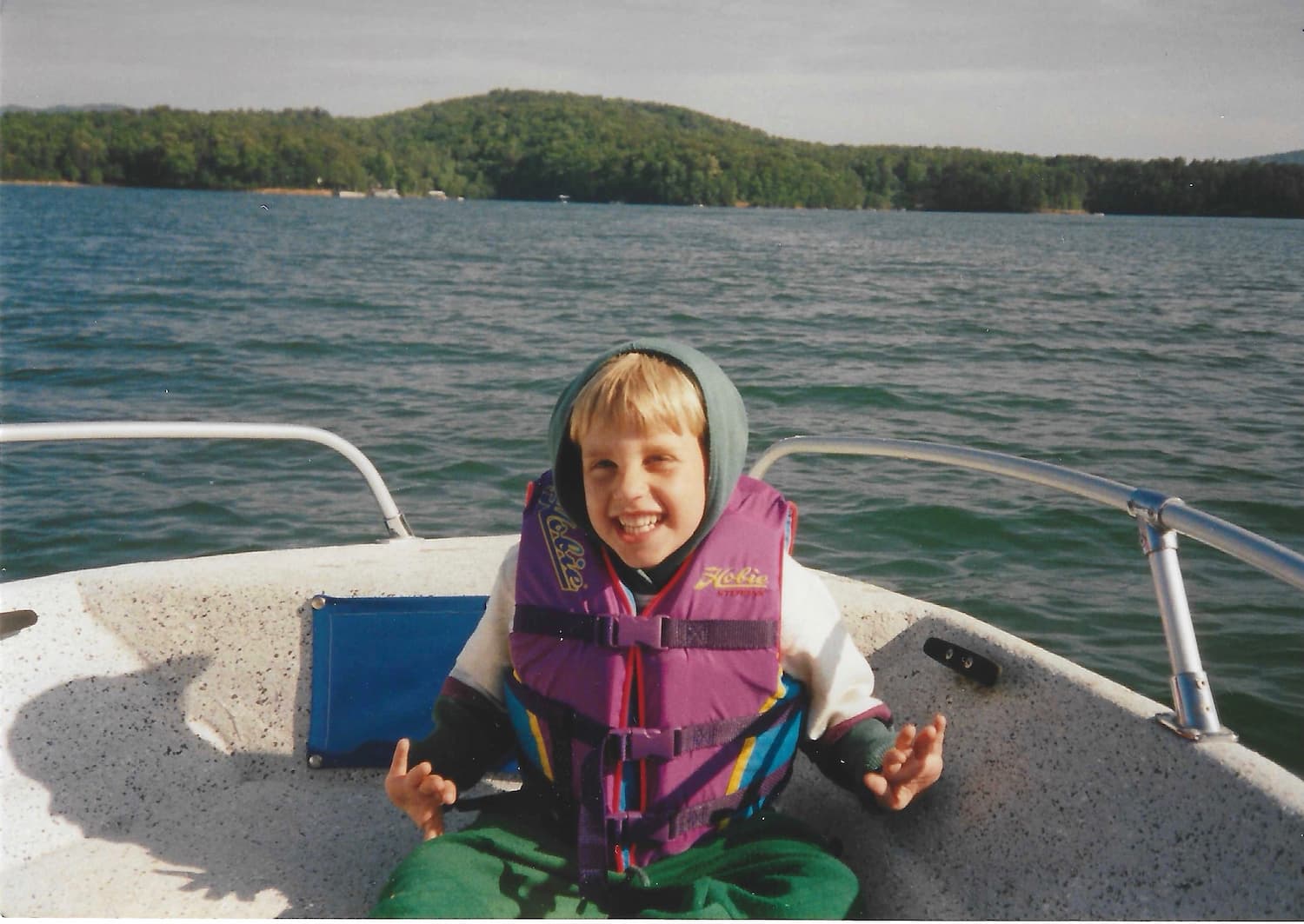
Many of my earliest memories are connected to the Florida lifestyle. I grew up around the water, so a lot of my childhood was spent at the beach, on boats, or participating in water sports.
— What kind of activities did you enjoy most?
I learned to water ski, kneeboard, and spend countless hours outdoors. If there was a lake, river, or stretch of coastline nearby, chances were we were in it. Water was simply a natural part of everyday life.
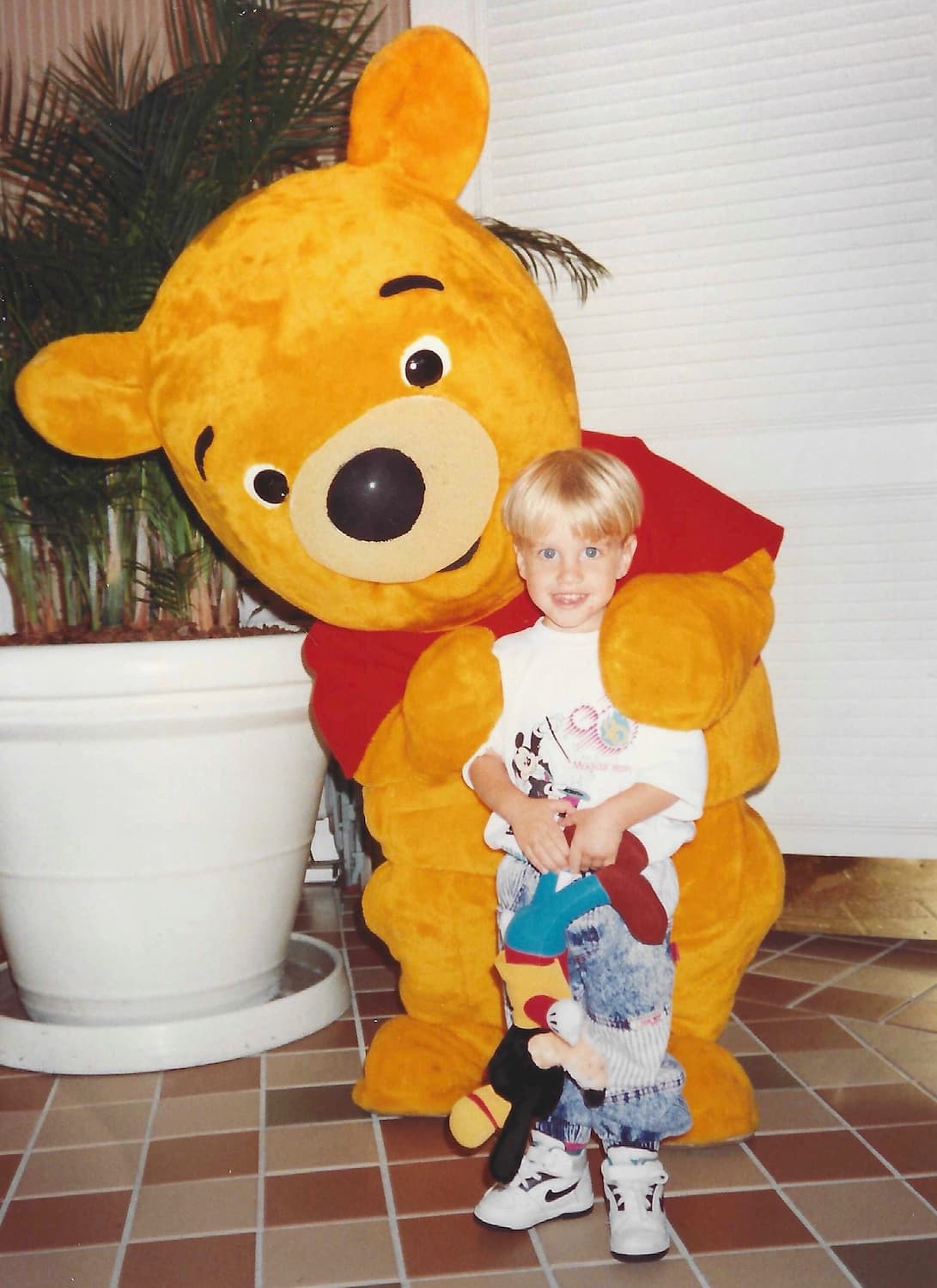
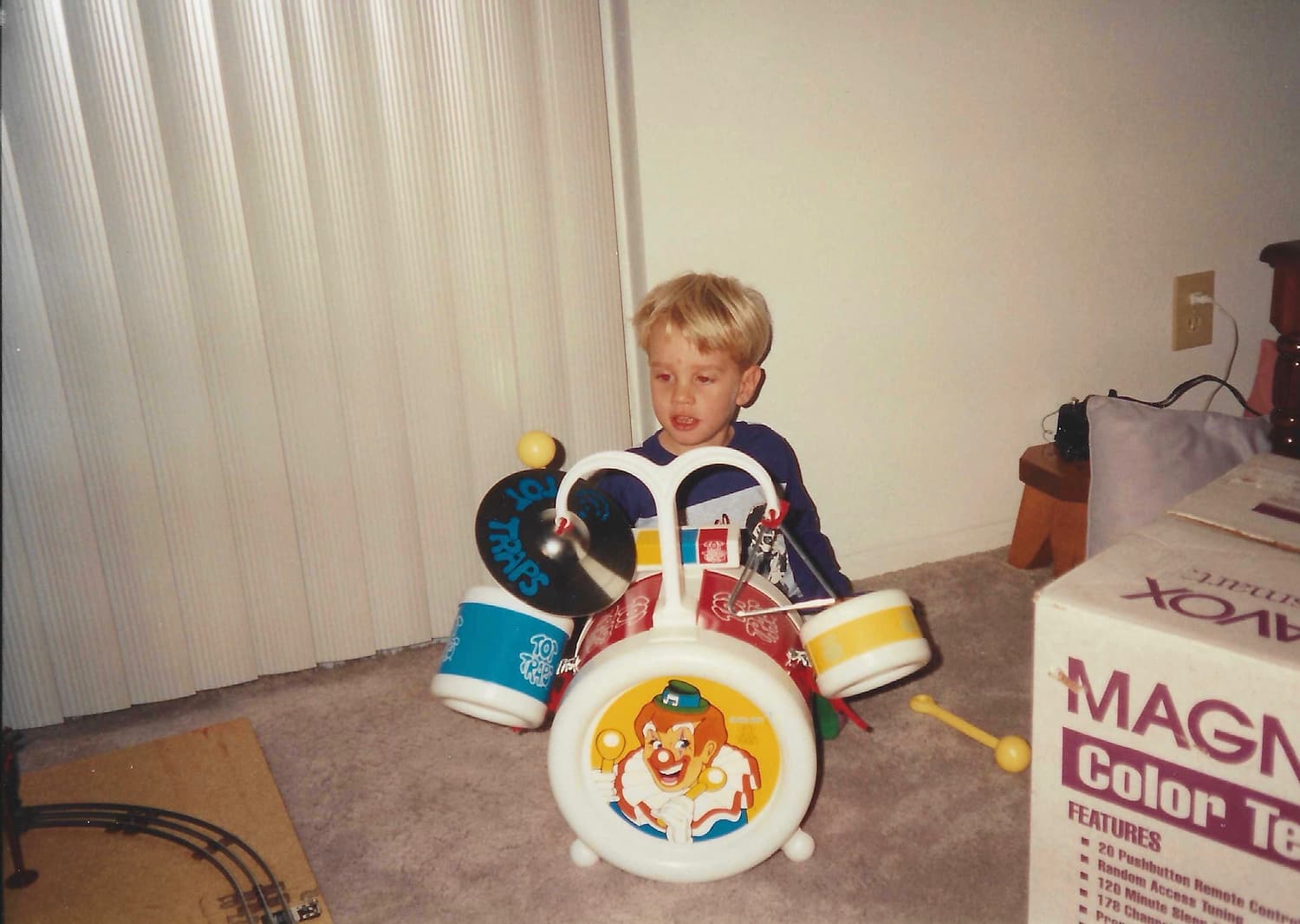 Of course, growing up in Central Florida also meant growing up with Disney. I was a complete Disney kid. Visits to the parks were a regular part of childhood, and many of my happiest memories are tied to those experiences.
When I think back to those years, I remember a childhood filled with sunshine, water, adventure, and the unique atmosphere that Florida offers.
— What subjects did you enjoy at school?
History was always my favorite subject. I loved learning about different eras, civilizations, and countries, and understanding how nations were formed and how historical events shaped the world we live in today. Geography fascinated me for similar reasons because it allowed me to explore places and cultures beyond my own surroundings.
— Were there subjects that were more difficult for you?
Mathematics and English were never my strongest subjects. I naturally gravitated toward classes that encouraged curiosity, imagination, and exploration rather than strict formulas and rules.
Outside of academics, music also played an important role in my school years. Throughout elementary school, middle school, and part of high school, I participated in band and orchestra programs. I genuinely enjoyed those experiences, and they gave me an early appreciation for collaboration, creativity, and performance.
“Through church activities, I was exposed to production equipment, audiovisual technology, and live events from an early age.”
Music, Creativity, and Finding a Direction
— Besides history and geography, were there any activities that played an important role in your school years?
Absolutely. Throughout middle school and part of high school, I was heavily involved in band and orchestra programs, and I loved it.
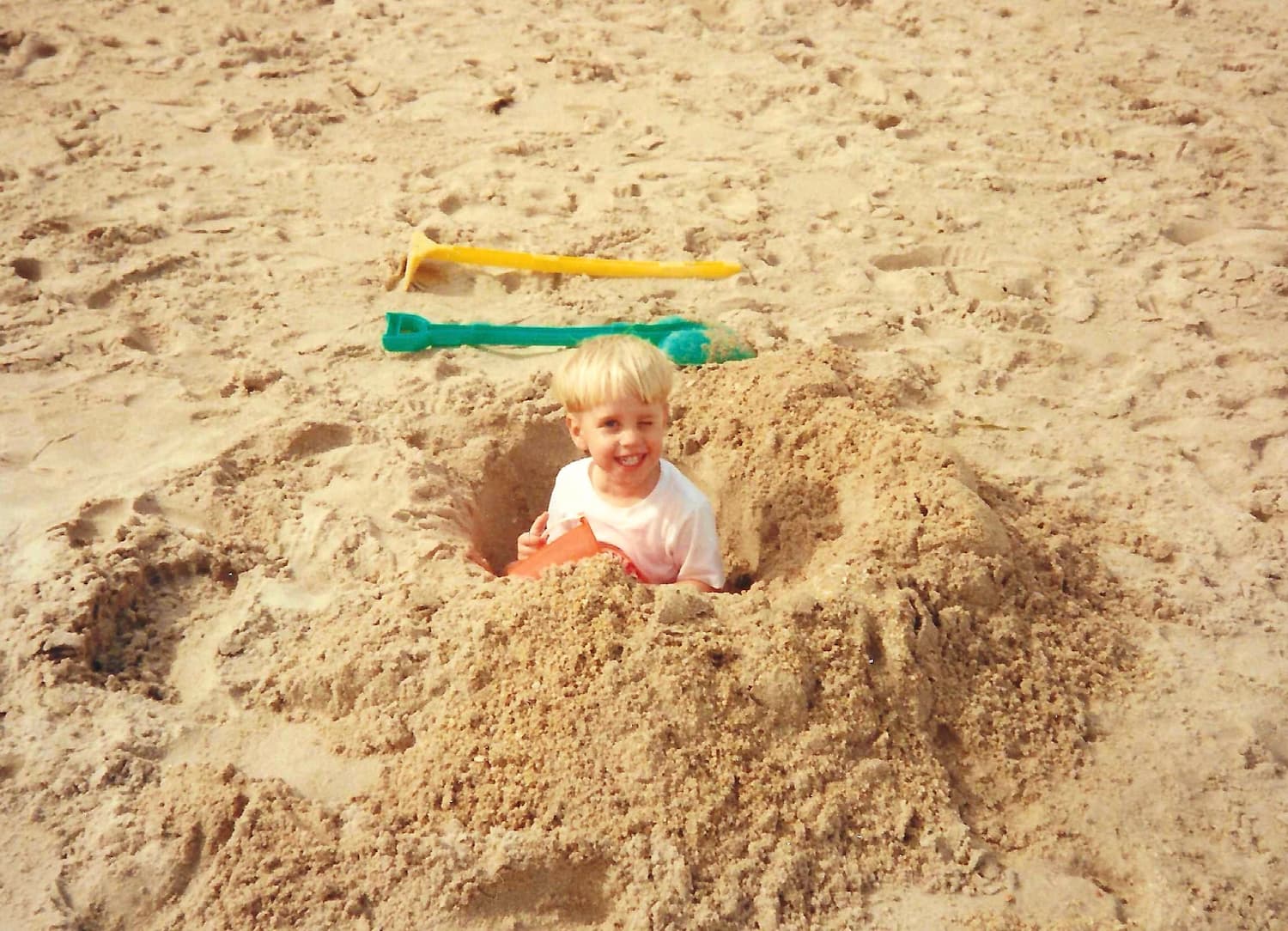 Music came fairly naturally to me, largely because I grew up in a musical family. I never approached it with the mindset of becoming a professional musician, but I genuinely enjoyed it and spent a lot of time doing it. Looking back, those years had a lasting influence on me.
— What instruments did you play?
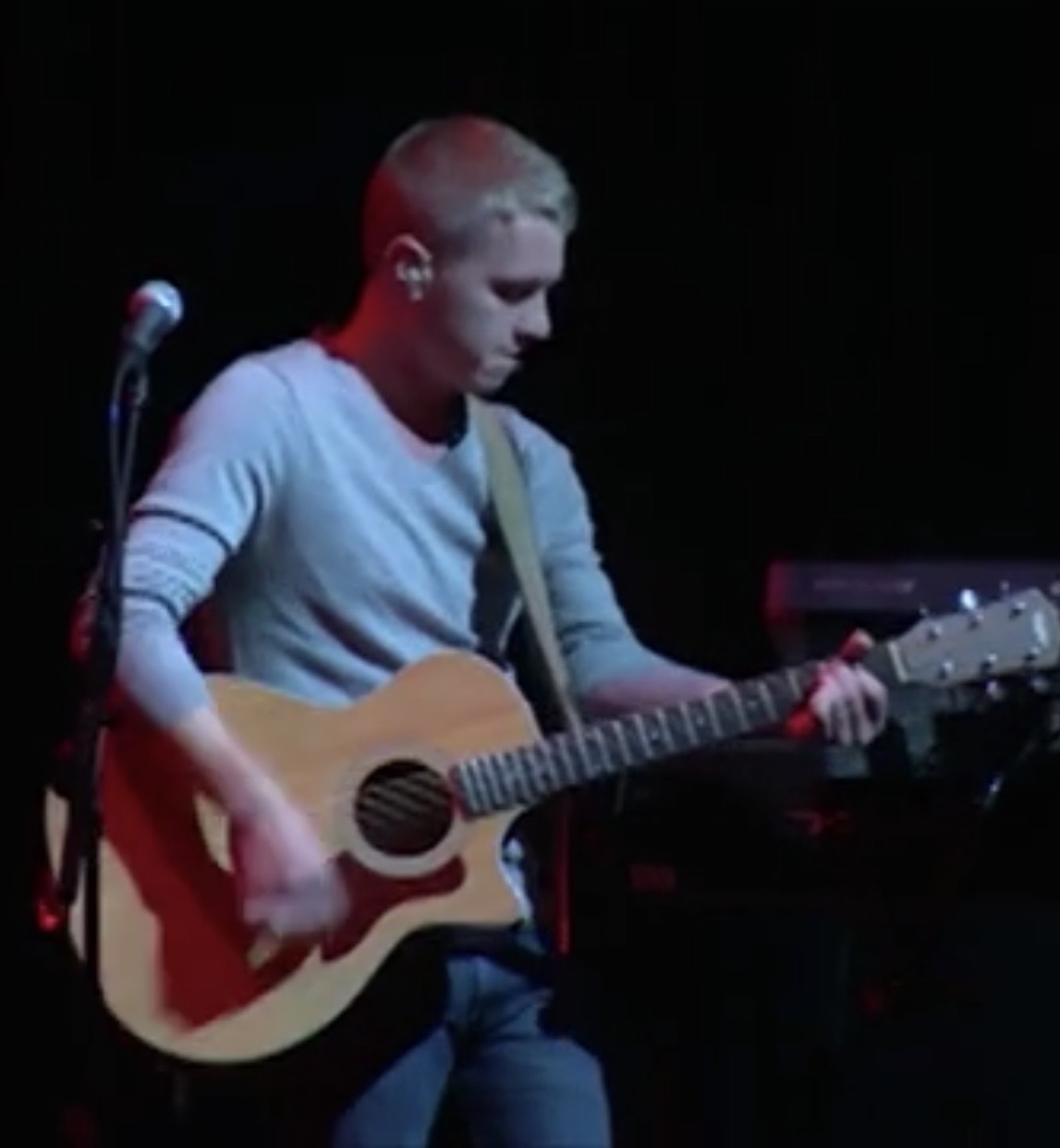
The trombone was my primary instrument in school, but I also played drums in the jazz band and guitar in various settings. I played at church, participated in several bands in high school, and spent a lot of time experimenting with different musical styles.
One of the biggest influences on me during those years was the quality of teachers and instructors I had. They recognized that I could learn instruments fairly quickly and consistently encouraged me to push further. They entered me into county competitions and various performance programs, helping me develop both confidence and discipline.
I never took music as seriously as some of my classmates, but I enjoyed every minute of it. Many of those teachers left a lasting impression on me, and even today I can clearly remember their encouragement and leadership.
— Did music help you stay engaged in school?
Without question. The creative subjects were always the ones that kept me motivated. Those were the classes where I felt most comfortable and most inspired. In many ways, they helped balance out the subjects that I found more challenging and probably did a lot to keep my grades where they needed to be.
 The opportunity to create something, whether individually or as part of a group, always appealed to me much more than memorizing formulas or following rigid academic structures.
— Did you attend a public or private school?
I attended public school. It was a good school with a strong music program. During my first year in high school, the marching band had several hundred students, which was enormous for a school program.
The director who built that program had been there for well over fifteen years and had created something truly impressive. After my freshman year, he left to help establish a new school elsewhere in the county. A new director came in, and I stayed involved for another year before eventually moving on.
Even though my time in high school music programs was relatively short, I absolutely loved the experience.
— What made those musical experiences special for you?
What I loved most was the collaborative aspect. Playing guitar in a band is enjoyable because you’re creating something and expressing yourself. But being part of a large orchestra or ensemble is a completely different experience. When you have a hundred people on stage creating music together, the emotional impact is incredible.
There are powerful moments, subtle moments, and everything in between. Being part of that collective effort to create something larger than yourself has always fascinated me.
Those experiences taught me the value of teamwork, timing, and the importance of every individual contribution to a larger production. Looking back, there are interesting parallels between those lessons and the work I do today.
— Do you still have a connection to music?
Absolutely. Whenever I travel, I often look for jazz clubs or live music venues. I still enjoy listening to musicians perform, but I also have a deep appreciation for large orchestral works and ensemble performances.
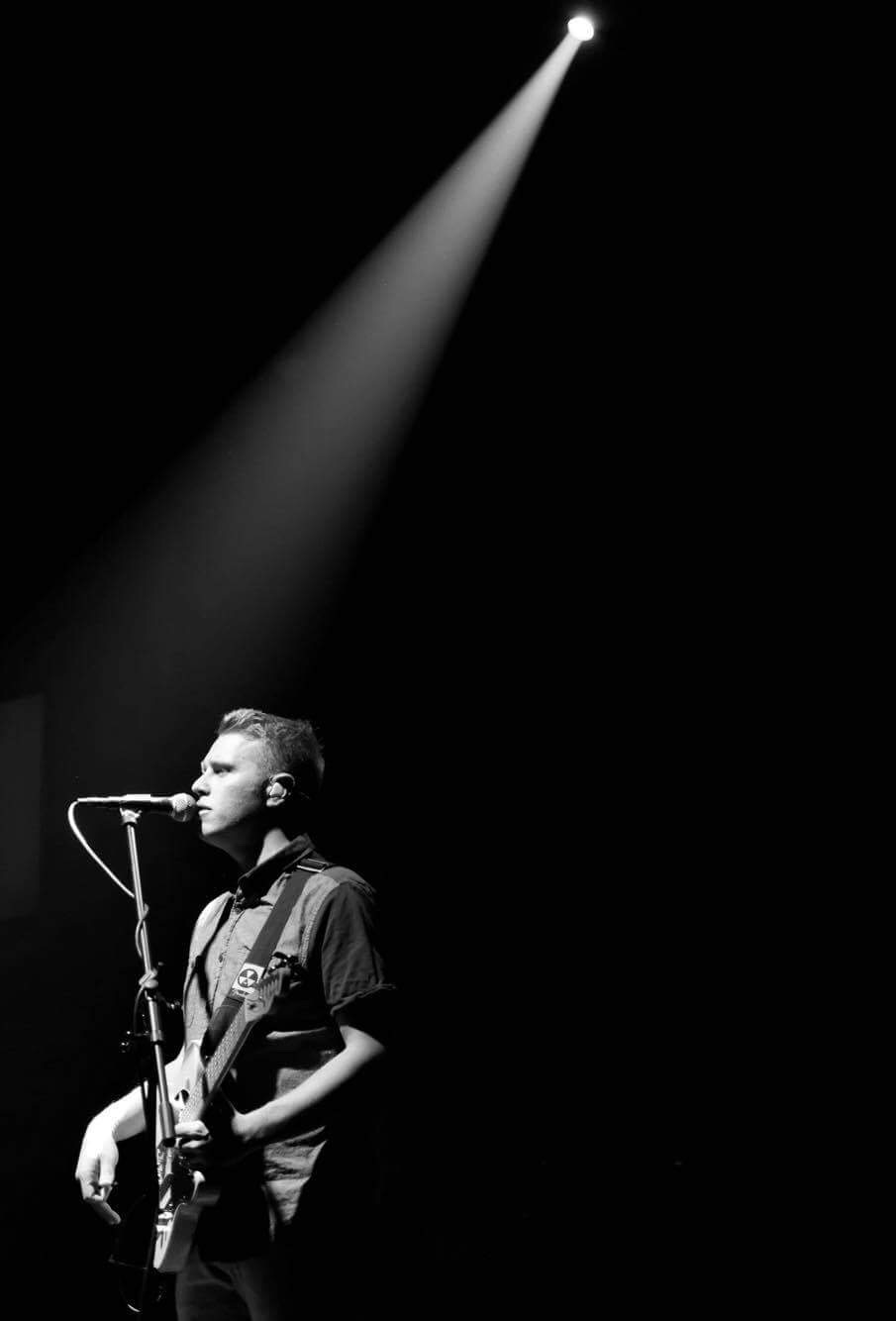 Hearing dozens, or even hundreds, of musicians come together to create a single performance still has the same impact on me as it did when I was young. It is one of those passions that has remained constant throughout my life.
From Music to Technology
— Where did you go after high school?
After high school, I moved to Nashville and enrolled at Trevecca Nazarene University. To be completely honest, I only stayed for a single semester because I quickly realized that traditional higher education was not for me. I never particularly enjoyed school, and by that point, I was already developing interests that felt much more practical and exciting than sitting in classrooms.
— What interests were pulling you away from college?
During high school, I became deeply involved in both music and the technical side of church production. The church I attended had a congregation of roughly 1,500 people, and it was the period when contemporary worship music was becoming more common in churches. As the music became bigger, the production needs also became more serious.
— Which equipment were you using at the time?
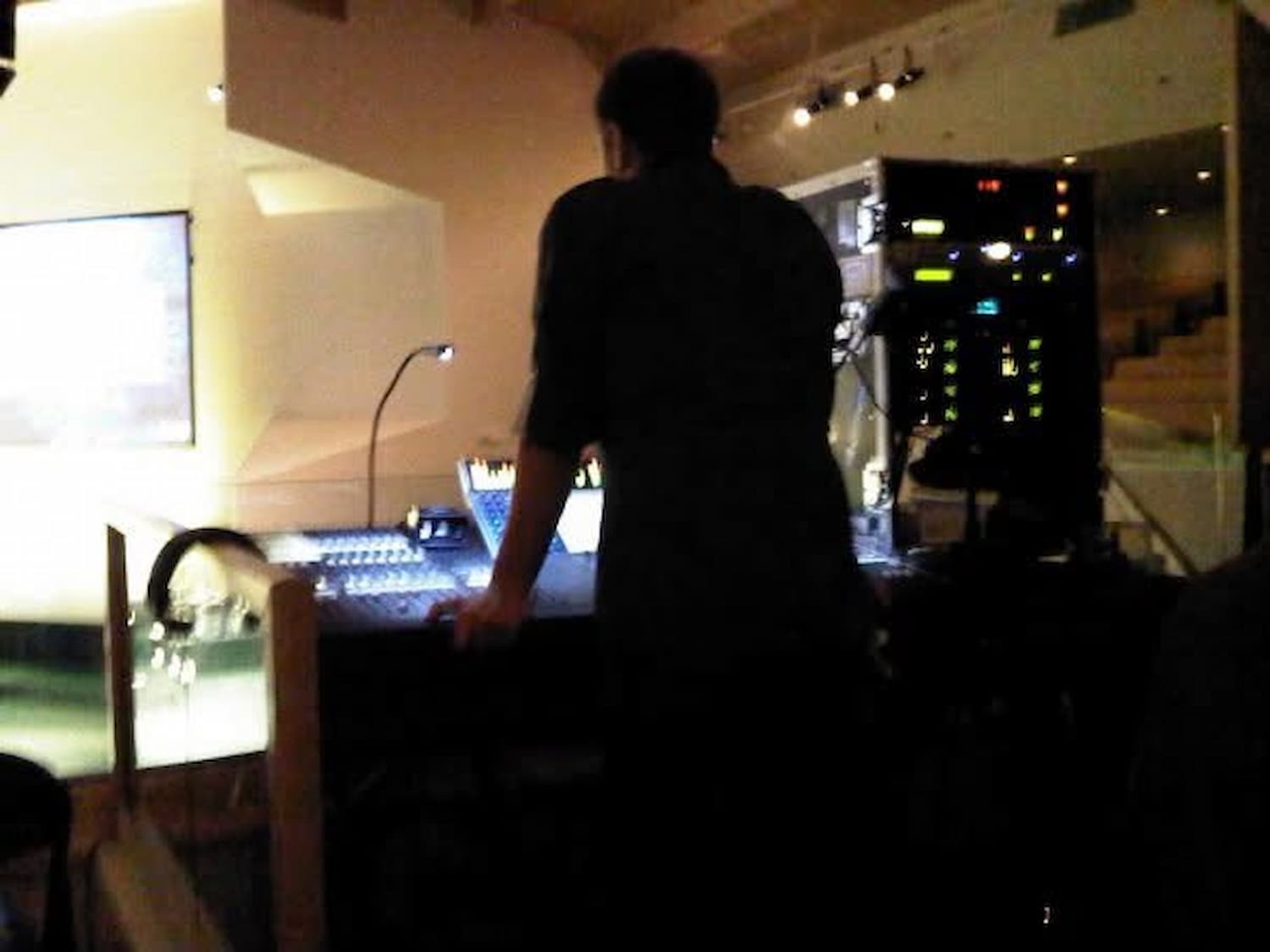
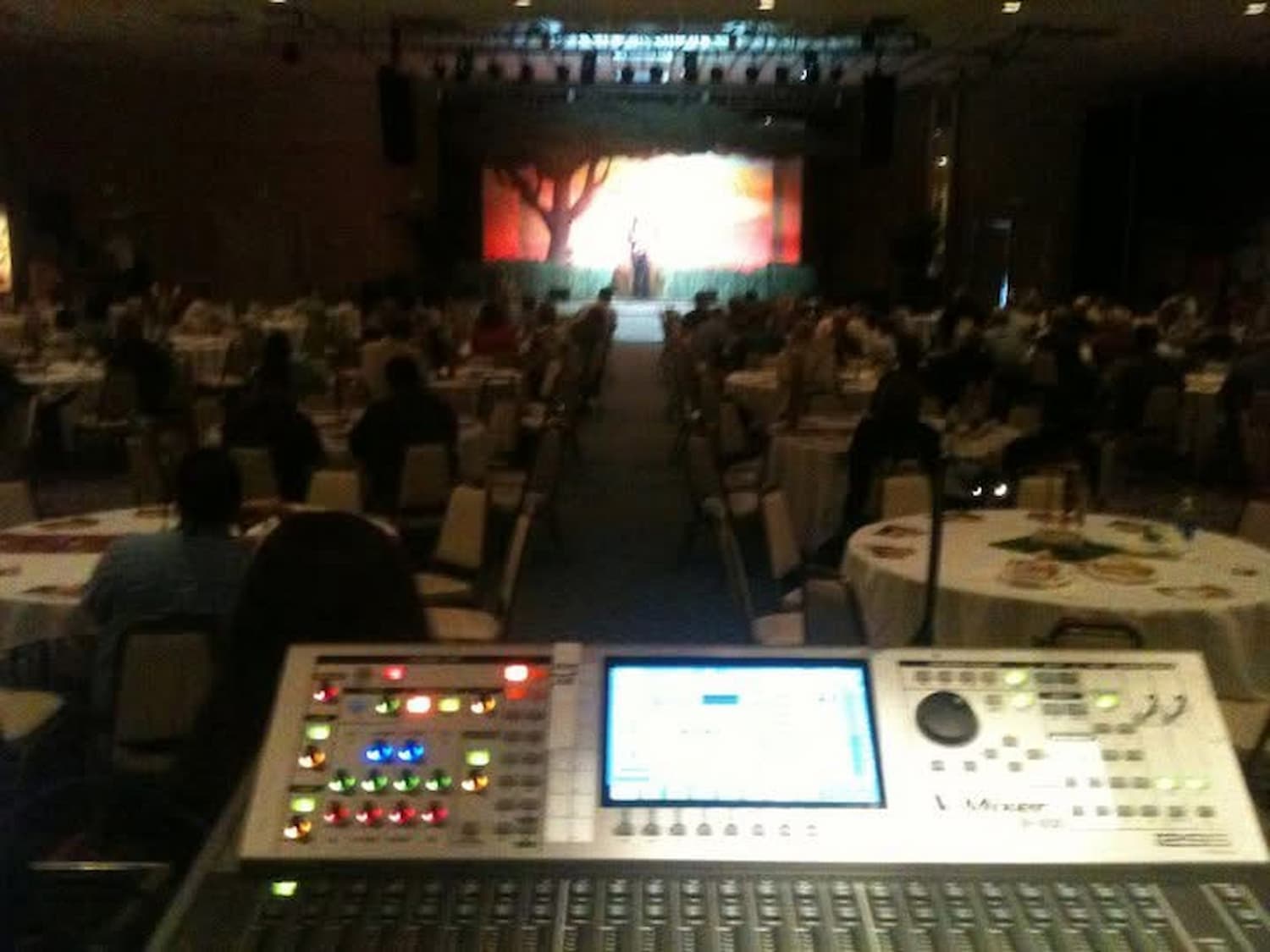
The church purchased a Yamaha M7 digital mixing console, which was a major piece of equipment at the time. We also installed our own line-array speaker systems and built much of the production infrastructure ourselves.
That was the world that really captured my attention. I was learning live sound, signal flow, audio engineering, system design, and production workflows. The more I worked with the equipment, the more I wanted to understand what was happening behind the scenes.
By the time I graduated from high school, audio engineering felt much more interesting to me than a traditional academic path.
— Why did you choose Trevecca Nazarene University?
Trevecca had a strong family connection. Several generations of my family had attended the university, so it felt like the natural next step. It was almost expected that I would go there as well.
At the time, it seemed like the logical choice. However, once I arrived, it quickly became clear that my future was heading in a different direction. I was far more interested in building practical skills, working with technology, and gaining real-world experience than following a conventional academic route.
— Why did you leave Trevecca Nazarene University?
The original plan seemed straightforward. Several generations of my family had attended Trevecca Nazarene University, and the school had an audio engineering degree that matched exactly what I thought I wanted to do. I intended to study audio engineering and build a career in that field.
When I arrived, however, I discovered that the program was not really ready. The university told me that, for the time being, I would need to enroll as a music major and focus primarily on guitar. Looking back, I probably should have stayed longer, but at the time, it felt like I was moving away from what truly interested me. I wanted to learn audio engineering, not pursue a traditional music degree. After one semester, I decided to leave, return to Florida, and look for a more practical path.
— What came next?
Back in Florida, I enrolled at Full Sail University in Orlando and joined its Show Production and Touring program. I spent approximately 14 to 15 months there completing an associate degree in live production and entertainment technology.
— How different was Full Sail from your previous college experience?
The difference was enormous. Full Sail was exactly what I had been looking for. Instead of focusing primarily on theory, it emphasized practical skills and real-world production environments. Everything felt directly connected to the industry I wanted to enter. As soon as I graduated, I moved back to Nashville, ready to begin pursuing professional opportunities.
From Bahrain to Building Media Cities: The Journey of Yusuf Mohammed Buti
— When did you realize that engineering interested you more than performing music?
I think part of the answer is that music came naturally to me. When Trevecca told me that I would be focusing on guitar as a music major, I found myself questioning what that path would actually lead to. I enjoyed playing guitar, but I did not have a strong desire to dedicate my life to mastering a single instrument or pursuing a career as a performer.
— What was it about engineering that attracted you more?
What truly fascinated me was the engineering side of the experience. I loved being part of large musical productions and hearing dozens of elements come together into a single performance. As a musician, you contribute one part of that sound. As an audio engineer, you are responsible for bringing all of those pieces together and shaping the final result. That role appealed to me far more.
 There is a creative element to audio engineering that many people do not immediately recognize. It is highly technical, but it also requires musical judgment, balance, and an understanding of how people experience sound emotionally. Whether I was attending church services or concerts, I was often paying as much attention to the mix as I was to the performers on stage. The big musical moments, when everything comes together perfectly, always captured my attention.
Learning the Craft in Nashville
— What was it about audio engineering that fascinated you so much?
I loved everything about it. I loved the tools, the technology, and the ability to shape sound in ways that could influence how people felt. Audio is technical, but it is also emotional. A great mix can completely change the way an audience experiences a performance.
“CTS Audio invested something even more valuable than money — they invested time and opened doors to the right people.”
One of the things I learned very quickly is that sound engineers receive immediate feedback. If you see people nodding their heads and engaging with the music, you’re probably doing something right. If people start covering their ears, you’re definitely doing something wrong. I enjoyed that challenge of balancing technical precision with emotional impact.
By the time I completed Full Sail, I was completely committed to pursuing a career in audio. My goal was simple: finish school, return to Nashville, and find a way into the industry.
— Do you remember your first professional paycheck?
Absolutely. I believe I was making about $400 a week when I first moved back to Nashville.
— Was that enough to live on?
Not really. I was working as an independent contractor, so I was responsible for my own taxes as well. Looking back, I often joke that I deliberately moved into the cheapest neighborhood I could find simply to survive.
 At the time, my monthly budget was incredibly tight. I essentially needed about $500 a week to comfortably cover rent and basic living expenses. With $400 a week coming in, every dollar mattered. There was a constant balancing act between housing, food, transportation, and everything else.
Oddly enough, I loved that period. It was difficult, but it was also exciting because I knew I was finally working in the industry I wanted to be part of.
— Who gave you your first real opportunity?
A company called CTS Audio is in Franklin, Tennessee.
They were the first people to provide me with consistent work, but more importantly, they became the gateway to almost everything that followed in my audio career.
— How did they help you develop professionally?
They introduced me to an entirely new network of people. Through CTS, I met engineers and musicians whose work I had admired for years. Because the company was deeply connected to Nashville’s music scene, particularly the Contemporary Christian Music community, I was suddenly surrounded by some of the industry’s most experienced professionals.
I met engineers who worked with major touring artists, professionals involved in large-scale productions such as the CMA Awards, and specialists representing some of the biggest audio manufacturers in the business.
For a young engineer who had just graduated and arrived in Nashville, those connections were invaluable. Every conversation felt like a masterclass.
— Was Nashville thriving at that time?
Ironically, no. I moved to Nashville only about a week after the devastating flood that struck the city in 2010. Entire parts of downtown Nashville and areas such as Green Hills had suffered enormous damage. It was probably one of the most difficult moments imaginable for someone trying to enter the live production industry.
He Built Global Sports Television Across Four Continents — Then Started Again at 46
Life on the Road
— What did you do after arriving in Nashville?
I worked as a freelance audio engineer, and honestly, that was all I cared about at the time. I took every opportunity I could find, regardless of how small the job was. If there was equipment to move, a stage to build, or an audio system to set up, I was there.
“Those months on the road taught me as much as any classroom ever could.”
CTS Audio remained my primary source of work. They gave me my first consistent gig and paired me with another technician in a Sprinter van supporting productions across the country.
— What was life on the road like?
It was both challenging and exciting. We would drive from Nashville all the way to Seattle and back, often spending a month or more on the road at a time. The vans were slow, the schedules were demanding, and the logistics could be old-fashioned. At the time, payments were still handled by physical checks, and because we could be away from home for weeks at a time, I sometimes did not receive a check until I returned. That was simply part of life on the road then, and CTS remained an important and positive part of my early career.
 At the same time, it was the first opportunity I had to really see America. Growing up in Florida, most travel was regional. Public transportation is limited, and long-distance travel is not part of everyday life. Suddenly, I was crossing multiple states, meeting different people, experiencing different cultures, and seeing parts of the country I had only heard about before. Looking back, that period taught me a tremendous amount, both professionally and personally.
A Move Toward Leadership
— When did you decide it was time for something more stable?
After a couple of years in Nashville, I started looking for greater consistency. Freelance work was exciting, but I wanted the opportunity to take ownership of larger systems and to be involved in long-term projects rather than moving from one gig to another.
That led me to Charlotte, North Carolina, where I joined Elevation Church as a Technical Director.
— What were your responsibilities there?
I became one of two Technical Directors responsible for audio, video, and lighting systems across multiple campuses. At the time, the organization operated four campuses serving approximately 6,000 people every week, and I was brought in specifically to help launch two additional locations.
You Either Stay, or You Go: The Director Behind Saudi Football’s Global Rise
The growth was remarkable. During the year I was there, attendance increased from roughly 6,000–8,000 people to more than 10,000. It was a period of rapid expansion, and the technical team was continually developing new ways to support it.
— What made that experience so important for your career?
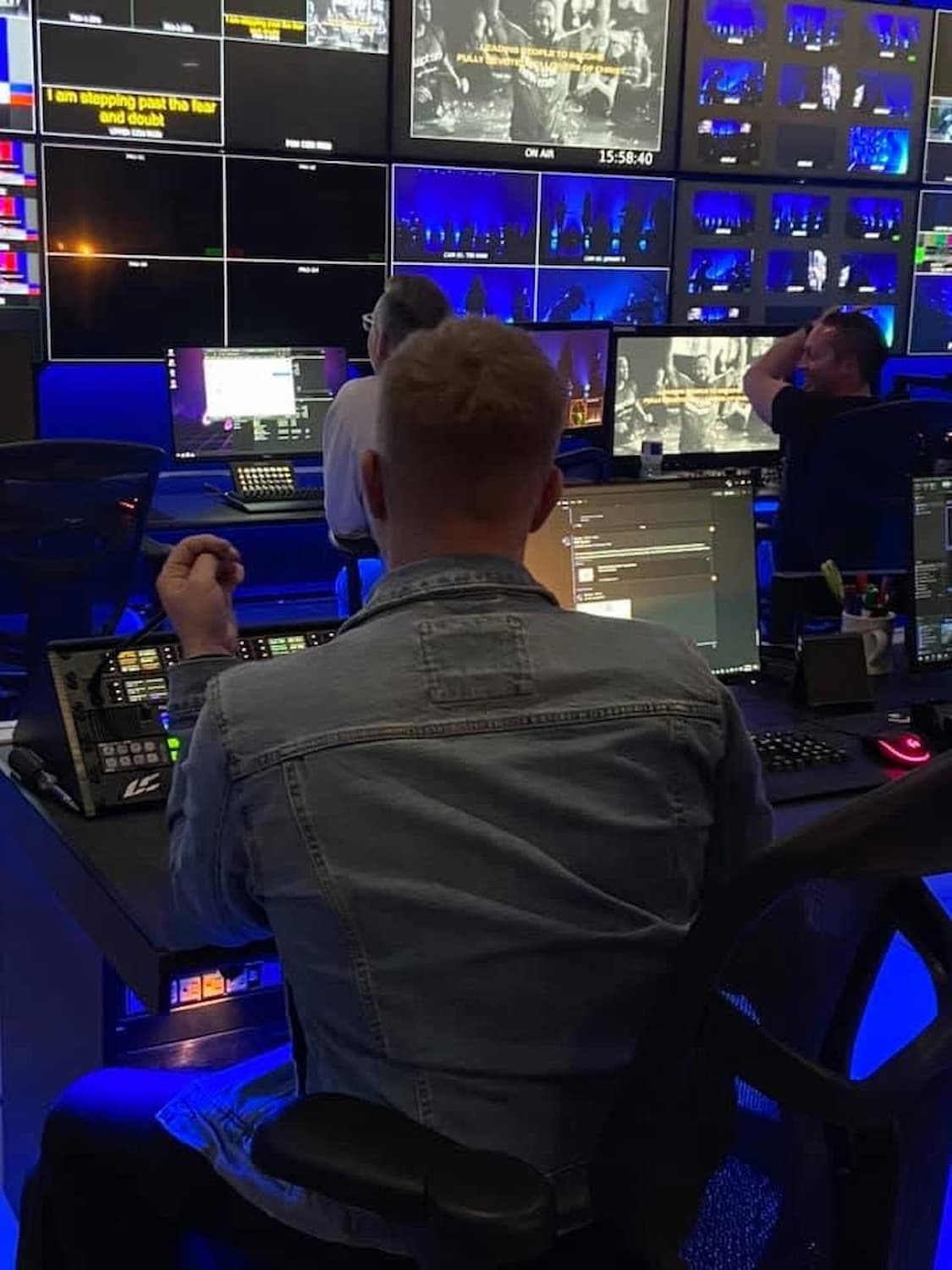
The technology we were deploying was unlike anything I had seen before. We were transporting live music and preaching between campuses over fiber connections, allowing a worship leader at one location to lead services simultaneously across the entire network.
For example, vocal signals could be transmitted on one audio channel while click tracks and music direction information were transmitted on another. Today, that may sound relatively normal, but at the time, it was highly innovative. Very few organizations, regardless of industry, were attempting anything similar on that scale.
— Why was that approach so significant?
It fundamentally changed the way multi-site productions could operate. On major weekends, we could distribute content from a central location while also bringing contributions back from remote campuses. In many ways, we were solving challenges that resembled remote production workflows long before those concepts became common across the broader media and broadcast industries.
 That experience exposed me to large-scale networking, distributed production, synchronization, and operational workflows that would later become extremely valuable throughout the rest of my career.
Discovering the Pro AV World
– How advanced were those multi-campus workflows at the time?
Looking back, they were remarkably advanced. We had to calculate latency across the entire chain — sending signals from one campus, receiving them at another, routing them back to a central hub, and then distributing them to multiple sites. Today, we would call that remote production. At the time, we were simply trying to make it work.
“Remote production before remote production was even a thing.”
The experience completely changed my perspective. Until then, I considered myself primarily an audio engineer. Suddenly, I was dealing with networking, video systems, signal transport, synchronization, infrastructure, and operations. I realized that success no longer depended on mastering a single discipline. It required understanding how all the pieces fit together and knowing how to bring together the right people to make the system work.
— What was the biggest challenge in that role?
The scale of responsibility. We were supporting a rapidly growing organization with a relatively small technical staff, which meant a tremendous amount of coordination with volunteers and local teams. There was always another campus to support, another system to deploy, and another problem to solve.
I enjoyed the challenge, but after about a year, I burned out. Looking back, I simply did not manage my time and workload very well. The pace was relentless, and eventually I realized I needed a change.
— Is that when Presidio entered the picture?
Exactly. After leaving Elevation, I joined Presidio, which was already a multi-billion-dollar technology company. At the time, Presidio worked closely with companies such as Cisco and Polycom. Their teams were selling large enterprise communication and networking solutions, but they needed people who could actually implement the audiovisual environments for those projects.
That created an opportunity for me. I was brought in to help deploy conference room technologies, collaboration spaces, displays, and AV systems for enterprise clients.
— What did your day-to-day work look like?
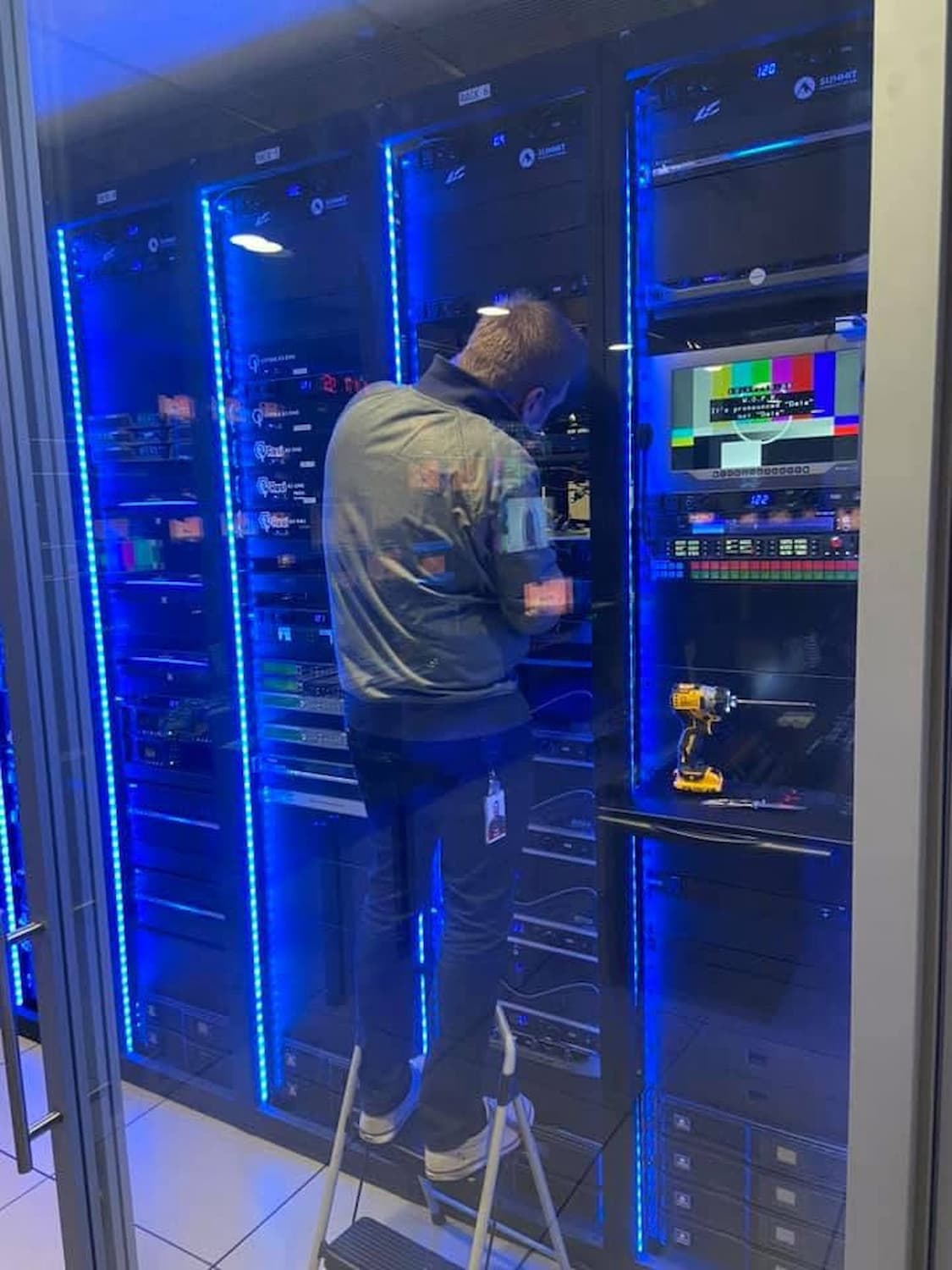
In many ways, it was surprisingly hands-on. I was hanging displays, running cables, building conference rooms, integrating systems, and making sure everything worked properly once the installation was complete.
The irony is that while studying at Full Sail, there had been one course focused almost entirely on installation work — mounting equipment, running cable, installing infrastructure, and similar tasks. At the time, I remember thinking I would never use any of it because I was convinced I would spend my life as an audio engineer. Then, only a few years later, I found myself in Washington, D.C., building AV systems for enterprise customers.
 Looking back, that single course turned out to be far more valuable than I ever imagined. It gave me sufficient exposure to adapt quickly and establish myself in the Pro AV industry.
— How did Presidio shape your career?
Presidio became the bridge between live production and professional AV. I spent roughly six or seven years there, and those years fundamentally changed my professional direction. The lifestyle changed as well. Instead of spending weeks in a Sprinter van crossing the country, I was traveling by airplane and working with enterprise customers.
— What new skills were you developing during that period?
More importantly, I began developing a completely different set of skills. I earned multiple certifications, including Crestron certifications, training on DigitalMedia technologies, programming credentials, and eventually the CTS certification through InfoComm.
That period was when I truly immersed myself in the AV industry. I learned how to work directly with end users, design and support enterprise environments, and distinguish permanent installations from live events. It was no longer just about making a show happen for one night. It was about creating systems that organizations would rely on every day.
A Moment That Changed Everything
— Why did you decide to leave Presidio?
The decision had very little to do with the company itself. Presidio was a great place to work, and I genuinely enjoyed what I was doing. By that point, however, my priorities were beginning to change.
 My wife and I were raising a young family. At the time, we had two daughters; today, we also have a son. In addition, we are a foster family, so our home is always full of activity. While much of my work at Presidio was local, there was still significant travel involved.
— Was there a specific moment that influenced your decision?
Yes. I remember leaving for another trip one afternoon and seeing my two daughters standing at the window, crying because I was leaving again. It was one of those moments that immediately put everything into perspective.
I remember thinking I needed to find a role that let me be home more often. That realization ultimately led me back into ministry. After spending several years at Presidio, I joined the church we were attending in West Virginia, near Washington, D.C., and became its Production Director. I remained there for approximately two years.
Following a Mentor
— How did the opportunity at Life.Church come about?
The answer really begins with my mentor, Warren Davis. Warren was part of the church where I spent many of my formative years in Lakeland, Florida. He was one of the people who invested the most time and energy in me when I was young. He taught me guitar, introduced me to audio production, encouraged my interests, and consistently challenged me to develop my skills.
“Some people influence your career. Others influence your life. Warren Davis did both.”
— Did you stay in touch over the years?
Absolutely. Even after our careers took different paths, we stayed connected. Eventually, Warren joined Life.Church in Oklahoma, and for years, he kept telling me the same thing: “You need to come out here. You need to see what we’re doing.”
 My answer was always the same. I told him I was an East Coast guy and had no interest in moving to Oklahoma. In my mind, Oklahoma meant tornadoes, and I was perfectly happy staying where I was.
— What finally convinced you to visit?
When I joined Crossroads Church, Warren suggested something different. He said, “Don’t come here to work. Just come here to learn. Spend a few days with us, see how we operate, and take whatever ideas might help your own church.”
That sounded reasonable, so I agreed.
— What was your impression when you arrived?
I was genuinely impressed by the level of intentionality behind everything they did.
At the time, Life.Church operated more than thirty campuses across multiple states. What stood out was that virtually every detail had been designed with scalability in mind. It was not only the technology or production systems. Everything was standardized, down to the smallest operational details.
— Why was that so remarkable?
The goal was consistency. Whether a staff member moved from Oklahoma to Colorado, New York, or another campus entirely, the experience would feel familiar. The systems, workflows, environments, and expectations were all designed to be repeatable.
For someone with my background in technology and operations, that was fascinating. I had spent years learning how to build technical systems that could scale. Life.Church was applying the same philosophy to an entire organization, and it was doing so exceptionally well.
Building for the Future at Life.Church
— What impressed you most about Life.Church from a technology perspective?
The same philosophy that impressed me operationally was reflected in their technology strategy. Their approach was simple: instead of creating thirty unique environments, build one system that can be replicated across thirty campuses. That way, you are supporting a single standardized architecture rather than 30 different versions of the same thing.
“Why support thirty different systems when you can build one system and scale it thirty times?”
That concept immediately resonated with me. It was efficient, scalable, and sustainable. Coming from both production and Pro AV backgrounds, I understood how much complexity could be eliminated through standardization.
— How did you eventually join Life.Church?
After spending a couple of years at Crossroads, an opportunity opened up at Life.Church. They flew my wife and me to Oklahoma, where we spent a weekend getting to know the organization and several additional days going through interviews.
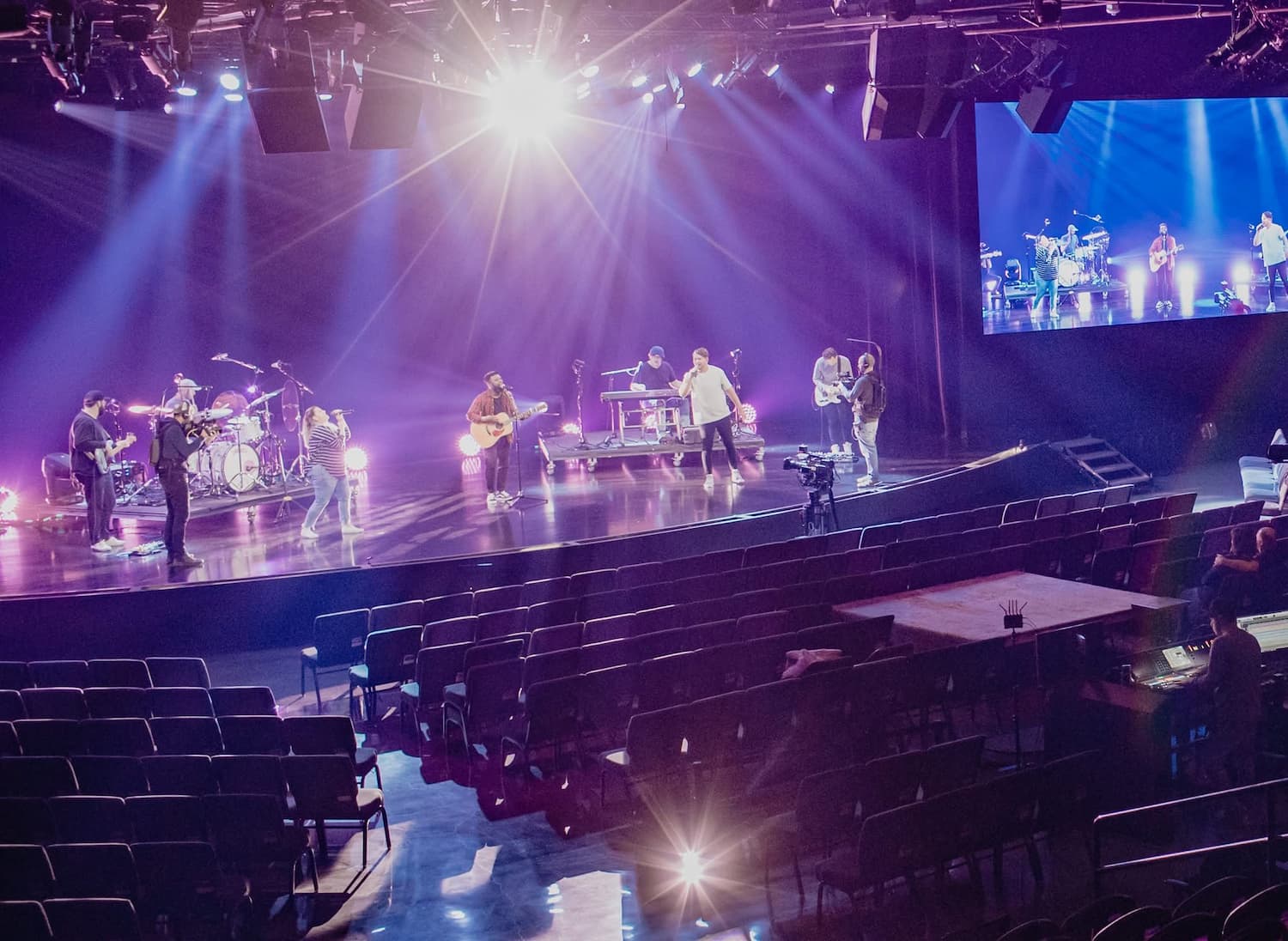 We quickly fell in love with the people, the culture, and the mission. The technology was certainly impressive, but what ultimately convinced us was the combination of strong leadership, clear vision, and genuine purpose behind everything they were building.
— What were the major projects you worked on there?
One of the biggest initiatives was the construction of a completely new UHD production facility. After operating in HD for nearly two decades, the organization decided to build infrastructure to support the next twenty-five years rather than simply address immediate needs.
The project involved creating an entirely new production environment while keeping the existing campus fully operational. My role was largely focused on maintaining the legacy infrastructure while the new facility was being designed and built. In many ways, the challenge was keeping the old system alive long enough for the new system to take over.
— What did the new facility look like?
It was an ambitious project. Portions of the existing campus were demolished and rebuilt around a temporary production environment. The new facility incorporated large-scale LED installations, UHD workflows, Ross Video systems, Sony equipment, Fuji lenses, and virtually every technology we felt would help future-proof the operation.
The philosophy was straightforward: if we believed a technology would remain relevant for years to come, we wanted to evaluate it and potentially incorporate it into the design. The result was one of the most advanced production environments I had worked with at that point in my career.
— How did the COVID period affect your work?
It changed everything. Like many organizations, we suddenly found ourselves producing enormous amounts of content. In many respects, we transformed into a full-scale studio operation. Production volume increased dramatically, and the demand for reliable infrastructure became even more critical.
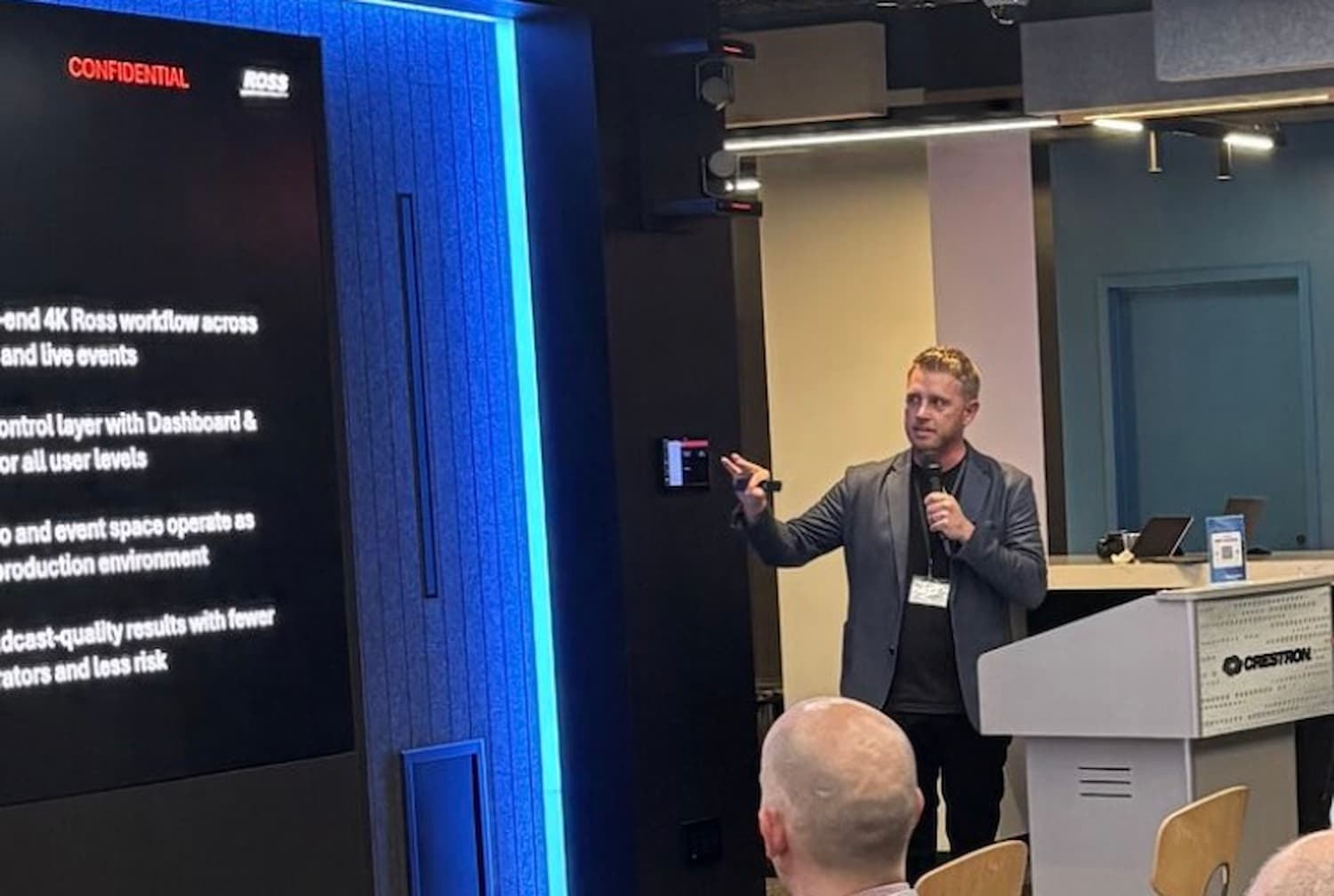 My primary responsibility was supporting Craig Groeschel, the church’s lead pastor, overseeing weekend production operations, and supporting virtually every piece of content created in that environment. It was an incredibly busy period, but it was also one of the most professionally rewarding experiences of my career.
— Looking back, was the move worth it?
Absolutely. The opportunity allowed me to stay closer to home, spend more time with my family, and work on some of the most advanced production projects I had ever encountered. The cost of living was lower, the benefits were excellent, and by that point, we had three children to consider.
It was simply the right decision for our family and for my career.
Another Major Career Change
— Four years ago, you joined Ross Video and changed direction once again. Why?
That is a very good question, and honestly, I asked myself the same thing.
“Every major change in my career started with a question: What comes next?”
We loved Oklahoma. Life.Church was an incredible place to work, and professionally, I was challenged every day. But over time, another reality became impossible to ignore: we were very far away from our families.
— How difficult was that distance?
Much more difficult than we initially expected. My wife’s family lives in Northern Virginia and the Washington, D.C. area, while my family is in Florida. From Oklahoma, both sides of the family were essentially a full day’s drive away or required expensive flights for everyone involved.
We had wonderful friends and a strong community around us, but there is a difference between having good friends nearby and having family nearby. As our children got older, that distinction became increasingly important.
David Ross, Ross Videо: Not many fathers tell you not to go back to school
The Road to Ross Video
— What ultimately pushed you to leave Oklahoma?
After three years, my wife and I realized that if we stayed much longer, Oklahoma would become our permanent home. There was nothing wrong with that, but both of our families lived far away. Her family was in Northern Virginia, mine was in Florida, and every visit required either a twenty-hour drive or thousands of dollars in airfare for the entire family.
“Sometimes the biggest career decisions have nothing to do with career and everything to do with family.”
At some point, we decided we wanted to be closer to the East Coast. The challenge was finding the right opportunity. I wasn’t looking for just any job. I was looking for a role that would allow me to continue growing professionally while also supporting the kind of family life we wanted.
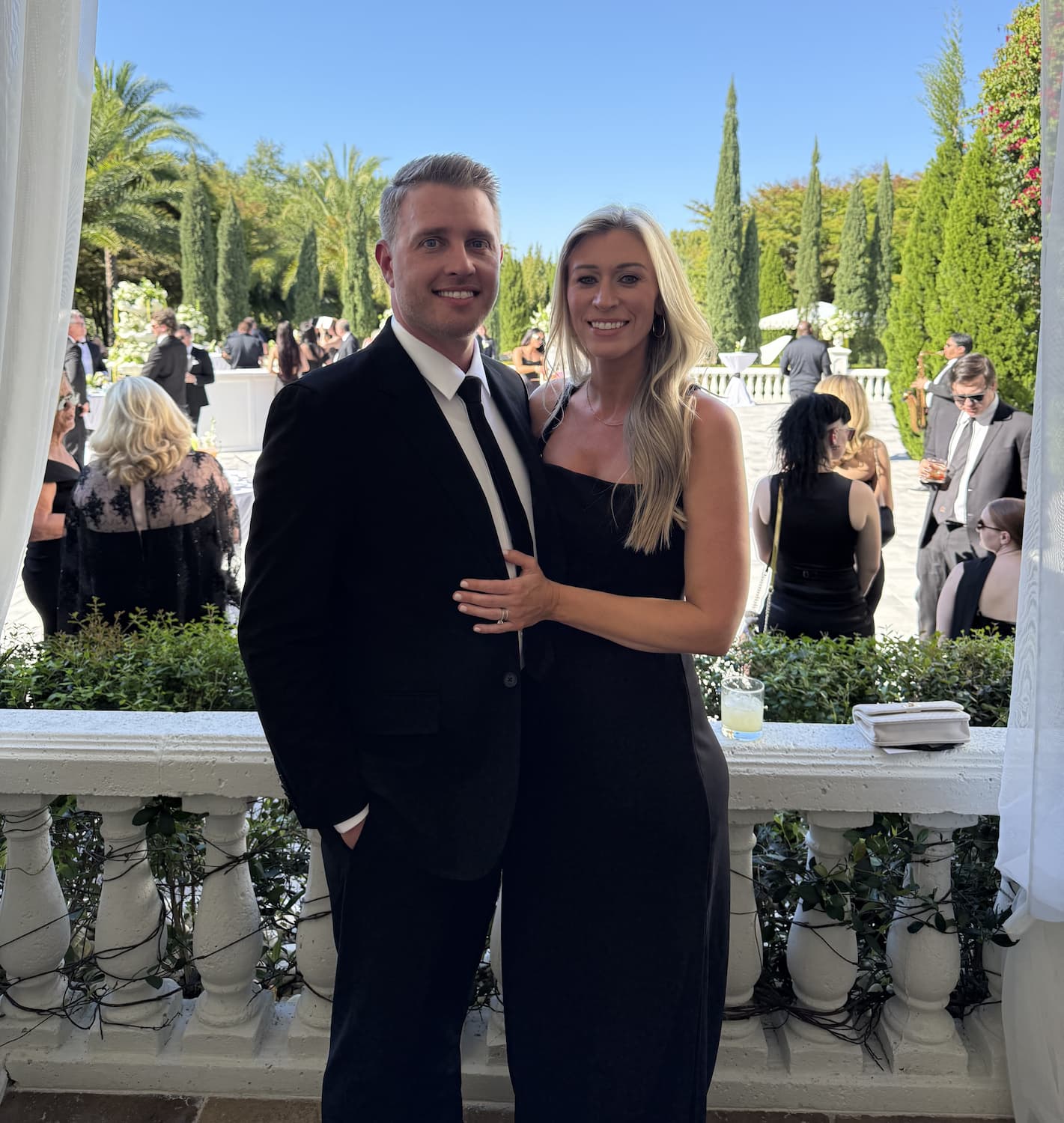 — Why did the Carolinas become the destination?
Part of it came down to relationships. We had close friends who were planning to move from Virginia to the Carolinas, and I had lived in the region before. I remember thinking, “If they’re moving there, maybe it’s time for us to do the same.” Once that decision was made, I started applying for positions throughout the industry.
— How did you approach your job search?
I focused on companies that I already respected. I looked at organizations whose people I had worked with while at Life.Church, particularly companies that embraced remote work and seemed to have employees who genuinely enjoyed their work.
I also knew that moving into a business development or sales-oriented role would only work if I believed in the technology. Selling something you do not understand or care about never appealed to me. I wanted to represent solutions that I had personally experienced and trusted.
— Was Ross Video already on your radar?
Absolutely. Throughout my career, I have consistently had positive experiences with Ross products and Ross people. Their equipment was reliable, their teams were knowledgeable, and every interaction I had with the company left a good impression.
At one point, I spent a short period working with Defy Products, the cable camera company. Drew, the company’s CEO, knew that I was trying to relocate east and generously gave me an opportunity during that transition period. It was extremely helpful, but even then, I kept an eye out for opportunities at Ross.
“It’s hard to sell technology if you’re not passionate about it.”
— Why did the Ross opportunity feel like the right fit?
The role focused on business development for corporate markets, which aligned perfectly with my background. During my Presidio years, I spent a tremendous amount of time working with enterprise collaboration systems, Cisco environments, conference rooms, and corporate AV deployments.
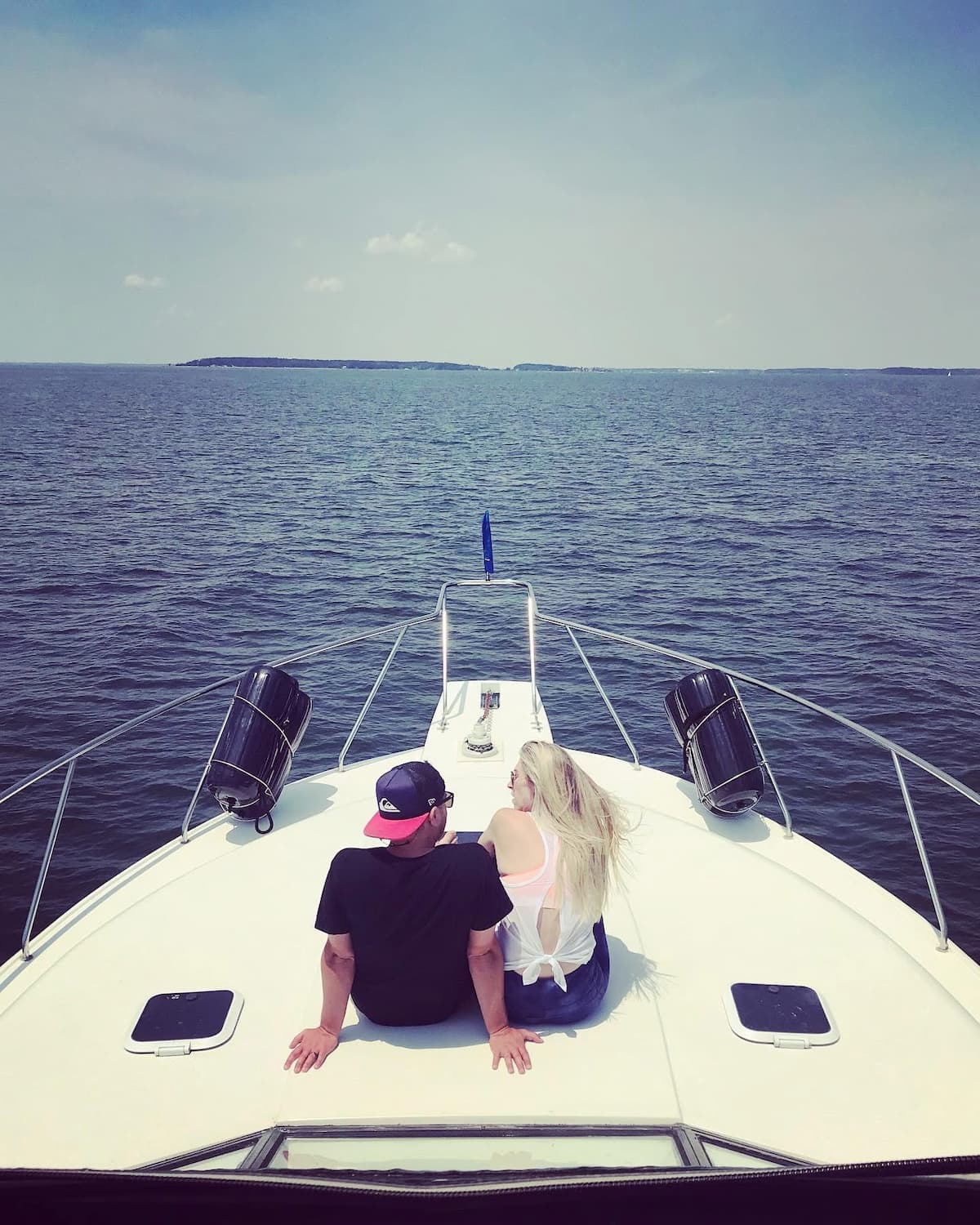 At the same time, I had also lived in the world of broadcasting and production. That combination allowed me to see something many people missed: technologies that work perfectly in a conference room often perform poorly in large auditoriums or production environments because they were never designed for those applications in the first place.
— What unique perspective did that give you?
I understood both sides of the equation. I knew the strengths of corporate AV, but I also understood the reliability, redundancy, and operational discipline required in live production.
The timing was perfect because this was happening during and immediately after COVID. Suddenly, everyone was working remotely, and organizations were trying to integrate Zoom, Microsoft Teams, Google Meet, and other collaboration platforms into professional production workflows. I had already spent years solving those exact problems.
Because I had personally built those workflows, I understood both their potential and their limitations. I knew where the bottlenecks were, where failures occurred, and what customers actually needed to make these environments work reliably.
— How did your first conversation with Ross go?
Very naturally. During my first interview with Jared Schatz, who eventually hired me, we ended up talking for nearly two hours. It felt less like a formal interview and more like a conversation between two people who shared a common understanding of the industry.
We discussed technology, workflows, customer challenges, the convergence of AV and broadcast, and where the market was heading. By the end of that conversation, it was becoming increasingly clear to both of us that the role was a strong match.
Finding a New Identity
— How did the interview process with Ross Video unfold?
It started with a conversation that was supposed to last forty-five minutes and ended up running for nearly two hours. At one point, Jared Schatz asked a simple but important question: Can broadcast technology successfully live inside corporate environments, and if so, why?
“I thought they had hired me to learn the answer. Six months later, I realized they had hired me to create it.”
That question immediately sparked a deeper discussion. We talked about production workflows, corporate communications, AV systems, and the growing overlap between those worlds.
Floris Molijn: From Dutch Live Production to Leading Oranda in Asia
— Why do you think you were the right fit?
Timing played a huge role. I had spent years working in both live production and corporate AV environments, which gave me a perspective that was relatively uncommon at the time.
I understood broadcast reliability, redundancy, and operational discipline. At the same time, I came to understand the realities of conference rooms, enterprise collaboration, and corporate communications. As those two worlds began converging, I happened to be standing right in the middle of the intersection.
— What was the biggest surprise after joining Ross?
Initially, I assumed everybody already knew the answers. I thought there was a clearly defined strategy for how broadcast technology should enter corporate markets and how companies should position themselves in that space. About six months later, I realized something important: nobody had the answer. The company had hired me to help create the answer.
— Was that intimidating?
A little, but it was also incredibly empowering. This was my first true business development role. I was not coming from a sales background. I was coming from production. What I eventually discovered was that my job was not really about selling. It was about translating experiences.
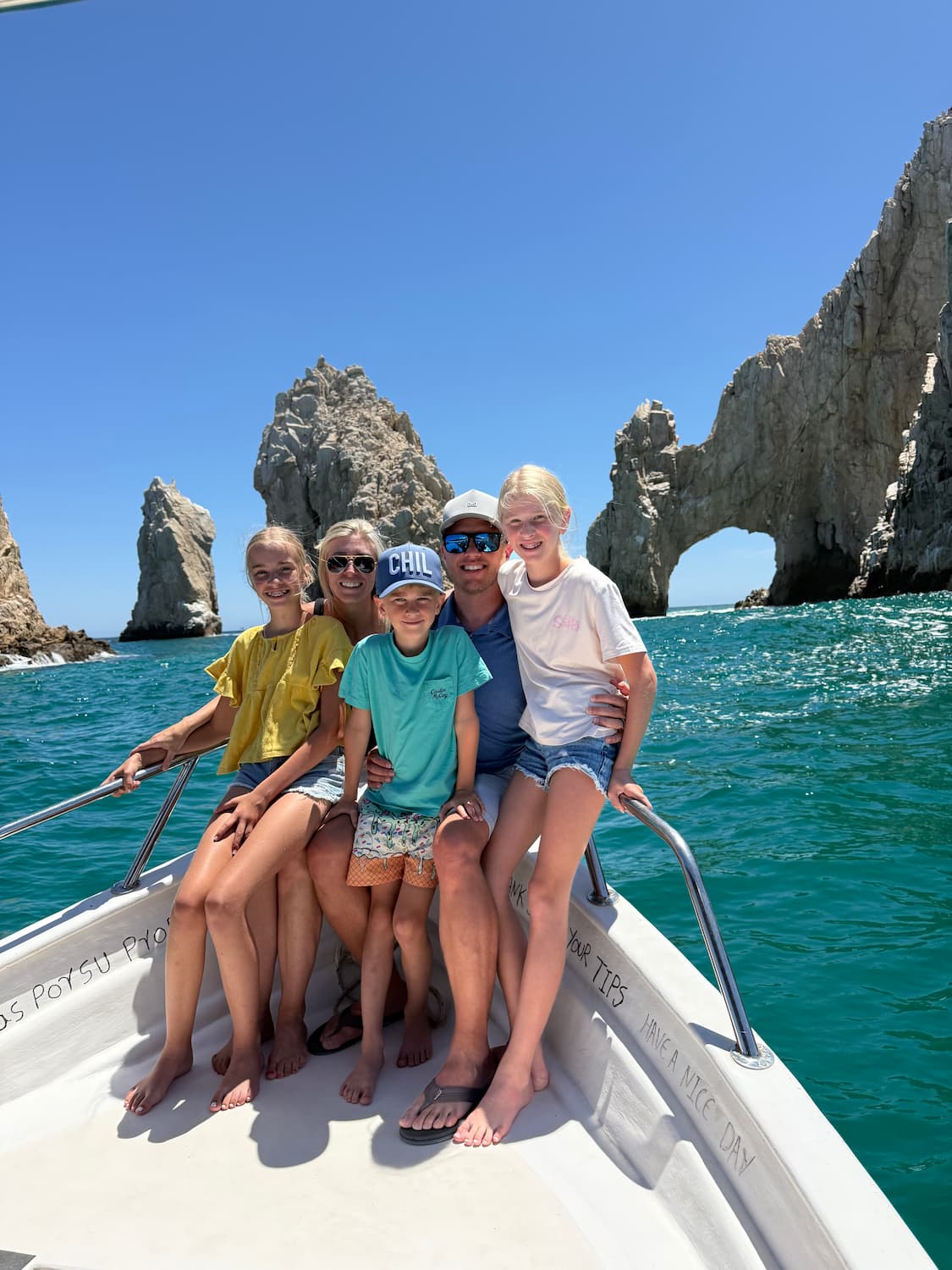 I had spent years solving real-world problems. Now I simply needed to help customers see how those same solutions could apply to their own challenges. Once I understood that, everything started to click.
— What did you enjoy most about the role?
The storytelling aspect. I loved meeting customers, visiting their facilities, understanding the obstacles they faced, and then helping connect the dots between their goals and the technology available to them. Some of my favorite moments were when customers suddenly saw a solution they had not considered before.
Being part of those “lightbulb moments” was incredibly rewarding. In many ways, it felt similar to production work. Instead of orchestrating cameras, graphics, and audio, I was orchestrating ideas and helping people see new possibilities.
The Broadcast–AV Convergence
— Today, we are witnessing a major convergence between broadcast and AV. How do you think this transformation will affect the industry?
I actually think there are two major forces at work.
The first is that broadcasting has been forced to become far more adaptable. Traditionally, broadcast operated within a highly controlled environment. Every signal had to match. Cameras, routers, switchers, graphics systems, and reference signals all had to operate within carefully defined standards. Broadcast engineers were accustomed to controlling the entire chain.
“Broadcast didn’t move into AV. AV invited broadcast into its world.”
The reality of AV environments is very different. Broadcast did not wake up one morning and decide it wanted to enter corporate offices, classrooms, government facilities, or conference centers. What actually happened was that organizations in those sectors suddenly needed video capabilities that resembled broadcast operations.
— What has broadcast technology learned from the AV world?
One of the biggest lessons has been adaptability. Ten years ago, bringing signals from collaboration platforms or non-traditional sources into a professional broadcast environment was a significant challenge. Today, platforms and systems are designed to accept a wide variety of formats and transport methods.
Omar Pleite Guerra: “Technology Should Serve the Story, Not Replace It”
Using solutions such as Ross Video’s Ultrix platform, organizations can ingest NDI, SDI, IP streams, and other formats simultaneously, normalize them, and maintain a consistent output. The complexity has shifted from the output side to the input side, allowing production teams to work with a much broader range of sources.
— And what has AV learned from broadcast?
Broadcast has introduced a level of discipline and resiliency that many AV environments traditionally did not require.
AV systems have historically been designed for flexibility and ease of deployment, while broadcast systems have always been designed around reliability and uptime. In broadcasting, downtime is unacceptable. Systems are expected to operate continuously, often twenty-four hours a day, seven days a week, with extremely low tolerance for failure.
As these worlds converge, AV professionals are increasingly adopting broadcast principles around redundancy, signal integrity, and operational reliability. At the same time, broadcasters are becoming more comfortable with the flexibility and agility that AV environments require.
— How has broadcast thinking changed corporate communications?
One of the most interesting shifts is that corporations are beginning to understand the difference between capturing information and capturing experiences.
Traditional meeting technologies are excellent at capturing words and distributing information. But they are not always effective at conveying emotion, energy, or audience engagement. Broadcast workflows approach communication differently.
Measuring Success
— Looking back, what would you consider your greatest professional achievement so far?
This is not an official title or award, but the accomplishment I’m probably most proud of is helping establish part of what is now known as the Broadcast AV market.
“I’ve been fortunate to help build something that didn’t really exist when I started.”
When I first entered this space, many of the workflows, conversations, and use cases we discuss today were still being defined. There wasn’t a clear roadmap, and there certainly wasn’t a universally accepted approach to combining broadcast-grade production with enterprise and AV environments.
From Paris 2024 to the Saudi Pro League: The Global Broadcast Journey of Filipe Sobral Santos
Helping Shape a New Market
— Why do you consider that your greatest professional achievement?
There are many people who have contributed to the growth of Broadcast AV, and I certainly would never claim to have done it alone. But when I joined Ross Video about four years ago, I became very focused on one question: How do we actually influence and grow this market?
As I looked at the landscape, I noticed a gap. Very few people had backgrounds that combined live production, broadcast operations, enterprise AV, and large-scale deployment experience. I believed that the gap created an opportunity to help educate the market and connect communities that traditionally operated separately.
— How did you approach that challenge?
One of the first decisions I made was to focus heavily on AVIXA and CTS-certified professionals. These are people who may change employers throughout their careers, but they remain deeply connected to technology and industry best practices.
Rather than simply promoting products, we focused on education. We invested time in helping people understand how broadcast and AV technologies could work together and where each discipline could benefit from the other. That strategy proved extremely successful.
— Were you able to measure the impact?
Yes, and this is probably my favorite statistic from my entire career. When we started, Ross Video’s penetration across key verticals such as enterprise, government, and education was below twenty percent. Over the following three years, through intentional engagement, educational initiatives, and partnerships with organizations such as AVIXA, that number grew to more than 60%.
 For me, that wasn’t just a sales metric. It was evidence that the market itself was evolving and that people were embracing new ways of thinking about production and communication technologies.
— What do you enjoy most about your role today?
The opportunity to educate and connect people. Whether I’m speaking on a panel, participating in industry discussions, or meeting with technology leaders in Silicon Valley, New York, or elsewhere, I enjoy helping organizations understand what is possible and how different technologies can work together.
There is still a bit of imposter syndrome from time to time. I occasionally find myself sitting in rooms with incredibly accomplished people and wonder how I got there. But those moments also remind me how fortunate I have been throughout my career.
— So success is not really about titles or awards?
Not for me. The most rewarding part is being able to contribute to an industry that is actively changing and helping people navigate that change. If I have played even a small role in advancing the Broadcast AV conversation, then I consider that a meaningful accomplishment.
Meeting His Future Wife
— Let’s talk about your personal life. How did you meet your wife?
We met through church in late 2012.
“Every weekend I would look out across the congregation. Then one day, I noticed her.”
At the time, I was playing guitar at McLean Bible Church in McLean, Virginia. It’s a large church with thousands of attendees and a very active young adult ministry called Frontline. During that period, I was working full-time in the AV industry, so playing music became an important creative outlet for me.
— How old were you at the time?
I was in my twenties and spending much of my free time playing music at churches throughout the Washington, D.C., area. Every weekend, I would walk on stage, tune my guitar, look out across the congregation, and prepare for the service. One weekend, while looking out into the crowd, I noticed someone who immediately caught my attention.
That person eventually became my wife.
— How did you get from noticing her in the audience to your first date?
A little bit of modern technology helped. After seeing her at church, I later came across one of her responses on Twitter. That gave me an opportunity to start a conversation, and from there things developed naturally. Eventually, we arranged our first date in Washington, D.C.
— Do you remember that first date?
Very clearly. We met at an architecture park in the city during the middle of winter and went ice skating together.
Everything moved fairly quickly after that. We met at the end of 2012, got married the following year, and I was around twenty-three or twenty-four years old at the time. Not long after that, we welcomed our first child into the family.
A Full House
— What does your wife do today?
Today, her primary focus is on our family. For most of our marriage, she worked as an analyst supporting government contractors, but over the years, our family responsibilities grew significantly.
“Honestly, I don’t know how she does it.”
She now works as a financial advisor through a family business while continuing to manage the much larger responsibility of raising our children. The fact that she has been able to balance both is something I greatly admire.
— Tell us about your children.
Our oldest daughter is twelve, our middle daughter is eleven, and our son is eight. In addition, we are currently a foster family and have a three-year-old girl living with us. So it’s definitely a full house. There is always something happening, and there is never a shortage of energy or activity.
— How do you manage such a busy family life?
My wife deserves almost all of the credit. All three of our children have been homeschooled from the beginning. She teaches them, manages their schedules, works part-time, supports our foster care responsibilities, and somehow keeps everything moving forward while I continue to travel extensively for work.
I Tried to Leave Television — and Ended Up at the Champions League
Being a parent is challenging. Being a parent to three children, homeschooling them, working, and caring for a foster child at the same time is something I find incredibly impressive.
Looking Ahead
— You’ve built a successful career, gained international experience, and helped shape an emerging market. What is your dream today?
Honestly, my priorities are fairly simple.
“Success, for me, is having a healthy family and a boat on the water.”
When we moved to North Carolina, I had two requirements: I wanted to live near an airport and near a lake or some kind of water. Beyond that, what matters most is having a healthy and happy family and spending time together.
— Why is being on the water so important to you?
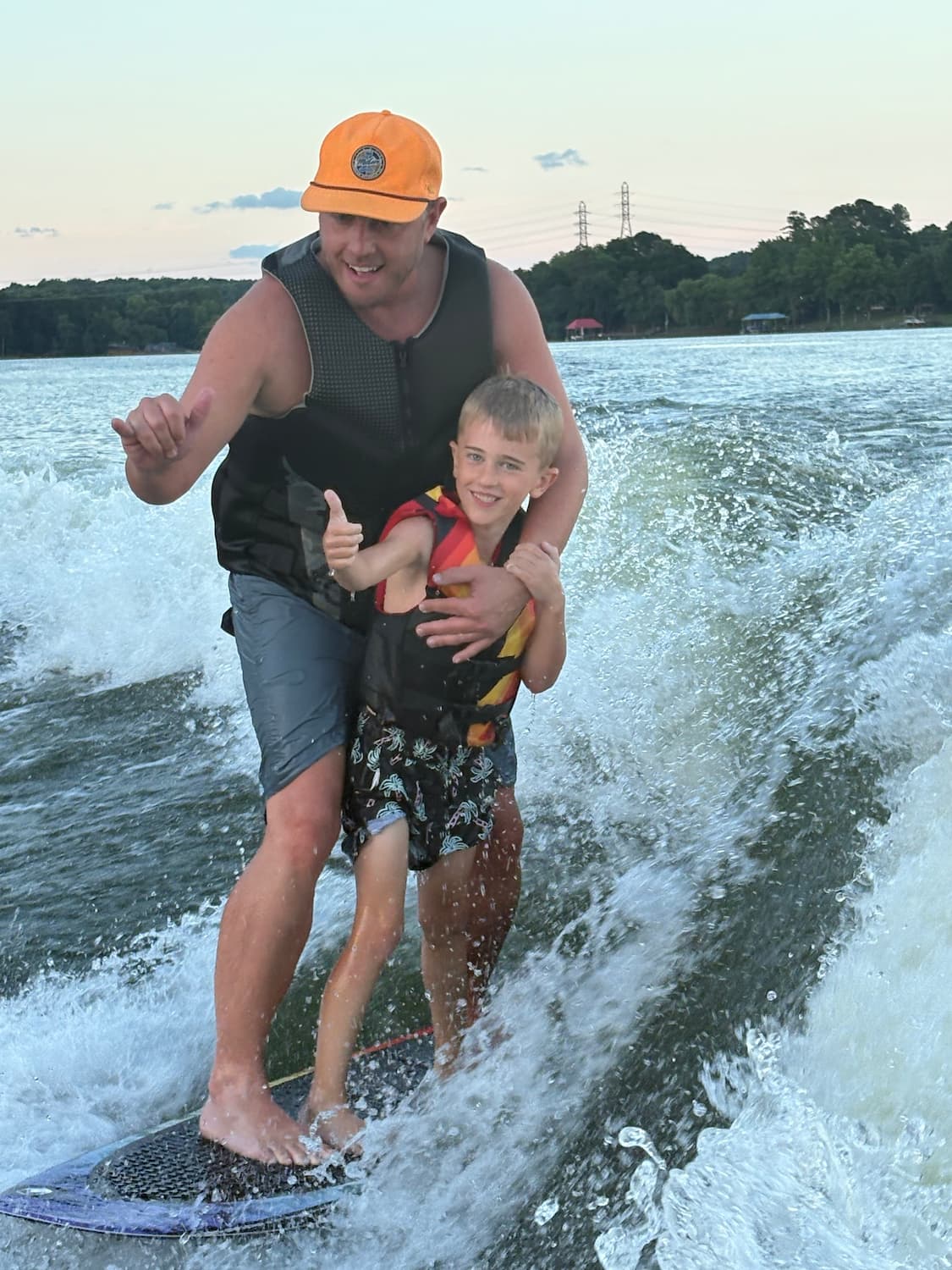
Because that’s how I grew up. Some of my earliest memories are connected to boats, lakes, beaches, and water sports. Today I’m passing those experiences on to my own children. Whenever the weather is good, we’re usually on the water, teaching the kids to wake surf, spending time together, and enjoying the same activities that shaped my childhood.
For me, those moments are far more important than titles or career milestones.
— What motivates you professionally today?
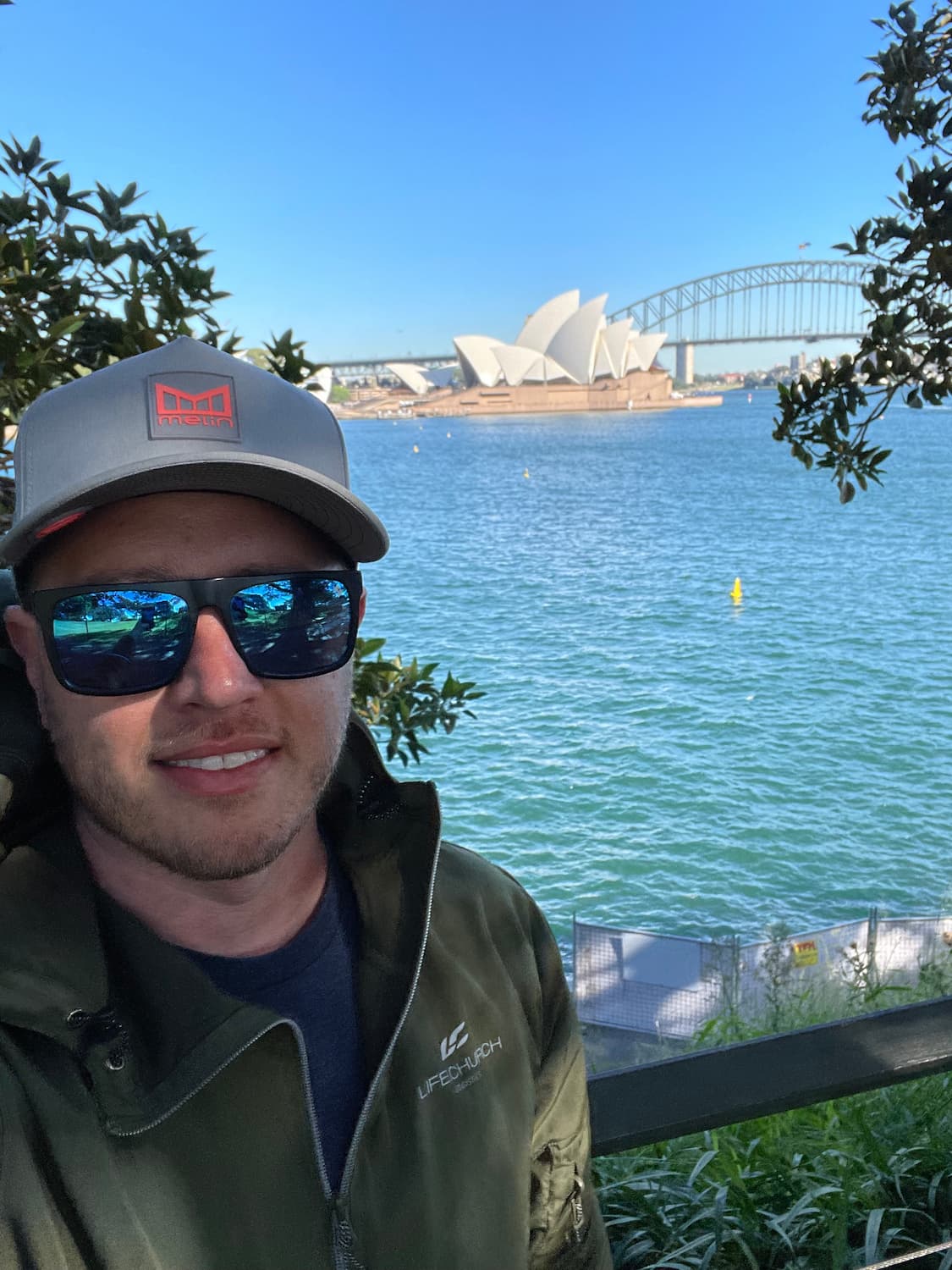
The relationships. This industry has given me opportunities to meet remarkable people all over the world. Since joining Ross Video, I’ve worked globally, traveled to Australia and the United Kingdom, attended major industry events such as NAB and ISE, and built friendships across multiple continents.
What’s remarkable is that the industry is large enough to have a global impact but small enough that you continue running into the same people year after year.
— Does that global network still surprise you?
Absolutely.
It isn’t lost on me that only a few years ago I was working primarily in church production and live events, and now I can walk into a trade show and find myself catching up with friends from Australia, Europe, North America, and elsewhere.
Those experiences have been extraordinary. The opportunity to help shape a growing community, contribute to the success of a global organization, and participate in the evolution of an industry I care deeply about is something I never take for granted.
 — So what does the future look like?
Honestly, I hope it looks a lot like the present. I want to continue learning, contributing, meeting interesting people, and helping this industry evolve. I hope to remain relevant, continue creating value, and enjoy a long career in a field that I genuinely love.
And if that career also keeps food on the table and enough gas in the boat for weekends on the lake, I’ll be perfectly happy.