From Réunion to London, Singapore, CNN International, and Signiant — a career built on selling “rich data,” scaling media partnerships across APAC, and moving upstream into the media supply chain.
David Collet, Director Strategic Accounts EMEA at Signiant, grew up in Réunion Island, moved to Metropolitan France at 13, and built his career by turning sponsorship sales into a gateway to the media industry. He helped Opta sell “rich data” in a French market that initially resisted statistics, then expanded business across APAC from Singapore, ran CNN International’s APAC B2B revenue, and now works with broadcasters and production teams at Signiant on file-based workflows. This interview is a practical look at how sports data has become a storytelling engine — and how media operations are evolving from distribution to supply chain.
Ammar Hina Appointed Strategic Chair of The Gulf & MENA Decision-Makers Forum 2026
A fearless drive to work in a sports sponsorship consultancy
– How did you start your career in sport/media?
I had been offered a partnership manager role in a local sports association (focused on promoting after my internship there. I stayed for about 2 years, but was desperate to get into sports marketing.
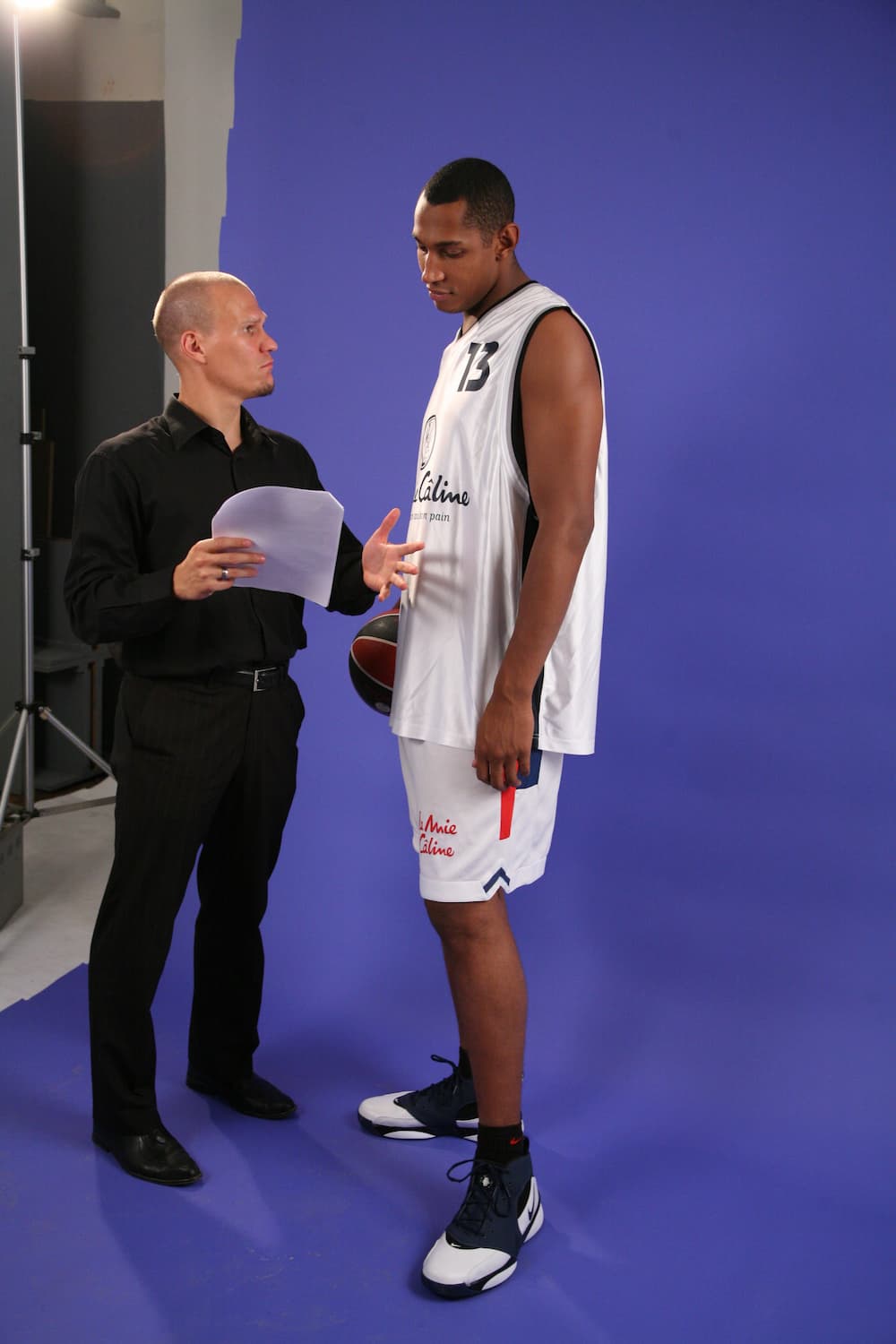
I then worked at a sports marketing agency (Sport Market) for about 5 years. The agency grew from the owner and me to about 10 people in 5 years, and a strong roster of new brands / sporting bodies that helped grow its reputation in France. The owner had decided to bring in a senior deputy director from Havas Sport, and as Sales director, I was driving 90% of the company’s new business.
A turning point: data in L’Équipe
— What triggered the next career shift?
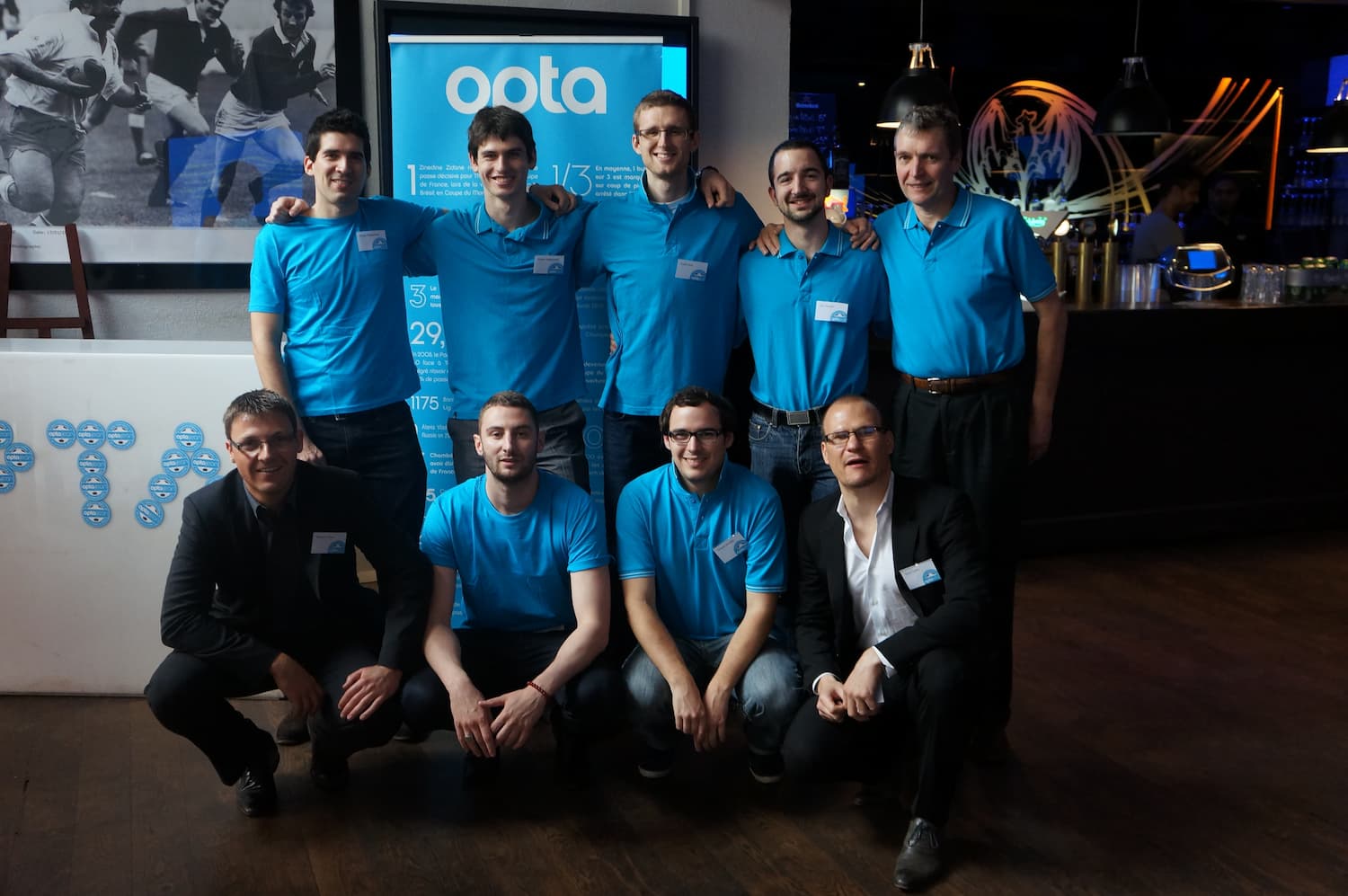
One day, I was reading L’Équipe — the iconic French sports newspaper —, and I saw Euro tournament statistics that felt different: shots on target, tackles, more “advanced” performance data than I was used to seeing at the time. This was around 2008. It caught my attention. I looked up the company mentioned in connection with the data — Opta Sports — and contacted them. I found out they were looking for a salesperson to help them grow in France.
London decision: drop everything
— How did the move to London happen?
I went to London, met the founder, and he liked the proactive approach. I had decent English, I spoke French, and while my background was more sponsorship than media, I was still connected to the sports ecosystem.
He told me, “I’d love to hire you, but I’m not comfortable with French employment laws. If you want this job, you’ll have to come to London and do it from London.” And I dropped everything and moved.
Opta in London: a new world
— When you moved to London, what was your role at the company?
I was the sales manager for France. At the time, I wasn’t really an “international guy.” I had never been to London in my life. Apart from one holiday in Thailand, I hadn’t travelled much outside France. I thought: if I don’t do it now, I’ll never do it. I said yes and moved.
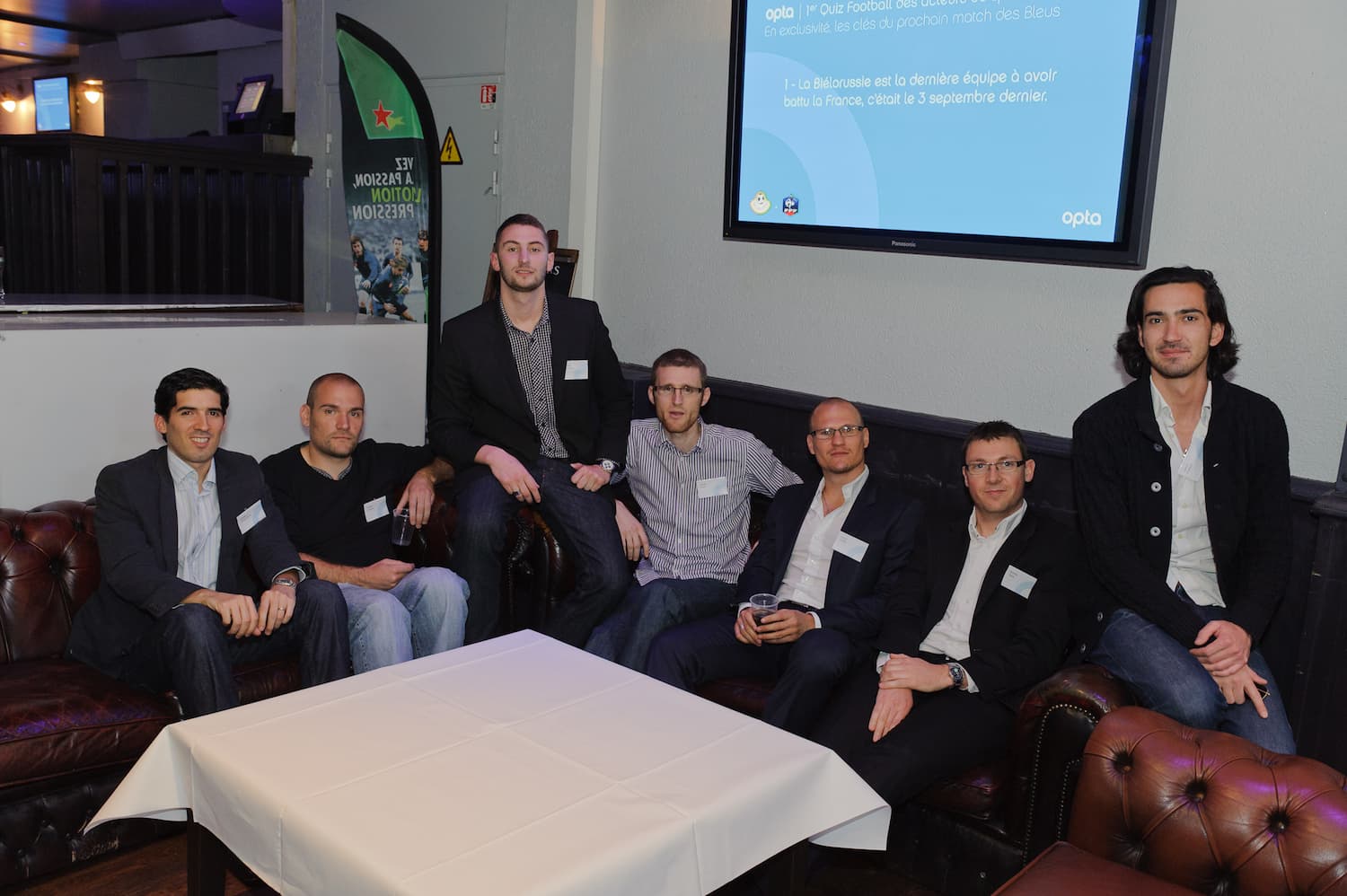
The company was renting a small room near the office. I would commute regularly between my flat in Paris and London to be close to the team and learn the business. That company later became a major brand: Opta Sports, now part of Stats Perform.
Selling sports data before it was mainstream
— What was Opta trying to build back then?
The founder wanted to take a trend he saw in the US and apply it to European sports — football, rugby, cricket — building a new way to consume, present, and cover sport through data and statistics. It wasn’t only for broadcasters and media; it also connected to sports analytics inside clubs — performance management, decision-making, and competitive edge.
— What were you actually selling, and what made it different at the time?
For me, it was a shift into selling content. Opta was selling data feeds — XML feeds at the time — covering matches, players, teams, and detailed technical stats: how actions unfolded on the pitch, where they happened, when they happened. A lot of it was manually logged: people watching games and using keyboard shortcuts to tag events in real time.
From Paris 2024 to the Saudi Pro League: The Global Broadcast Journey of Filipe Sobral Santos
Making sports data feel natural
— Why was it so hard to “sell” statistics in football at the beginning?
It felt like a wave coming from the West that would eventually reach the East. But in France, there was real cultural resistance: football is about emotion, the beauty of the skills, the atmosphere in the stadium — and people worried that statistics would kill the soul of sport.
It took time to explain that data doesn’t remove the core nature of sport. It adds a new layer. The art and the emotion stay. The point was to educate, bring people on board, and show how numbers can support storytelling rather than replace it.
France: two clients and a skeptical market
— What did the French market look like when you started?
When I began, we had basically two clients in France — one small contract with L’Équipe and Yahoo / Eurosport (European contract scope), and that was it. I ended up being an advocate for sports data in a market that was skeptical.
— What objections did you hear most often, and how did you respond?
A common reaction was: “That’s for Americans. This isn’t baseball — this is football. We talk about emotion and passion. Statistics won’t work in France.” So a big part of my job became education: explaining what data adds, not as a replacement for storytelling, but as a new tool for it.
Data as storytelling engine
— What made the product convincing once people engaged with it?
The product was genuinely strong. The company was very good at turning raw numbers into facts, and facts into stories: what’s surprising, what’s consistent, what’s a pattern, what’s a record/milestone. It offered a different perspective — for clubs managing squads, for TV channels building narratives, and for newspapers framing analysis.
What we built: campaigns, formats, and new shows
— What did you do, concretely, to push that change in the market?
The company culture helped a lot. Management empowered us with a mindset of “anything is possible,” so I tried a lot of things. I organised a film promo event in Paris for the Moneyball movie when it launched — using it as a way to explain how statistics can transform a sports narrative.
I worked with a local journalist on a French football pre-season guide built around data. And with a broadcast director at Canal+, we developed one of the first data-led TV concepts: David Wall, our lead editorial sitting in the studio alongside Canal+ experts, discussing football primarily through a data lens.
Starting from almost zero — and some resistance — we built momentum. Over five years, we worked with Eurosport, TF1, Canal+, the French Football Federation, beIN Sports, and many others. That spirit of partnership, plus a culture that encouraged testing and experimentation, made it one of the most special chapters of my career.
Seeing the impact in everyday conversations
— When did you realise the shift had actually happened?
You look back after a few years, and suddenly, Opta is part of mainstream sports culture. People tell you: “I saw it on Twitter — I follow OptaJoe, OptaJean.” Or you’re at a dinner, and someone says, “Did you see that game? It’s the fifth time this team hasn’t lost after scoring first with a header,” this kind of data-led story that becomes a conversation starter.
Omar Pleite Guerra: “Technology Should Serve the Story, Not Replace It”
And you realize: in a very humble way, as a salesperson, you influenced how people experience sport — what they read in newspapers, what they see on TV, and how they talk about the game with friends.
Growth years: from France to Benelux and beyond
— How did your role evolve?
I stayed in that role for about five to six years. Commercially, we did well, and I built a team around me. I hired interns who later grew into account managers and sales directors. Over time, I handled France and Benelux, and I also took on a few international accounts. We grew the business significantly — from a few hundred thousand to a few million pounds in revenue over about six years.
A defining deal and an acquisition
— What was the moment that really confirmed the scale of the opportunity?
One of the biggest milestones was a multi-year contract connected to Al Jazeera Sports, around the time beIN Sports launched in France. Through the network and the relationships with French TV channels, we signed a multi-million-pound beIN Sports Group contract for data provision. That felt like the culmination of that chapter.
 Around the same period, Perform — the company behind DAZN — acquired Opta, because they wanted a deep, strong statistics and analytics arm as part of their broader sports media strategy.
The acquisition: why Perform wanted Opta
— What changed after Perform acquired Opta?
Perform already had sports content — news, video, images — and they had basic data. What they didn’t have was rich, detailed data at scale. That’s why they acquired Opta. I was lucky to be part of the handover transition from Opta to Perform. The Opta management team also granted me stock options, so when the sale happened, I made some money from the acquisition.
2014: incentives, integration, and a crossroads
— What happened once the transition period ended?
In 2014 — about a year after the acquisition — we hit global revenue targets linked to additional financial incentives. And then, once the handover was done, Perform moved to blend everything.
At that point, they said: “We like you, but either you go back to France — because we now have our own person managing France — or you find another job.” It was a clear crossroads.
Aidan Cooney and the pivot to APAC
— How did you avoid being pushed back into a France-only role?
I was extremely fortunate. Opta’s founder, Aidan Cooney, had seen me grow and trusted me. He went back to the Perform leadership and said, essentially: David doesn’t want to go back to France; he knows the product really well, is a good salesperson, and it would be a pity to lose him.
That’s when they looked at the map and said: Opta isn’t strong in Asia yet. We’re trying to grow from Singapore. If he’s interested, we can send him as APAC Sales Director to do what he did in France — build market understanding and grow demand for sports statistics across media, clubs, and governing bodies.
Singapore: the “if not now, never” decision
— Why did you say yes?
I was around 35, single, and I had that same thought again: if I don’t do it now, I’ll never do it. So I said yes — let’s go. The timing was almost surreal. I had just bought a flat in London — the Opta acquisition money had given just about enough for a deposit — and I was ready to settle, stop paying the ridiculous rent for a single room, and build my life there. And then I chose the Singapore adventure instead.
Meeting your wife right before leaving
— And you met your wife just before that move?
Yes — three months before I left. Destiny, maybe. I went to Singapore on my own in August 2014 after a one-week trip to meet the team and see the place. My girlfriend followed in October or November. It was a bold decision from her, because we hadn’t been together very long — but she accepted and joined me.
Asia isn’t one market
— What did you learn first about “APAC”?
Very quickly, I learned that “Asia” as a single market doesn’t really exist. APAC is a business label, not a cultural reality. There’s Southeast Asia, India, Australia and New Zealand, China, Korea, Japan — and culturally they can be more distant and different from each other than countries across Central and Southern Europe, which actually share more common ground.
Two years in Singapore: learning the region
— What did those first APAC years feel like on the ground?
It was a massive learning curve and a real adventure. New region, new rhythms, constant travel, and a lot of cultural decoding — learning the differences between markets like Indonesia, Vietnam, Thailand, and others. I spent those two years trying to build growth across very different environments, and I think I did a decent job.
 — What was driving growth in that period — the product, the market, or your sales push?
We grew the business roughly 15–20% year on year. That was partly because Opta was becoming more recognised, and partly because the broader wave of sports data and analytics was accelerating. Digital sports content was exploding with mobile apps, and you also had UK-based broadcast directors moving into Asia, bringing production expertise and raising expectations around storytelling with stats.
More than data: Perform’s broader content machine
— What were you actually selling in APAC — only Opta data?
Not only. Yes, a big part was the statistics and analytics, but I was also selling content: short weekly football magazines, highlights, and packaged sports programming. Perform wasn’t a single-product company — it had content publishing, sports betting data and services, and broader sports media content. It was a very wide organisation.
 — What new product direction were you seeing emerge inside Perform at that time?
During that period, I started to see the early shape of DAZN. The APAC managing director was working with Perform’s executive team on a “Spotify of sport” idea they’d had for a while. Japan and Germany were early targets — markets where rights fees were still relatively low, internet connectivity was strong, and competition was manageable.
Networks, experiments, and a “future” idea
— How did that CNN contact come back to you, specifically?
Back in London, I was part of a media-leaders network built through my work around data and innovation. I was exploring automated content generation — not AI, more algorithmic article generation through data.
— What was the idea you were pushing at the time?
I’d found a US university-linked company doing this in weather forecasting, where data is highly structured. The concept was simple: generate a basic article automatically from datasets, then let journalists add context and a human layer on top. I shared that thinking with Reuters.
 We didn’t close a deal, but the Head of Sales liked the mindset and invited me to a recurring media dinner in London, where I met senior people — including Reuters’ head of video — and those connections later became the bridge to CNN.
Greg Beitchman and the CNN connection
— Who became the key link from those conversations to CNN?
One person in particular: Greg Beitchman. He later moved to CNN and became the global head of CNN International’s content syndication and partnership business. That relationship — built in that London network — became the bridge to the opportunity in APAC.
— How did the CNN opportunity happen?
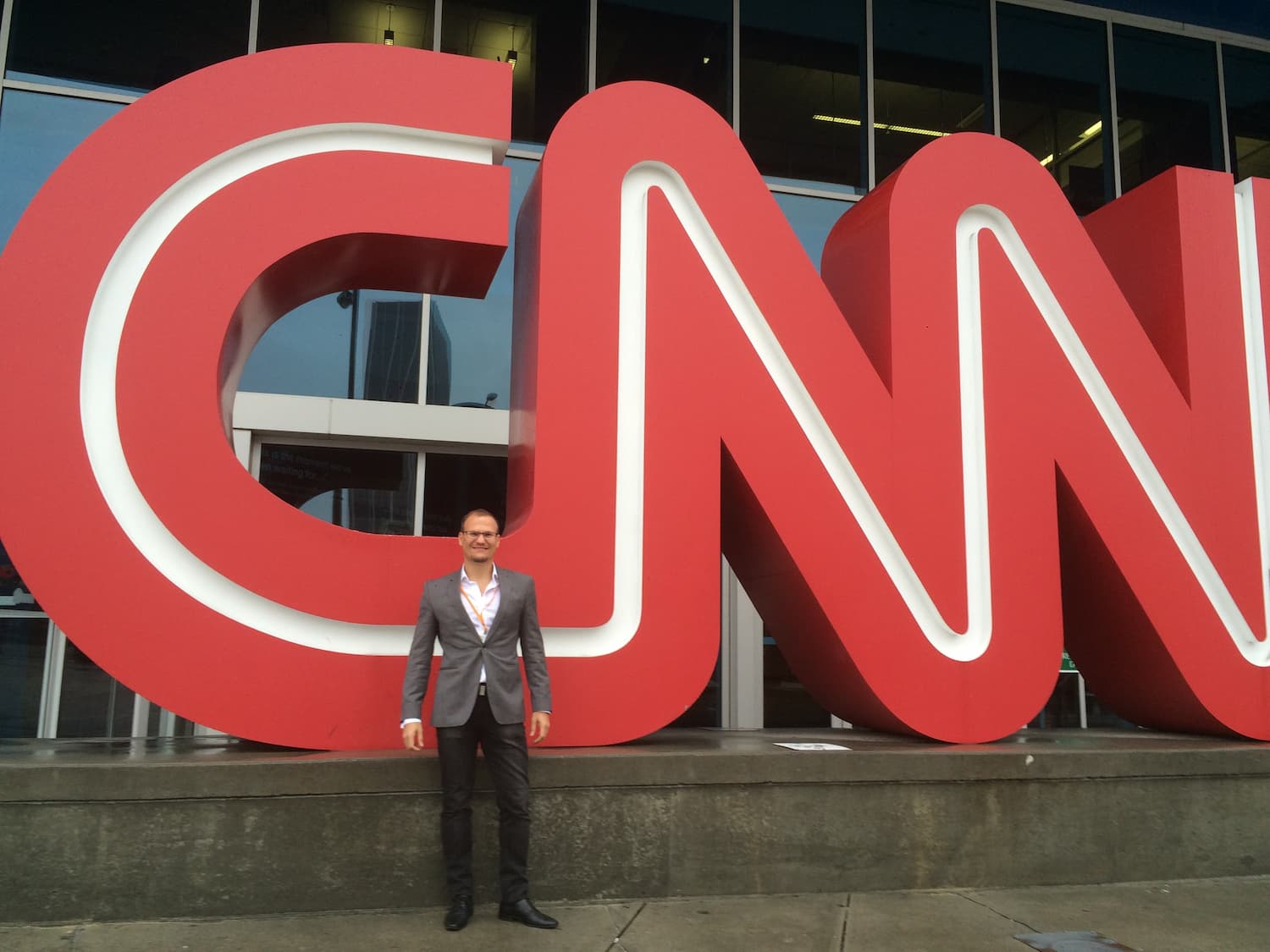
Greg was looking for someone in APAC to join his team. He remembered me from that London dinner — the debates and conversations about media —, and he reached out. For me, it felt like a strong next step: staying in media, but moving closer to TV, news, and channel distribution. CNN was part of a much bigger American ecosystem — Warner, Turner channels, HBO — a different scale of organisation and a new learning curve.
Four years across APAC: revenue, teams, and a wider lens
— What did you do at CNN, day to day?
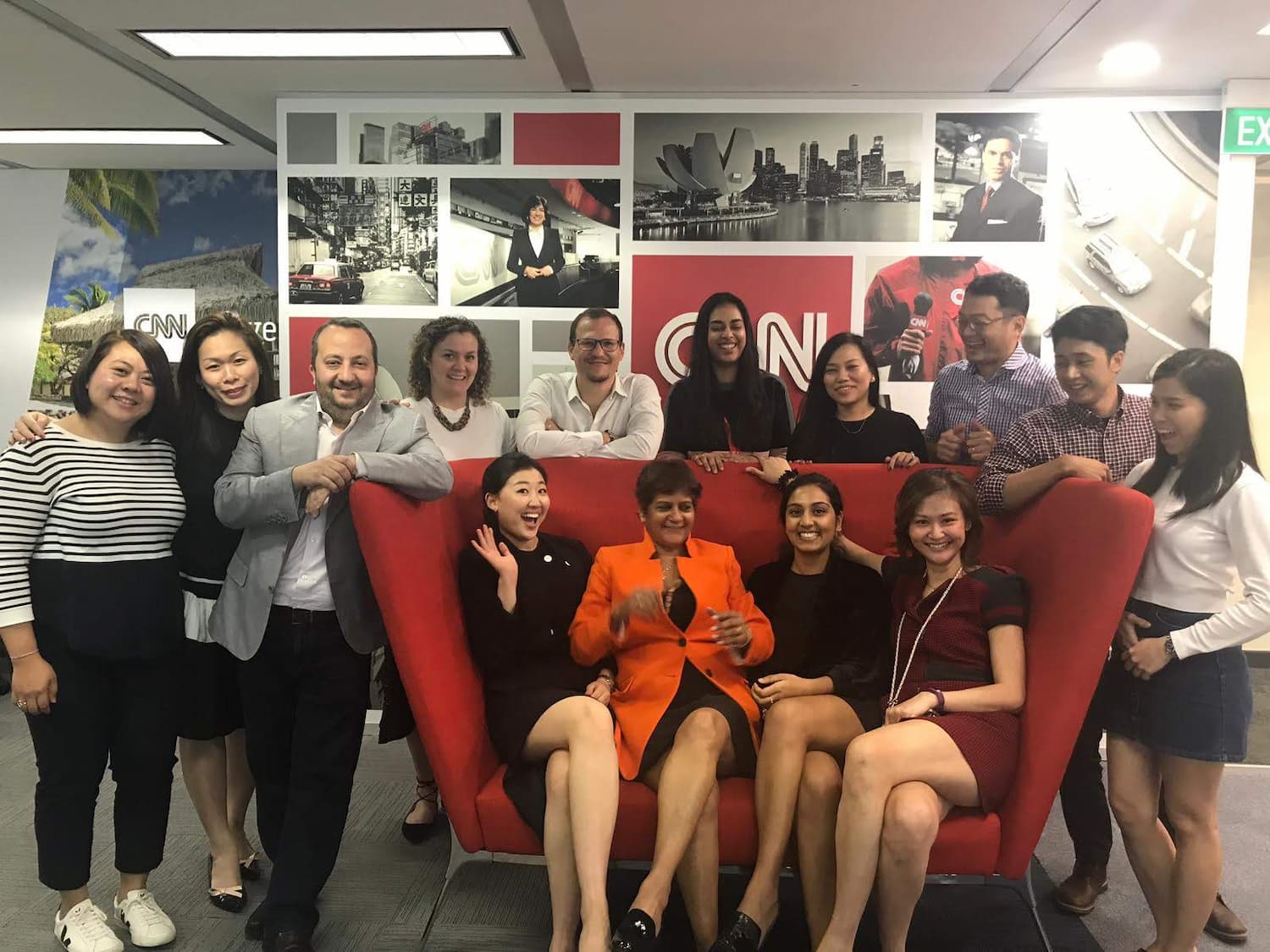
I worked there for about four years. I managed directly and indirectly a large P&L — effectively revenue responsibility — across a wide territory from India to Japan, with salespeople in their respective markets. It gave me the chance to travel much more widely across the region and understand APAC beyond sports: local cultures, different business practices, and a broader content landscape — general entertainment, news, kids content — areas I wasn’t familiar with.
My early career had been almost entirely sports-centric, so this was a way to build a more complete picture of the media industry.
Seeing the decline of linear TV
— What shift did you start to notice by the end of those four years?
I could already see that linear TV distribution was declining — selling linear channels and cable subscriptions was under pressure globally, including in Asia. And I could see where the harder, more future-facing sales battles were moving: software, subscription services, platform models.
That made me start looking in that direction, even before the next change hit.
 2020: Reorganisation, and going independent during COVID
— Why did you leave CNN?
I was let go as part of a group reorganisation — change of leadership, change of COO, different bosses — the kind of transition that’s quite common in large American companies.
In March 2020, right in the middle of COVID, I started my own consultancy out of Singapore. I worked with different brands and contacts — Huawei, LiveLike, Gameloft, among others — helping them with sales and business development in Asia. COVID made everything harder, of course, but we stayed in Singapore with my wife and our daughter and made it work.
Back to Europe: Spain and a family decision
— What made you leave Asia and return to Europe in 2021?
By 2021, we felt it was the right moment to go back. We moved to Spain, where I live today, because my wife is Spanish.
— Where in Spain are you based?
Close to Bilbao, in the Basque region. We initially went back to where my wife is from, near her parents, because we were expecting our second child. It was important for her to have family close, and practically, having grandparents nearby makes a huge difference. For me, it also felt workable: Bilbao airport is close, and I thought I could keep running my consultancy and then decide the longer-term plan — Paris, London, Madrid, Barcelona — and figure out what comes next.
From consulting to SaaS sales in media
— What did the next five years look like after you moved back to Europe?
Over the next five years, I continued consulting. I also worked with Catapult for a period — the GPS tracking and video analytics company — because it was an area I already understood. I supported EMEA partnerships for about a year.
— What was the role that pulled you deeper into the OTT and streaming ecosystem?
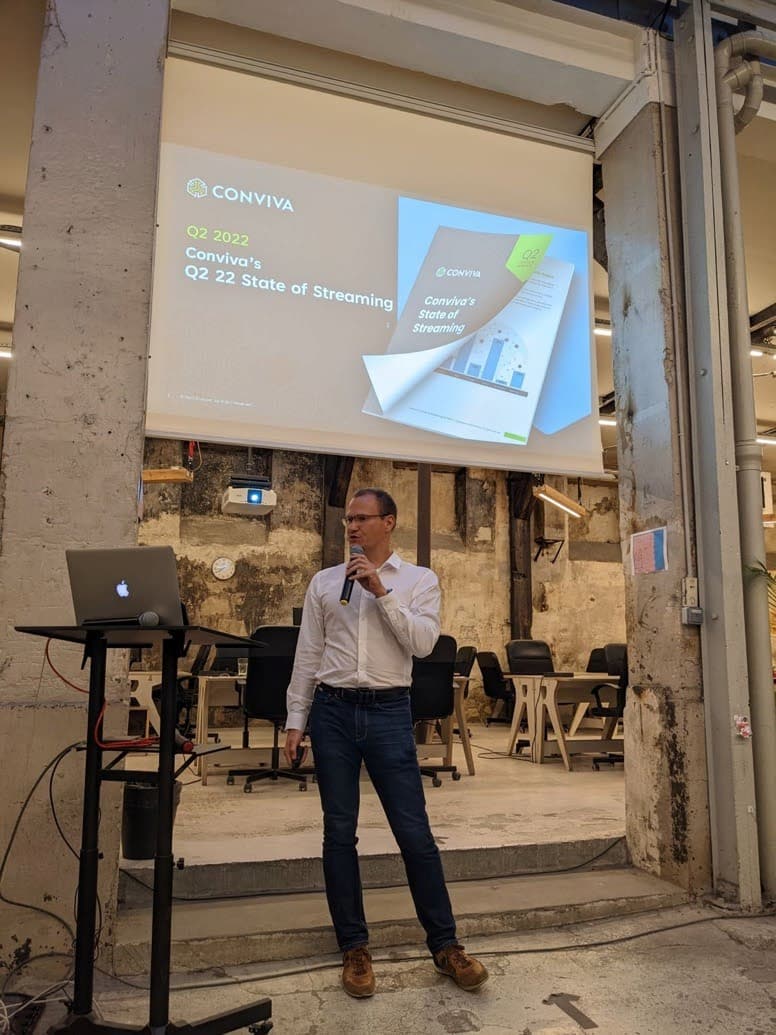
After that, I joined Conviva, a US-based SaaS video analytics company. It was a great way to understand OTT, connected TV, set-top-box environments — the streaming world of media. It also brought me back into conversations with telcos, broadcasters, and OTT platforms across EMEA.
Joining Signiant: the supply side of the chain
— Where are you now, and what do you do there?
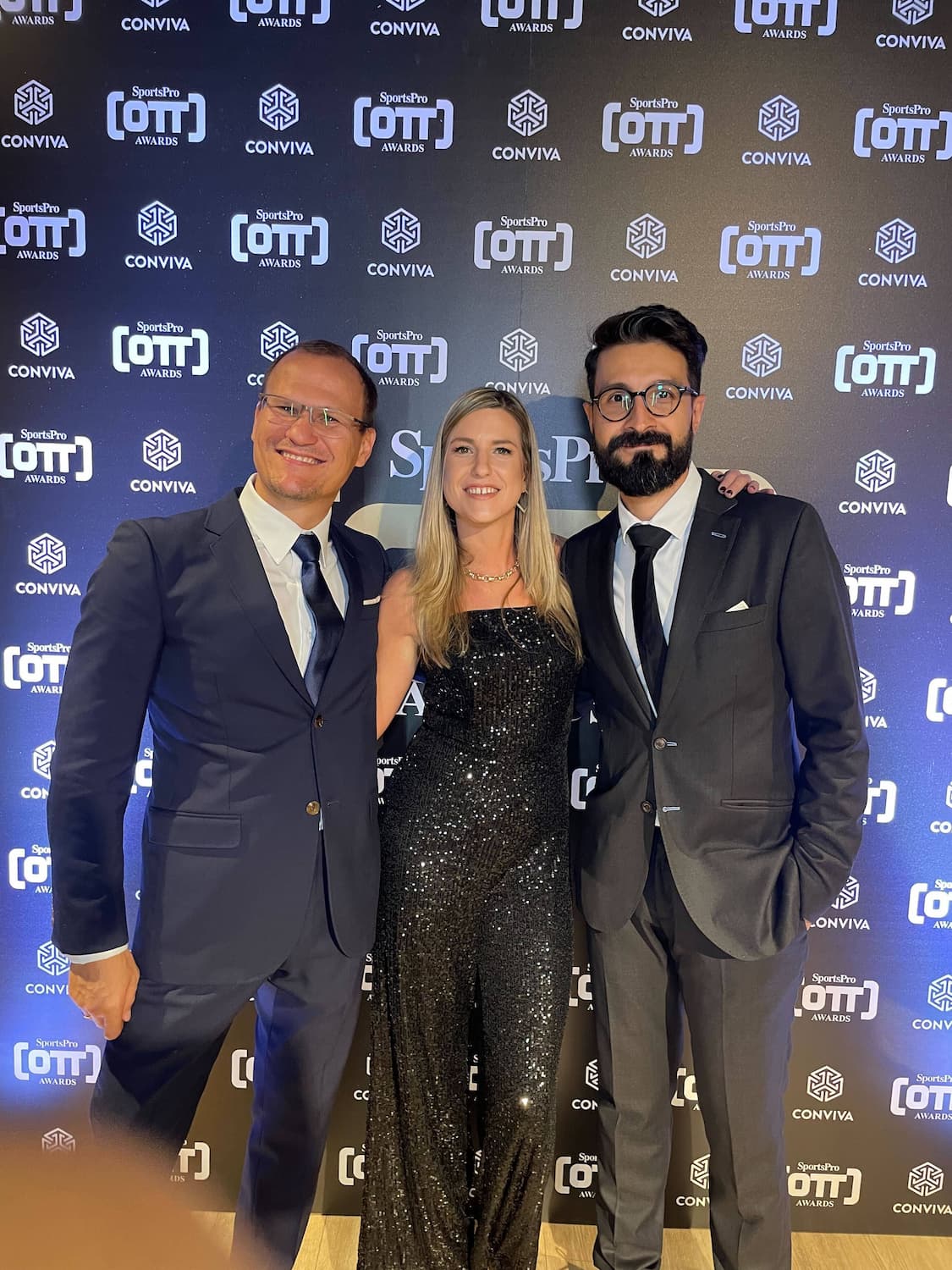
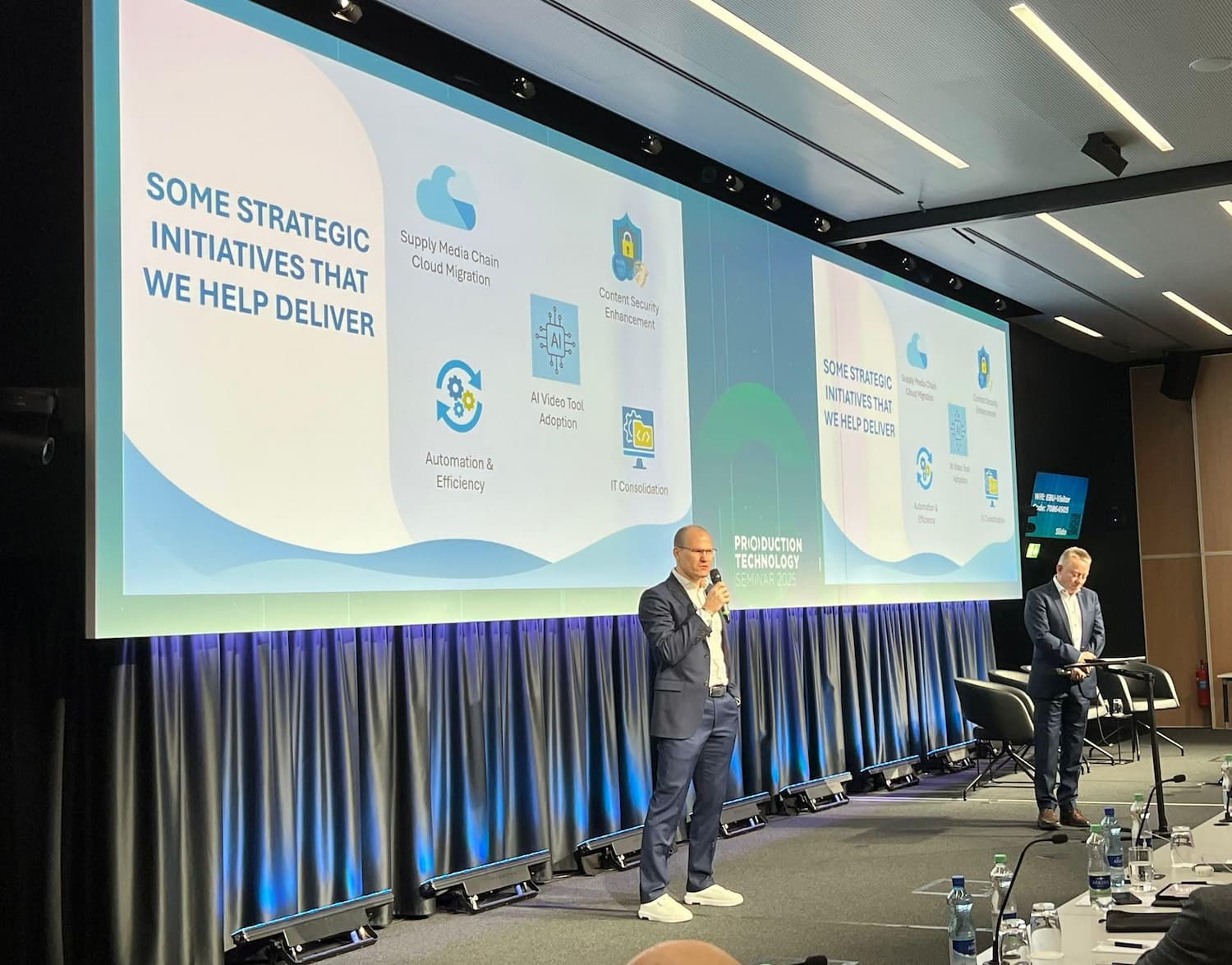
In September 2023, I joined Signiant — another US company — as Strategic Account Director for EMEA. Signiant is an accelerated file transfer business, and I found it interesting because the customer base is deeply rooted in broadcasters and content production. It’s still SaaS, still subscription-driven, and it kept pushing my skills in selling services directly to media companies.
I’ve been there for two years now, and we’ve been doing solid work expanding the business across the region.
Completing the end-to-end perspective
— What new part of the media workflow did Signiant expose you to?
It gave me much more visibility into the upstream part of the content value chain. From ingest — whether it’s programmes, news, or sports — through the transformation cycle: subtitling, dubbing, transcoding… and then delivery to platforms for audiences to consume.
At Conviva, I knew the downstream side: how audiences watch, quality of experience, user analytics, where and when viewing happens, and how video quality impacts retention/churn and viewing habits. But I didn’t know the “before” as well. Now I’m learning a lot more about the supply chain: media asset management, orchestration, production, post-production — the operational layer that makes distribution possible.
— So, if you zoom out, what’s the full arc you can now see?
It’s almost a glass-to-glass view of media: from content captured by a camera to content distributed on a screen — and what happens in between.
Roots in Réunion
— When and where were you born?
I was born in Réunion Island, a small island in the Indian Ocean near Madagascar and Mauritius. It’s an overseas French department, so I’m French, but I grew up in a tropical environment that feels very different from Europe.
Réunion is called “Réunion” because it’s a meeting point of many communities and histories. Over time, the island became a crossroads on colonial and commercial routes, which created a strong mix of cultures. That shaped my childhood: different celebrations, different religions, different cuisines, and a very “open-world” sense of everyday life at school and in the community.
— What did your parents do, and how did your family come to the island?
Honestly, I don’t have a clear, documented family story. My mother, my grandfather, and earlier generations were already living in Réunion. I later heard that our family name may connect to Brittany in France, possibly linked to a captain or navigator, so it’s likely someone settled there many years ago, but I can’t say more with certainty.
What I do know is that I grew up with my mom and my older sister. My mother didn’t have a stable job; she did cleaning work in schools and in people’s homes to support us. It was a humble upbringing, very modest, but it gave me a strong foundation.
Language and school on Réunion
— In Réunion, did you attend a French school or an international school?
There wasn’t an international school in Réunion — at least not that I remember at the time. It was a local public school in France.
At home and with friends, we also spoke Creole, a local dialect. You could describe it as a form of French shaped historically by people from different backgrounds, with words and structures influenced by multiple languages. The balance was Creole in everyday life and standard French at school. Réunion is a French department, and I have a French passport, so the system was fully French.
First memories
— What is your earliest memory from childhood?
What comes to mind first is that sense of life being a journey — and my journey started on an island, at a moment when the world was changing. I remember the feeling that an “old life” can break, and something new begins — even before you fully understand what it means.
— You left Réunion at 13. What was life like before that move?
There’s definitely a “before Metropolitan France” and an “after Metropolitan France.” Before we left, it was a very modest upbringing. We didn’t have the economic means to do much, and I didn’t really travel outside the island until we left.
It was a simple life with my mother and my sister. Not glamorous, not “rosy,” and there were real financial limits — no holidays, no flights, no extra opportunities. But it built my character and resilience.
Health, interests, and early passions
— What were you into back then — sports, hobbies, things that shaped you?
I wasn’t very sporty at that time because I had a heart condition. I don’t know the exact medical term in English, but it affected what I could do physically.
I was very interested in martial arts — I found them fascinating — but we didn’t have the money to pay for classes. I read a lot, especially comics, and Marvel was a big part of that. It gave me a place for imagination, and honestly, even today, I’m still a massive Marvel fan. I think it comes from those years.
— You often mention culture. What did culture look like at home?
Food was central — and it still is for me. Réunion has incredible diversity, and that shows up in what families cook and how people gather. My mother cooked a mix influenced by different communities — you could feel Chinese, African, Indian influences, things like samosas — a wide variety.
Floris Molijn: From Dutch Live Production to Leading Oranda in Asia
It wasn’t just about eating. Food was how people spent time together, how they communicated, how they bonded. That’s one of my strongest memories of that environment.
“Promised land” mindset
— Did you grow up with the idea that France was the place where life becomes easier?
Yes, in a way. When you live on an island, everything arrives later: a movie comes months after, almost everything is imported, and that makes life more expensive. So, you develop this relationship with the “mother nation” where you’re always looking upward, aspiring.
There was a feeling that in France you would have more possibilities — more access, more options, a clearer path to success. That idea shaped how we saw the future.
 Social lines, neighborhoods, and “expat France.”
— How were relationships between French kids and local kids? Did communities mix?
I was part of the community on the island, but you could still notice differences. Many “French from mainland France” were effectively expatriates — their parents might have been teachers or professors posted there for work. Without judging it, there was often a social class gap.
I lived in a very working-class neighborhood — a place that today is known for being “hot,” with riots and some crime. Back then, growing up there meant you learned quickly how to handle a tough environment. Kids often had a lot of freedom, sometimes too much, and they’d do their own thing. But if you were from there, part of that community, you could still grow up okay — you understood the rules of the street and of the neighborhood.
Childhood fragility and small joys
— What were you like back then on Réunion — confident, strong?
Honestly, I was quite frail and not very confident at that time. I had to deal with some bullying at school, and I wasn’t strong enough to defend myself then. It wasn’t the easiest period.
You Either Stay, or You Go: The Director Behind Saudi Football’s Global Rise
I had a few friends, and overall, I was still happy, because we learned to find joy in simple moments: sharing food with friends, small outings, and whatever you could enjoy at home or with family. It was very simple, but it was real.
— When you compare your childhood to how kids live today, what stands out?
The gap is huge. I look at my daughters today, and the life they live is completely different. Back then, it was black-and-white TV until we eventually got a colour one. Books and comics were something you found here and there, often through the library.
Game consoles didn’t really exist in our world, or at least not for us. It was playing with friends, going to school, walking a lot, and visiting places by bus. My mother didn’t have a car, so we never drove around.
— What did “freedom” look like when you couldn’t travel and didn’t have much?
Your world is limited to what the island offers and how far you can walk or go by bus. There’s no train, and we didn’t fly outside. So, you learn to find happiness in simple moments — and when you have the people who matter around you, that’s what counts.
Réunion itself is a beautiful place: the weather, the food, the scenery — beach and mountains, because it’s a volcanic island. It really is a great place to visit.
— Where did you go to school?
I started school on Réunion. Then, when I was 13, my mom, my sister, and I relocated to the south of France, close to Montpellier, near the Mediterranean coast.
We moved because my mom met someone and we tried to start a new life in mainland France. Coming from a remote island with limited industry and production, where the economy is largely driven by sugarcane, tourism, and things like vanilla, moving to France felt like stepping into a completely different scale of opportunity and reality.
France felt like “Eldorado”
— When you arrived in France, what changed for you?
Coming to mainland France felt a bit like an Eldorado. It was a real transformation journey for me — new scale, new opportunities, a different rhythm of life. After the move, I continued my education in different places, including Toulouse and Orléans.
I went on to do two master’s degrees, focused on sport and sports business administration. I had always been interested in sports, and I became fascinated by how sport and marketing connect — especially sponsorship. That’s how my career path started, and it’s also what gradually brought me into the broader world of media.
— You arrived in France as a teenager. How was school adaptation?
It was tough at first. The first big shock was discovering cold and winter. I grew up in flip-flops and shorts — that was basically my entire youth. Then we arrived in a small mountain town of around 30,000 people, and it was freezing. I had to learn the four seasons, especially winter.
There was also a cultural gap. I had to explain that I wasn’t living “naked on an island picking coconuts,” that I went to school, and I was educated. Some kids could be judgmental, and I had to overcome that.
— What else surprised you in France, beyond the weather?
I saw social class differences more clearly than I ever had before — and how much importance kids can place on what you wear: brands, shoes, clothes, as early status markers.
When you come from a modest upbringing, you quickly realise that education is your way out.
Discipline first: school, focus, and rebuilding confidence
— What helped you stay on track after the move to France?
My mother was always very strict about one thing: grades. She made sure we worked, stayed focused, and did what we needed to do at school. So, my life became quite structured: study, a small circle of friends, and step by step, trying to build myself up.
At the same time, I started practising sports and gradually overcame my heart and health limitations. That shift was important — it helped me become more confident, more active, and more focused on education as the way to shape my future.
 — What sport did you take up in France?
I started at 16. The local municipality had subsidies to help fund sports classes, so I finally had access. Because I’d always loved martial arts, I tried taekwondo, and it helped cover the first year.
I loved it. I trained a lot, tried some competitions, and it became a real channel for building discipline, self-confidence, and stronger health. Competition also gave me a fighting spirit — in the positive sense: resilience, focus, pushing through pressure.
The reality: learning marketing from zero
— Did you already understand marketing and sponsorship when you chose it?
Not at all. In hindsight, I knew nothing about marketing, sales, or sponsorship at that stage. My initial sports curriculum was very broad — it covered a bit of everything: sociology, biology, chemistry, plus practising sport. It gave me a foundation, but the “business” side was something I had to discover and learn progressively.
— What did you actually study at university before specialising?
For the first three or four years, it was basically a “sports university” track — quite generic. You cover a bit of everything connected to sport: psychology, sociology, biomechanics, physics, and other related disciplines.
Then, in the fourth and fifth years, you start to specialise. As I moved forward, I realised the area that appealed to me most was sponsorship and marketing — using sport as a conduit to promote brands, values, and engagement with audiences.
A fifth-year master’s: the diploma, not the ecosystem
— How did you end up specialising in sports marketing?
I completed the first four years with good grades and a strong thesis, and that helped me get accepted into a fifth-year master’s specialising in sports marketing in Orléans, south of Paris. It was a public university — free to enter — and realistically, it was the best option available to me.
But if I’m honest, the programme wasn’t strong. The fundamentals of marketing and sports business were often taught by former PE teachers, so the depth wasn’t there. It gave me the stamp — the diploma — and a way of thinking, but practical exposure to companies and the real business world was limited.
Why sports marketing?
— You later chose sports marketing for your master’s. Why that direction?
Honestly, it was almost a “non-choice.” When you look back, you realise how much your upbringing shapes what you think is possible. In my case, I came from a very modest background. My mother didn’t graduate in a specific field, and my stepfather was a gardener. There wasn’t the typical guidance you sometimes get — “be a doctor,” “be a lawyer,” “be an engineer like your parents.”
— What was your decision-making logic at that time: passion first, or practical career thinking?
I had to build my own path as life went on, and I followed what I liked. I loved sports. I was doing taekwondo, playing football, rollerblading — I enjoyed being active, and I was proud that I had overcome my health limitations enough to become reasonably good at it.
When I went to university in Toulouse, I wanted to stay close to sport, but I didn’t want to become a PE teacher, and I didn’t see myself doing sports research — biomechanics, lab work, that kind of path. Sports business and sponsorship looked like the most interesting option.
 From a student room to a real flat
— What did “stability” look like for you at that moment?
It meant finding a proper place to live. I couldn’t stay in student accommodation — once you graduate, you’re out. So I had to be creative and convincing to rent a flat without having two or three months of rent sitting in advance.
I got help through some social circumstances and found a place close to work. Then I started from zero: my first furniture was just the minimum — a bed, a wardrobe — and I built from there, month after month. It was hard, but it also felt like an adventure.
Life after the degree
— After the master’s, how did you live — where did you stay, and what job did you do?
At that time, I was essentially a sales assistant trying to find sponsors, but in reality, it was a bit of everything. It was a small organisation — maybe 10 to 15 people — so you don’t have the luxury of a single job description. You do what needs to be done.
— What kind of organisation was it, and how did you make ends meet?
It was an association supported by public subsidies and company funding, with a mission to show the power of sport as a social tool — helping people facing disability, economic hardship, or broader societal challenges. In practical terms, I was still living on government support, and I worked some shifts in fast food on the side to cover bills. I had to be self-sustaining from the moment I left for university at 18, so there wasn’t a safety net.
Studying without privilege
— What kind of education did you have — private, elite, or standard public track?
Nothing fancy. It was public education, supported by government funding, and it required a lot of personal discipline. Every summer, I worked to earn money for the next year’s student accommodation and food — and repeated that cycle year after year.
I graduated after my fifth year at master’s level in Orléans with a degree in sports business. Then I moved to Paris for my first internship when I was around 24 or 25, which is fairly late. That’s when professional life really started for me.
First real internship: Paris and a social mission
— When did you first feel the “real world” of work?
Only after about four and a half years at university. That’s when I found a six-month internship in Paris. I was still living in student accommodation subsidised by the government, and I commuted into the city for the internship.
It was a small association using sport as a platform for social programmes and sustainability. They supported initiatives across France: disability programmes, integration in rough neighbourhoods, back-to-work projects — very socially driven work.
 Hands-on sponsorship: learning by doing
— What was your role there?
They ran a couple of events, including a forum where companies and local clubs presented their initiatives. They needed support with event organisation, and they also needed someone to work on sponsorship — finding sponsors and partners for the event.
That’s where I really got my first hands-on experience in sports sponsorship. It wasn’t theory anymore — it was outreach, proposals, relationship-building, and trying to make the event financially viable.
The first real salary
— What changed when the internship ended?
I was extremely lucky: the managing director offered me a real job with a real salary. It was emotional, because I genuinely didn’t know what I would do otherwise — whether I’d have to go back to my family, or how I would stay in Paris without savings. My bank account was basically government support and then zero. No buffer.
That kind of reality shrinks your horizon. You don’t plan in years — you plan month to month. So when he offered me the job one or two months before the internship ended, it was the turning point.
Discovering the industry through writing
— How did you move from that role into “real” sports sponsorship and marketing?
I loved the job and stayed there for two years, but I still wanted to get closer to sponsorship at a higher level. I joined an online community blog where I translated articles from SportBusiness in the UK into French. My English was decent, and the value I brought was translating US and UK sport-economics and sponsorship news for a French audience.
That opened doors. It helped me connect with professionals in the sports business world, and it made me visible beyond my day job.
A new step: Sport Market
— How did your next opportunity happen?
At some point, I reached out to someone on the newsletter list — the founder of a young agency called Sport Market. I found a government programme that could fund him to take me on for six months as part of a reconversion scheme, and we made it happen.
I was thrilled because he came from Publicis and had worked on major campaigns with the French national football team for brands like McDonald’s and Mars — real sponsorship work with big names. He told me, “I can take you, but it’s just me. You’ll be my first employee.” And that’s how the next chapter started.
First client, first salary
— What was your breakthrough moment?
After six months, I landed our first client — a brand-new prospect I found myself, not someone my boss already knew. And he told me: “Okay, I’m hiring you. We now have a client who can pay your salary.” That was the real start.
— How did the agency scale once that first client landed?
From there, over five years, we grew the agency from just the two of us to a team of ten. I brought in a lot of well-known brands — Toyota, the Paris region transportation network involved in rugby, Cadbury, Schweppes, and others — largely through hard, cold prospecting. Phone calls, outreach, convincing brands that sponsorship could work for them, or that they weren’t activating their existing rights to their full potential.
Building an agency from zero
— What did the Sport Market founder tell you on day one?
He basically said, “We can try to grow this together. But you have six months to prove yourself. If you want to do sponsorship, you’ll have to find sponsors first.” In other words, there was no ready-made employee programme I could “walk into.” If we didn’t have clients, we couldn’t do consultancy. So, I was pushed into sales immediately.
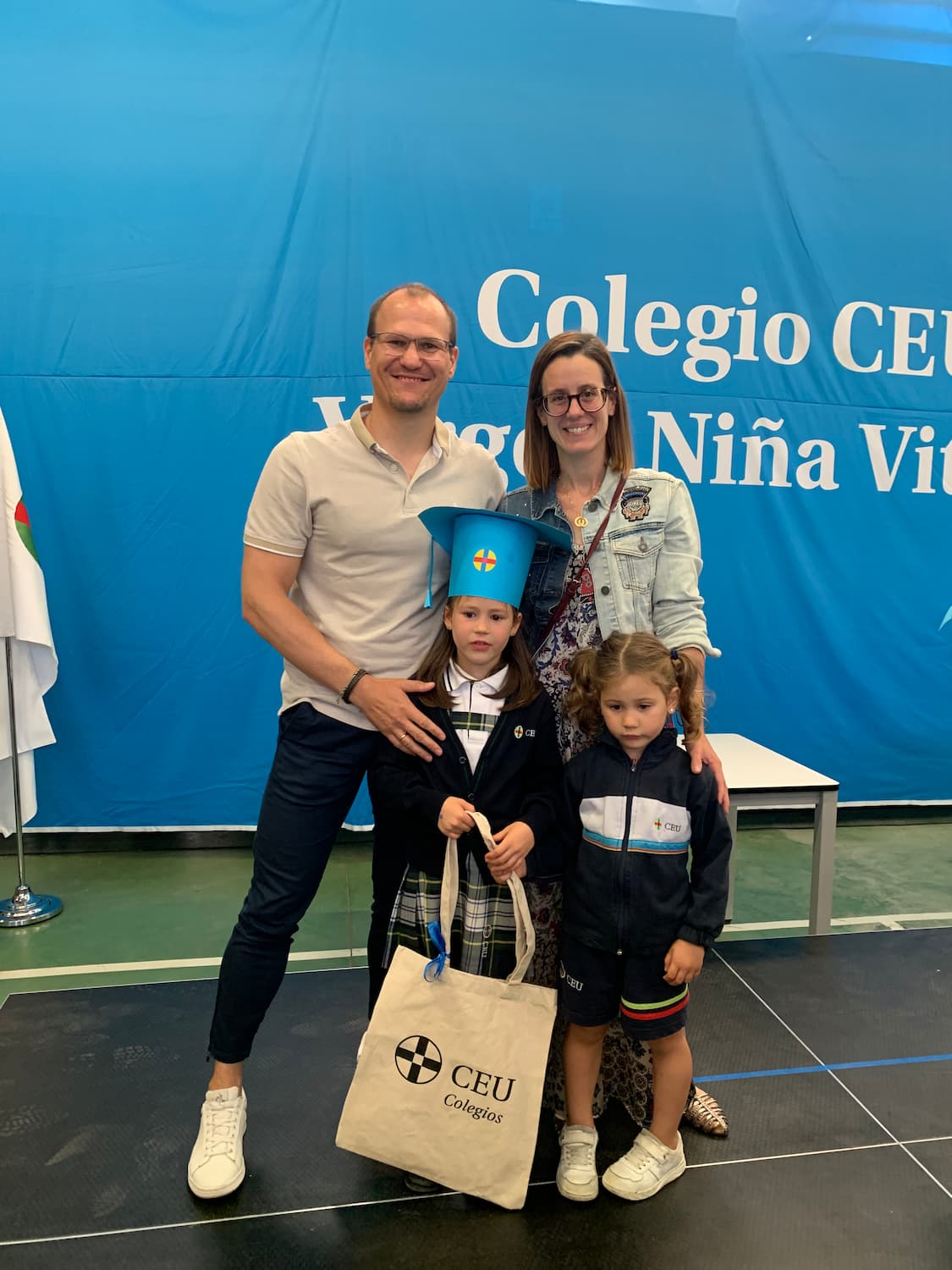 — What did “six months to prove yourself” look like in practice?
It meant learning fast and delivering fast. I used everything I was reading in English from UK and US industry publications to understand how sponsorship works: why companies invest, what the benefits are, and how to structure proposals. At the same time, the founder brought knowledge from the advertising agency consulting world. I combined those two inputs — what I was studying and what he was teaching from experience — and turned that into a practical approach.
Personal life
— When you met your wife, what did she do professionally?
She was an event marketing manager. She worked in London for a company that organised events for CMOs, marketing teams, and advertising agencies — conferences focused on campaigns, ad tech, and brand activity. They also had a publication and ran events in the UK and internationally, bringing agencies and brands together.
— How did you meet her — and how did Singapore connect to that?
Through Perform, I was invited to speak about data and analytics in Rome at a conference her company organised. I went because the Perform team knew I liked sharing stories and presenting — and that trip became the starting point of how we met.
From a Rome stage to a London relationship
— How did that conference in Rome turn into a personal connection?
Perform encouraged me to go because the event made sense for my world: marketing, sponsorship, brand activation, and how data can help tell stories. In the end, storytelling works for media, but it also works for brands. I went, shared my case studies, and we met at one of the after-parties — it was an evening sponsored by Spotify.
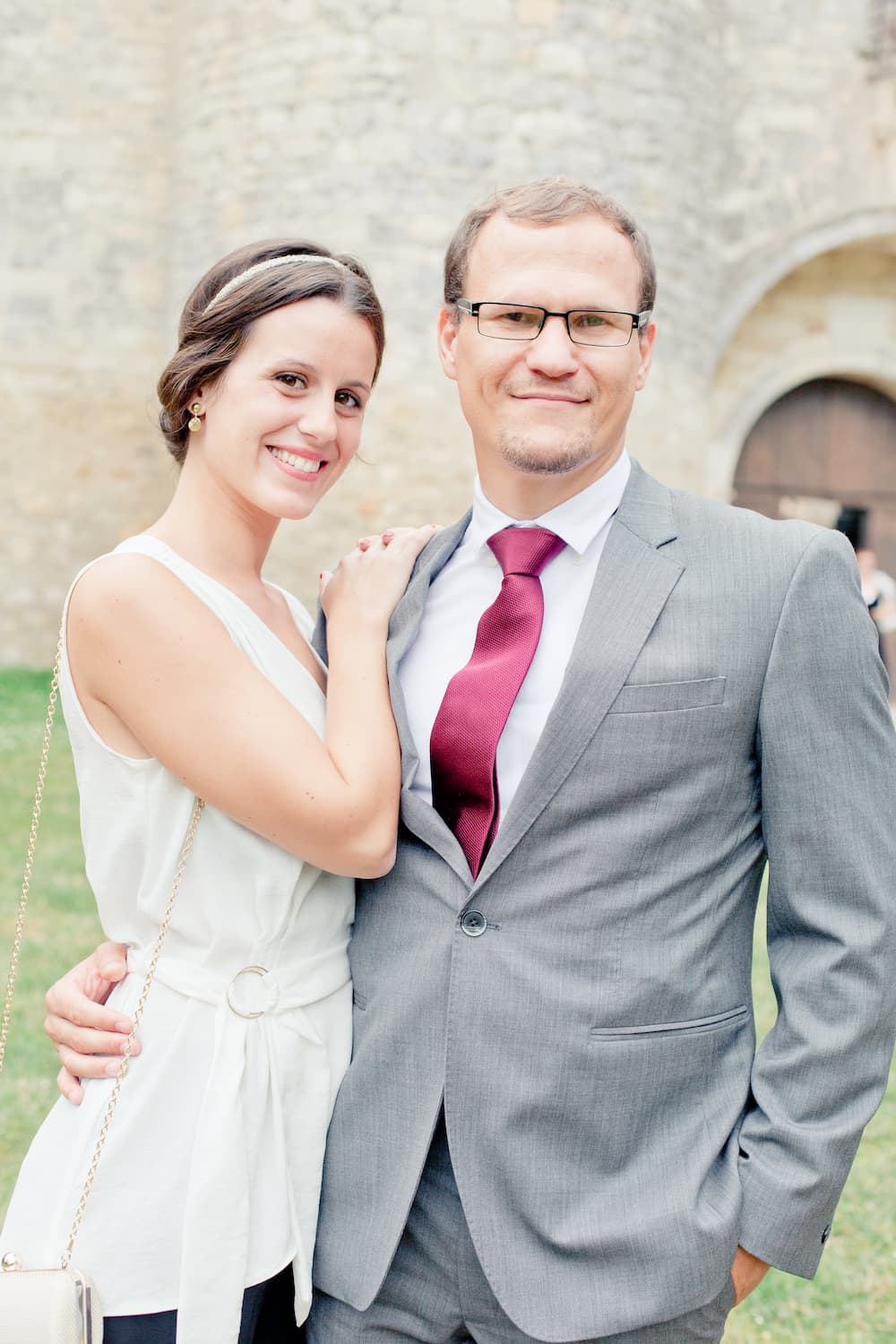 We first connected in a professional way. Then I found out she lived in London, and we reconnected there. That’s how the relationship started.
The Singapore question
— When did you ask her to move with you to Singapore?
I told her I was going to Singapore, and we both had that feeling of: “Okay, let’s see where this goes.” A couple of weeks before I was due to leave, I asked: “Would you like to join me?” She thought about it and then said yes.
I moved first, and she followed a bit later. And here we are — twelve years later.
Serendipity as a life pattern
— How do you explain that kind of life arc — so many jumps, so many pivots?
It’s crazy, but serendipity has played a big role in my life. I try not to overthink everything. I try to take opportunities as they come — sometimes open-heartedly, sometimes with resistance.
From Bahrain to Building Media Cities: The Journey of Yusuf Mohammed Buti
For example, I didn’t really want to move back to Spain at first. Singapore can feel like a bubble — almost like an expat Disneyland — easy life, low tax, very convenient. It’s not always straightforward to give that up and return to “normal Europe.” But when you have young kids, and you want to be closer to parents and family, your priorities shift. And now I’m glad we moved back. I genuinely believe things happen for a reason — that’s part of my philosophy.
Staying sharp: learning as a habit
— What do you do to keep evolving professionally?
I try to challenge myself and not get too comfortable. About five years ago, I started pursuing a certification in revenue architecture. I looked for a top-tier sales training organisation for SaaS businesses and found Winning by Design — a San Francisco-based company.
I followed their content, then took the programme, and became a certified revenue architect. More recently, I joined the Growth Institute — a community of go-to-market professionals focused on where SaaS is heading, including AI-driven sales. You can’t always stay ahead, but you can try.
Family now
— How old are your children?
They’re four and six — almost seven. They’re still very young.
— What languages do they speak?
Spanish and French, a bit of English, and they’re learning Basque.
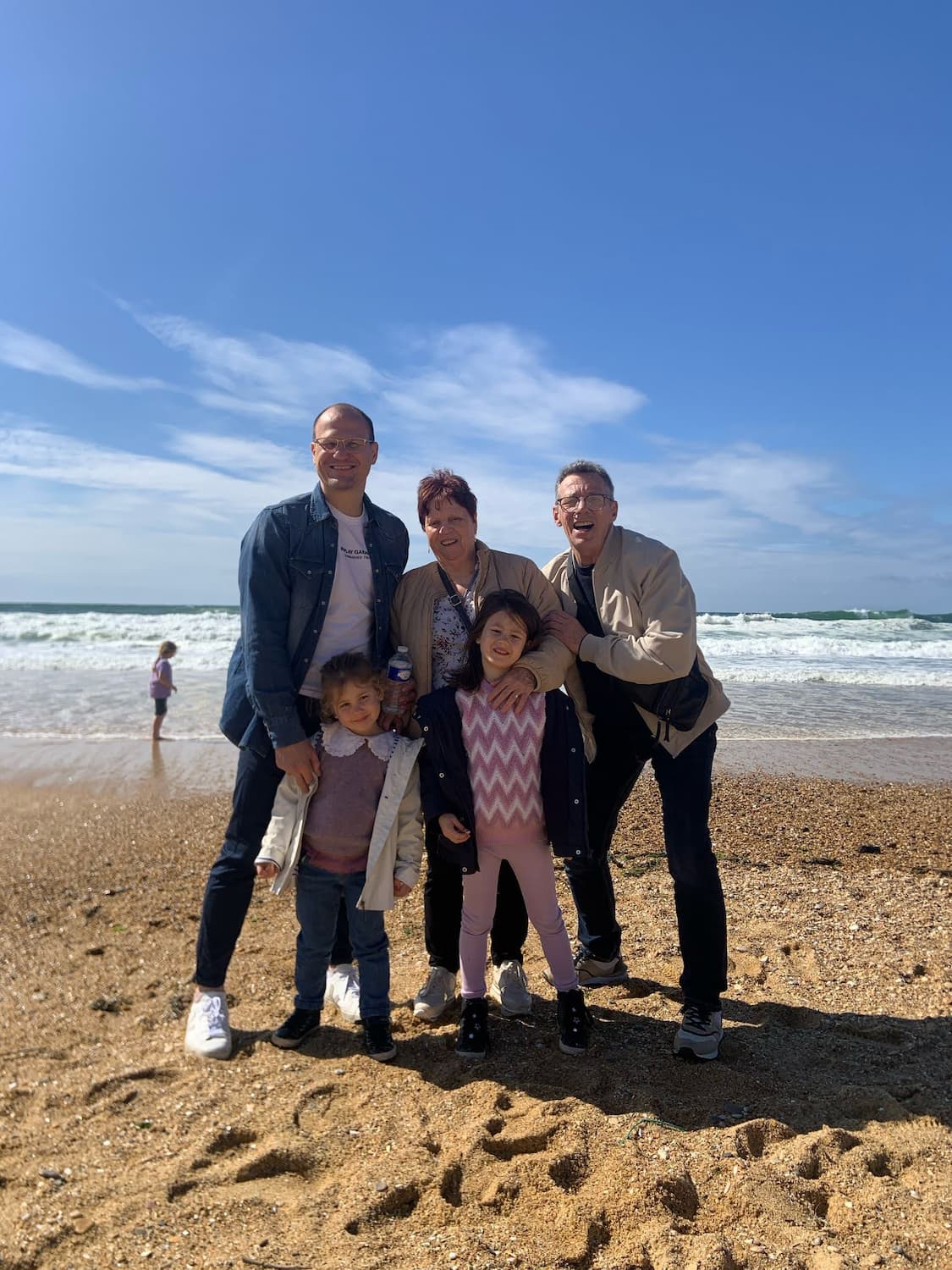 Dreams: family and career
— What is your dream now — personally and professionally?
I’d split it into two parts. Personally, it’s about building and protecting a healthy family, and giving my daughters the best possible “tools” to face life. I’m especially focused on the world they’re going to step into — a disrupted world shaped by AI and the transformation it will bring to jobs and education.
The challenge is that we don’t even know what that world will look like by the time they get there. So as a father, my dream is to be present, to guide them, and to learn alongside them — because there’s no blueprint.
— And professionally, what are you aiming for next?
After five years back in Europe in an individual contributor role — selling, managing accounts, handling client relationships, and pursuing new business — I want to move back into sales leadership. I want to lead a team, build a team, and help a company grow through that next phase.
That’s exactly why I’ve invested in training and certification around revenue architecture. It’s preparation for stepping back into a management role where I can scale impact through people, not only through my own deals
A career milestone and a defining chapter
— After nearly 25 years in the industry, what do you see as your main professional achievement?
It’s interesting — I still hear this a lot from people around me — but the Opta Sports era stands out as the defining chapter. A small UK company with a clear vision: that data and analytics would become the future of sports, and that you could scale that vision across Europe and beyond.
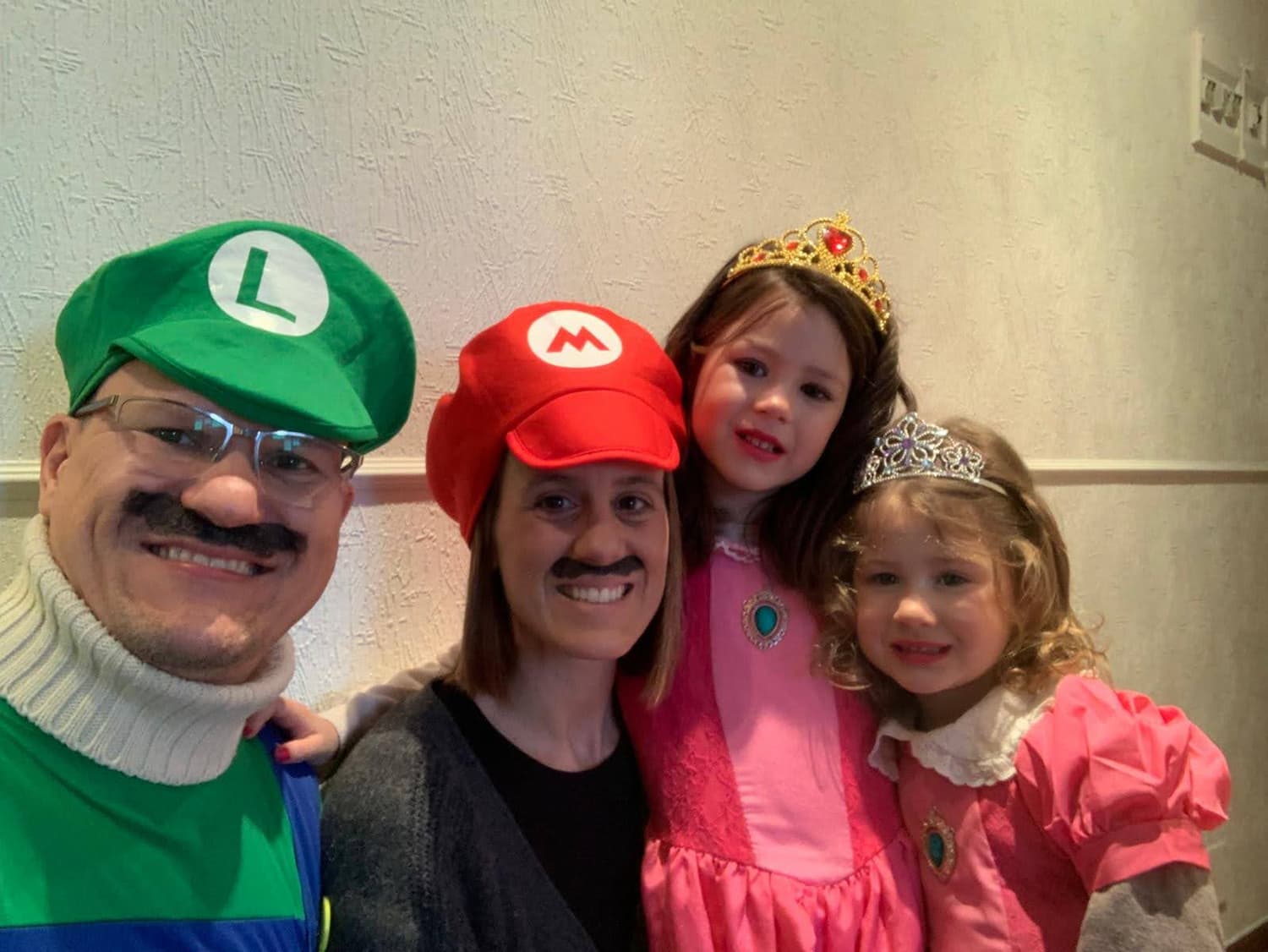
What made it special was the combination of the founder’s vision — often influenced by the US, where sports statistics are deeply ingrained — and the reality of execution. You had to believe, take that torch, and go market by market, convincing people that sport would be covered and understood differently in the future.