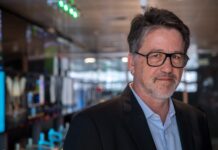
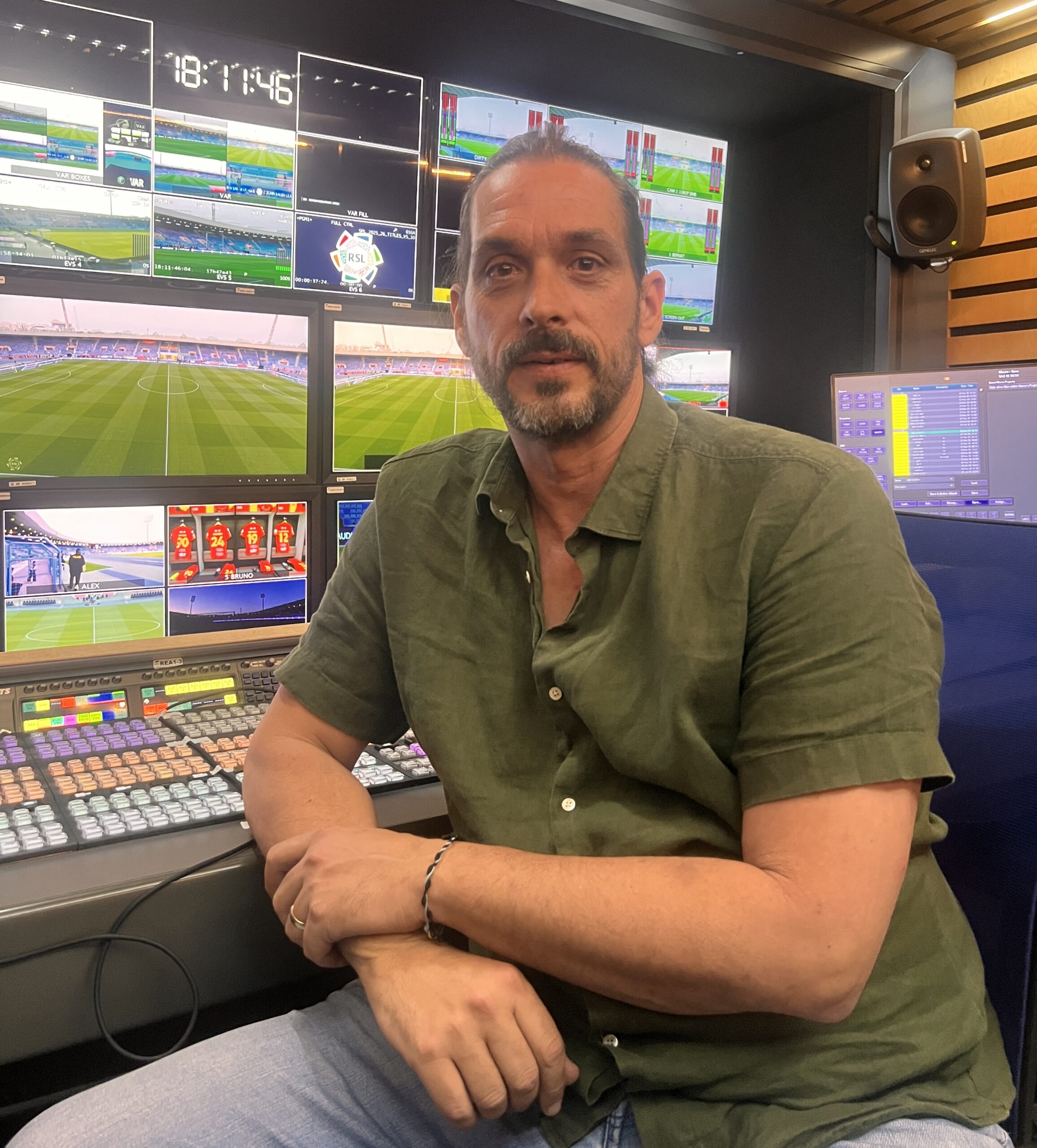
Interview with Marco Açafrão, Live Sports Television Director, Founder at M&A Productions.
The Night Everything Changed
The call came late. He had just directed his first match in Saudi Arabia under a special arrangement — six games per month outside the system he had helped build in Qatar. Within hours, the message reached senior management.
The choice was immediate. No negotiation.
Stay — or leave.
At the time, he had a stable salary, three children, and a secure position inside one of the most structured sports production environments in the Gulf. Walking away meant uncertainty. Freelancing again. Risk.
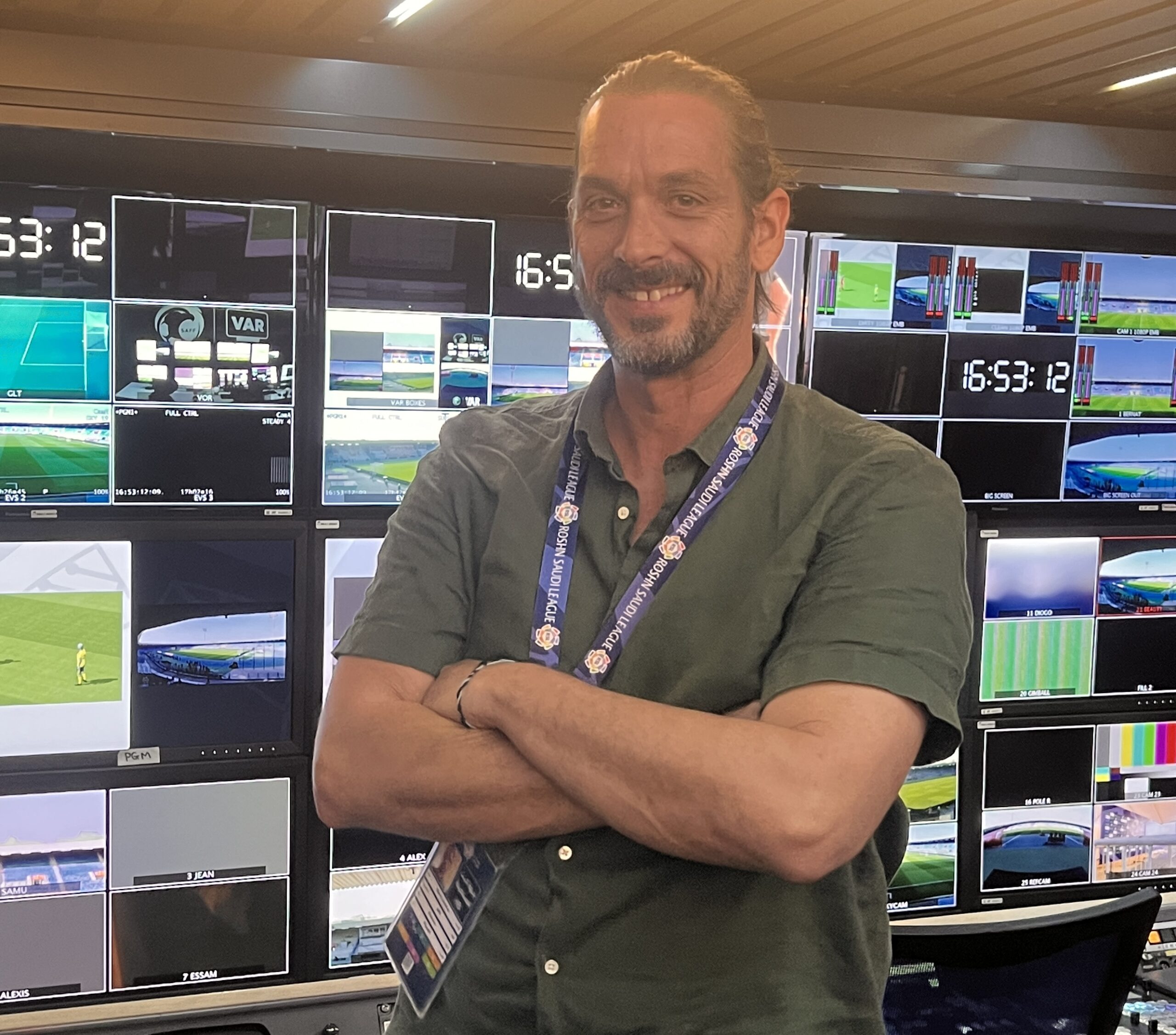
Today, he directs in a league seen in 180 countries.
That decision changed everything.
“You either stay, or you go.”
The Rise of a League
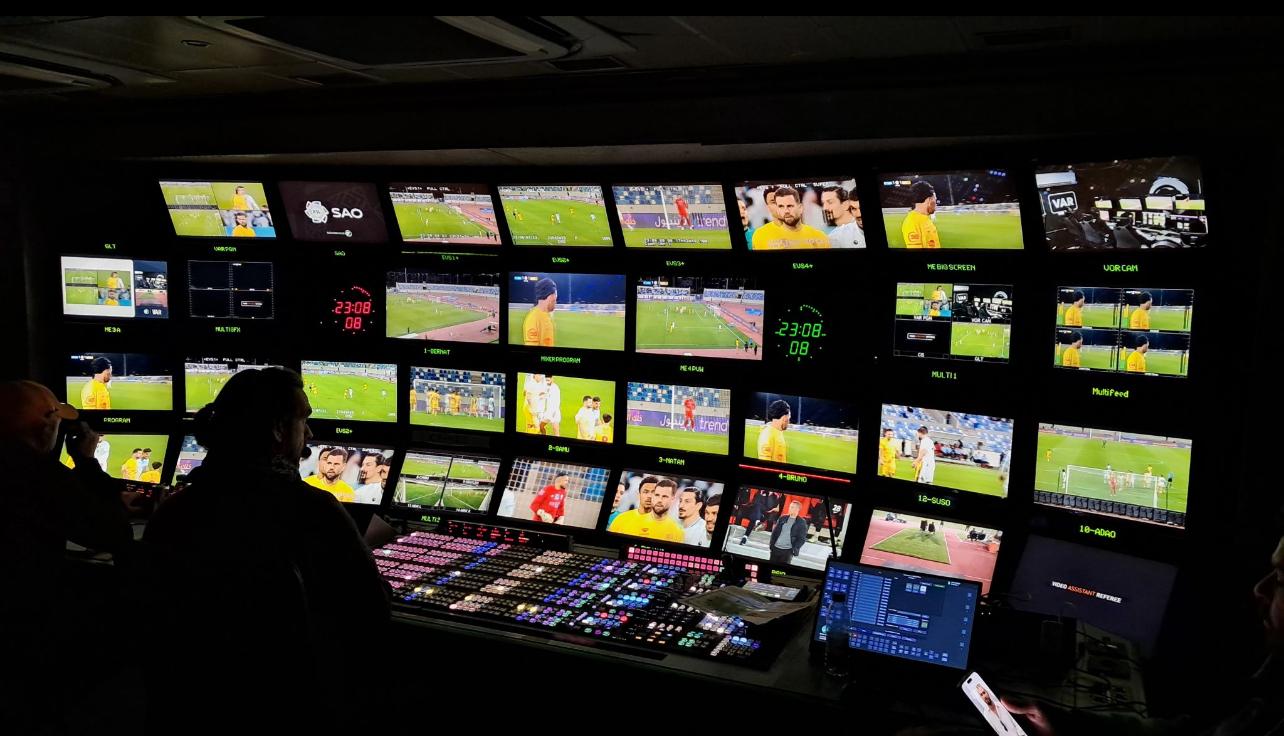
Saudi football is no longer a regional product. It has become a global broadcast operation, attracting elite directors, international crews, and worldwide distribution.
For Marco Açafrão, this was not just a career move. It was a test. A chance to measure himself against World Cup and European Championship directors. A step into a system where standards were higher, pressure was greater, and visibility was global.
But long before Saudi Arabia, there was Madeira.
The Turning Point in Saudi Arabia
– What triggered the final decision?
I received a call from Saudi Arabia asking if I could direct one match. I spoke openly with my manager in Qatar. I told him I wanted to see what was happening outside our system. I believed it would make me a stronger director.
After that first match, I received a call from the head of directors in Saudi Arabia. They appreciated my work and asked me to return the following week for two more matches. I went back to my manager again. He offered a compromise — six matches per month in Saudi Arabia while remaining with Alkass. It was the perfect arrangement.
The Decisive Call
– What happened next?
On the night of my first Saudi match under that new arrangement, I received a call. Someone had informed senior management that one of their directors was working in Saudi Arabia. The reaction was firm. I was given a choice: stay, or go. And in that moment, I had to decide the next chapter of my career.
The Decision
– What happened after they told you, “You either stay, or you go”?
They said, “We cannot do this.” I told them, “Okay. Give me some time to think.” I went back and forth for days. It was not an easy decision. But eventually, I felt that this was where I needed to be at that moment in my life. I chose to move forward. And honestly, I have no regrets. Everything since then has aligned the way it was meant to.
“You either stay, or you go.”
Risk and Responsibility
– At that time, you had a family, three children. You were leaving stability and becoming a freelancer. That is a major shift.
Yes, absolutely. I had a family. Three children. A stable monthly salary. And suddenly I was stepping into uncertainty again. But my wife was my biggest supporter. She looked at me and said, “This smile I see on your face — I have not seen it for a while. We will be fine. Go.” That push came from her. Completely.
“This smile I see on your face — I have not seen it for a while. We will be fine. Go.”
The Foundation at Home
– What was her perspective on such a radical change?
My wife is a fighter. She understands risk, but she also understands purpose. In the first year I started working in Saudi Arabia, she even received an offer to move to Riyadh herself. We decided not to change our base. I was already dramatically changing my professional life.
 I did not want to disrupt the children. They were born in Qatar. Their friends, their schools, their stability — that mattered more than anything. Home is Qatar. For my children, absolutely. And in a sense, for my wife and me as well. After so many years, it becomes part of you.
Leaving the Comfort Zone
– What changed when you started working outside Alkass?
Alkass was a perfectly oiled machine. Cameramen, EVS operators, directors — everyone knew each other’s instincts. You could walk into a match feeling completely safe. Moving to Saudi Arabia was a major shift.
“I needed to leave my comfort zone.”
The production culture was different, and the level of synchronization was not the same. It was challenging. But I needed that. I needed to leave my comfort zone and develop another skill set — building teams, shaping crews, raising standards. Today, the level is significantly higher than when I first arrived.
Alkass as Home
– Was it difficult to leave?
Very. Alkass is my home. I was there on the first day the channel launched. I helped build it. It shaped my career. After the World Cup, however, there was a noticeable transition. Many people left. The structure changed. This was not conflict-driven. It was my decision.
Global Reach
– Today, your league is broadcast in 180 countries.
Yes. One hundred fifty-seven countries worldwide. That scale changes perspective. As a cameraman, I worked under top international directors. Now I work beside them as a fellow director. That transition — from learning under them to standing next to them — is one of my proudest milestones.
Strategic Move to Saudi Arabia
– Was that part of your motivation for moving?
Yes. I knew that coming to Saudi Arabia would expose me to directors who had done World Cups and European Championships. I wanted to measure myself against that level. To test myself. To grow.
Competing at the Top Level
– You are now working alongside top international directors. What does that mean to you?
It is another challenge. I now work alongside directors I used to watch and learn from — François, Grant Phillips, and Jamie Oakford. Just yesterday, I was downstairs with Grant. He had a match in Riyadh, and so did I. Being around this caliber of people, it pushes you.
“Today I direct in a league seen in 180 countries.”
When you are surrounded by World Cup and European Championship directors, you have to raise your level. You try to show that you belong. Not that you are better than anyone — I am not better than anyone — but I am not worse either. My goal is simple: be the best version of myself. If I reach that level, I will naturally compete with the best.
Origins and Move to Lisbon
– Where were you born?
I was born in Portugal, on the island of Madeira. My parents and grandparents were also born there. My entire family comes from that small island.
– When were you born?
I was born on November 5, 1977.
– Is next year a milestone anniversary?
Yes, it will be a significant round-number milestone.
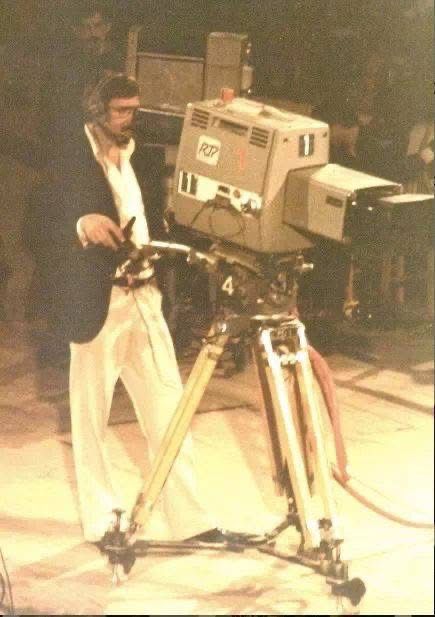
Career of His Father at Rádio e Televisão de Portugal
– Tell us about your family and your parents.
When I was four years old, we moved to Lisbon. Before that, my father completed his military service in Angola. After returning to Madeira, he began working for Rádio e Televisão de Portugal, the national public broadcasting company, at the regional station. He was later invited to join the main production center of Rádio e Televisão de Portugal in Lisbon, which led to our relocation.
– What position did your father hold?
He started his career the same way I did, as a camera operator. Over time, he advanced through the ranks and eventually became head of the news division, overseeing Electronic News Gathering crews. He led the department and was responsible for coordinating field teams and managing news production operations.
First Contact with a Camera
– If you grew up in a television family, what is your first memory connected to television?
I remember it very clearly. In addition to his work at Rádio e Televisão de Portugal, my father owned a small production company that specialized in advertising. My first hands-on experience with a camera took place in a studio, where we filmed magazine covers for promotional commercials.
From that moment, my interest continued to grow. I kept participating in small projects and gradually became more involved in different stages of the production process.
– How did your first serious professional experience begin?
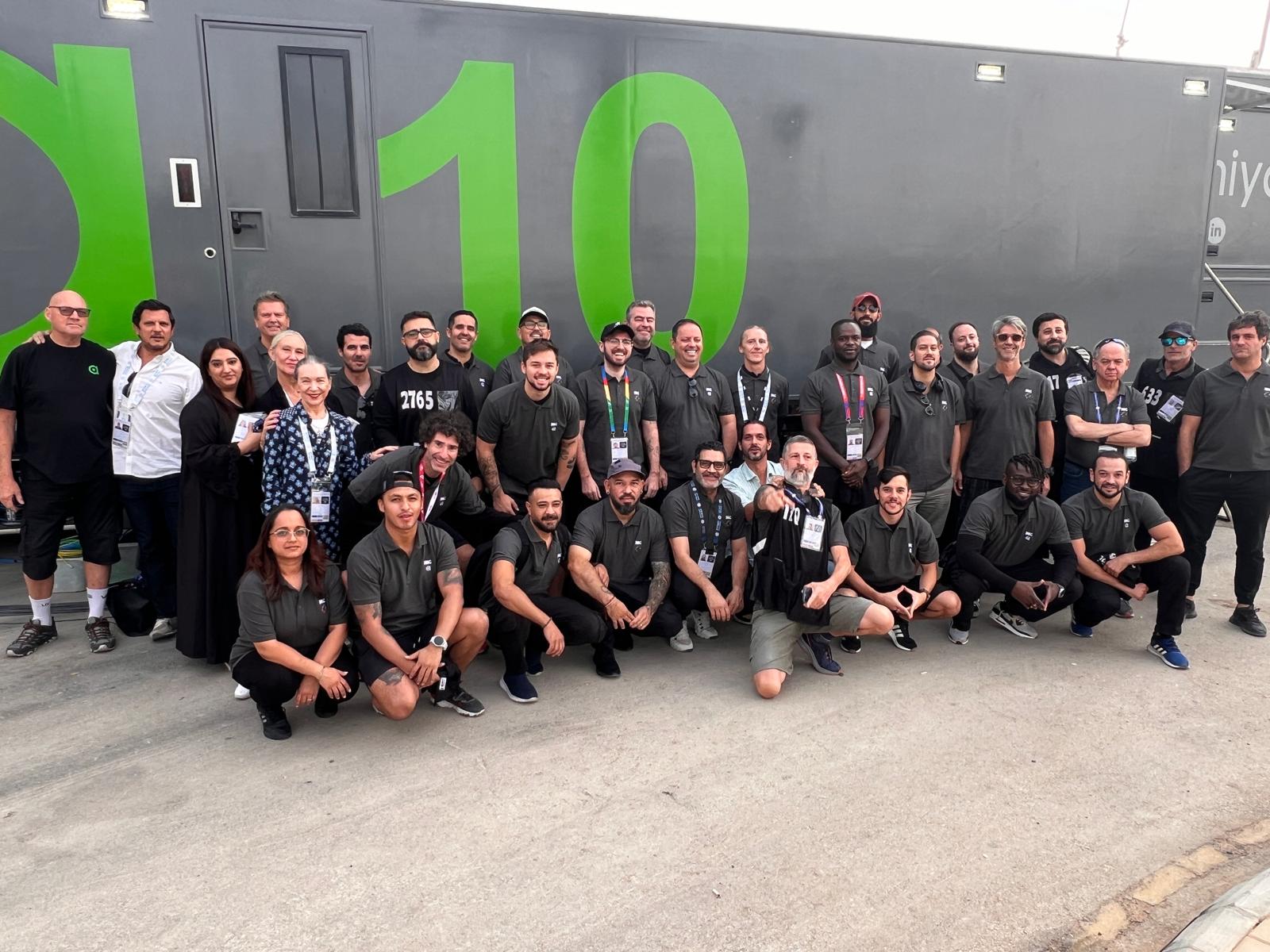
In 1998, during Expo 1998 in Lisbon, we supplied three cameras to Tele Expo. They were installed on towers around the exhibition grounds to capture wide broadcast shots. I would arrive in the morning to frame the shots and connect the equipment, then return in the evening to shut everything down.
After a few weeks, I was invited to support live reports for Rádio e Televisão de Portugal in the afternoons. That became my first consistent experience working in live television.
Independent Path and Entry into Rádio e Televisão de Portugal
– Why did you not immediately join Rádio e Televisão de Portugal?
When the opportunity came during Expo 1998 to do live reports, they told me it would not interfere with my existing responsibilities and asked if I wanted to step in. I said yes. Once the Expo ended, I made a very conscious decision not to apply to Rádio e Televisão de Portugal while my father was still there.
I simply did not want that. I have always felt that I needed to stand on my own. My last name already carried weight inside the company. I did not want anyone to think I was benefiting from being “the son of.” I wanted to earn my place on merit, not association. Only a couple of months after the expo ended, and because my father was already retired, I decided to apply.
– What happened after your father retired?
Two or three years after my father retired, Rádio e Televisão de Portugal opened vacancies for camera operators and other positions. I applied, and I was selected together with my older brother, may he rest in peace.
That moment was very meaningful for both of us. In the end, I remained with the company, while my brother chose a different path. He didn’t choose a different path; eventually, he was admitted to a private channel called TVI. That was the true beginning of my professional growth. At the time, Rádio e Televisão de Portugal was the dominant national broadcaster, and building a career there meant being part of something significant.
Early Decisions and Turning Down an Opportunity
– You were only twenty during Expo 1998. What happened next?
Yes, I was twenty years old during Expo 1998. The year before that, while my father was still working at Rádio e Televisão de Portugal, there were open positions. I could have applied. At the time, I was studying at university. My father was very clear about one thing: television could not become an excuse to abandon my education. He insisted that I continue my studies no matter what.
Balancing University and Rádio e Televisão de Portugal
– How did you manage studying and working at the same time?
Eventually, while I was still at university, I was selected to join Rádio e Televisão de Portugal. Three years into my studies, I entered the training academy at the broadcaster. After the first three months, I was officially selected as a camera operator.
That was the turning point. I switched my university program to evening classes to accommodate work. But then I was assigned to live shows at night. That meant working nights and studying nights at the same time. I would have had to switch back to morning classes again, and honestly, I just did not have the energy or the commitment to keep reshuffling everything.
– When did you sleep?
It sounds impossible, but many people manage it. Rádio e Televisão de Portugal was a full-scale broadcaster. We worked on everything: evening talk shows, live entertainment, sports, music programs, and news. The schedule varied, but the workload was real. I do not use that as an excuse.
The truth is that my focus had already shifted. I was not as committed to my academic path because my heart was fully in broadcasting. At some point, I had to be honest with myself. I left university and committed completely to television.
Law School and Family Expectations
– Where did you study?
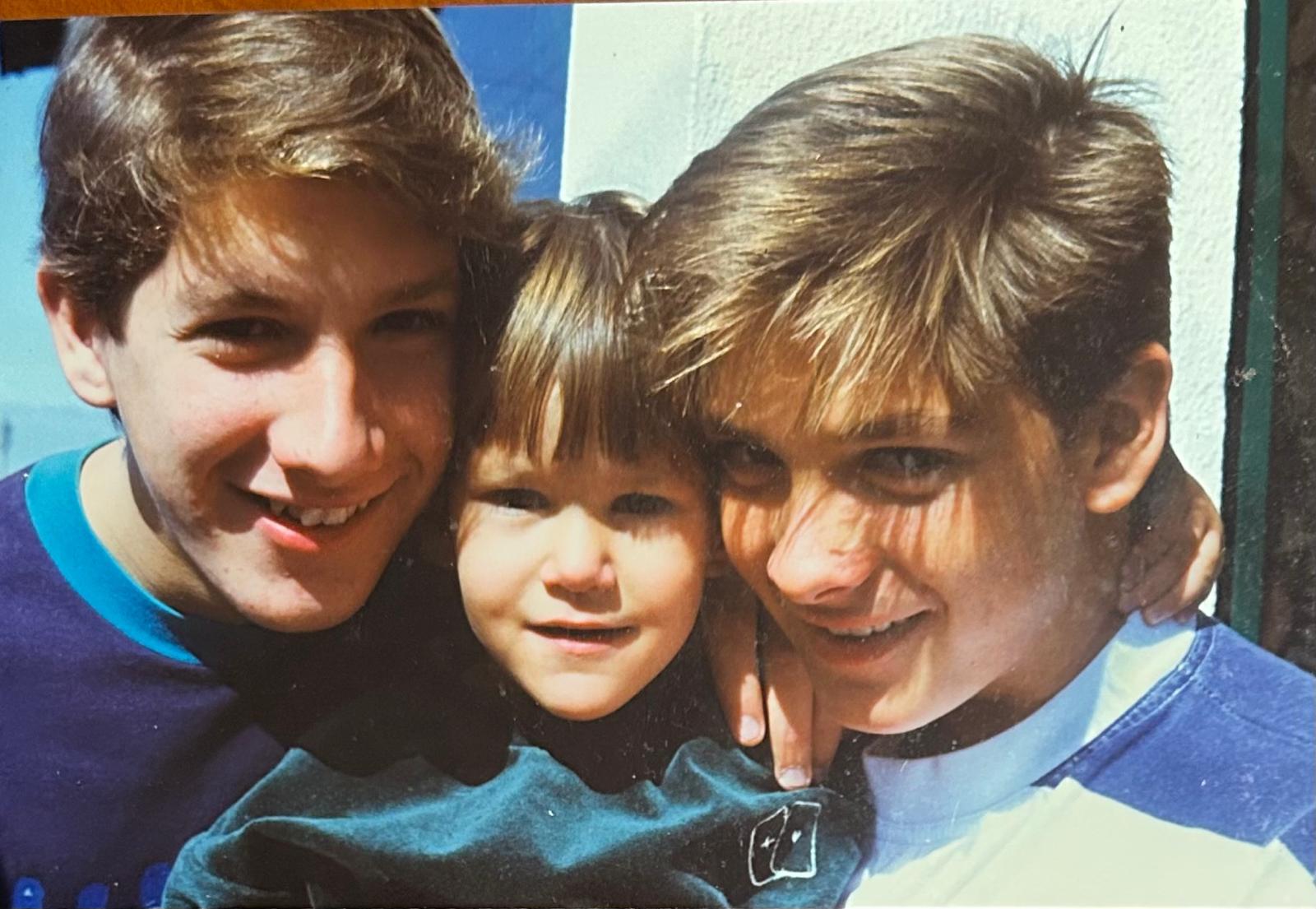
I studied at two different universities. I initially enrolled in law school. Yes, my brother did as well. It may sound surprising for two creative people to begin in law, but it reflects something very common.
My father did not have a university degree, and like many parents, he wanted his children to go further academically than he had. Traditionally, the respected paths were always law, medicine, or engineering. Those were seen as secure and prestigious professions. We were guided in that direction.
I Tried to Leave Television — and Ended Up at the Champions League
Later, during the year I joined Rádio e Televisão de Portugal, I transferred to another university closer to the broadcaster to pursue a degree in media studies. It felt more aligned with who I was. But once my work schedule shifted permanently to nights, I understood that I had to choose. I chose television.
Discovering His True Direction
– When did you realize that the camera would be your life?
I had always been interested, but once I joined Rádio e Televisão de Portugal and started working across different genres, everything changed. I worked on sports, entertainment, music shows, and news. The versatility was incredible.
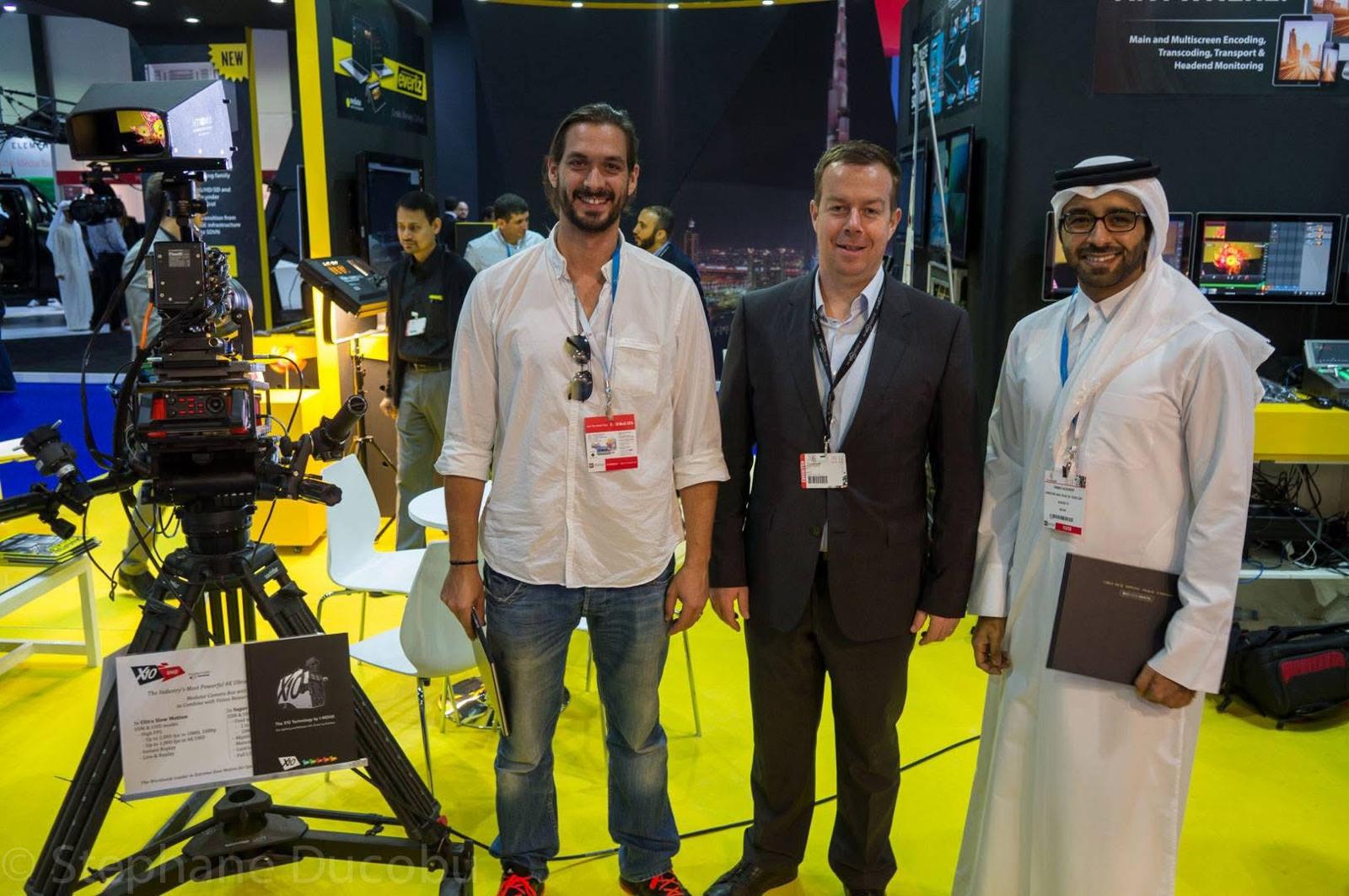
One of the great advantages of working at a national broadcaster was access to every type of equipment. I operated Steadicam systems, cranes, Swiss Jibs, and virtually every camera format available at the time. That exposure was transformative. From that moment, I was completely engaged. I knew this was not temporary. This was my future.
Commitment to the Craft
– What happened once you realized this was your path?
Once I understood that the camera was not just a job but something I genuinely loved, I went deeper into the craft. I began studying technology, learning new camera systems, and staying current with every technical shift happening in the industry. That mindset has never left me.
Even today, I still consider myself a camera operator at heart. Whenever I discover new equipment, I want to test it in real match conditions. I convince myself first, and only then do I present it to others. That curiosity keeps the passion alive.
Training at the Academy
– How did your career develop during that time?
I spent two years at Rádio e Televisão de Portugal as a camera operator under contract. Entry into the company required completing the internal academy. During the first three months, you were not yet assigned to a specific role. You rotated through every department: camera control units, lighting, audio, vision mixing, and camera operations.
At the end of that period, you were evaluated. The company selected candidates based on available positions. They needed two camera operators at that time. I was one of the two selected. Others who aimed for camera were assigned to audio or videotape operations, and some transitioned later.
Advanced Camera Training
– What happened after you were selected?
Being selected for the camera department did not mean the training was over. It meant another three months of focused development. We had theory classes in the afternoon and worked on live shows in the evening. After completing the six-month academy, I signed a two-year contract with Rádio e Televisão de Portugal. That period built the foundation of everything that followed in my career.
Old Technology, New Era
– What was the technical environment like at that time?
In my first year at Rádio e Televisão de Portugal, one of the studios still operated with older tube-based broadcast camera systems. If you pointed those cameras at a bright light, you could wait twenty minutes for the flare effect to disappear. It was a completely different world compared to modern sensors.
We were living in a transition period. Some studios still carried legacy systems, while others were moving toward fully video-based production. Eventually, the older technology disappeared, and the broadcaster became fully digital.
Starting During the Digital Transition
– Did your professional career begin during the digital revolution?
Yes, it did. When I joined Rádio e Televisão de Portugal, there was still a small section working on film. Some of the older operators transitioned from film to video over time. There was never tension between generations. The senior operators were welcoming and supportive. Of course, as a young operator at a state broadcaster, you did the assignments others did not want.
Seniority mattered. But that was part of the process, and I embraced it. I was ready to take any opportunity to prove myself and show directors that I could compete at the highest level.
The Portuguese Training System
– Why do so many Portuguese professionals work internationally, especially in the Gulf?
One of the key reasons is the strength of the training system we had at Rádio e Televisão de Portugal. The academy was structured in a way that gave you a full understanding of the entire production chain. You did not specialize immediately. You rotated through every department and learned how each one functioned.
That broad foundation made a difference. It gave me a clear understanding of the capabilities and limitations of every department. Because of that, I know when to push and when to hold back. That balance is essential in live production.
The End of the Academy
– Does that academy system still exist?
No. Two years after I left, the academy was discontinued. Smaller institutes appeared, but they did not offer the same depth. They provided general television studies, but not the same hands-on immersion across every section of production. I was fortunate to go through that system. If I had started just two years later, I would not have had that experience. It shaped the way I think, the way I communicate with crews, and the way I lead.
Privatization and a Difficult Decision
– What happened at the end of your contract with Rádio e Televisão de Portugal?
As I was approaching the end of my two-year contract, I was about to become a permanent employee with full benefits. That was the natural next step. But at that exact moment, the production center in Lisbon was privatized.
They told me they wanted me to stay, but under a new one-year contract with the possibility of a one-year extension. I was not comfortable with that uncertainty. I felt that if I was going to remain in short-term contracts, I might as well step into the open market and test myself independently. I chose to go freelance.
– How was the transition to freelance work?
The first three months were difficult. I was young, not widely known, and building credibility outside a national broadcaster takes time. But gradually, opportunities began to appear. I started working with Media Luso, part of the MEDIAPRO Group, which had operations in Portugal for a period.
Through them, I began covering football and gaining exposure in sports production. That opened doors to additional entertainment projects with companies such as Endemol and Sonotech.
– How did the opportunity in Qatar come about?
Through Media Luso. They supplied Outside Broadcast vans to Al Jazeera Sports during the 2003–2004 season. For the 2004–2005 season, they asked if I would be interested in going to Qatar to work the season. I initially agreed to go for four months. I was not sure I could commit to more than that.
The first year, I stayed four months. The second year, five. The third year, six. Each season, the time extended naturally as the work expanded.
Alkass and a New Chapter
– When did things become permanent in Qatar?
In November 2006, Alkass Channel was launched. I worked that first year as a freelancer. At the end of the season, the channel decided to restructure and move away from the Media Pro team. They approached me directly and asked whether I would consider joining them.
The offer was strong, the working conditions were good, and I genuinely liked the country and the scale of the projects. I accepted and signed with them. I remained there through the years leading up to and following the World Cup.
From Camera Operator to Director
– How did you move from camera to directing?
I went step by step. I started as an assistant, then became a camera operator. Over time, I began taking on directing responsibilities. Nothing happened overnight. Eventually, I proved myself as a director. That transition was built on years of understanding the full production process, not just one position within it. That depth continues to define how I approach every project today.
Major Projects Across the Gulf
– What were your main projects in the Gulf countries?
With Al Kass, the structure was unique. When Al Jazeera Sports became beIN and shifted toward an international model, they stopped producing local competitions. beIN would receive global feeds and build studio programming around them. All domestic competitions in Qatar — even when beIN held the rights — were produced by Al Kass.
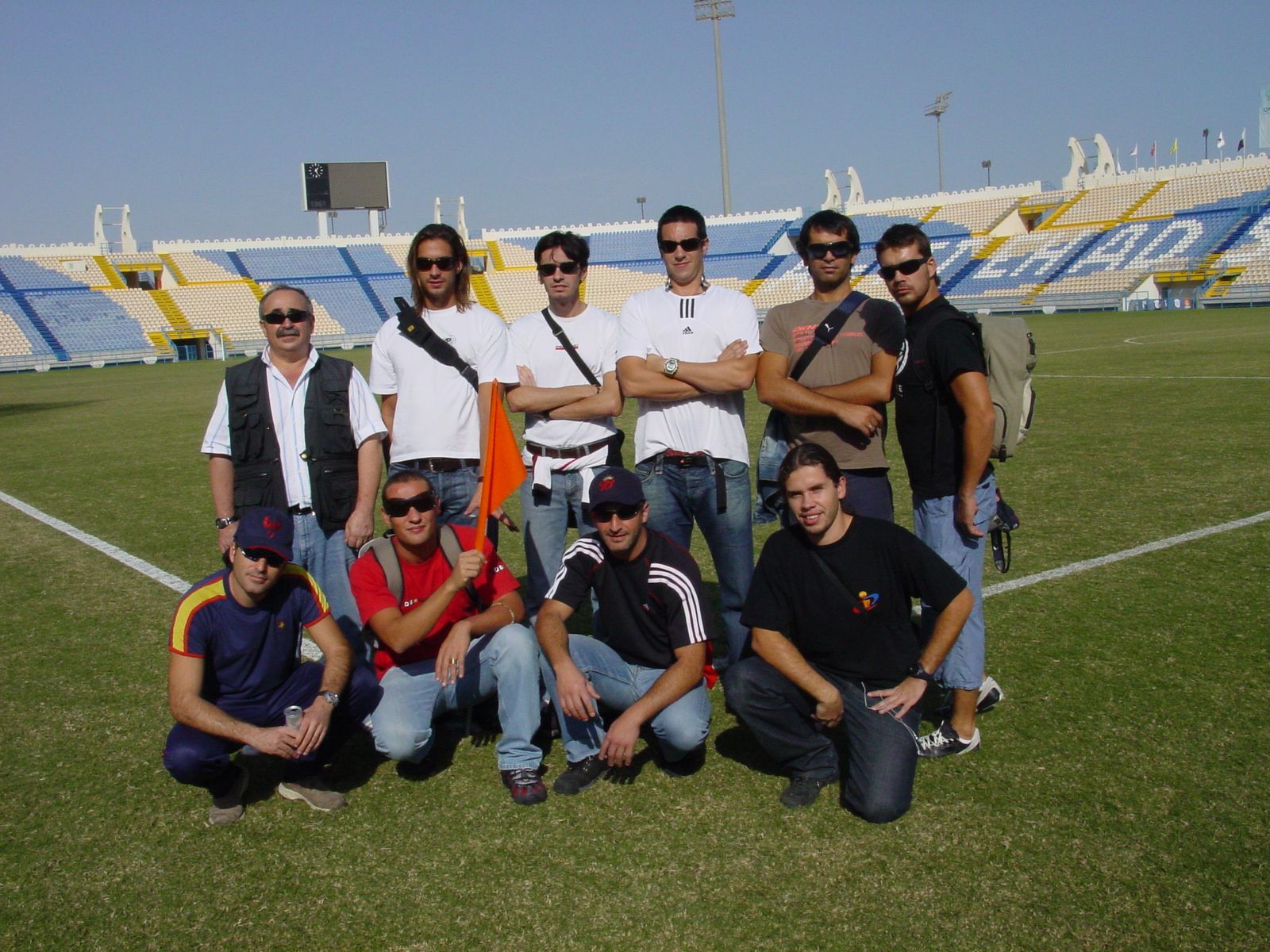
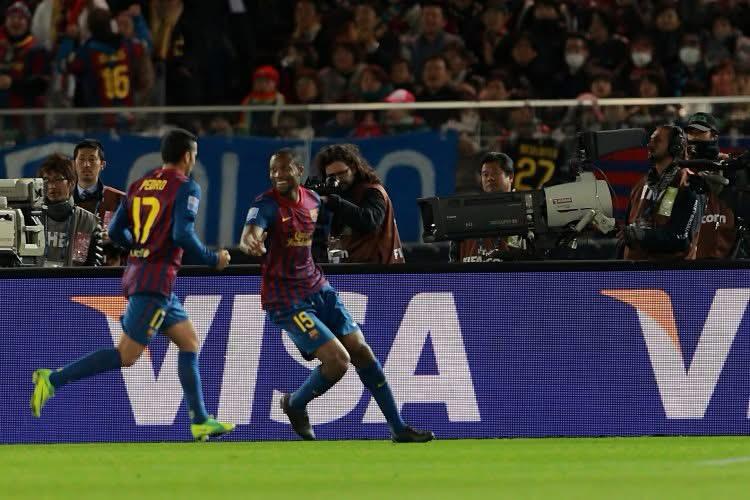
We covered everything: Asian Cup, Asian Games, national football leagues, handball world championships, Arab Cup, and more. Football, basketball, handball, tennis, horse racing, falcon competitions, camel racing. Completely different worlds, each with its own rhythm and visual language.
The Production Engine of Alkass
– How intensive was the production schedule?
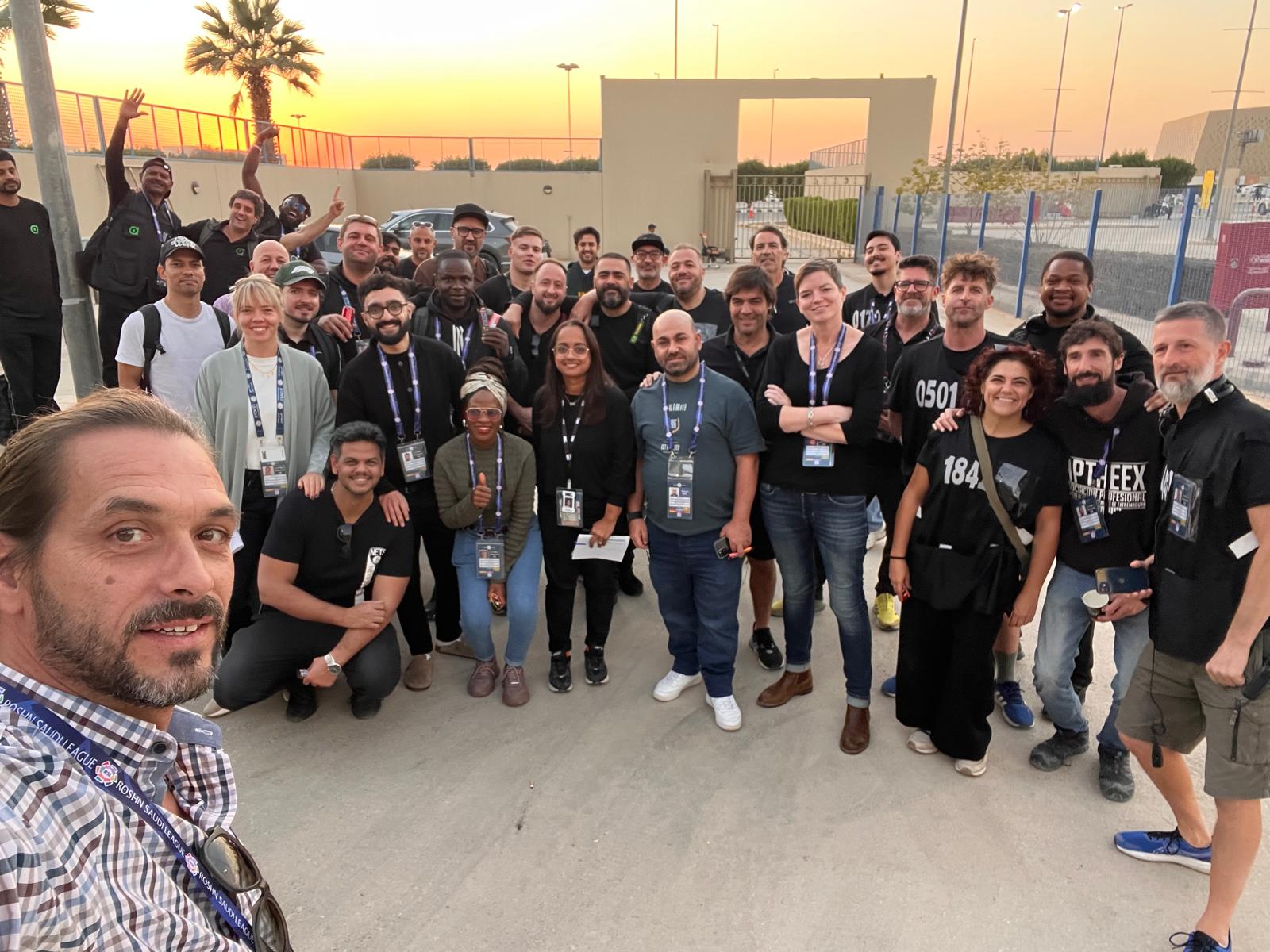
Almost everything happening in Qatari sports went through us. With very few exceptions, like Formula One or certain tennis events, Alkass handled the production. We worked with compact but extremely skilled crews.
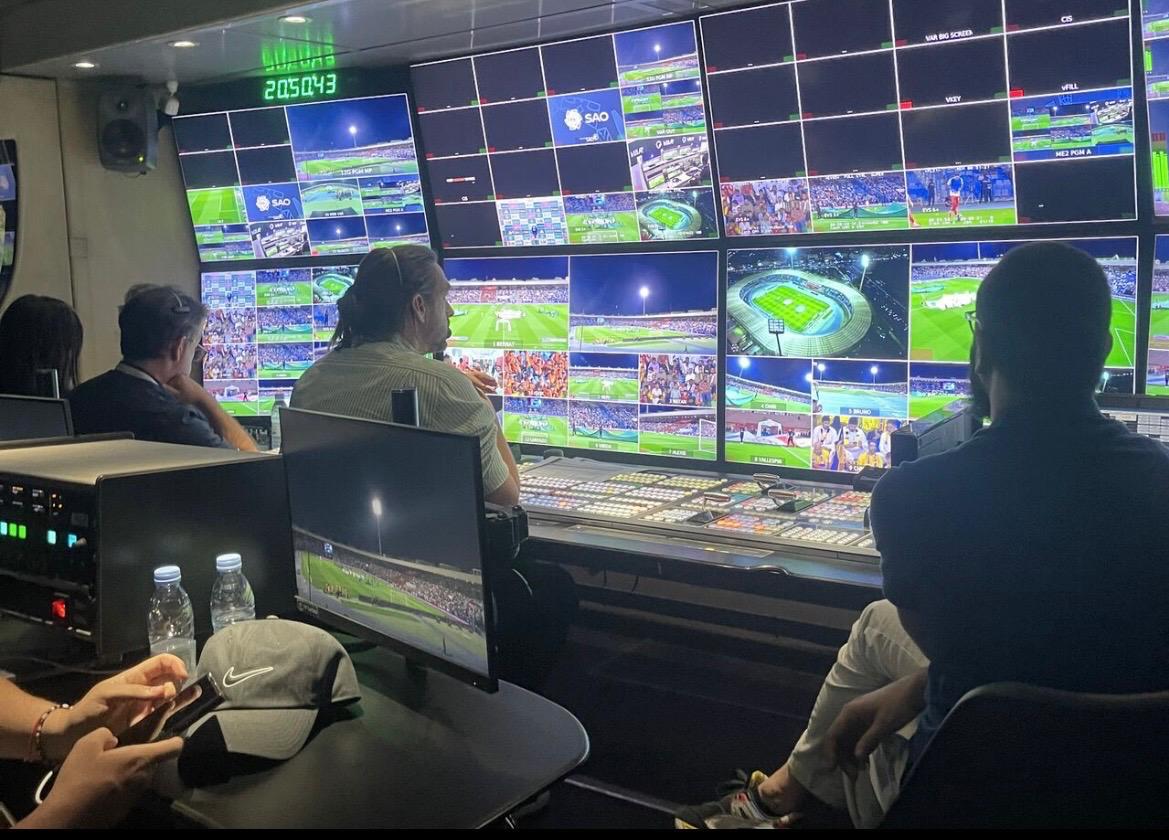
In the early years, we would cover five league matches over three days with the same crew at the same venue. Imagine the level of synchronization that develops after that many matches in one season. It was impossible not to grow. Even if you started average, the volume of live production forced you to improve.
Learning From Everyone
– What do you mean by difficult experiences?
Not every skilled professional is a great person. And not every great person is the most technically gifted. You absorb both. You take the good. You observe the mistakes. You build your own identity. You do not reinvent directing — everything has been done before. But what defines you is the combination. The rhythm of your cutting. Your reply structure. Your sense of tension.
When people inside the industry watch a match and say, “That feels like Marco,” that matters to me.
“Consistency is identity.”
The Invisible Signature
– Do people really recognize directors?
Viewers at home, no. But professionals do. Directors recognize other directors. Cameramen recognize styles. You can often narrow it down — it is either this director or that one — just by the cutting pattern or replay timing. It is like football. You recognize a player by movement, by instinct, by decision-making under pressure. Directing is no different.
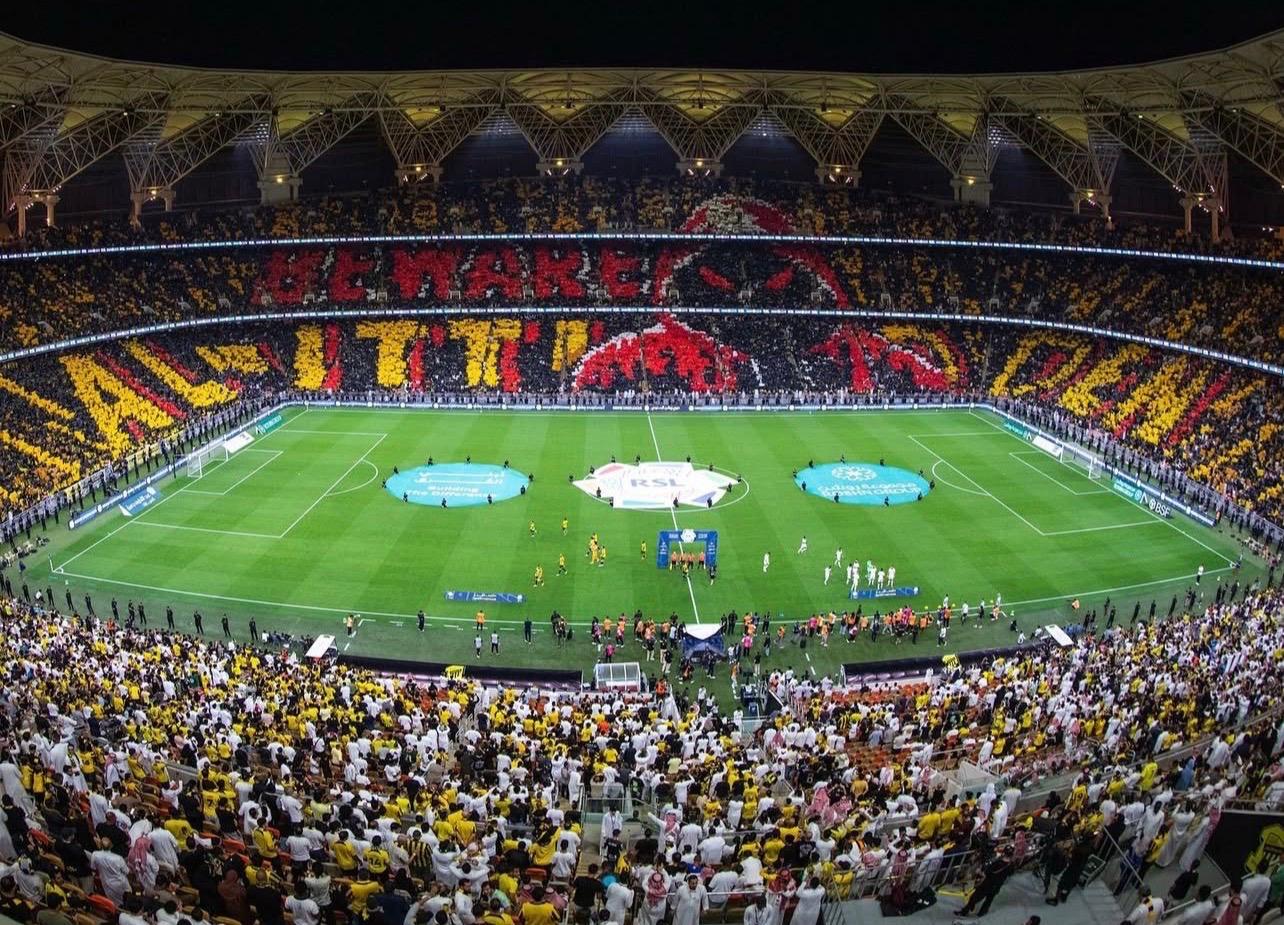
A Director’s Signature
– You mentioned consistency. Why is that important to you?
Because consistency is identity. I work in a certain way, and there are golden rules I will not break. Some directors are more flexible. No one is right or wrong. They are just different styles.
When you look at the rhythm of the cutting, you can often tell where it comes from. If there is a lot of Camera Two on air, that is probably a British director. If the coverage leans heavily on pitch-line cameras, more emotional, more movement, that could be a Latin director. Styles reveal background.
Reading the Game
– Directing football is almost like a language?
Absolutely. If you consume enough football — and I have watched football my entire life — you start identifying patterns. Replay structure. Timing of close-ups. How long does someone stay on a reaction shot? You can often narrow it down. You say, it must be this director or that one. It is storytelling. Live drama. And the most powerful part is that nobody knows the ending.
Entrepreneurship
– Beyond directing, have you explored other creative or business ventures?
Yes. I opened my own business eight years ago.
– It was registered in Portugal. Why?
It started as a creative side project with a colleague of mine. It was called Doha Trends. We registered the company in Portugal, but the content was produced in Qatar. We are not currently active. My partner moved back to Portugal and is now Head of Editors at the Portuguese Federation. I simply do not have the time to maintain it at the level it deserves.
Doha Trends
– What was the concept behind it?
We created social media and promotional content highlighting lifestyle and experiences in Qatar. We worked with brands like Mini and boutique hotels in Souq Waqif. It was about showcasing what to do in Qatar beyond sports. Later, I produced advertising videos for a developer, Al Waab. But eventually it became clear that without full-time focus and editorial backup, it was difficult to sustain.
Creative Roles
– Why did it slow down?
Because I am not an editor. I do not edit. I am a framing guy. I am a camera guy. My partner was an excellent editor — highly skilled — and that balance worked. It was almost a family venture. His wife is a makeup artist. My wife even presented some segments. The kids appeared in a few videos. It was creative, light, and fun — but not scalable without full commitment.
Life in Qatar
– You have been connected to Qatar for many years now. How long has it been?
My first season in Qatar was in 2004. It has been more than two decades. I still live there. My base is in Qatar. My wife and children live there. I fly to Saudi Arabia for matches and then return home to Qatar. That rhythm has become part of my life. Even after the World Cup in 2022, my connection to the region remained strong.
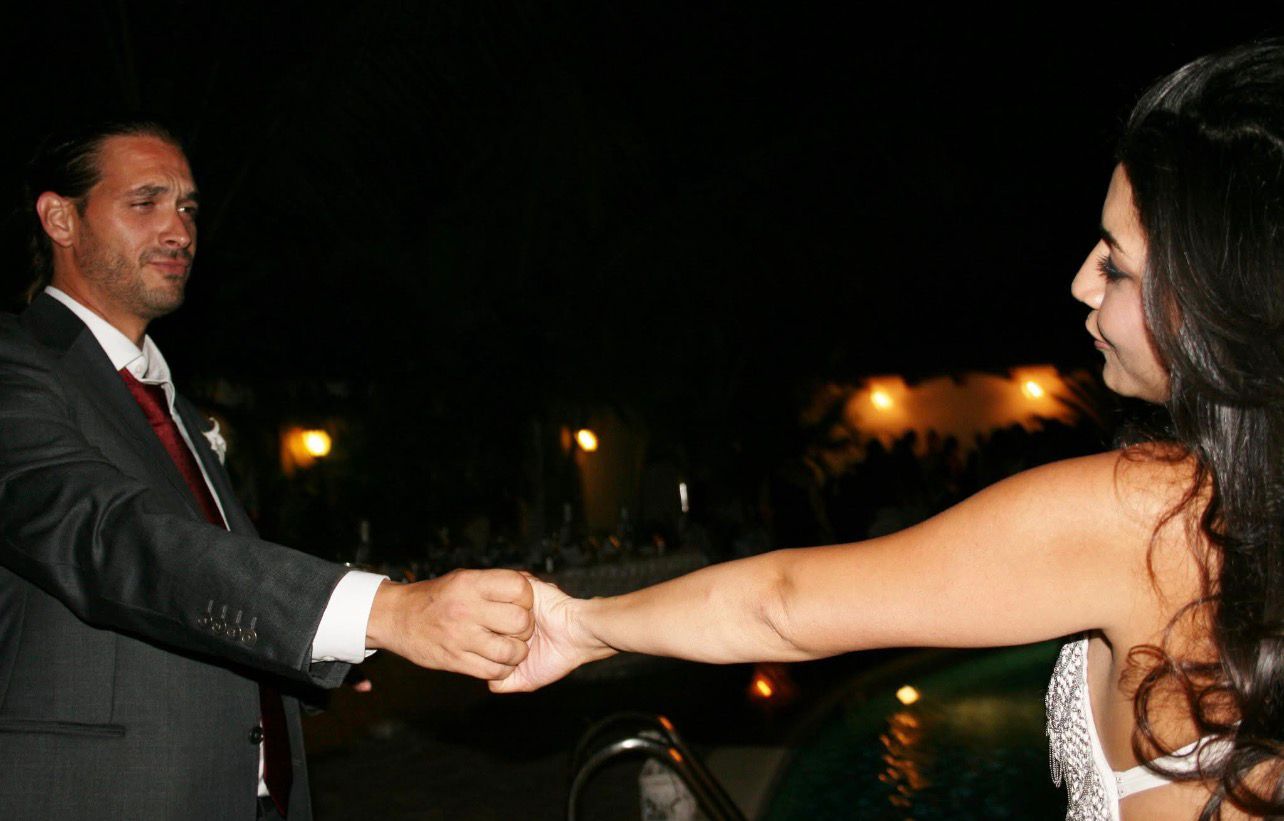
Family and Personal Life
– Did you meet your wife in Qatar?
Yes, I met my wife in Qatar. She was working in the sales department at the Grand Hyatt in Doha and was part of the opening team when the hotel launched. She comes from a hospitality background. She is Lebanese. Her father is Muslim, and her mother is Christian. It is not a typical background, but it reflects the diversity that exists in the region.
– You mentioned three children. How old are your children now?
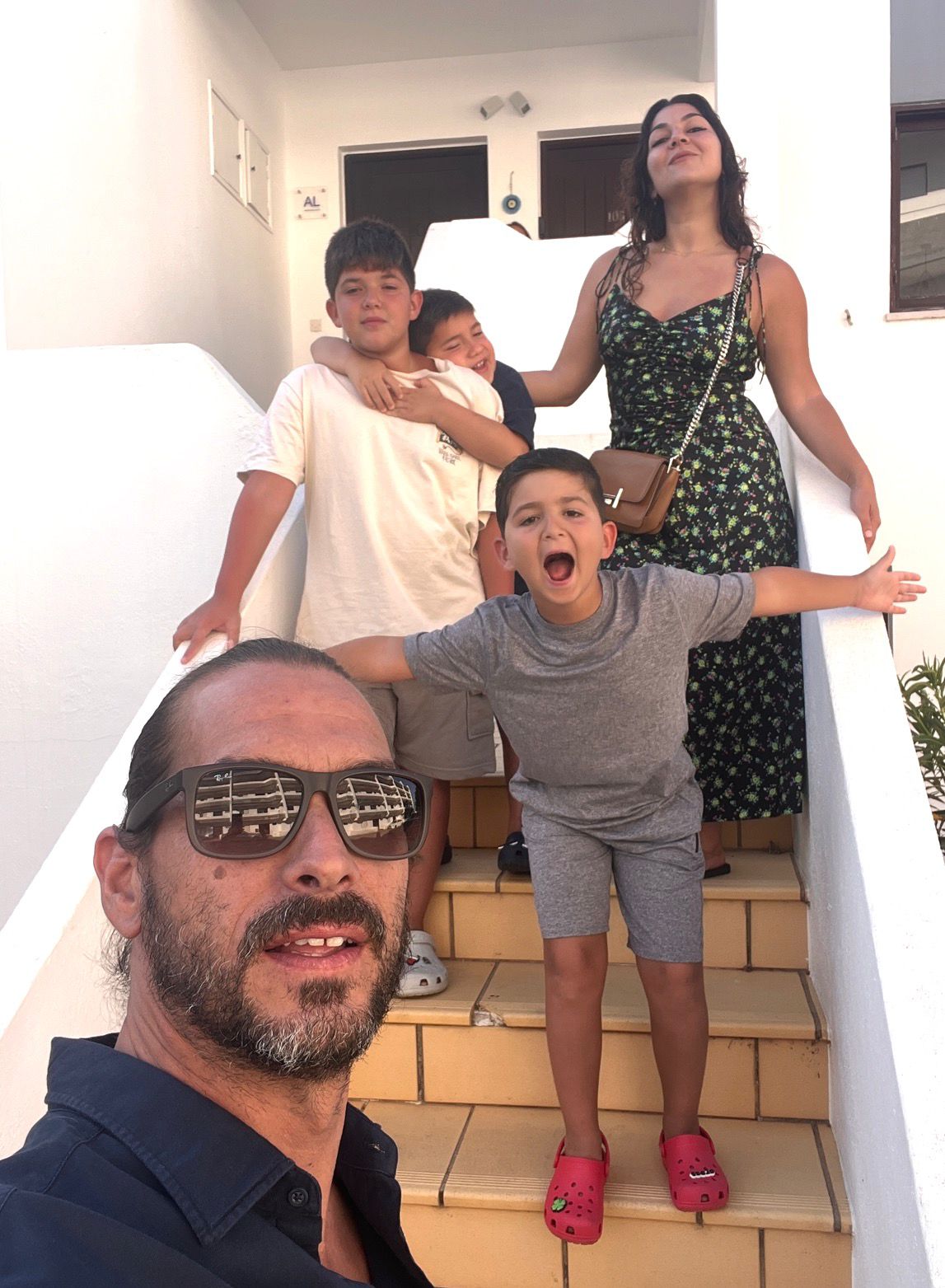
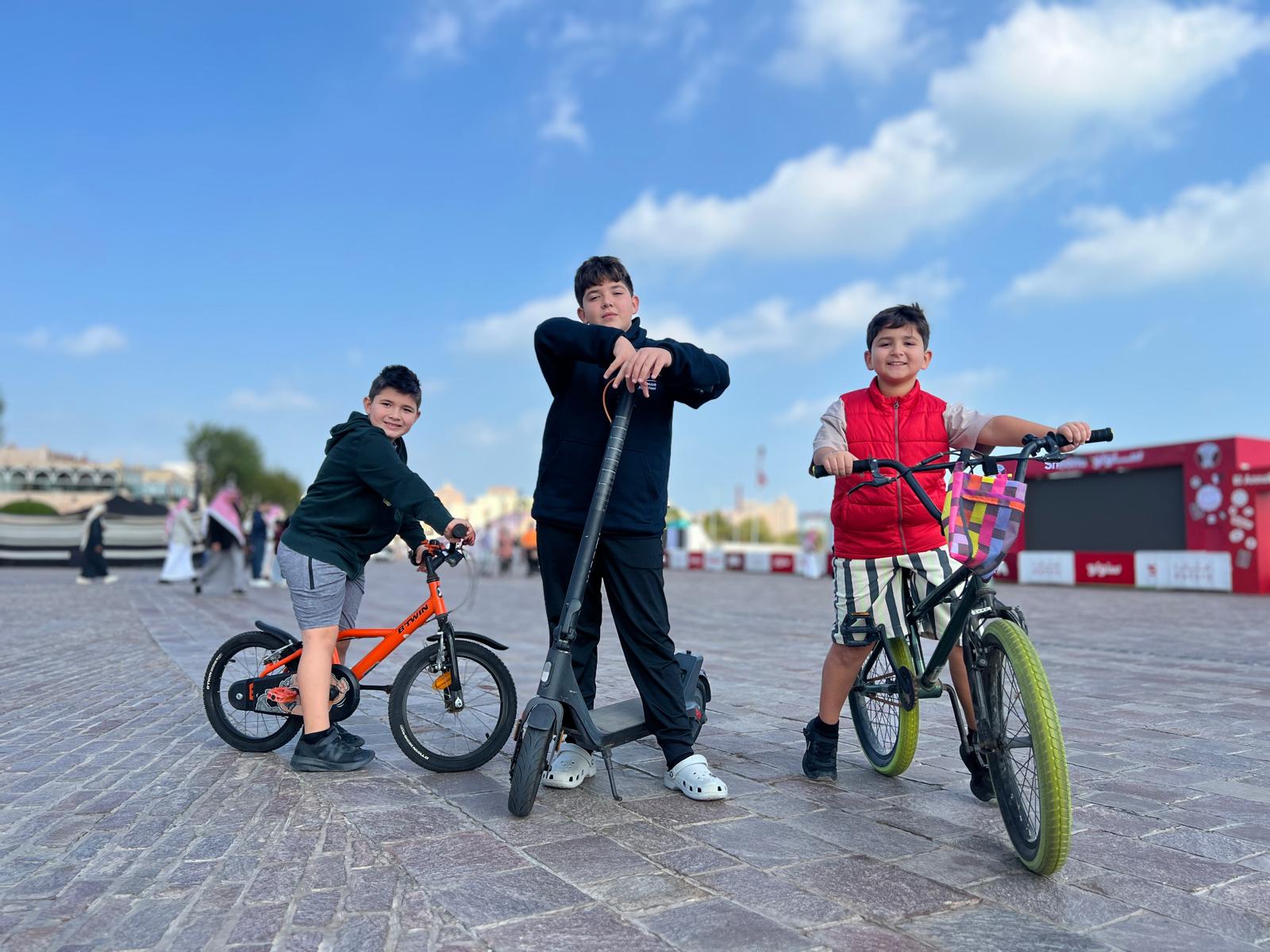
Twelve, nine, and seven.
– Are they in an international school?
Yes, they attend a British school in Qatar. We wanted them to grow in a structured, stable academic environment. Stability was important for us, especially while my professional life was moving so fast.
Professional Achievements
– What are your main professional achievements?
Progress. That is the honest answer. Scaling up has not always been smooth. We all think we should have arrived earlier. Sometimes growth is delayed — not because of ability, but because circumstances or people hold you back. I experienced that. But it made me stronger and more resilient.
Defining Success
– What do you consider your biggest professional achievement?
Reaching this level. It has not always been smooth. Sometimes growth is delayed. Sometimes people hold you back, not because you lack ability, but because your progress does not align with their interests. I experienced that. But it made me more resilient.
Today I direct in a league seen in 180 countries. I work for a major international company on a 10-month seasonal contract. Three years ago, I was less visible. Now I am clearly more noticeable. That is progress.
 Ambition Beyond Borders
– Do you still have bigger ambitions?
Of course. The major international competition circle is difficult to enter. There is politics. Nationality plays a role. I come from a small country. But Portugal may be small in size, historically and culturally, it is huge. Nationality is not an excuse. I keep pushing. Eyes on the ball. Some players take longer to reach Real Madrid. We will get there. Sooner rather than later.
Mentors
– Who were your main mentors?
My father, first and foremost. Without him, I would probably not be in television. That is the foundation. Beyond that, throughout your career, you collect references. Directors you admire. Professionals you observe. I was fortunate to work under very strong directors at different stages of my life. And you learn from both the good and the difficult experiences.
Life at Fifty
– Next year, you turn fifty. What is your dream now?
Professionally, my ambitions are clear. Personally, I am not thinking about retirement. My children are still very young. This is not the time to slow down. The plan for now is stability. Continue building. Continue growing. Retirement is not on the horizon.
 A Family Without Borders
– Where do you see home in the long term?
That is complicated. My wife is Lebanese. I am Portuguese. Our children were born in Qatar. In many ways, we are citizens of the world. My wife grew up in West Africa — in Sierra Leone and The Gambia. We even got married in The Gambia because her parents were living there at the time. When you ask where we will retire, Portugal? Lebanon? Africa? — There is no simple answer.
“We are citizens of the world.”