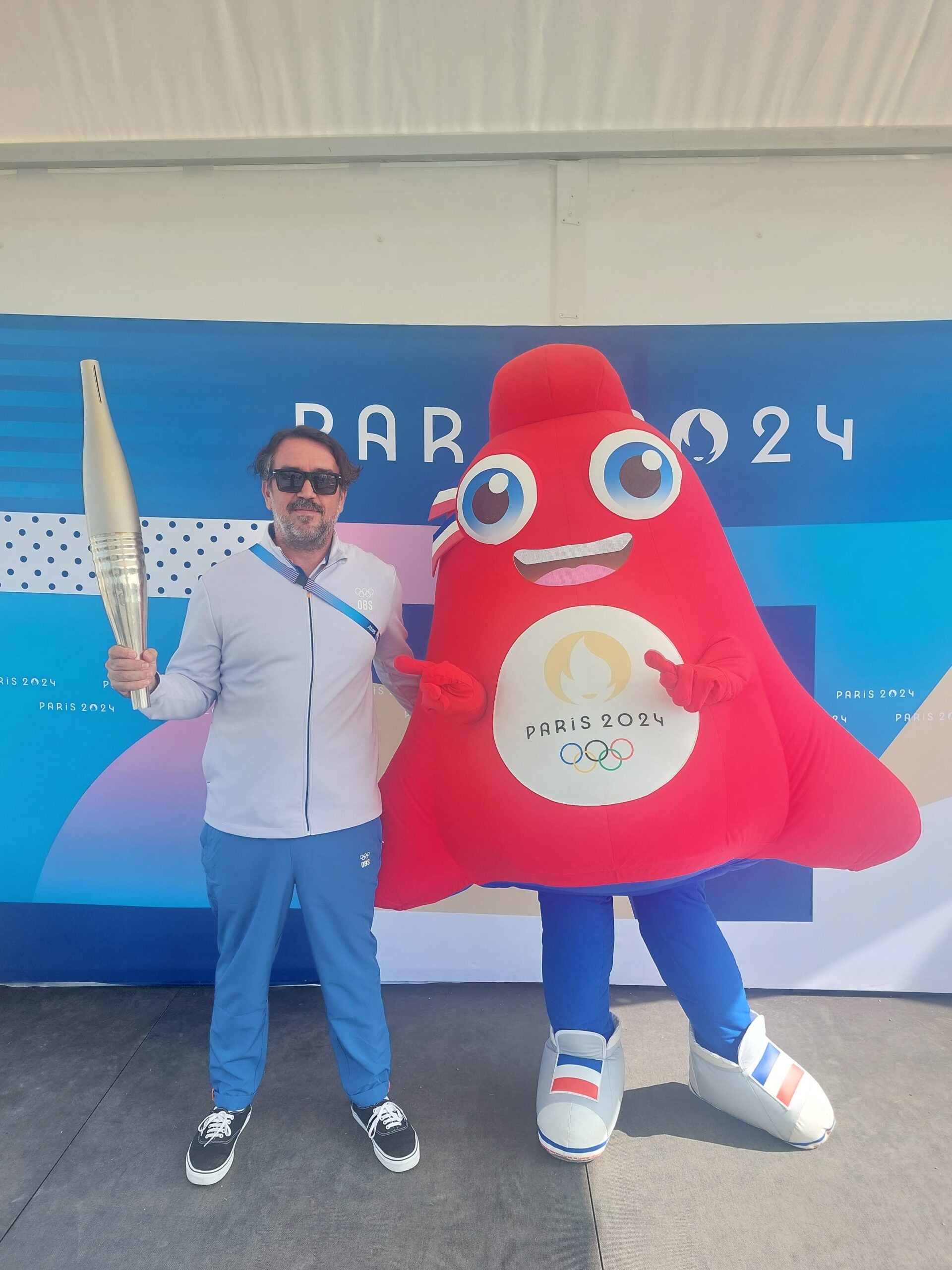
Paris 2024 was the Olympic Games he had watched as a child on television. Two decades earlier, he was rigging cables in the rain at a World Rally Championship stage in Portugal.
The Gulf & MENA Decision-Makers Forum | Sport, Broadcast, AI & Monetization
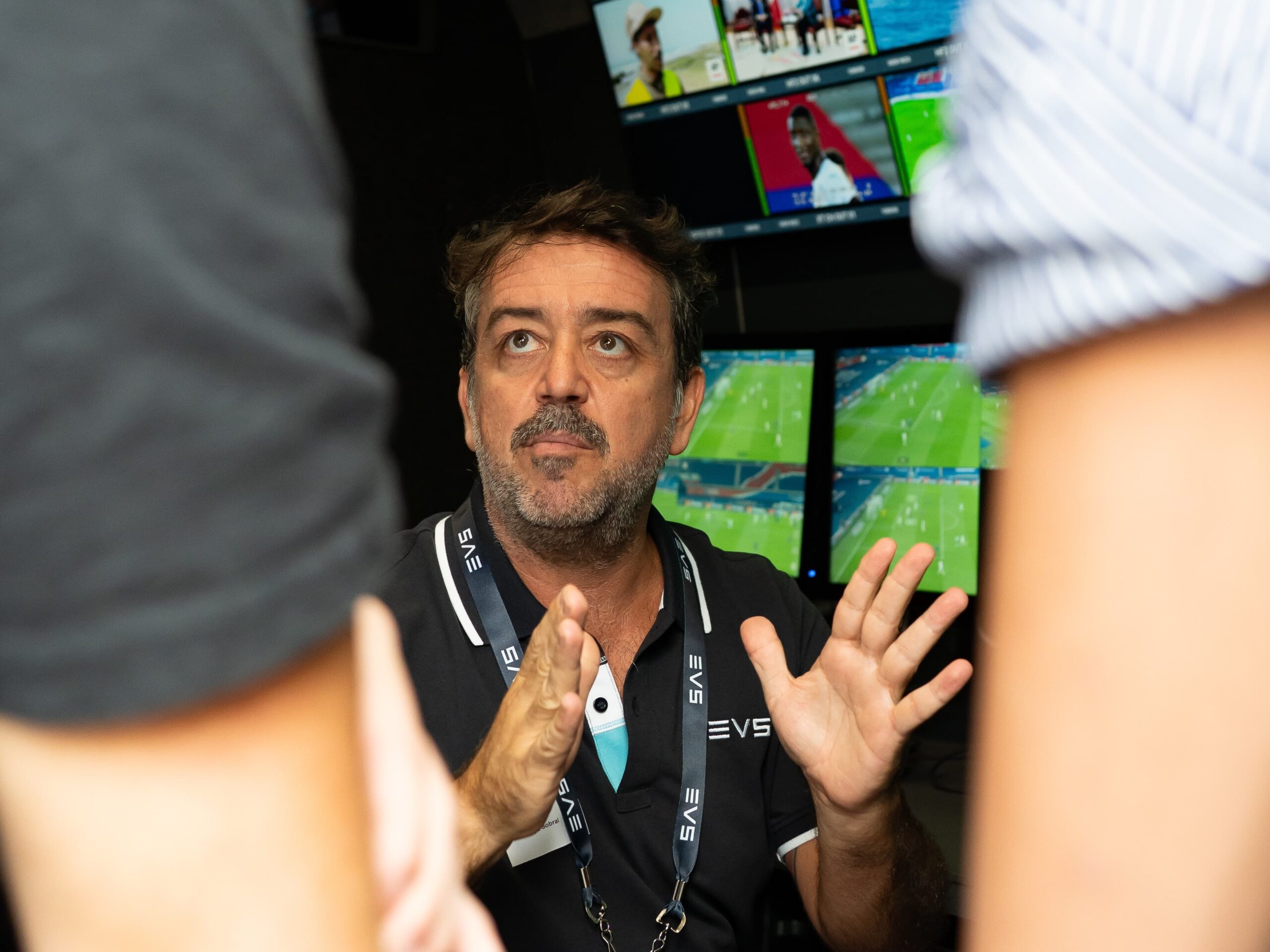
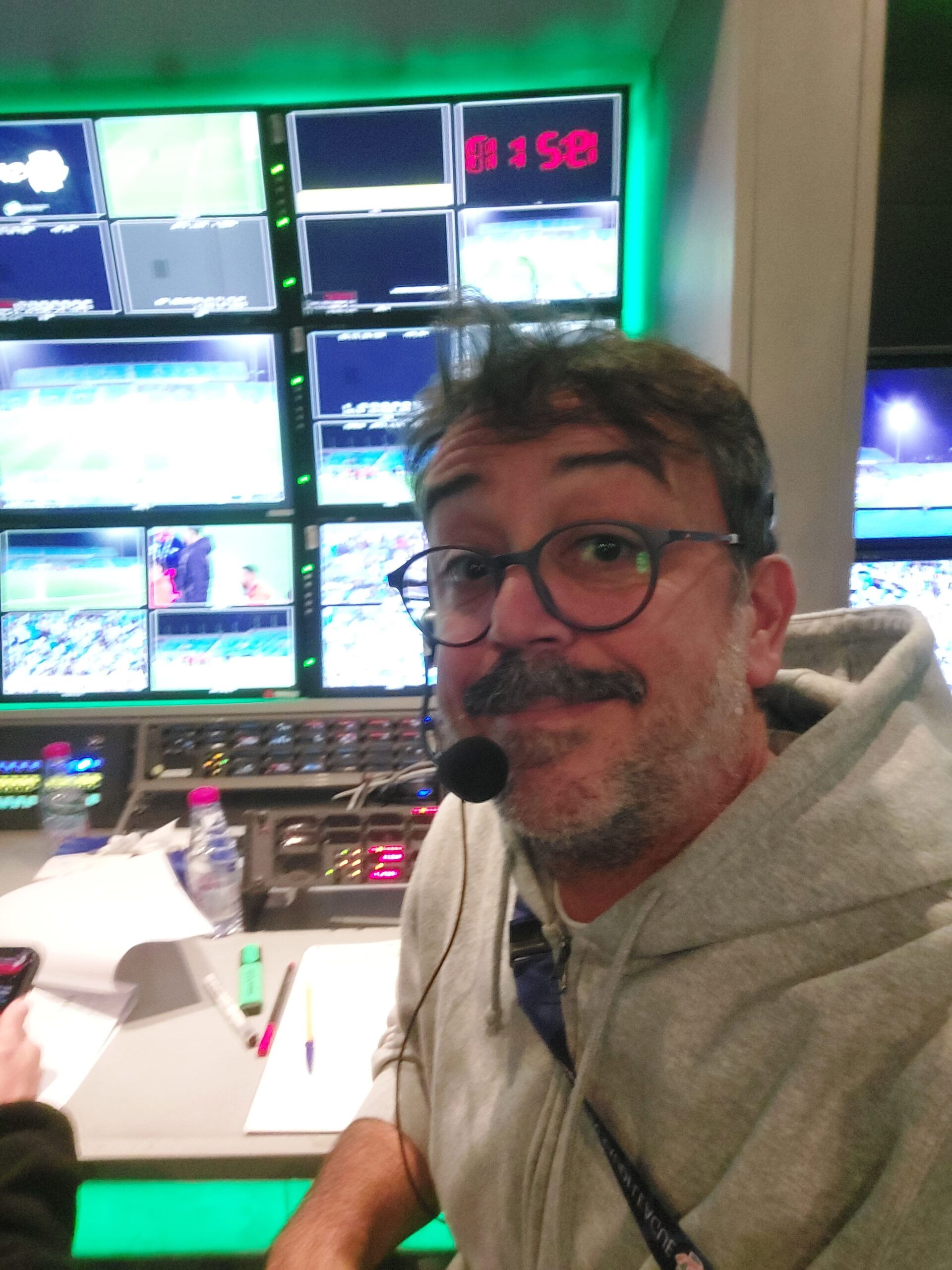
Today, Filipe Sobral Santos, Live Sports Director, VT/EVS Coordinator & EVS Operator, coordinates EVS operations for the Saudi Pro League — one of the fastest-growing football productions in the world.
 Childhood and Family
Early Years in Lisbon
— When and where were you born?
I was born in Lisbon, Portugal, in 1976. The surname Santos is one of the two most common surnames in Portugal, so you could say it’s a very typical Portuguese name. My father, Vítor, was also born in Lisbon. My mother, Manuela, was born in a small village in Alentejo, in the south of Portugal. They were both born in 1948 and came from humble backgrounds.
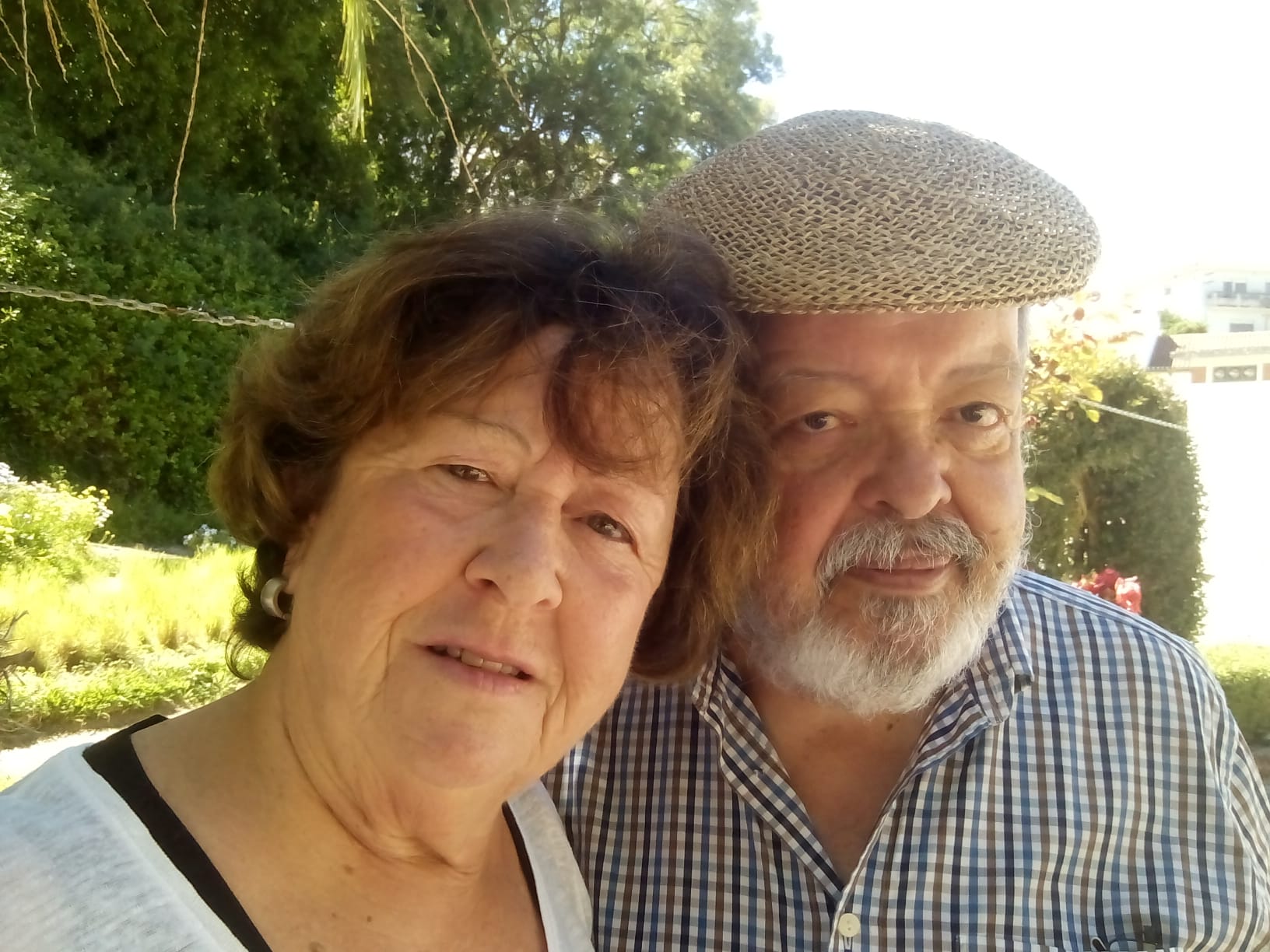 On my mother’s side, the family lived in a self-sustaining rural environment, working in agriculture on my grandparents’ land. On my father’s side, it was urban Lisbon — both of my grandparents were cooks.
— Do you have siblings?
Yes, I have a younger brother. He’s two years younger than me.
— Does he also work in broadcast?
Yes, he does. It’s not unusual in Portugal to see broadcasting becoming a family business. There are several such families in the industry.
 First Memories
— What is your earliest memory?
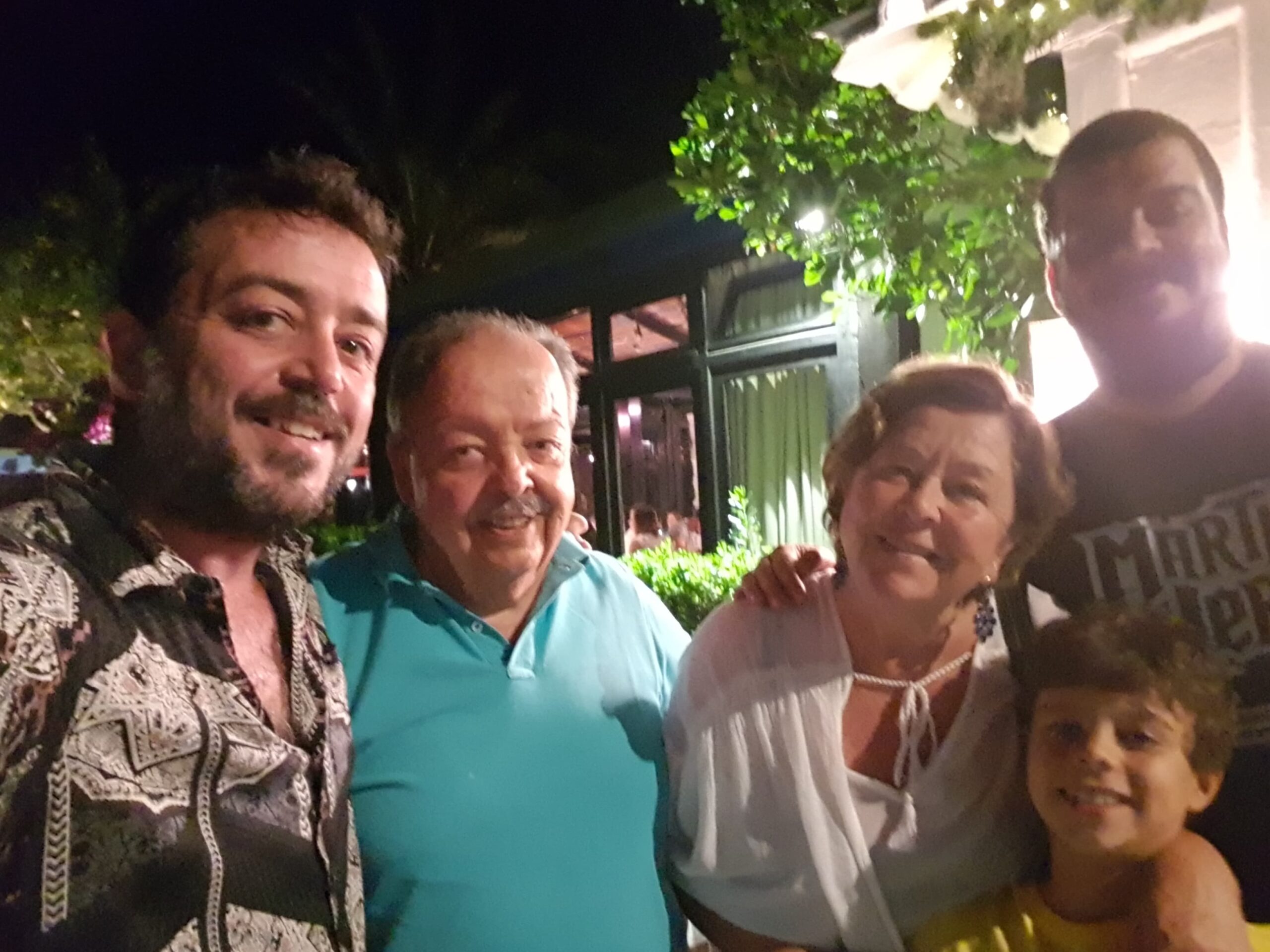
From childhood, I clearly remember our old family apartment. I remember playing near my brother — he must have just been born at the time. I was playing around him, with him. That’s probably my first clear memory.
 School and Interests
— What subjects did you enjoy at school?
Largely influenced by my father, I really enjoyed history. But the subjects I loved the most were languages. We studied Portuguese, of course, and from a very young age, English. Later, I learned French, and then some German as well. Everything related to languages interested me.
That interest later proved useful in an international broadcast career, where communication across cultures is part of daily work.
 Education
— How did your academic path develop after school?
After finishing high school, I enrolled in law school and studied for a couple of years. However, I eventually realized it wasn’t the right path for me and decided to leave.
Formally, I completed high school but did not finish university. In broadcast, though, professional credibility is built more on hands-on experience, field production, and long-term commitment than on academic degrees.
You Either Stay, or You Go: The Director Behind Saudi Football’s Global Rise
Entering Broadcast: From Rigger to EVS
Entering Broadcast
— When did you understand that media or technology was your path?
It happened by chance. I was doing odd jobs, mostly in events. A close friend called me — he was freelancing for a broadcast company as a rigger and camera assistant. A vacancy opened up, and he asked if I wanted to try. I went — and immediately felt this was my environment. The pace, the teamwork, the technical side. I enjoyed it from day one.
 — What was your first job?
My first assignment was the World Rally Championship in Portugal. We handled the finish line for every stage. It was constant rigging and de-rigging. March: heavy rain, very cold. We had just switched from triax to fiber optics, working with brand-new fiber systems. Everything was wet. It was tough. After the event, the engineer told me, “It’s not always like this.” But for me, it was a great start.
— How old were you then?
It was 2001. I was 24.
 — What was the next step in your career?
I continued freelancing and traveled as much as possible. We did a lot of football. In 2005, while I was still rigging, the company started training me on EVS systems. They gave me a remote and a few cameras to practice during live jobs. It was hands-on training.
— When did you fully switch to EVS?
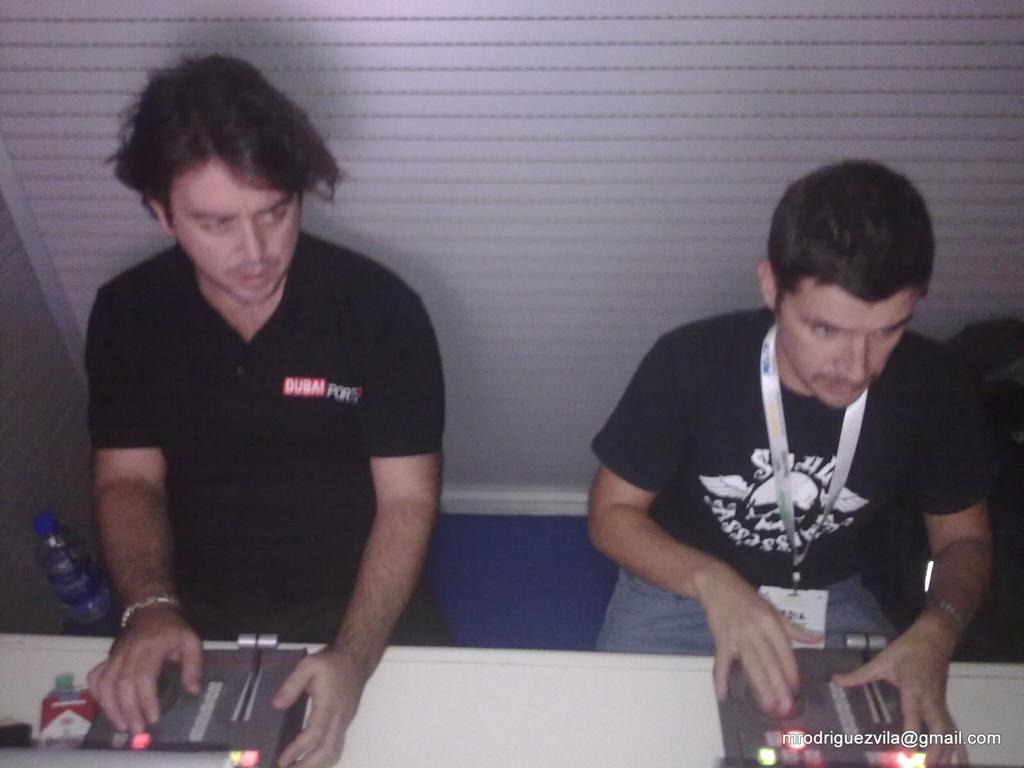
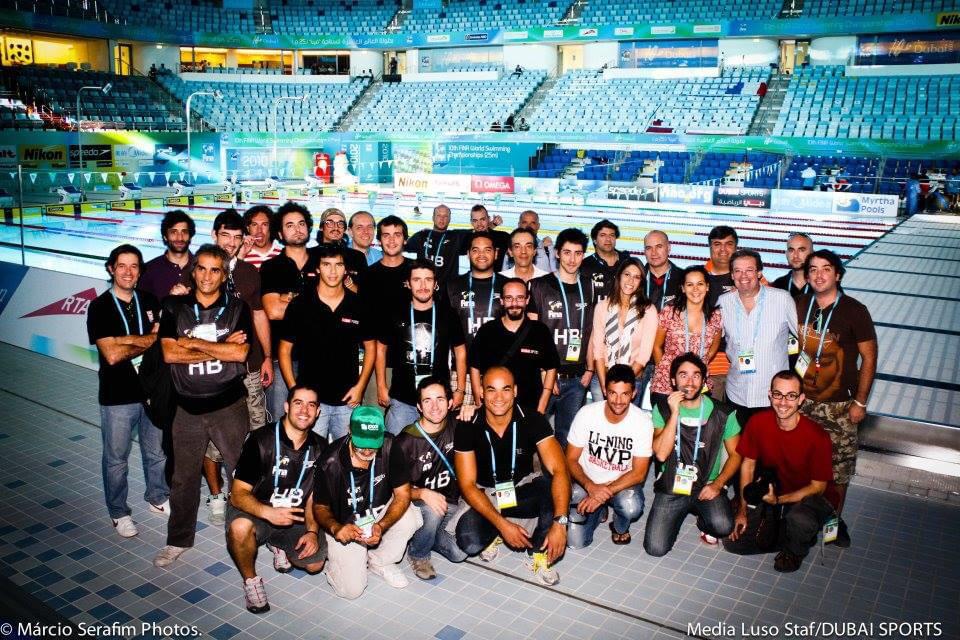
By 2006, I was already working only as an EVS operator. In 2007, I received a call from Medialuso, a subsidiary of Mediapro in Portugal. They offered me a position in Dubai with Dubai Sports Channel. That was the beginning of my international career.
The Dubai Turning Point
— How did you get this job in Dubai?
Honestly, it was the turning point. Until then, I had been working in a very free and flexible way. I could take time off and return to my freelance position. The company trusted me. Dubai changed everything. Suddenly, I had real responsibility. I was still relatively green as an EVS operator. During that 7–8 month season, I worked on many productions.
After just a few months, I was already carrying responsibilities close to an EVS lead — not officially, but in practice. That period accelerated my professional growth. I took it seriously and absorbed everything I could. From that moment on, I felt ready for any serious broadcast project.
“Dubai changed everything. It was the moment I felt ready for any serious broadcast project.”
Contract Structure
— Were you freelance or staff when you moved to Dubai?
We had a seasonal contract. The main focus was the football league, but we worked across many different sports for Abu Dhabi Sports Channel. We stayed 8–9 months per year. It was technically freelance, but structured as a full-season commitment.
 Moving to the Gulf
— What was the biggest challenge when you arrived in Dubai?
Culturally, not much, although there is a big difference. I adapted easily. Even back then, Dubai was already cosmopolitan and open to international professionals. The real challenge was being away from family and friends. Communication was not what it is today. No constant social media, no instant connectivity.
That distance was the hardest part. Professionally, we were a small team — 15 to 20 people, mostly from Portugal. There was strong camaraderie. We supported each other and stayed focused on the work.
I Tried to Leave Television — and Ended Up at the Champions League
Portuguese Professionals in the Gulf
— Why are there so many Portuguese working in broadcasting in the Gulf countries?
Mediapro played an important role. They created opportunities and opened doors for Portuguese crews abroad. But there may also be a historical factor. Portugal lived under Muslim rule for centuries. In our language, food and culture, there is influence. Maybe that creates a certain proximity and makes adaptation easier. And there is also the Portuguese spirit — we are used to going abroad and taking opportunities.
 Major International Projects: From Euro 2004 to Paris 2024
— What is the most important project in your professional life?
It depends on the stage of my career. Each period had its defining project: UEFA Euro 2004, Paris 2024, the Nazaré Big Wave Challenge, and now the Saudi Pro League.
“I grew up watching the Olympic Games on television. Being part of Paris 2024 was a personal goal.”
— Why was Euro 2004 important for you?
I was still a rigger. It was my first experience with top-level football broadcasting. The host operation was created specifically for the tournament. The standards were very high. It changed my perception of the industry.
— What did the Olympics mean to you?
Paris 2024 was my first Olympic Games. I grew up watching the Olympics on TV. Being part of that global production was a personal goal and a major achievement.
— What about directing in Nazaré?
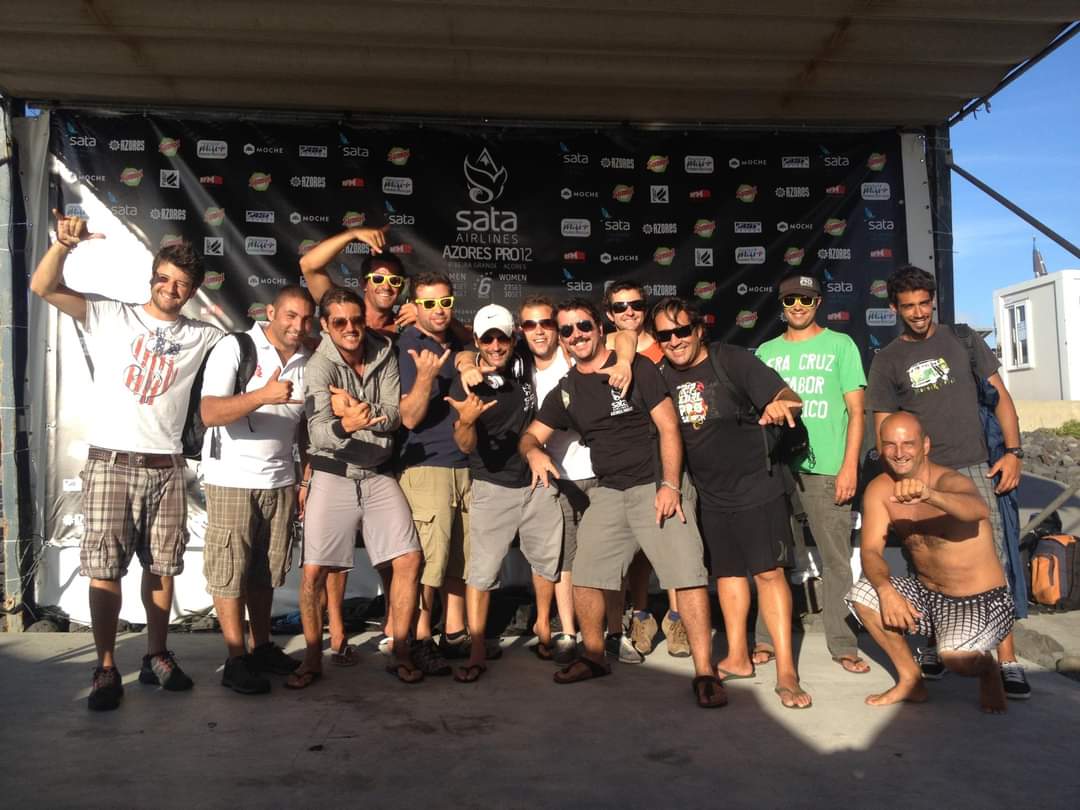
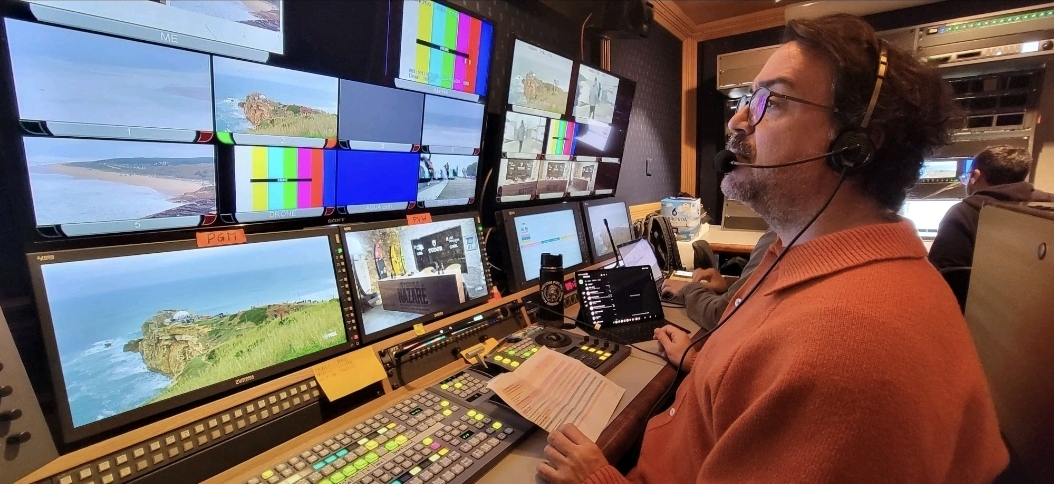
Directing the Big Wave Challenge was a highlight. I have been working in the surf with WSL for years as an EVS operator. This time, I was directing arguably the most viewed surfing contest. It was my main directing project in that sport, and very meaningful.
 — What are you doing now?
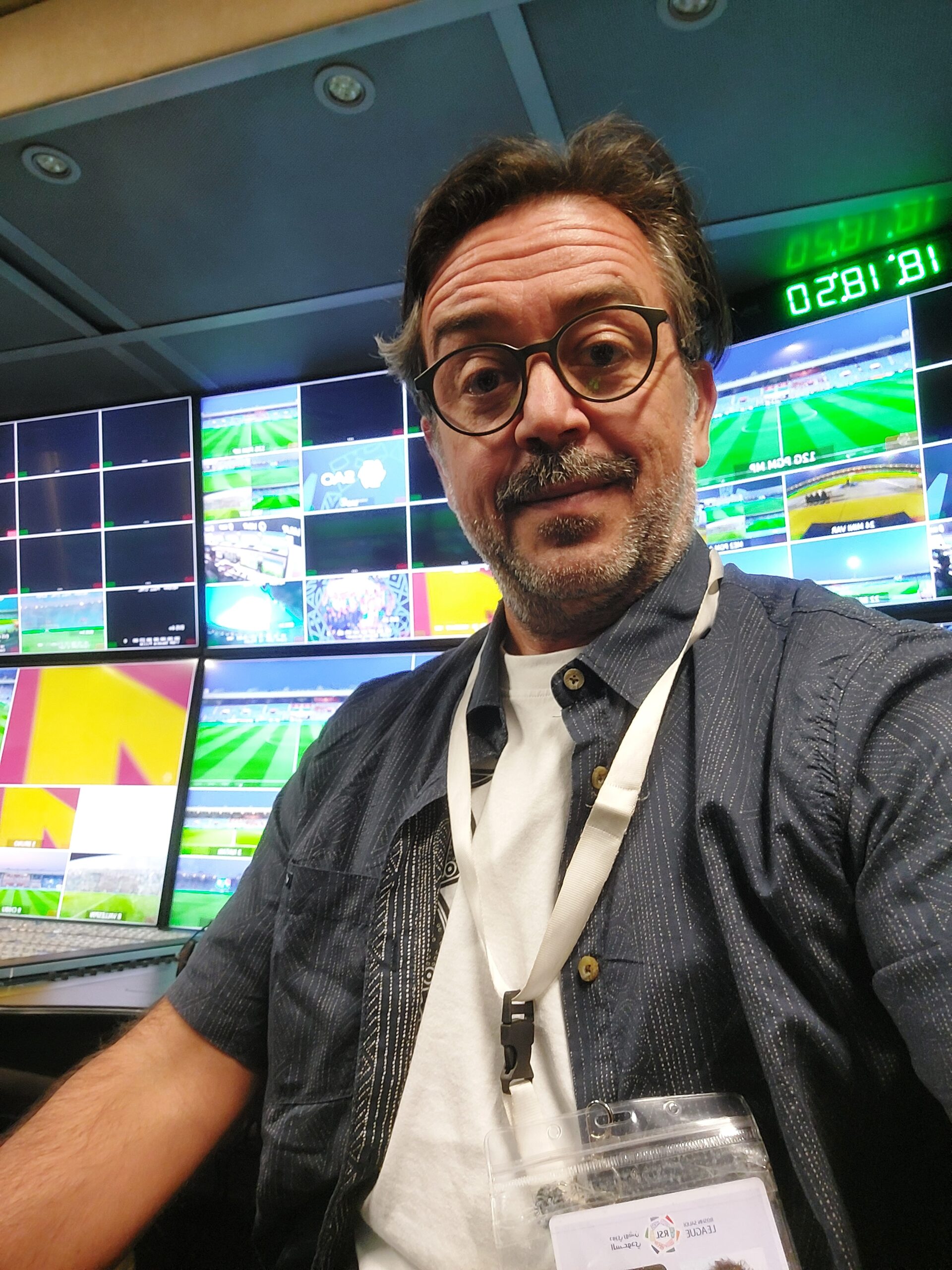
I am working on the Saudi Pro League as an EVS Coordinator. The Saudi Pro League has become one of the most internationally visible football projects in recent years. It puts me close to very strong directors and high-level productions. It’s another step toward where I want to be in the future.
“Working on the Saudi Pro League puts me close to high-level productions and strong directors. It’s another step forward.”
The Reality of Freelance Life in Global Sports Production
— Do you have a season contract now?
I’m working as a freelancer.
 — Have you always been freelancing?
During my years in the UAE and Qatar (2007–2019), I mostly worked under long-term contracts. At Abu Dhabi Media, I had a three-year deal. With Alkass Sports Channel as well. I didn’t really feel freelance during that period. Only after COVID did I return fully to freelance work.
— Was that your decision?
No. Alkass made redundancies based on seniority. I was among those affected. At the time, it felt unlucky. It forced me to rethink my entire professional positioning. In hindsight, maybe it was an opportunity. I returned to Portugal and repositioned myself on the market. It wasn’t easy.
 The Freelance Challenge
— Do you know where you’ll be next year?
That’s the biggest challenge of freelance life — uncertainty. Fortunately, I have a strong relationship with IMG, which operates the Saudi Pro League. That gives me a certain level of stability, even as a freelancer. But we never know, maintaining good relations and always doing the best job you can has to be the basis.
“The biggest challenge of freelance life is uncertainty. You never fully know where you’ll be next year.”
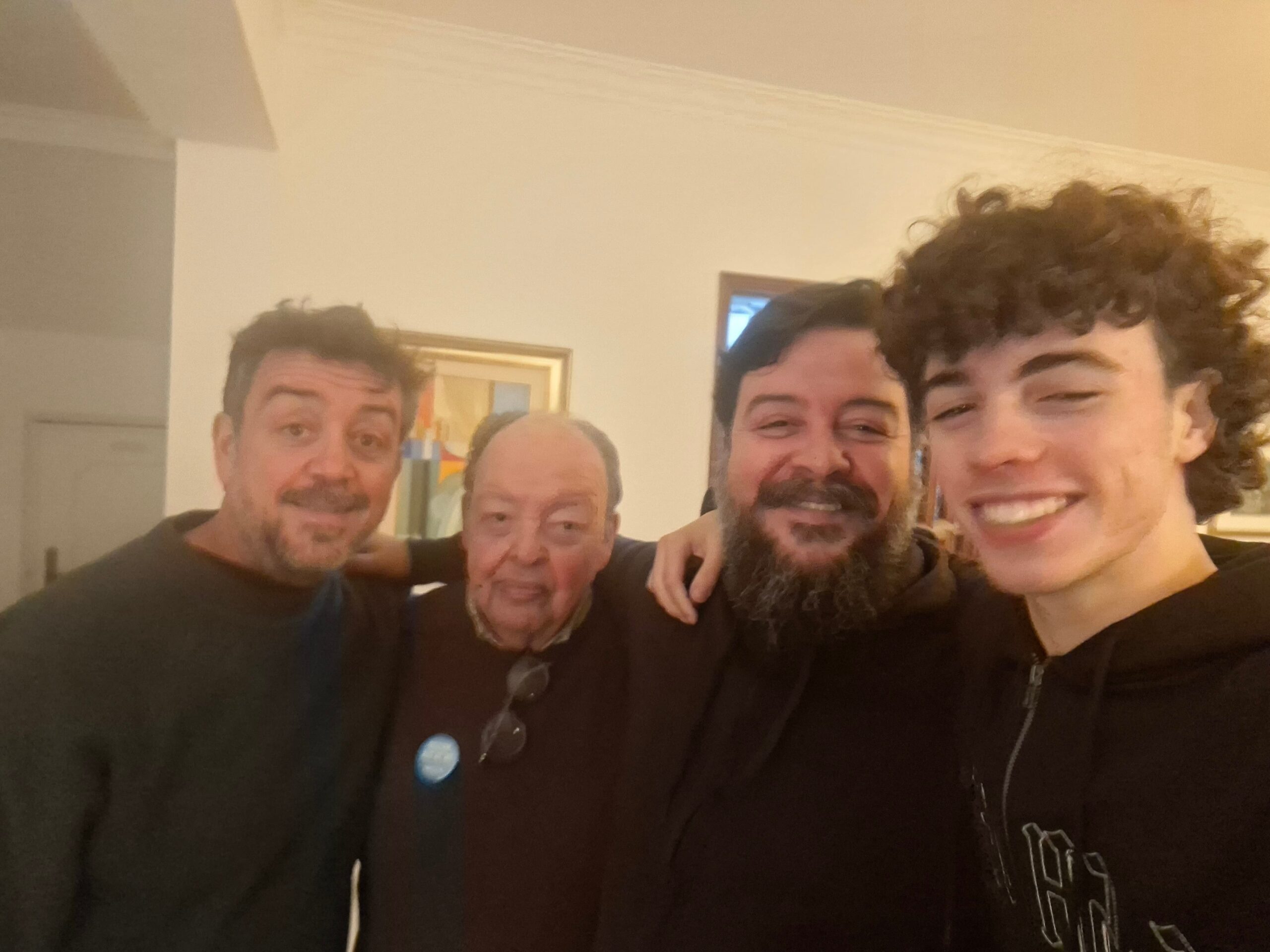
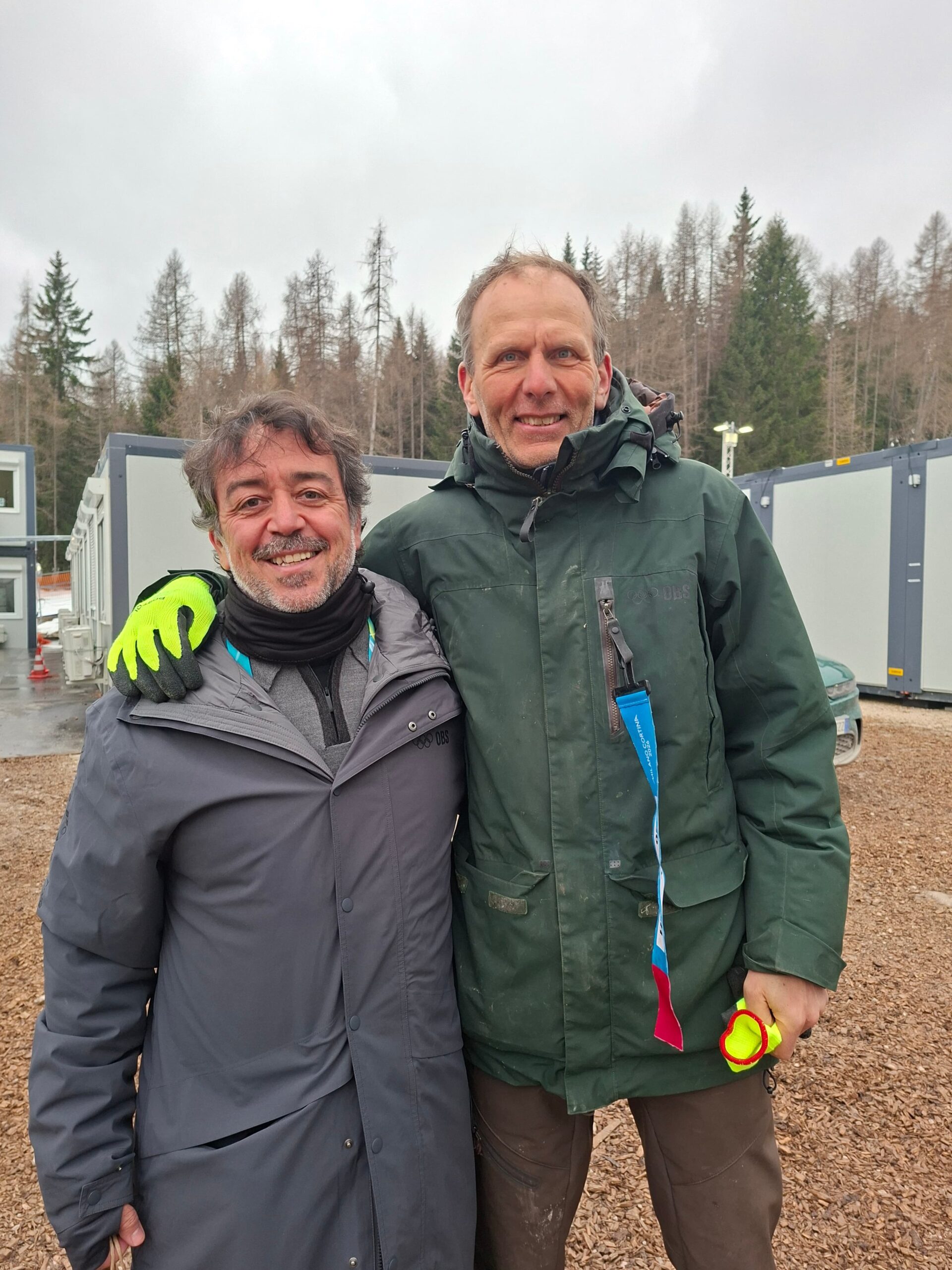
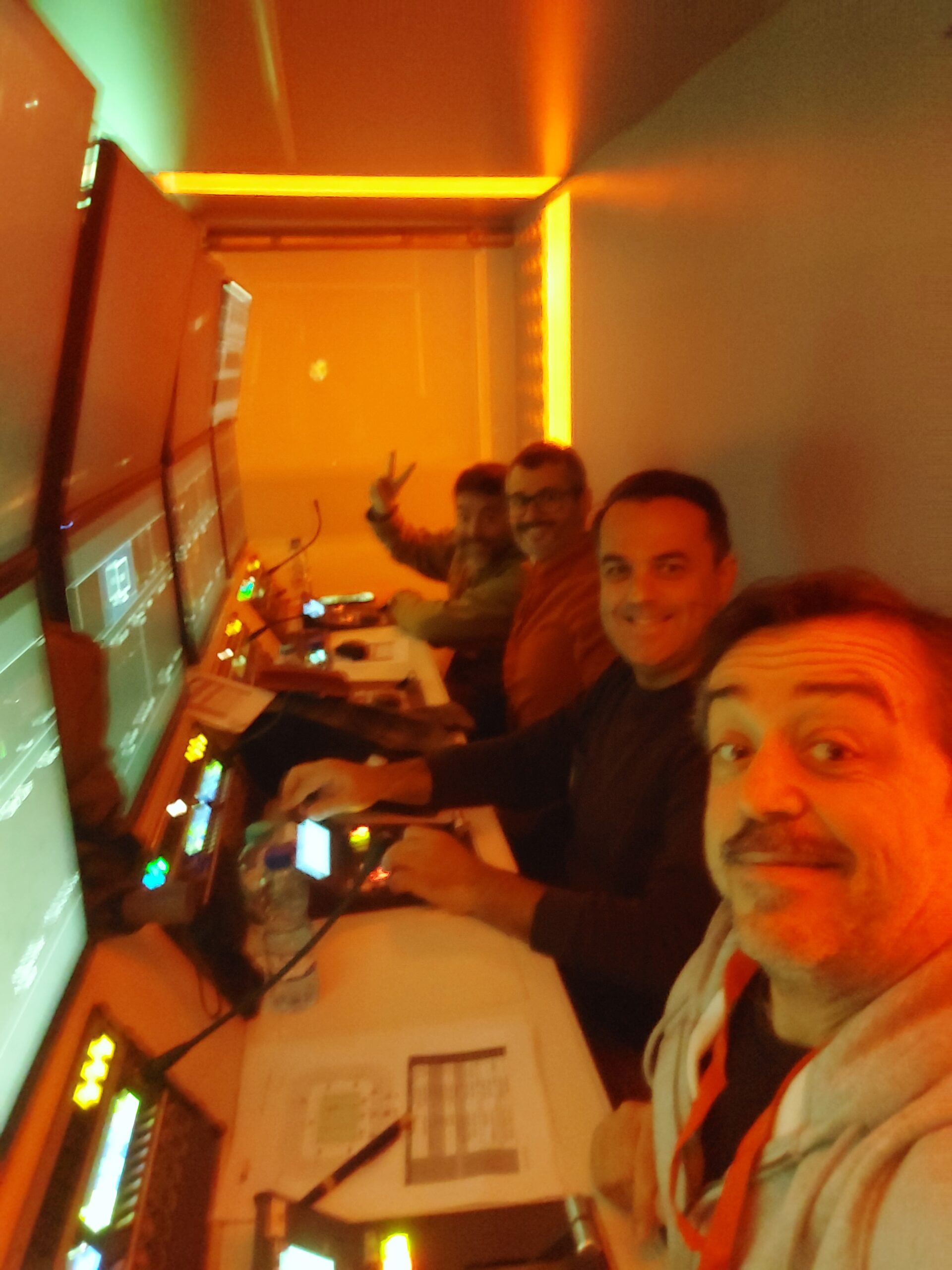
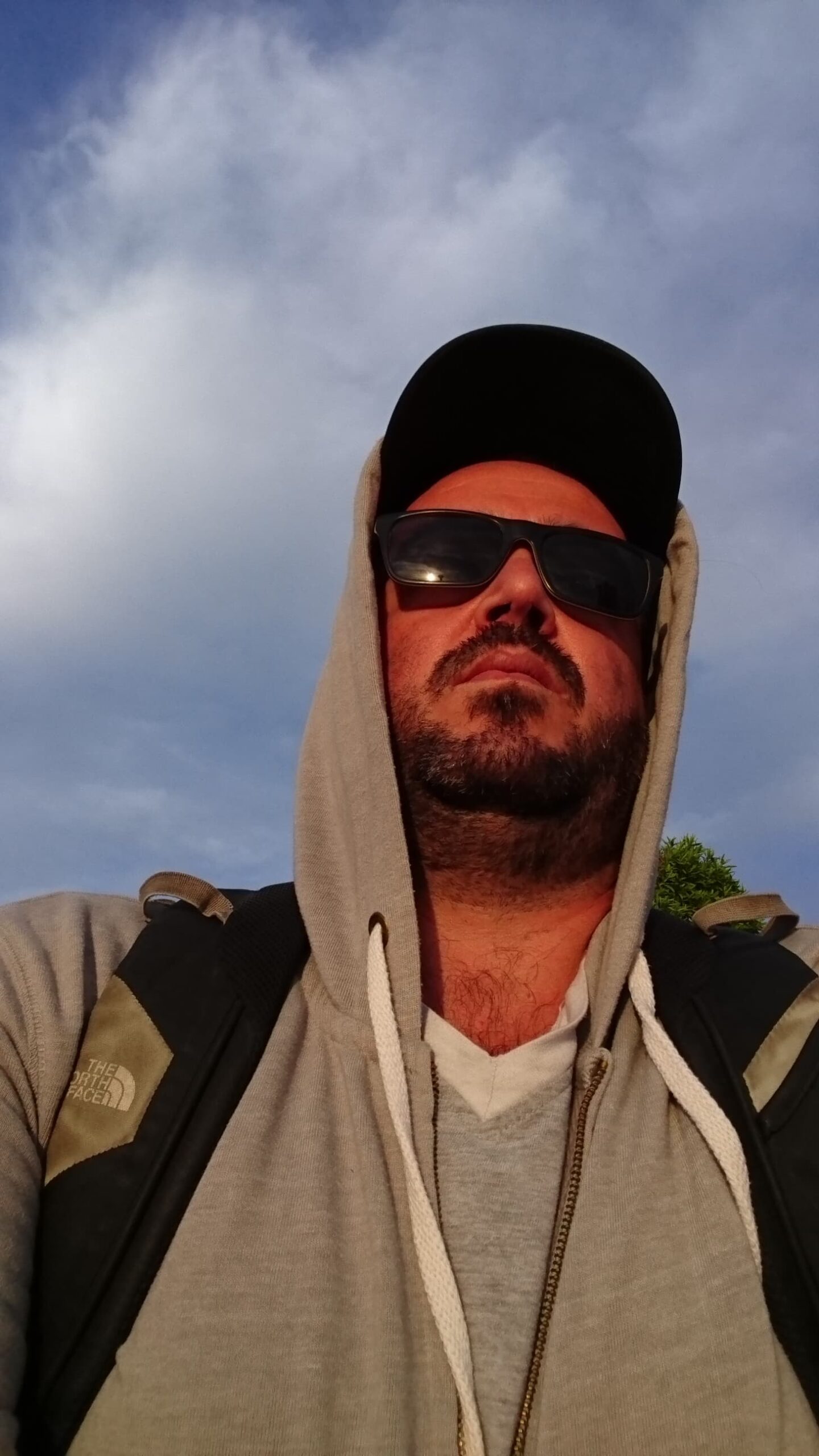
Professional Pride
— What are you most proud of?
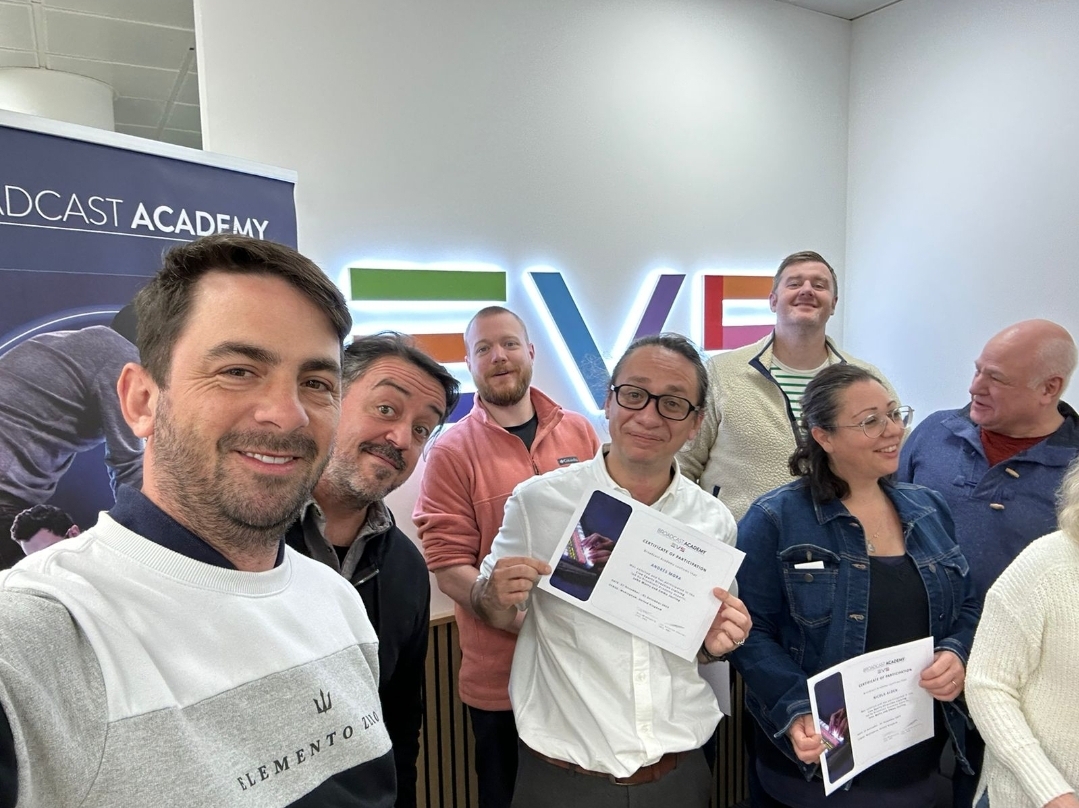
Across my career, I have mentored younger/starting operators. Sharing knowledge with people at the beginning of their journey. That matters to me. Professionally, I’m proud of my work as an EVS operator at the World Games in Chengdu, China. I’m proud of being part of the Paris 2024 Olympic Games. And directing the Nazaré Big Wave Challenge — being invited by the WSL to take that role — was a major personal milestone.
 Mentorship, Legacy, and Personal Priorities
— You mentor many people. Who mentored you?
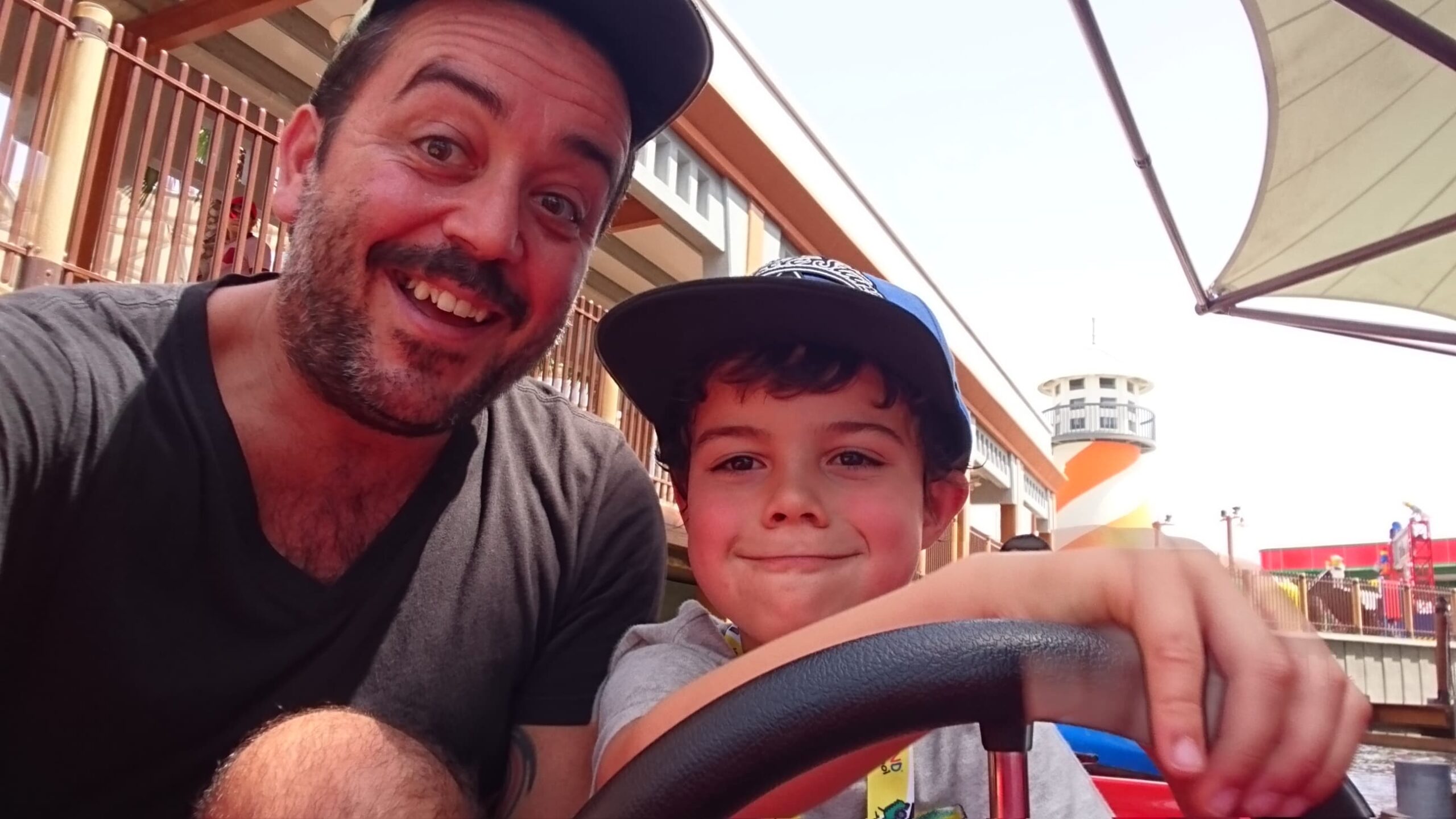
My main mentor is Luis Azougado. He was the one who first asked if I wanted to learn EVS. He gave me the opportunity. Throughout my career, many colleagues and several directors have shaped me. This industry lives on shared experience and trust. Different people, one goal. That’s what makes it powerful.
“Sharing knowledge with younger operators matters to me. This industry lives on trust and experience.”
 Private Life
— Are you married?
I have a partner. We’re not married.
— What is your dream?
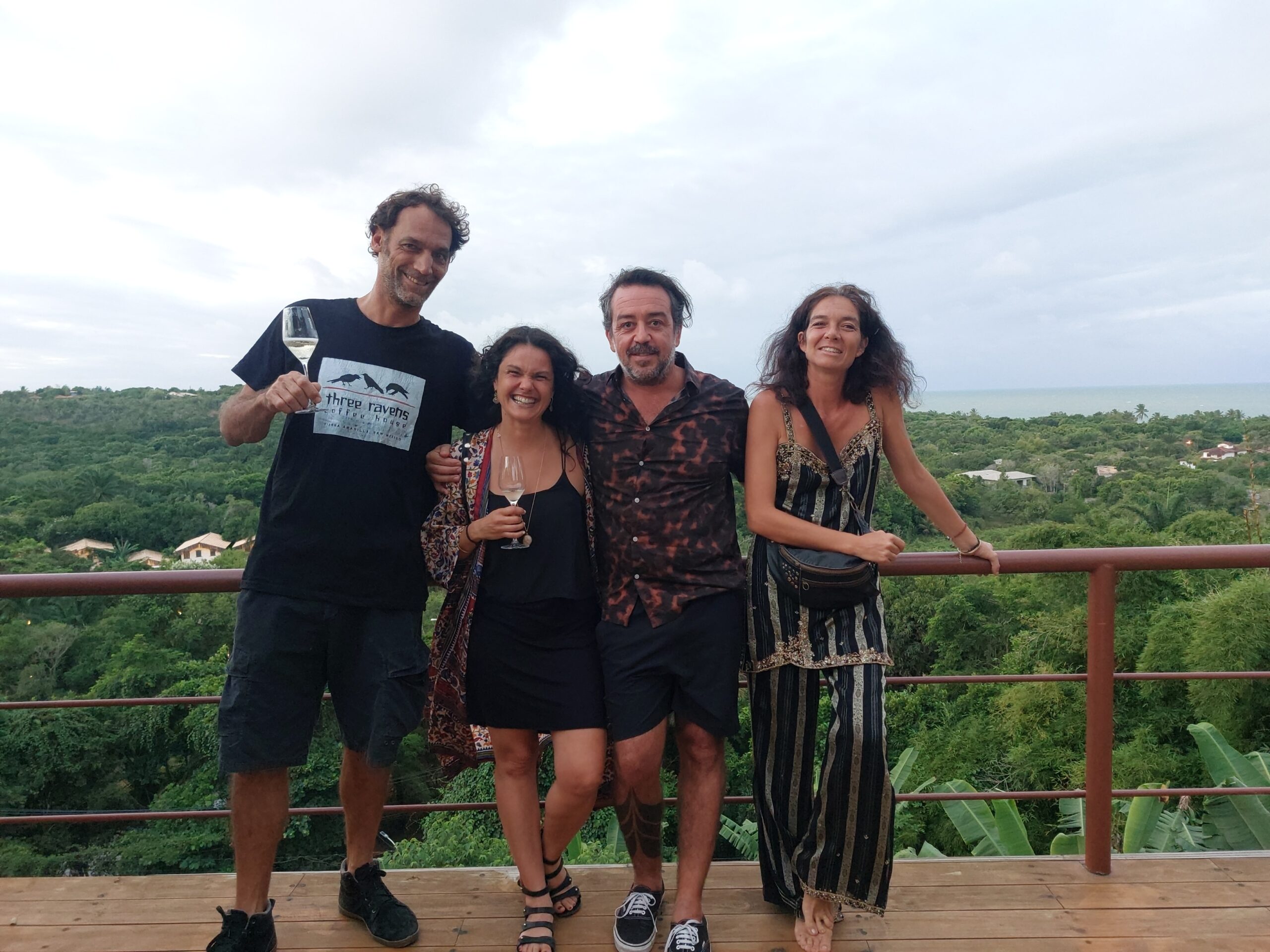
To spend as much time as possible with my family and friends. That’s honestly what I hope for the most.
 From Lisbon to Paris 2024 and the Saudi Pro League, the journey continues — shaped by experience, resilience, and quiet ambition.