Frederick-Ali Talaa grew up in a world no child should ever experience. Music, noise, lights, and adults surrounded him before he had the words to understand what was happening. It was not a one-time memory. It was the environment that shaped his childhood.
He did not grow up with school, playgrounds, or a structured family life. He grew up inside nightclubs, surrounded by chaos, instability, and pressure.
By 14, he had lived through institutional abuse, left school, and started working to survive.
By 19, he was managing a club in the Caribbean.
By his late twenties, he was touring the world and playing more than 100 shows a year across continents.
And yet, the real story is not about success.
It is about survival.
“Music saved my life,” he says.
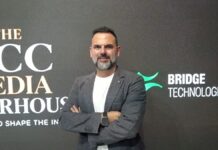
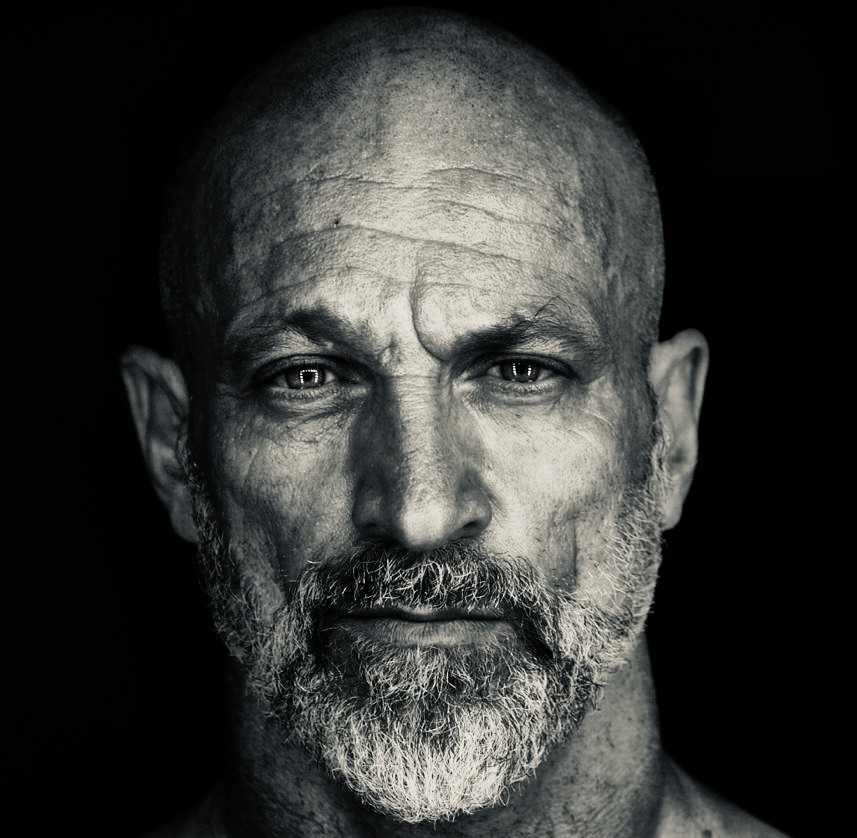
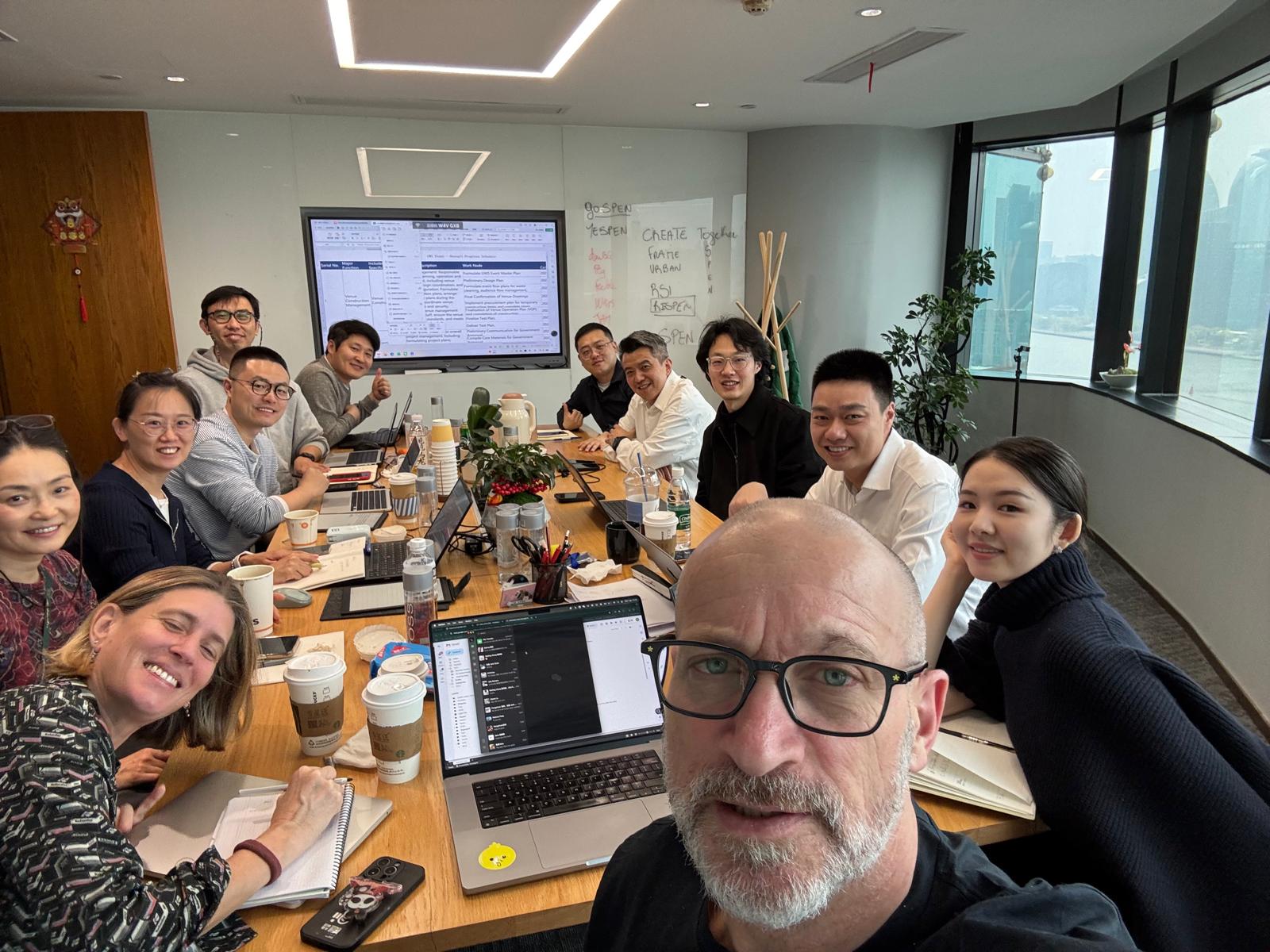 Interview with Frederick-Ali Talaa, CVO, Co-creator & Co-Founder at Concept Club.
A Childhood Inside Nightclubs
— When and where were you born? Who were your parents?
I was born in 1972 in France, in a city called Vichy. My mother was half Italian. My father was Berber, Algerian, Kabyle. So from the beginning, I came from a mixed background, with different cultures meeting inside one family.
— What is your very first childhood memory?
My first real memory is very unusual. I was maybe three or four years old, and I was in nightclubs.
— In nightclubs? At that age?
Yes. My father owned major nightclubs in central France. My parents were divorced, and when I was with him, he kept me there at night because he was working all the time. He was not really a good father, let’s say, but that was my reality.
My life began inside clubs. Looking back, maybe it was destiny. In the end, I became a DJ and a music producer. Somehow, it all started there.
“My life began inside clubs.”
Between Two Parents, One World
— Which side brought you into that world first — your mother or your father?
First, my father. My mother did not know at the beginning.
My parents had shared custody, and when I stayed with my father, he would simply keep me in the club all night. It was not really a choice. He was working, and that was how he lived. He had a very big club, with a capacity of 10,000 to 15,000 people, plus huge restaurants above it. He was working all day and all night, so I grew up there, among that rhythm, that noise, that atmosphere.
That environment became normal to me before I was old enough to understand that it was not normal for a child.
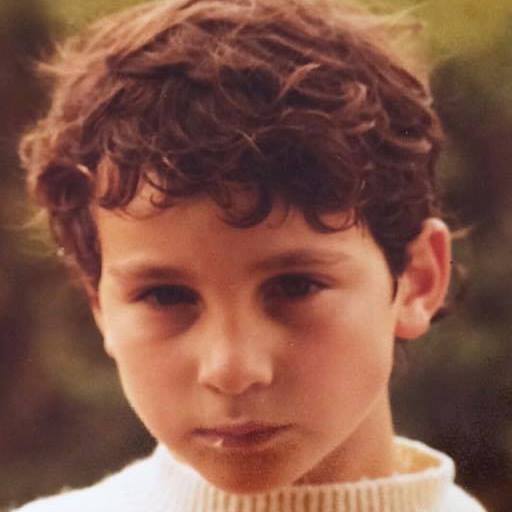 The Night His Mother Found Him There
— Do you remember when your mother discovered that you were spending nights in the club?
Yes. I remember one moment from when I was around four or five years old. My mother was living in Vichy, and my father was living in Clermont-Ferrand, another city nearby. Sometimes she would come here to party. One night, she came to the club and found me there.
She was very upset. Very upset with my father. I cannot say I remember every detail clearly, but I know there was a serious fight between them because of that.
Running Away to Follow the Night
— And yet later, you wanted to go with your mother, too?
Yes, because by then the nightclub world was already inside me. I had become so used to that life that when my mother later started working in nightclubs on her side, I wanted to go with her as well. At first, she would not let me. For the first month or so, she refused. But I would make a complete mess because I wanted to be there.
— What do you mean by “a complete mess”?
I would run away from home. I was eight or nine years old, and I would disappear for days, sometimes even weeks. They would find me in the south of France, hiding on trains or doing stupid things like that. It sounds crazy now, but that was how strong the pull was. I was trying to follow the only world that already felt familiar to me.
No Ordinary Childhood
— So, in the end, your mother had no choice?
No, she did not. She was alone, and she did not know how else to manage it. In the end, she had to take me with her. That was not an ordinary childhood. But it was my childhood. And when I look back now, I can see that everything started there — the music, the nightlife, the instinct for performance, the energy of the crowd, the sense that night was not something separate from life, but the place where life itself was happening.
Music, Movement, and the First Stage
— Your mother was also working constantly at that time, correct?
Yes. During the day, she worked in a factory. Then on weekends, she worked nights in a club. In the end, she had to keep me with her as well.
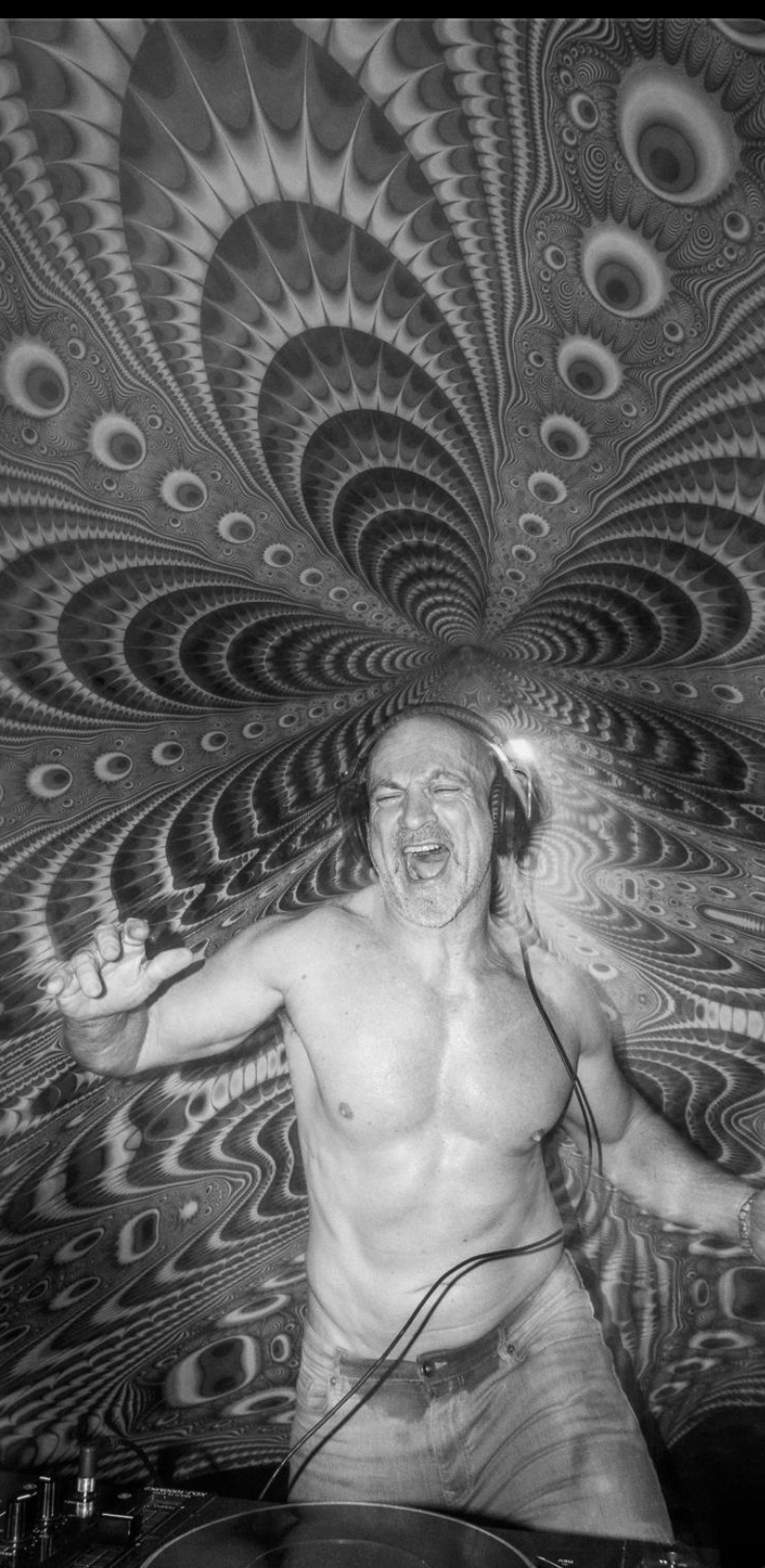
So, my life became deeply connected to music. I was fascinated by the DJ — by the way he played, by the way he performed, by the energy he controlled in the room. I was also very young and very talented as a dancer, so I danced all the time.
I still remember what that felt like. Imagine a little boy of five, six, or seven years old dancing in the middle of the dance floor, while all the adults form a circle around him, clapping and watching. Very early in life, that became something natural to me. That space, that attention, that atmosphere — it felt like home.
— Was that the moment performance became part of your identity?
Yes, absolutely. I did not think about it in those words then, of course, but that was already my world. Music, movement, audience, rhythm — all of it felt familiar long before I understood what a career could be. That is why, later, being on stage or behind the decks never felt unnatural to me. In many ways, I had been preparing for it since childhood.
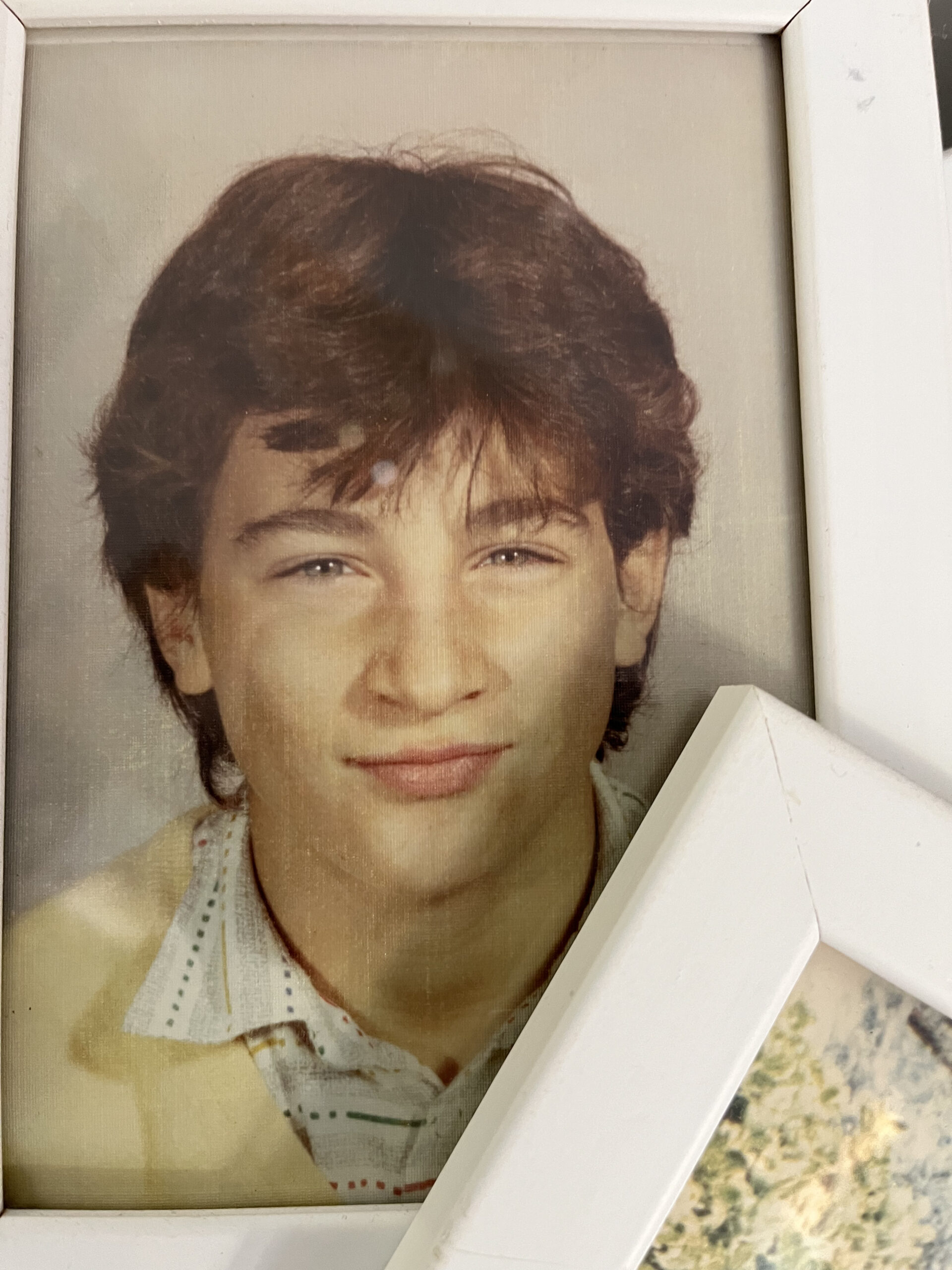
Becoming a DJ at Eleven
— When did music stop being just part of the environment and become something you did yourself?
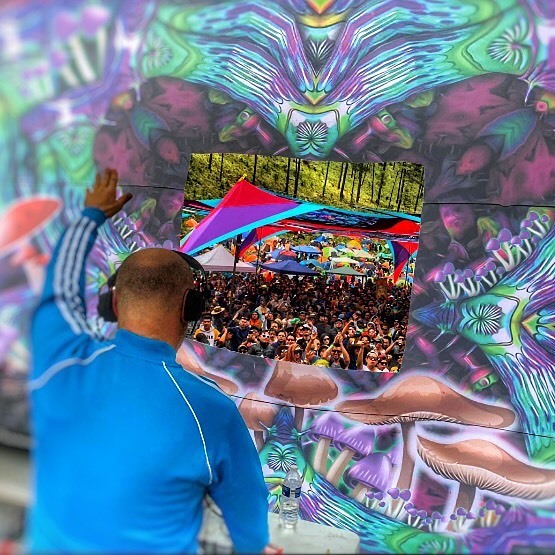
Very early. I became a DJ when I was 11 years old.
— At 11?
Yes. I was already playing in discotheques and nightclubs when I was a child.
— In France?
Yes, all of this was in France.
It sounds impossible now, and of course, it broke every rule. But that was the world I grew up in. Both of my parents were connected to nightlife. My mother was also working in discotheques and nightclubs, in another city, and my father owned several clubs, hotels, and related businesses. My whole life, from the very beginning, was tied to the night.
The First Hip-Hop Band
— When did you begin making music yourself?
Quite early. By the age of 12, in 1984, I had my first hip-hop group with two other guys. This was the beginning of hip-hop arriving in France, and we were completely absorbed by it. I was rapping, breakdancing, and creating music with tapes and very simple equipment. We started performing in different clubs and small concerts. It was the beginning of something, and for us it was exciting. It felt new, raw, and alive.
— So, by then, nightlife was no longer just the environment around you. It had become your own space creatively.
Exactly. At first, I had simply grown up inside that world. But now I was no longer just watching it — I was becoming part of it. I was performing, creating, experimenting. It was no longer only about surviving inside that environment. It was beginning to give me an identity.
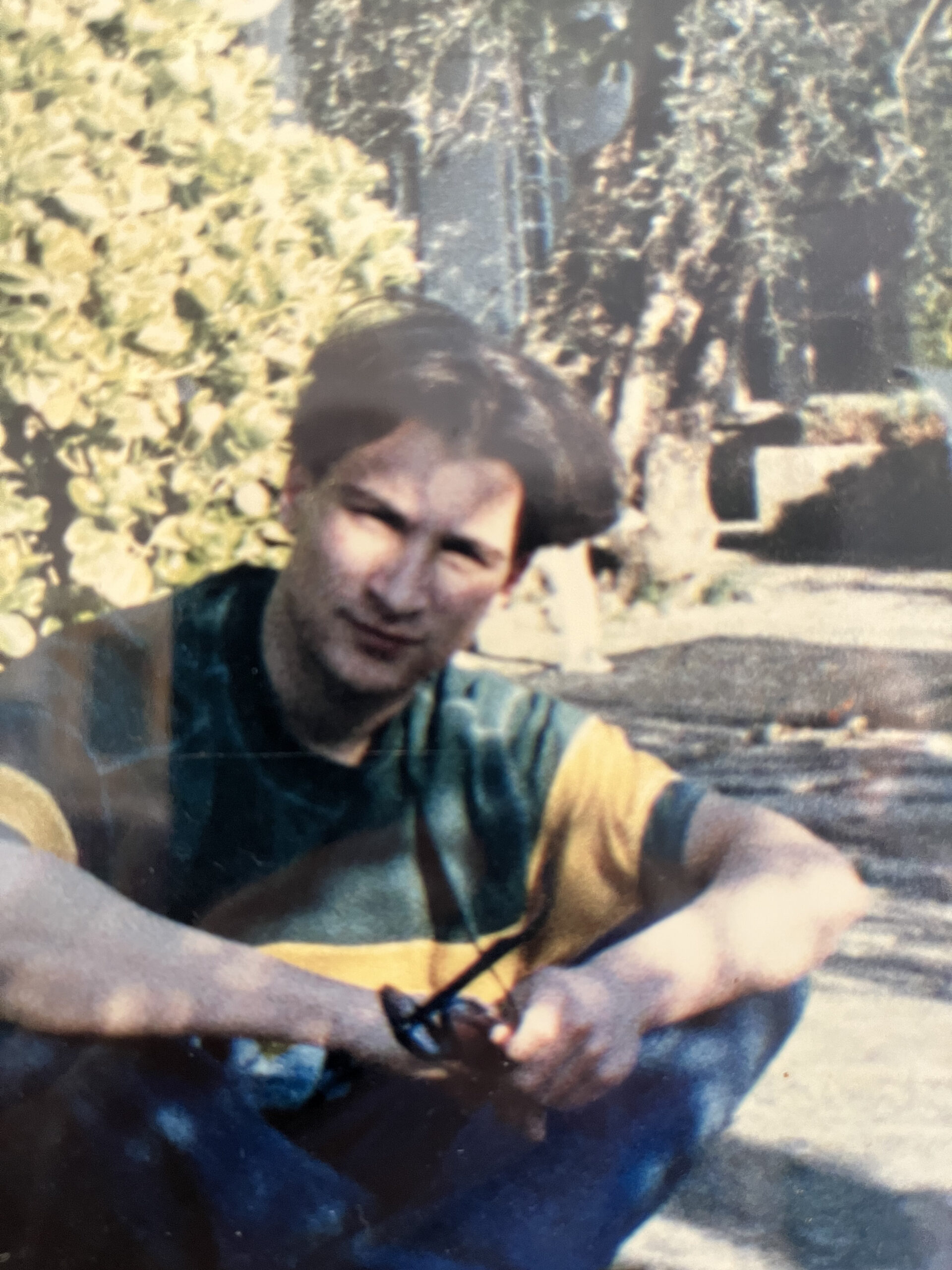
Leaving School Early
— At what point did formal education begin to fall away?
Very early. I stopped school when I was 14.
By that point, too much had already happened in my life. When I was around 12, I was taken into a state institution for children from difficult or dysfunctional family situations. I stayed there for two years. It is not easy to summarize that period, because I went through many of the worst things a child can go through. There was abuse. There was violence. There were experiences no child should ever have to carry. From a very young age, I had to build myself while carrying a very damaged story.
— Did that force you to grow up faster than other children?
Yes, without question. There was no real childhood in the usual sense. There was survival, adaptation, instinct. Very early, I had to learn how to function in difficult environments and how to keep moving forward no matter what was happening around me.
That changes you. It gives you strength, but it also leaves marks.
Work Begins at Fourteen
— When did work extremely enter your life?
At the end of that period, when I was 14, during the summer, I started working in bars and clubs in the south of France. That was the beginning of a different phase. I was still very young, but I was already entering professional environments. The nightlife world that had surrounded me since childhood was now becoming the place where I earned money and began building myself more independently.
— And then you moved to Paris?
Yes. I went to Paris when I was 15.
That was another turning point. Paris meant scale, speed, and opportunity. It also meant that life was becoming even more real, even more adult, very quickly.
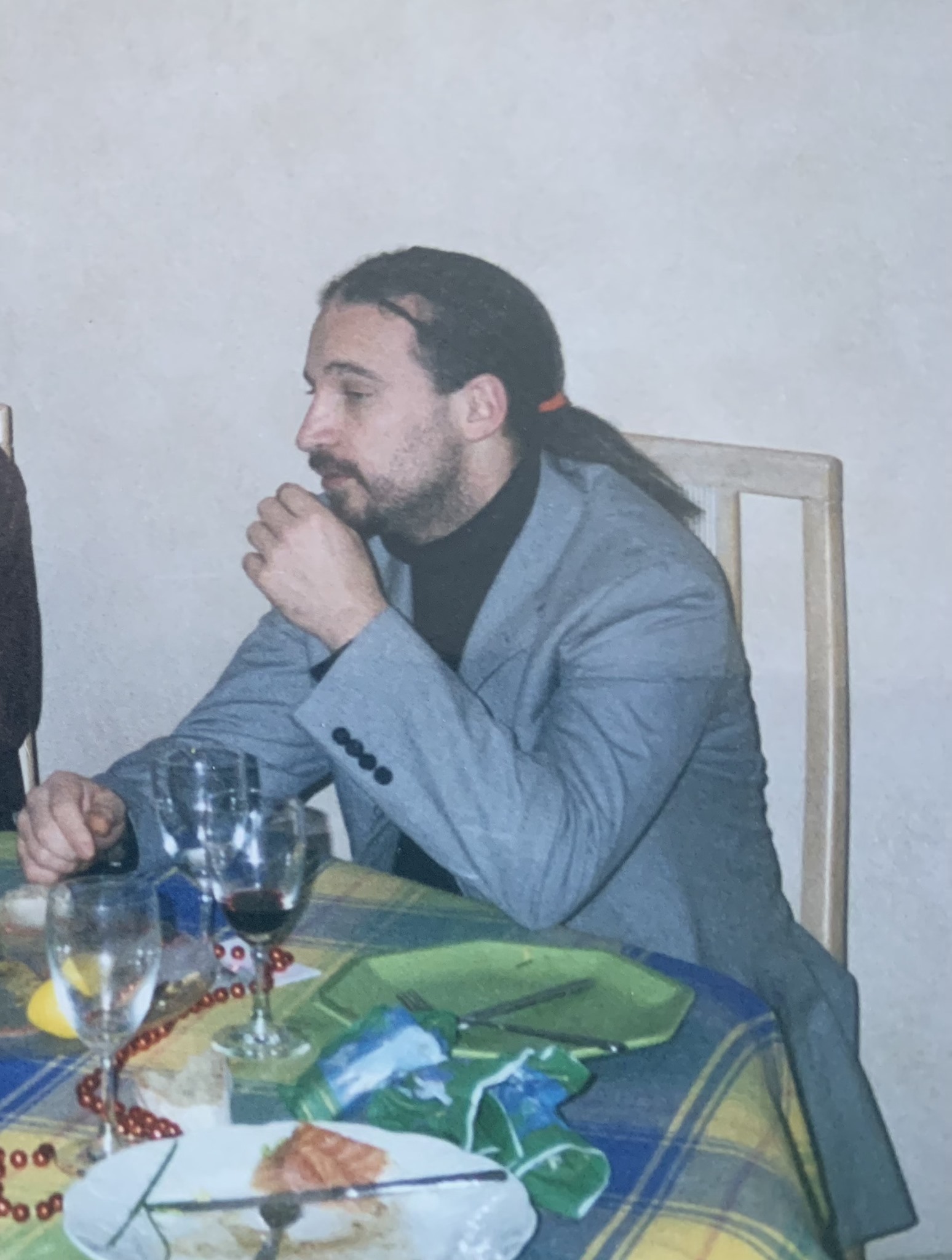
Paris at Fifteen
— You said you left the institute and went to Paris. Where were you living at that time?
I was renting a place in Paris.
— You mean you were renting it yourself?
Yes. I was paying for it myself through work.
— At 15?
Yes, at 15.
It sounds impossible today, and of course, now it would be. But back then, in the life I was living, many things happened that would be completely unthinkable now. I was already surviving on my own, working, finding places to stay, moving through the city as if I were older than I really was.
— So, from a very young age, you were functioning like an adult?
Yes, but without the structure an adult is supposed to have. That is the important difference. I was still just a kid, but a kid without real guidance, without proper education, without solid parents around me. I had been raised in the night, surrounded by chaos, abuse, sexuality, instability, and all kinds of things a child should not be exposed to so early. So yes, I was independent in one sense, but also completely unformed in another.
I often say that I came from the dark. Someone like Ursula Romero came from the light.
Paris, the Eiffel Tower, and the Night Shift
— What was your first job in Paris?
I worked at the Eiffel Tower, on the second floor, in the restaurant Jules Verne. It was a beautiful place.
— What exactly did you do there?
I was a busboy. I was learning the restaurant trade from the ground up — how to be a waiter, how service works, how to become a bartender, how to function in a demanding professional environment. That was very important for me, because it gave me discipline. It taught me precision, pace, and standards. It was not glamorous work, but it was serious work, and I learned fast.
— And at the same time, you were still drawn to nightlife?
Yes, very quickly. Even while working at Jules Verne, I began working nights in a huge club in Paris — a techno club, a gay club.
So once again, my life was split between the formal world and the night world. During the day, I was learning discipline and service in one of the most iconic places in Paris. At night, I was back inside the energy, the music, and the culture that had shaped me since childhood. That duality became very important in my life. One side gave me structure. The other gave me identity.
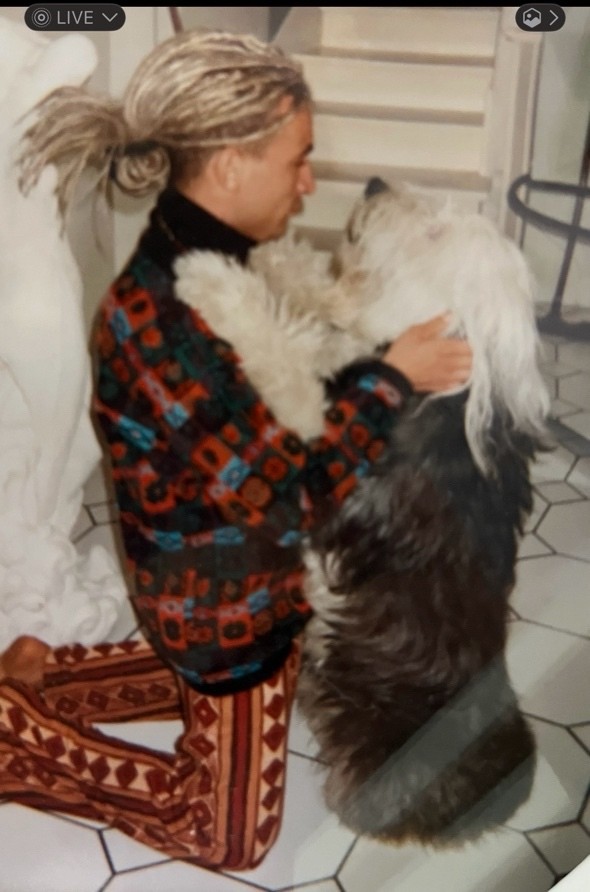
Paris, Work, and the First Professional Steps
— You were only 15 at that time?
Yes, 15 years old.
— And the restaurant management knew your age?
Yes. Back then, it was possible to start working at 15 in that kind of role. It was not full employment in the way people would imagine today. It was more like a combined path — part training, part school, part practical learning. So you could enter the profession very young and begin from the bottom. That is how it happened for me. I was learning through work, step by step, while already trying to build a life for myself.
— And this was all happening in Paris?
Yes, of course. Paris is a crazy city, but also one of the great cities of the world. For someone young, restless, and already shaped by nightlife, it was an intense place to be.
— What was Jules Verne really like from the inside?
The view, of course, was extraordinary. The location itself was enough to make the place memorable. But if you ask me honestly about the food, it was so-so.
The restaurant where I worked was clean because it had two Michelin stars, so standards had to be maintained. But in general, I also worked in other restaurants, and that gave me a very realistic view of the business. From the outside, everything can look elegant and polished. Inside the kitchen, sometimes the reality is much less impressive.
That was another education for me. Very early, I learned the difference between image and reality.
Entering the Techno Scene
— You mentioned a big techno club in Paris. How did that begin?
It was the beginning of electronic dance music really landing in Paris — and more broadly in France and Europe. That moment was very special, because something new was arriving. A new sound, a new culture, a new energy. And my entry into that world was funny, in a way. I started working as a go-go dancer in a big techno gay club.
— A very different world from the restaurant, then.
Completely different. But for me, it still felt natural, because I came from the night. Discotheques, clubs, nightlife — that had always been my environment. It never felt foreign to me. I was a very good dancer at that time, really very good, so I got work as a go-go dancer three nights a week. The rest of the time, I was working in restaurants.
That was my life: days in structured hospitality, nights in music and performance.
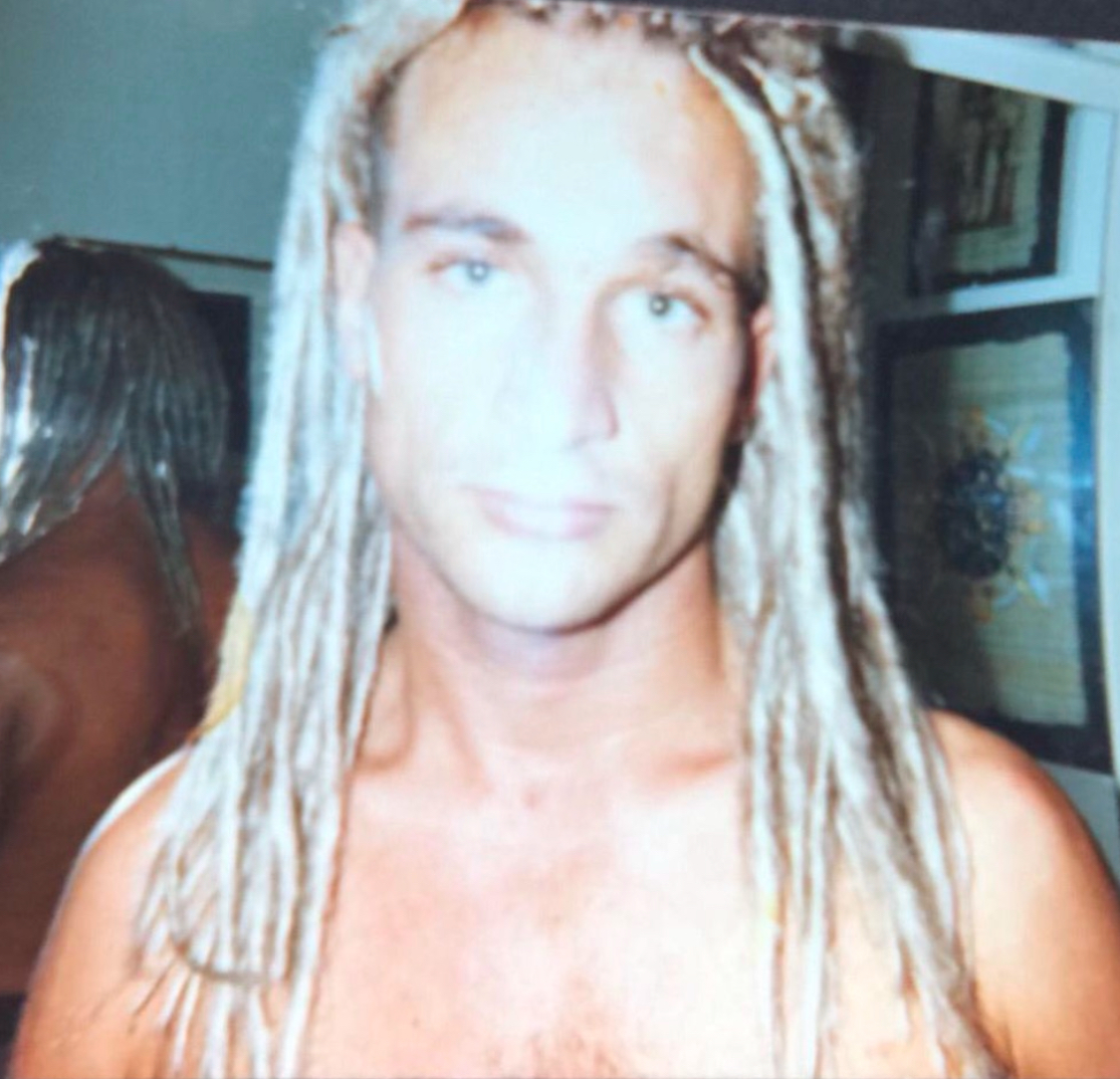
Music as the Real Goal
— Were these jobs already part of a bigger plan?
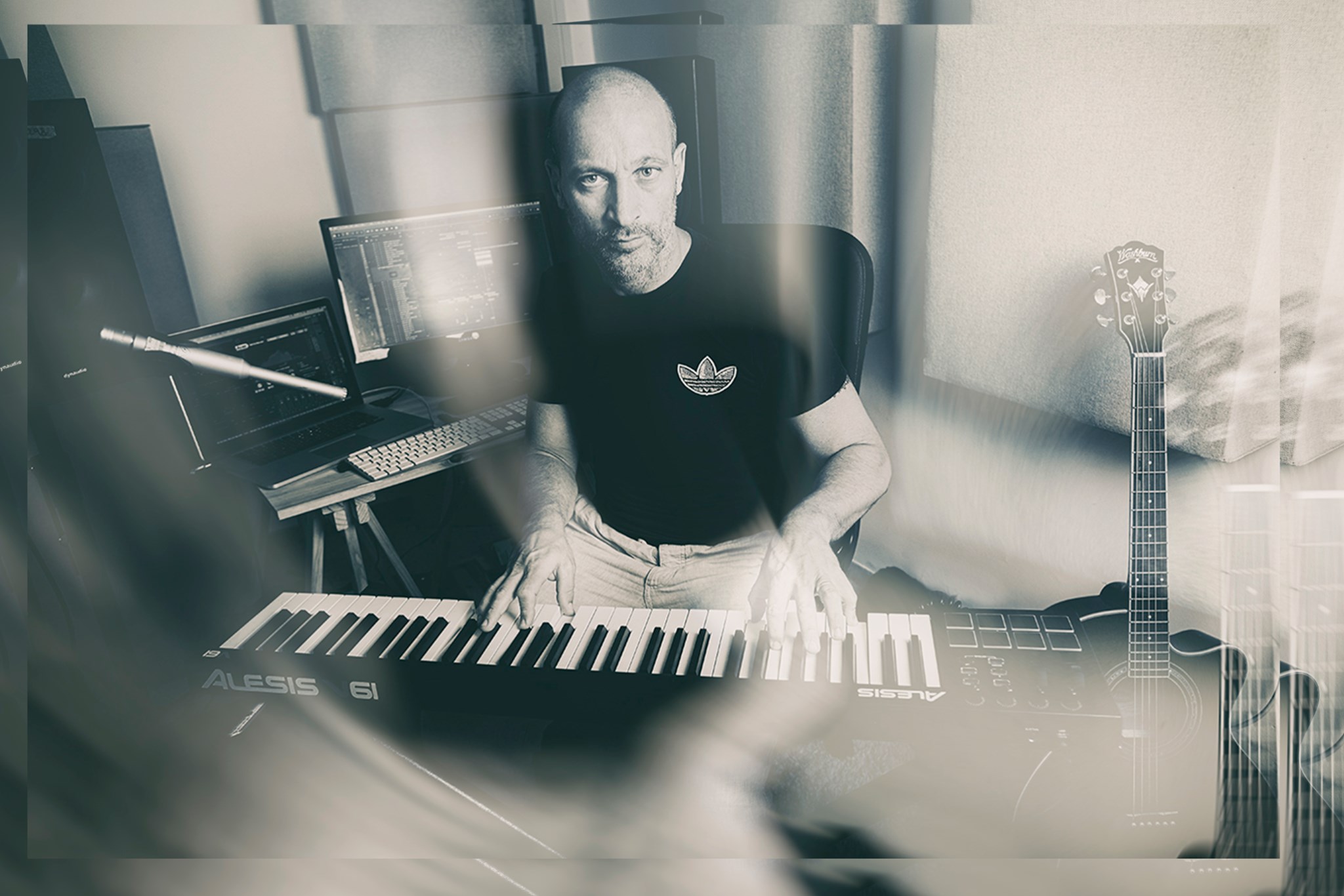
Yes. My real dream was always music. I had started piano very young, when I was seven, and from that point on, music stayed at the center of everything. All those jobs were a way to move forward step by step, to earn money, to survive, and eventually to give myself the possibility to make music seriously. That was always the objective in the background. So while I was working, I was also learning. I learned to DJ. I learned piano. I kept building skills, even when life looked chaotic from the outside.
In that sense, none of those years was random. Even the hardest periods were feeding something.
A Life Without Structure
— What did that lack of structure do to you at that age?
It made me wild. Completely wild. When I was in the institute, I became close to some of the counselors there, and they were convinced that I would end up either dead or in jail. That is honestly what they thought, because until I was 18, I was doing crazy things all the time. I was surrounded by the wrong people, I did not care about life properly, and I did not really understand consequences.
At 15, for example, I was already driving cars without a license. That gives you an idea of the kind of life I was living. It was reckless, unstable, and full of anger.
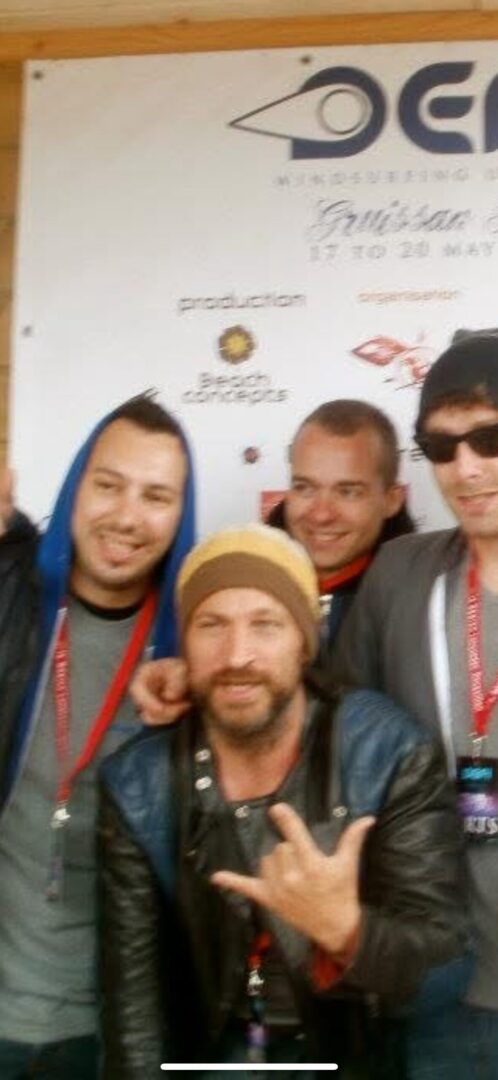
— Did you feel that you were in danger, or did you only understand that later?
At the time, I did not fully understand it. When you grow up inside chaos, chaos feels normal. You do not always realize how far outside the normal structure of life you have gone. Only later do you look back and see how close things were to going very wrong.
The South of France, a Short Marriage, and Behind the Bar
— What happened next?
Later, around 17 or 18, I was in the south of France. I got married.
— Married that young?
Yes. But it lasted only six months. At that time, my life was still moving very fast. I was working as a bartender, and I became quite good at it — not just serving, but performing behind the bar. I was juggling bottles, creating cocktails, doing the whole show. I became known for that. I even won prizes, and there were newspaper articles about me. So once again, performance found its way into my work. Whether it was dancing, DJing, or bartending, I was always drawn to the side of the job that involved rhythm, spectacle, and presence.
— So, even outside music, you were already becoming a performer.
Yes, exactly. That was part of my nature. I did not want to do things flatly. I always wanted to bring energy, style, and movement into whatever I was doing.
 Leaving for the Caribbean
— And then you left France?
Yes. At 19, I left for the Caribbean and went to live on the island of Saint Martin. That was another major turning point. I was still very young, but by then I was already used to rebuilding myself in new places. Movement had been part of my life from the beginning.
— What did you do there?
I became the manager of a large club called Amnesia.
— At 19?
Yes, at 19. That was the beginning of adulthood in a very real sense. By then, I was no longer just learning from nightlife or surviving inside it. I was starting to lead inside that world.
The Caribbean: Music Becomes a Direction
— What changed that trajectory?
The Caribbean changed a lot for me.
When I moved there, I began DJing properly, more professionally. That was the first time I felt I could really become what I wanted to be. Music stopped being only a dream or an instinct. It became a path. I put all my anger, all my emotions, all the confusion I had inside me into DJing. That is where I found a form of expression that was strong enough to carry everything I had lived through.
— So, music became more than performance. It became a way to survive?
Exactly. It gave direction to everything that had previously been just energy, violence, instinct, and survival. Music gave me a language. It was not therapy in the formal sense, but it was definitely a transformation. It allowed me to turn darkness into something creative.
“Music gave me a language.”
Ibiza and the Studio Years
— And from the Caribbean, you went to Ibiza?
Yes. From the Caribbean, I went to Ibiza, and there I became a resident DJ in several clubs. That was around 1994 or 1995. Ibiza was another major step because it placed me inside a serious international music environment. By then, I knew I wanted to put everything I had into music — all the anger, the craziness, the pain, all of it.
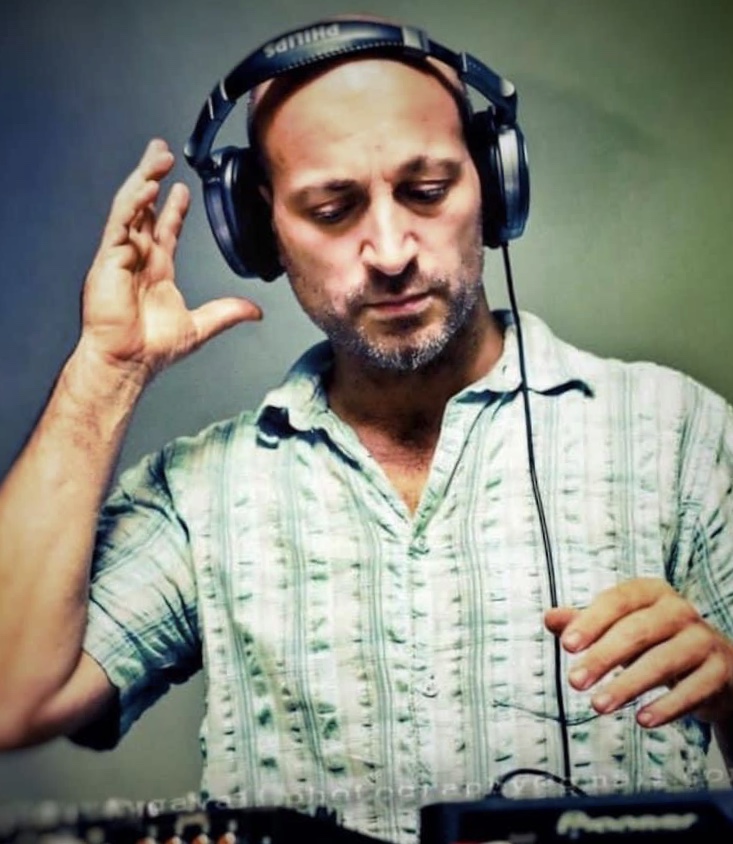
That is why, in 1996, I bought my first studio, my home studio. And from that point on, I worked obsessively. I would close myself inside and work, work, work, very hard.
— What kind of music were you making then?
It was a very specific underground genre. At that time, it was called Goa trance — very psychedelic, with roots that in some ways went back to the spirit of 1970s psychedelic rock, but transformed into electronic dance music. That sound suited me. It had intensity, trance, darkness, and movement. It matched what I needed to express.
The First International Breakthrough
— When did you feel that the music was really beginning to work?
Around 1998 or 1999, I was working on an album that was later released in Greece by a major label in that scene. It sold nearly 100,000 copies, which for that world was a big result. For me, it was the first real sign that this was no longer just an underground personal journey. It had become something international and professional. At the same time, my live act was also working very well. So it was not only about the records. It was also about performance.
— And then the touring began?
Yes, nonstop.
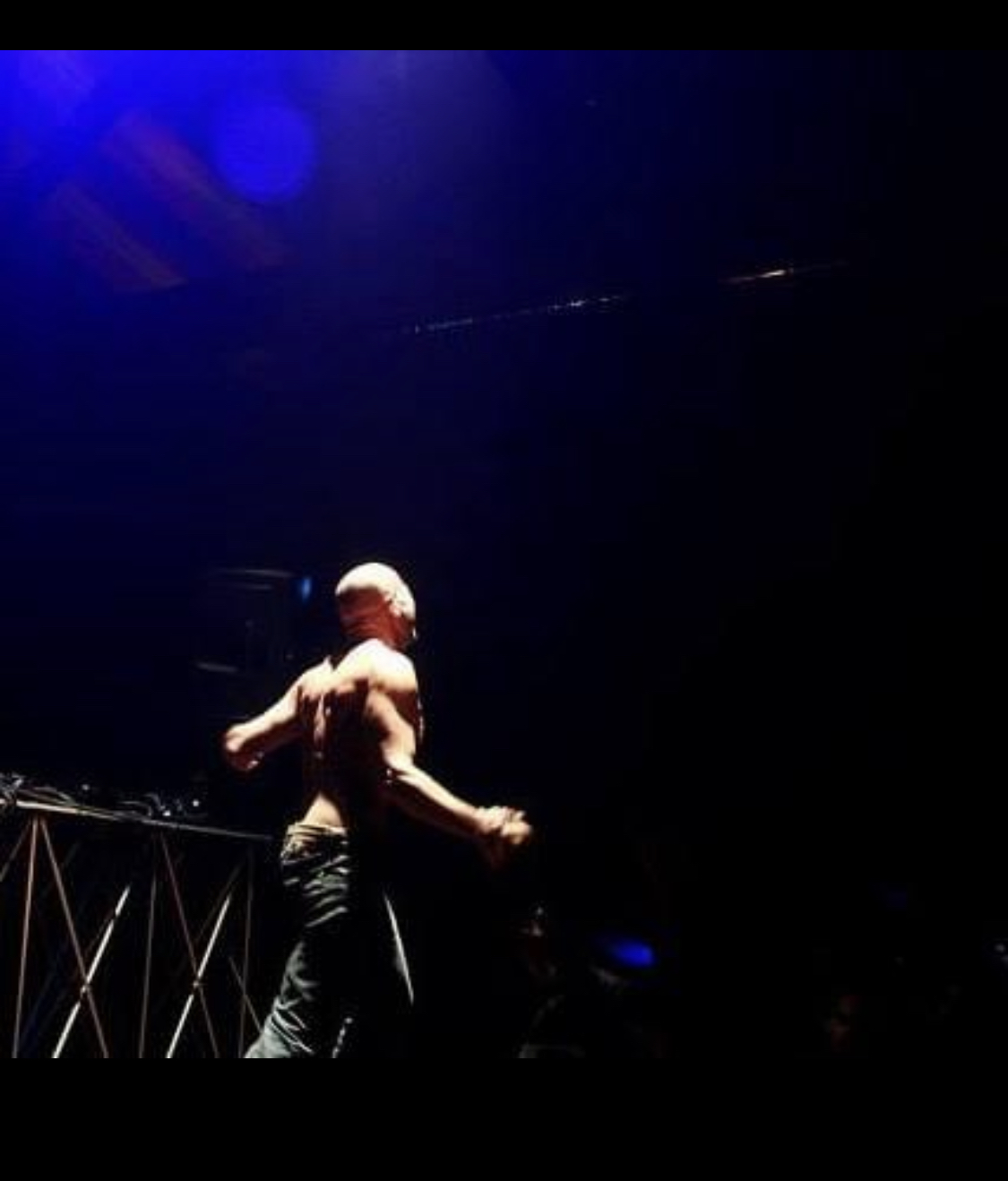
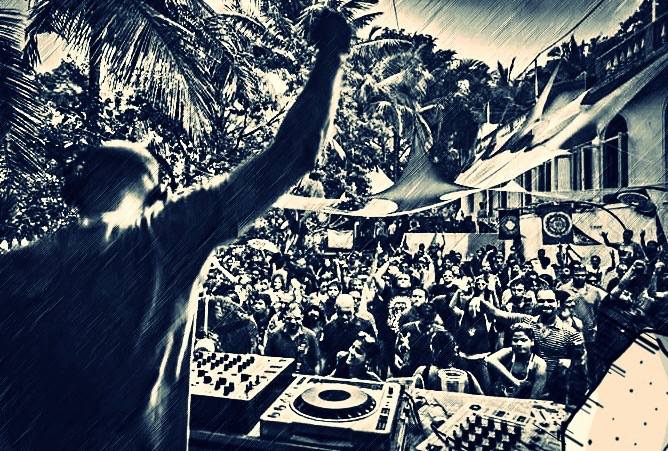
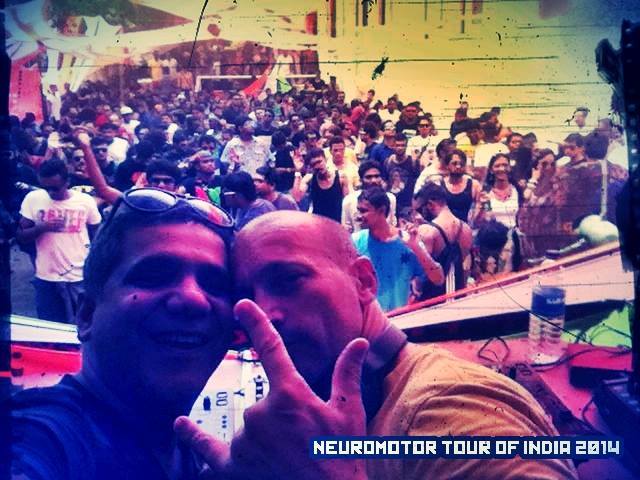
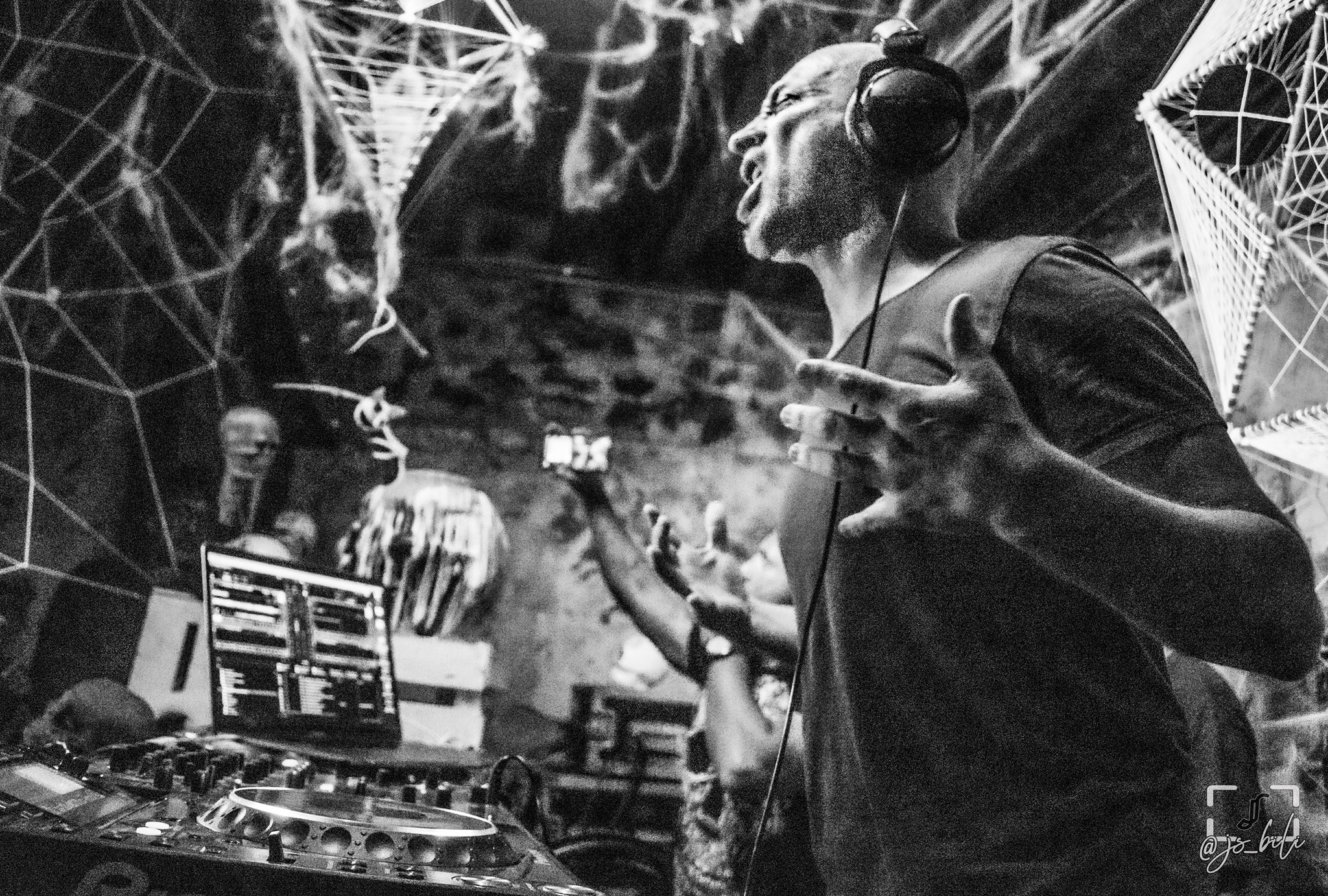
I was doing around 100 gigs a year — concerts, raves, clubs, festivals, everywhere. I played in Nepal, Brazil, India, Australia, Mozambique, Portugal, all across Europe, all across South America, in Russia, Hungary, Ukraine, and Slovenia — really everywhere. That period was intense. I had gone from a lost kid with no structure to someone traveling the world through music.
Building Something of His Own
— At what point did you begin thinking like an entrepreneur, not only as an artist?
Quite naturally, after that. Once the music career became established, I opened my own record label. Then I moved into another business, developing a clothing brand and selling under my own name. So, step by step, I was no longer only performing inside other people’s systems. I was beginning to create my own.
That was important for me, because my whole life had been about building from nothing. First, I had to build myself. Then I started building music. Then I started building businesses. And in many ways, that same instinct has stayed with me ever since.
Success, Exhaustion, and No Real Preparation
— At that point, was your life finally becoming more coherent?
Yes, it was becoming more coherent. But at the same time, I was still living inside a very unstable reality. All of a sudden, I was making very good money, and I had no idea how to handle it. I had no education for that, no financial understanding, no structure. So the money came in and went out almost as quickly. Not because it was easy — it was not easy at all. I worked incredibly hard for it. But I did not know how to build with it. I only knew how to keep moving.
— It was not “easy come, easy go” in the casual sense. It was more than you had earned, but you had never been taught what to do with it.
Exactly. I worked hard because I loved what I was doing. It was my passion. At that time, I was working almost constantly — sometimes 20 hours a day. I slept very little. Eventually, I became very sick with hyperthyroidism, because there were periods when I was sleeping maybe five to seven hours a week. I was constantly flying around the world, performing in concerts, and pushing myself very hard.
A Body Pushed to the Limit
— How extreme did that lifestyle become?
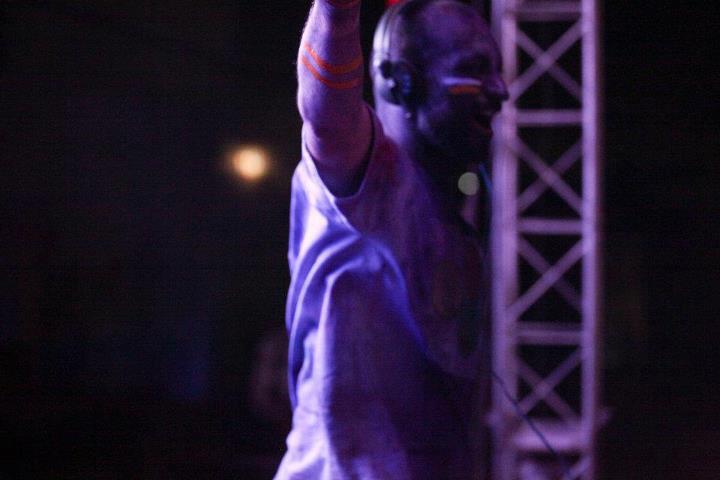
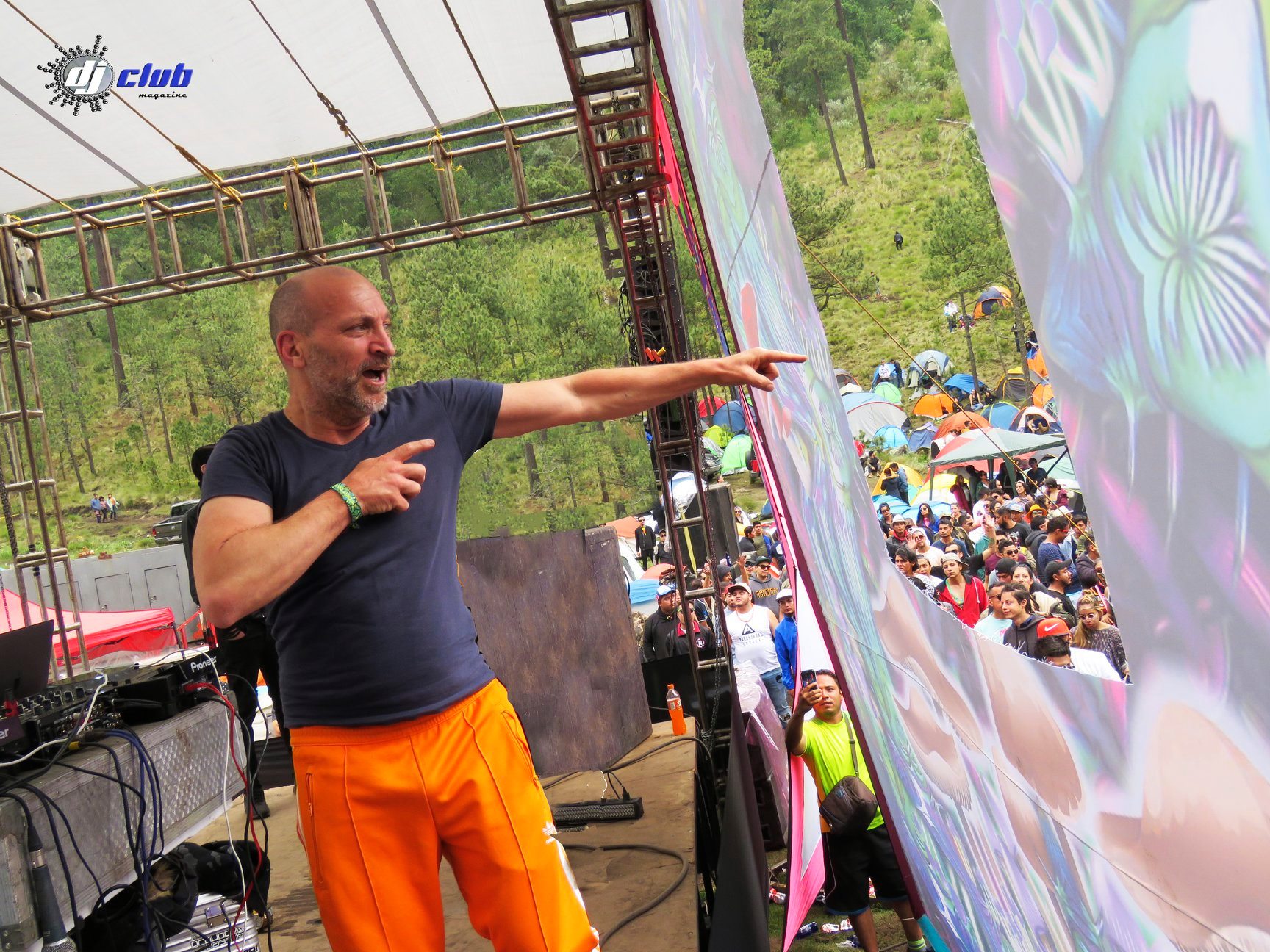
Very extreme. My DJ sets became known for being unusually long. I could play for 20 or 22 hours nonstop. That became part of my reputation. People knew me as someone who could keep going, who had stamina, who could carry a room for an extraordinary amount of time. But of course, that kind of intensity has a price. At the time, I was still young enough to keep going. Later, the body reminds you that nothing is free.
— And yet you were doing all of this without the typical nightlife habits?
Yes. That is important. I never drank alcohol. I never smoked. I never used cigarettes, never joints, nothing like that. People often find it hard to believe because nightlife is usually associated with the opposite. But for me, sports and music were my temple. That was the discipline I tried to keep.
“Sports and music were my temple.”
Drugs, Experimentation, and a Clear Break
— Was that true for your entire life?
Not entirely. When I was younger, I experimented. I started taking LSD when I was around 14, and I stopped around 19. I also tried MDMA, especially because at that time it had arrived very strongly in Europe. I experimented, I had some fun, and I explored what I felt I needed to explore — mostly with LSD.
I also went through quite intense experiences involving meditation and other kinds of inner work while using LSD. But at a certain point, when music became serious, I made a clear decision. I said: That’s it.
— There was a dividing line?
Yes. Once I stepped fully into music, I understood that I needed clarity. I could not build the life I wanted while losing myself at the same time. From that moment on, I stayed very straight. No alcohol, no smoking, no drugs. In nightlife, that is unusual. But for me, it became essential.
A Childhood Bet That Shaped a Life
— Where did that stubborn discipline come from?
Part of it came from pride, honestly. I was very stubborn as a child — very, very stubborn.
I remember one story very clearly. I was maybe 11 or 12, and one of my cousins made a bet with me in front of other people. She said I would end up smoking like everyone else. The fact that she said I would do what everyone else was doing made me react immediately. I told her, “You know what? I bet you five francs that I will never smoke in my life.”
And that was exactly the age when many kids started smoking — 11, 12, 13 — often just to imitate others, even if they did not really like it. But I did not do it. I wanted to win that bet. More than that, I wanted to prove that I was different.
Sports as Structure
— Was that also connected to sports?
Yes, very much. When I was a kid, sports were a huge part of my life. I was very good in athletics. I was very fast. I won many prizes in running and jumping. So even amid all the chaos, there was also this other side of me — discipline, movement, competition, physical control.
That mattered. Because even when my life was unstable, sport gave me a kind of structure. Later, music did something similar. And in a way, both came from the same place: the need to direct my energy into something stronger than destruction.
Discipline, Music, and a Different Kind of Life
— Dance and sport also helped protect you from the darker side of nightlife?
Yes, I think so. I was a dancer, I was athletic, and all of that gave me another focus. It helped keep me away from alcohol and smoking.
When you do not start very young, it becomes easier later to keep a distance. Even now, the only thing I might drink from time to time is a little very good champagne with my fiancée, just to celebrate something special. But alcohol has never really been part of my life. I do not drink wine, I do not drink casually, nothing like that.
Music was always there instead. That was the center.
From Performing to Teaching
— At some point, though, you decided not only to make music, but to pass on what you had learned.
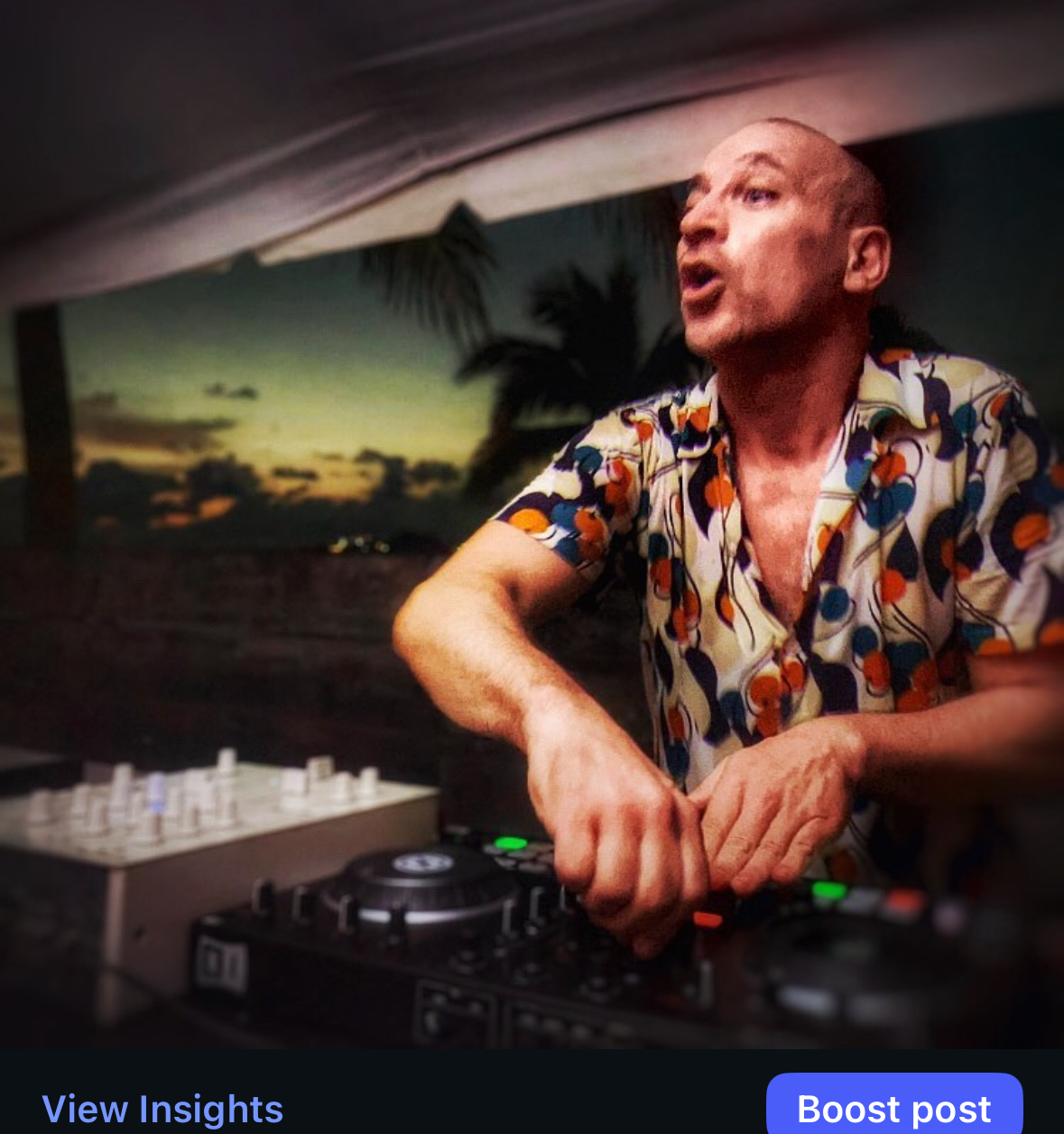
Yes. In 2012, I decided to take a bit of a break from the constant performance cycle and start transmitting my knowledge. I opened a school in music production. It was aimed at studio engineers and music producers, because at that time the field was really growing. There was a new generation coming in, and I felt I had something real to give them.
— What kind of school was it in practice?
It was very intensive. I had students from around 18 years old up to 40. It was not only kids, although many of them were young. I would take eight students at a time, and they would study with me Monday to Friday, from eight in the morning until six in the evening, for six full months. It was a proper, structured program. At the end of those six months, the best students would come with me on tour. That made it exciting, because it was not only theory. They could move directly from learning into the real world.
And because I also had my record label, if their music was very good, I could release it. So, the school became a real ecosystem — education, production, mentorship, and sometimes even career entry.
A Career Built Across the World
— By then, you had already lived a very large musical life.
Yes, I had. Looking back, I really had around 25 amazing years of my career. I played all over the world, in incredible places — from small festivals of 500 people to huge events with 40,000 or 60,000 people. I saw so many countries, so many scenes, so many kinds of audiences. But for me, the most important part was not only the excitement or the fun. It was the people. It was getting to know different cultures, understanding how differently people live, think, celebrate, and feel.
That changed me deeply.
— In what way?
It helped me heal. I had been one of those children who grew up traumatized, angry, and in conflict with life itself. I carried a lot of anger for a long time. Traveling, meeting people, and seeing the world helped me soften. It helped me feel better in life. It helped me understand what I wanted to become, not only as an artist, but as a human being.
Closing One Chapter
— How long did you run the school?
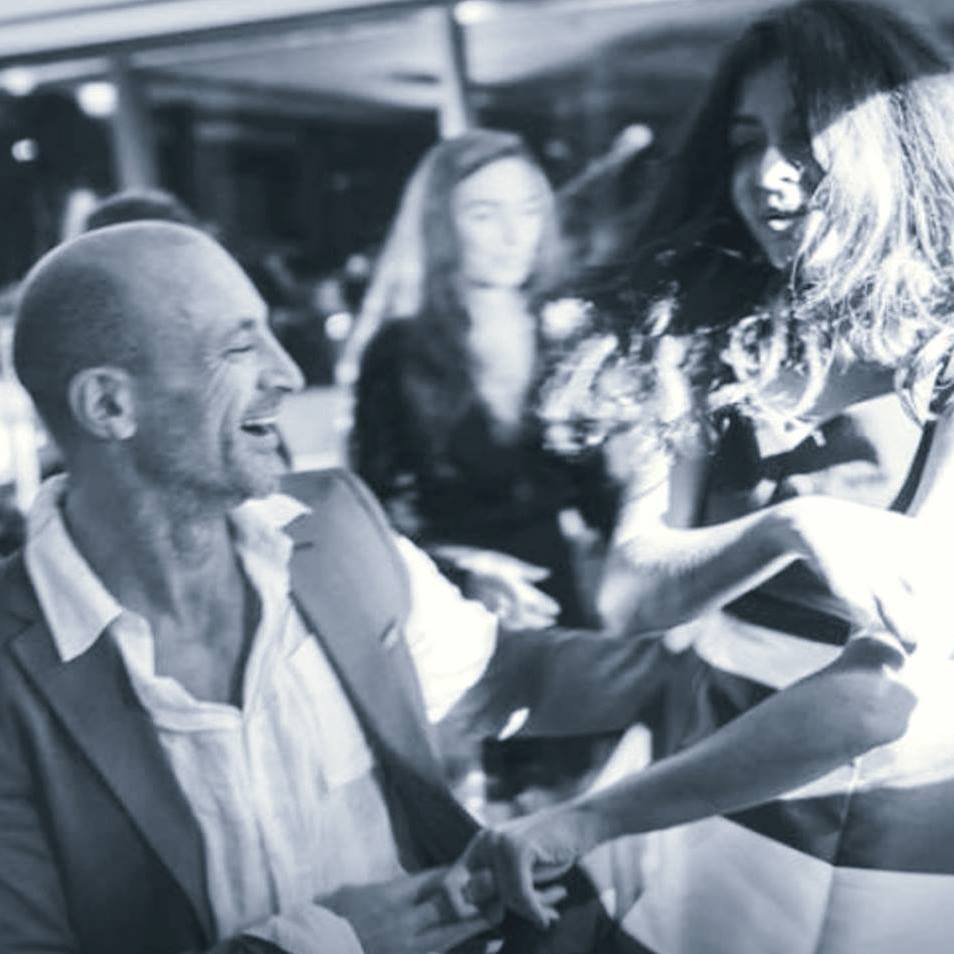
From 2012 to 2018. During that period, I had both the school and the record label. It was a very rich chapter of my life, but after that, I decided to stop everything. I had done music all my life, and I wanted to try using my mind differently. That was a strange moment, because when your whole identity has been built around one world, stepping outside of it can feel almost unreal.
— Was that difficult?
Yes, because I had never really done anything else. Apart from working in bars and clubs when I was young, my whole life had been music. I decided to do something that, in retrospect, was a little crazy. I decided to try to find a regular job.
The Fake CV and the Unknown World of Corporate Work
— How did you even begin that process?
I honestly did not know where to start. The only professional connection that made sense in my mind was that I had always worked on Macintosh and Apple systems. So I thought, maybe I should look in that direction.
Then I found a position connected to Apple — a project manager role in a sales department, something like a call-center environment. The funny thing is that I had no real idea what that title even meant. So, I did what I could. I searched online to understand the role a little better, and then I created a completely fake CV. Completely fake.
— Completely fake?
Yes. I used places where I had actually been. I used people I really knew. Some of them were friends of mine — people with big companies who had also organized festivals and events where I had performed. I asked them, “Can I say I worked for you?” And they said yes, no problem. So I built the CV like that and sent it in. It was a strange moment, because I remember thinking: “How am I ever going to get this job? I know nothing about this world”.
And yet they hired me.
The Excel Test
— And then reality arrived.
Exactly. They asked me to do a test in Excel. I had never even opened Excel in my life. I did not know what it was. I was very good with computers in my own world — music production, sound engineering, studio systems, compressors, acoustics, all of that. That was my language.
But Excel? Nothing. Absolutely nothing.
Luckily, at that time, they gave me the test to do at home.
Learning a New World by Night
— How did you get through that first test?
I sent it to my girlfriend at the time, who was from Mexico, and she helped me. In fact, she did the test for me. I remember telling her, “Please make a few mistakes, because if it looks too perfect, that will be suspicious.” She did, I passed, and I got the job. That was really the beginning of a serious problem — but also a very interesting one, because once I got inside, I realized I knew absolutely nothing.
— What happened next?
They trained me for ten days. The training was meant to teach me their specific tools, their management processes, the way they operated, and what they expected from me. The role was not small. I was supposed to manage around 150 people — different sales teams, different countries, different team leaders, different managers. And I was sitting there thinking: what exactly am I going to do here?
So, every evening when I came home, I started teaching myself everything. I registered on different websites, read whatever I could find, and tried to understand what a project manager actually does, what KPIs are, how the call-center business works, and what this whole industry is about. I had to learn everything from zero.
Managing Without Knowing the Rules
— How did you manage people when you had never been trained as a manager?
That is the funny part. Because I did not know what it meant to be a manager in the conventional corporate sense, I used my artist’s skills instead. I relied on instinct, on human connection, on energy, on how to read people, how to motivate them, how to create movement in a group. That became my way of managing, and it worked.
People liked me very much, and the teams got good results. But it was not because I was following some formal process. It was because of the way I was with people. So I discovered that my real strength in that environment was the human side.
— But that created another problem, didn’t it?
Exactly. At first, I thought: great, I am getting good results, nobody will ask too many questions. But in that kind of company, if you do well, they do not leave you alone. On the contrary, they ask: what did you do, why did it work, what was the process? Because if you are succeeding, they want to replicate it. And that meant I was in trouble again.
Presenting to Apple
— Now you had to explain results in a language you were still learning.
Yes. I had to learn how to make presentations and explain what I was doing to important people at Apple. That was also very funny, because I had never made a PowerPoint presentation in my life. I did not even know how to begin. My first presentations were very psychedelic, and once again, luckily, my girlfriend helped me a lot. Without that help, it would have been even more chaotic than it already was.
— What did it feel like emotionally, going from the music world into that room?
It was surreal. Imagine a music producer, a DJ who had toured the world, suddenly sitting in an office, managing large teams of people, and not really knowing what he was doing. It was completely crazy, but at the same time, it was also fun, because I had to overcome fear, stress, and all the things that come with entering a world where you do not belong naturally. I had to adapt very fast, and in the end, it worked.
The First Promotion
— How long did it take before the company recognized that?
After about a year and a half, I was offered a position as Operations Manager. I accepted it. At that point, I had already moved beyond the first shock of simply surviving in the role. I had begun to understand how the structure worked, how to deal not only with teams but also with clients.
So, I started becoming something more hybrid — a mix of sales, management, and operations. That was another important shift for me. Once again, I had entered a world where I knew nothing, and once again I had managed to build a place for myself inside it.
When Music No Longer Said Enough
— At some point, your music manager came back into your life?
Yes. He is from Dubai, and he reached out to me, saying, “Come on, let’s go back to work. We were supposed to do an album.”
I returned to music for about a year. But something had changed. I felt that I had already said what I needed to say. I had started very young, built a long career in the trance scene, and had been in the top 10 for more than ten years. I had toured constantly, all over the world. It had been an incredible journey, but also an exhausting one.
— Exhausting in what way?
People imagine that lifestyle as glamorous, but in reality, it is very demanding. One day you are in one country, the next day in another, then another. It never really stops. It is exciting, but it is also physically and mentally tiring. At some point, I felt that I could not connect in the same way anymore. The energy was not the same. I was still capable of performing, but internally, something had shifted.
— And yet you were still active at that time?
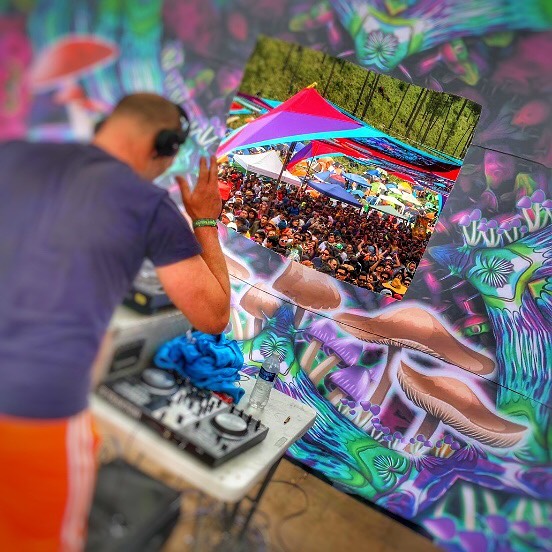
Yes. I was still teaching, but mostly online. At the same time, I went on a six-month world tour — India, Brazil, Canada, the United States, and Mexico. And then, in Mexico, COVID happened. Everything stopped. I went back home to Barcelona, and like many people, I had to rethink everything again.
An Unexpected Door Into Broadcast
— How did the next step come?
Through a student of mine, who had become a friend. At that time, I did not even know what he really did. Later, I found out he was working for OBS as an operations manager on the engineering and installation side. We talked often, and one day he told me, “Because of COVID, we have a problem. One of our operations managers cannot travel. He is from New Zealand, and if he leaves, he cannot return.” This was for Tokyo.
— And he offered you the role?
He asked me if I would be willing to try. He said, “You have some management experience, you worked in call centers, you are a sound engineer. Would you take the challenge?” I thought about it and said yes. It was a challenge, and I have always believed that it does not harm a person to test themselves.
— What was your first impression of that world?
It was completely new. I had never really been part of the broadcast industry. I knew it existed, of course, but I had never been inside it. My life had always been on stage — performing, traveling, doing interviews, meeting audiences. That was my natural environment. Broadcast, infrastructure, operations — that was something else entirely.
— And yet you stepped into it at a very high level.
Yes. I spoke with one of the senior people there, Michael Holubin, and he decided to hire me.
I went to Japan and worked there for six months. Then I went to Beijing for another six months. I was managing large teams — 200 to 300 people — handling planning, scheduling, and coordinating installation teams across multiple venues. It was complex, very structured work. But for me, it was also very stimulating. I learned a lot in a short period of time. Once again, I found myself in a completely new environment, learning fast and adapting.
Another Reinvention in Barcelona
— What happened when you returned to Barcelona?
I asked myself a simple question: now that I have this new skill set, what do I do with it?
A friend told me about a large call-center company that was looking for a country director. That was clearly a step up — it required knowledge of finance, operations, and overall leadership. I knew I did not have all the formal background for it, but I decided to try anyway.
— This time, your CV was different?
Yes, this time it was more realistic. For the first time, my corporate experience was real, not constructed. I still had to position myself carefully, but it was no longer the same situation as before. I went through a long interview process — six or seven hours with the hiring manager. It was intense, but also enjoyable. We had a good connection, and in the end, I was hired.
Once again, I had moved into a new level without following a traditional path.
Learning the Business Side
— What happened after that long interview process?
He understood quite quickly that although I had management skills, I did not really understand KPIs from a financial point of view. I could manage people, motivate teams, and bring ideas, but finance was still a weak point for me. They told me: “We like your management style and your ideas. We would like to hire you, but first we want you to go to Morocco, to our centers there, and spend some time learning the financial KPIs with the directors.” They wanted me to stay there for two months and then come back.
I said, fine.
— And what did you learn there?
A lot. That was where I learned EBITDA, margin growth, OPEX, CAPEX, and all the other financial indicators that I had not really understood before. For me, it was almost like doing an accelerated MBA while being paid for it. It was intense, practical, and very useful. After that, I managed a call center for about two and a half years, and we achieved very good results.
A Move Into Immersive Technology
— And after that, another opportunity came?
Yes. I was recruited by another company that was looking for someone with my kind of profile. The company was focused on immersive technology — immersive sound and visual experiences. They were looking for a country manager in Spain. I thought it sounded interesting, so I decided to try it.
I took the job and loved it. It was very interesting for me because I was learning the technology from another side. Normally, in my life as an artist, I had always been on stage while other people were handling projection, visuals, and technical execution around me. I could see it, of course, but I never really had the time to go deeply into it because I was performing.
This time, I was able to understand the world properly, and I liked it very much.
Music Never Fully Left
— At that point, had music become something from the past, or was it still present?
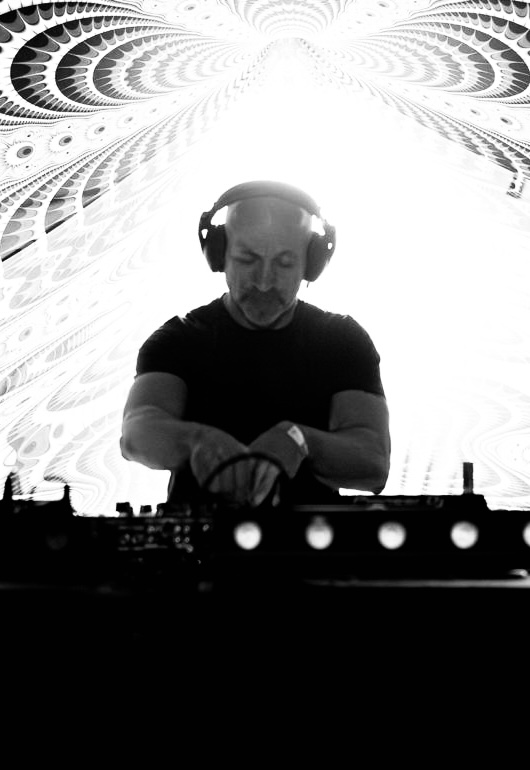
It never fully disappeared. I never really stopped making music. I always kept my studio. I still release tracks from time to time. Sometimes I would still get invited to play festivals or other events. So music remained there, but more as something on the side. It was no longer my main job, but it never left me completely. In that very underground psychedelic scene, my name is still quite strong, so from time to time, it is still nice to go and play.
The Unexpected Link to Ursula Romero
— And was that how Ursula entered the story?
Yes, in a very unexpected way.
I have a friend in Barcelona who is a photographer, a very good photographer, someone who has worked at a high level, including in Hollywood. His brother, whom I also knew, worked with Ursula. But at that time, I did not know Ursula at all. I had never even heard about her. Even though I had worked for OBS, I had never heard about Manolo or that whole world in that way. I simply was not inside that history or those relationships. My contact had been limited to the people I worked with directly.
One day, my friend said to me, “Funny enough, my brother works with your ex-boss.”
In my mind, when he said “ex-boss,” I immediately thought about the call-center world. I did not understand what he meant.
Then he said, “No, those people from the Olympics.”
I still did not really know what he was referring to. I told him I did not know who he meant. Then he explained that it was this lady, Ursula. I said, “I don’t know her.”
— So, how did the conversation move forward?
Anyway, I contacted his brother and said that it could be interesting for me to speak with them, because what I was selling at that time was this whole immersive experience — immersive sound, immersive show, that kind of work.
The Call That Meant Nothing — At First
— A friend mentioned that his brother worked with your former boss, but at first, you did not understand what he meant.
Exactly. When he said “your ex-boss,” I thought he meant someone from the call-center world. So I had no idea what he was talking about. Then he said, “You know, those people from the Olympics.” And I still did not really understand, because in my own experience, my “boss” had always meant the people I worked with directly. I had never been connected to the broader names around that world. Then he mentioned Ursula, and I said, “I don’t know her.”
The whole connection began almost by accident.
The First Meeting With Ursula
— How did that first contact actually happen?
I contacted his brother and said it could be interesting to speak, because at that time I was working with immersive experiences and shows. I thought perhaps they might have contacts in Madrid, and since I was looking for events and opportunities where that kind of work could fit, it made sense to talk. His brother, Paul, worked on the film side of Ursula’s business — with ISB Movies, the film side of what she does. We arranged an online meeting in September 2024 with Ursula, Paul, and me.
— And that first meeting changed everything?
Yes, very quickly. We spoke a little about business, but not much. The real feeling was that something was happening beyond business. There was an immediate connection between us. So instead of going deeply into work in that first conversation, we said: let’s meet in Madrid and continue there.
Madrid, and the Beginning of Something Else
— And you met soon after?
Yes, about 15 days later in Madrid. That was the real beginning of our story. We met to speak about business, but very quickly the conversation moved far beyond business. We spoke about our lives, our pasts, our childhoods, and many things that were much more personal and much more important.
That was where we truly fell in love.
— And that was also when she became interested in your life story as a film?
Yes. As we were talking, she became interested in the idea of making a film based on my life. That is something that is actually moving forward now. It was not a random idea. My music manager had wanted for years to see my life turned into a film, because of the way my story moves from a very dark beginning toward something else — toward transformation.
“Music Saved My Life”
— What drew Ursula to that story?
We were speaking very openly about our childhoods and about life, and in my case, the central idea was clear: music saved my life. That is why, for now, the film is called Music Saved My Life. Because that is truly what happened. I put everything into music, and music became the thing that gave me a way forward. Without it, I do not think I would be here today.
— The story is not only about hardship. It is about what made survival possible.
Exactly. The point is not darkness for its own sake. The point is that no matter what happened to you, if there is still a little fire in your heart, you can still fight for something. There can still be a way out of misery, anger, and despair, especially if you find something that becomes your passion, your structure, your reason to keep moving. For me, that was music.
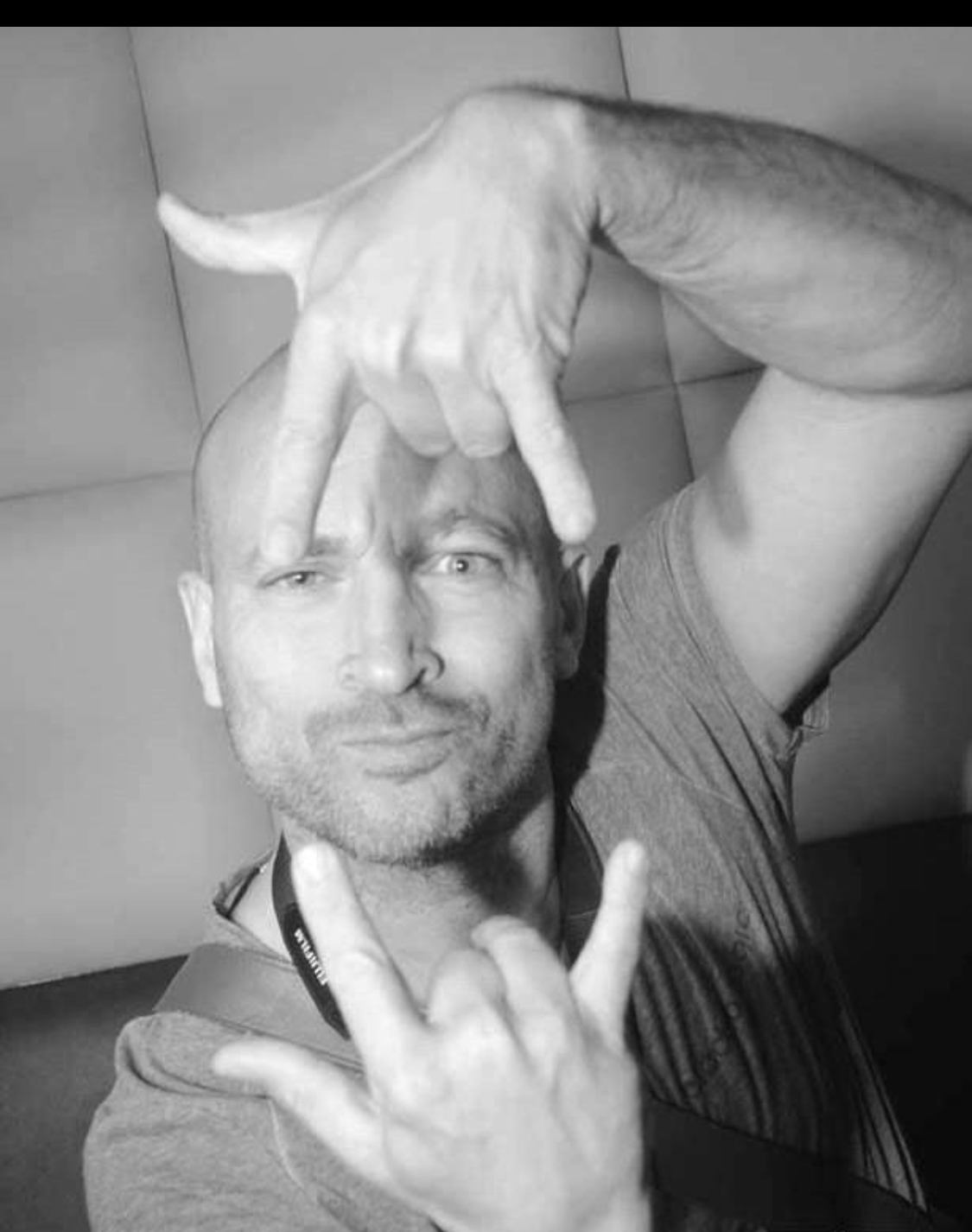 — When you say music saved your life, do you mean that literally?
Yes. I mean it literally. I was the kind of kid who tried to take his own life several times. The first time I was around eight, and then again at nine, and later at 12, 13, and 14. It was a very dark period of my life.
Music is my place. My savior. Purely and simply
— Why did the nightclub feel like a safe place to you?
I was in nightclubs from the time I was very small. My father owned some, my mother worked in others, so I grew up in between. And somewhere along the way, the nightclub became my safe place. The one place where I knew how to move, how to act, how to communicate. It made sense to me in a way the outside world didn’t.
— What first connected you to music there?
I remember always being drawn to the DJs. Always. I would stand there and just stare, watching every movement, every gesture, the way they handled the records, the way they controlled the room. I didn’t have the words for it then, but I understood something through the music that I couldn’t access anywhere else. It was the first real connection I had with the world.
From maybe seven years old, I was dancing, I mean, really dancing, and people would stop and form a circle around me, clapping, cheering. At seven years old. You can imagine what that does to a child. It changes how you see the adult world. It teaches you very early that you can make people love you or pay attention to you if you perform well enough.
Women would come up to me, grown women, and say, “Oh, look at this little boy, those eyes…” And all of that shaped me. How I saw the world. How I relate to women. How I understood the connection. It was beautiful, and it was complicated, and I’m still unpacking it today.
— And what changed when you entered the studio?
And then came the studio. When I sat down in front of those machines for the first time, really sat down, ready, something shifted. I felt safe. Maybe for the first time in my life, truly safe.
 Because in that room, I could take everything, the anger, the rage, the demons, all the things that were slowly killing me and turning me against myself, everything that had made a violent person of me, and instead of letting them destroy me, I could channel them. Into sharp, intense sounds. Into hard melodies, chunky beats, grooves that cut through everything. I could shape the darkness into something the whole world could feel.
That was the moment I felt alive. Really alive. I was twenty-three years old.
“No matter what happened to you, if there is still a little fire in your heart, you can still fight for something.”
Falling in Love, and the Beginning of Concept Club
— And that was what made Ursula want to go deeper?
Yes. We talked, and she really wanted to understand that journey — how someone can begin in such a damaged and difficult place and still transform that into something creative, something alive, something full of movement. That was the part that interested her. Not only what happened, but what it became.
— You mentioned Ursula. What happened after that first meeting?
The first meeting was extraordinary because we really felt it immediately. It was one of those rare moments when two people feel something very strong at once. We met, we spoke, and there was a kind of shock — in the best sense. We could both feel that something important had happened.
Ursula Romero Takes Over Global Sports Broadcasting Company After Her Father’s Death
After that meeting, we went our separate ways. But a few days later, she sent me a message. She had been speaking with her friend and with Paul, who worked with her, and she asked me to send her my story. At that point, she told me she wanted to direct the film based on my life. That was how the conversation really began to develop.
— And then you met again?
Yes. About 15 days later, we saw each other again, and that was when everything changed. It stopped being only about the film. We fell in love and started a relationship. At the same time, I was working with three different companies in the events world — immersive experiences, digital work, and AI-related projects. And gradually, out of that moment in our lives, Concept Club was born. In that sense, it is truly a story of love.
A Love Letter That Became a Project
— How did the first idea take shape?
In December, I wrote a project for Ursula as a kind of love letter for her birthday. At some point in our relationship, she told me that in three years she would turn 50, and that she would like to organize a beautiful celebration with a friend of hers.
I told her, “Let me organize it.” I have always loved creating events, shaping ideas, and building something meaningful around a feeling or a story. So, I began to think not only about the event itself, but about what she represented for me and how that could become a concept.
At first, I thought of calling it Burning Woman, inspired by Burning Man. But it felt too close to the original. Still, the idea of fire stayed with me, because for me she was, and is, flame. She is fire. So I found the word Flame, and that became the name of the project.
— What did Flame become in your mind?
Once I had the name, I started building the concept around it. Flame has five letters, so I began thinking in sets of five — five cycles, five continents, five colors, different artistic elements, all linked to femininity. It became a project dedicated not only to the woman I love, but to women more broadly. I wrote a full narrative around that idea and built it into a larger experience. It included music, urban sports, cultural elements, education, clinics, masterclasses — many layers coming together as one immersive project and show.
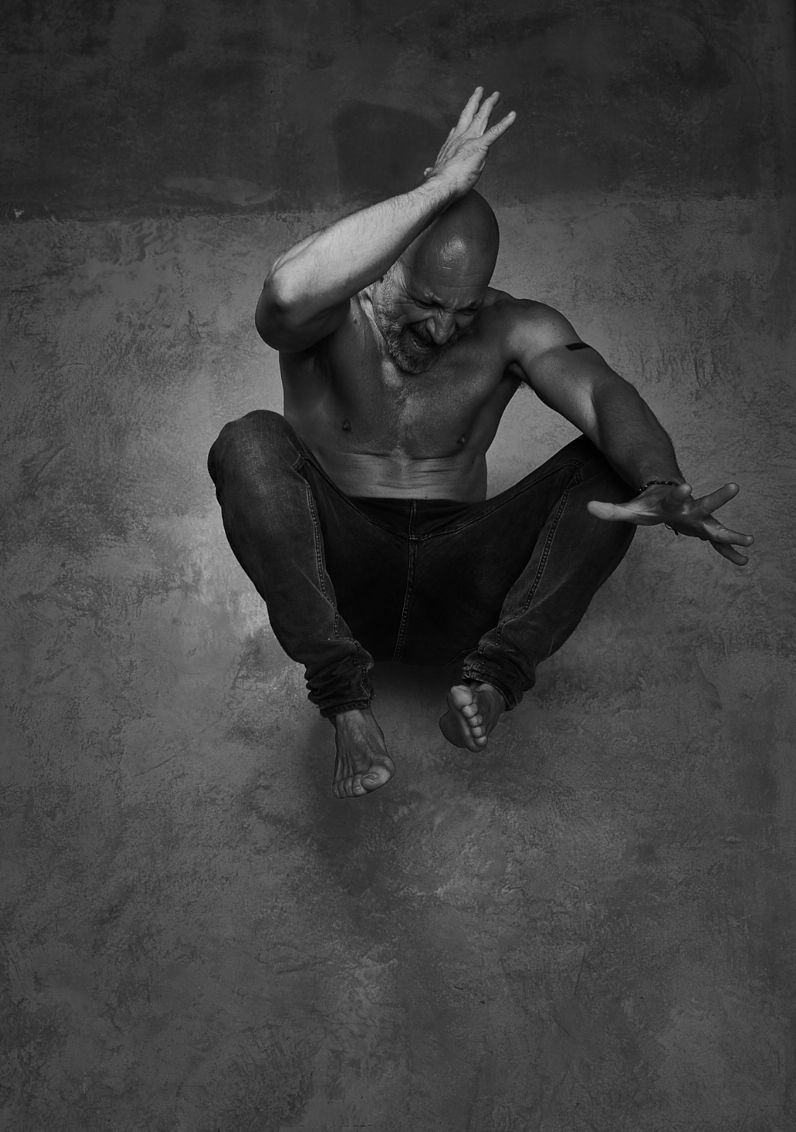 That was very natural for me, because everything I usually put into music — creativity, structure, emotion, rhythm — I now put into writing and into designing this concept.
— And you showed it to Ursula?
Yes. I sent it to her and said, “Look, this could be your birthday. What do you think?” She loved it immediately. She really fell in love with the project. Then she asked if she could share it with some of her friends. I said yes, of course. At that point, I was not taking it too seriously as a professional opportunity. For me, it had been born as something personal.
When a Personal Idea Became Something Bigger
— But the response was stronger than you expected?
Yes. She shared it with some very good friends of hers — people from the event world, managers, producers, experienced professionals. Some of them loved it very much. She began sending me their feedback, and once I saw that people were really responding to the idea, I became even more inspired. I started writing more, making the concept stronger, more coherent, more complete.
The more I worked on it, the more clearly I could see it. Then something even more unexpected happened. One of Ursula’s friends, who had received the project, loved it and shared it further. So suddenly, from South Africa came this very strong response, and we thought: wow, this idea is really speaking to people.
From Flame to a Larger Vision
— How would you describe Flame in the end?
Flame became a very artistic, female-centered event concept — something that brings together sports, art, philosophy, education, and technology. And once that idea had taken shape, I started thinking about its counterpart. Because Flame came from how I saw Ursula — as my flame — and that naturally opened the door to a larger vision beyond one project.
 From Flame to “She Is”
— Flame was a very personal and creative concept. When did the more structured idea appear?
Flame came from how I saw Ursula — she is my Flame, and everything around that idea was artistic, emotional, and symbolic. But at the same time, she is also a businesswoman, very strong in that world. So, I felt that something was missing. I needed to create a counterpart — something that would reflect not only creativity, but also structure, leadership, and business.
That is how I wrote the second project, called She Is.
— What was different about it?
It was built around the same core idea — women — but from another angle. Instead of art and expression, it focused on business, politics, leadership, sports, television, and corporate environments. In the end, we had two complementary visions. Flame — creative, emotional, immersive. And She Is — structured, strategic, leadership-driven. Both connected, but each with its own identity.
 — And then you continued developing beyond those two projects?
Yes. I started going further and deeper. I wanted to create something more disruptive — something that would mix elements that do not usually belong together. For example, I combined women’s rugby, especially Rugby Sevens, with urban sports, immersive shows, music, and different types of performance. I built a narrative that connected all these elements in a coherent way. That is something I often do. I try to take different worlds and find a way to make them work together logically, but also emotionally.
The Rugby Connection
— How did that project move from concept to real discussion?
Through a personal connection. I have a friend who is a former professional rugby player from Australia. He played at a very high level, and later also in France. Now he lives there and runs a restaurant. I showed him the project, and he immediately reacted. He told me, “You should speak with the president of the association connected to major rugby teams — Australia, South Africa, Argentina, and others.”
I said, “Okay, I will send it”. But honestly, I did not expect much. I knew the level of the person — someone around 60 years old, a former top executive, someone who receives many proposals.
— And yet he responded.
Yes. After about a week, he sent me a very long email. Not just a short reply, but a detailed message that goes step by step through the project. That was the moment I understood that he had really taken the time to read it carefully.
 He told me that he clearly understood the vision. He saw the potential, including the revenue side, which is important in sports like Women’s Sevens, where the level is high but the financial model is still limited. He said they needed something new, something fresh, something different. We began discussing, and from that, we developed a project together called Fusion X.
From Ideas to a Company
— At what point did this become more than just a series of ideas?
That came from Ursula. She saw that many people around us were reacting positively to these projects. There was interest, there was feedback, there was potential. And she said to me, “Why don’t we build a business out of this?”
To be honest, I had not thought about it that way. That was not the initial intention. For me, it was a creative process, something that came naturally at a moment in my life when I was rethinking everything — where I was going, what I wanted to do next, whether I would return to music or not. At the same time, I had also started writing a book about part of my childhood. I had always written things down, but now, with the idea of the film, it became more structured.
I said, “Okay, let’s do it”.
— And that is when Concept Club was born?
Yes. She found the name — Concept Club. And that was the moment when all these ideas, which had started from something very personal, began to take the shape of a real project, a real structure, something that could exist beyond us as individuals.
 — When did Concept Club become something real?
That was really where it started. In March and April, we began talking about it more seriously. By August, we had officially opened the company and started bringing people in to work with us. What made it powerful from the beginning was the combination of our worlds.
Ursula brought her network from the broadcast and event industry. I brought my network from music, festivals, events, and sports. And somewhere in between those worlds, Concept Club found its place.
Discipline, Sport, and a Different Kind of Balance
— Sport is also a serious part of your life, isn’t it?
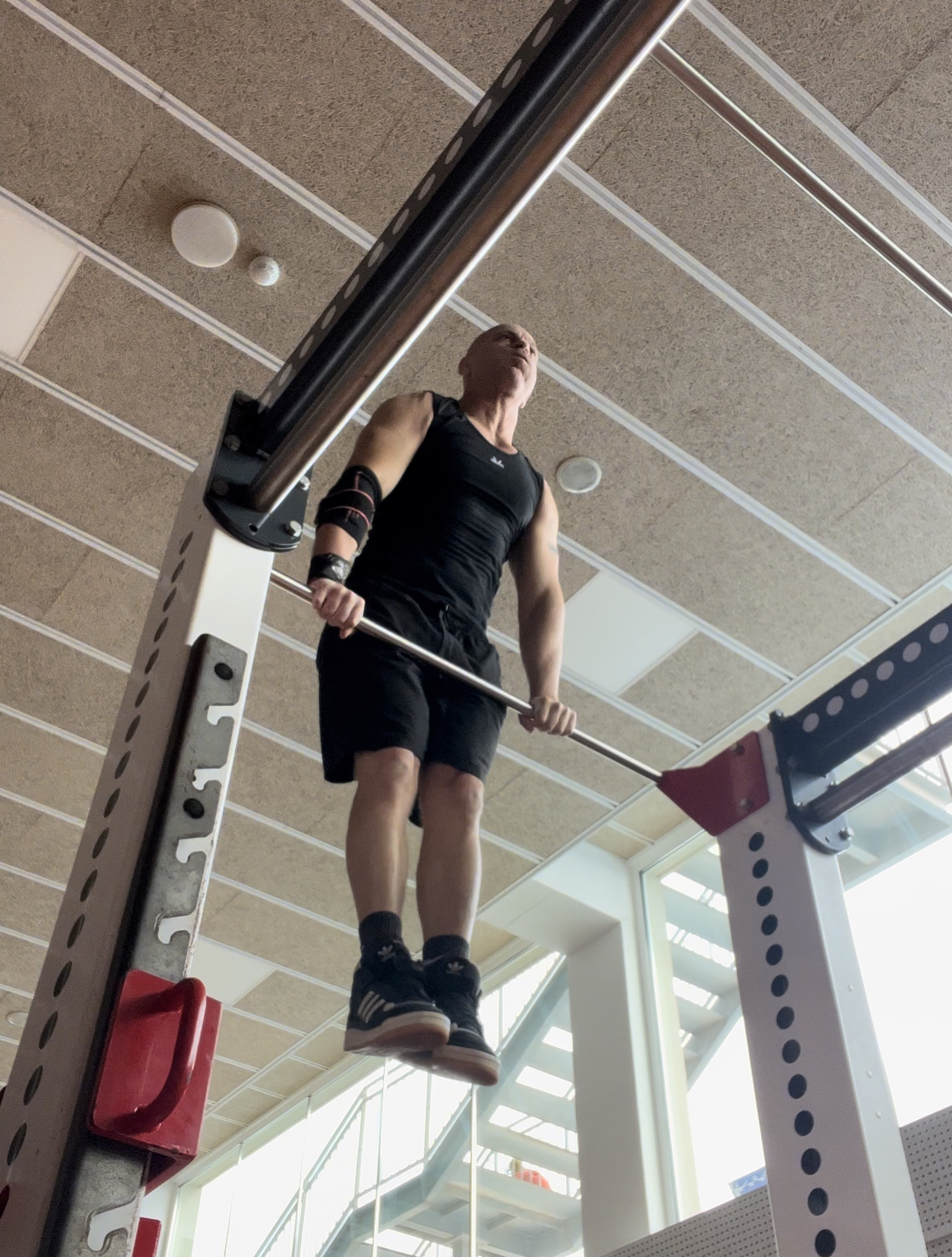
Yes, very much. I am a fanatic of calisthenics.
— What is calisthenics exactly?
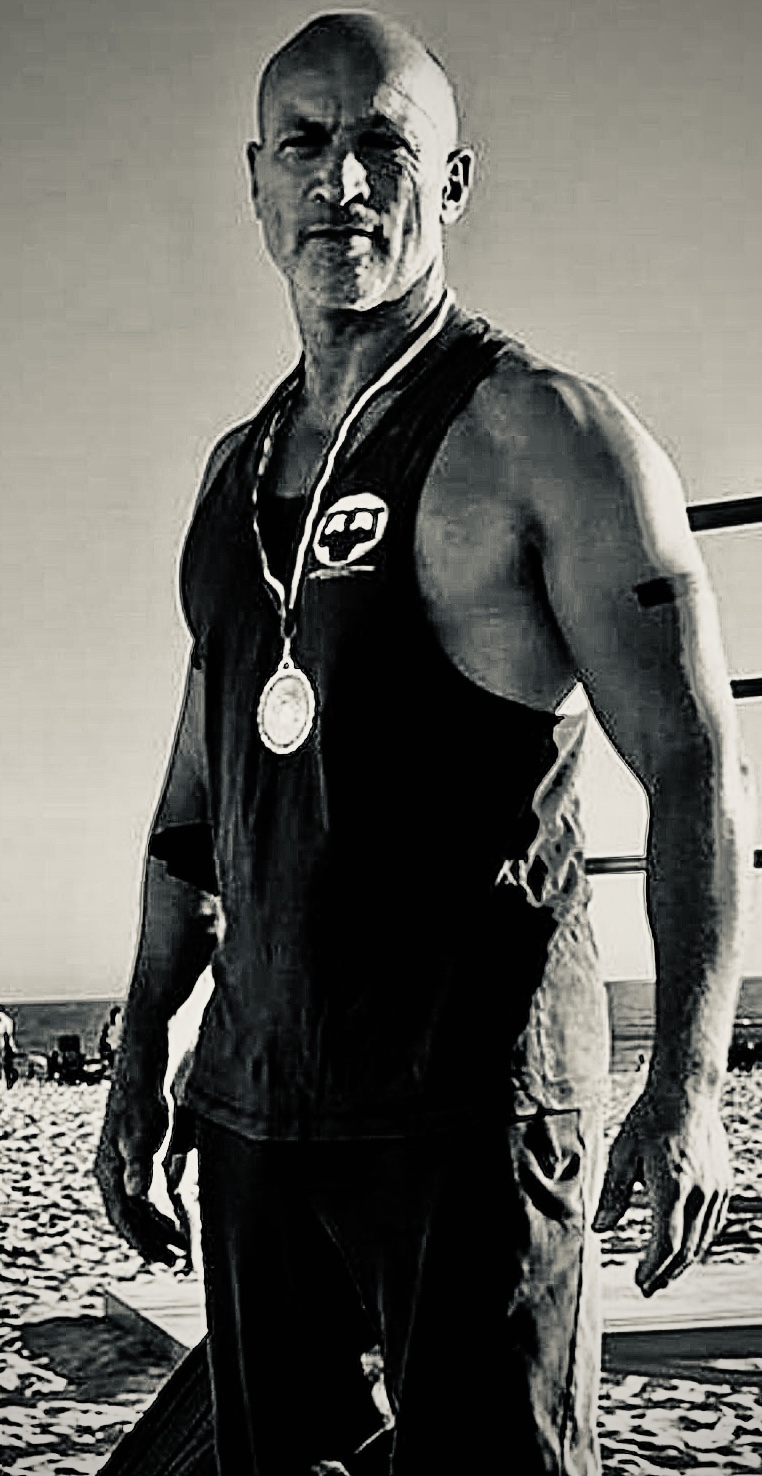
It is training with bars — pull-ups, muscle-ups, and different physical forms and movements. I will send you some links. Two years ago, at the age of 51, I won a gold medal in calisthenics in the south of Spain.
I am 53 now. It was a lot of fun, but also very demanding. I trained like an athlete for four or five years, very hard. That training brought a lot of discipline into my life, and I love that. I train five days a week. I keep a strict routine. I pay attention to what I eat, how I live, and how I take care of myself.
For me, that is not only about health. It is also about balance.
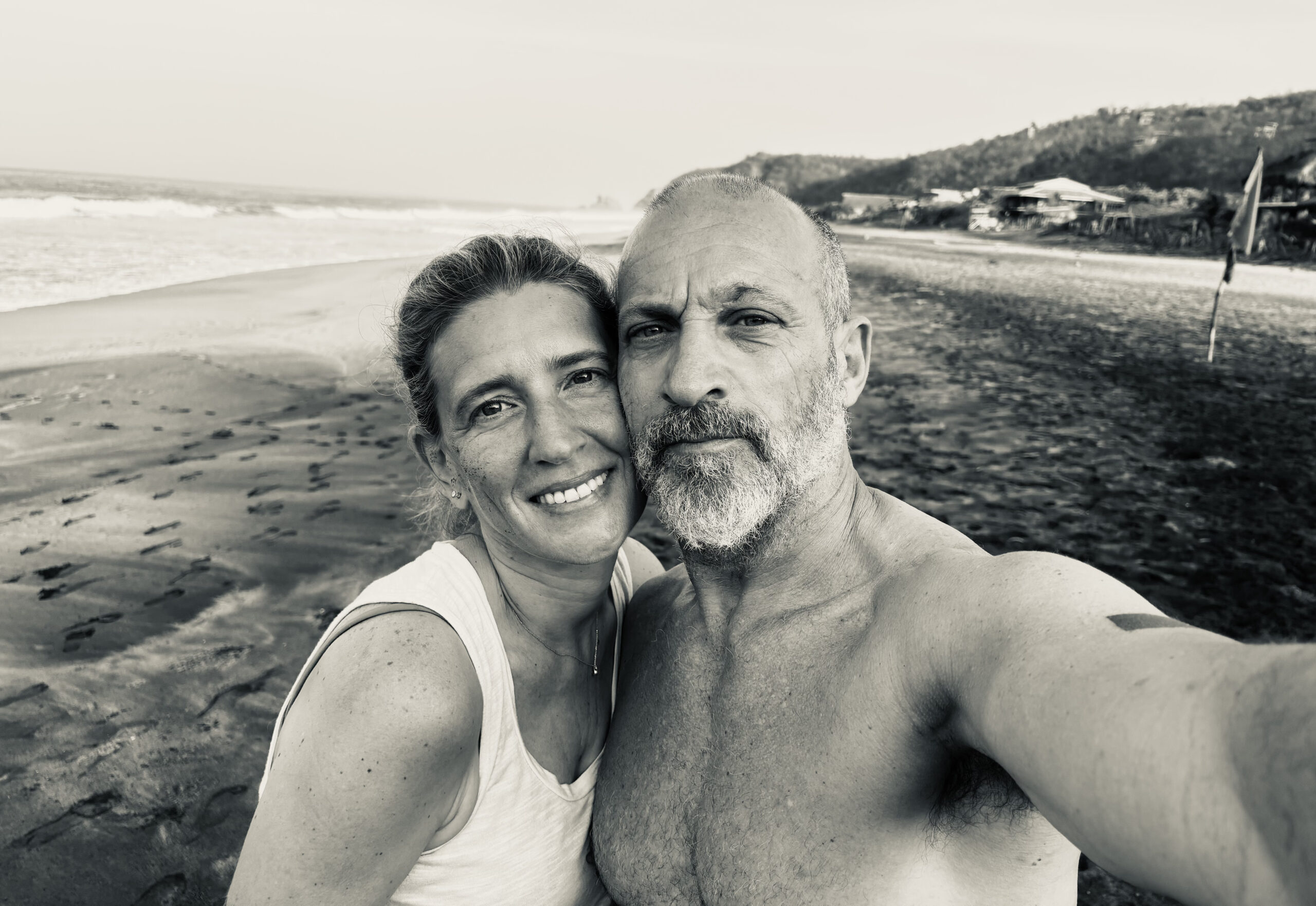
— Balance against what?
Against everything I carried from before — the anger, the anxiety, the instability. I also did a lot of meditation training over the years, and all of that became part of the same effort: trying to feel better, trying to create equilibrium inside myself. Because I am someone who was raised without a real family structure, that leaves marks that do not simply disappear.
Family, Distance, and Fear of Repeating the Past
— You mean that family has never really been a stable part of your life?
No, not really. I am not very much in touch with my family. With my father, for example, we have not spoken. He was an Arab-Algerian who arrived in France when he was very young, around seven years old. His family was very poor. They lived in slum conditions. He had seven brothers and three sisters who died when they were children.
My grandfather was a nomad, like a Bedouin. He died not long after the family arrived in France. So my grandmother had to raise all the children by herself. It was a very hard life.
 — And your father built himself from that background?
Yes. As a businessman, he was very strong. He worked extremely hard and became very successful. Today, he is in real estate, and he is a millionaire. But that success did not translate into a relationship with me. I was always more or less without a father. He was never the kind of person for birthdays, Christmas, or family rituals. At least not with his son. That was simply not the relationship we had.
So, I grew up very much by myself.
— Did that affect the way you thought about having children of your own?
Yes, very strongly. I never had children because I was afraid. I had such a difficult childhood that, for me, having children never really felt like an option. I was afraid of repeating something bad. I was not sure I would be responsible enough to take care of them properly.
And on top of that, my life as an artist meant I was constantly traveling. I was all over the world. I always thought: if I have children, I want to be with them. Otherwise, what is the point? For me, it made no sense to have children and then always be away. So that is a very important part of who I am as well.
From Idea to International Roadmap
— And where is Concept Club now?
Right now, it is becoming very interesting because we have many projects moving at the same time. We have just signed a major contract with a company in China, Shanghai Media Group, or SMG. It is one of the major media groups in China, so that is a very important partnership for us.
 We also have our first major event coming in Madrid from 26 to 29 November. It will be a smaller event in scale, around 2,000 people, but very important for us. It will bring together competition, sport, DJs, music, immersive experiences — the full Concept Club spirit.
— What does that look like in practice?
It is like entering a world. It has the atmosphere of an expo and a festival, but with sport, culture, interviews, podcasts, art galleries, music, clinics, masterclasses, food trucks, vendors — everything connected through one theme. At the end of the day, for example, you might have a flamenco dancer performing to hip-hop while breakers dance around her.
That is the kind of cultural blending we like. Different languages, different traditions, different energies brought together into one coherent experience.
That is really what Concept Club does.
— And beyond Madrid?
We have a strong roadmap now. We are also in discussions around Xtreme Barcelona, which is a major urban sports event in September.
Beyond that, we are talking with a large company in India about something for December. If everything goes well, we may have something in Medellín in March. We are also in negotiations for Monterrey, Mexico, in April. And there is a project in France planned for September 2027. The structure is growing. What began as something personal, almost intimate, is now becoming an international platform.
— The roadmap is becoming very large.
Yes, and that is both exciting and challenging. Suddenly, a lot of big things are happening, but we are still a small startup.
That means we have to manage a growing workload while still building everything from the ground up. We are not a large, established structure with everything already in place. We are creating the structure at the same time as the opportunities are arriving. That is a lot of pressure, but it is also very exciting.
— What makes the Concept work for you?
What makes it especially strong for us is the uniqueness of the Concept itself. We are combining sports, urban culture, official competitions, entertainment, music, shows, visual artists, exhibitions, graffiti, urban art, DJs, education, and cultural programming. That combination makes the experience very distinctive.
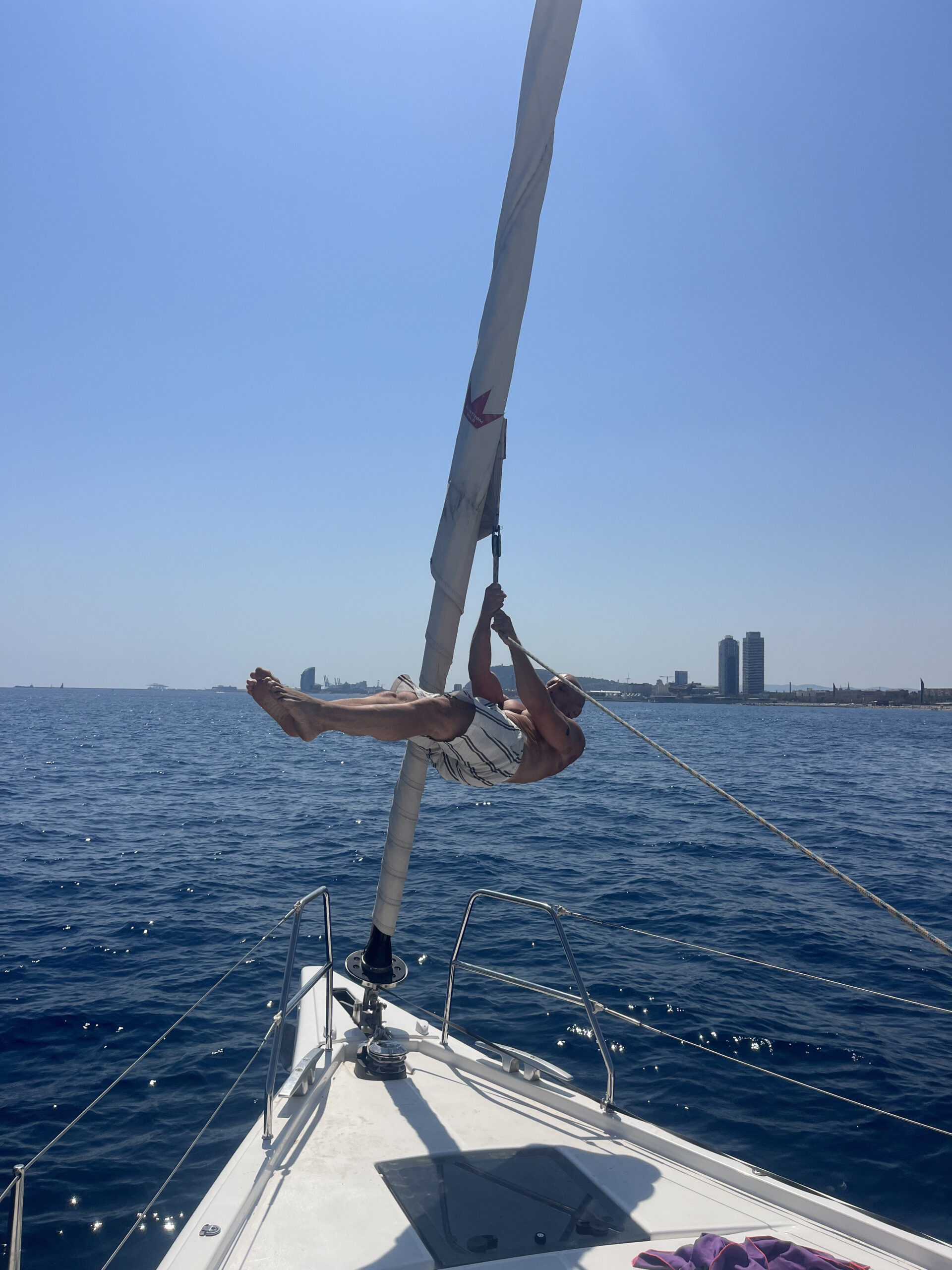 For Ursula and me, this is a very alive process. We work side by side every day, pushing and supporting each other, motivating and inspiring each other. That is a big part of what makes it so enjoyable.
Music Never Left
— And while all of this is happening, you continue with music?
Yes. Music never really leaves. For example, in the last ten days I was playing in India — some very nice parties. I played in a club in Delhi and in another club in the south. The week before that, I was in Singapore.
— So even now, the stage is still part of your life?
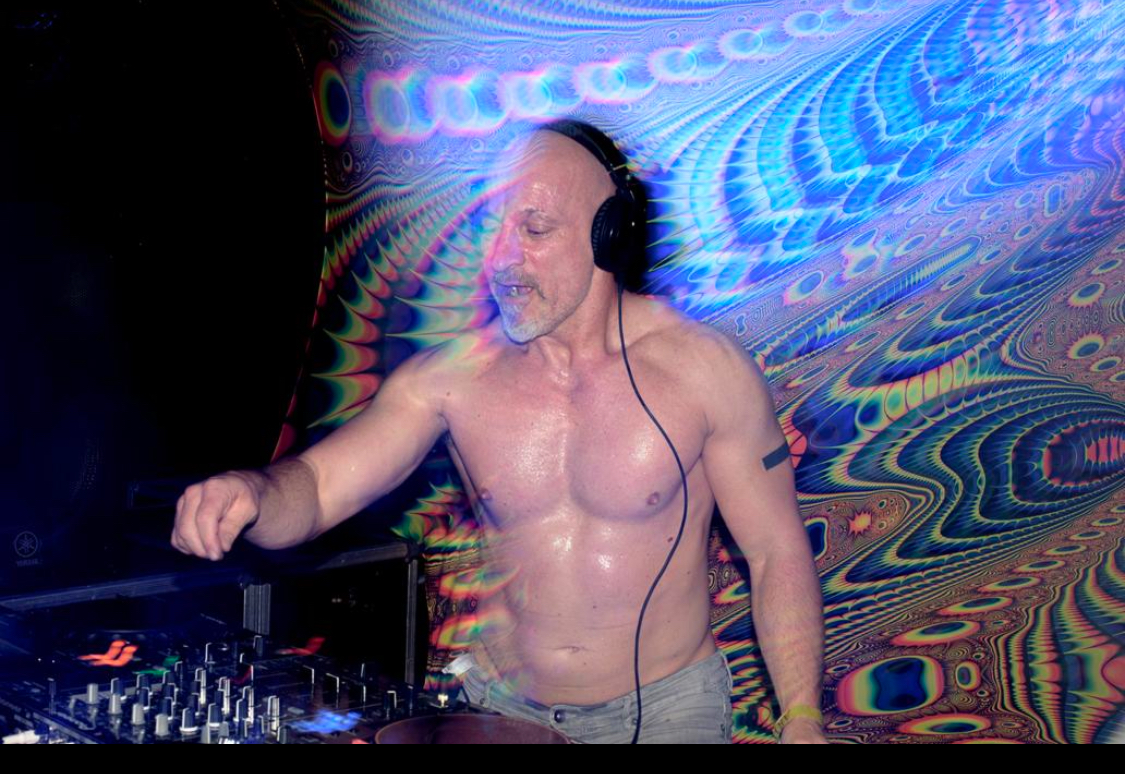
Yes. I am still playing, still producing. Now it is more of a side activity than my main professional focus, but it is still there. I also sing. Music will always remain part of my life because that is my place. That is who I am. It is not just something I did. It is something deeply connected to me.
What He Calls His Greatest Achievement
— When you look at your life now, what do you consider your main achievement?
To be frank, my greatest achievement has nothing to do with anything technical or practical that I have done. My biggest achievement is the fight I still carry inside myself — and the fact that I have learned to handle the beast, the demon, inside my heart, my emotions, my feelings. For many people, that may not mean much. But for me, it is everything.
— Why does that matter more to you than career success?
Because of the terrible things I went through as a child, I live with a nervous system full of damaged information, if I can put it that way. So for me, the biggest achievement is not a title or a career milestone. It is the fact that I have learned to live with that and not let it destroy everything.
— So, the first victory was over yourself?
Yes. When I was young, I was very violent. Until around 18, I was fighting all the time. In the streets, everything turned into a fight. Music helped me transform that. Through music, I was able to take hold of all that violence and anger and redirect it. So yes, my first great achievement is learning to tame that beast inside me — to live without being consumed by anger, without wanting to fight all the time, without staying trapped inside that destructive energy.
 Love as the Second Great Achievement
— And you said there is also a second achievement.
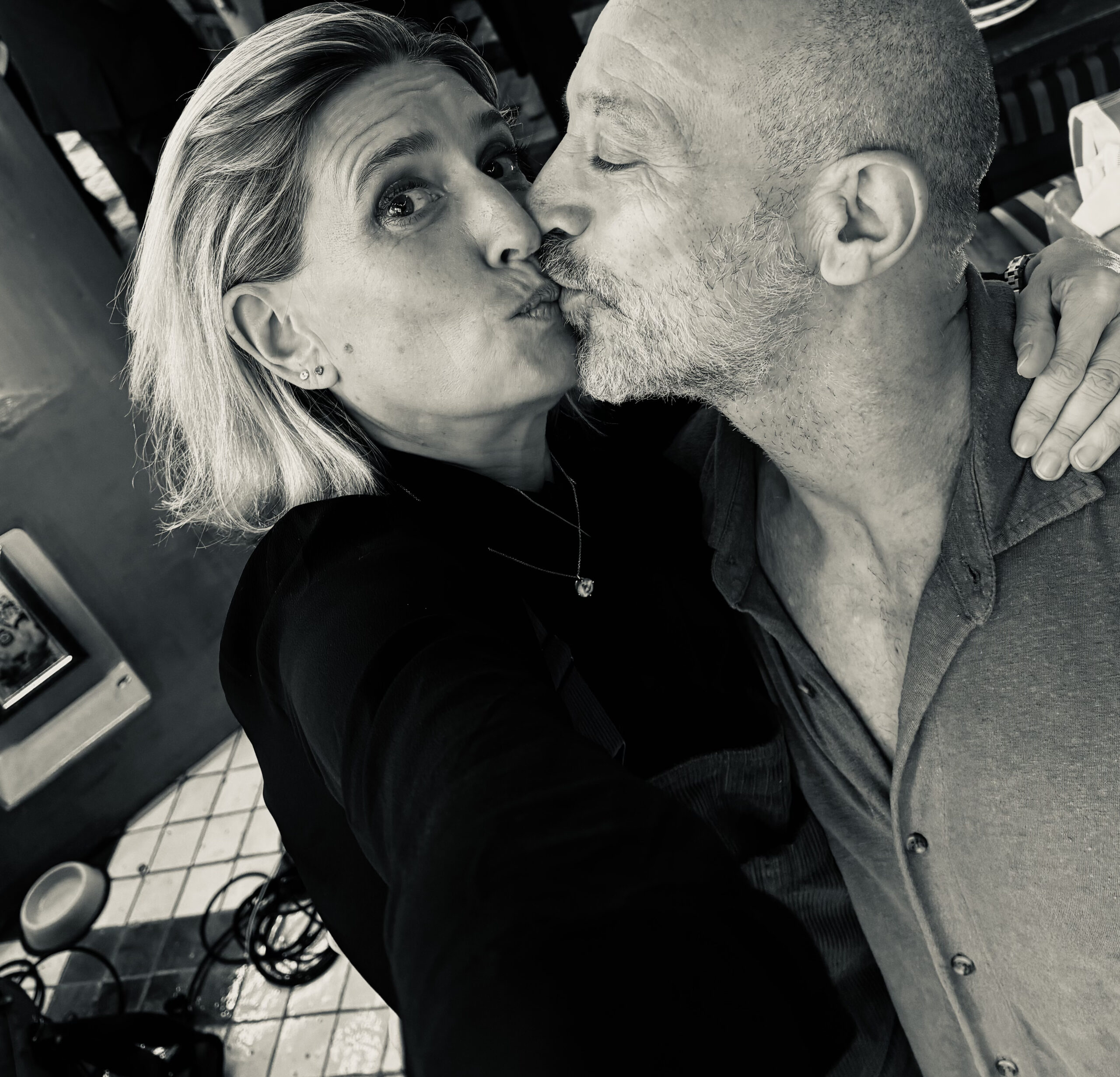
Yes. The second is love — the life I have with Ursula. The love we feel for each other, the communication we have, the relationship we have — for me, that is an extraordinary thing. I truly wish people could experience that kind of love.
— What makes that relationship so important to you?
At 53, to live something like this is very special. Not because it is “too late,” but because we are no longer 20 or 30. We are not children. And yet what we have is very deep, very alive. Even in professional settings, in meetings, in work situations, we remain fully ourselves. We work, we are serious, we move projects forward. But at the same time, there is always tenderness between us — we hold hands, we kiss, we hug, we look at each other. There is a lot of complicity, love, care, and respect.
— For you, this is not separate from life’s work. It is part of the achievement itself.
Exactly. For me, that is also one of the greatest achievements of my life. If I had to answer clearly, I would say there are two. First, learning to master the violence and anger inside me. And second, building this relationship of love, communication, and trust with this wonderful woman.
“I do not want to take any more. I want to give.”
A Dream Beyond Himself
— And finally, what is your dream now?
My dream now is to accomplish what we have started with Concept Club. More than anything, I want to give something to the world. I do not want to take any more. I feel that I have already received a lot in life, in different ways. Now the real goal is to create something that can give back — something that can bring hope, opportunities, and direction to others.
— What does that mean in practice?
I would like Concept Club to become a platform where we can help young people grow — where they can discover a passion, develop skills, and find something meaningful in their lives through what we create. One of the key ideas is to build an academy. That comes directly from my experience of teaching. When I was giving classes, I realized that it was one of the most powerful moments of my life.
— Why was teaching so important for you?
Because it was no longer about me. When you are on stage, everything revolves around you — your performance, your image, your ego. And after many years, that becomes something you know well. But when you are teaching, something changes completely.
The most beautiful moment was when I was speaking to students — young people, sometimes older as well — and suddenly you could see it in their eyes. They understood. There was a moment when everything clicked for them. That moment, for me, was extraordinary.
— So, transmission became more important than performance?
Yes. That is when I understood that transmitting knowledge is one of the most important things we can do. At the end of the day, I do not have children. That was my choice. But then I ask myself: if I spend my life collecting knowledge, experience, understanding — what do I do with it?
Is it only for me? I do not think so.
If I transform that knowledge into something meaningful, then my role is to pass it on. That becomes the responsibility.
— And that is where Concept Club is going next?
Exactly. That is the next step. The goal is to share what we carry — what we have in our hearts, what we have learned, what we understand — and to give young people something useful for their lives. Something that can help them find passion, build something meaningful, and maybe even create a career.
That is the direction now.