
Matrox Video and Amagi have started a strategic collaboration. Together, they will integrate the Matrox ORIGIN software-defined framework into Amagi’s next-generation cloud production architecture.
The two companies say this move is designed to support scalable, flexible, and more efficient content production workflows for broadcasters and media companies.
According to the companies, the integration gives broadcasters more flexibility as they move toward software-defined and dynamically orchestrated environments. In addition, they say the approach fits industry models such as the Dynamic Media Facility initiative.
Matrox Video and Amagi with Matrox ORIGIN
At the center of the collaboration is Matrox ORIGIN. Matrox Video says the framework provides a flexible core video pipeline for cloud-based broadcast workflows.
The company says Matrox ORIGIN helps broadcasters move away from hardware-based infrastructure and into software-defined environments. As a result, users can scale resources more easily and adjust infrastructure in real time.
Matrox Video and Amagi for cloud production
The two companies say the partnership combines Matrox Video’s software-defined broadcast expertise with Amagi’s cloud platform. Therefore, they aim to support more flexible broadcast operations in cloud production environments.
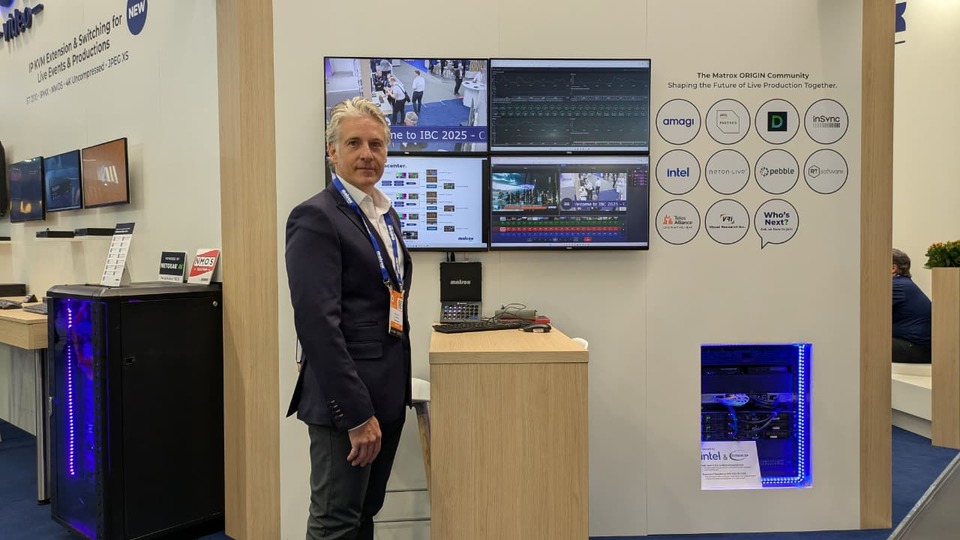
Francesco Scartozzi, Vice President of Sales and Business Development at Matrox Video, said the collaboration marks an important step for cloud-based broadcast workflows. He said the two companies are helping broadcasters move beyond legacy limits and adopt software-defined operations that can adapt in real time.
Amagi on the Matrox Video collaboration
Srividhya Srinivasan, Co-founder and Chief Technology Officer at Amagi, said the company is focused on broadcast innovation through cloud transformation. She said working with Matrox Video and using Matrox ORIGIN helps Amagi expand its technology framework. As a result, Amagi can support more flexible and more scalable broadcast operations.

Matrox Video and Amagi on software-defined infrastructure
The two companies say the partnership reflects a shared view of future broadcast infrastructure. They say software-defined architectures can reduce complexity, improve scalability, and create new operating efficiencies for broadcasters.