Dielectric says recent FCC rule changes are opening a new phase of low-power television growth in the United States.
The company says the updated rules now give LPTV broadcasters more room to relocate sites, resolve interference issues, and expand coverage. As a result, operators can pursue wider service areas and new transmission plans.
One of the most active participants in this process is Jeffrey Winemiller, owner of Lowcountry 34 Media. According to Dielectric, Winemiller has filed hundreds of applications to modify and expand LPTV station coverage. The company says he has selected Dielectric antennas, filters, and RF systems for a large share of those deployments.
Dielectric and LPTV expansion after FCC rule changes
Dielectric says the FCC’s revised framework allows LPTV operators to move stations closer to population centers. In addition, the rules allow operators to address mutual interference conflicts through antenna pattern changes, channel changes, and cooperative agreements.
According to the company, these changes have already triggered a sharp rise in filings. Dielectric says thousands of applications were submitted during recent filing windows.
Jeffrey Winemiller on the LPTV opportunity
Winemiller said the rule changes have significantly widened the potential reach of low-power television. He said operators can now move beyond small rural coverage areas and target much larger audiences.
He also said Dielectric’s antennas and RF systems give his company the flexibility to solve interference issues, combine signals efficiently, and build transmission sites at lower cost.
Dielectric systems in Lowcountry 34 Media deployments
Dielectric says Winemiller filed more than 250 applications in the latest round. The company also says he expects to build more than 200 stations in the coming years.
According to Dielectric, those stations could eventually reach as many as 300 million viewers across the United States. The company says its DLP and TLP low-power antenna platforms, together with RF filters and combiners, are central to those plans.
Dielectric RF systems for low-power TV operators
Dielectric says its systems help broadcasters use directional antenna patterns to reduce interference. They also allow operators to combine multiple channels into a single transmission line and antenna.
In addition, the company says these systems can lower tower leasing and infrastructure costs. At the same time, operators can respond more quickly to changing FCC requirements and site limits.
Cory Edwards, OEM, Distributor and Southeast Asia Sales Director at Dielectric, said low-power broadcasters need flexible and cost-effective systems that can adapt to changing market and regulatory conditions. He said Dielectric designed its DLP and TLP antennas, filters, and combiners to help operators increase coverage while managing cost and complexity.
Dielectric on low-power TV infrastructure
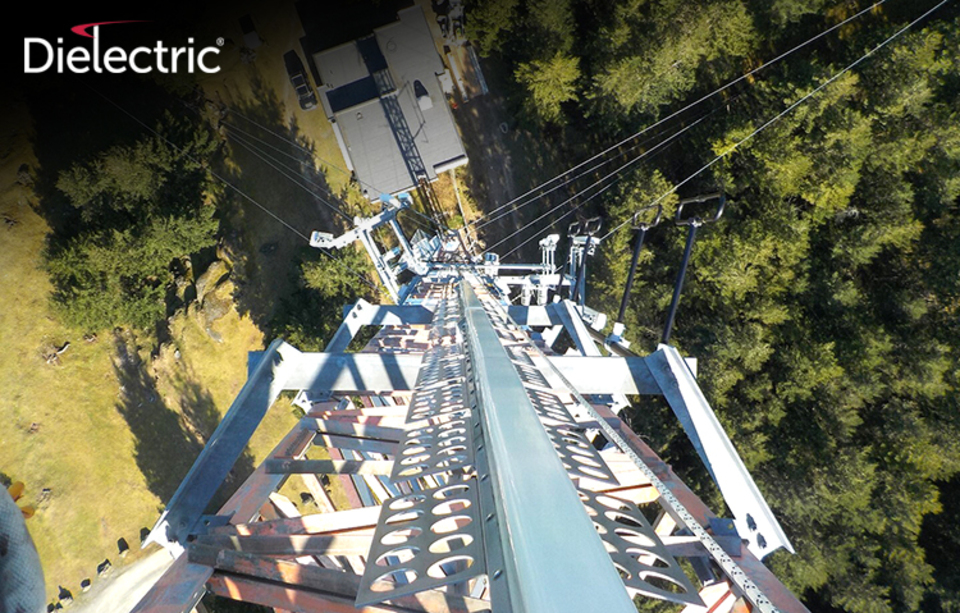
Dielectric says low-power TV systems often run at lower transmitter power levels and are commonly deployed on smaller structures such as cellular towers. Because of that, operators need compact and efficient RF infrastructure.
The company says its systems are designed to meet those requirements while maintaining performance and reliability. Dielectric also says its engineering team can create custom antenna patterns to support FCC compliance and improve signal coverage in crowded spectrum conditions.
Dielectric at the National Translator Association Convention
Dielectric says it will attend the 2026 National Translator Association Convention at the Whitney Peak Hotel in Reno, Nevada, from May 6 to 9.