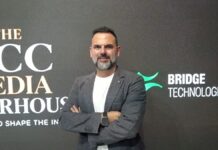

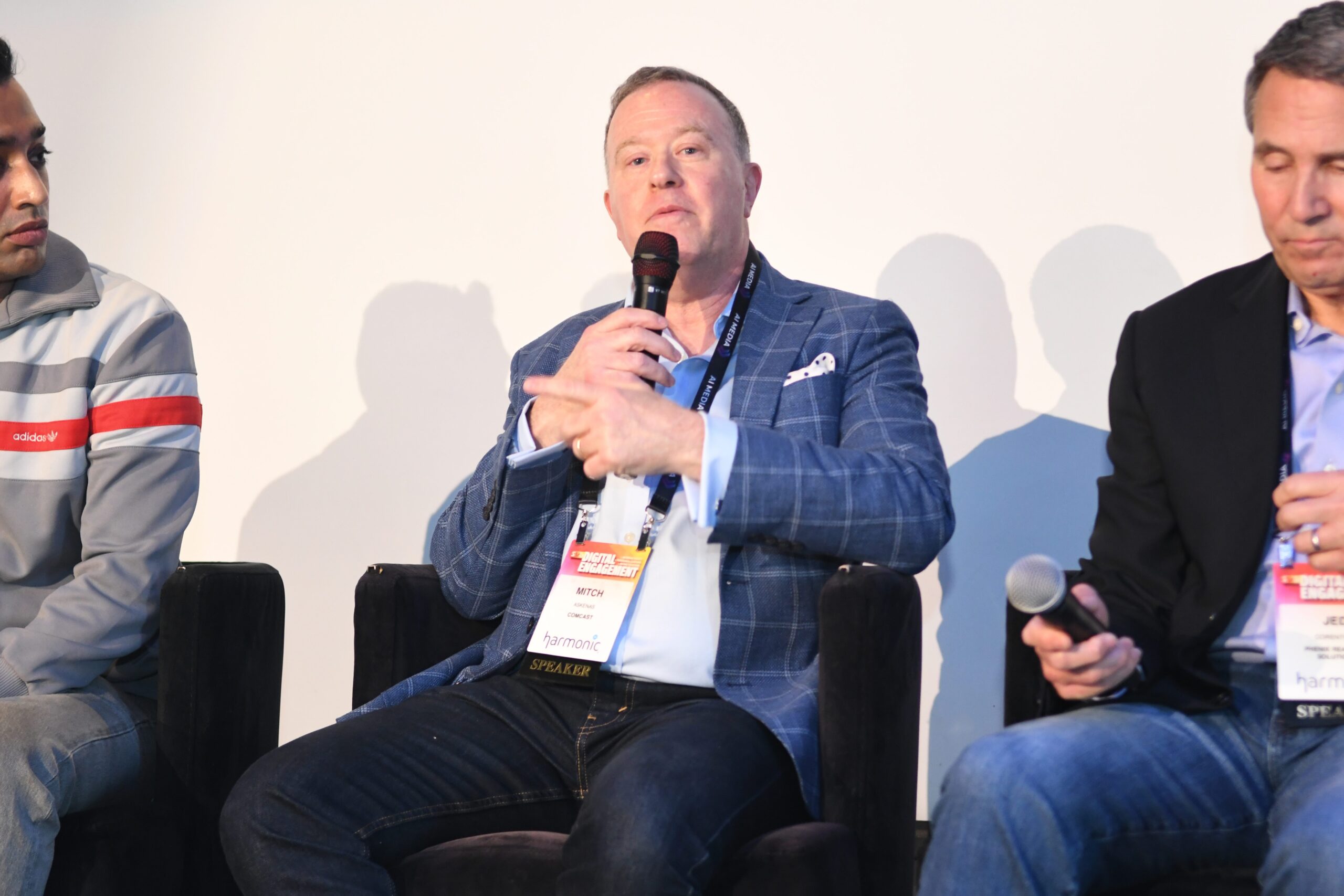
He Built Video-on-Demand Before Streaming — Now He Explains What Comes Next. Mitch Askenas, Executive Director, Video Platform — Head of Commercial, Americas at Comcast Technology Solutions (USA), has been inside multiple technology shifts that later defined the media industry. From early ATM networks and home banking systems to video-on-demand over cable, his career traces the foundations of today’s streaming world.
Today, streaming, AI, and data are reshaping how content is created and delivered. He sees the industry not collapsing, but reorganizing around new rules of distribution, monetization, and control.
“To understand how this trajectory began, it is worth going back to the first real system he built.”
First Breakthrough: Building Home Banking on a TV Screen
— What was your first major project?
After about six months at the company, I got the opportunity to work on a very interesting project with one of their banking clients.
— What was the project about?
The bank wanted to enter what was then called “home banking.” The idea was simple. A user could connect a computer to a television from home. They could check balances, transfer money, and pay bills.
— How did the system work technically?
It was an early interactive system. You would use something like an Apple II device connected through a dial-up modem to your TV. The bank’s systems would send data, and it would be displayed on the screen. From a technical standpoint, it was quite advanced for its time.
“What started as a banking interface on a TV screen was, in reality, an early form of interactive television.”
Looking back, it clearly foreshadowed my later career. I was essentially building an interactive television application as a junior programmer. At the time, I did not fully realize it, but it was directly connected to what I would later do in the media space.
Realizing the Intersection of Technology and Media
— Did you already have an interest in media at that point?
Yes, absolutely. I always loved television and thought it would be exciting to build something in that space.
— Did that project influence your direction?
It reinforced that interest. Even though I started in software engineering, this project showed me that technology and media could intersect in meaningful ways.
“This was the moment when technology stopped being just engineering—and became media.”
Silicon Valley and the First Startup Experience
— Where did you go next?
I had to figure out my next step. I was also a tennis player and preferred warmer weather, so I started thinking about where the center of software development was at the time.
— Why Silicon Valley?
The obvious answer was the Bay Area. Silicon Valley was already becoming the hub for software innovation.
— What was your first stop there?
I moved to San Jose and joined a startup. To be honest, I do not even clearly remember what we were building. I worked there for about five or six months.
— How long did it last?
The company ran out of money fairly quickly. That was my introduction to the realities of startups. After about six months, I found myself without a job again.
— So what came next?
The advantage of being in Silicon Valley is that everyone around you is thinking about building something. That environment pushes you toward entrepreneurship.
— Did you decide to start your own company?
Yes. Together with two other people, we decided to start our own software company.
— What was it called?
“In Silicon Valley, ideas were not discussed—they were built, tested, and often failed within months.”
Building Atlantis Technologies: From Idea to Product
— What was the vision behind Atlantis Technologies?
When we started, we actually did not have a clear product in mind. What we did know was that we wanted to solve real problems and build something meaningful.
— How did you arrive at the healthcare idea?
We identified a major gap in how hospitals and doctors handled patient information. At the time, there was no unified system. If a patient moved between doctors or hospitals, records had to be physically carried or faxed, which was inefficient.
— What solution did you develop?
We built an early online patient registration system. Even before the internet, we created a network for hospitals and doctors. They connected via dial-up modems and accessed a shared, centralized patient database.
— Did you manage to commercialize it?
Yes, we built the product and sold it to several hospitals in California. We operated the business for a few years until we received an acquisition offer and decided to sell the company.
“Building a company from nothing—and selling it—defined the first real milestone of his career.”
First Exit: From Startup to Financial Stability
— How old were you at the time of the sale?
I was in my early thirties.
— Was it a significant financial outcome?
It was not massive by today’s standards, but it was meaningful. It provided financial stability—enough to buy a house, support a family, and plan for the future.
— How did that moment feel?
It was exactly what you work toward as an entrepreneur. Getting an offer and completing a sale were both validating and exciting.
— What did you do next?
That was the big question—what comes after an exit?
“The next step was not incremental—it was about building something that did not yet exist.”
Entering Interactive Television: Building What Did Not Exist Yet
— How did your next opportunity come about?
I was playing basketball one weekend, and someone asked what I was doing next. I told him I had not decided yet, and he suggested I join their startup. They were working on something called interactive television.
— Why did it resonate so quickly?
It immediately resonated with me. I realized I had already worked on something similar with the home banking project.
— What kind of environment was it?
It was a small, early-stage team working out of a modest office near the San Jose airport. The environment was very much a startup—informal, experimental, and fast-moving.
— What exactly were you building?
We were developing one of the early versions of interactive television. That required both software and hardware innovation. The existing cable infrastructure was not designed for interactivity.
— Why was that difficult?
We had to build significant parts of the system ourselves. The hardware team developed new components, while we built the software layer to make the system usable.
— Who were your partners?
We partnered with IBM for equipment and with Cox Communications as a cable operator to deploy the system.
“Interactive television was not a concept—it was a system that had to be engineered from scratch.”
Creating Early Video-on-Demand Before the Internet Era
— What did the product enable?
We built an early version of video-on-demand. A cable subscriber could use a remote control, navigate a menu, and choose content to watch. This is completely standard today, but did not exist at the time.
— How did the market context affect the product?
This was before broadband internet. Most households were connected through cable, while internet access relied on dial-up. That made cable networks the ideal platform for delivering video services.
— Why was the timing important?
We were operating at a time when the internet was just beginning to emerge. Cable companies were in a strong position to become the primary gateway for digital content. We were building technology that fit directly into that transition.
“Before streaming, before platforms, video-on-demand was already being built—inside cable networks.”
From Engineering to Sales: The Second Half of the Career
— How long did you stay with that company?
I stayed there for quite a while and worked on multiple projects. I also ended up with several patents related to that work.
— Did your role evolve?
Yes, significantly. I started leading engineering efforts, but later transitioned into leading sales.
— Why was that shift so significant?
It was a major change. Engineering and sales are often seen as opposite sides of a business.
— In practical terms, how did you handle it?
I approached sales the same way I approached engineering—as a structured, process-driven activity. That mindset helped me adapt and succeed in a completely different role.
— And how did that change your place inside the company?
It was a very dynamic period. Moving into sales meant working with a completely different group of people and engaging with customers directly.
— What did that experience look like in practice?
I started traveling extensively with the sales team, meeting clients around the world. Since I had been involved in building the product, I could explain it in depth. That helped a lot in conversations with customers.
— Looking back, what did you gain from that period?
I learned how to sell properly and systematically. That experience became the foundation for the second half of my career. It focused on leading sales organizations.
— Why did you move from engineering into sales?
The shift came after a new CEO joined the company. He asked me about my long-term ambitions.
— Where was your mind at that point?
I was not entirely sure. I did not know if I wanted to continue leading engineering teams. I also had not seriously considered sales.
— How did the opportunity come up?
The CEO suggested I try running sales. He said it was a completely different world, but that I might be good at it. His advice was simple: you will not know until you try.
— What was the result?
I decided to take the chance, and it worked out very well. Over time, sales leadership became my main focus. That is what I have been doing for the past 20 years.
“The shift from engineering to sales was not a change of role—it was a change of perspective.”
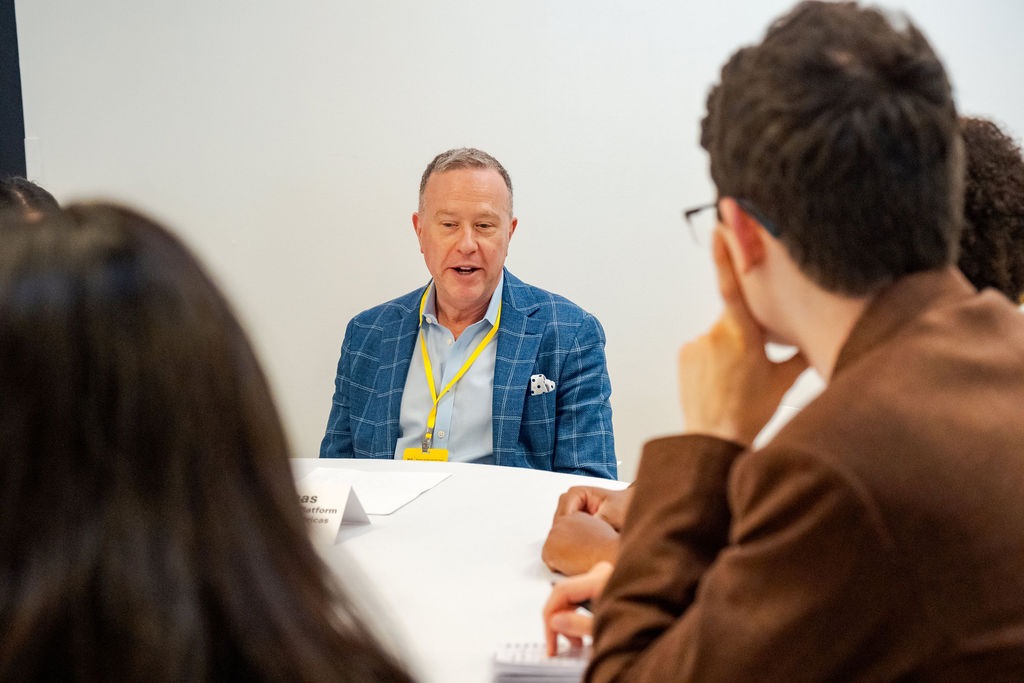
Returning to Entrepreneurship and the Failed Streaming Bet
— How did you eventually leave the company?
At some point, I felt the need to build something new again. That entrepreneurial instinct came back.
— Did you leave alone?
No, two other colleagues felt the same way. The three of us decided to leave and start new ventures together.
— What were those ventures?
We actually started working on two companies. One was in the electrical power industry, focused on sensors. It was not my core area. But we saw an opportunity to productize and commercialize a technology developed by an industry expert.
— What was the second company?
The second company was much closer to my interests. It was a streaming media company.
— When was this happening?
This was in early 2008, when it still felt like an emerging space.
— How did you approach funding?
We developed a business plan and went to Sand Hill Road to raise venture capital. We secured commitments from investors.
— What went wrong?
Then the financial crisis of 2008 hit. Almost overnight, the funding environment collapsed, and those commitments disappeared. There was no way to continue.
“The 2008 crisis did not just stop a company—it reset the trajectory.”
Rebuilding Momentum at Miranda
— What did you do after that?
At that point, I had to be pragmatic. I needed to get back into a stable role.
— Where did you go next?
I joined a company called Miranda, based in Montreal, although I remained in California.
— How would you describe the company?
Miranda was a leading provider of technology for television infrastructure—playout, master control, and broadcast systems.
— Why was it a good fit?
They were looking to expand into the cable market, and I had deep experience in that space from my work in interactive television. It was a natural alignment.
— How did your role take shape at Miranda?
It turned out to be a very strong fit. When I joined and reviewed their product portfolio, we identified one software solution that was perfectly suited for the cable industry.
— What was your mandate?
They asked me to lead business development globally and take that product to cable operators.
— How did it perform in the market?
We successfully brought that video monitoring and control software to market. We sold it to most major cable operators in North America. We also sold it to many operators internationally.
— Why was that experience important for you?
It allowed the company to expand beyond its traditional markets. For me, it meant getting back on the road and working with customers globally. Many of them I already knew, and I was introducing new solutions into established infrastructures.
“Rebuilding momentum meant returning to fundamentals: products, customers, and execution.”
Early Streaming Platforms: Building Before Standardization
— Why did you decide to leave Miranda?
At a certain point, I started to feel that we were not building fundamentally new things. The business was successful, but I wanted to return to innovation.
— What attracted you to streaming?
Streaming was gaining real momentum at that time, and it aligned with an earlier attempt I had made to build a streaming company. That unfinished chapter stayed with me.
— How did the opportunity come up?
A company approached me with a streaming video platform. They were looking for someone to lead sales and help scale the business.
— Tell me about Piksel.
Piksel was one of the early streaming platform companies. I joined to lead the sales organization and help bring the platform to market.
— Where was the company at that stage?
It had recently been acquired by private equity and had capital to grow, innovate, and expand its presence.
— What did those solutions look like at the time?
At that time, streaming platforms were not standardized. There was a core platform, but each deployment required significant customization—applications, backend systems, and integrations. It was a complex environment.
— Why was that phase of the market so different?
It was the first real generation of streaming. Everything was still being defined, and solutions had to be tailored for each customer.
“Before standardization, every streaming platform had to be built almost from scratch.”
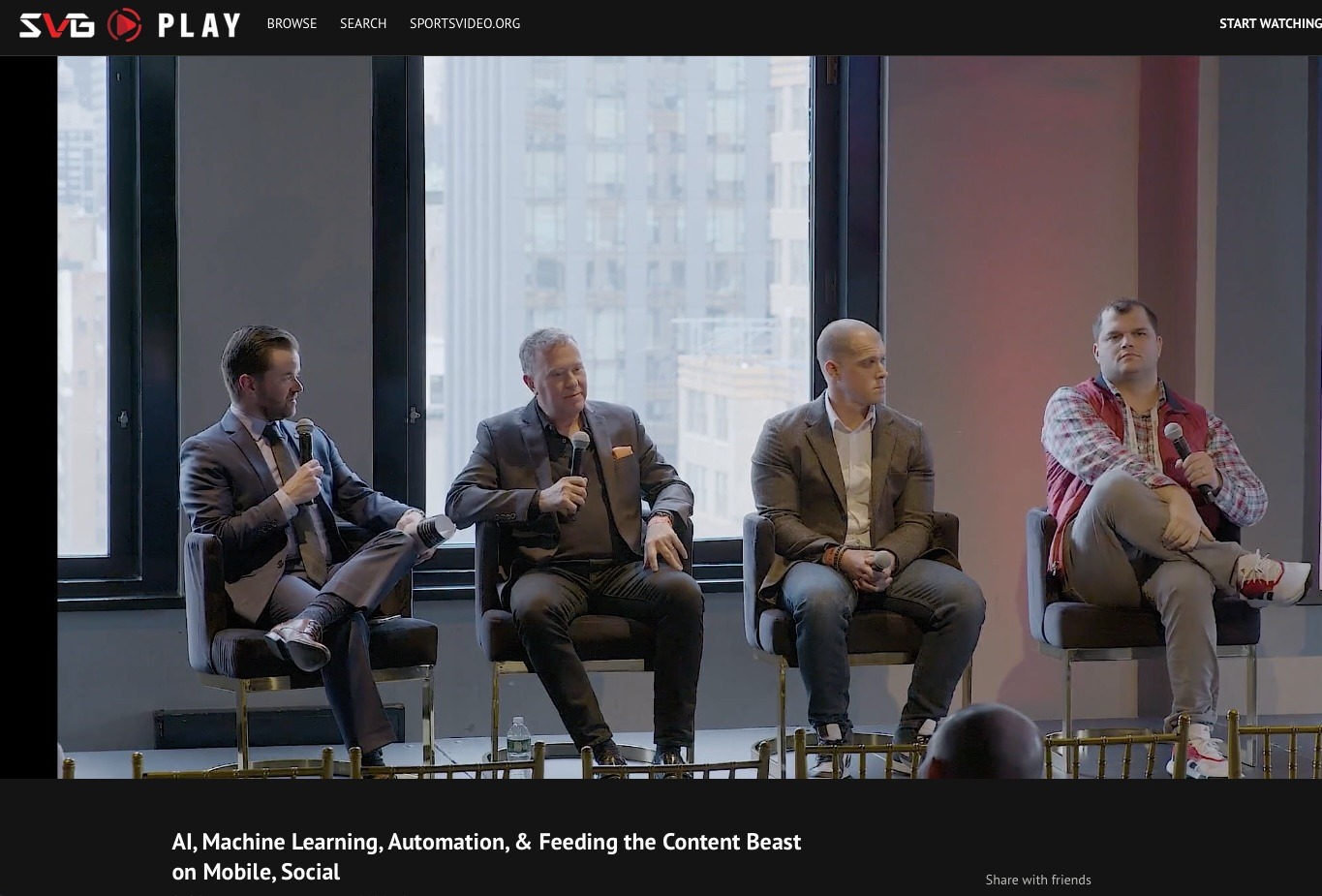
Joining Comcast: Scaling Experience to a Global Level
— How long did you stay at Piksel?
I was there for a couple of years.
— What led to your next move?
Comcast approached me with an opportunity to join their technology division and help grow their video and streaming business.
— What was the role?
I joined Comcast Technology Solutions (CTS) to lead sales for the Americas, focusing on video distribution and delivery technologies.
— Why was it the right move?
It combined everything I had done up to that point—cable, video infrastructure, and streaming—at a much larger scale. The role was within a company that had both technology and market reach.
— How did the opportunity with Comcast come about?
Comcast reached out with a very compelling idea. As one of the largest cable operators and a technology leader, they had built a significant amount of internal technology.
— What was the opportunity they offered?
The goal was to take those internal solutions, consolidate them, and bring them to the broader media market. Given Comcast’s position in the industry, it made a lot of sense—they understood the needs of media companies from the inside.
— Why did it appeal to you?
It felt like a natural next step. I had experience across cable, streaming, and infrastructure, and this role brought all of that together at scale. It was, and still is, a strong opportunity.
“All previous experience—cable, infrastructure, streaming—converged at one point.”
Comcast Technology Solutions Selected for Sports Channel Management
Working at Comcast: Scale vs Startups
— What is it like working at Comcast?
It is a strong company with a clear position in the market. Comcast is a global media and technology company. It reaches hundreds of millions of customers, viewers, and guests. The company provides connectivity, platforms, content, and experiences.
— What defines the company internally?
There is a strong emphasis on innovation and execution. At the same time, the company invests in its people—there are opportunities to grow, move across roles, and take on new challenges.
— How does Comcast Technology Solutions (CTS) position itself in the market?
Given its scale and infrastructure, CTS operates at the top level of the industry. When working with media companies, sports teams, and leagues, the value proposition is clear: reliability, scale, and proven technology.
— Why does that matter for partners?
Media companies, sports teams, and leagues are looking for stable, reliable, and scalable solutions. CTS understands its business from the inside, which makes it a credible and effective partner.
— What is it like working at CTS compared to startups?
It is a very different environment.
— What stands out the most?
Scale. At Comcast, you are working with a massive infrastructure, large teams, and global customers. The level of resources and reach is completely different.
— How does that compare to startups?
In startups, everything is faster, more experimental, and less structured. At a large company, there is more process, but also the ability to execute at a much larger scale.
— How did you adapt?
I focused on what I had always done—building, selling, and understanding customer needs. I applied it within a much larger and more structured organization.
“At Comcast, scale was no longer a constraint—it was the foundation.”
Comcast-Charter JV Partners With Element for Smart TVs Powered by Xumo OS
Role, Team, and Market Focus
— What is your current role?
I lead the sales team for the Americas within Comcast Technology Solutions.
— What is the core focus of your work?
The focus is on helping media and sports organizations connect their customers to the content they love.
— What solutions are you working with?
Comcast Media360 enables content owners to ingest content once and distribute it everywhere—linear TV, on-demand, streaming, and connected devices. Comcast Sports360 revolutionizes fan engagement for sports teams and leagues. Comcast AdFusion enables marketers and agencies to deliver the highest quality content experiences to their customers.
— What problem does this solve?
Media360 simplifies distribution. Instead of managing multiple pipelines, media companies can use one unified system across all channels.
Comcast Sports360 combines media, streaming, fan engagement, data, and advertising technologies. It helps sports organizations monetize audiences, scale distribution, and deliver personalized fan experiences.
AdFusion streamlines the ad workflow. It automates and speeds up the process from final media buy to traffic instruction creation and asset delivery.
— How large is your team?
The sales team is relatively small—about five people.
— Why is the team size limited?
The top of the market is fairly consolidated, and the work is highly specialized. It is more about expertise and relationships than scale in terms of headcount.
— How do you operate with a small team?
By focusing on high-value engagements, deep industry knowledge, and strong relationships with key customers.
— Who are your main customers today?
Major media & entertainment companies, professional sports teams and leagues, brands, and agencies.
— What segment do you focus on?
Our focus is on media & entertainment companies, teams & leagues, brands, and agencies that operate at scale with complex distribution requirements.
— How does your team engage with them?
With a focused team, we work directly at the highest levels of these organizations. The goal is not to sell technology, it is to help them transform how they operate.
— What value do you bring to these partners?
Media companies, sports teams, and leagues focus on what they do best. They create content, monetize it, and build experiences for their audiences. CTS provides the infrastructure, scale, and reliability to deliver that content globally, across any platform, in any format.
— How many clients do you work with?
I cannot disclose exact numbers, but many of the major media companies globally use CTS solutions in different parts of their video delivery stack.
— What does that say about your position in the market?
It reflects strong trust and long-term partnerships with leading players in the industry.
“To understand the mindset behind these decisions, it is worth going back to the beginning.”
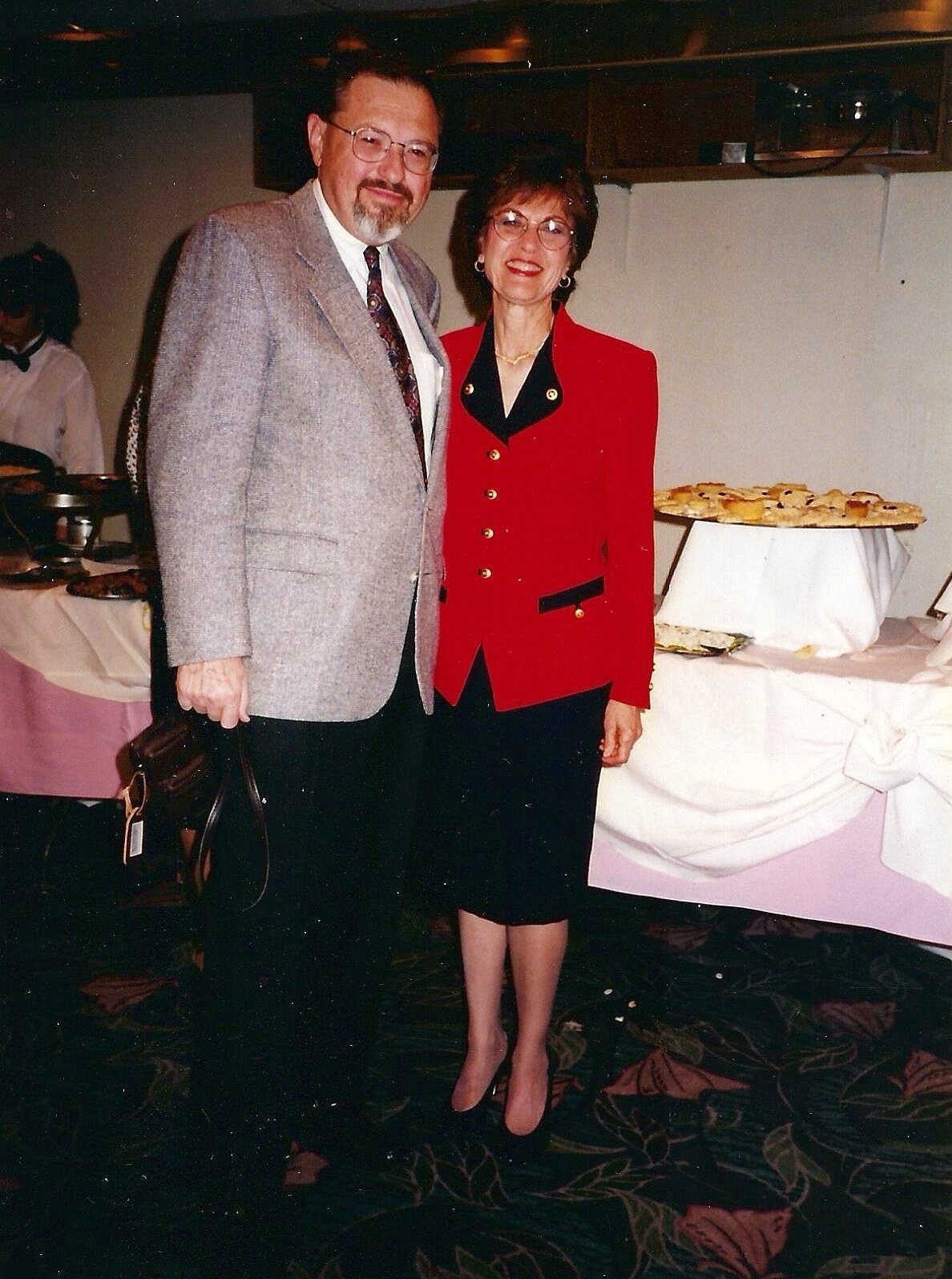
Early Life: Family, Values, and First Exposure to Technology
— Where were you born?
I’m a product of New York City. I was born in Brooklyn, raised in Queens, and lived there through college and for a few years afterward before eventually moving to Silicon Valley.
— What is your first childhood memory?
One of the earliest moments I clearly remember is learning to ride a bike in a schoolyard. The moment I thought I had mastered it, I took one hand off the handlebars. I turned to my parents to show them, and immediately crashed into a wall. It stayed with me as a defining childhood memory.
— What other moments stand out from that period?
Growing up in Queens, sports were a big part of my childhood. The New York Mets winning the World Series was a major event. I’ve always been a Mets fan—never the Yankees. I also remember the New York Knicks and the New York Rangers winning their championships a few years later.
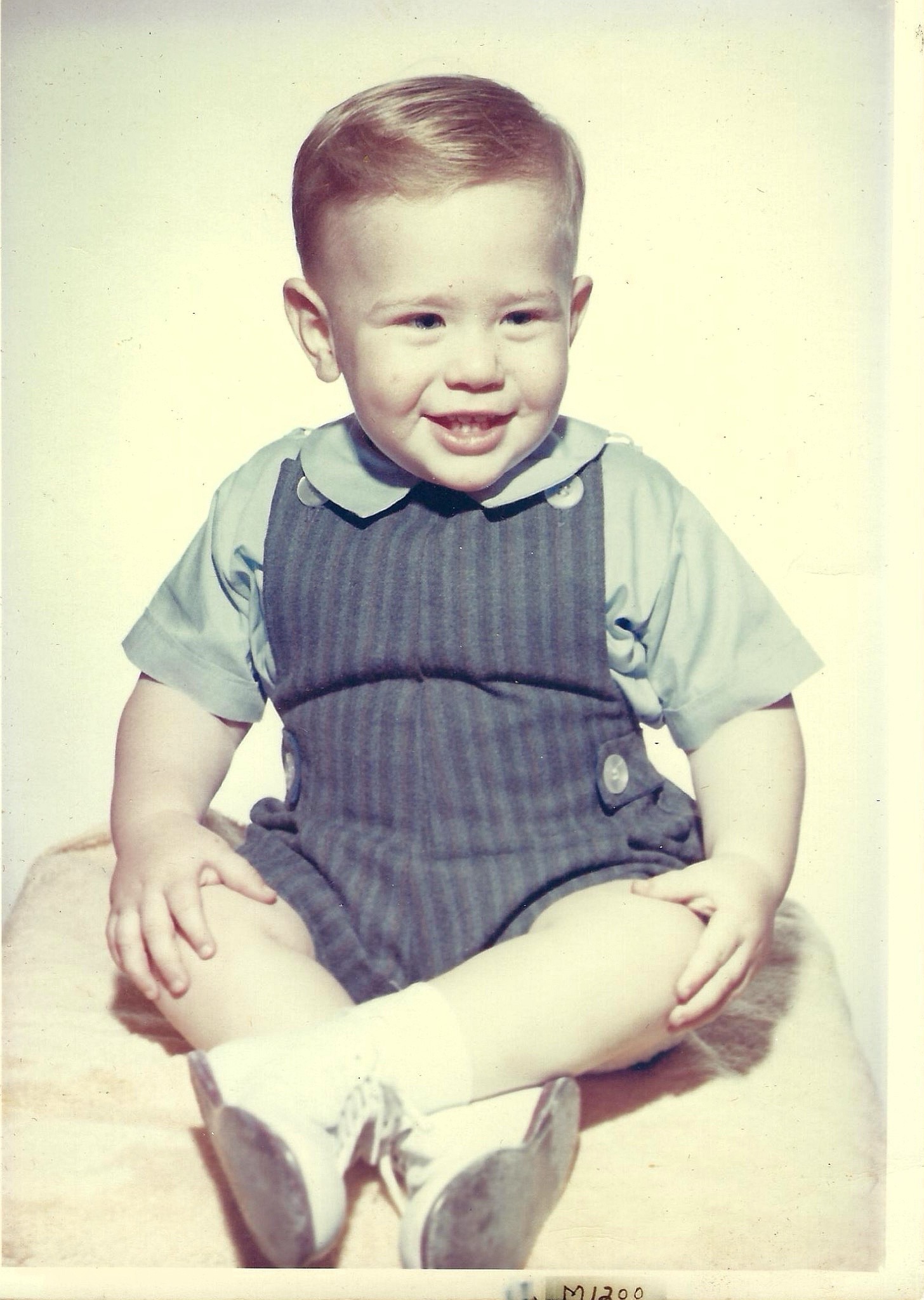
Another important influence was tennis. As a young player, visiting the US Open when it was still held in Forest Hills was a significant experience. Watching matches there had a lasting impact on my interest in the sport.
— What kind of family did you grow up in?
My father was a pharmacist, and my mother was a New York City schoolteacher. Both were highly educated professionals, and that shaped the environment I grew up in. Education, discipline, and professional achievement were central values in our family. There was a clear expectation that we would do well in school, pursue higher education, and build professional careers.
That mindset came from my grandparents as well. They immigrated to the United States in the 1920s with very little and built their own businesses from the ground up. Their work ethic and drive were passed on to my parents, and then to my sister and me.
We’ve carried those values forward to the next generation.
— Where did your grandparents come from?
My grandfathers came from Poland, or from what was considered Poland at the time, in the 1920s. They immigrated to the United States during that period to escape the pogroms taking place in that region.
The grandmothers, interestingly, were both born in the United States. Their own parents had emigrated from Europe earlier, so by that generation, the family was already beginning to establish itself in America.

— What were you like as a student?
I would describe myself as restless. Looking back on it now, especially as the parent of an eight-year-old son, I can see that I was always eager to move faster than the classroom allowed. I wanted to be challenged, and I often felt the pace of school was too slow for me. That restlessness came from curiosity more than anything else. I always wanted to learn more, to understand more, and to push beyond whatever was being taught at the moment. To be candid, that did not always translate into perfect behavior, but it did shape the way I approached learning.
That mindset stayed with me through grade school, high school, college, and later into my professional life. I am still the same in many ways—always learning, always researching, always looking for the next thing to understand. It is something I later passed on to my daughters, and now to my son as well.
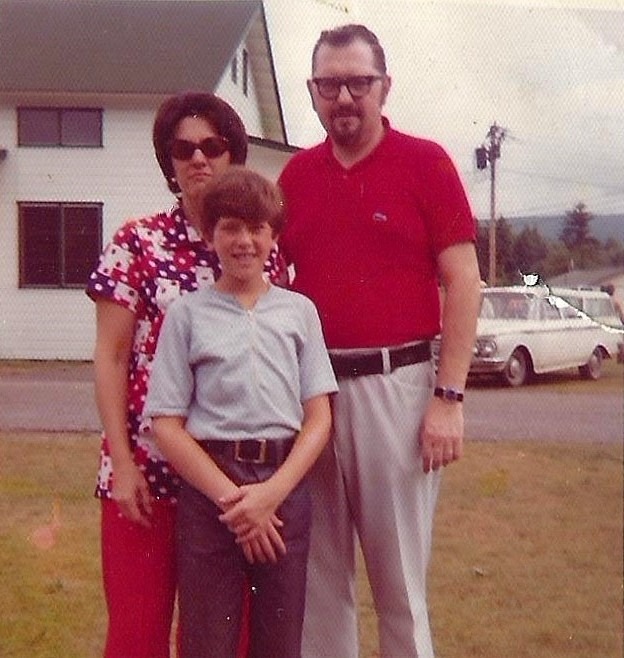
— You mentioned a sister?
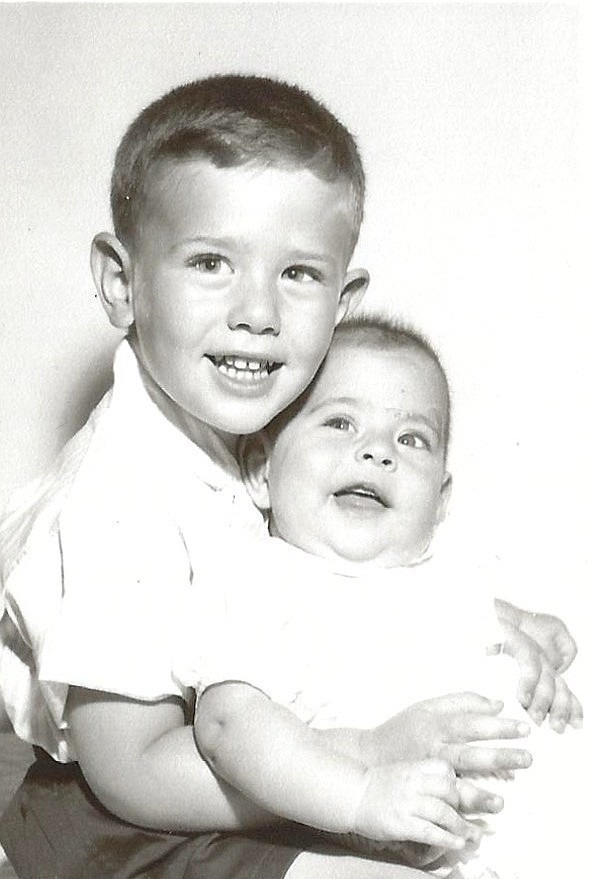
Yes, I have one sister. She lives in South Florida and has been there for many years. She and her husband raised their children there, and now their children are grown, much like my two daughters.
— What were your favorite subjects in school?
The sciences were always my favorite subjects. I was also fortunate to encounter computers early, long before personal computers became common. At school, there was a large computer in the basement, and I had the chance to take computer courses there. Even as a kid, I was a tinkerer. I liked figuring out how things worked, experimenting, and building understanding from the inside out. Very early on, I knew I would probably become some kind of engineer because that way of thinking came naturally to me.
My mother was also able to bring home or give me access to some of the first Apple computers when they appeared. I taught myself programming on those machines, which was a formative experience.
— What did you study in college?
In college, I studied computer science and mathematics. That was my academic focus, and I genuinely enjoyed it. Even today, although my career has taken me in different directions, I still have a real appreciation for that foundation.
— How did you earn your first dollar?
My first dollar probably came from raking leaves in Queens. That was the kind of thing kids did in the neighborhood—you knocked on doors, offered to rake leaves, and in winter you shoveled snow. I also had a paper route back in the days when people still read newspapers in large numbers. I would ride my bike and deliver papers to people’s front steps. I was always working in one way or another.
— What was the attitude toward money in your family?
In my family, earning your own spending money was expected. That did not mean we lacked anything. We had a very good upbringing and a stable home. But if you wanted something extra—something beyond the basics—then you had to pay for it yourself. If you wanted a special pair of sneakers, for example, not the standard pair your parents were willing to buy, that was on you. You had to earn the difference. That approach taught me the value of money early, and it reflected the mindset of my parents, who had grown up in the shadow of the Great Depression.
— What stayed with you from your parents’ attitude toward money?
That mindset stayed with me for life. My parents had grown up with the long psychological aftereffects of the Great Depression. Even if they were born toward the end of that period, its influence remained very real in their generation.
— How did that influence manifest in everyday life?
What they passed down to us was not fear of spending, but respect for value. The message was not that you should never buy nice things. It was that you should understand what things are worth, spend thoughtfully, and always make sure you have money in the bank.
— Did that approach stay with you later in life?
That awareness was instilled very early, and it became part of the way I approached life.
“The values of discipline, education, and self-reliance were not abstract—they were built into daily life.”
Education and Entering the Computer Industry
— What college did you attend, and why did you choose it?
I went to the State University of New York at Albany. One of the main reasons was that I wanted to go to school away from New York City. I wanted some independence and to live away from home. At the same time, college costs mattered. Staying within the State University system made practical sense.
— What options did you consider at the time?
At that time, New York State had several major universities spread across the state. One of them was too close to home, so I ruled that out immediately. Albany felt like the right balance. It was far enough away to give me a real sense of independence, but not so far that it became impractical.
— Were there other practical considerations?
It was also not deep into the northern part of the state, where the winters could be much harsher. And just as importantly, Albany had a very strong computer science program. That combination made the decision easy.
— How far was it from home?
It was about three hours from home, which turned out to be the perfect distance: close enough to come back once in a while, but far enough to build a life of my own.
— What made that program the right fit for you?
The strength of the computer science program was a major factor. It allowed me to work on genuinely exciting things.
— Did you encounter early forms of AI during your studies?
Even at that time, some of the foundational concepts that today are associated with AI were already part of my academic landscape.
— How do you see that period now, in retrospect?
Many of the core techniques and algorithms had already existed for decades. The real limitation was not the theory, but the computing power available at the time.
“The foundations of today’s technologies were already there—the world just wasn’t ready yet.”
— What did that mean for your education?
For me, learning those foundations was incredibly valuable. It is striking to see how concepts that were once mostly theoretical have now become central to modern technology.
— When did you graduate from college?
I graduated in 1983.
— What was happening with technology at that time?
Personal computers were just starting to appear. The field was in its early phase, which made it especially interesting.
— Did it feel like a turning point?
It felt like the beginning of something important, even if no one yet fully understood what it would become.
— What made you choose computer science specifically?
I liked building things, and I had to decide what kind of engineer I wanted to become.
— How did you approach that decision?
I compared hardware and software. I asked myself where I would have more creative freedom and more control over what I was building.
— Why did software stand out?
Software allowed you to move faster, experiment more, and create without the same physical constraints as hardware.
— What was your conclusion?
Software felt open-ended and flexible. That matched the way I think and work, and looking back, it was the right choice.
“The foundations of today’s technologies were already there—the world just wasn’t ready yet.”
— Do you remember when you got your first computer?
Computers were not yet a standard part of everyday life. They were still emerging and becoming accessible. I probably bought some kind of PC after graduating. At that time, the Macintosh had not yet been released, so it definitely was not an Apple. It would have been a very early PC, likely running DOS, without anything like modern operating systems. That was simply the standard at the time.
— How did you approach finding your first full-time job?
As graduation approached, there were job fairs, as was typical. Most of the companies recruiting were government organizations, state agencies, or large utilities like AT&T and other telecom companies.
— Why didn’t you choose that path?
The opportunities did not feel exciting to me. I was not interested in working for the government or in anything related to the military. The roles felt too structured and not particularly dynamic.
— What did you do instead?
I decided to search independently. At that time, there was no internet, so every Sunday, The New York Times was filled with job listings. I started sending letters to companies that were looking for programmers or entry-level engineers.
— Where did you get your first job?
I ended up joining a company headquartered in Omaha, Nebraska, but with an office in New Jersey.
— What did the company do?
It was one of the early companies building ATM networks for banks—connecting institutions and developing the software behind ATM systems. It was a new and growing space at the time.
— How did that opportunity compare to others?
Interestingly, when we compared offers among classmates, I had the highest-paying job in my computer science program. And that came from my own search, not from the job fair.
— Why was that important to you?
It confirmed that I had made the right decision. I wanted to be in a more entrepreneurial environment, working on something new. This company was building real systems in an emerging market, and that made it much more interesting to me.
— What was your experience in that role?
I had the opportunity to write some very interesting code and work on systems that were actually being deployed in the real world.
— How did things develop after you joined?
After about six months, it became clear that the company was happy with my work and that I was contributing at a good level.
— Who paid for your college education?
A combination of student loans and money from my family paid for my college.
— Did that influence your path in any way?
It certainly allowed me to focus on my studies without having to work during the academic year, which made a difference.
— Did you work during college?
During the school year, I did not work. I did not need to, which I was fortunate for. But during the summers, I always had jobs.
— What kind of jobs did you do?
I worked in Manhattan in different roles. One summer, I was a clerk in an insurance company. Another summer, I worked at a financial firm on Wall Street. These were typical summer jobs for college students. You were exposed to different parts of a business and given small analytical or operational tasks.
Career Transitions and First Consulting Experience
— What happened after that first year?
After about a year, the company made a strategic decision to consolidate operations and bring everyone back to its headquarters in Omaha, Nebraska.
— Was that an option for you?
Not really. For someone from Queens, moving to Omaha did not feel like the right move. I was very much a big-city person, and that environment did not align with how I saw my future.
— What year was this?
This was in 1984. I had completed the home banking project, which worked successfully, although I am not sure how widely it was ever deployed. It was still very early for that kind of technology.
— At some point, you also started a consultancy. Is that correct?
Yes, but that was more of a transitional phase between roles.
— What was NathanCore focused on?
It was essentially a consulting business where companies would approach me for help with business development—launching products, finding customers, and entering the market.
— What kind of companies did you work with?
Mostly companies in the streaming and digital video space—platform providers, monitoring solutions, and related technologies.
— What was your role in those engagements?
I helped them position their products, connect with the right customers, and drive early sales. It was very hands-on and closely tied to my network in the industry.
— Did you continue running NathanCore alongside Comcast?
No. It only operated actively for about two years between Piksel and Comcast.
“Career paths are rarely linear—reinvention is often the defining factor.”
Professional Milestones
— What stands out in your professional career?
One of the key moments was helping pioneer interactive television during my time at ICTV.
— Why was that important?
We were working on concepts that did not yet exist in the market. Receiving patents for that work validated what we were building and positioned us at the forefront of the industry.
— How do you see that work today?
What we envisioned then has become reality. Today, people are able to watch WHAT they want, WHERE they want, WHEN they want, and HOW they want —that was the direction we believed in.
— What about the second half of your career?
The focus shifted to building and leading sales organizations.
— What do you find most rewarding there?
Helping people grow. I’ve learned from great leaders over the years, and I pass that knowledge on—giving teams the tools and structure to succeed.
— Why is that meaningful to you?
It is very rewarding to see people reach their potential, sometimes beyond what they thought was possible.
What Matters Most
— What are you most proud of in your life?
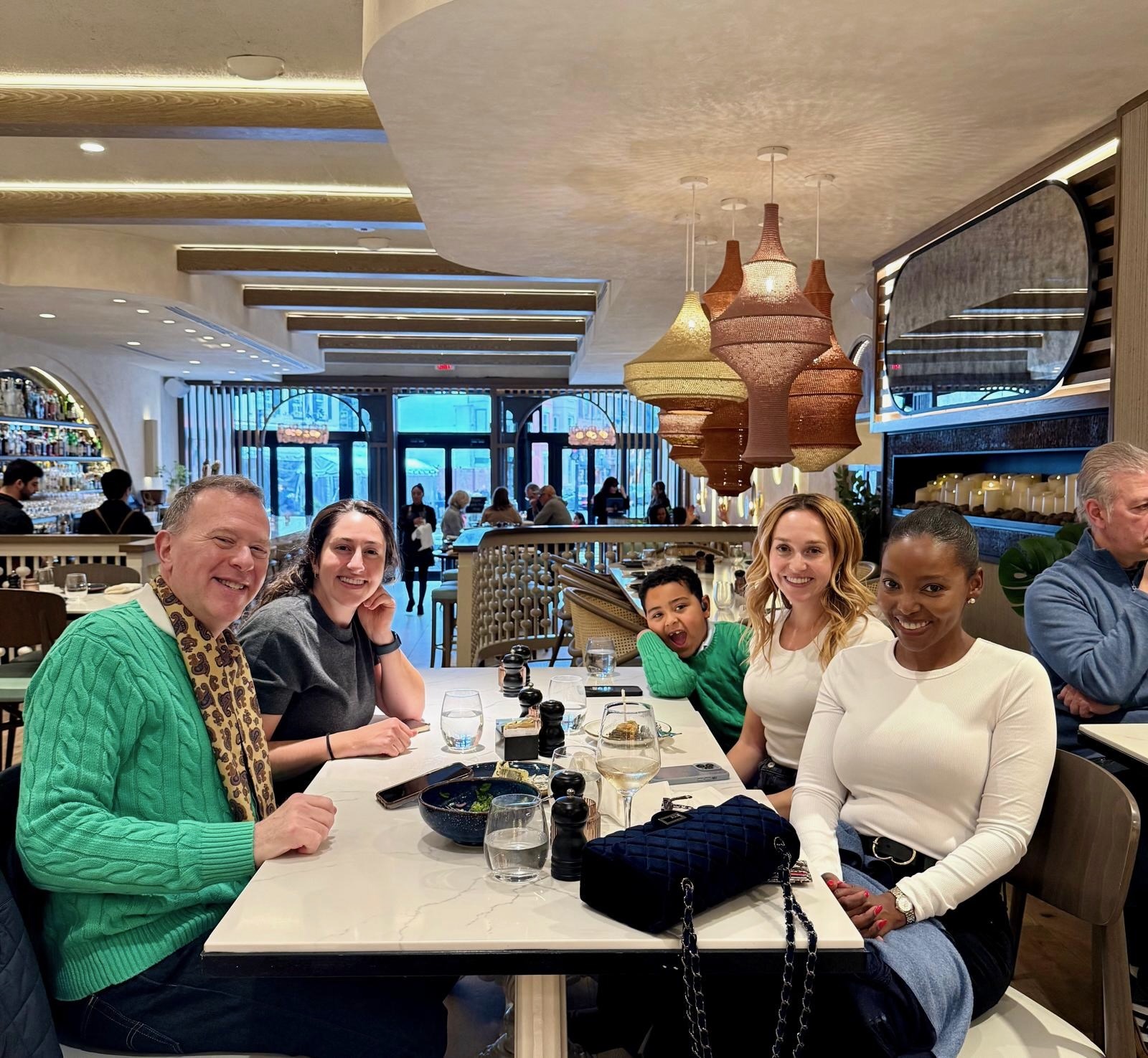
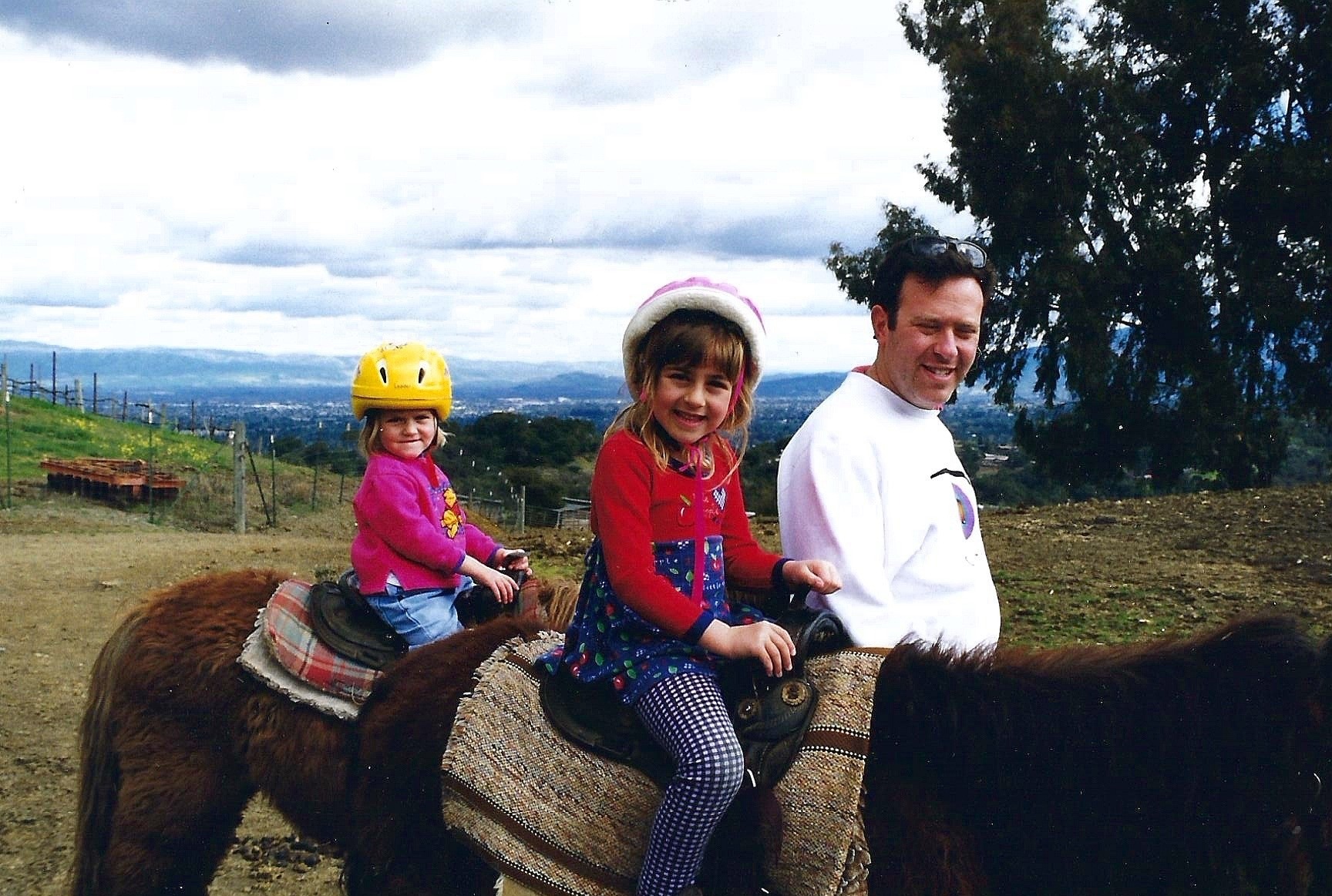
First and foremost, my family. I have two adult daughters who are successful professionals, and that is something I am very proud of.
— What about your son?
I also have an eight-year-old son, and watching him grow is incredibly rewarding. He is already exploring coding, learning about AI, and building things. Seeing that curiosity develops is very meaningful.
— How do you view these achievements?
Those are the most important achievements in my life—far beyond anything professional.
“Over time, priorities shift—from building systems to building people.”

Life Beyond Work
— When did you meet the mother of your children?
I met her in New York City during a business trip.
— How did your personal life evolve later on?
Over time, the relationship developed, we moved forward, got married, and started a new chapter together.
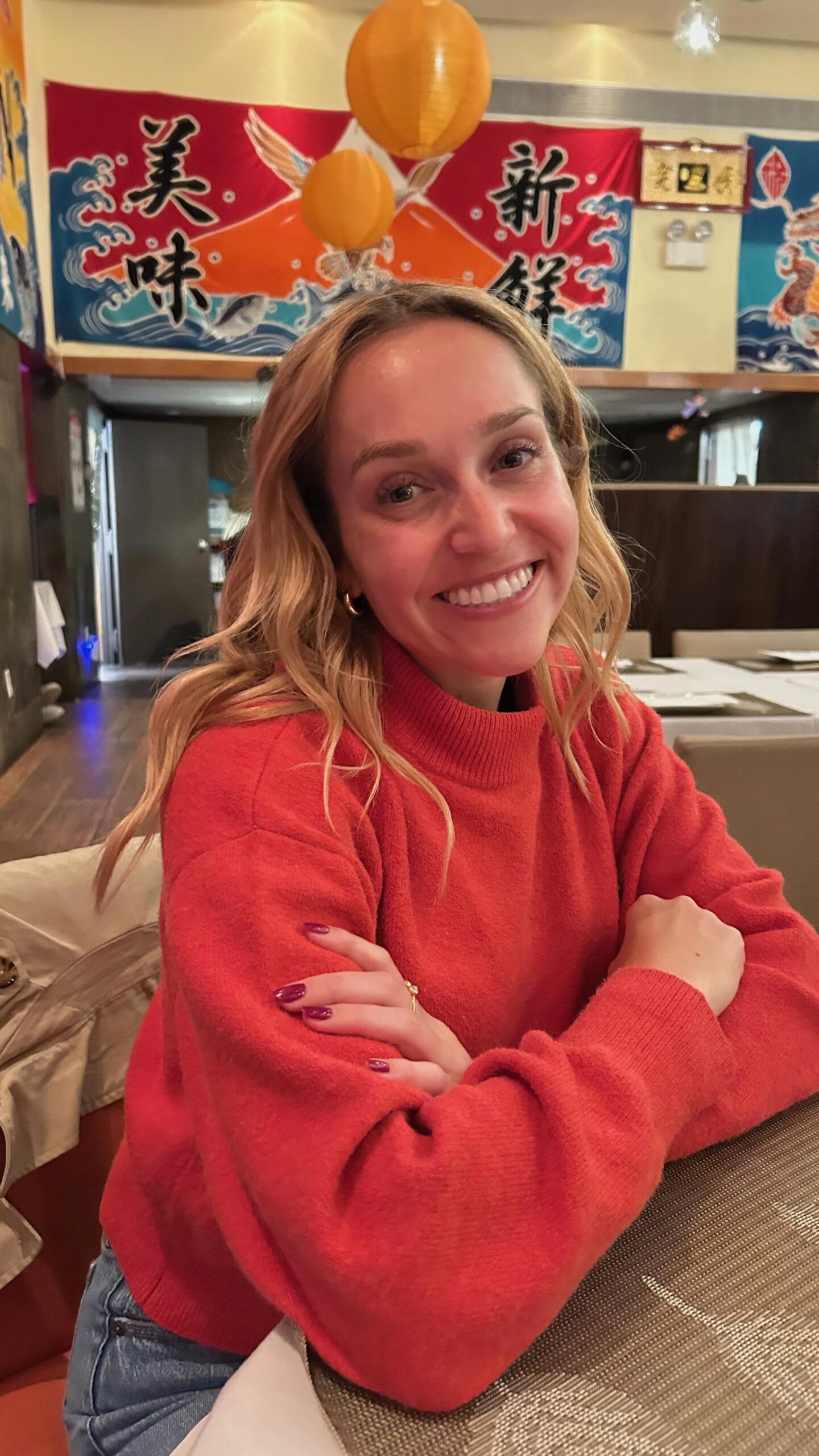
— How old were you when you met?
I was in my early fifties.
— How do you look at that period now?
It was an important turning point. Life does not follow a fixed timeline, and sometimes the most meaningful things happen later than expected.
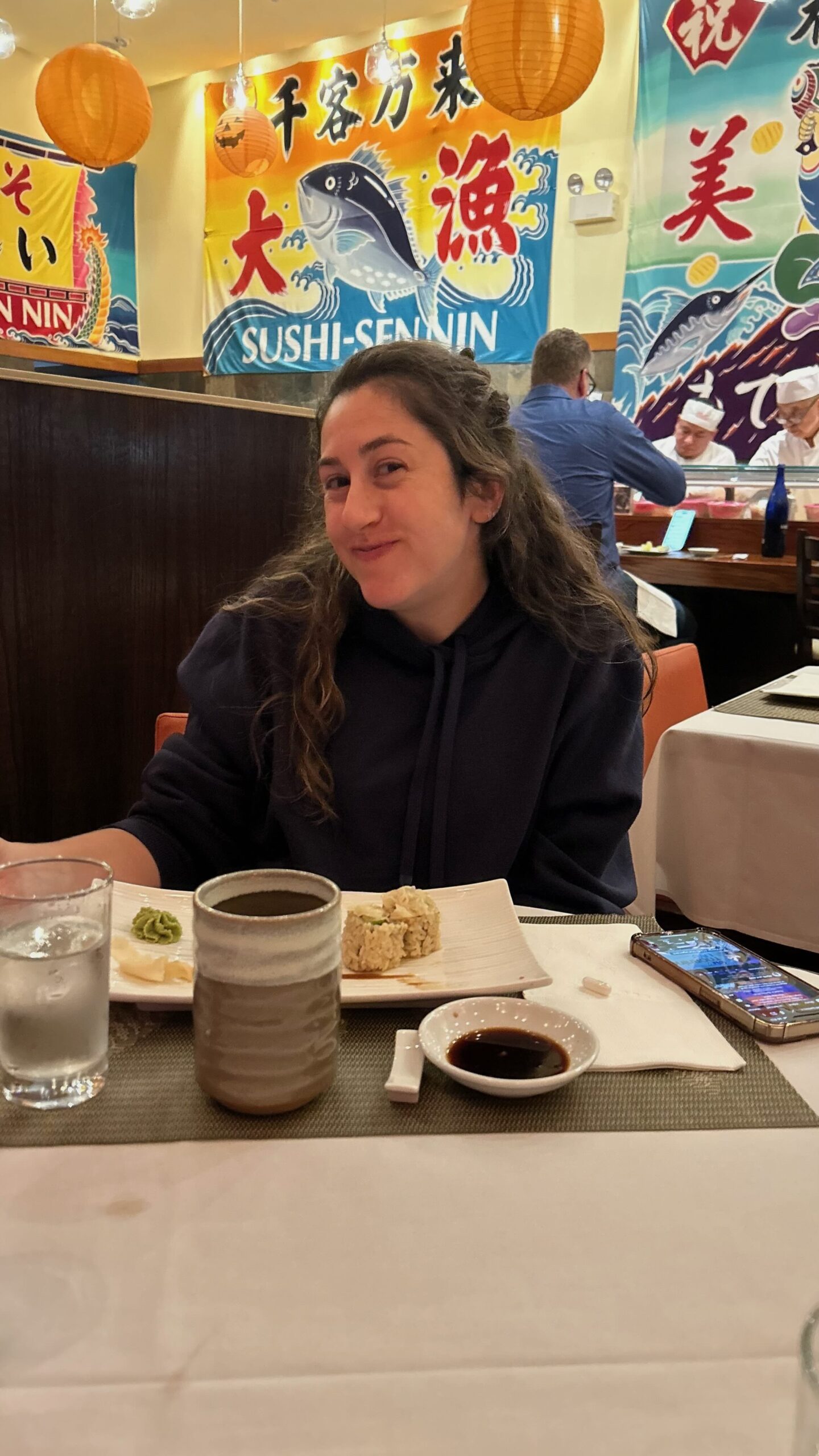
— You seem very energetic. How do you maintain that?
I stay active and engaged. That applies both physically and mentally.
— Why is that important to you?
Because energy and curiosity are key to everything—work, family, and personal growth.
“In the end, the most important outcome is not what you build—but who you become, and who you raise.”
Dream and Perspective
— What is your dream today?
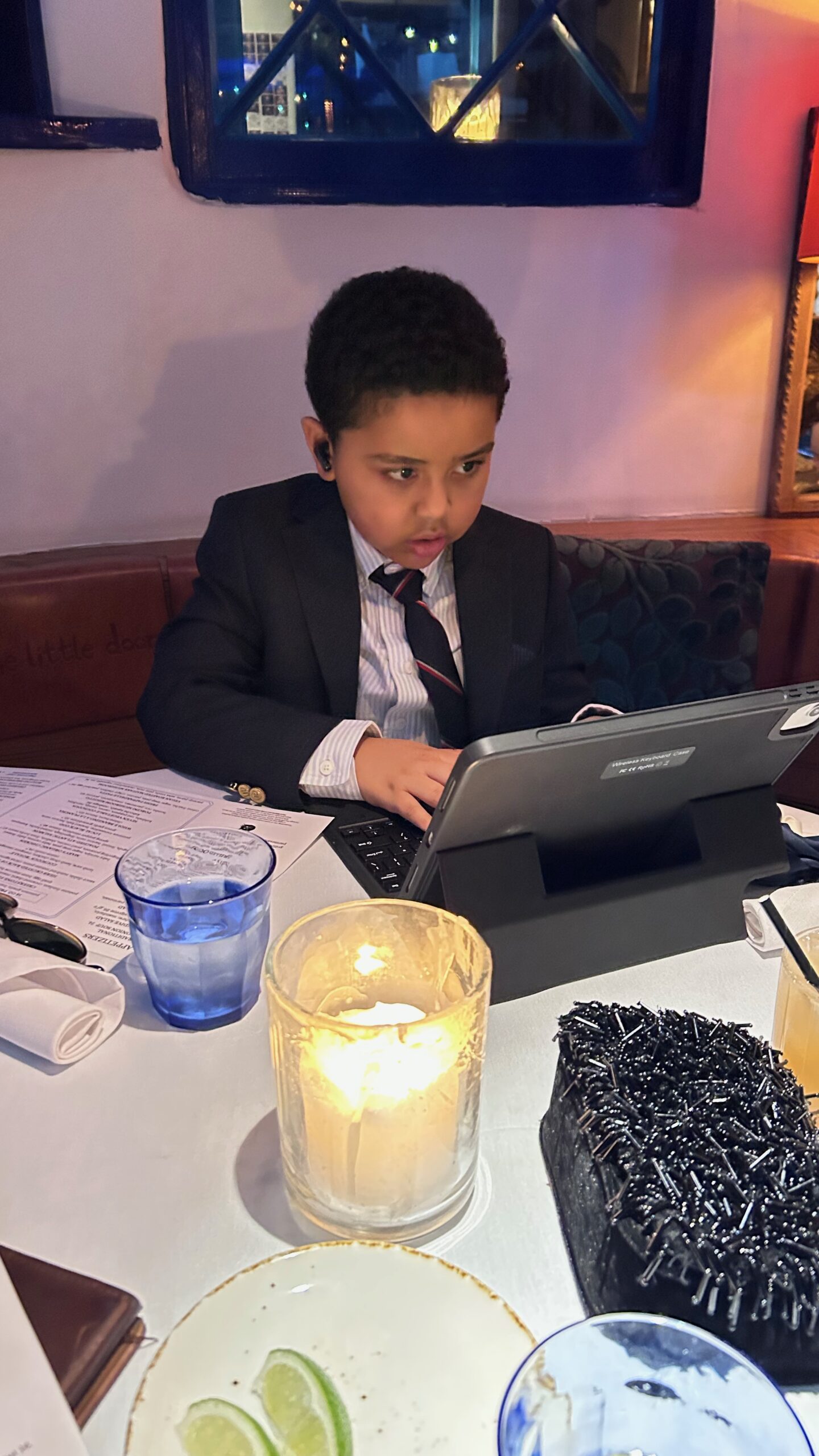
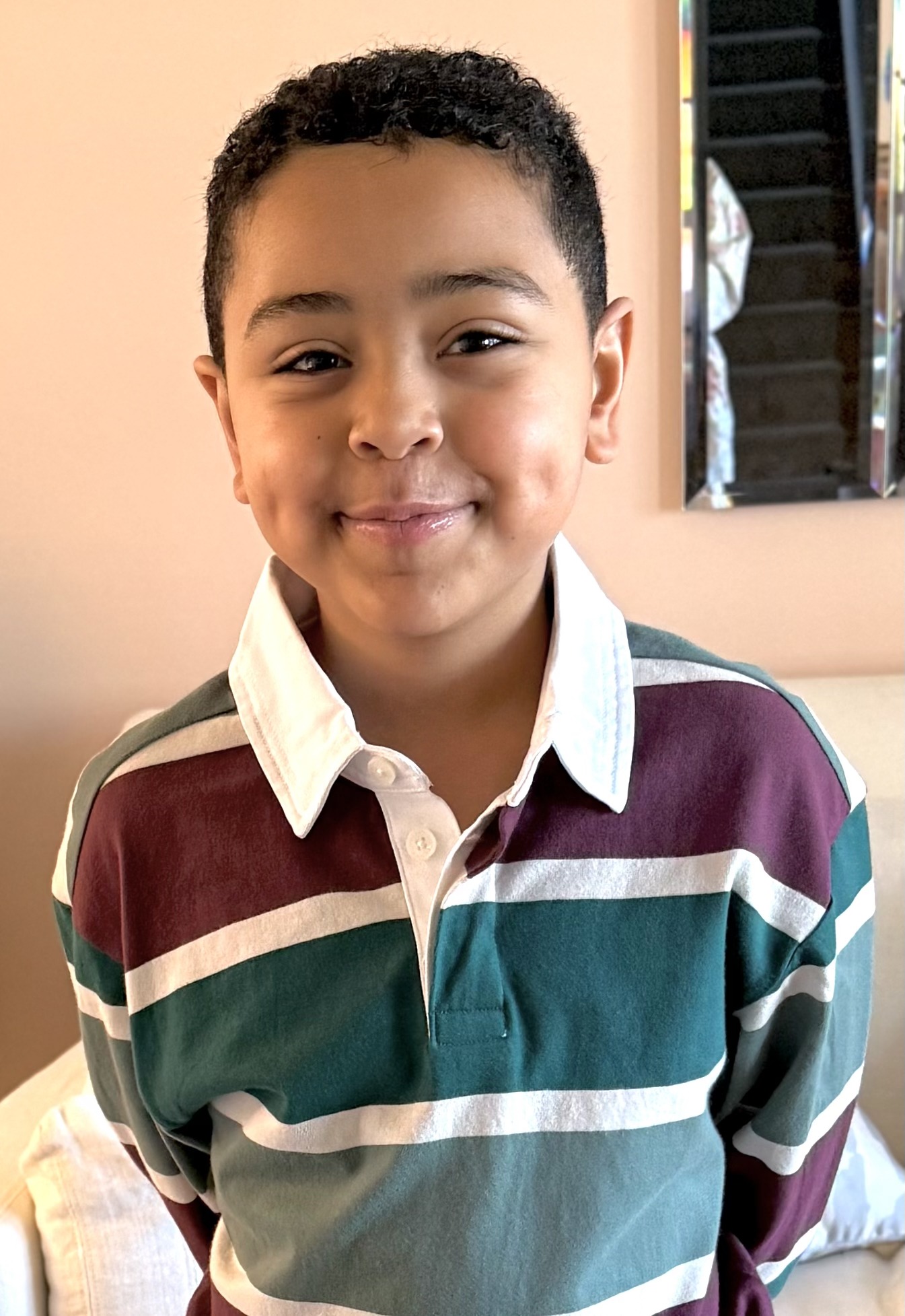
My main dream is very simple: to watch my son grow up and become an exceptional person.


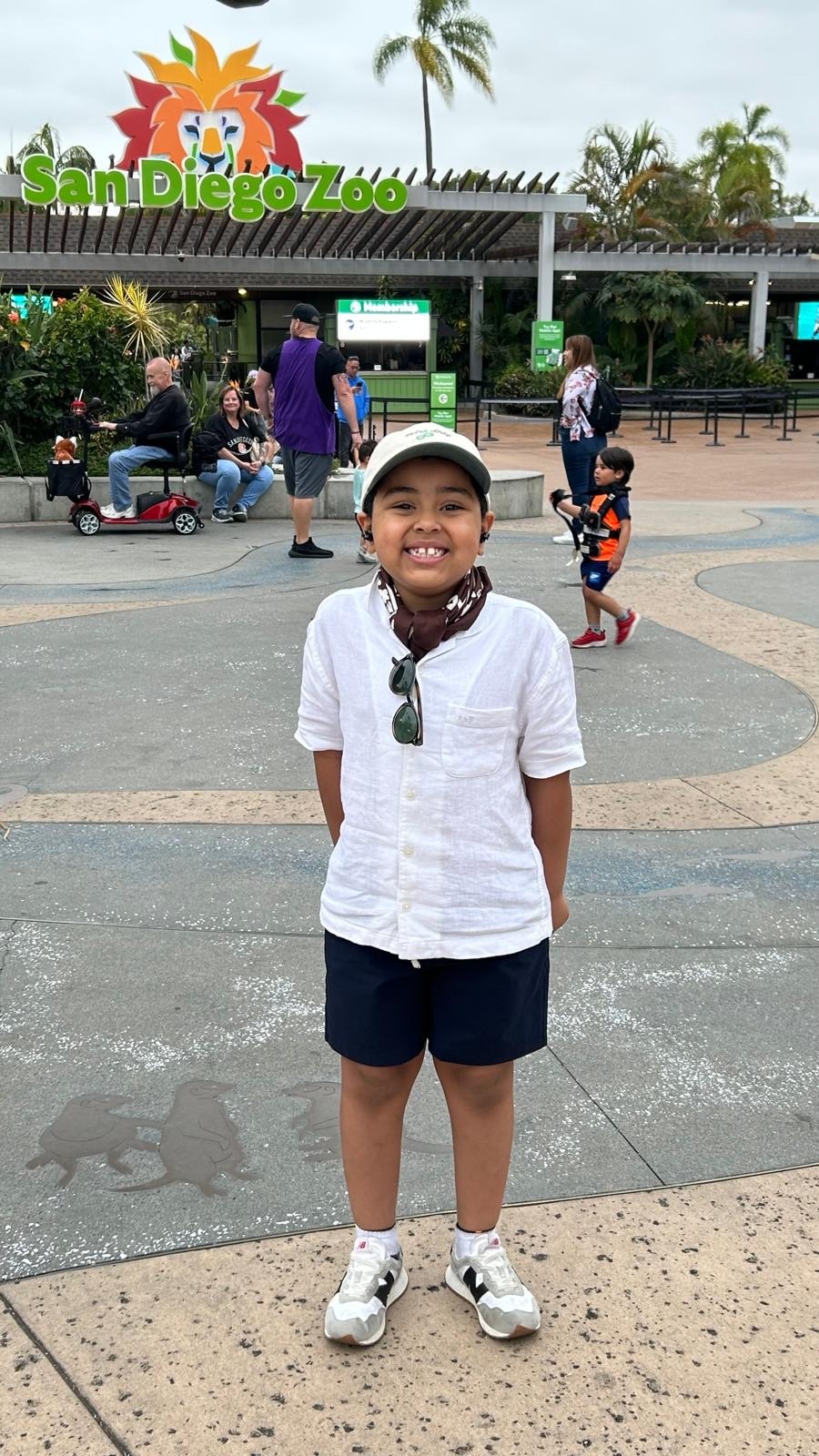
— What does that mean to you in practical terms?
It means being present—being there at every stage, supporting him, guiding him, and seeing how he develops.
— How do you see the future?
I am confident in who he will become. My role is to be part of that journey and to witness it fully.