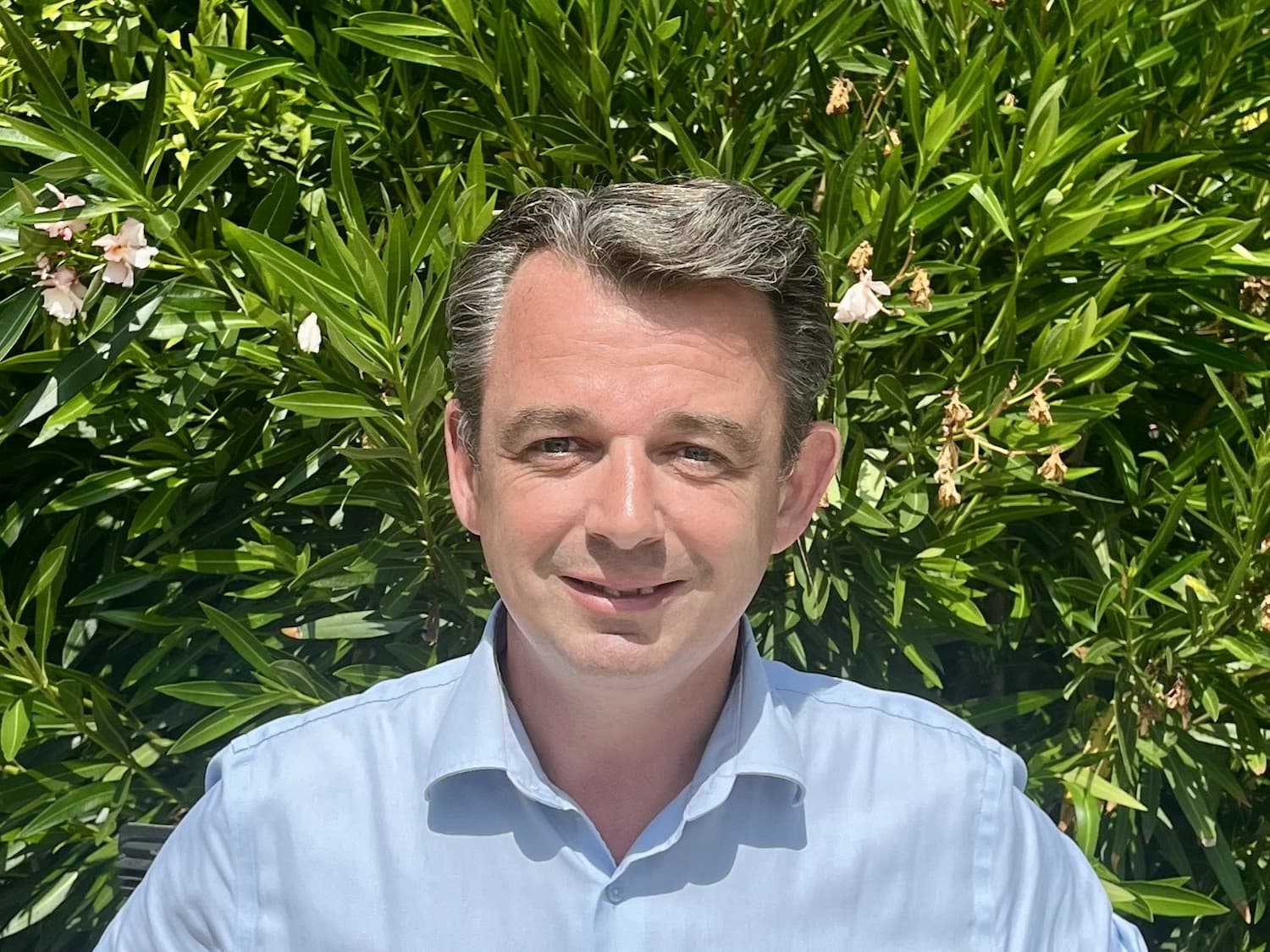
How Guillaume Arthuis, Founder & Managing Director at BBright, moved from developing strategic digital cinema technology at Doremi Labs to building BBright, expanding across the US and Europe, and preparing for the convergence of broadcast, Pro AV, and AI.
wTVision Joins Gulf & MENA Decision-Makers Forum 2026 as Sponsor
Guillaume Arthuis founded BBright in 2013 with what seemed like an unusually secure advantage: the new company already had a potential customer. Six months later, Dolby announced its acquisition of Doremi, forcing BBright to abandon its original business model and enter the market as a fully independent manufacturer.
More than a decade later, the company is still growing. After expanding in the United States, navigating different technologies and markets, and joining Hexaglobe Group, BBright is now focused on premium live broadcast, Ultra HD, HDR, SMPTE ST 2110, and the growing convergence between broadcast and Pro AV.
Starting BBright—and Rewriting the Plan Six Months Later
— Why did you decide to leave Doremi and start your own company?
After more than ten years at Doremi, I felt that it was time to try something new. I had always been interested in starting my own business, and the BBright project offered what seemed like a relatively secure way to take that step.
We were starting the company with a potential customer already in place. BBright was initially conceived almost as a satellite company that would develop products and technologies and sell them to Doremi. At least on paper, the risk appeared limited because we already had a clear development plan and a prospective customer.
— Did you establish BBright alone?
No. Initially, there were more than ten shareholders from France, the United States, and Canada, all former Doremi founders or managers. However, I was the only shareholder directly involved in BBright’s operations; the others were passive investors. At the beginning, this was a real advantage because it enabled us to finance the company properly.
However, having so many shareholders later became more complicated. As the company developed, not everyone remained fully aligned on its direction and long-term strategy.
— What was the original business plan?
The original business plan was to develop two technologies in parallel and use Doremi to bring them to market.
On the one hand, we anticipated the emergence of Ultra HD in broadcasting, so we wanted to develop the first Ultra HD encoders and decoders using the HEVC standard, which was brand new at the time.
At the same time, we wanted to develop laser light sources, assuming xenon lamps would eventually be phased out of digital cinema projectors.
However, approximately six months after BBright was founded, Dolby announced its agreement to acquire Doremi. [Editor’s note: Dolby Laboratories acquired Doremi Labs in 2014 for $92.5 million.] That completely changed our business plan.
— How did that announcement affect BBright?
We could no longer build the company around developing technology primarily for Doremi. BBright had to become a fully independent manufacturer and begin selling its products directly to end users. That’s where the story really begins, with the challenges inherent in any project of this kind.
It was a major transformation. We entered a highly competitive Ultra HD broadcast market, where we faced much larger companies such as Harmonic, Imagine Communications, and Ericsson Media Solutions, which was later rebranded as MediaKind.
Nevertheless, we decided to continue and build BBright as an independent technology company.
— Where did the name BBright come from?
Originally, BBright was meant to develop not only video solutions but also laser light sources for cinema projectors. So the idea of “bright” was actually quite literal.
And because I’m a passionate beekeeper, I liked the little play on words with “bee.” We first thought of “Bee Bright,” then “Be Bright.” In the end, mainly because we needed an available .com domain name, “Be Bright” became BBright. So the name brought together both sides of the original company—light and, in a small way, one of my personal passions.
“We started BBright with a potential customer already in place. Six months later, we had to reconsider the entire business plan.”
— You were approximately 33 when you founded BBright. Is that correct?
Yes, exactly. I was 33 when the BBright adventure began. It’s a good age to start.
From an Early Ultra HD Demonstration to Major US Customers
— What were BBright’s most important projects before the company joined the group?
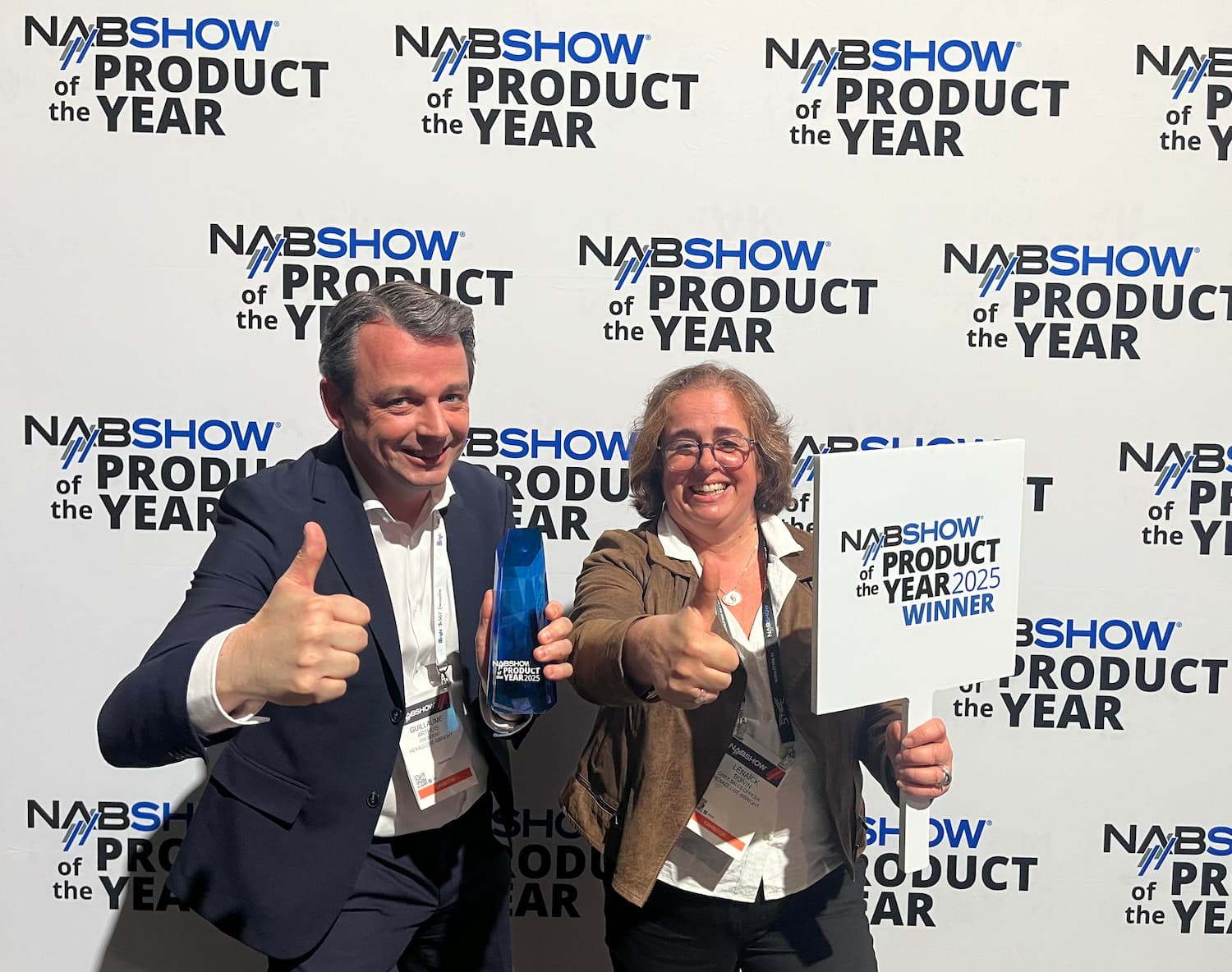
We founded BBright in 2013, and only six months later, we exhibited at NAB Show in Las Vegas. I quickly built an incredible team of highly skilled and experienced engineers. Most of them came from Thomson, Ateme, or other competitors. We demonstrated one of the first live Ultra HD HEVC encoders, which attracted considerable attention.
At the time, it was incredibly energizing to bring together such talented people and prove that, within just a few months, we could develop a prototype at the cutting edge of broadcast technology.
We came close to signing an OEM agreement with a major manufacturer. I cannot disclose the company’s name or the project details, but the agreement ultimately did not materialize. The story would have been too easy.
— When did BBright begin securing substantial commercial business?
Following the change in our business plan, we had to adapt and bring our products to market quickly. In 2015 and 2016, Ultra HD was still in its infancy in Europe, so we had to turn to the North American market.
In early 2016, I therefore traveled to the United States with a BBright playout server in my suitcase to attend the Ultra HD Forum’s first plugfest in Washington, D.C. That event was what enabled us to establish our presence in the US market.
Bahrain’s Yusuf Mohammed Buti Named Roundtable Moderator for Gulf & MENA Decision-Makers Forum 2026
The business began to gain real momentum in 2017 and 2018, primarily through projects with DirecTV in the United States. We supplied a significant number of Ultra HD products to DirecTV in Los Angeles.
We also secured important contracts with Fox and some other tier 1 broadcasters. For several years, the United States became our largest market.
— Why was BBright so successful in the US market?
Before the COVID-19 pandemic, almost 80 percent of BBright’s revenue came from the United States. That may have been surprising for a relatively small French company, but we had distinctive technology in Ultra HD and IP-based video.
Our solutions addressed requirements that were still relatively new at the time, which gave us an opportunity to compete through innovation rather than company size.
“Before the pandemic, almost 80 percent of our revenue came from the United States because we had distinctive technology in Ultra HD and IP.”
A More Balanced Business Between the US and Europe
— How did the pandemic affect the geographical structure of the business?
The situation began to change during the pandemic, but this transformation was not simply a consequence of COVID. From 2020 onward, we also built a genuine commercial strategy, supported by a focused sales approach and a structured marketing plan. Rather than addressing the market too broadly, we concentrated our efforts on the customers and applications where BBright’s technologies offered the strongest differentiation.
Today, approximately half of our business comes from the United States, while the other half comes primarily from Europe. We now work with clients such as Canal+ and HBS in Europe, demanding but fascinating customers who are consistently at the forefront of innovation.
— Which European markets are currently the most important for BBright?
France and the United Kingdom are our main European markets. We are also seeing increasing business in Poland.
— Why is Poland becoming an important market?
Poland is currently one of Europe’s most active markets. While several European countries are experiencing economic difficulties, Poland continues to invest and develop rapidly.
BBright does not concentrate on legacy high-definition broadcast equipment. We focus on innovative areas such as Ultra HD, HDR, SMPTE ST 2110, and emerging use cases across the broadcast and media ecosystem. France and the United Kingdom have traditionally been at the forefront of European broadcasting, but Poland is now accelerating, which is why we are seeing more opportunities there.
A New Owner and a Clearer Strategy
— How did you resolve the differences between the shareholders?
After disagreements with certain shareholders who were blocking the arrival of new investors needed to accelerate BBright’s growth, we had to make a radical decision to continue this great adventure: sell the company.
That was when Hexaglobe Group acquired BBright, creating a clear path forward. When the planets are not aligned, sometimes you have to know when to change solar systems.
Hexaglobe Group is a privately held French group built around three highly complementary companies. Hexaglobe develops solutions and services for OTT and streaming, while SGT has been a recognized leader and specialist in broadcast automation for more than 30 years. BBright brings its expertise in advanced video technologies and broadcast infrastructure.
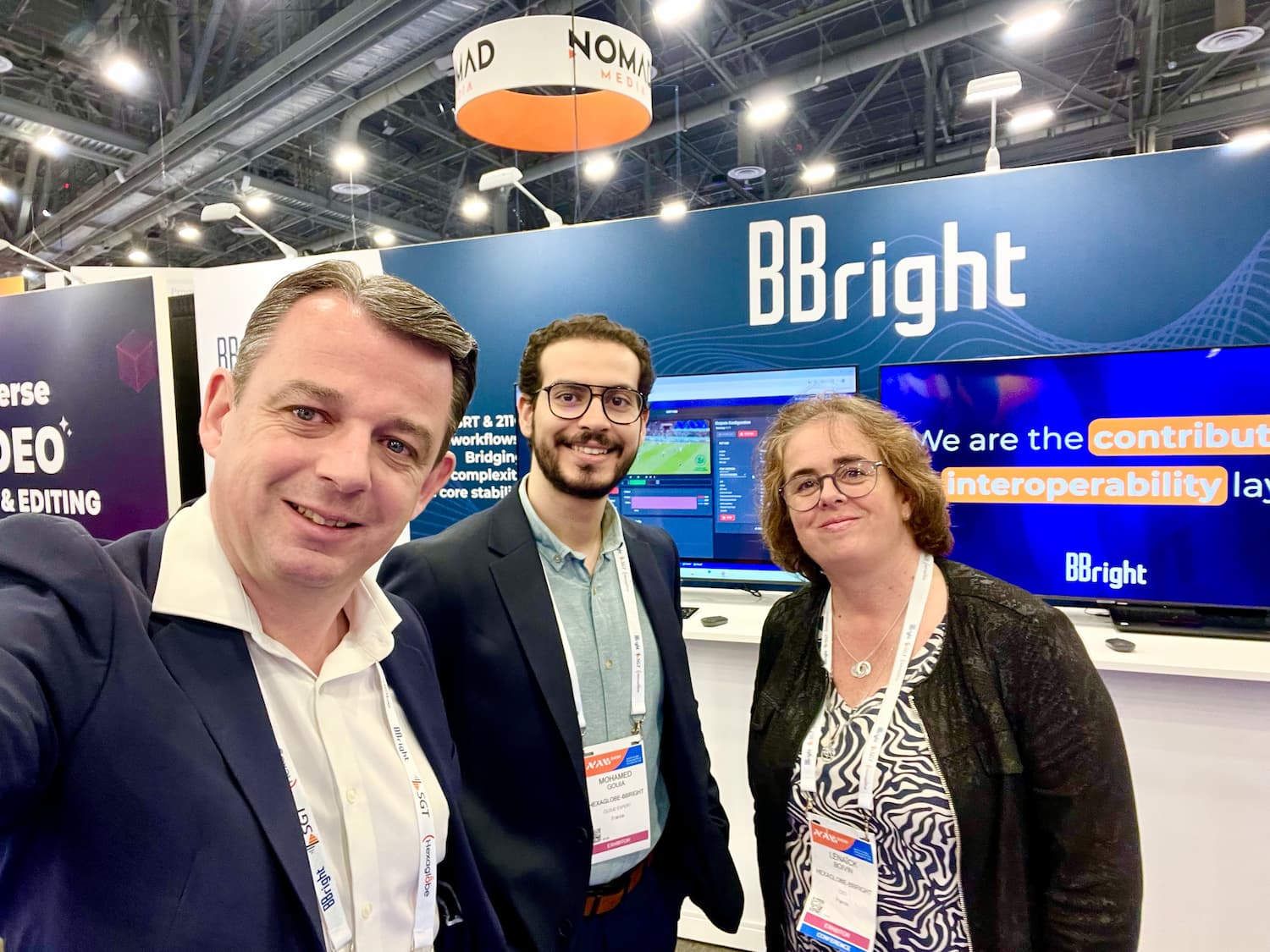
Together, these three companies have supported the media and entertainment industry through many of its most significant technological transformations over the past few decades. With this combined expertise and shared ambition, the future looks very promising, and the best is yet to come.
— When you and your partners founded BBright, what were the company’s main goals?
When we started the company in 2013, our ambition was to develop the best possible products and technologies. We wanted to assemble a group of highly skilled engineers, combine their expertise with strong product marketing, and create advanced video products for broadcasting.
The second part of the strategy was to develop laser light engines for the digital cinema industry. Those were the two main pillars of the original business plan.
— How have those goals changed?
The company’s story has constantly evolved. Only six months after we started, Doremi was acquired, and BBright had to transform itself into a fully independent company operating in a highly competitive market.
In the end, we stopped developing laser light engines fairly quickly, as new laser technologies emerged. However, we had filed a patent covering a method for coupling laser diodes.
For several years, we continued working in the laser field by developing and manufacturing infrared laser heads for a medical equipment company, quite far from our original business plan.
Unfortunately, the project was discontinued during the COVID pandemic, and from 2020 onward we completely phased out our laser activities to focus exclusively on video technologies.
But this experience illustrates an important lesson: you must always be ready to adapt
Today, our priority is to address premium applications and use cases in live production. We remain a company with a very strong product and technology DNA.
“The company’s story has never followed the original plan. We have constantly had to adapt while preserving our product and technology DNA.”
The Convergence of Broadcast and Pro AV
— Pro AV solutions are generally more affordable than traditional broadcast systems. How will the convergence of these two industries affect BBright and its customers?
We are clearly seeing a convergence between broadcast and Pro AV. On one side, broadcasters are adopting more Pro AV technology because it is often more cost-effective. On the other, high-end Pro AV customers are beginning to use broadcast-grade systems because they require greater quality, reliability, and performance.
Both industries can be divided into different levels. In broadcasting, Tier 1 organizations producing premium channels and major live sports will continue to invest in specialized broadcast solutions. Their content is highly valuable and operationally critical, so they need the best and most reliable technology available.
NEP Middle East & Asia to Host Inaugural Gulf & MENA Decision-Makers Forum in Dubai
Tier 2 and Tier 3 broadcasters are under greater pressure to reduce costs. They will increasingly consider Pro AV solutions when those products can meet their operational requirements.
— Which part of the broadcast market is BBright targeting?
We are primarily focused on Tier 1 applications. For that reason, I do not expect the growing use of Pro AV technology among lower-tier broadcasters to have a major negative impact on BBright.
At the same time, the Pro AV market also has its own premium segment. Some high-end Pro AV customers are prepared to invest in broadcast-grade equipment when they need the best possible production quality.
“We see convergence in both directions: broadcasters are adopting Pro AV technology, while premium Pro AV customers are beginning to invest in broadcast-grade systems.”
— What types of Pro AV customers could use BBright technology?
We are already seeing interest from premium Pro AV customers that want advanced SMPTE ST 2110 and IP production systems. For these organizations, traditional Pro AV equipment may no longer be sufficient.
A major investment bank, for example, may require broadcast-quality video conferencing, executive communications, or production capabilities for large corporate meetings. These customers are willing to pay more when quality, reliability, and operational performance are important.
We already have customers in the Pro AV market and continue to explore this segment. However, our focus remains on premium organizations that require broadcast-level capabilities rather than conventional, lower-cost Pro AV installations.
AI is Already Changing the Engineering Profession
— How do you expect AI to change BBright and the broadcast industry over the next three to five years?
This question has two parts. The first is how we use AI internally to improve the company’s efficiency. The second is how AI will affect the wider broadcast and media ecosystem.
Internally, we already use AI extensively, particularly within R&D. It may not literally double every engineer’s productivity, but it can significantly improve efficiency.
— How is AI changing the work of your engineers?
The engineering profession is already changing. Engineers are spending less time writing every line of code themselves. Increasingly, they supervise AI tools, define objectives, evaluate the results, and manage the overall development process.
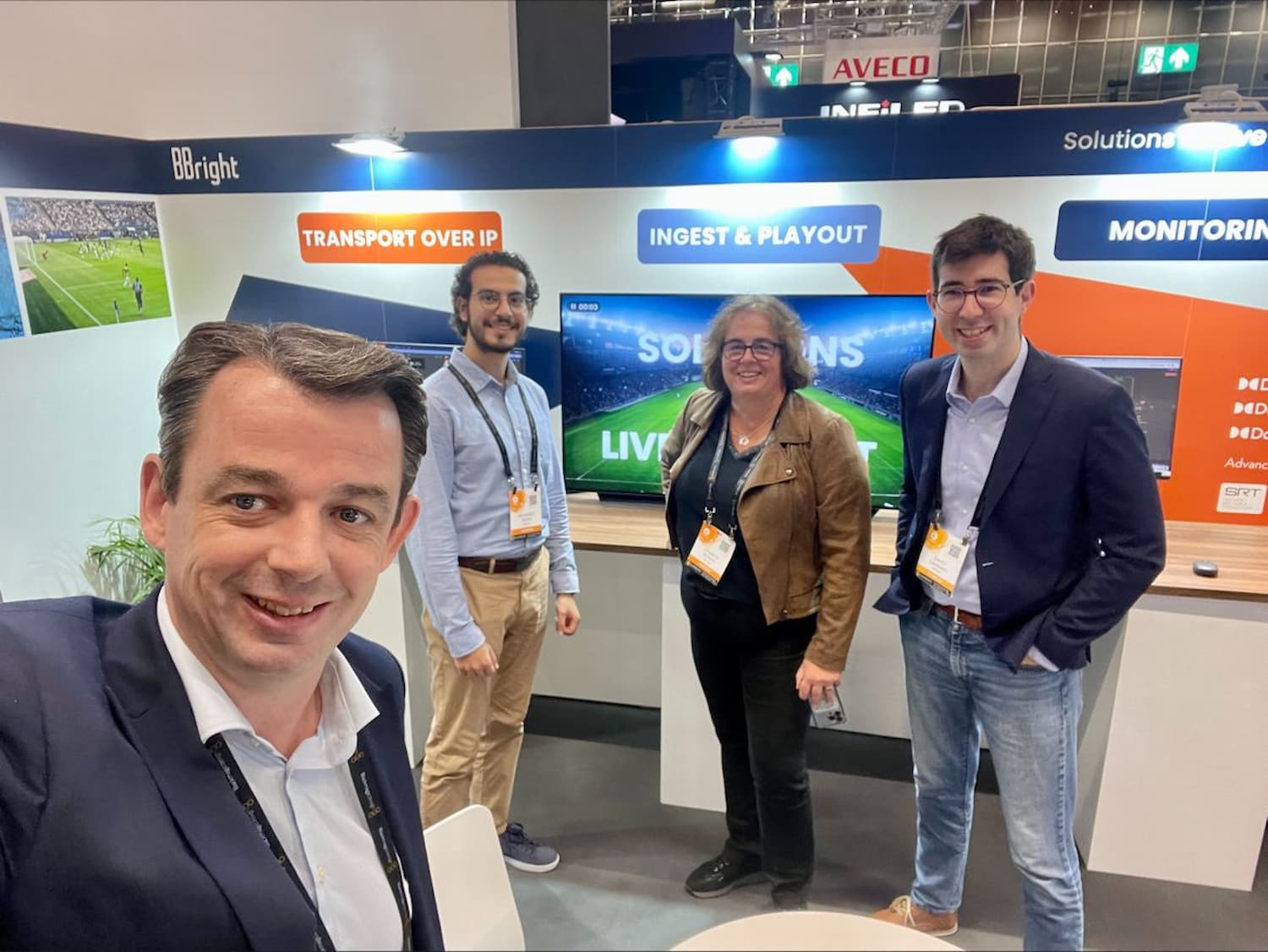
At BBright, we are fortunate to have an outstanding team of engineers, and I mean engineers in the fullest sense, not simply software developers.
AI allows them to focus on the real essence of engineering: solving problems, finding solutions, designing architectures, and developing new methods. Writing code is ultimately just one means to an end, and that’s where AI helps us save valuable time.
— Do you use AI outside R&D?
Yes. We also use AI for a wide range of administrative and operational tasks. It is significantly increasing the company’s efficiency, and I expect that impact to become even greater over the next five years.
— How will AI affect broadcasting and media?
AI is not going to transform every broadcast operation in exactly the same way, but it is already having a major influence on content creation. We are also beginning to see more AI-based applications in live production.
This is only the beginning. Over the next several years, AI will become increasingly integrated into both content creation and the technical workflows used to produce and distribute it.
“Engineers are no longer simply writing code. Increasingly, they are supervising AI tools and managing the development process.”
Building Strategic Technology for Digital Cinema
— What was your most important project at Doremi?
One of the main projects was developing our JPEG 2000 core. JPEG 2000 was the codec used for digital cinema, and Doremi decided to create its own solution entirely in-house rather than depend on an external supplier.
I led the development of a fully FPGA-based JPEG 2000 decoder. It was an extremely demanding project, but it gave Doremi a major strategic advantage because the company owned one of the most critical pieces of intellectual property inside its digital cinema players.
Early in my career, I also had the opportunity to work on intellectually stimulating projects, including developing cryptographic solutions and random number generators.
— Why was owning that technology so important?
It gave us control over our products’ performance and future development. We were not dependent on another company for a core component of the digital cinema system, which made Doremi more competitive than manufacturers that relied on third-party technology. Mastering key technologies and understanding where a product’s real added value lies is essential.
An Internship That Became a Ten-Year Career
— What was your first job?
My professional career began in the media and broadcast industry. Immediately after engineering school, I joined Doremi Labs in Burbank, California, as an intern.
After the internship, I became a hardware engineer at the company. Doremi then grew rapidly, particularly in the digital cinema market, and I stayed there for more than ten years. Doremi was clearly an incredible company in which to learn and develop a deep understanding of the industry.
Ammar Hina: The Gulf Is No Longer an Emerging Broadcast Market — It Is a Global Growth Engine
It was a remarkable period because we witnessed and helped drive the transition from 35mm film to digital cinema. Within only a few years, movie theaters around the world adopted DCI-compliant digital technology.
I remember taking part in some of the earliest DCI tests at the Pacific Theatre in Hollywood. At the time, the studios had not yet finalized the DCI specification, so we had to conduct extensive testing using the reference film known as the StEM (Standard Evaluation Material). Those evaluations ultimately helped establish the 250 Mbps data rate that became part of the DCI specification.
— How did you find the internship at Doremi?
Doremi’s founder, Camille Rizko, had attended the same engineering school in France. I found his name in an alumni directory and contacted him directly.
Within two hours, he replied and told me that I was welcome to come to California for an internship. That was how everything started.
— Did Camille Rizko become a mentor to you?
Yes, absolutely. I consider him my professional mentor, and I learned a tremendous amount from him. He has exceptionally high standards, both technically and personally.
— Was that your first trip outside France?
No. I had already had opportunities to travel to Russia, China, several African countries, and other parts of the world. I had also completed an earlier internship in Singapore.
— What happened after your first years in California?
I spent several years in the United States and then continued working for Doremi while helping develop its R&D operation in southern France.
Engineering Studies in Paris and Rennes
— What did you do after high school?
I followed a fairly traditional educational path in France, completing the selective preparatory classes before attending Supélec engineering school, where I earned a Master of Science in Electrical Engineering.
— Where did you study?
I spent the first years in Paris and the following three years at an engineering school in Rennes, in western France. Rennes is also where BBright is now based.
— Where did you live in Paris?
I lived in an apartment between the Eiffel Tower and Les Invalides. During that period, I studied at Lycée Louis-le-Grand.
— Was your education free?
Yes, there were no tuition fees.
— Why did you move from Paris to Rennes?
The first years in Paris were the initial stage of my studies. The main engineering program was based in Rennes, so I moved there to complete the remaining three years.

A Childhood in Western France
— When and where were you born?
I was born in 1980 in a small town in western France. Neither of my parents had any connection with engineering or broadcasting.
— What did your parents do?
Although my mother was naturally more gifted in literature and the arts, she went on to become the CFO of an audit and accounting firm, which shows that you must always be ready to adapt. My father, meanwhile, had a successful career in politics. They both followed remarkable paths, and I am very proud of them.
— What is your earliest childhood memory?
That is a difficult question, but one of my earliest memories is from my first year at nursery school, when I was only two or three years old. I remember sitting at a table, drawing and painting, absorbed by the colors. It is not a very detailed memory, but the images and sensations have stayed with me. The result was probably terrible, though; drawing has clearly never been one of my strengths.
—Which subjects did you enjoy at school?
I was particularly interested in physics, biology, and history. I must admit that I have always had a particular fascination with life sciences and the natural world. That curiosity has stayed with me ever since. Two of my passions today are beekeeping and mycology, the study of fungi and mushrooms. I keep my own beehives and particularly enjoy learning about bees and their complex social organization, while mycology takes me into forests to search for and learn to identify different mushroom species.

— Did you attend a public or private school?
Mostly private schools.
— Were you involved in sports?
Yes, I practiced judo and competed at a quite high level. I even won a French championship.
However, when I was 13, I suffered a serious neck injury and had to stop training for more than six months. After such a long break, it was impossible to return to the same competitive level. Still, I have very fond memories of that period, and I also made some lasting friendships that I have kept to this day.
“I practiced judo at a high level and even won a French championship, but a serious neck injury brought that chapter of my life to an end.”
— Did you complete military service?
No. I belonged to the first generation in France that was no longer required to complete compulsory military service.

Ten Years Sharing the Same Office
— Could you tell us about your family?
I met my wife Isabelle before I joined Doremi, and she later worked there as well. We spent approximately ten years at the company together and held similar responsibilities.
We were co-directors of hardware engineering, which meant that we shared the same office and worked on many of the same projects throughout that period. Since she was a better engineer than I was, I gradually moved into product management and business development.
— What happened after those ten years of working together?
Eventually, we decided that it was time to get married and start a family. We now have three great children, aged 15, 13, and 11.
We sometimes joke that having three children is our contribution to supporting the French pension system.
“My wife and I spent ten years sharing the same office and doing the same job before we decided to get married and start a family.”
Keeping BBright on Course
— What do you consider your greatest professional achievement so far?
My greatest achievement is that BBright is still here, still moving forward, and still growing.
Looking back, the company’s journey has been anything but conventional. BBright was created under very specific circumstances, initially as a satellite company connected to an established manufacturer. Just six months later, that entire model disappeared, and we had to rethink the business plan from the ground up and become fully independent.

Over the years, we explored very different fields, from laser technologies to medical applications, while continuing to build our expertise in advanced video systems. The path was never linear. We faced strategic changes, technical challenges, shareholder tensions, market uncertainty, and the constant need to reinvent ourselves.
Each of those challenges made the company stronger. BBright has developed resilience, maturity, and the ability to adapt without losing sight of its technological ambition. Today, it is a solid and exciting company, supported by an exceptional team of talented people and backed by a strong and highly complementary group, Hexaglobe Group.
After everything we have been through together, BBright is more than a business; it is a remarkable human and technological adventure, now supported by a group that gives us an even stronger foundation for the future.
— What changed after BBright joined Hexaglobe Group in 2024?
Joining Hexaglobe Group gave us a much clearer path forward. We can now grow in a more structured way while remaining privately funded.
I am proud that the company survived so many changes and ultimately found a clear direction. It was certainly not a straight road, but that is also what makes the achievement meaningful.
“My greatest achievement is that BBright is still here, still growing, and now has a clear path for the future.”
The Next Dream Is Still Taking Shape
— What is your dream now?
My immediate ambition is to remain part of the media and entertainment industry and continue witnessing and contributing to its transformation. I have not yet defined one specific dream, simply because the industry is evolving so quickly and continuously opening up new possibilities.
Media and entertainment is a unique industry. It has become highly competitive, but it remains endlessly fascinating. Over the past 70 years, technologies, infrastructures, and business models have changed dramatically, yet the importance of live content has remained constant.
Live content is still valuable, relevant, and operationally critical. I therefore believe that my next dream will emerge from the next stage of the industry’s evolution. I am still shaping it.
What continues to attract me is that engineering in such a specialized field is not just about technology. It is also a form of craftsmanship, sometimes even technological goldsmithing. It requires creativity, precision, deep expertise, and an uncompromising pursuit of technical excellence. That combination makes these professions genuinely exciting.
“Media and entertainment is a unique industry. It has become highly competitive, but it remains endlessly fascinating”
Sarkis Semaan, LBCI, to Participate in the Gulf & MENA Decision-Makers Forum 2026