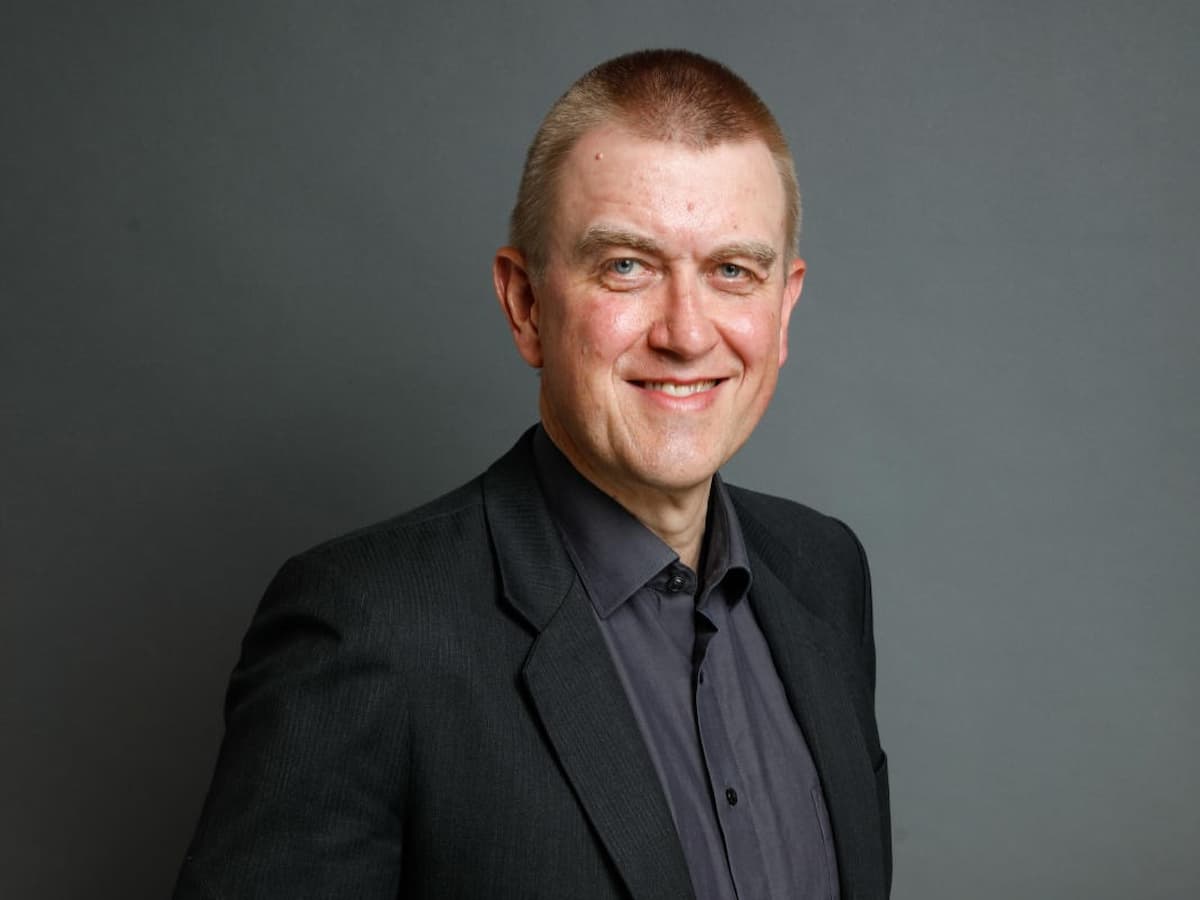
Stephan Heimbecher, Head of ARD Competence Center Production & Infrastructure and Chair of the EBU Strategic Program Media Production & Transformation, has spent decades helping transform television—from digital broadcasting and UHD to modern production infrastructures.
Inaugural Gulf & MENA Decision-Makers Forum 2026 Concludes in Dubai
What happens when technology becomes so powerful that we can no longer trust what we see? Now he worries that the industry is moving faster than it can understand the consequences. AI offers extraordinary opportunities, but it also raises a fundamental question: are we still solving real problems, or simply adopting technology because it exists?
AI, Disruption, and the Price of Convenience
— How do you expect AI to change broadcasting over the next five years?
Even five years has become extremely difficult to predict. Earlier in my career, when I led innovation at Premiere and Sky, I could often look three to five years ahead and reasonably estimate the industry’s direction. Today, I sometimes joke that I am pleased if I understand what will happen over the next three to five weeks.
I am generally skeptical about AI, although that does not mean that I reject it or refuse to use it. I see considerable potential, but I would like people to look beyond the hype and question what they are adopting, why they need it, and what consequences it may create.
— Do you believe AI will lead to widespread job losses?
Certain roles will disappear, but that has always happened when disruptive technologies emerged. AI will change jobs and processes, but I don’t believe it will make vast numbers of people unnecessary across the economy.
I often discuss this with my mother, who is 86 and hears constant references to AI on television. From her perspective, the technology can be difficult to understand. I remind her that when the first automobiles appeared, many people questioned why they were needed when horse-drawn carriages already worked.
— What does that comparison tell us about AI?
Disruptive technologies do not always solve a problem that people previously considered unsolved. Often, they succeed because they offer greater convenience. Cars were more convenient than horse-drawn transport, just as online shopping can be more convenient than visiting a supermarket.
However, convenience always has another side. Ordering groceries from home may save time, but you may no longer discover something unexpected in the shop, meet a friend by chance, or have a brief conversation with the cashier. Technology gives us something, but it may also remove social experiences we don’t notice right away.
A Childhood Between Detmold and the Rhineland
— When and where were you born?
I was born in 1967 in Detmold, in northwestern Germany.
— Who were your parents?
My father was a professor of Latin and Ancient Greek, so his professional world was very different from the one I later chose. My mother worked at a bank before I was born. After my younger sister arrived five years later, she left the bank and devoted herself to looking after the family.
— Did you grow up in Detmold?
Only during the first three years of my life. We lived on a small farm, although I have very few memories of that period. When I was three, we moved to the Düsseldorf area. We did not live in the city center. At the time, the area was still largely rural, although it has changed considerably over the past 50 or 60 years.
— Düsseldorf and Cologne are close to Germany’s industrial heart. What was it like growing up there?
The region is close to the Ruhrgebiet, Germany’s most densely populated industrial area. Düsseldorf and Cologne lie slightly outside its center and have always had a strong rivalry, despite being so close.
I grew up between the two cities, near Neuss. Many Germans know Neuss from traffic reports because the surrounding motorways are often congested. The city is also famous for its Schützenfest, a traditional marksmen’s festival and one of the largest events of its kind in Germany.
— What is your earliest childhood memory?
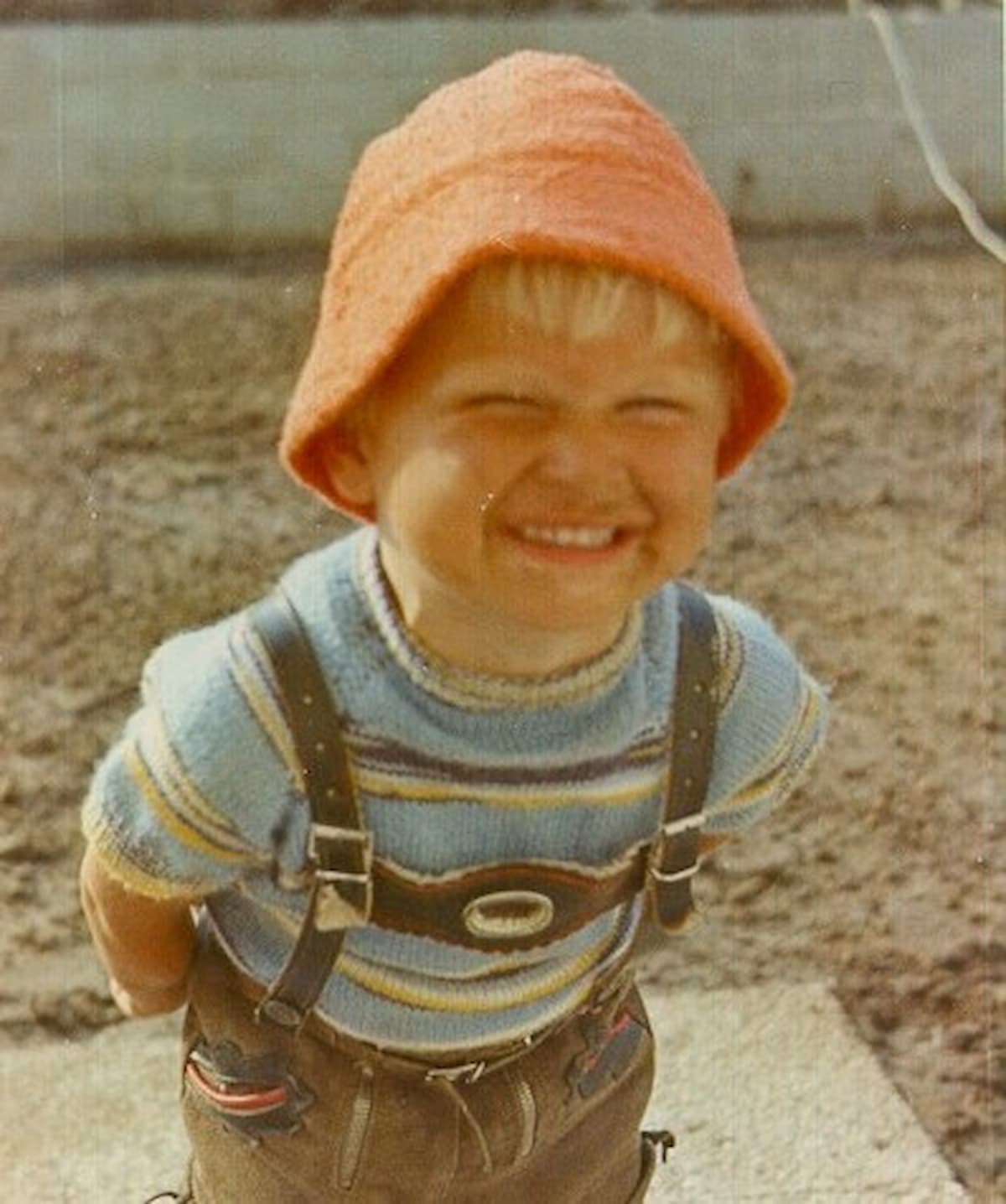
I remember digging in the sand behind the new house we moved into when I was three. The entire neighborhood was still under construction, so there was no grass or landscaping yet. For a child, however, it was a wonderful environment. Many other children, new friends, and what felt like one enormous playground.
TFT1957 | TV & Film Technology Magazine October 2026, Issue 797
From Classical Languages to Physics
— Which subjects interested you at school?
My father’s world revolved around languages and classical education. After four years of Grundschule, German children had to move into different types of secondary education. Around nine years old, you were expected to choose between a more academic or practical path, although in reality your parents usually decided.
My father sent me to a traditional boys’ school focused on Latin and the humanities. After a few years, however, I realized this wasn’t the direction I wanted to pursue. I became much more interested in physics, mathematics, and eventually telecommunications.
— How did your father react when you chose a different path?
He accepted my decision completely. I think he had already begun to understand where my interests were heading when I started asking for electronics and chemistry experiment kits for Christmas.
It became increasingly clear that his son was unlikely to become another professor or teacher of Latin and Greek.
“I began with Latin and the humanities, but by the age of 12 or 13, I knew that physics, mathematics, and technology were the direction I wanted to follow.”
Discovering the Value of a Classical Education
— Do you now appreciate the education you received in languages?
Very much. When you are young, you often dislike certain subjects because you cannot yet understand why they may become useful. Many years later, I realized how valuable that classical language education had been.
Even Latin, although it is considered a dead language, provides a foundation for understanding languages such as Italian and Spanish. It does not make you fluent, but it helps you recognize structures, vocabulary, and connections between the Romance languages.
— Were there any engineers or technicians in your family?
Not that I know of. Some members of my grandparents’ generation died during the Second World War, so I never really had the opportunity to know them. I was told that I had met one of my grandfathers when I was two, but I have no memory of it.
As far as I am aware, there was no recent family tradition in engineering or technology. Perhaps there was one further back, but my own interest in the field developed independently.
— Did you play sports when you were young?
I played badminton very seriously for many years. At more than two meters tall—around six feet eight—I did not have the ideal build for a sport that requires constant speed and rapid movement, but I loved it. I competed in tournaments, played on a team, and at times trained five or six days a week. Badminton remained part of my life for decades, and I would probably still be playing today if I didn’t have problems with my knees.
Turning Military Service into Practical Training
— Did you complete compulsory military service?
Yes. Military service was still compulsory in Germany, and I served for approximately 15 months. By then, I already knew that I wanted to study telecommunications, and the degree required several weeks of practical experience before admission.
I therefore tried to make my military service useful and arranged to join a telecommunications unit. Its equipment was already old-fashioned, but working with it gave me a strong understanding of the fundamentals. After six weeks of basic military training, I spent most of my service working with communications technology and was able to count part of that experience toward my later studies.
— Did that experience influence your approach to life?
It reinforced something I have always believed: opportunities rarely appear without some effort. You have to take the initiative, ask questions, and try to shape the situation rather than simply accept what is offered.
There is a German saying, “Fragen kostet nichts,” which means that asking a question costs nothing. The worst answer you can receive is no, but if you never ask, you also remove any possibility of hearing yes.
“If you do not ask, you will never receive a yes.”
Earning Money and Choosing a Practical Education
— Do you remember your first job?
I began taking temporary jobs while I was still at school because I always had ideas about how to spend money and therefore had to find ways to earn it. Through my mother’s connection with banking, I regularly worked at a bank during school holidays, initially running errands and handling basic tasks.
Because I returned regularly and the staff knew I was reliable, they gradually trusted me with more responsibility, even though I had no formal banking qualifications. I also delivered newspapers and sold subscriptions for home deliveries of bread and milk—typical jobs for a young person trying to earn some extra money.
— When did you first earn a significant amount of money from technical work?
That happened while I was completing my diploma thesis at IRT. I was paid approximately 1,000 Deutschmarks a month, which was a respectable amount in the early 1990s. However, most of it went toward renting an apartment in Munich, where the project was based. That assignment brought me to Munich, and I have now lived here for more than 30 years.
— How did you choose where to study?
I chose a University of Applied Sciences in Krefeld because it was close to where I lived and offered a more practical education than a highly theoretical institution such as Aachen. I have always been a hands-on person, so direct experience mattered more to me than the prestige associated with a particular university.
The decision worked out well. One of my professors had maintained a close relationship with IRT, the R&D center of the public broadcasters in Germany, Austria, and Switzerland, for many years and regularly helped students arrange diploma projects there. When I heard about that opportunity, I immediately knew that it was what I wanted because it offered a way into the media technology field.
Ursula Romero Takes Over Global Sports Broadcasting Company After Her Father’s Death
A Diploma Project That Opened the Door to Broadcasting
— Why did the diploma project at IRT appeal to you?
It was far more attractive than most of the diploma projects available at the university. Many felt artificial and disconnected from the real industry, while the IRT project offered the chance to work on something practical in the media sector.
More students were interested than there were projects, so I put my name on the waiting list and expected to wait another semester. Then, with only two weeks’ notice, another student withdrew. I was ready to go immediately, so I took the opportunity and started six months earlier than expected.
— What happened after you completed the project?
I stayed at IRT for another five years and became firmly established in the media and entertainment industry. It was one of those moments when circumstances simply worked in my favor, but I was also prepared to respond when the opportunity appeared.
— What was your first permanent professional role?
After completing my diploma thesis, IRT hired me for a special project under a fixed-term contract. My initial focus was Digital Audio Broadcasting and audio compression technologies, including MPEG Audio, MUSICAM, and MP3.
For the first several years, almost all my work focused on audio. As I approached the maximum period allowed for a fixed-term contract, a permanent position became available on the digital television side, which allowed me to move into a new field.
From Digital Audio to Television Standards
— What did you work on after moving into digital television?
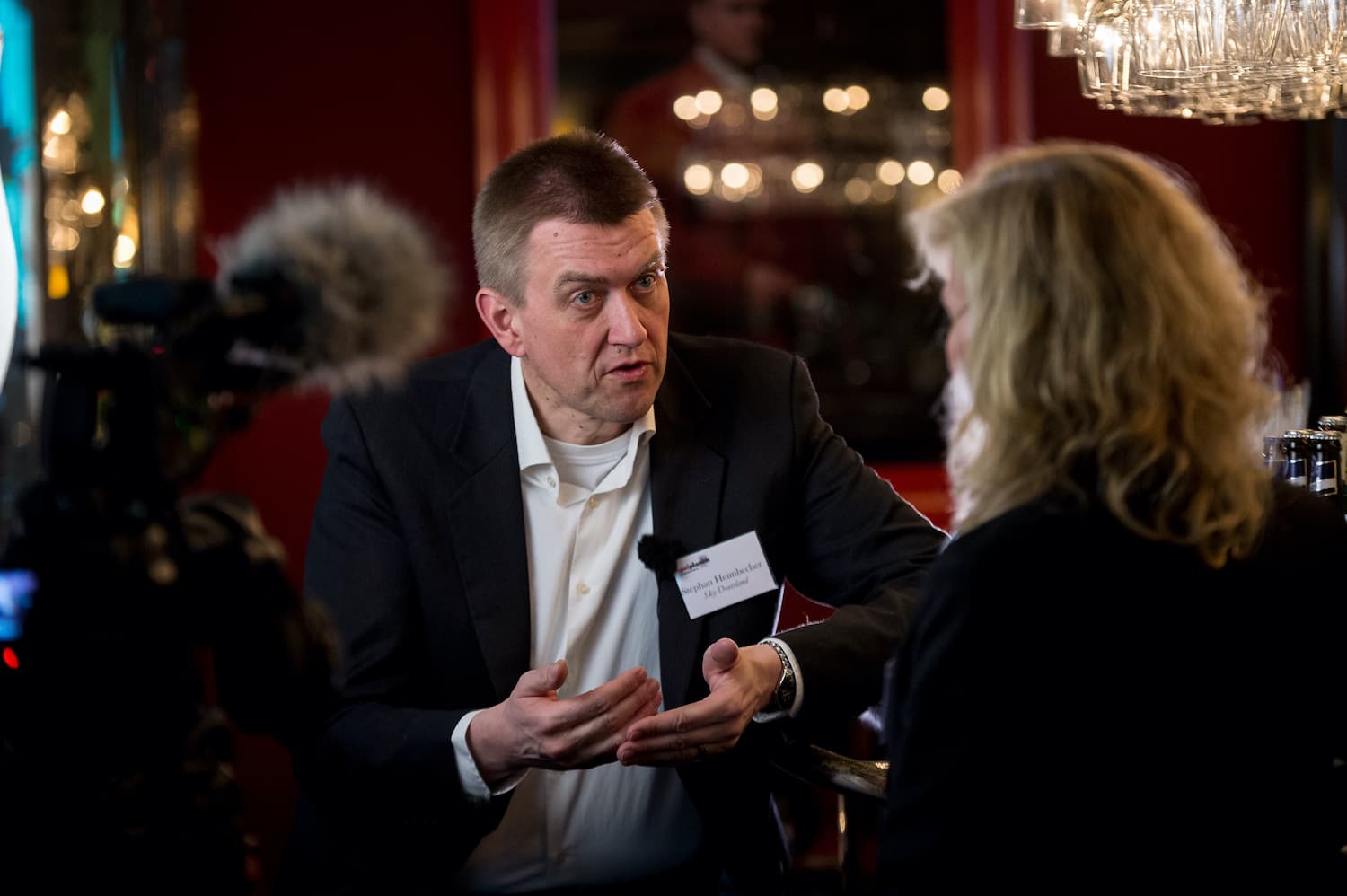
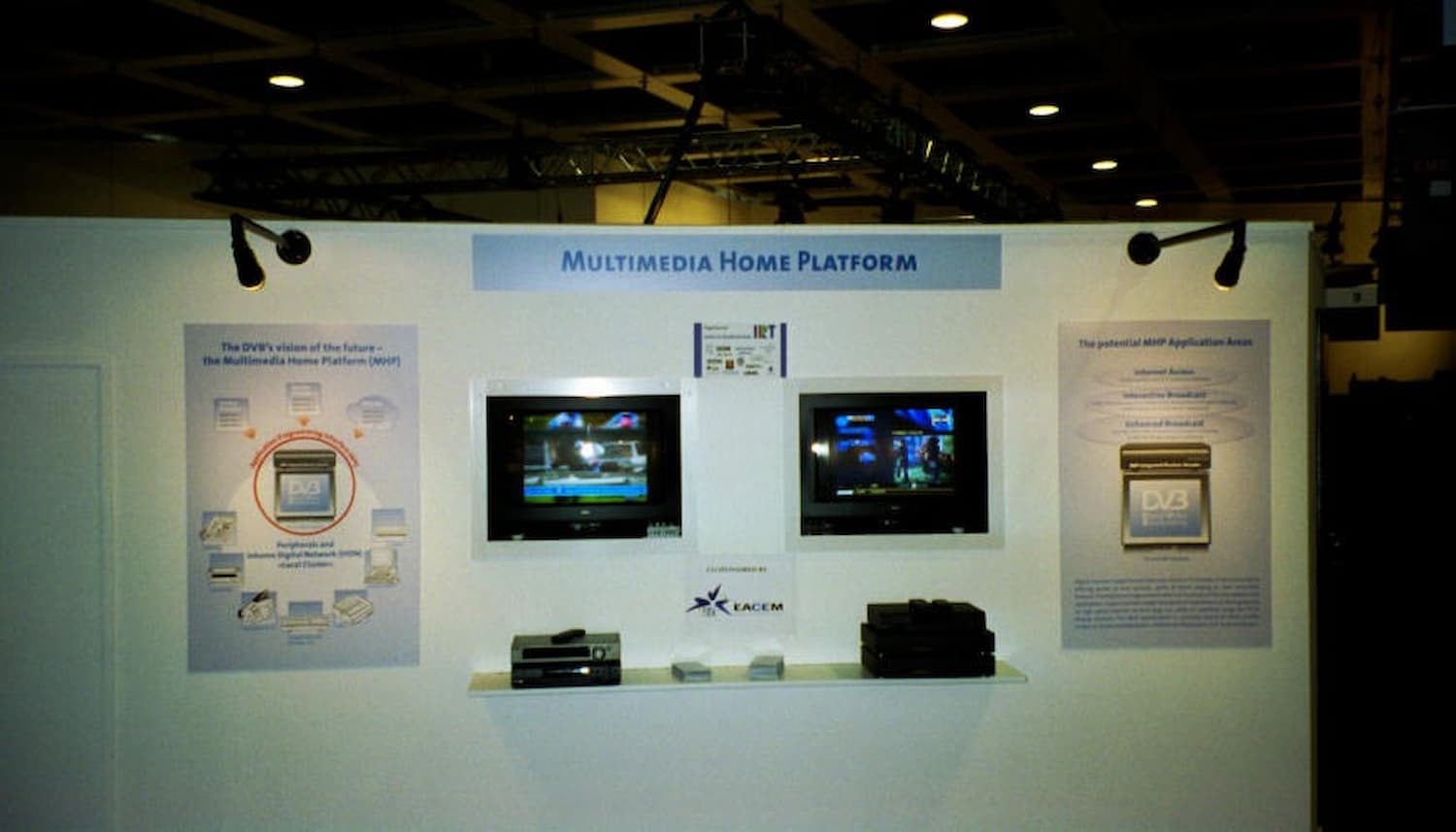
I became closely involved with MHP, the Multimedia Home Platform, and soon began participating in standards development through DVB and related activities. That work gave me significant visibility outside the institute and introduced me to many people across the industry.
I remained in that environment for several more years, but eventually realized that the next internal step would probably be a management role. That would have meant spending much of my time on administration and paperwork rather than hands-on technical work, which wasn’t the direction I wanted.
— Were you actively looking for another job?
No, but my standards work made me visible, and headhunters began contacting me. At first, I wasn’t prepared for that kind of attention, but it gradually made me realize my experience had value beyond my current role. I decided I wouldn’t leave simply to change jobs, but to act when a genuinely interesting opportunity appeared.
“I was not looking to leave, but I realized that when the right opportunity appeared, I had to be ready to take it.”
Joining the Kirch Group During a Turbulent Period
— What opportunity convinced you to leave IRT?
At the end of the 1990s, I joined Top 5 Media Connection, a very small company within the Kirch Group. The team consisted of only around 12 to 15 people, and our task was to make the D-Box already deployed in Germany compatible with MHP. I worked at Top 5 Media Connection for only a year and a half. The Kirch Group later filed for insolvency, and the structure around us began to collapse.
— How did you move from Top 5 Media Connection to Premiere?
Helmut Stein had been appointed CTO across the Kirch Group’s technology companies as part of an effort to bring them closer together. I knew him well through our work within DVB, and he invited me to join Premiere.
The timing was difficult. Premiere had dismissed around 1,000 employees only two weeks before I received the offer, while the wider Kirch Group was going through insolvency. Moving there seemed like joining a sinking ship, but the company I was already working for belonged to the same group and faced the same uncertainty.
— Why did you accept the offer?
I believed Premiere offered a stronger long-term opportunity, especially because Helmut Stein actively supported my move. The first few years were turbulent, but conditions eventually stabilized. Premiere later became Sky Deutschland, and I remained with the combined organization for more than 16 years. It became a long and important chapter of my career.
Sixteen Years of Technology and Innovation
— What was your role at Premiere and later Sky Deutschland?
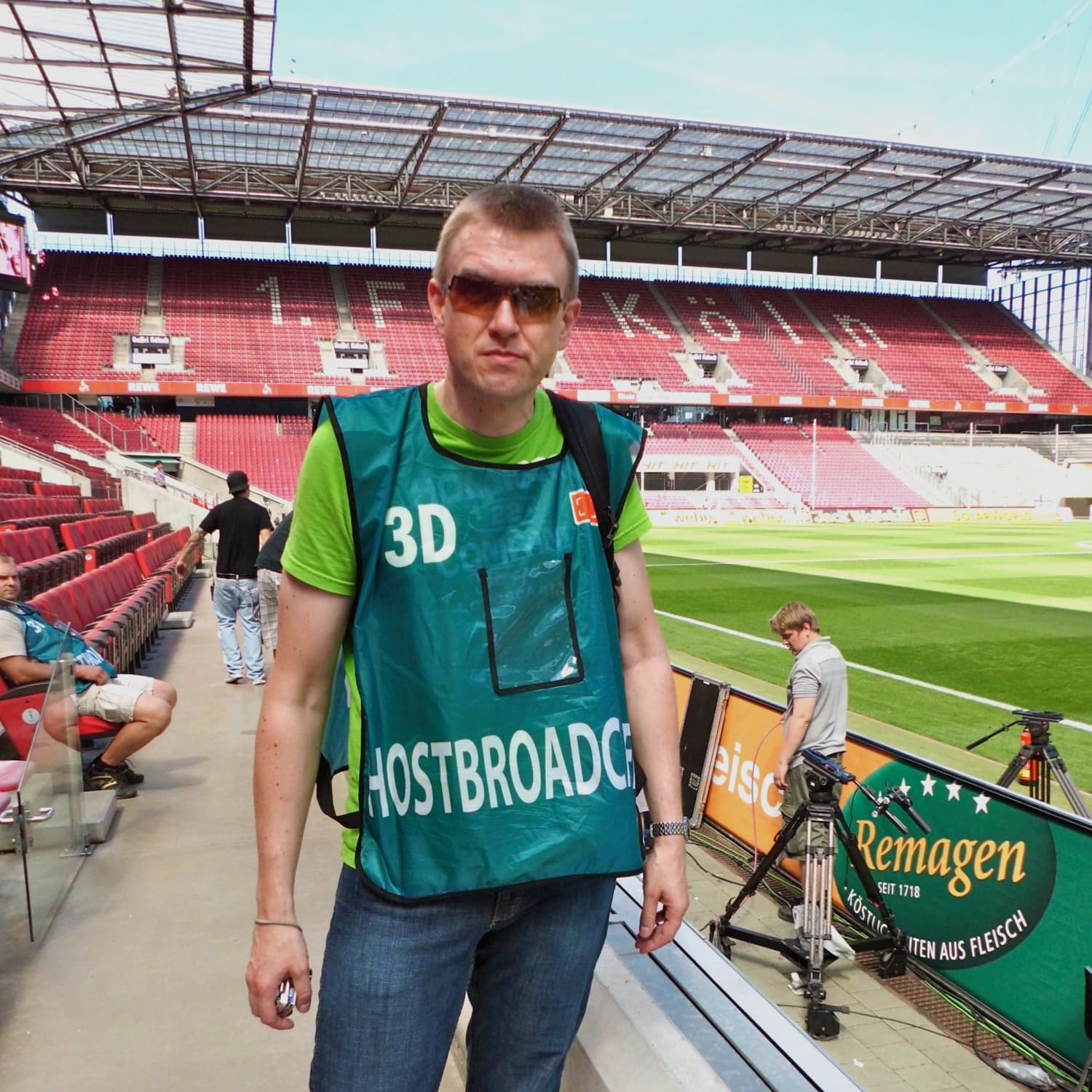
My job titles changed over the years, but the core of my role remained largely the same: I was responsible for technology and innovation. I continued to work extensively on standards, while also evaluating and developing new technologies that could shape the company’s future.
One of the first major areas was high definition, around 2004 and 2005. Later, that work developed into broader HD services. We also went through the brief 3D television phase, which attracted considerable attention at the time but ultimately disappeared. Beyond new formats, I worked on major operational changes, including the transition from tape-based workflows to file-based production and many other technology projects.
“It was a period when almost every part of television was changing—from HD and 3D to the move from tape-based workflows to file-based operations.”
— What made that period particularly interesting?
The industry was evolving on several fronts at once. We were not only introducing new consumer formats but also redesigning the underlying technical infrastructure and production processes. That combination of standards work, practical implementation, and long-term innovation made the role extremely varied.
I remained with Premiere and Sky Deutschland for more than 16 years, so I had the opportunity to see many of those technologies move from early discussions and experiments into real operational systems.
Leaving Sky After the Comcast Merger
— Why did your time at Sky Deutschland come to an end?
The situation changed when Comcast merged with Sky. As part of the restructuring, the company eliminated many middle-management positions—approximately 350, although I don’t remember the exact figure. I was among those who left with a severance package. After such a long period with Premiere and Sky, it was a major transition, but it also opened the way to the next stage of my career.
— Was it difficult to leave after more than 16 years?
It was certainly a significant change because the company had been such an important part of my professional life. At the same time, the decision was made as part of a broader corporate restructuring rather than because of my individual performance.
That made it easier to look ahead and consider what kind of role would let me keep working on technology strategy, innovation, and industry transformation.

Building an Advisory Business at Imagine Communications
— What did you do after leaving Sky Deutschland?
I joined Imagine Communications, where I worked closely with Philip Grossman. My role was to establish a new unit called Imagine Advisory Services.
The company realized its teams were providing valuable consulting during the pre-sales phase of major projects, particularly IP transformations. However, some potential customers used that expertise to design their strategy and then selected a different vendor for the actual implementation.
— What was the idea behind Imagine Advisory Services?
The goal was to turn that expertise into a formal consulting business rather than continue giving it away during the sales process. Customers would pay for strategic and technical advisory services, including support for complex IP projects.
If they later purchased Imagine equipment or services, the consulting fee could effectively be credited back as part of the wider deal. This created a fairer model: customers received independent value from the consulting work, while Imagine was compensated for the knowledge and resources it invested even when a hardware or software sale did not follow.
A Consulting Business That COVID Never Allowed to Launch
— What happened to Imagine Advisory Services?
The model was designed so that customers would pay for consulting, but if they later purchased Imagine equipment or services, the consulting fee could effectively be credited back as part of the deal. That was the basic idea.
He Built Global Sports Television Across Four Continents — Then Started Again at 46
By early 2020, I had built the structure, and we were preparing to launch. Then COVID arrived. In response, Imagine let go of many people who had joined the company in previous years across different levels of the organization. I was one of them, and Imagine Advisory Services was never officially launched.
— How difficult was it to find another position during the pandemic?
I was unemployed for ten months. By then, I had built what I believed was a strong professional network, but even the best network was of limited value because companies simply weren’t hiring. Nobody knew how the situation would develop. Once again, I tried to use the time constructively. I completed courses in areas such as Scrum, agile working, and related methods because I did not want to sit at home doing nothing.
— When did you decide to become an independent consultant?
After some time, I noticed that companies were beginning to look for support again, but not necessarily through permanent hires. They needed people with experience in standards, innovation, and technology management, often on a consulting basis.
I saw enough evidence that work was available, so I started my own company. That decision worked out well.
Returning to Public Broadcasting
— How did your consulting work lead you to SWR?
One of my first clients was SWR, which is part of the ARD network. They initially hired me as a consultant for six months. Later, they told me that a long-term position had become available and asked whether I would consider joining the company. For me, it felt as though my career had come full circle.
— Why did it feel like a return to your roots?
I had started at IRT, the research and development organization serving the public broadcasters in Germany, Austria, and Switzerland. I then spent more than 16 years in private broadcasting and pay-TV with Premiere and Sky, and also during my brief period at Top 5 Media Connection in the Kirch Group.
After that, I briefly crossed to the manufacturer side with Imagine Communications. Joining SWR brought me back to public broadcasting, where my professional journey began. That is where I remain today.
— Beyond your work in public broadcasting, what has been particularly rewarding at this stage of your career?
One of the things I value most is being a RISE mentor. RISE Women in Broadcast runs a structured six-month program that pairs women in the media and broadcast technology sectors with industry leaders for career guidance, networking, and professional development.
It is a wonderful way to give back, but also to learn from the younger generation. I am now in my fifth year as a mentor, and I have no intention of stopping anytime soon.
“COVID closed one door, but consulting eventually brought me back to the public broadcasting world where my career had started.”
Helping Shape the Early UHD Era
— Looking back, what do you consider your greatest professional achievement?
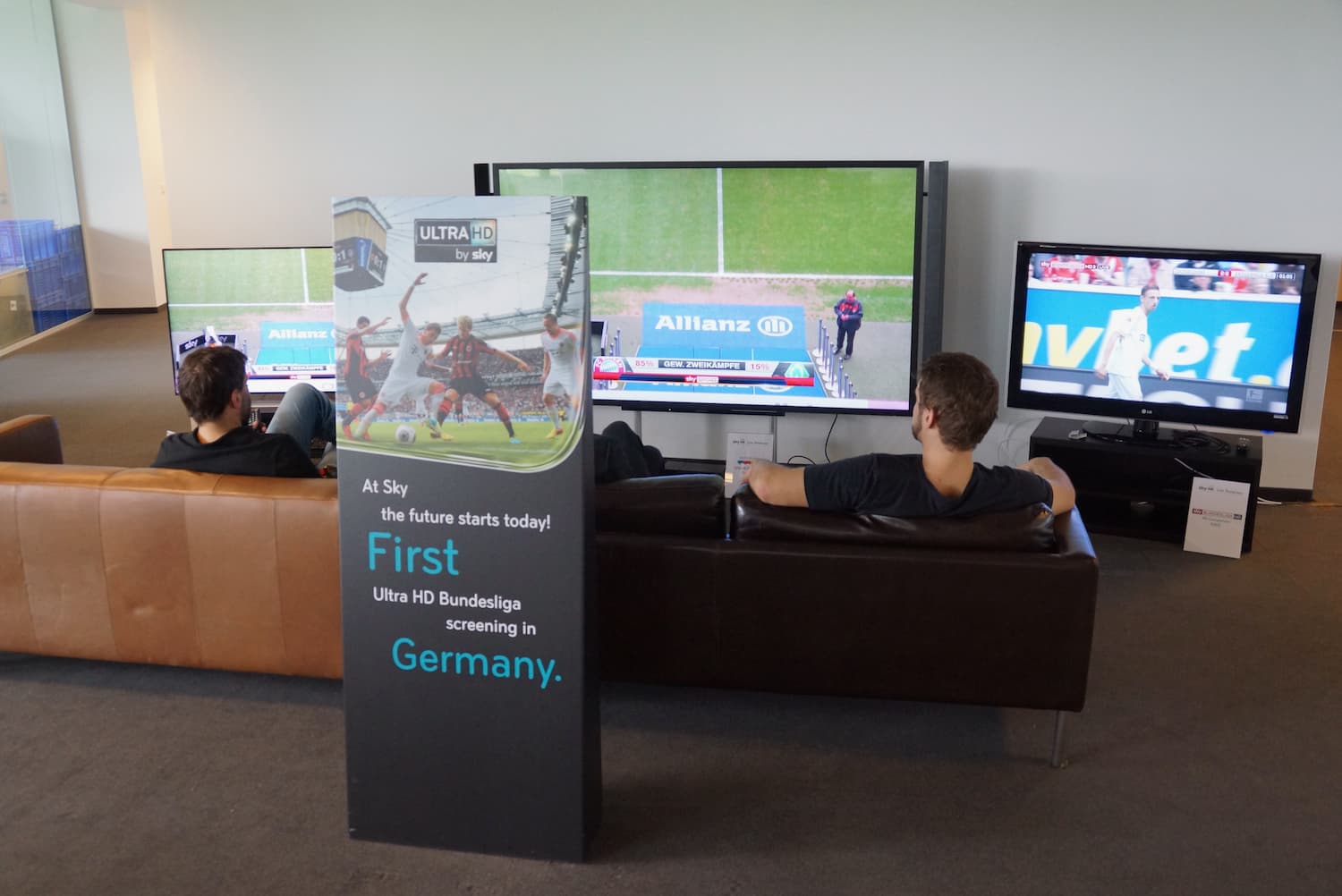
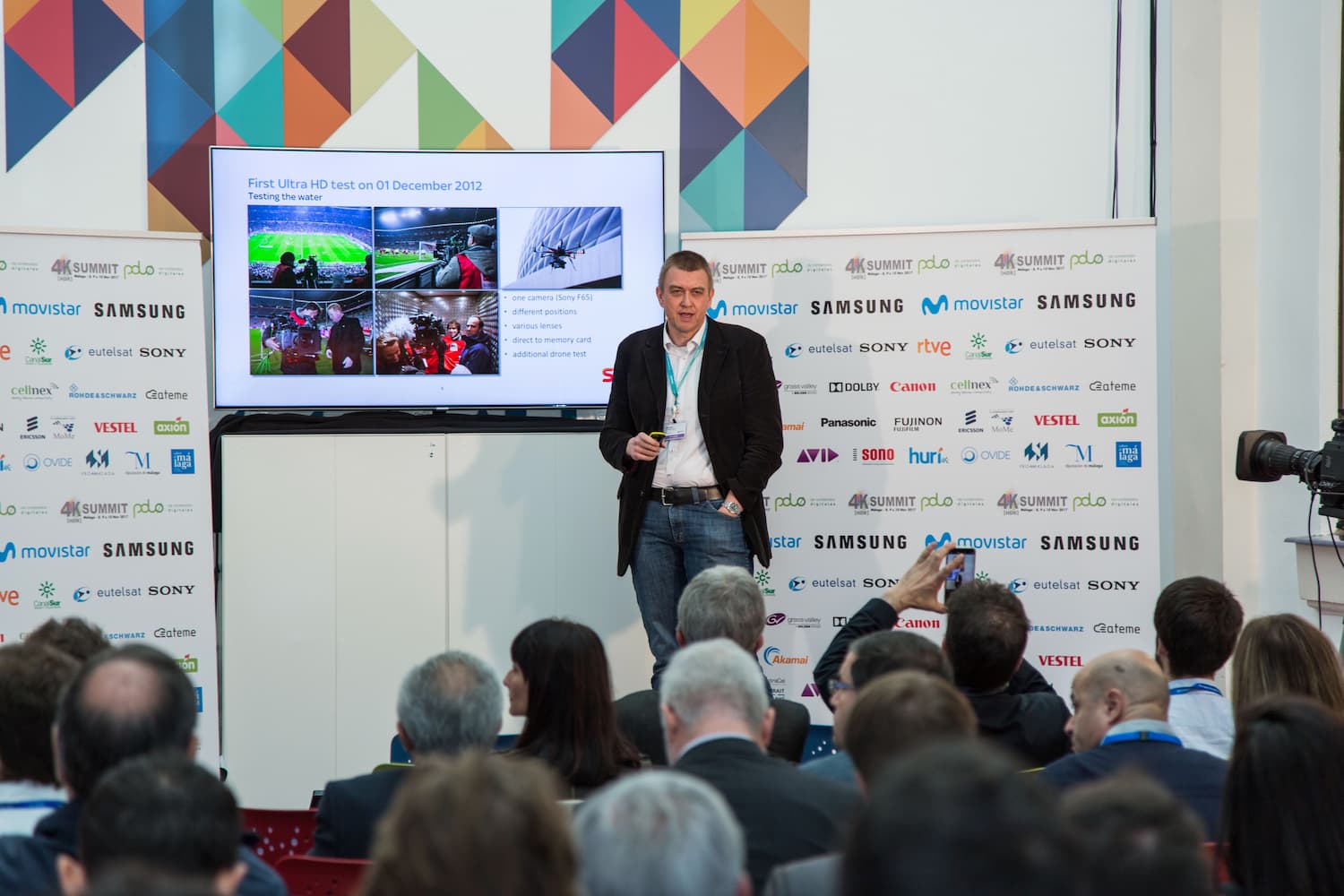
One of the most important periods was the beginning of the UHD era at Sky. We started exploring the technology early, at the end of 2012, when we didn’t even call it UHD yet. Internally, we called it “Beyond HD.”
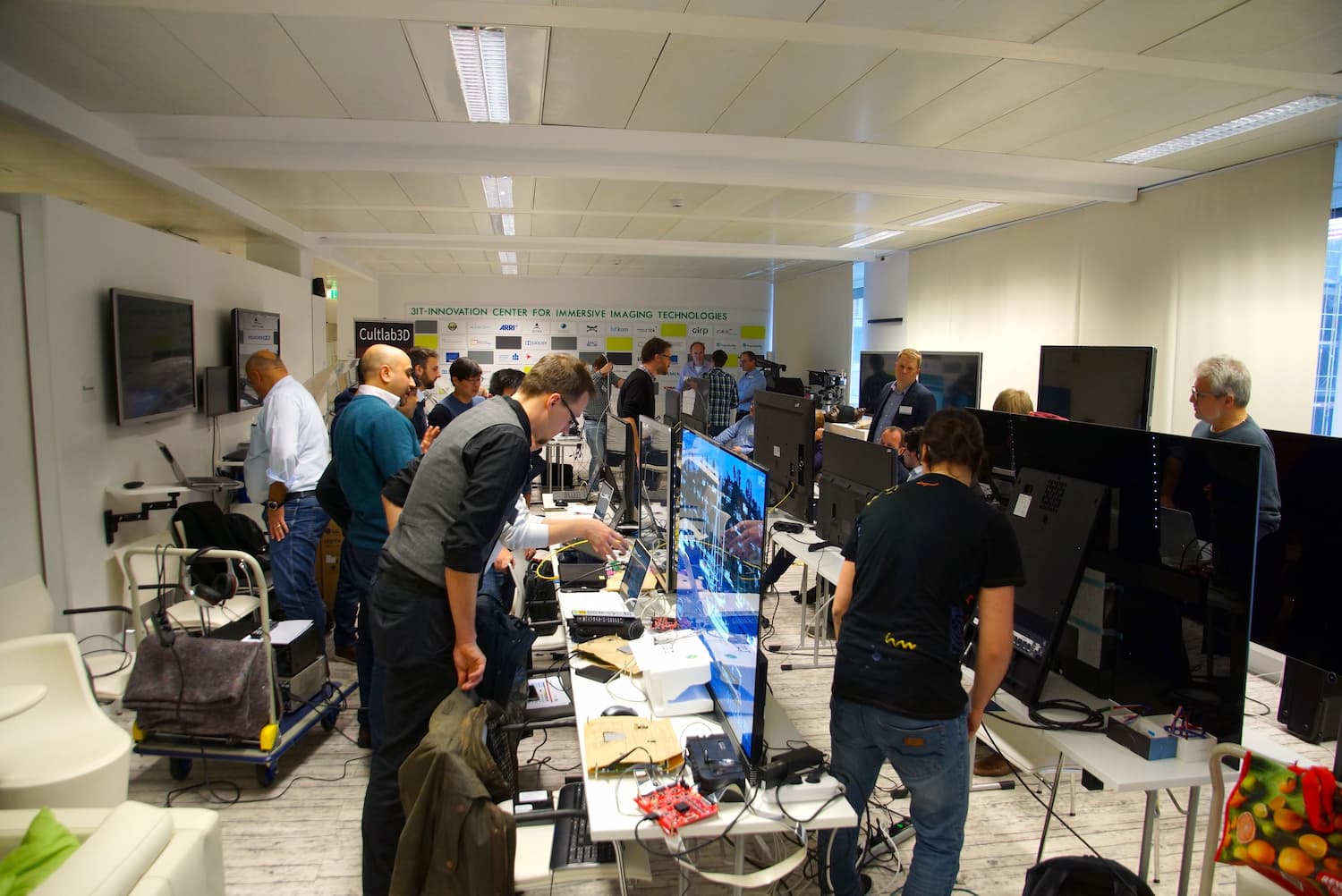
We became well known for those activities, and around 2014, although I would need to confirm the exact year, we carried out what I believe was the world’s first live UHD HEVC broadcast. It was a relatively small test rather than a major commercial production, but it helped demonstrate what was possible and contributed to the wider industry’s progress toward UHD.
— What made those projects possible?
I have always considered myself a hands-on person, although it is becoming increasingly difficult to remain that practical as roles become more management-focused. We therefore worked closely with partners, including Sony, and I always valued open collaboration.
When you find like-minded people willing to work pragmatically toward the same objective, you can achieve a great deal without getting trapped in unnecessary bureaucracy.
— Did Sky give you the freedom to work in that way?
Yes. I had a formal reporting structure, but in practice, I was given considerable independence. As long as I wasn’t doing anything completely unreasonable, I could move projects forward without asking for permission at every stage. Over time, the company recognized that this freedom produced results. I remain very grateful to Sky for letting me operate that way.
— Were there other achievements from that period that were important to you?
Yes. Around 2009, I began to understand that colleagues in the programming department were facing increasing difficulties in managing output deals with the major studios.
Building a Direct Dialogue with Hollywood Studios
— You mentioned another achievement connected with studio output deals. What problem did you identify?
As a pay-TV operator, we had contracts with all the major Hollywood studios defining what content we were allowed to show and under what conditions. In the analog era, a contract might contain around 70 pages of commercial terms and only half a page of technical requirements. That attachment essentially said we had to ensure only paying subscribers could access the content—which was already fundamental to our business model.
The situation changed with the arrival of personal video recorders and hard-disk recording in viewers’ homes. The technical annexes became increasingly complex, growing from half a page to two pages, then ten pages and beyond. I realized colleagues in the programming department could not manage those requirements alone because they lacked a technical background.
— How did you address the problem?
I established close and regular communication with all the major Hollywood studios. We met with them proactively and explained our technology plans before they became contractual issues.
That approach was new for the studios as well, but it worked because we adapted to each market’s requirements. Germany is highly regulated, and some measures the studios might have preferred were simply not legally possible. Maintaining a permanent dialogue allowed us to explain those limitations and find workable solutions.
— How long did that collaboration continue?
I started it around 2009, and it continued until I left Sky in 2018. It wasn’t as visible as our UHD work because most of it happened in the background, but it became an important part of the company’s overall relationship with the studios.
An Elton John Fan Community That Became a Family Story
— Could you tell us about your family?
I have been married for more than 20 years, and we have a 23-year-old daughter.
— How did you meet your wife?
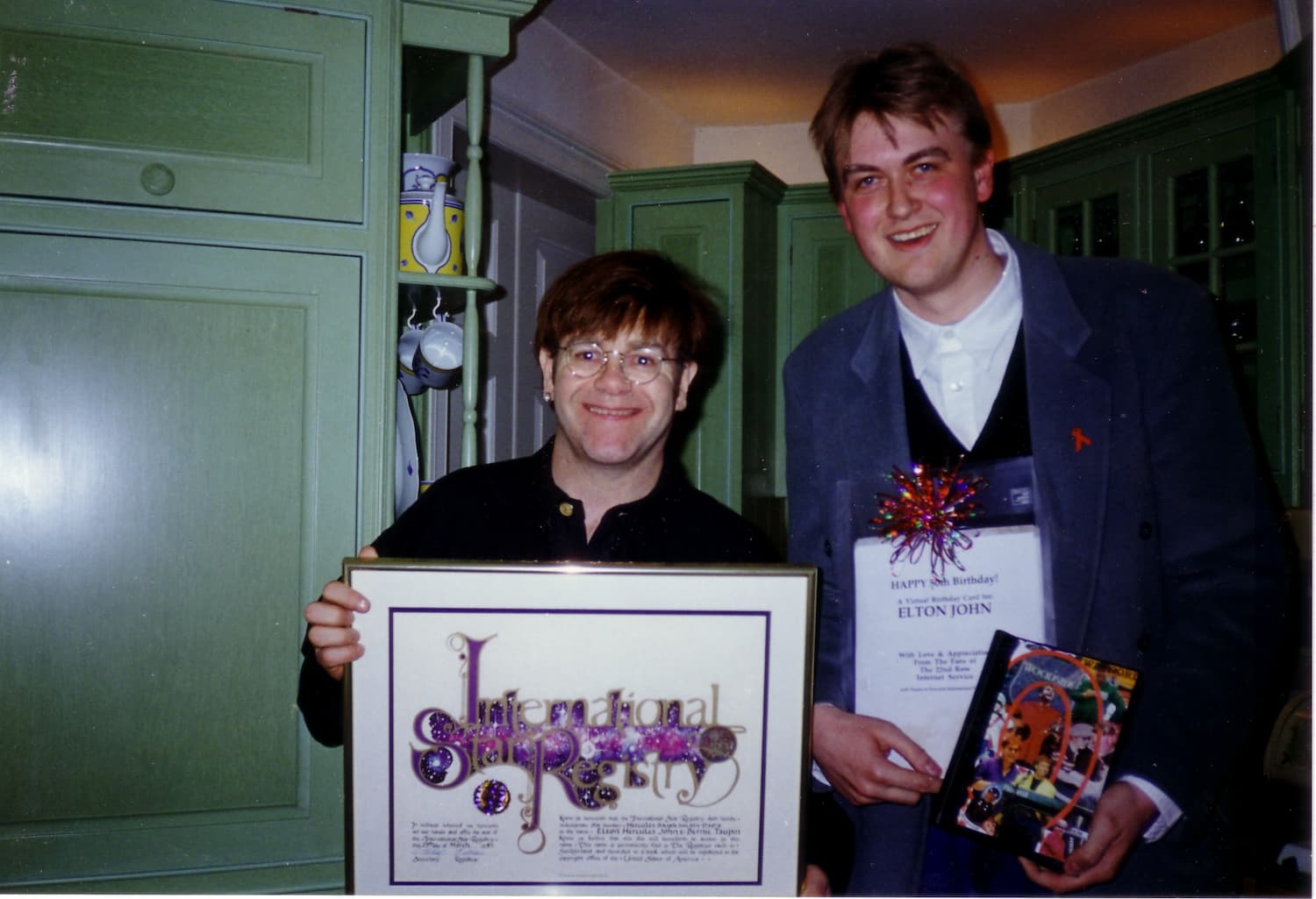
We are both dedicated Elton John fans, and we met through that community. When I was younger, I always needed to be doing something rather than simply sitting at home. While I was still serving in the military, I started an Elton John fan club in Germany.
Because I enjoyed organizing things, the club kept growing and eventually became an international community. I ran it for almost 30 years. My wife and I first met through the fan club in the 1990s, although we knew each other for quite a long time before we fell in love.
— What does your wife do?
She works in care services for elderly people, providing ambulatory care. She had previously worked as a nurse and also as a carpenter.
After our daughter was born, she spent some time away from employment. Returning was not easy because employers sometimes assumed that, as a woman with one child, she might have another soon. However, she has now worked in elderly care for many years.
A Wish for Technology to Slow Down
— What is your dream now, professionally and personally?
Professionally, I would like the wheel to turn a little more slowly. Technological development has become so rapid that it is increasingly difficult for anyone to keep up with everything. AI is only the latest example of a technology emerging extremely quickly and affecting many areas, not only broadcasting but other industries as well.
I increasingly feel that we no longer finish anything. If we are fortunate, a technology reaches perhaps 80 percent maturity before everyone becomes distracted by the next major development. That constant acceleration is exhausting, and it is not only because I am getting older.
“We often reach only 80 percent maturity before the industry becomes distracted by the next big thing.”
— Do you think the industry is adopting technology too quickly?
Yes. People increasingly stop asking whether a new technology is actually necessary. They assume that because it exists, it must be implemented, and I strongly disagree. During my early years with DVB, the process began with commercial requirements. At least five members representing at least two different groups—such as broadcasters and manufacturers—had to confirm a genuine commercial need worth addressing.
— How did that process work?
Once the commercial requirements had been agreed, they were passed to the technical module. The technical experts then converted those business needs into a specification, and companies developed products and solutions that implemented it.
Today, the process often begins at the opposite end. We may already have five similar technical solutions for a problem that nobody had previously identified. Standards organizations then go back and try to construct commercial requirements for technology that has already been developed.
— Is this problem limited to DVB?
No. I think it affects many standards organizations with strong technical backgrounds. Technology is increasingly driving the process, while the original business problem and genuine user need are considered only afterward. That reversal is not a healthy way to develop standards or build an industry.
AI in Broadcasting: Why 80% Accuracy Isn’t Enough — Emili Planas
Innovation Without Enough Reflection
— Why do you believe the current approach to technology is unhealthy?
We have turned the process upside down. We adopt technologies quickly and often fail to stop and ask what the consequences will be, whether they genuinely solve a problem, and whether they actually improve our lives or our work.
Cloud is a good example. For years, almost everyone rushed toward it, investing considerable money and effort. Now, some organizations are beginning to step back and reconsider whether every workload really belongs there, but much of that investment has already been made.
— What would you like to see change?
I would like innovation to continue, but at a pace that people and organizations can realistically absorb. Today, developments arrive so quickly that nobody has time to understand them properly before the next major technology appears.
At the same time, the geopolitical environment has also become increasingly unstable. Many people are dealing with pressure in both their private and professional lives, and it is clear that some are becoming overwhelmed by the combination.
Stability, Health, and Seeing the World
— What are your personal wishes for the future?
Like most people, I want to remain healthy and for my family to remain healthy as well. I have also experienced twice what it means to lose a job almost overnight. I learned a great deal from those experiences and grew through them, but as I approach 60, I am not particularly interested in going through a third round.
I would simply like more stability and the opportunity to reach the later part of my life without constantly dealing with crises and uncertainty on every level.
— Is travel still important to you?
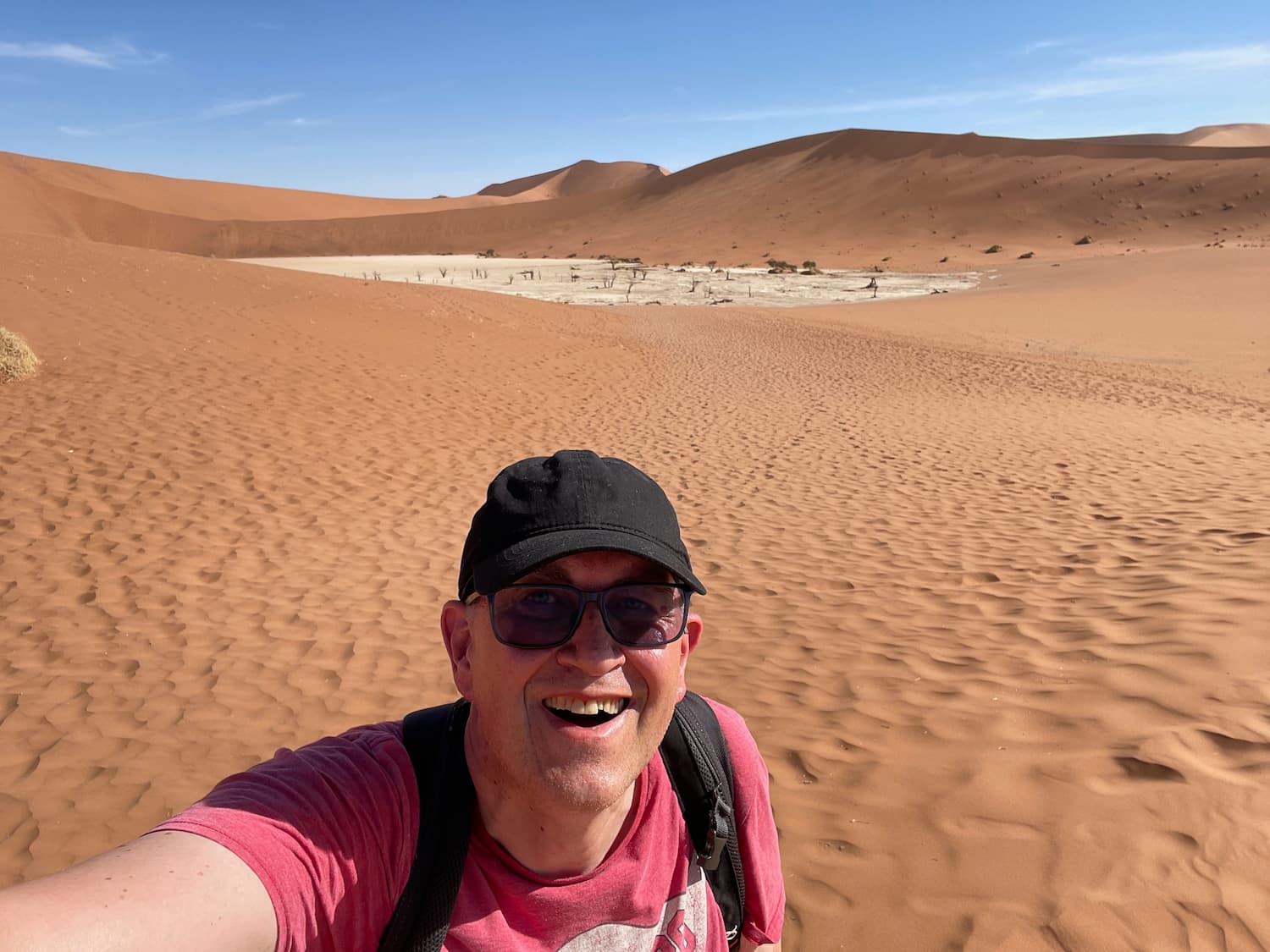
Very much. I have always loved traveling and want to keep doing it for as long as I can. Political tensions, wars, and other global developments have made that harder, but my desire hasn’t changed.
I don’t travel halfway around the world just to stay in an environment that reproduces what I already know at home. I want to meet local people, experience other cultures, and understand how people live in different countries.
“I would like innovation to continue, but at a pace that people and organizations can actually absorb.”
When Digital Convenience Becomes More Complicated
— Is there also a generational difference in how people judge new technology?
Yes. We are now the older generation, and we remember how things worked before everything became digital. Sometimes the new way is clearly better, but I often find myself thinking the old way wasn’t so bad either.
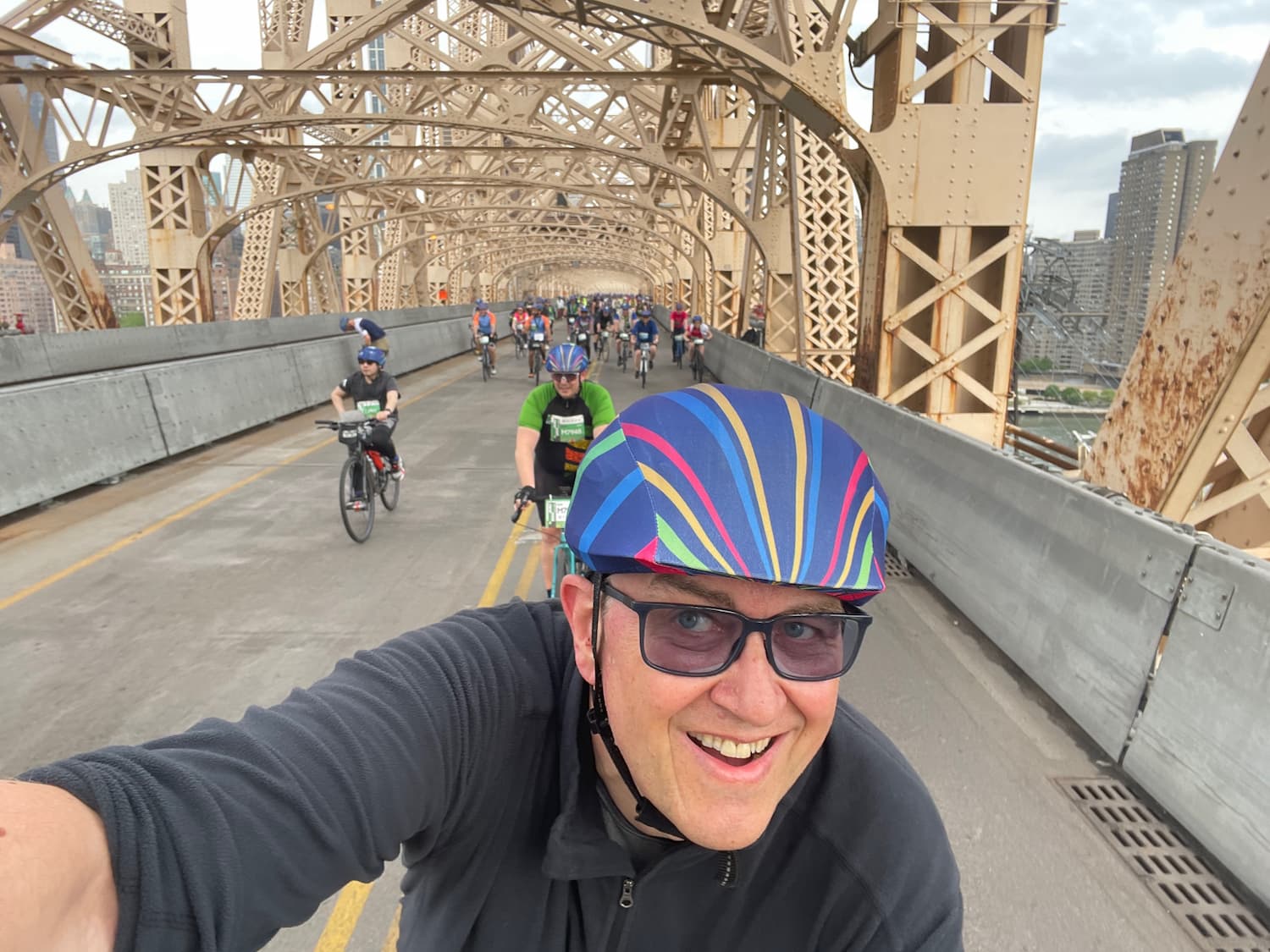
A simple example is Germany’s Deutschlandticket. You pay a monthly fee of roughly €50 and can use local public transport and regional trains across the country. It is extremely useful, especially for someone like me who travels frequently, because you no longer have to understand every local ticketing system.
— But has the smartphone ticket really made the process easier?
The ticket now sits inside an app. When inspectors arrive, everyone starts tapping through their phones, looking for the right screen and trying to display the QR code. It can take much longer than simply pulling a paper ticket out of your pocket.
You may also have problems with the connection or the app at exactly the moment when you need to show the ticket. It is a small example, but it demonstrates how technology can make a service more convenient in one respect while making the actual experience more complicated.
“Technology often makes something more convenient while simultaneously making it more complex.”
Progress That Can Also Feel Like a Step Back
— Do you see the same contradiction in media technology?
Absolutely. When we were younger, you could record a television program on a VHS tape, give it to a friend, and receive it back later. Today, many of those simple actions are no longer possible.
Even if you purchase a DVD or Blu-ray outside your own country, you may encounter regional restrictions. In cases like that, it is reasonable to ask where the progress really is, because the newer system can feel more restrictive than the one it replaced.
— Why is it so difficult to predict what comes next?
Many developments are probably already underway that we don’t know about yet. You may arrive at the next NAB Show or IBC without any awareness of the latest technology everyone is discussing.
Four days later, you leave the exhibition wondering how the industry ever functioned without it. What continually surprises me is how quickly we accept those new ideas, focus on the convenience they promise, and rarely stop to consider the consequences that may follow.
AI in Sports Production: Why Tenders Hold Back Innovation — Waleed Isaac
The Ethical Risks Arrived Before the Regulation
— What concerns you most about the rapid adoption of AI?
We often adopt new technologies because of the convenience they offer without considering the consequences. AI offers extraordinary possibilities, but it also carries serious ethical risks. Governments are now rushing to introduce legislation and prevent certain abuses, but in some respects they are already too late.
AI did not begin with ChatGPT two or three years ago. The technology had been developing for decades before it became visible to the wider public. By the time most people became aware of it, many of the people who had pursued that vision for 20 or 30 years had already achieved a great deal.
— As a technology professional, how do you personally respond to generative AI?
I am divided. As someone who has worked with technology throughout my career, I am fascinated by what generative AI can now do. The progress made in only two and a half years is extraordinary.
At the same time, almost anyone, including a child of around ten, can now create images, video, or other content that looks convincing enough for many people to believe it is real. A large part of the audience will not stop to ask whether what they are seeing could have been fabricated. That’s frightening, which is why I have started to use the term ‘frightcination’ when it comes to AI.
AI and Multiplatform Sports Broadcasting: Hamad Abdelrazaq on New Workflows
When Seeing Is No Longer Believing
— Why do you believe synthetic content will become such a serious problem?
We already have problems with fake news, and they will likely get much worse. People often accept professionally produced content without questioning it, while younger generations may not yet have developed the skepticism needed to navigate this environment.
Even when a viral image or story is later exposed as false, the original impression often remains in people’s minds. We are psychologically conditioned to believe what we see, and that makes the generative side of AI particularly difficult to manage.
“Even when something is later exposed as fake, the image often remains in people’s minds as if it were real.”
— Are there areas where AI can provide clear benefits to broadcasting?
Absolutely. AI agents could search through years or even decades of archive material at a scale that would be impossible for any realistic team of people. That could allow broadcasters to rediscover, reuse, and monetize archive content that would otherwise remain inaccessible.
AI can also be extremely useful for summarizing large amounts of information and supporting research. The problem is that these benefits exist alongside hallucinations and other reliability issues, so the results still need to be questioned and verified.
How Easily AI Can Be Misled
— What demonstrates the danger of relying on AI-generated information?
I recently read an article describing an experiment in which a woman created an entirely fictional disease. She also produced fake academic papers and attributed them to invented experts and institutions.
According to the article, she deliberately included clues that the material was false, including bizarre university names, but no one detected the deception. After the fabricated information entered the system, AI tools could describe the disease as though it genuinely existed and even suggest it in response to certain symptoms.
— What does that example tell us?
The experiment demonstrated how easily AI can be manipulated. In this case, the intention was to expose the technology’s weakness, but the same methods could serve people with far more harmful objectives.
The fundamental challenge will be separating reliable information from deliberate fabrication. If AI systems absorb false material and later present it with confidence, it may become increasingly difficult for users to distinguish between what is real and what has been constructed. These days, the most important thing is for people to question and verify everything AI presents. But most people simply absorb the AI answer, spread it further, and that way feed the wrong information back into the learning process of AI systems.