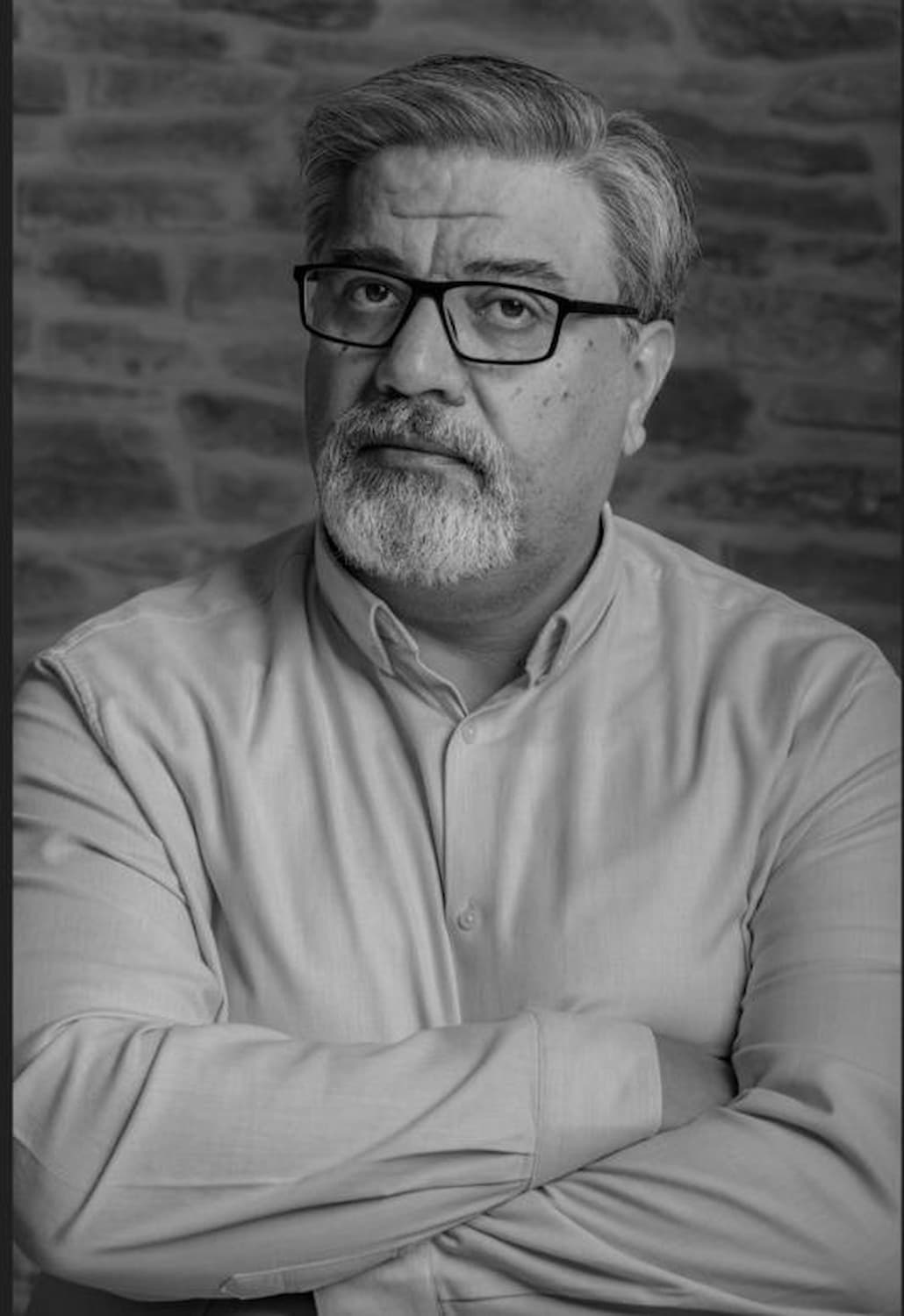
Mustafa Tell, General Manager of Broadcast Operations at Arab Radio & Television (ART), Jordan, looks back on relocating the network’s broadcasting operations from Italy to Jordan, restructuring ART Sports, and the unlikely path that led him from political science to television.
In this Who’s Who interview, he also discusses the impact of AI and his hope that Arab companies will become creators—not only buyers—of broadcast technology.
Inaugural Gulf & MENA Decision-Makers Forum 2026 Concludes in Dubai
Moving an Entire Broadcast Operation to Jordan
— After production moved from Italy to facilities across the Middle East, what challenge came next?
The owner was very impressed by the savings we achieved through the production move. He then asked me to take on a much bigger task: organizing the move of the entire broadcast operation from Italy to Jordan. It was an enormous project. It became the largest transfer of channels from Europe to the Middle East, and we had to execute it step by step.
— What made the project so difficult?
We built a completely new transmission center in Jordan Media City. At the same time, we had to hire and train people almost from scratch, many of whom had no previous experience in broadcast operations.
It was a major adventure, but thankfully we succeeded. We moved ART’s broadcasts from Italy to Jordan, achieved significant savings, and brought a large amount of work into the Middle East. In Jordan, we hired engineers, channel management staff, library staff, directors, and many other people who became part of the broadcast operation. Some channel managers were reluctant to leave Italy, but the financial and operational benefits helped win support for the relocation.
— What technical changes did the new broadcast hub introduce?
We were among the first broadcasters in the region to move away from tape-based workflows and adopt non-linear broadcasting with servers. The technology was new not only for us, but also for many of the vendors and partners involved in the project. In many ways, everyone was learning together.
“In the beginning, our daily technical report was a stack of problems. Six months later, it was a single page saying everything was fine.”
— What do you remember most from that period?
The first months were extremely stressful. Every day we produced technical reports listing issues that had occurred on-air. Initially, those reports were pages long. As the operation stabilized, the reports gradually got shorter and shorter.
I still remember receiving phone calls at four o’clock in the morning about missing programs, unavailable content, or unexpected technical failures. There were many sleepless nights. But after six to eight months, the system had matured, and what had once been a crisis became routine.
From Operations to Channel Management
— What came after the broadcast migration?
Following the successful move, I became Head of Broadcast Operations. Later, the owners asked me to take responsibility for several channels within the network. Interestingly, some of those channels were originally expected to be temporary operations that would eventually be shut down. Instead, several of them continued for years under my management.
— Which channels were you responsible for?
Over the years, I managed several services, including the children’s channel, the non-Arabic movie channel ART Movie World, the classic Arabic music channel Tarab, and Iqra Radio. All of this was in addition to my responsibilities as Head of Broadcast Operations, so it was a very busy period professionally.
Taking Over Sports Broadcasting
— How did you become involved with ART Sports?
Around 2006, the owners approached me with a new challenge. At the time, ART Sports held an extraordinary portfolio of rights, including FIFA, UEFA, Asian, and African competitions. The problem was not content. The problem was cost. The company was spending significant amounts of money on production, and management wanted someone to streamline operations and improve efficiency.
— What was your mission?
My task was to reduce production costs without compromising quality. I officially took over around 2007 and began restructuring both studio and outside broadcast operations. At the same time, we introduced production methods never used before in Arab sports television.
TFT1957 | TV & Film Technology Magazine October 2026, Issue 797
Reinventing Arab Sports Television
— What innovations did your team introduce?
We launched Arabic-language coverage of American football, something no one had done before. We developed multi-location coverage models for major sporting events and became the first Arabic broadcaster to deliver live NBA coverage directly from the arenas in the United States.
We also introduced new production workflows, new technologies, and a different editorial approach to sports television. One simple but important change was bringing local football players into the studio as guests and analysts, which was not common practice at the time.
— How successful was the project?
We reduced production costs while increasing output and programming hours without sacrificing the quality we were aiming for. The channels became extremely successful. Competition in the market intensified, and eventually Al Jazeera Sports decided to acquire ART’s sports business. The transaction was completed in 2010. After the sale, I returned to my role as Head of Broadcast Operations, a position I have held ever since.
— What has kept you motivated since then?
Broadcasting is an industry that never stands still. Even after I returned to operations, the company kept assigning me special projects, whether they involved new technologies, new facilities, or entirely new business initiatives.
That constant process of building, improving, and solving new challenges has kept the work interesting for me over the years.
A Second Family
— Beyond projects and technology, what has ART meant to you personally?
ART has always felt like a second home to me. Had the company not invited me back to the Middle East, my life would probably have taken a completely different direction. I might have remained in the United States and built my career there.
“Today I feel that I have two families: my own family and ART.”
— Do you ever think about how different your life could have been?
Absolutely. Returning to the Middle East through ART shaped not only my career but also my personal life. It influenced where I lived, the people I met, and ultimately the family I have today. For that reason, my relationship with the company goes far beyond a professional connection.
A Childhood Shaped by History and Curiosity
— When and where were you born? Who were your parents?
I was born in Amman, Jordan, in 1965. My father was an eye surgeon. He passed away in 2012. My mother was a homemaker and, thankfully, she is still with us today. She is now in her eighties.
— What is your earliest childhood memory?
One of my earliest memories is from 1968, when my family moved into a new home in Amman.
I was born in Al-Weibdeh, one of the city’s oldest and most beautiful neighborhoods. Later, my parents bought a piece of land and built a house on what was then considered the outskirts of Amman. I was only three years old, but I still have vivid memories of arriving at the new house, seeing the garden, and exploring the surroundings. Those images have stayed with me throughout my life.
A year later, my father traveled to Austria for professional training as part of his medical specialization. Although I was still very young, I also have clear memories from that trip. I remember walking through forests, which was something completely different from anything I had seen in Jordan. Those experiences left a lasting impression on me.
— What subjects did you enjoy most at school?
I spent almost all of my school years at the same school in Amman. I attended a different school for only one year, but I didn’t like it and eventually returned. My favorite subjects were always history and geography. I loved reading about different countries, cultures, and historical events. Politics also interested me from an early age.
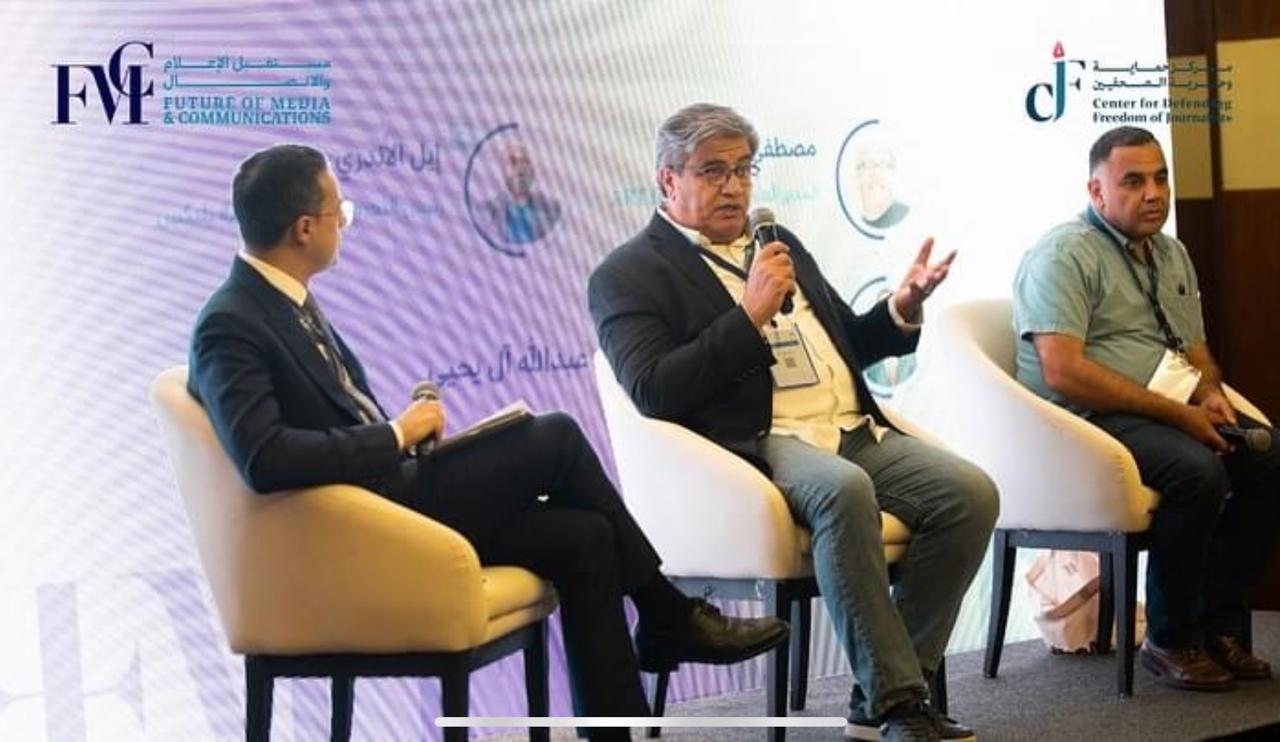
At the same time, I was very good at mathematics and the sciences. In Jordan, when it came time to choose an academic track, students could choose between science, literature, or industrial studies. Because my grades in science and mathematics were strong, my parents encouraged me to pursue the science stream.
I completed my education in the science track, even though my personal passion remained history and geography.
— How did you choose your university?
I eventually enrolled at the University of South Florida in Tampa. At the time, I had researched several universities, including some Ivy League institutions. However, I felt that those universities would be extremely demanding, and honestly, I wanted a more balanced student experience.
Another factor was that the University of South Florida was still relatively young. In addition, a Jordanian professor and family acquaintance was teaching there. My parents and I felt it would be helpful to have someone familiar nearby who could support me during the transition to life in the United States.
For all of those reasons, Tampa and the University of South Florida felt like the right choice.
The Professional Student Years
— What did you study at the University of South Florida?
I often joke that I was a professional student. I spent nine years at the University of South Florida because it took me a while to figure out what I really wanted to do.
I started in mathematics because I had come from the science stream in Jordan. I did well academically, but after my first year, I realized I didn’t want a career in mathematics. Teaching didn’t appeal to me, and I couldn’t see a future for myself in that field.
— What happened next?
At the time, computer science was still a very new discipline. We didn’t really have it in Jordan, so I saw it as an opportunity. I switched majors and spent a year studying computer science.
But then another concern appeared. I kept asking myself: if computers are not yet widely used in Jordan, what kind of job will I have when I return home? I worried I would specialize in something that didn’t yet exist in my country.
AI and Multiplatform Sports Broadcasting: Hamad Abdelrazaq on New Workflows
Searching for the Right Path
— Did that lead you to economics?
Yes. I convinced my parents that economics would be a practical compromise. It combined analytical thinking with broader social issues, and they eventually agreed, though somewhat reluctantly.
After a couple of years, however, I realized economics wasn’t where my passion lay. I was never particularly motivated by money or financial markets. I wanted to spend my life doing something that genuinely interested me.
— Was political science the subject you truly wanted to study?
Absolutely.
Without telling my parents, I switched to political science. When they eventually discovered it, they were not pleased. In fact, they told me that if I insisted on that path, I would have to support myself financially.
Ironically, that only confirmed that I had made the right decision. For the first time, I found myself studying subjects I genuinely loved. The assigned reading wasn’t a burden because it was exactly the kind of book I was already reading for fun. That was the moment I realized I had found my place.
A Turning Point Called 1991
— What happened after graduation?
After completing my degree in political science, I began a Master’s program in International Studies at the University of South Florida. Everything seemed to be moving in a clear direction until events in the Middle East completely changed my plans.
In 1990, Iraq invaded Kuwait. As tensions escalated and the possibility of war became increasingly real, I became deeply concerned about Jordan and the region’s future. I felt that history was unfolding in front of us, and I did not want to watch it from thousands of miles away.
— Why did you decide to leave the United States?
I made a very emotional decision. I left my Master’s program, sold everything I owned, and returned to Jordan. My flight arrived the day before the United Nations deadline for Iraq to withdraw from Kuwait. I landed shortly before midnight. Immediately afterward, Jordanian airspace was closed because of the coming conflict. As far as I know, mine was one of the last flights to arrive before the shutdown.
— How did television enter your life?
About a week after I returned to Jordan, ITN approached me to cover the Gulf War from Amman. They needed someone to translate and help the team navigate the local environment.
I accepted the opportunity and quickly became involved in their daily operations. Before long, they realized my background in politics, history, and regional affairs let me contribute far more than translation. I could arrange interviews, explain local dynamics, and help the team understand the broader context. As a result, I moved from translator to local producer, and that became my introduction to television.
— When did you realize television could become your career rather than just a hobby?
Working with ITN during the Gulf War changed everything. I loved the job from the very beginning. For the first time, I saw a profession that combined two things I had always been passionate about: politics and international affairs on one side, and television on the other.
The truth is, media has been part of my life for many years. I started writing for Jordanian newspapers when I was around 12 or 13 years old. Later, at 16, I spent summers working at Jordan Television as an assistant producer. At the time, I simply enjoyed it. I never imagined it would eventually become my profession.
— Did ITN offer you a permanent position?
Yes. After the war ended, ITN invited me to join its Cairo office as a permanent staff member.
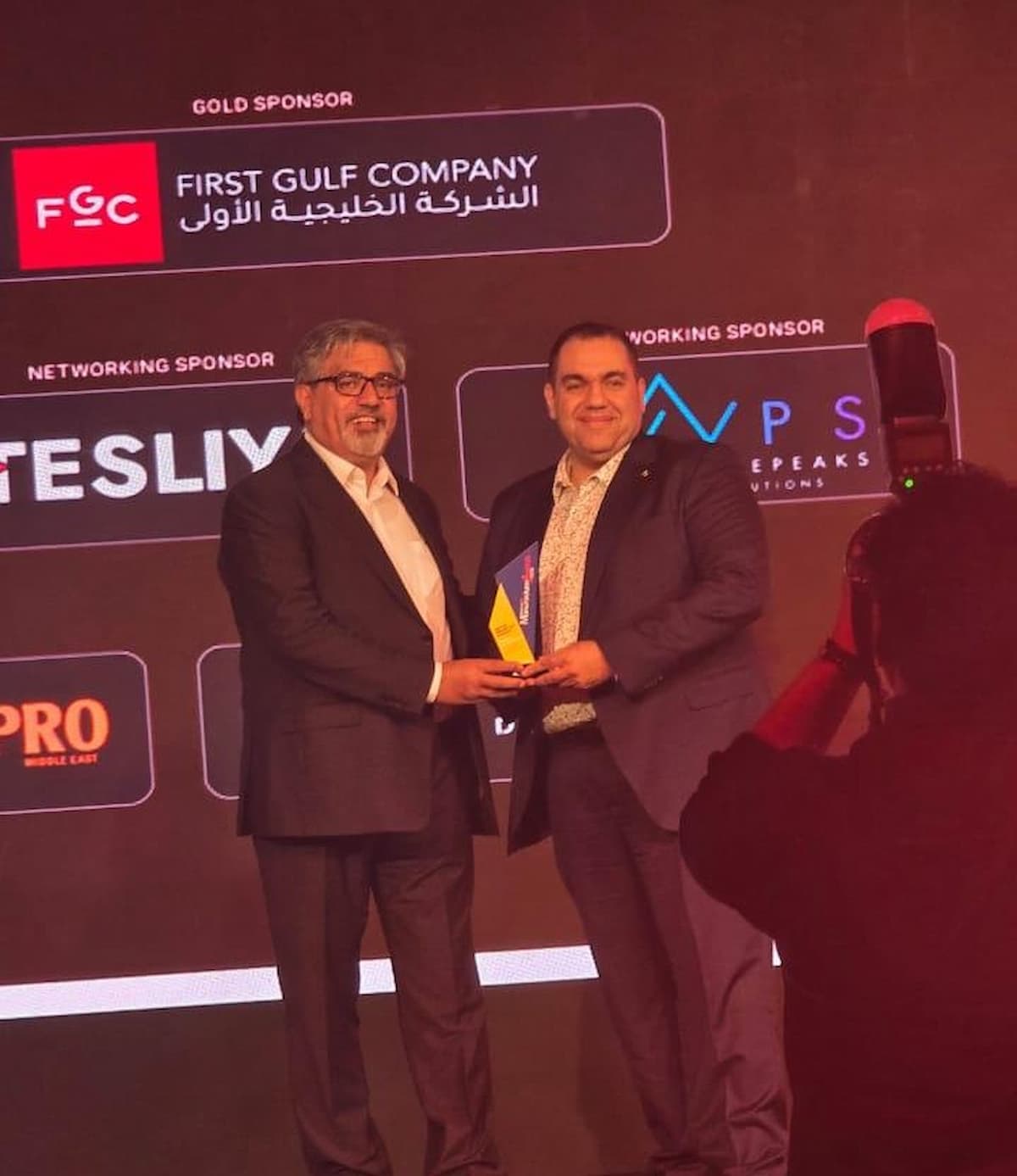
It was a very attractive opportunity, but I declined. If I was going to change careers, I wanted to return to the United States and study television properly. America still felt like home, and I wanted to keep building my future there.
Back to the United States
— How did you choose your next educational step?
A friend of mine was studying at Temple University in Philadelphia. She told me about its Radio, Television, and Film program, and it sounded exactly like what I was looking for. I returned to the United States and enrolled in graduate-level RTF courses at Temple University. My goal was to gain formal training and better understand the television industry.
— Did you complete the program?
No, I only stayed for about a year. At some point, I felt that the program was becoming very equipment-oriented. Much of the training focused on technical operations, and I believed I could learn many of those skills through practical experience. Eventually, I decided that real-world work would teach me more than staying in the classroom.
Minneapolis and Youth Media
— What was your next move?
After spending time in Philadelphia, I moved to Minneapolis, where some friends were living. After several months of job hunting, I found a position at a local television station and began working as a producer.
At the same time, I became deeply interested in community and youth media. What started as a side project soon became one of the most meaningful parts of my career.
— What kind of projects were you involved in?
I worked with local access television organizations, teaching young people how to create media content. We trained them to operate cameras, edit footage, write scripts, and produce news programs.
Among the projects I am most proud of were the first Native American youth news program in the United States and also the first Somali-American news program. Both initiatives gave young people a voice and an opportunity to tell their own stories. Watching those programs succeed was incredibly rewarding.
“Teaching young people how to tell their own stories became one of my greatest passions.”
The Call That Changed Everything
— How did you return to the Middle East?
While living in the United States, I regularly sent proposals to Jordan Television. I suggested producing programs about Arab communities in America and other stories relevant to audiences back home.
Some of those proposals eventually reached Eng. Radi Alkhas. He had previously led Jordan Television and later joined a new venture that was making headlines across the region — the first Arab private television network, ART.
— What did he offer you?
He called me while I was still in the United States and asked whether I would be interested in returning to the Middle East to join the new network. ART was looking for media professionals with international experience, and the opportunity was too exciting to ignore. It was a chance to help build something entirely new for the Arab broadcasting industry.
Building ART in Jordan
— What was your first position at ART?
I joined ART in Jordan as a Production Manager. After my first year, I was promoted and given responsibility for the entire production center. Together with the team, we carried out a major transformation of the facility and significantly upgraded its production capabilities.
— How did your role at ART develop after the first year?
Before I joined, the production center in Jordan was producing only a few programs. Over time, we turned it into one of the network’s key production hubs. We became the number one producer for children’s programming and special programs within ART, and that put a spotlight on my work. After that, the company moved me to Italy. At the time, ART had its largest Arabic production facility outside the Middle East in Avezzano, Italy, and they asked me to take over its operations.
— How different was the Italian production center from what you had in Jordan?
The difference was enormous. In Jordan, we did not have a proper studio. We mainly worked with a portable setup: four cameras and the necessary equipment, which we could take anywhere and assemble on location. In Italy, I suddenly had ten studios under my responsibility, including a couple of very large ones. I managed that entire production operation for several years.
AI in Sports Production: Why Tenders Hold Back Innovation — Waleed Isaac
Moving Production Back to the Region
— Why did you decide to move production out of Italy?
After working closely with management, I realized that production in Italy was costing the company a great deal of money. We were paying European rates, flying people in for programs, and bringing guests to Italy for recordings. Sports was especially expensive. We produced a lot of sports programming, and that meant flying in sports guests, experts, and commentators. The costs were too high, and the model wasn’t financially sustainable.
— What solution did you propose?
I started looking at how we could shift production to ART’s existing facilities in the Middle East. At the time, we had production houses in Lebanon, Jordan, Egypt, Tunisia, UAE, and Saudi Arabia.
Eventually, we closed the production arm in Italy and moved the work back to the region. We distributed programs by content type: most sports production went to Egypt and Saudi Arabia, cultural programming was produced largely in Jordan, and entertainment moved to Lebanon.
Looking Toward the Future
— What is your dream today?
The media industry is going through one of the biggest transformations in its history. Traditional television is evolving into a world of social media, IPTV, streaming platforms, and OTT services. My goal is to help our network successfully navigate that transition and remain relevant in the new media environment.
— How important is artificial intelligence to that future?
AI is already having a major impact on our industry, and I believe its influence will only continue to grow. We are already using artificial intelligence for content restoration and playlist management. My ambition is to learn more about these technologies and expand their use across our operations wherever they can improve efficiency and quality.
A Dream for Arab Media
— Is there a larger dream you would still like to see realized?
Yes. It is a dream I have carried with me for many years. I would like to see greater cooperation across the Arab media industry. Instead of constantly competing, I believe broadcasters and media organizations could achieve far more by working together and building stronger regional partnerships.
— Why is that important?
Because excessive competition often weakens everyone involved. We spend too much energy fighting for the same opportunities when cooperation could benefit the entire industry. I still remember attending SPORTEL in Miami. A rights holder looked at my badge, saw that I was from Jordan, and asked whether I was Arab. When I said yes, he made a comment that has stayed with me ever since.
His point was simple: as long as Arab organizations compete against one another instead of working together, others will continue to benefit from that division. That conversation reinforced something I had believed for years — that collaboration can often create far more value than competition.
I often repeat a story during meetings with other Arab broadcasters. Rights owners know exactly how divided we are. They keep increasing prices because they know that someone will eventually pay. Then they raise the price again, and again, and again. As long as we negotiate separately and compete against one another, they benefit from our divisions. I have spent years encouraging broadcasters to sit together, discuss common interests, and find ways to cooperate rather than constantly fight over the same assets.
— Has that vision become reality?
Unfortunately, not yet. The industry remains highly competitive, and genuine cooperation is still limited. But I continue to advocate for it because I believe it would strengthen the entire Arab media sector. We have talented people, strong organizations, and significant audiences. What we often lack is a unified approach.
Buyers, Not Creators
— Is there another challenge that concerns you?
Yes. I have observed it for more than two decades at industry events such as IBC, NAB, and CABSAT. Whenever I walk through the exhibition halls, I see companies from all over the world presenting technologies, products, and innovations. Unfortunately, in the Arab world, we are usually present as buyers rather than creators.
— What do you mean by that?
Even when we sell services, those services are typically built on technologies developed elsewhere. We may provide satellite capacity, production services, system integration, or operational expertise, but the core technology usually belongs to someone else. That is not a criticism of our industry. It is simply an observation. We are active participants in the market, but rarely the owners of the products being showcased.
From Technology Buyers to Technology Creators
— Has this changed over time?
When I first started attending international industry exhibitions more than twenty years ago, very few Indian companies were exhibiting their own technologies. Today, there are many. The same is true for China. Years ago, Chinese technology companies had very little visibility at major broadcast exhibitions. Today, they occupy large stands and compete globally.
Meanwhile, I still rarely see products developed by Arab companies being marketed internationally as original broadcast technologies.
“For more than twenty years, I have watched other regions become technology creators while we remained primarily technology buyers.”
— What would you like to see happen in the future?
My dream is for the Arab media industry to move beyond being only a consumer of technology and become a creator of technology as well. We have talented engineers, creative professionals, entrepreneurs, universities, and media organizations. There is no reason why we cannot develop products that serve not only our region but the global broadcast industry.
— What would success look like to you?
One day, I would like to walk through the halls of IBC, NAB, or CABSAT and see Arab companies exhibiting technologies that they designed, developed, and brought to market themselves.
Not services built around somebody else’s technology, but genuine products carrying our own ideas, our own innovation, and our own intellectual property. That is a dream I have carried for many years, and I hope future generations will make it a reality.
Ammar Hina: The Gulf Is No Longer an Emerging Broadcast Market — It Is a Global Growth Engine